

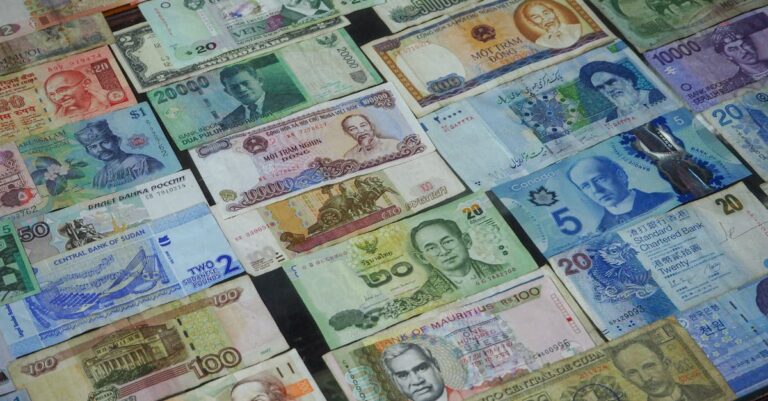
Navigating Economic Uncertainty demands attention to global rate holds. Discover how persistent inflation and currency shifts impact your wealth, guiding proactive financial resilience.
The global economic landscape continues to evolve with remarkable speed, presenting both challenges and opportunities for those striving to build and maintain wealth. Recent decisions from key central banks across Europe, Asia, and North America to largely hold interest rates steady, even amidst rising oil prices and geopolitical tensions, highlight a complex and sometimes contradictory environment. For individuals focused on Navigating Economic Uncertainty, understanding these forces is paramount. This intricate dance of inflation concerns, currency fluctuations, and cautious monetary policy directly influences everything from the cost of your daily essentials to the long-term health of your investment portfolio.
Market analysts, drawing insights from recent Reuters reports, have pointed to a scenario where central bankers are carefully weighing the risks of persistent inflation against potential economic slowdowns. The European Central Bank, the Bank of Japan, the Bank of England, and the U.S. Federal Reserve all chose to keep borrowing costs unchanged. This collective stance signals a wait-and-see approach, even as rising energy costs, fueled by conflict in the Middle East, threaten to push consumer prices higher. Conversely, the Australian dollar experienced a boost after its central bank, the Reserve Bank of Australia, opted for a second consecutive rate hike, underscoring divergent regional economic pressures.
For the ‘Work to Wealth’ community, these macroeconomic movements are not abstract concepts confined to financial news headlines. They are tangible forces that erode purchasing power, shift investment returns, and dictate the prudence of borrowing or saving. As the U.S. dollar index softened against a basket of currencies, while the euro and yen gained ground, the intricate web of global finance became even more apparent. This article delves into the nuances of these central bank decisions, the pervasive threat of inflation, the ripple effects of currency volatility, and most importantly, provides actionable strategies for Navigating Economic Uncertainty to protect and grow your wealth.
Central Banks’ Stance: Global Rate Holds and Their Rationale
The recent wave of central bank meetings brought a consistent theme: caution. From New York to Tokyo, policymakers largely opted to maintain their current interest rate levels, a decision heavily influenced by the persistent shadow of inflation and the volatile energy market. This coordinated stillness from some of the world’s most influential financial institutions provides a crucial backdrop for Navigating Economic Uncertainty in your personal financial planning.
The Federal Reserve’s Measured Approach
In the United States, the Federal Reserve chose to hold interest rates steady for the third consecutive meeting. This decision came even as the Fed projected higher inflation and fewer reductions in borrowing costs for the year. The central bank’s communication emphasized a data-dependent approach, signaling a readiness to observe how economic conditions, particularly inflation and employment, evolve before making further moves. For many, the Fed’s stance reflects a delicate balancing act – curbing inflation without stifling economic growth. This careful calibration has significant implications for everything from mortgage rates to the returns on savings accounts, shaping the financial landscape for millions.
European Central Bank’s Vigilance
Across the Atlantic, the European Central Bank (ECB) similarly kept its benchmark rates unchanged. However, the ECB explicitly stated its close monitoring of growth and inflation risks, particularly those stemming from surging oil prices. Europe, as a significant energy importer, is acutely sensitive to spikes in commodity costs. The euro’s subsequent rise against the dollar reflects market confidence, or perhaps anticipation, regarding the ECB’s future policy direction and its commitment to price stability. This vigilance from the ECB underscores the interconnectedness of global energy markets and regional economic stability, a critical factor for anyone Navigating Economic Uncertainty.
Bank of Japan and the Yen’s Ascent
Japan’s central bank, the Bank of Japan (BOJ), also maintained its steady interest rates but notably retained a bias for tighter monetary policy in the future. This subtle hawkish signal, combined with the broader market dynamics, contributed to a significant appreciation of the Japanese yen against the U.S. dollar. For a nation historically battling deflation, the prospect of future policy tightening, however gradual, represents a substantial shift. Investors and consumers alike are watching closely, as a stronger yen impacts everything from export competitiveness to the cost of imported goods for Japanese households.
Bank of England’s Unanimous Hold
The Bank of England (BoE) joined its peers, voting unanimously to keep borrowing costs on hold. The BoE explicitly cited inflation risks emanating from the Middle East conflict as a primary concern. The British economy, like Europe’s, is vulnerable to external shocks, particularly those affecting energy prices. Sterling’s strengthening against the dollar suggested that markets perceived the BoE’s tone as relatively hawkish, acknowledging the persistent inflationary pressures within the UK economy. This firm stance against inflation, even at the expense of immediate growth stimulus, is a consistent theme among central banks.
Divergence: The Reserve Bank of Australia’s Rate Hike
In contrast to the prevailing trend, the Reserve Bank of Australia (RBA) hiked rates for the second straight month. This decision was made amid concerns about the Middle East conflict posing a material risk to the domestic economy, despite unemployment ticking slightly higher. The RBA’s actions highlight that not all economies are experiencing the same pressures or are at the same stage in their economic cycles. Australia’s proactive tightening reflects a specific set of domestic inflationary concerns, serving as a reminder that global trends can have distinct regional manifestations. This regional divergence adds another layer of complexity when Navigating Economic Uncertainty on a global scale.
Other Central Banks: Switzerland and Canada
The Swiss National Bank (SNB) also kept rates unchanged but signaled a readiness to intervene to curb a recent surge in the franc. This interventionist stance aims to manage currency strength and its potential impact on exports and overall economic stability. Meanwhile, the Bank of Canada (BOC) held its key policy rate steady as expected, reflecting a largely neutral position in the face of global uncertainties. These varied responses, even among developed economies, underscore the unique challenges each central bank faces, all while grappling with the overarching concerns of inflation and geopolitical instability.
In essence, the collective message from these central banks is one of vigilance. While most are holding steady, they are all keenly aware of the upward risks to inflation, primarily driven by external shocks like rising oil prices. This environment of sustained but cautious monetary policy sets the stage for a period where economic adaptability and informed financial decisions are more crucial than ever for those committed to Navigating Economic Uncertainty effectively.
The Persistent Inflation Challenge: Erosion of Purchasing Power
Inflation is not merely an economic statistic; it’s a tangible force that erodes the value of your money, making everything from groceries to gasoline more expensive. The current global economic climate, marked by central bank rate holds and rising commodity prices, places the persistent inflation challenge squarely at the forefront of personal finance concerns. For anyone focused on Navigating Economic Uncertainty, understanding this challenge is the first step toward mitigating its impact.
What is Inflation and Why Does it Matter?
In simple terms, inflation is the rate at which the general level of prices for goods and services is rising, and subsequently, the purchasing power of currency is falling. When inflation is high, your dollar buys less than it did before. Over time, sustained inflation can significantly diminish the real value of your savings and fixed income streams. It’s a silent tax that impacts everyone, but particularly those on fixed incomes or with substantial cash savings.
Current Drivers of Inflation: Oil Prices and Geopolitical Tensions
The most prominent driver of current inflationary pressures, as highlighted by numerous central bank statements, is the surge in oil prices. Geopolitical events, particularly the conflict in the Middle East, have directly contributed to volatility and upward pressure in energy markets. Brent crude futures, for instance, have seen significant increases, directly impacting transportation costs, manufacturing expenses, and ultimately, consumer prices for a wide array of goods and services.
Beyond oil, other factors contribute to the inflationary environment:
- Supply Chain Disruptions: While some supply chain issues have eased, new disruptions or persistent bottlenecks can still limit the availability of goods, driving up prices.
- Strong Consumer Demand: In some sectors, robust consumer spending, fueled by accumulated savings or wage growth, can outpace supply, leading to price increases.
- Labor Market Dynamics: Tight labor markets and rising wage demands can contribute to higher business costs, which are often passed on to consumers.
- Government Spending: Fiscal policies, including significant government spending, can inject liquidity into the economy, potentially fueling demand and inflationary pressures.
The Impact on Your Everyday Life
The effects of persistent inflation are felt most acutely in daily expenditures. You might notice:
- Higher Grocery Bills: Food prices often rise, impacting household budgets directly.
- Increased Fuel Costs: The price at the pump directly reflects global oil prices, affecting commuters and businesses alike.
- Elevated Utility Bills: Energy costs can translate into higher electricity and heating bills.
- More Expensive Services: From haircuts to home repairs, the cost of labor and materials can drive up service prices.
Beyond direct costs, inflation also affects long-term financial planning. The retirement nest egg you’re building today will need to be significantly larger to maintain the same standard of living in the future if inflation persists at elevated levels. This makes proactive planning for Navigating Economic Uncertainty even more critical.
Inflation’s Bite on Savings and Investments
For savers, inflation is particularly concerning. If your savings account offers an interest rate lower than the rate of inflation, your money is effectively losing purchasing power over time. For example, if inflation is 5% and your savings account yields 1%, your real return is -4%.
In the investment world, inflation can impact different asset classes in varied ways:
- Bonds: Fixed-rate bonds are generally vulnerable to inflation, as the fixed payments become less valuable over time.
- Stocks: Companies with strong pricing power and low debt can often pass on increased costs, while others may see profit margins squeezed.
- Real Estate: Historically, real estate can act as an inflation hedge, as property values and rental incomes tend to rise with inflation, though higher interest rates can affect affordability and demand.
- Commodities: Raw materials like oil, gold, and agricultural products often perform well during inflationary periods, as their prices are directly linked to the cost of living.
The persistent inflation challenge demands a strategic response, moving beyond passive observation to active engagement with your financial plan. Recognizing these dynamics is fundamental for effective Navigating Economic Uncertainty and safeguarding your financial future.
Currency Volatility: Dollar’s Dip, Yen’s Rise, and Your Wallet
While central bank rate decisions and inflation grab headlines, the subtle yet powerful movements of currency exchange rates also play a significant role in the global economy and, by extension, your personal finances. Recent market activity, which saw the U.S. dollar weaken against the euro and yen, underscores the dynamic nature of foreign exchange. For those adept at Navigating Economic Uncertainty, understanding currency volatility is key to making informed decisions about international travel, online shopping, and investment diversification.
Understanding Exchange Rates: A Brief Primer
An exchange rate is simply the price of one currency in terms of another. For example, if one euro is worth $1.15, it means you need $1.15 to buy one euro. When a currency strengthens, it means it can buy more of another currency. Conversely, when it weakens, it buys less. Exchange rates are influenced by a multitude of factors, including interest rate differentials, inflation rates, economic performance, geopolitical stability, and market sentiment.
The U.S. Dollar’s Recent Softening
Following the Federal Reserve’s decision to hold interest rates steady and project higher inflation, the U.S. dollar index, which measures the greenback’s strength against a basket of six major currencies, experienced a decline. This dip suggests that markets might perceive other economies as having a relatively stronger outlook or that the Fed’s cautious stance might lead to a less aggressive rate-hiking path compared to initial expectations. A weaker dollar means:
- Imports become more expensive: Goods imported into the U.S. will cost more in dollar terms, potentially contributing to domestic inflation.
- U.S. exports become cheaper: This can boost the competitiveness of U.S. companies selling goods abroad.
- Overseas travel becomes more expensive for U.S. residents: Your dollars will buy fewer euros, yen, or other foreign currencies, making vacations or business trips abroad pricier.
- Returns on U.S. investments for foreign investors may be reduced: If the dollar weakens, their returns in their home currency might be less appealing.
The Euro and Yen’s Advance
In contrast to the dollar, both the euro and the Japanese yen saw significant advances. The euro strengthened against the dollar, potentially reflecting the European Central Bank’s vigilant stance on inflation and market confidence in the Eurozone’s economic resilience, despite energy concerns. Similarly, the yen’s rise was influenced by the Bank of Japan’s maintenance of a bias for tighter monetary policy, signaling potential future rate increases.
A stronger euro or yen impacts individuals and businesses in their respective regions:
- For European and Japanese consumers: A stronger home currency makes imported goods cheaper, potentially offsetting some inflationary pressures.
- For travelers to Europe or Japan: Your U.S. dollars will buy less, making these destinations more expensive.
- For investors: Those holding euro or yen-denominated assets might see an increase in their value when converted back to a weaker dollar, assuming the underlying asset’s performance is stable. Conversely, if you’re a European or Japanese investor holding U.S. dollar assets, your returns could be diminished when converted back to your stronger home currency.
How Currency Volatility Affects Your Everyday Decisions
For the average person, currency fluctuations might seem remote, but their impact is often closer than you think. When Navigating Economic Uncertainty, consider these points:
- Cost of Goods: Many products you buy, from electronics to clothing, contain imported components or are fully imported. A weaker dollar can directly translate to higher prices for these items.
- Travel Planning: If you’re planning an international trip, monitoring exchange rates can help you decide when to convert currency or book accommodations. A strong dollar against your destination’s currency means more purchasing power abroad.
- Online Shopping: Buying directly from international retailers can expose you to currency risk. What seems like a deal might become less so if your home currency weakens before the transaction settles.
- International Investments: If your portfolio includes foreign stocks, bonds, or funds, currency movements add another layer of risk and potential return. A strong foreign currency can boost your returns, while a weak one can diminish them, regardless of the underlying asset’s performance.
Understanding currency dynamics is a vital component of holistic financial planning. It allows for more informed decisions regarding spending, saving, and investing in an interconnected global economy, making it an essential aspect of Navigating Economic Uncertainty.
Geopolitical Tremors and Economic Aftershocks: The Middle East Conflict’s Impact
The intricate relationship between geopolitics and global economics has rarely been more evident than in the current environment. Recent central bank decisions, as discussed, explicitly cited geopolitical tensions, particularly the conflict in the Middle East, as a significant factor influencing inflation risks. For those committed to Navigating Economic Uncertainty, recognizing how these distant events can send economic aftershocks through markets and into individual finances is absolutely crucial.
The Middle East Conflict and Oil Prices
The most immediate and pervasive economic consequence of the Middle East conflict has been its impact on global oil prices. The region is a vital producer and exporter of crude oil, and any instability there directly threatens supply lines and market confidence. News of attacks on energy facilities or significant escalations can send shockwaves through commodity markets. As noted by analysts, Brent crude futures have seen significant surges following such events.
Why do oil prices matter so much?
- Energy Dependency: Modern economies are heavily reliant on oil for transportation, manufacturing, and even electricity generation.
- Cost Push Inflation: Higher oil prices increase the cost of producing and transporting goods. These increased costs are then passed on to consumers, contributing to widespread inflation.
- Impact on Businesses: Industries from airlines to logistics companies face higher operating costs, which can squeeze profit margins and potentially lead to higher prices for consumers or reduced investment.
This direct link between geopolitical stability and energy costs makes understanding the situation in the Middle East a critical, albeit somber, aspect of Navigating Economic Uncertainty.
Broader Implications of Global Instability
Beyond oil, geopolitical conflicts ripple through the global economy in several other ways:
- Investor Confidence: Uncertainty breeds caution. Geopolitical tensions can make investors hesitant to commit capital, leading to market volatility and potential slowdowns in investment flows. Safe-haven assets, such as the U.S. dollar (historically), gold, or certain government bonds, often see increased demand during such times, though even these can fluctuate as seen recently with the dollar’s dip.
- Supply Chain Fragility: Conflicts can disrupt shipping routes, manufacturing hubs, and the availability of critical raw materials, leading to renewed supply chain challenges and inflationary pressures.
- Trade Relations: Geopolitical tensions can lead to shifts in international trade alliances, sanctions, and tariffs, impacting global commerce and the cost of goods.
- Government Spending and Debt: Conflicts often necessitate increased defense spending, which can add to national debt and potentially divert resources from other economic priorities.
How Macro Events Trickle Down to Personal Finance
It’s easy to feel disconnected from geopolitical events, but their impact on your personal finances is undeniable:
- Higher Cost of Living: The most direct impact comes from inflation driven by energy costs. Your grocery bill, utility statements, and gasoline expenses all feel the pinch.
- Investment Volatility: Your investment portfolio, whether it holds individual stocks, mutual funds, or retirement accounts, is exposed to market reactions stemming from global instability. Companies with international operations or heavy reliance on affected regions may see their valuations fluctuate.
- Economic Outlook: Prolonged geopolitical uncertainty can dampen overall economic growth, potentially affecting job markets, wage growth, and consumer confidence.
- Interest Rate Environment: Central banks often react to geopolitical pressures. If inflation persists due to external shocks, central banks might be compelled to maintain higher interest rates for longer, impacting borrowing costs for mortgages, car loans, and credit cards.
For those diligently building wealth, ignoring geopolitical developments is a perilous strategy. Instead, integrating an awareness of these global dynamics into your financial planning is an indispensable part of Navigating Economic Uncertainty. It allows for a more robust and resilient approach to managing your assets and liabilities in an unpredictable world.
Navigating Economic Uncertainty: Proactive Wealth Strategies
In an environment shaped by persistent inflation, currency volatility, and geopolitical tremors, a passive approach to wealth management is no longer sufficient. Navigating Economic Uncertainty successfully demands proactive, informed, and adaptable strategies. This section outlines actionable steps you can take to protect your existing wealth and identify opportunities for growth, even when the economic forecast seems cloudy.
1. Master Your Budget for Inflationary Times
The first line of defense against inflation is a meticulously managed budget. If the cost of living is rising, your budget must adapt:
- Track Everything: Understand exactly where your money is going. Categorize expenses to identify areas where you can trim.
- Adjust for Rising Costs: Re-evaluate your spending categories for essentials like groceries, fuel, and utilities. Acknowledge that these costs may be higher and adjust your budget allocations accordingly.
- Seek Value: Look for opportunities to save without sacrificing quality. This might mean switching to generic brands, cooking more at home, carpooling, or seeking out discount retailers.
- Cut Non-Essentials: During periods of high inflation, prioritize needs over wants. Temporarily reducing discretionary spending on entertainment, dining out, or subscriptions can free up funds.
A dynamic budget is your primary tool for Navigating Economic Uncertainty at the household level.
2. Fortify Your Emergency Fund
An emergency fund is always critical, but its importance is amplified during times of economic uncertainty. Unexpected job loss, medical emergencies, or unforeseen home repairs can be devastating without a financial cushion. Aim for:
- 3-6 Months of Living Expenses: This is a standard recommendation, but in uncertain times, consider extending it to 6-12 months if possible.
- Liquid and Accessible: Keep your emergency fund in a high-yield savings account or a money market account. It needs to be easily accessible but separate from your everyday checking account.
- Protection Against Inflation: While cash loses purchasing power during inflation, the security of immediate liquidity outweighs this risk for emergency purposes.
A robust emergency fund provides peace of mind and flexibility, essential components for Navigating Economic Uncertainty.
3. Strategic Investing Amidst Volatility
Market volatility is a given in times of economic shifts, but it also presents opportunities for long-term investors. Effective Navigating Economic Uncertainty in your investment portfolio requires discipline and a strategic mindset:
- Diversification is Key: Do not put all your eggs in one basket. Diversify across asset classes (stocks, bonds, real estate, commodities), industries, and geographic regions. This strategy helps cushion your portfolio against downturns in any single area.
- Consider Inflation-Protected Securities: Explore options like Treasury Inflation-Protected Securities (TIPS) offered by some governments, which adjust in value with inflation, helping to preserve purchasing power.
- Focus on Quality and Value: During volatile times, strong, fundamentally sound companies with solid balance sheets, consistent earnings, and competitive advantages tend to perform better. Avoid speculative investments.
- Long-Term Perspective: Resist the urge to make rash decisions based on short-term market swings. History shows that markets tend to recover over the long term. Stick to your long-term financial goals and investment plan.
- Dollar-Cost Averaging: Invest a fixed amount of money regularly, regardless of market fluctuations. This strategy allows you to buy more shares when prices are low and fewer when prices are high, averaging out your purchase cost over time.
- Explore Real Assets: Consider investments in real estate, commodities (like gold or energy ETFs), or infrastructure, which can sometimes act as a hedge against inflation.
4. Prudent Debt Management
Interest rates impact the cost of borrowing, making debt management a critical aspect of Navigating Economic Uncertainty:
- Prioritize High-Interest Debt: Focus on paying down credit card balances or personal loans with high variable interest rates, as these costs can increase if central banks eventually raise rates.
- Evaluate Fixed vs. Variable Rates: If you have variable-rate debt, assess the risk of rising payments. Consider refinancing into a fixed-rate loan if advantageous.
- Avoid Unnecessary New Debt: During uncertain times, minimize taking on new debt, especially for depreciating assets.
5. Enhance and Diversify Income Streams
Protecting your existing income and exploring new sources can significantly bolster your financial resilience:
- Skill Development: Invest in acquiring new skills or enhancing existing ones to increase your value in the job market and potentially command higher wages.
- Side Hustles: Consider a part-time venture or freelancing to generate additional income. This not only boosts your cash flow but can also serve as a buffer if your primary income source is affected.
- Passive Income: Explore avenues for passive income, such as dividend stocks, rental properties (with careful consideration), or royalties, to create income streams less dependent on active labor.
6. Review and Adjust Your Financial Plan Regularly
Economic conditions are constantly in flux, making regular reviews of your financial plan essential:
- Consult a Financial Advisor: A qualified financial advisor can provide personalized guidance, help you assess your risk tolerance, and align your investments with your evolving goals in the current climate.
- Rebalance Your Portfolio: Periodically check if your asset allocation still aligns with your target. Rebalance as needed to bring it back to your desired risk profile.
- Stay Informed: Continue to educate yourself about economic trends, central bank policies, and geopolitical developments. Knowledge is power when Navigating Economic Uncertainty.
By implementing these proactive strategies, you can build a more resilient financial foundation, better equipped to withstand economic shocks and seize opportunities that arise even in the most challenging of times.
The Role of Interest Rates in Your Financial Journey
Interest rates are the bedrock of the financial system, influencing everything from the cost of borrowing a house to the returns on your savings. The recent central bank decisions to hold rates steady, as discussed, have direct and indirect implications for your financial journey. Understanding this role is paramount for effective Navigating Economic Uncertainty.
Impact on Borrowing Costs
For most individuals, the most direct impact of interest rates is on their borrowing costs:
- Mortgages: While long-term mortgage rates are influenced by various factors, central bank policy rates set the general direction. When central banks hold or raise rates, mortgage rates tend to follow suit, making homeownership more expensive. For existing homeowners with variable-rate mortgages, changes in policy rates can directly impact monthly payments.
- Personal Loans and Car Loans: These types of loans often have interest rates closely tied to central bank benchmarks. Higher rates mean higher monthly payments and a greater overall cost of borrowing.
- Credit Card Debt: Credit card interest rates are typically variable and can quickly adjust in response to changes in central bank policy. High-interest credit card debt becomes even more burdensome in a higher rate environment.
The current holding pattern by many central banks means that borrowing costs may remain elevated compared to recent historical lows, stressing the importance of careful debt management when Navigating Economic Uncertainty.
Influence on Savings and Fixed Deposits
While higher interest rates make borrowing more expensive, they can be beneficial for savers:
- Savings Accounts: High-yield savings accounts and money market accounts generally offer better returns when central banks maintain higher policy rates. This can provide a modest boost to the interest earned on your emergency fund and other liquid savings.
- Certificates of Deposit (CDs): CDs offer fixed returns for a set period. In a higher interest rate environment, new CDs will offer more attractive yields, making them a more appealing option for conservative investors seeking guaranteed returns.
However, it’s crucial to remember the inflation challenge. Even if savings rates increase, if inflation outpaces those returns, your real purchasing power still diminishes. This balancing act between nominal returns and real returns is a key consideration for Navigating Economic Uncertainty.
Impact on Business and Economic Growth
Beyond individual finances, interest rates play a pivotal role in the broader economy:
- Business Investment: Higher interest rates increase the cost of capital for businesses, potentially leading to reduced investment in expansion, research, and development. This can slow economic growth and job creation.
- Consumer Spending: When borrowing is expensive, consumers may reduce their purchases of big-ticket items like cars and homes, further dampening economic activity.
- Currency Valuation: Interest rate differentials between countries significantly influence currency exchange rates. Higher interest rates in a country can attract foreign capital, strengthening its currency, as seen with the yen’s recent movement.
Central banks use interest rates as a primary tool to manage inflation and stimulate or cool down economic activity. Their decisions are a constant balancing act, aiming for price stability and sustainable growth. For individuals, understanding these mechanisms helps in making better financial decisions, whether it’s about taking on a new loan, investing for retirement, or simply managing daily expenses. This informed perspective is vital for successfully Navigating Economic Uncertainty in your financial life.
Future Outlook and Vigilance for Your Wealth
The current economic narrative, marked by central bank rate holds, persistent inflation, and geopolitical complexities, suggests that the future will continue to demand vigilance and adaptability from individuals managing their wealth. Navigating Economic Uncertainty is not a one-time event but an ongoing process that requires continuous monitoring and strategic adjustments. As we look ahead, certain key indicators and global developments will be crucial to watch.
What to Watch For: Key Economic Indicators
Staying informed about the following can help you anticipate future economic shifts:
- Inflation Reports: Keep an eye on Consumer Price Index (CPI) and Producer Price Index (PPI) data. Persistent high inflation will likely prompt central banks to reconsider their stance on interest rates.
- Central Bank Communications: Pay close attention to speeches, press conferences, and minutes from central bank meetings. Policymakers often provide forward guidance or signal potential shifts in monetary policy.
- Employment Data: Strong or weakening labor markets can influence central bank decisions, as employment levels are a key component of their dual mandate (price stability and maximum sustainable employment).
- Commodity Prices: Fluctuations in oil, natural gas, and other key commodity prices will continue to impact inflation, particularly given the ongoing geopolitical landscape.
- Geopolitical Developments: Any escalation or de-escalation of conflicts, particularly in energy-producing regions, will have immediate consequences for global markets and economic stability.
These indicators collectively paint a picture of the economic direction and can inform your personal financial decisions, making them integral to Navigating Economic Uncertainty.
The Importance of Continuous Learning and Adaptation
The financial world is dynamic, and what worked yesterday may not be the optimal strategy tomorrow. Therefore, continuous learning is not just an advantage; it’s a necessity:
- Educate Yourself: Read reputable financial news, listen to economic analyses, and seek to understand the underlying mechanisms driving market movements.
- Be Flexible: Your financial plan should not be rigid. Be prepared to adapt your budget, investment strategy, and debt management approach as economic conditions evolve.
- Seek Professional Advice: Regular consultations with a trusted financial advisor can provide valuable insights and tailored recommendations based on your specific situation and the prevailing economic climate. They can help you interpret complex information and make sound decisions for Navigating Economic Uncertainty effectively.
The journey to wealth is rarely a straight line. It involves periods of growth, consolidation, and sometimes, challenging environments that test resilience. The current period is undoubtedly one that calls for heightened awareness and strategic action. By maintaining vigilance, embracing continuous learning, and adapting your financial strategies, you position yourself to not only withstand economic challenges but also to potentially capitalize on opportunities that arise from change.
Conclusion: Empowering Your Wealth Journey in a Changing World
The recent decisions by global central banks to largely maintain interest rates, even amidst the backdrop of rising oil prices and geopolitical tensions, underscore a complex economic environment. For individuals and families striving to build and secure their financial future, this era demands a proactive approach to Navigating Economic Uncertainty. We’ve explored how persistent inflation can erode purchasing power, how currency volatility impacts everyday costs and investment returns, and how global events cast long shadows over local economies.
The path forward is not about predicting every market turn, but about building resilience and adaptability into your financial framework. From meticulously managing your budget and fortifying your emergency fund to strategically diversifying investments and prudently managing debt, each step contributes to a stronger financial foundation. Embracing continuous learning and seeking professional guidance will empower you to interpret economic signals and make informed decisions.
Ultimately, the ‘Work to Wealth’ philosophy thrives on informed action. By understanding the forces at play – the cautious stance of central banks, the relentless march of inflation, the ebb and flow of currencies, and the unpredictable nature of geopolitics – you can move beyond passive observation. Take control of your financial narrative, adapt your strategies, and confidently steer your wealth journey through an ever-changing world. Your financial resilience is not just a goal; it’s a journey of continuous empowerment.
Frequently Asked Questions
How do central bank rate decisions impact my daily finances?
Central bank rate decisions significantly influence the interest rates you pay on loans (mortgages, car loans, credit cards) and the interest you earn on savings accounts. When central banks hold rates steady, borrowing costs may remain elevated, and savings yields may offer modest returns. Persistent inflation, which central banks aim to control, directly affects your purchasing power, making everyday goods and services more expensive and reducing the real value of your cash savings. This makes Navigating Economic Uncertainty a daily challenge for budgeting and spending.
What investment strategies help against inflation’s bite?
To counter inflation’s impact on investments, consider strategies like diversification across asset classes (stocks, real estate, commodities), investing in inflation-protected securities (e.g., TIPS), and focusing on companies with strong pricing power. Real assets, which tend to increase in value during inflationary periods, can also be beneficial. A long-term perspective and dollar-cost averaging can help mitigate volatility. Regularly reviewing your portfolio and consulting a financial advisor are key to Navigating Economic Uncertainty with inflation.
Should I be concerned about currency fluctuations for my savings?
If your savings are primarily in your home currency, the main concern is inflation eroding its purchasing power. However, if you have international investments or plan to travel abroad, currency fluctuations become more relevant. A weaker home currency makes imported goods more expensive and foreign travel pricier, while boosting exports. Conversely, a stronger home currency lowers import costs and makes international travel cheaper. Being aware of these shifts is part of Navigating Economic Uncertainty, especially if you have global financial interests.
How can I protect my wealth from rising oil prices?
Protecting wealth from rising oil prices involves mitigating its inflationary effects. Strategies include budgeting to absorb higher fuel and energy costs, reducing energy consumption, and adjusting spending habits. For investments, consider diversifying into sectors that may benefit from higher energy prices or are less sensitive to them. Investments in certain commodities or commodity-linked exchange-traded funds (ETFs) can also provide a hedge. Proactive budgeting and strategic diversification are essential for Navigating Economic Uncertainty driven by energy costs.
What defines ‘Navigating Economic Uncertainty’ for personal finance?
‘Navigating Economic Uncertainty’ in personal finance means adopting proactive strategies to manage your money effectively amidst unpredictable economic conditions like inflation, interest rate changes, and geopolitical events. It involves meticulous budgeting, maintaining a robust emergency fund, strategically investing with diversification, prudent debt management, and continuously educating yourself. The goal is to build financial resilience, protect existing wealth, and identify opportunities for growth, ensuring your financial plan remains robust against unforeseen challenges.