

Discover why investing in physical silver became a vital part of my portfolio and how this tangible asset shields my family’s financial future.
Sitting at my kitchen table three years ago, surrounded by household bills and a stack of college brochures for my eldest daughter, I realized my traditional savings account was losing purchasing power to inflation. That night, after looking closely at market deficits and historical commodity trends, I made my first move into investing in physical silver as a tangible hedge for our household. As a middle-aged single mother, every dollar I earn has a mountain of responsibilities resting on it, leaving no room for reckless speculative gambles.
My journey into precious metals was not born out of a desire to get rich quick, but rather from a need to protect the small pool of capital I had managed to salvage after my divorce. I needed an asset that sat outside the digital banking system, something I could physically hold that would not disappear if a financial institution faced a liquidity crisis. Over the years, this decision has transformed how I view wealth preservation, risk management, and long-term financial planning for my family.
Many financial planners dismiss precious metals as unproductive assets because they do not pay dividends or earn interest. However, for a single income earner, the primary goal of holding physical metals is not yield, but insurance. Understanding how to integrate these metals into a broader budget requires a deep look at supply dynamics, global interest rates, and the practical costs of ownership.
The Kitchen Table Realization and Commodity Markets
When you are sole breadwinner, the rising cost of groceries, electricity, and insurance is not an abstract economic statistic. It is a daily cash flow challenge that requires constant budgeting adjustments and sacrifices. I noticed that the money I kept in my local bank account was slowly evaporating in terms of what it could actually buy at the store.
I began searching for alternative asset classes that could serve as a store of value without requiring me to monitor the stock market every hour of the day. Traditional investments like equities and mutual funds are essential for my retirement account, but they also expose me to high volatility and counterparty risk. I wanted a portion of my savings to be entirely under my own control, free from the digital vulnerabilities of modern financial networks.
This led me to explore commodities, and specifically precious metals, which have functioned as money for thousands of years. While gold often gets the majority of media attention, its high price per ounce makes it difficult for a middle-class budget to accumulate in meaningful quantities. Silver, with its lower entry price, presented a practical alternative that allowed me to build a physical position incrementally over time.
Why Silver Caught My Eye Over Traditional Assets
Silver occupies a unique dual role in the global economy, serving both as a monetary asset and as an essential industrial commodity. Unlike gold, which is mostly stored in vaults, silver is actively consumed by modern industries every single day. It is a primary component in the manufacturing of solar panels, electrical contacts, medical equipment, and advanced automotive electronics.
According to the World Silver Survey published by the Silver Institute, the global silver market has experienced structural supply deficits for several consecutive years. This means that global demand for the metal consistently exceeds the total supply produced by mining operations and recycling efforts. For an investor, this structural imbalance provides a strong fundamental backstop that supports long-term value preservation.
As a mother planning for the next two decades, this industrial demand gave me confidence that the metal would never become obsolete. While paper currencies can be printed in unlimited quantities by central banks, physical silver requires capital, labor, and time to extract from the earth. This physical limitation is the core reason why tangible assets maintain their purchasing power over multi-generational horizons.
Furthermore, the gold-to-silver ratio, which measures how many ounces of silver it takes to buy one ounce of gold, has historically hovered at levels that suggest silver is undervalued. By studying these historical relationships, I realized that purchasing silver at a lower price point allowed me to maximize my tangible holdings. It gave me the ability to buy real, physical ounces of wealth without straining my weekly household grocery budget.
Navigating the Volatility of Investing in Physical Silver
The first major lesson I learned after investing in physical silver was that the market does not move in a straight line. The paper market for silver, where futures contracts are traded, is notoriously volatile and subject to heavy speculative activity. I watched my initial purchase lose ten percent of its paper value within a matter of weeks, which initially triggered a wave of anxiety in my chest.
However, managing this anxiety forced me to develop a disciplined emotional framework and to focus on the physical ounces rather than the daily spot price. When you hold a physical silver coin in your hand, its weight does not change just because a trading screen in a financial district says the price went down. This shift in perspective is crucial for any retail investor who wants to avoid panic-selling during temporary market downturns.
I quickly adjusted my strategy to ignore daily price fluctuations and focused instead on a monthly purchasing plan. By using a dollar-cost averaging approach, I allocated a fixed amount of fifty dollars from each paycheck to buy silver, regardless of whether the price was up or down. This disciplined budgeting habit took the emotion out of the transaction and allowed me to build my stack steadily and calmly.
Over time, I learned to view price drops as opportunities to acquire more ounces at a discount, rather than as financial disasters. This mental shift is incredibly empowering for a single parent who is used to feeling at the mercy of economic forces. It turned a source of financial stress into a structured, predictable savings game that my teenage children could observe and learn from.
The Impact of Interest Rates on Our Tangible Portfolio
One of the most important macroeconomic concepts I had to master was the relationship between interest rates and non-yielding assets. Because physical silver does not pay a coupon or interest, its market price is highly sensitive to the monetary policy decisions of the Federal Reserve. When interest rates are high, investors often prefer to hold government bonds and cash instruments that offer a guaranteed yield.
This dynamic was clearly visible when central banks rapidly raised interest rates to combat inflation, causing precious metals to face intense selling pressure. The U.S. Dollar Index strengthened, and ten-year Treasury yields rose, making non-yielding assets look less attractive to institutional money managers. As a retail investor, understanding this relationship kept me from making the mistake of buying heavily at the peak of the market.
I realized that when economic data, such as the monthly jobs report from the Bureau of Labor Statistics, shows a strong labor market, interest rates are likely to remain higher for longer. This expectation caps the short-term price appreciation of silver and can create temporary buying opportunities for patient savers. Conversely, signs of economic slowing often revive expectations for rate cuts, which can act as a powerful catalyst for silver prices.
Instead of trying to trade these short-term interest rate cycles, I used them to guide the timing of my larger, occasional purchases. If interest rates remained high and the spot price was depressed, I would allocate a small portion of my annual tax refund to buy a larger bullion bar. If rate cut expectations soared and the price spiked, I would pause my purchases and focus on rebuilding my cash emergency fund instead.
Real-World Costs of Owning Tangible Metals
Many online articles paint a simplified picture of buying precious metals, ignoring the practical fees and security challenges that come with physical ownership. When you buy physical silver, you never pay the raw spot price that you see on financial news networks. Retail customers must pay a dealer premium, which covers the cost of minting, distribution, and the dealer’s business profit margin.
When I made my first purchase at a trusted local coin shop, I was shocked to find that the premium on one-ounce coins was nearly fifteen percent above the spot price. This meant that the market price of silver had to rise significantly just for me to break even on my investment. To minimize these costs, I had to educate myself on the different types of silver products available to retail buyers.
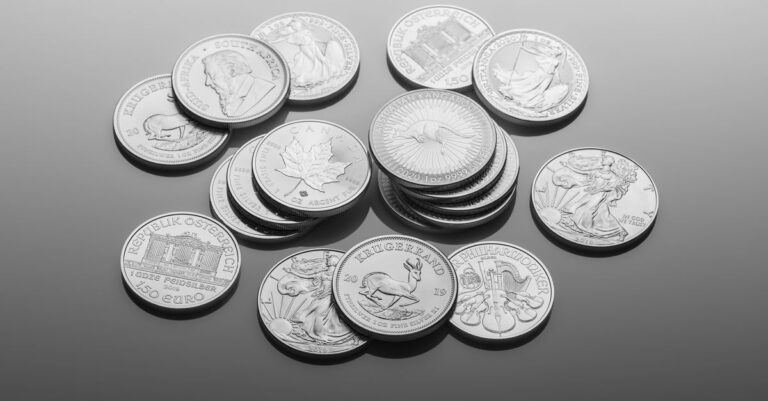
I discovered that generic silver rounds and larger ten-ounce bars carry much lower premiums than official sovereign coins minted by governments. While sovereign coins are highly recognizable and easy to liquidate, generic bullion bars offer more physical silver for every dollar spent. I decided to balance my portfolio by holding a small mix of highly recognizable coins and a larger portion of low-premium generic bars.
Storage and security are two other critical factors that require careful planning, especially when you have children and visitors in your home. Storing precious metals at home requires a high-quality, fireproof safe that is bolted to the floor in an inconspicuous location. Alternatively, using a safety deposit box at a trusted financial institution provides security but adds an annual rental fee that eats into your total returns.
I opted for a dual storage strategy, keeping a small, accessible amount of metal in a secure home safe for emergencies, and the remainder in a secure deposit facility. This arrangement gave me peace of mind without exposing my entire savings to the risk of a home burglary. It also taught me the value of operational security, meaning I never discuss my precious metals holdings with friends, neighbors, or online acquaintances.
Balancing Precious Metals with My Retirement Accounts
It is dangerous to treat physical silver as a complete replacement for traditional retirement vehicles like a 401k or an IRA. Precious metals should serve as a defensive insurance policy within a diversified asset allocation strategy, not as the primary driver of your wealth. I limit my physical metals holdings to ten percent of my total net worth, keeping the remaining ninety percent in equities, cash, and real estate.
This balance ensures that I still benefit from the compound growth of the stock market while maintaining a solid physical safety net. If my stock portfolio suffers a major correction, the physical silver acts as an anchor that stabilizes my overall household wealth. This diversification is what allows me to sleep soundly at night, knowing that a crash in one market will not ruin my family’s future.
I also maintain a robust cash emergency fund that can cover six months of essential living expenses, including housing, food, and utilities. This cash buffer is critical because physical silver is not highly liquid in the sense that you cannot use it to pay your electric bill or buy groceries at the supermarket. Converting silver back into cash takes time and can result in losses if you are forced to sell during a temporary market dip.
My physical silver is strictly reserved for worst-case scenarios or long-term wealth transfer to my children after they finish college. By treating it as a locked, illiquid savings account, I prevent myself from dipping into it for non-essential purchases or minor household inconveniences. This mental separation has strengthened my overall saving discipline and helped me build a more resilient household economy.
Step-by-Step Purchasing Decisions for Beginners
For those considering precious metals, the buying process can feel intimidating due to the vast array of dealers and products available. I always advise beginners to start by identifying a reputable local coin broker or a highly recognized online precious metals dealer. Avoid buying metals from unverified sellers on social media platforms or online auction sites, as counterfeit silver coins are an ongoing risk in the marketplace.
When evaluating a dealer, compare their buy and sell prices, also known as the bid-ask spread, to ensure you are getting a fair deal. A reputable dealer will clearly publish these prices on their website or display them openly in their physical retail store. I prefer dealing with businesses that have been operating for at least a decade and have established a consistent track record of honest customer service.
- Start Small: Begin with one-ounce rounds or small fractional bars to get a feel for the buying process and premium structures.
- Focus on Purity: Ensure any silver you buy has a purity of at least .999, which is the standard for investment-grade bullion.
- Avoid Numismatics: Stay away from rare, collectible, or graded coins when you are starting out, as their value is highly subjective and carries high markups.
- Keep Your Receipts: Store all purchase invoices and certificates of authenticity in a safe place for tax purposes and future liquidation.
- Establish a Routine: Integrate your metal purchases into your regular monthly budget, treating them as a form of forced savings rather than an expense.
By following these simple guidelines, I was able to build a substantial physical position without making costly beginner mistakes. It allowed me to learn the mechanics of the market slowly, gaining confidence with each small transaction I made. This systematic approach is especially beneficial for single parents who cannot afford to lose capital to scams or poor purchasing decisions.
The Long-Term Horizon for My Family
When I look at my stack of physical silver today, I do not see a speculative trade or a collection of shiny objects. I see a wall of protection that I built with my own hard work, sacrifice, and disciplined budgeting over several years. It represents a physical manifestation of my refusal to let inflation erode the future I am trying to build for my daughters.
My eldest daughter is now in her second year of university, and because of my disciplined savings habits, I have not had to touch my retirement accounts to support her. The peace of mind that comes from having a diversified portfolio, backed by tangible assets, is worth far more than any speculative paper gains. It has made me a more confident decision-maker, a more stable parent, and a more resilient individual in the face of economic uncertainty.
Investing in physical silver is not the right choice for every household, and it requires patience, physical security, and a long-term mindset. But for a single mother looking to protect her hard-earned capital from the silent tax of inflation, it can serve as a powerful tool. It has allowed me to turn my weekly work into lasting wealth that will protect my family for decades to come.
Frequently Asked Questions
How do I avoid high dealer premiums when investing in physical silver?
To minimize dealer premiums, focus on buying generic silver rounds or larger ten-ounce bullion bars instead of collectible or official government-issued coins. Buying in larger quantities can also help reduce the per-ounce premium, and always compare prices across several recognized online dealers before making a purchase.
What is the best way to secure physical silver for long-term retirement planning?
The safest approach is a dual storage strategy. Keep a small, accessible portion in a high-quality, fireproof home safe that is bolted down, and store the bulk of your holding in a safe deposit box at a trusted financial institution or a secure, insured depository facility.
Will rising interest rates ruin my physical silver investment strategy?
While rising interest rates often create short-term downward pressure on silver prices because the metal pays no yield, they do not ruin a long-term strategy. Instead, view these rate-driven price drops as opportunities to buy more physical ounces at a discount using a consistent dollar-cost averaging approach.
How can a single income earner start buying precious metals on a tight budget?
You can start small by allocating a fixed, modest amount of money from each paycheck—such as thirty or fifty dollars—to purchase single-ounce generic silver rounds. Over time, these small, consistent purchases accumulate into a significant tangible safety net without straining your weekly household budget.