

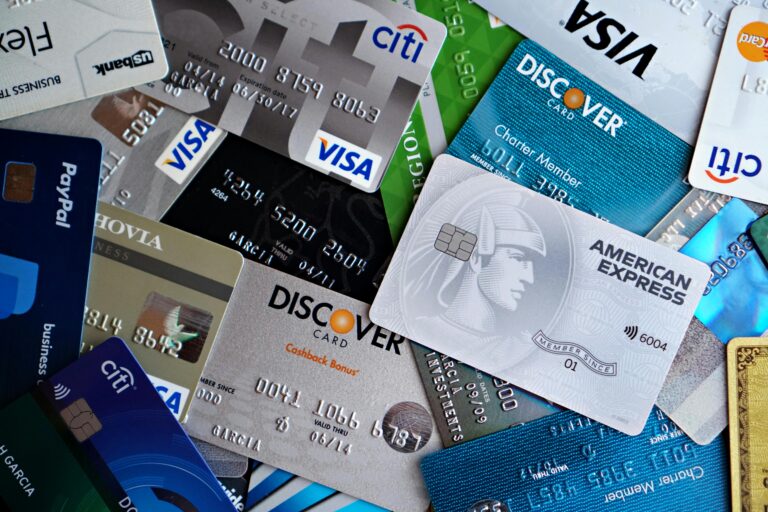
Understand the hidden costs of credit card swipe fees and how proposed legislation could impact your wallet, small businesses, and the future of payments. Stay informed for financial well-being.
For many, credit cards are an indispensable tool for managing finances, offering convenience, security, and often, attractive rewards. Yet, beneath the surface of every transaction lies a complex system of fees that significantly impact both consumers and businesses. These are known as credit card swipe fees, or interchange fees, and they represent a substantial, often unseen, drain on collective wealth.
The average family, according to some estimates, indirectly pays almost $1,200 a year in these fees. This isn’t a direct line item on your monthly statement, but rather an embedded cost in the prices of everything you purchase. From your morning coffee to your weekly groceries, a portion of what you pay is allocated to cover these transaction costs. For small businesses, these fees can be crippling, often cutting directly into already razor-thin profit margins.
This article delves deep into the world of credit card swipe fees, exploring their mechanics, their widespread impact on consumers and merchants, and the legislative efforts currently underway to address them. We will examine the arguments from all sides – from those advocating for lower fees to those warning of potential disruptions to the financial ecosystem. Understanding these fees is crucial for making informed financial decisions and advocating for a more transparent and equitable payment system.
The Invisible Burden: How Credit Card Swipe Fees Impact Your Wallet
You might never see a “swipe fee” charge on your personal credit card statement. This is by design. Instead, these fees are paid by the merchant to the card-issuing bank and the payment network for processing your transaction. However, make no mistake, consumers ultimately bear the cost.
Decoding the Fee Structure
When you swipe, tap, or insert your credit card, several entities are involved in processing that payment:
- The Cardholder: You, the consumer, using your credit card.
- The Merchant: The business selling goods or services.
- The Acquiring Bank: The merchant’s bank, which processes the transaction.
- The Issuing Bank: Your bank, which issued your credit card.
- The Card Network: The infrastructure that facilitates the transaction (e.g., a recognized global payment network or a trusted independent network).
The credit card swipe fees are primarily interchange fees, paid by the acquiring bank to the issuing bank, plus smaller network fees. These fees typically range from 2% to 4% of the transaction value. Merchants then factor these costs into their pricing, meaning higher prices for you, the consumer, across the board.
The Cumulative Impact on Household Budgets
Consider the cumulative effect of these small percentages. If the average family spends, for example, $30,000 annually on credit card purchases, and the average swipe fee is 3%, that’s $900 annually in indirect costs. When considering wider estimates, such as the claim that the average family pays nearly $1,200 a year in swipe fees, the financial burden becomes even more pronounced.
This sum might not seem staggering on a per-transaction basis, but it adds up quickly over a year, especially on essential purchases like groceries and gasoline, where every cent counts. For households already struggling with inflation and rising living costs, this invisible tax further erodes purchasing power and makes it harder to save or invest for the future.
Beyond the Price Tag: Opportunity Costs
The indirect costs of credit card swipe fees extend beyond just higher prices. Every dollar spent on these fees is a dollar that could have been used elsewhere. For consumers, this could mean:
- Less money available for savings accounts or emergency funds.
- Reduced capacity to invest in retirement accounts or educational funds.
- Fewer discretionary funds for entertainment, travel, or personal development.
- Increased difficulty in meeting financial goals, such as paying down debt or saving for a down payment.
The opportunity cost, while intangible, represents a significant drag on personal wealth accumulation. Understanding this hidden drain is the first step towards advocating for change and exploring alternatives.
Small Business Struggle: How Credit Card Swipe Fees Erase Profits
While consumers experience the impact of credit card swipe fees indirectly through higher prices, for small businesses, these fees are a direct and often painful line item on their financial statements. For many merchants, especially those operating on thin margins, these fees can mean the difference between profit and loss.
A Direct Hit to the Bottom Line
Imagine a small, independent restaurant in a bustling city. The owner works tirelessly to source fresh ingredients, manage staff, and create a welcoming atmosphere. Their pre-tax profit margin might only be 3% to 5%. If 2% to 4% of every transaction is consumed by swipe fees, as one prominent restaurant association president highlighted, it’s clear that these fees are eating away a significant, if not overwhelming, portion of their potential earnings.
Consider a specific example: A well-known city restaurant reported spending over $200,000 in swipe fees in a single year. For a business where “nickels and pennies” matter, as its president put it, a sum like that is astronomical. It could represent substantial investments in employee wages, facility upgrades, or expansion efforts.
The Merchant’s Dilemma: Absorb or Pass On?
Small business owners face a difficult choice: absorb the high cost of credit card swipe fees or pass them on to their customers. Both options present significant challenges:
- Absorbing the Costs: This directly reduces profit margins, potentially stifling growth, limiting hiring, or even jeopardizing the business’s survival. It can force difficult decisions, such as delaying necessary equipment upgrades or reducing staff benefits.
- Passing On the Costs: This can involve raising prices, which might make the business less competitive compared to those that absorb fees or accept only cash. It can also alienate customers who feel unfairly targeted by added surcharges or higher base prices.
Many businesses choose to absorb the fees, sacrificing their own financial health to maintain competitive pricing and customer loyalty. This creates immense pressure on entrepreneurs who are already navigating a challenging economic landscape.
Impact on Innovation and Growth
High credit card swipe fees can also hinder a small business’s ability to innovate and grow. Funds that could be allocated to:
- Developing new products or services.
- Investing in marketing and customer acquisition.
- Upgrading technology or improving operational efficiency.
- Expanding into new markets or opening additional locations.
are instead diverted to cover transaction costs. This impacts not only the individual business but also the broader economy, as small businesses are often key drivers of job creation and local economic vitality.
“Swipe fees are one of the largest expenses that we, as a small business, incur. Truly, it’s three cents on the dollar for us.”
— Jonathan Capitanini, President of a Renowned City Restaurant
This sentiment is echoed by countless small business owners who feel caught between the necessity of accepting credit cards for customer convenience and the detrimental financial impact of the associated fees.
The Push for Reform: The Credit Card Competition Act and Lowering Swipe Fees
The growing frustration over credit card swipe fees has spurred significant legislative efforts. At the forefront of this movement is a bipartisan bill aimed at fostering competition in the payments market, known as the Credit Card Competition Act.
Understanding the Credit Card Competition Act
Introduced by a bipartisan group of legislators, including a prominent senator from Illinois and a senator from Kansas, the Credit Card Competition Act seeks to address the issue of swipe fees by injecting more competition into the processing landscape. The core of the proposed legislation would require large banks (those with over $100 billion in assets) to enable at least two unaffiliated card networks for processing credit card transactions. Crucially, at least one of these networks would have to be outside the dominant duopoly of a recognized global payment network and another leading network, which currently control approximately 85% of the market.
The logic behind this proposal is straightforward: by diversifying the networks available for processing, merchants would have more choice, leading to competitive pressure among networks to offer lower fees. This, proponents argue, would directly translate to lower credit card swipe fees for businesses, and ultimately, lower prices for consumers.
Historical Precedent: The Durbin Amendment for Debit Cards
Advocates of the Credit Card Competition Act often point to the Durbin Amendment, a provision of the Dodd-Frank Act passed in 2010, as a precedent for successful reform. The Durbin Amendment capped interchange fees for debit card transactions. While controversial at the time, studies have shown that it led to lower fees for merchants and, in many cases, a reduction in the prices consumers paid for goods.
The proposed credit card legislation draws parallels, aiming to replicate this success in the credit card market. Supporters believe that increased routing options will replicate the competitive environment seen in debit card processing, without imposing direct caps, allowing market forces to drive down costs.
Political Momentum and High-Profile Backing
The push to lower credit card swipe fees has garnered significant political attention, including endorsements from influential figures. A former president, for instance, publicly backed the Credit Card Competition Act, urging support for the legislation and describing current swipe fees as an “out of control ripoff.” This high-profile support adds considerable weight to the movement, signaling that the issue transcends traditional partisan lines and resonates with a broad electorate concerned about everyday costs.
Legislators and consumer advocates emphasize that reducing these fees is a direct way to provide relief to struggling families and small businesses, addressing immediate economic pressures without resorting to tax increases or complex government spending programs.
The Counter-Arguments: Warnings from Banks and Credit Unions
While the prospect of lower credit card swipe fees is appealing to consumers and merchants, the proposed Credit Card Competition Act has met significant resistance from banking and credit union groups. These organizations raise serious concerns about the potential negative consequences of such legislation, warning of disruptions to the payment system, compromised security, and the potential elimination of popular consumer rewards programs.
Security Concerns: A Less Secure System?
One of the primary arguments put forth by opponents is that forcing banks to utilize less-established or less-secure networks could compromise the integrity and safety of credit card transactions. They contend that the existing dominant networks have invested billions in sophisticated fraud prevention and cybersecurity measures, creating a robust and secure ecosystem for millions of daily transactions.
Introducing new, potentially less vetted networks, critics argue, could open vulnerabilities, leading to increased instances of fraud, data breaches, and a general erosion of trust in the payment system. “Right now, we have a very safe, secure, efficient system in place that serves consumers well,” remarked a chief legal officer for a prominent credit union league, cautioning against disruptions to this global processing framework.
The Fate of Reward Programs: A Major Drawback for Consumers?
Perhaps the most consumer-facing concern raised by opponents is the potential impact on credit card reward programs. These programs, which offer cashback, travel points, or other benefits, are largely funded by the interchange fees collected from merchants. Banks argue that if credit card swipe fees are significantly reduced, they would no longer have the revenue stream necessary to sustain these valuable loyalty initiatives.
For many consumers, reward programs are a significant incentive for using credit cards, providing tangible benefits that offset some of the indirect costs. The prospect of losing these benefits could be a major blow, potentially diminishing the appeal of credit cards and altering consumer spending habits. Opponents suggest that consumers could lose a perceived benefit that currently helps them manage expenses or enjoy perks, leading to an overall negative financial outcome.
Disruption to the Global Payments System
Banking associations also warn that the Credit Card Competition Act could cause widespread “disruption to the global payments processing that’s in place today.” The existing system, built over decades, is complex and highly integrated, facilitating cross-border transactions and supporting a vast array of financial services.
Forcing a rapid overhaul of this infrastructure by mandating new network choices, they argue, could lead to operational inefficiencies, increased compliance costs, and technical challenges. Such disruptions could affect not only credit card processing but also other interconnected financial services, potentially hurting the broader economy.
Financial Impact on Banks and Credit Unions
Ultimately, a significant reduction in credit card swipe fees would cut into the revenue streams of banks and credit unions. These fees contribute substantially to their profitability, which in turn supports various banking services, including low-cost checking accounts, lending activities, and infrastructure investments.
Opponents suggest that reduced revenue from swipe fees could force financial institutions to seek alternative income sources, potentially leading to higher fees for other banking services, reduced availability of credit, or less favorable terms for borrowers. This could inadvertently shift the financial burden from merchants to other aspects of the consumer-banking relationship.
State-Level Efforts and Legal Battles: The Illinois Example
The debate over credit card swipe fees is not confined to the federal stage; states are also grappling with ways to mitigate their impact. Illinois provides a compelling case study of a state attempting to legislate against these fees, only to face immediate legal challenges from the financial industry.
The Illinois Interchange Fee Prohibition Act
In 2024, the state of Illinois passed the Illinois Interchange Fee Prohibition Act. This groundbreaking legislation aimed to directly address the issue by banning interchange fees from being collected on the sales tax and tip portions of a receipt. The rationale was clear: merchants should not have to pay a fee on money that is not part of their revenue – money collected for the government (sales tax) or directly for employees (tips).
This initiative represented a direct response to the specific financial pain points experienced by businesses, particularly in sectors like hospitality, where sales tax and tips constitute a significant portion of a transaction’s total value. For restaurants, in particular, this could offer some relief from the burden of credit card swipe fees on non-revenue portions of the bill.
Legal Challenges and Delays
However, the journey from legislation to implementation has been anything but smooth. Immediately after the act was signed into law, banking and credit union groups filed lawsuits, challenging its legality and practicality. These groups argued that the law would cause significant disruption to established payment processing systems and potentially lead to unintended consequences for both financial institutions and consumers.
As a result of these legal battles, the implementation of the Illinois law was delayed. Originally scheduled to take effect, it was pushed back, with the court battle still ongoing. This scenario highlights the complex interplay between state-level regulatory efforts and the powerful lobbying and legal resources of the financial industry. The outcome of such cases can set precedents for how other states might approach similar legislation in the future.
The Broader Implications of State-Level Action
The Illinois example illustrates several key points:
- The localized nature of frustration: While swipe fees are a national issue, specific industries and consumer groups within states often feel their impact acutely, prompting local legislative responses.
- The strength of opposition: Financial institutions are prepared to vigorously defend their revenue streams and the existing payment infrastructure through legal challenges.
- The complexity of implementation: Even seemingly straightforward legislative changes can face significant hurdles due to the intricate nature of global payment processing systems.
The ongoing legal fight in Illinois is a microcosm of the larger national debate, underscoring the deep divisions and the substantial financial interests at stake in the effort to reform credit card swipe fees.
Beyond Swipe Fees: Interconnected Financial Policies
The discussion around credit card swipe fees often exists within a broader context of financial policies aimed at easing consumer burdens and regulating financial institutions. While distinct, other proposals can influence or be influenced by the ongoing debate over transaction fees.
Credit Card Interest Rate Caps: Another Area of Focus
For example, concurrently with discussions on swipe fees, there have also been proposals to cap credit card interest rates. A former president, for instance, has suggested capping credit card interest rates at 10% for a year. Such a measure would represent a significant intervention in the credit card market, directly impacting the profitability of card issuers.
The rationale behind such proposals is typically to provide immediate financial relief to consumers burdened by high-interest debt, especially during periods of economic strain. However, like swipe fee reforms, these proposals are met with swift reaction from financial institutions, with bank executives warning that such caps could hurt the economy more than help, potentially leading to reduced access to credit or less attractive terms for borrowers.
The Interplay of Revenue Streams
It’s crucial to understand that credit card swipe fees and interest rates are both significant revenue streams for banks. Any policy that substantially reduces one stream can lead to adjustments in others. If swipe fees are lowered, banks might seek to recoup lost revenue through higher interest rates on loans, increased annual fees, or other service charges. Conversely, if interest rates are capped, banks might become more reliant on interchange fees or other fees to maintain profitability.
This interconnectedness means that policy decisions concerning one aspect of credit card finance must be considered within the larger framework of how financial institutions generate revenue and manage risk. A holistic approach is essential to avoid unintended consequences that could harm consumers or destabilize the financial system.
Consumer Protection and Market Regulation
Both the debate over swipe fees and interest rate caps fall under the umbrella of consumer protection and market regulation. The goal of such policies is generally to ensure fair practices, prevent predatory behavior, and promote transparency in financial markets.
However, finding the right balance between protecting consumers and allowing financial markets to function efficiently and innovatively is a perennial challenge. Over-regulation, critics argue, can stifle competition and innovation, while under-regulation can leave consumers vulnerable. The ongoing discussions around credit card swipe fees are a prime example of this delicate balancing act.
Navigating the Current Landscape: What Consumers Can Do
While legislative battles over credit card swipe fees continue, consumers are not entirely powerless. Understanding the mechanics of these fees and their indirect impact can empower individuals to make smarter financial choices and potentially mitigate some of the hidden costs.
Awareness is the First Step
Simply being aware that a portion of every credit card transaction goes towards these fees is a powerful starting point. This awareness can influence spending habits and encourage a more critical look at payment methods.
Consider the cumulative effect on your personal budget. Even if you don’t directly see the fee, knowing it’s embedded in prices can motivate you to seek out options that support businesses advocating for lower fees or explore alternative payment methods.
Consider Your Payment Method
For some transactions, especially smaller ones, consider using cash or debit cards. Debit card swipe fees are already regulated by the Durbin Amendment, making them significantly lower than credit card fees for merchants. This means that when you use a debit card, the business retains a larger portion of the sale, and there’s less upward pressure on prices.
- Cash: Eliminates swipe fees entirely for the merchant, potentially allowing them to offer better prices or absorb costs more easily.
- Debit Cards: Lower fees for merchants compared to credit cards, making them a more cost-effective option for businesses.
- Credit Cards: While convenient and offering rewards, remember the indirect cost. Weigh the value of rewards against the collective burden of fees.
Support Businesses That Advocate for Change
Many small businesses openly discuss the burden of credit card swipe fees. Some might even offer a small discount for cash payments or clearly display their preference for certain payment methods. By supporting these businesses, you are indirectly advocating for a more equitable payment system.
Pay attention to local business associations or consumer advocacy groups that are pushing for reform. Engaging with these organizations or simply patronizing businesses that are vocal about the issue can contribute to a stronger collective voice.
Evaluate Reward Programs Critically
Credit card reward programs are often the primary reason consumers choose to use credit cards. While the benefits can be substantial, it’s important to evaluate them critically:
- Are the rewards you’re earning truly offsetting the indirect costs of higher prices across the economy?
- Do you find yourself spending more to earn rewards, potentially negating the financial benefit?
- Are there alternative ways to save or earn money that might be more financially advantageous than chasing credit card rewards?
For some, the strategic use of reward cards for specific large purchases or categories can be beneficial. For others, the simpler approach of using debit or cash for everyday transactions, combined with diligent budgeting, might be more effective in managing overall financial well-being.
Stay Informed and Engage
The landscape of payment processing and financial regulation is constantly evolving. Stay informed about ongoing legislative efforts, court rulings, and consumer advocacy campaigns related to credit card swipe fees. Your voice, through petitions, letters to elected officials, or simply by spreading awareness, can contribute to meaningful change.
Ultimately, navigating the current credit card landscape requires a blend of personal financial discipline, critical thinking, and an understanding of the broader economic forces at play. By being proactive and informed, consumers can make choices that align with their financial goals and contribute to a fairer system for everyone.
The Future of Payments: Innovation, Regulation, and the Credit Card Swipe Fees Debate
The ongoing debate surrounding credit card swipe fees is not just about current costs; it’s about the future of payments. As technology advances and consumer expectations evolve, the pressure to balance innovation, security, accessibility, and cost-efficiency in payment systems will only intensify.
Technology as a Disruptor
Emerging technologies hold the potential to disrupt traditional payment models, potentially offering alternatives that bypass or reduce the impact of conventional swipe fees. Concepts such as:
- Direct Bank-to-Bank Transfers: Technologies that facilitate immediate, secure transfers directly between bank accounts could offer a low-cost alternative to card-based payments.
- Blockchain and Cryptocurrencies: While still nascent in mainstream retail, these decentralized technologies could theoretically enable transactions with minimal intermediaries, potentially cutting down on processing fees.
- QR Code Payments and Mobile Wallets: Many of these systems rely on existing card networks, but some could be developed to leverage lower-cost alternatives or direct account linkages, especially in developing markets.
However, the adoption of these technologies faces hurdles, including consumer familiarity, merchant infrastructure costs, regulatory frameworks, and ensuring robust security against fraud. The challenge lies in creating innovative solutions that are as convenient and secure as the credit card system, but without the high associated costs.
The Role of Regulation in Shaping Markets
The legislative efforts, such as the Credit Card Competition Act, underscore the belief that regulation has a critical role in shaping market dynamics. Proponents argue that in markets dominated by a few large players, competition may not naturally emerge without intervention. By mandating choice, regulators aim to create an environment where competition can flourish, driving down fees.
Opponents, conversely, often argue that excessive regulation can stifle innovation, create unintended consequences, and ultimately lead to a less efficient market. They prefer a market-driven approach, where financial institutions are free to innovate and compete on services and features, rather than being forced into specific operational models.
The debate around credit card swipe fees is a classic example of this tension between regulatory intervention and free-market principles, with both sides presenting valid concerns and potential benefits.
Balancing Stakeholder Interests
Any long-term solution to the challenges posed by credit card swipe fees must carefully balance the interests of all stakeholders:
- Consumers: Desire convenience, security, and low costs (both direct and indirect).
- Merchants: Seek fair transaction costs that don’t erode slim profit margins, along with reliable payment processing.
- Financial Institutions: Need sufficient revenue to cover operating costs, invest in technology, manage risk, and offer competitive products like reward programs.
- Payment Networks: Require funding for maintaining and innovating the critical infrastructure that facilitates billions of transactions.
Achieving this balance is incredibly complex. Policy decisions that benefit one group might inadvertently harm another. The challenge for policymakers and industry leaders is to find solutions that promote a healthy, competitive, and secure payment ecosystem that serves the best interests of the entire economy.
Conclusion: An Evolving Financial Landscape
The controversy surrounding credit card swipe fees is far from over. It represents a significant financial issue with profound implications for household budgets, small business viability, and the stability of the global payment system. As legislative efforts continue, legal battles unfold, and technological innovations emerge, the financial landscape will undoubtedly continue to evolve.
For individuals seeking to build wealth, understanding these hidden costs is paramount. It allows for more informed budgeting, strategic payment choices, and thoughtful engagement with financial policy debates. Whether through direct action or informed advocacy, acknowledging the impact of credit card swipe fees is a crucial step towards fostering a more transparent and equitable financial future for all.
Frequently Asked Questions
How do credit card swipe fees affect my everyday purchases?
Credit card swipe fees, also known as interchange fees, are paid by merchants to banks and payment networks when you use your credit card. While you don’t see them directly on your statement, merchants factor these costs (typically 2-4% of the transaction) into the prices of goods and services. This means you indirectly pay higher prices for everything, from groceries to gas, affecting your overall purchasing power and making it harder to manage your budget and save for financial goals. Estimates suggest the average family pays nearly $1,200 annually due to these hidden costs.
Are small businesses really struggling with high credit card swipe fees?
Yes, small businesses often struggle significantly with high credit card swipe fees. For many, especially those operating on slim profit margins (e.g., 3-5% for restaurants), these fees can consume a substantial portion of their earnings. For example, one city restaurant reported over $200,000 in swipe fees in a single year. Business owners face a dilemma: absorb these costs, which reduces their profit and ability to invest or grow, or pass them on to customers, which can lead to higher prices or reduced competitiveness. This directly impacts their financial viability and limits their capacity for innovation or expansion.
What is the Credit Card Competition Act and how could it lower swipe fees?
The Credit Card Competition Act is proposed federal legislation designed to lower swipe fees by increasing competition. It would require large banks (over $100 billion in assets) to enable at least two unaffiliated card networks for processing credit card transactions, with one option being outside of the dominant global payment networks. The goal is to give merchants more choice, forcing networks to compete on fees and thus driving down the overall cost of credit card swipe fees for businesses, which proponents argue would eventually benefit consumers through lower prices.
Could reducing credit card swipe fees impact my credit card rewards program?
Opponents of legislation aimed at reducing credit card swipe fees, primarily banking and credit union groups, argue that it could negatively impact or even eliminate credit card reward programs. These programs (cashback, travel points, etc.) are largely funded by the interchange fees collected from merchants. If these fees are significantly reduced, banks contend they would lose the revenue necessary to sustain these programs. While proponents believe banks would adapt, there is a legitimate concern that some reward offerings might be scaled back or altered, which could be a frustration for consumers who rely on them.
What can I do as a consumer to lessen the impact of high credit card swipe fees?
As a consumer, you can take several steps to navigate the landscape of credit card swipe fees. Firstly, be aware that these fees are embedded in prices. Consider using cash or debit cards for transactions, especially at small businesses, as debit card fees are already lower for merchants. Critically evaluate your credit card reward programs to ensure the benefits truly outweigh the indirect costs. Support businesses that advocate for lower fees, and stay informed about legislative efforts. Your choices and awareness can contribute to a more transparent and equitable financial system.