

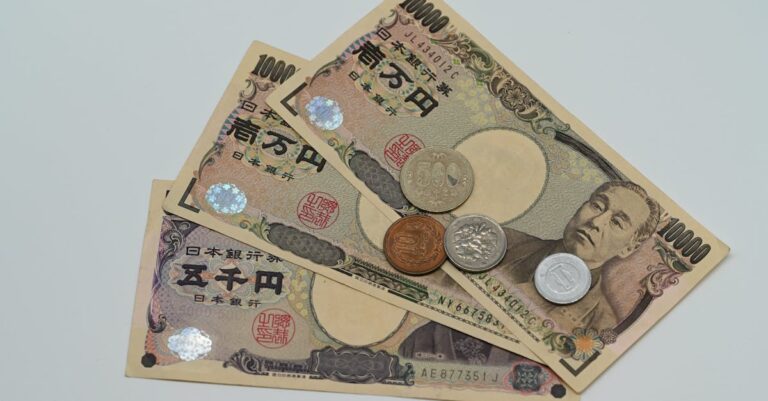
Japanese Yen volatility is challenging investor returns. Discover strategies to understand BOJ rate decisions and protect your portfolio from currency swings, even amid election uncertainty.
For investors focused on building lasting wealth, understanding global economic currents is paramount. One significant area of interest, and often frustration, currently centers around the Japanese Yen and the monetary policy decisions emanating from the Bank of Japan (BOJ). Recent developments, including a historic rate hike and persistent Yen weakness, have created a complex landscape that demands careful consideration for anyone with international investment exposure.
The financial markets are constantly reacting to central bank actions, and the BOJ is no exception. Its recent moves have kept “Yen watchers on edge for rate-hike clues,” as Bloomberg.com reported. This article will delve into the intricacies of the BOJ’s policy, the drivers behind Yen volatility, and practical strategies investors can employ to navigate these shifts and safeguard their wealth.
Understanding the Bank of Japan’s Monetary Policy Framework
To grasp the current situation, it’s essential to first understand the BOJ’s mandate and its historical approach to monetary policy. Unlike many other major central banks that have aggressively raised rates in recent years to combat inflation, the BOJ has maintained an ultra-loose stance for an extended period, battling deflation and aiming to stimulate economic growth.
A History of Unconventional Measures
For decades, Japan grappled with persistent deflation, leading the BOJ to adopt highly unconventional policies. These included near-zero or even negative interest rates, massive quantitative easing programs (purchasing vast amounts of government bonds and other assets), and yield curve control (targeting specific long-term bond yields). The goal was to inject liquidity into the economy, encourage lending, investment, and ultimately, stimulate inflation towards a target of 2%.
The Recent Shift in Policy: A Historic Rate Hike
After years of adhering to this accommodative stance, the BOJ made a significant move last month. Policymakers raised their overnight interest rate to 0.75%, marking the highest level in 30 years. This decision signaled a potential pivot away from extreme monetary easing, driven by emerging inflationary pressures and signs of wage growth. This was a notable development, considering the BOJ’s cautious approach. However, as Bloomberg.com highlighted, “All 52 economists surveyed by Bloomberg see an unchanged outcome on Friday after policymakers raised their overnight interest rate last month to 0.75%, the highest in 30 years.” This consensus suggests a period of observation following the initial hike, but the market remains alert for further clues.
While this rate hike further narrowed the interest rate gap with the United States, it has done “little to stop downward pressure on the currency.” This outcome has baffled some investors and highlighted the complex interplay of factors influencing Yen volatility.
Drivers of Yen Volatility Beyond Interest Rates
The Yen’s behavior isn’t solely dictated by interest rate differentials, though they play a crucial role. Several other macroeconomic and geopolitical factors contribute to its significant fluctuations, creating challenges for wealth management.
Interest Rate Differentials: The Carry Trade
The primary driver of Yen weakness, even after the recent rate hike, has been the substantial interest rate differential between Japan and other major economies, particularly the United States. When a country’s interest rates are significantly lower than others, its currency becomes attractive as a funding currency for “carry trades.” Investors borrow in Yen at low rates, convert it into a higher-yielding currency (like the US Dollar), and invest it in assets in that higher-yielding economy. The profit comes from the interest rate differential. This continuous selling of Yen to fund investments abroad creates persistent selling pressure on the currency.
While the BOJ’s recent hike to 0.75% was significant for Japan, it still pales in comparison to rates in the US, Europe, or other developed markets. This disparity means the carry trade remains viable and continues to exert downward pressure, contributing to Yen volatility.
Japan’s Economic Outlook and Inflation
The underlying health and prospects of the Japanese economy also influence the Yen. A stronger economic outlook, coupled with sustained inflation approaching the BOJ’s 2% target, would typically support a stronger Yen. Recent data has shown some positive signs, including wage growth and services sector inflation, which were key factors in the BOJ’s decision to hike rates. However, concerns about global growth, energy prices, and the sustainability of domestic demand can still weigh on the Yen.
Global Risk Sentiment
The Yen has traditionally been considered a “safe-haven” currency. During times of global economic uncertainty or geopolitical stress, investors often flock to the Yen, causing it to strengthen. Conversely, when global risk appetite is high, and investors seek higher returns in riskier assets, the Yen can weaken as money flows out of Japan. This dynamic adds another layer to Yen volatility, making it susceptible to external shocks.
Political Factors and Elections
The mention of a “looming election” in the Bloomberg.com article underscores the impact political events can have. Elections introduce uncertainty regarding future economic policies, fiscal spending, and even the leadership of the central bank. Such uncertainties can make investors hesitant, leading to currency fluctuations as they try to anticipate potential shifts in direction. Policy continuity or significant changes can directly influence investor confidence and capital flows, impacting the Yen’s value.
How Yen Volatility Impacts Your Wealth
For individuals aiming to build and preserve wealth, Yen volatility is not just a headline – it has tangible effects on investment portfolios, purchasing power, and future financial planning.
Direct Japanese Investments
If your portfolio includes direct investments in Japanese equities (stocks) or bonds, the Yen’s movements can significantly amplify or diminish your returns when converted back to your domestic currency (e.g., US Dollar, Euro). For example, if you invest in a Japanese company’s stock and it performs well, but the Yen simultaneously weakens against your home currency, your ultimate return could be eroded or even turn negative after currency conversion. Conversely, a strengthening Yen would boost your returns.
Indirect Exposure Through Multinationals
Even without direct investments in Japan, many global companies have significant operations, revenues, or supply chains linked to Japan. A weak Yen can affect the profitability of these companies, impacting their stock performance. For instance, a foreign company selling goods into Japan might see its Yen-denominated revenues translate into fewer units of its home currency. Conversely, a weak Yen benefits Japanese exporters, making their goods cheaper and more competitive internationally.
Portfolio Diversification and Risk
Currency fluctuations are an inherent part of international investing. While diversification across different geographies and currencies is a cornerstone of sound wealth management, it also introduces currency risk. Understanding the factors driving Yen volatility helps in assessing whether your existing international holdings are adequately diversified to mitigate this specific risk, or if adjustments are necessary.
Purchasing Power and Inflation
Beyond investment returns, currency movements can affect your everyday purchasing power. If you consume goods or services imported from Japan, a weakening Yen could eventually lead to lower import prices (though this can be offset by other factors like supply chain costs). Conversely, if your wealth is held in Yen and you plan to spend it abroad, a weak Yen means your money buys less. For residents in Japan, a weakening Yen means imports become more expensive, potentially contributing to domestic inflation.
Travel and Remittances
For individuals planning to travel to Japan or those involved in international remittances, Yen volatility has direct, immediate consequences. A stronger Yen means your foreign currency buys fewer Yen, making travel to Japan more expensive. A weaker Yen makes it cheaper. Similarly, for remittances, the exchange rate directly impacts the amount received.
Strategies for Navigating Yen Volatility for Wealth Building
While Yen volatility can be a source of frustration, it also presents opportunities for informed investors. The key is to adopt a strategic, long-term perspective rather than reacting impulsively to short-term fluctuations.
Diversification Revisited
The fundamental principle of diversification remains your strongest defense. This isn’t just about diversifying across different asset classes (stocks, bonds, real estate) but also across different geographical regions and currencies. Holding investments in various countries with different economic cycles and monetary policies can naturally smooth out the impact of any single currency’s movements. A portfolio diversified across the US, Europe, emerging markets, and other regions will be less exposed to the specific Yen volatility than one heavily concentrated in Japan.
Considering Currency Hedging
For investors with significant exposure to Japanese assets or those who want to mitigate currency risk more directly, currency hedging can be a viable strategy. Hedging involves taking an offsetting position in a foreign currency to protect against adverse movements. For individual investors, this often means utilizing:
- Currency ETFs or Funds: Some exchange-traded funds (ETFs) are specifically designed to provide exposure to a foreign currency while simultaneously hedging against its movements relative to a base currency (e.g., a “Yen-hedged” global equity ETF). These products allow investors to participate in the performance of Japanese equities without being fully exposed to the fluctuations of the Yen.
- Forward Contracts or Options: These are more complex financial instruments typically used by institutional investors or businesses to lock in an exchange rate for a future transaction. While less common for individual retail investors due to their complexity and minimum sizes, understanding their function highlights how currency risk can be managed. If you anticipate a future need for a specific currency amount, a forward contract allows you to fix the exchange rate today.
It’s crucial to remember that hedging comes with costs and can also limit potential gains if the hedged currency moves favorably. Therefore, it should be considered carefully in the context of your overall investment strategy and risk tolerance.
Adopting a Long-Term Perspective
Short-term currency fluctuations are notoriously difficult to predict consistently. For wealth builders, focusing on the long-term fundamentals of an investment and maintaining a disciplined approach is generally more effective than trying to time currency markets. Economic cycles and monetary policy shifts unfold over years, not weeks. While monitoring the BOJ’s actions is important, panicking over every daily swing in Yen volatility can lead to poor decisions.
Dollar-Cost Averaging in International Markets
If you regularly invest in international markets, including those with Yen exposure, implementing a dollar-cost averaging strategy can be beneficial. By investing a fixed amount of money at regular intervals, you buy more units when the currency is weaker (and assets are cheaper in foreign currency terms) and fewer units when it is stronger. This strategy helps to smooth out the impact of currency fluctuations over time and reduces the risk of making a large investment at an unfavorable exchange rate.
Staying Informed and Analytical
Knowledge is power. Regularly following reputable financial news sources (like Bloomberg.com) that cover central bank announcements, economic data releases, and geopolitical developments provides critical insights. Understand the nuances of the BOJ’s communication, their inflation targets, and the broader economic narrative. This informed perspective helps in making more rational investment decisions rather than being swayed by market noise.
Consulting Financial Professionals
For complex international investment strategies or significant exposure to foreign currencies, seeking advice from a qualified financial advisor specializing in global markets is invaluable. They can help assess your risk profile, analyze your current portfolio’s currency exposure, and recommend tailored strategies to manage Yen volatility and other international risks effectively. A professional can help you structure your portfolio to align with your long-term wealth goals while accounting for the dynamics of global finance.
The Future Outlook and Scenarios for the Yen
What does the future hold for the Japanese Yen? While predictions are inherently uncertain, we can explore potential scenarios based on current information and BOJ statements.
Scenario 1: Continued Caution from the BOJ
The consensus among economists, as per Bloomberg.com, suggests that the BOJ might maintain its current interest rate of 0.75% for a period. This approach would allow them to observe the impact of the initial hike on inflation, wages, and the broader economy. If global interest rates remain high or rise further while the BOJ pauses, the interest rate differential would persist, likely leading to continued downward pressure on the Yen. In this scenario, Yen volatility might remain high, with a bias towards weakness, unless other factors like a global risk-off event provide temporary support.
Scenario 2: Further Rate Hikes from the BOJ
If Japan’s inflation proves more persistent, wage growth accelerates significantly, and the economy demonstrates robust strength, the BOJ might be compelled to implement further rate hikes. Each subsequent hike would narrow the interest rate differential, making the Yen more attractive and potentially leading to a sustained appreciation. This would reduce Yen volatility from the carry-trade perspective and could significantly impact investment returns for those with long Yen positions or direct investments in Japan.
The Impact of an Upcoming Election
The “looming election” adds a layer of political uncertainty. The outcome could influence fiscal policies, government spending, and potentially even the central bank’s independence or mandate over the long term. A pro-growth, fiscally expansionary government might put pressure on the BOJ to maintain accommodative policies, while a more fiscally conservative government might allow the BOJ more room to normalize. Such political shifts can introduce short-to-medium term Yen volatility as markets react to potential policy changes.
Potential for Market Intervention
In extreme scenarios of rapid Yen depreciation, the Japanese Ministry of Finance (MOF), in conjunction with the BOJ, could intervene in the foreign exchange market to support the Yen. This involves selling foreign currency (typically US Dollars) and buying Yen. While often a last resort, past interventions have shown the potential to cause sharp, albeit often temporary, reversals in currency trends. The threat of intervention itself can sometimes temper excessive Yen volatility.
Building Resilience in Your Wealth Strategy
Navigating the complexities of global currencies like the Yen is a continuous process. It requires diligence, a willingness to learn, and the discipline to stick to a well-considered financial plan. For members of the ‘Work to Wealth’ community, the goal is not merely to react to market events but to proactively build a resilient financial structure that can withstand and even thrive amidst such Yen volatility.
By understanding the underlying drivers of the Yen’s movements, recognizing its potential impact on your portfolio, and implementing strategic safeguards, you can transform what might seem like a source of frustration into a powerful lesson in global macroeconomics and prudent wealth management. Remember that while central banks like the BOJ play a critical role, your personal financial success ultimately depends on your informed decisions and long-term commitment to your wealth-building journey.