

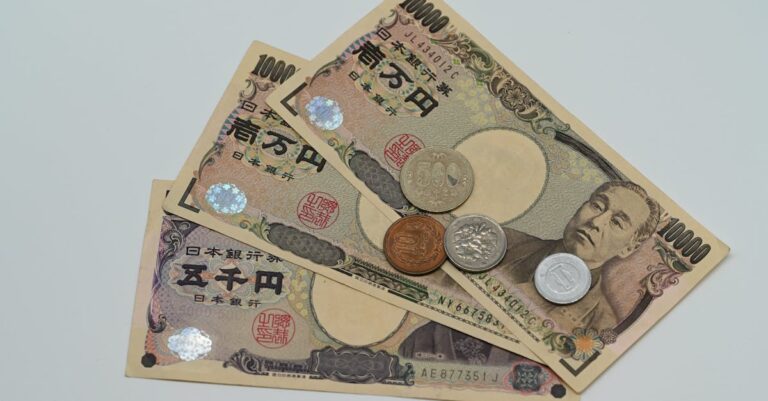
Understand the recent Japanese Yen dynamics and their impact on global investments. This guide offers insights for protecting and growing wealth amid currency fluctuations.
The financial markets are a constant ebb and flow, but few areas demonstrate this volatility as clearly as currency exchange rates. Recently, the Japanese Yen has captured significant attention, displaying an unexpected resilience against other major currencies, particularly the US Dollar. For investors worldwide, understanding these shifts is not merely an academic exercise; it’s crucial for preserving and potentially enhancing their wealth.
The conventional wisdom of recent years has often painted the Yen as a perpetually weakening currency, a casualty of the Bank of Japan’s (BoJ) ultra-loose monetary policy. However, the narrative is beginning to change. As reported by FXStreet, the USD/JPY pair has seen significant movement, dipping from earlier highs and reflecting a newfound strength in the Yen. This dynamic shift is not arbitrary; it’s the confluence of several powerful economic forces at play, both domestically in Japan and across the globe.
Navigating these complex currents requires a clear understanding of the underlying drivers. From the evolving stances of central banks like the BoJ and the US Federal Reserve, to global risk sentiment and domestic political considerations, each factor contributes to the broader picture. For those with international investments, or even just a keen interest in global finance, comprehending the intricacies of the Japanese Yen‘s recent performance is paramount. This article will delve into these factors, explore their implications for your investment portfolio, and offer actionable strategies to help you adapt and thrive in an increasingly interconnected and volatile financial landscape.
The Yen’s Unexpected Ascent: What’s Driving Japanese Yen Strength?
For many years, the Japanese Yen was synonymous with quantitative easing and negative interest rates. Its role as a carry-trade funding currency meant investors borrowed Yen cheaply to invest in higher-yielding assets elsewhere, putting consistent downward pressure on its value. However, recent weeks have seen a notable shift, with the Japanese Yen demonstrating unexpected strength, moving away from multi-year lows against the US Dollar and other major currencies.
This resurgence is not a fleeting trend but rather a reflection of fundamental changes and evolving market expectations. One of the primary catalysts for this newfound strength is the anticipation surrounding the Bank of Japan’s (BoJ) monetary policy. For over a decade, the BoJ has maintained an ultra-accommodative stance, battling deflation and stimulating economic growth. However, there is growing speculation that the BoJ may be on the cusp of a policy normalization path. Market participants, including those cited by FXStreet, are increasingly hopeful that this shift could be accelerated by fiscal responsibility under potential new leadership. A move towards higher interest rates, even incrementally, would make the Yen more attractive to international investors, unwinding carry trades and boosting demand for the currency.
Another significant factor is the Yen’s traditional role as a safe-haven asset. In times of global economic uncertainty or heightened geopolitical tensions, investors often flock to currencies perceived as stable and secure, and the Japanese Yen has historically fit this description. When a risk-off impulse grips the market, as it periodically does, the Yen benefits from capital flowing out of riskier assets and into safer havens. This flight to safety provides a consistent tailwind for the Yen during periods of global apprehension.
Furthermore, the divergent monetary policy expectations between the BoJ and other major central banks, particularly the US Federal Reserve, play a critical role. While the BoJ is contemplating a move towards tightening, albeit cautiously, the Fed appears to be nearing the end of its tightening cycle, with market expectations shifting towards future rate cuts. This divergence in policy direction creates a powerful dynamic: as the interest rate differential between Japan and other economies narrows, the incentive to hold Yen-denominated assets increases, further bolstering the currency’s value. The interplay of these domestic policy expectations, global risk sentiment, and the relative positioning of major central banks creates a compelling case for the Japanese Yen‘s recent and potentially ongoing strength, offering a complex but intriguing landscape for astute investors to monitor.
BoJ’s Policy Normalization Path: A New Era for the Yen?
The Bank of Japan’s (BoJ) commitment to extraordinary monetary easing has been a defining feature of global finance for years. With near-zero or even negative interest rates and massive asset purchases, the BoJ has aimed to stimulate a stubborn economy and finally achieve its 2% inflation target. However, the winds of change are blowing, and signals from the BoJ itself, combined with evolving economic data, suggest that a policy pivot may be on the horizon. This potential shift, often referred to as “policy normalization,” is a critical driver behind the recent appreciation of the Japanese Yen.
Market participants are closely watching for any indication that the BoJ might adjust its yield curve control (YCC) policy or even raise its benchmark interest rate. The prospect of such a move, even a modest one, is powerful because it would reverse a long-standing trend of ultra-low rates, making Yen-denominated assets more attractive to global investors. The mere expectation of higher yields can trigger significant capital inflows, supporting the currency.
Adding to this narrative, political developments in Japan can also influence market sentiment regarding the BoJ’s future actions. As noted in the provided context, investors remain hopeful that Japan’s Prime Minister Sanae Takaichi could adopt more fiscally responsible policies. A more disciplined fiscal approach, combined with reforms aimed at boosting the economy, might empower the BoJ to feel more confident about withdrawing its stimulus. If the economy shows sustainable signs of inflation and growth, the central bank would have more justification to gradually move away from its unconventional policies without risking a recession.
However, the BoJ is known for its cautious approach. Any normalization is likely to be gradual and data-dependent, designed to avoid shocking the markets or derailing nascent economic recovery. Yet, even the contemplation of such a move marks a significant departure from the status quo and imbues the Japanese Yen with a newfound sense of potential strength. For investors, monitoring the BoJ’s communications, inflation figures, and economic growth data will be paramount in anticipating the next stages of this crucial policy shift and its continued impact on the Yen.
The Safe-Haven Appeal of the Japanese Yen
In times of market turbulence, geopolitical instability, or broad economic uncertainty, investors often seek refuge in assets perceived as “safe havens.” Historically, gold, certain government bonds, and a select few currencies have fulfilled this role. Among these, the Japanese Yen has long been a prominent safe haven, a characteristic that significantly contributes to its recent strength, particularly during periods of increased global risk aversion.
The Yen’s safe-haven status is rooted in several factors. Japan possesses a substantial net external creditor position, meaning the country as a whole holds more foreign assets than it owes to foreigners. This makes Japan less vulnerable to external shocks and currency crises compared to debtor nations. Additionally, the liquidity and depth of Japan’s financial markets allow for easy entry and exit, further enhancing its appeal during times of stress.
When a “risk-off” sentiment takes hold in global markets, investors tend to unwind their positions in higher-yielding, riskier assets and repatriate capital back to perceived safer shores. For many years, the carry trade strategy involved borrowing cheap Yen to invest in currencies with higher interest rates. When risk sentiment sours, these carry trades are often unwound rapidly. Investors sell their riskier assets and buy back Yen to repay their loans, creating strong upward pressure on the Japanese Yen‘s value.
This mechanism was evident during various crises, from the dot-com bubble burst to the global financial crisis and more recent geopolitical tensions. Even if Japan’s domestic economy faces challenges, its external financial strength and the unwinding of global risk positions can still propel the Yen higher. Therefore, while domestic monetary policy remains a key driver, the broader global macroeconomic and geopolitical landscape continues to be a vital determinant of the Japanese Yen‘s performance, particularly when the impulse to seek safety dominates investor behavior.
The Shifting Sands of the US Dollar: Why the Greenback Struggles
While the Japanese Yen has been gaining ground, its counterpart in the USD/JPY pair, the US Dollar, has been facing its own set of challenges. The greenback, traditionally a dominant force in global finance, has struggled to attract consistent buyers, often keeping a lid on the USD/JPY pair’s upside potential. This struggle is largely attributable to evolving expectations around US monetary policy, particularly the timing and extent of potential interest rate cuts by the US Federal Reserve, and other less conventional factors impacting investor confidence.
One of the most significant headwinds for the US Dollar is the market’s anticipation of future Fed rate cuts. After an aggressive tightening cycle aimed at combating inflation, the Fed has signaled a pause, and now the focus has shifted to when and how quickly rates might begin to decline. While a blowout US Nonfarm Payrolls (NFP) report might have initially caused market players to trim their bets for an immediate rate cut, the broader sentiment still points towards multiple cuts in the coming year or two, as indicated by current market pricing (FXStreet, referencing expectations for at least two 25 bps Fed rate cuts in 2026). When a central bank is perceived to be on the verge of cutting rates, the attractiveness of its currency typically diminishes, as lower interest rates reduce the yield on holding that currency’s assets. This expectation alone can weigh heavily on the US Dollar.
Beyond monetary policy, other factors can influence the US Dollar’s appeal. The provided context briefly mentions “threats to the US central bank’s independence.” While not explicitly detailed, any perception of political interference in monetary policy decisions can erode investor confidence and contribute to currency weakness. Central bank independence is highly valued by markets as it insulates policy decisions from short-term political pressures, allowing for more stable and predictable economic management. Should this independence be questioned, it could introduce an element of uncertainty that makes investors hesitant to commit to dollar-denominated assets.
Furthermore, the broader economic outlook, trade dynamics, and global risk appetite also play a role. If global growth picks up, diminishing the need for the US Dollar as a traditional safe haven, or if other major economies begin to show stronger fundamentals, the relative appeal of the dollar can wane. For investors, understanding these multifaceted pressures on the US Dollar is just as important as comprehending the drivers of the Japanese Yen, as both sides of the currency pair contribute to the overall movement and impact on wealth.
Fed Rate Cut Expectations: A Headwind for the Greenback
The US Federal Reserve’s monetary policy is arguably the most scrutinized financial institution globally, and its decisions profoundly influence the value of the US Dollar. For the past year, the narrative has been dominated by aggressive rate hikes to combat surging inflation. However, with inflation showing signs of cooling and economic growth moderating, market focus has decisively shifted towards the prospect of interest rate cuts. This evolving expectation is now acting as a significant headwind for the US Dollar, weakening its stance against currencies like the Japanese Yen.
Initially, after a strong US Nonfarm Payrolls (NFP) report, some market participants might have scaled back their immediate expectations for a rate cut. Strong employment figures typically suggest a robust economy, which could give the Fed more room to maintain higher rates for longer. However, the broader consensus, as highlighted by market pricing, still leans towards the likelihood of multiple rate reductions in the future. For example, the market has indicated a greater chance of at least two 25 basis point Fed rate cuts within a specific timeframe, as noted by sources like FXStreet.
Why do rate cut expectations weaken a currency? Simply put, lower interest rates mean lower returns on a country’s financial assets, such as government bonds or bank deposits. When investors can earn higher yields elsewhere, they tend to move their capital to those regions. This outflow of capital reduces demand for the local currency, leading to depreciation. Conversely, if the Fed were expected to hike rates, it would typically strengthen the dollar by making dollar-denominated assets more attractive.
The pace and timing of these potential cuts are subjects of intense debate and depend heavily on incoming economic data, particularly inflation figures and labor market reports. While the Fed maintains a data-dependent stance, the general trajectory appears to be towards easing policy. This anticipated easing reduces the US Dollar’s yield advantage over other currencies and diminishes its relative attractiveness, contributing significantly to its current struggle against a potentially strengthening Japanese Yen and other major global currencies.
US Economic Data’s Influence: CPI and Beyond
In the intricate dance of global currency markets, economic data releases act as critical choreographers, guiding the movements of major pairs like USD/JPY. For the US Dollar, a vast array of economic indicators constantly shapes investor sentiment and expectations regarding the Federal Reserve’s monetary policy. Among these, consumer inflation figures, specifically the Consumer Price Index (CPI), stand out as particularly influential, often causing immediate and significant reactions in the currency market.
The CPI report measures the average change over time in the prices paid by urban consumers for a market basket of consumer goods and services. It is a key gauge of inflation, and since the Fed has a dual mandate of maximizing employment and maintaining price stability (i.e., controlling inflation), the CPI figures directly impact the Fed’s decisions on interest rates. If inflation remains stubbornly high, the Fed might be compelled to keep rates elevated or even hike further, which would typically support the US Dollar. Conversely, if inflation shows signs of cooling rapidly, it strengthens the case for rate cuts, thereby weakening the dollar, especially against a currency like the Japanese Yen that might be on a different policy trajectory.
The market’s focus remains “glued to the release of the latest US consumer inflation figures,” as noted by FXStreet. This is because these numbers provide crucial cues about the Fed’s rate-cut path. A higher-than-expected CPI could reduce the likelihood of near-term rate cuts, potentially offering some temporary relief to the struggling dollar. Conversely, a weaker-than-anticipated CPI would reinforce expectations of easing, adding further downward pressure. Beyond CPI, other data points like Producer Price Index (PPI), Personal Consumption Expenditures (PCE) price index (the Fed’s preferred inflation gauge), retail sales, manufacturing indices, and unemployment rates all contribute to the broader economic picture that guides monetary policy and, consequently, currency valuations. For investors trying to predict the US Dollar’s direction against the Japanese Yen, a keen eye on the US economic calendar and a nuanced understanding of these reports are absolutely essential.
USD/JPY Dance: A Tale of Two Economies
The USD/JPY currency pair represents more than just a simple exchange rate; it’s a dynamic reflection of the economic health, monetary policy divergences, and market sentiment between the United States and Japan. Its movements are a continuous narrative, telling a “tale of two economies” with distinct challenges, policy approaches, and financial market reactions. Understanding this dance is central to comprehending global market dynamics and protecting wealth from currency shifts involving the Japanese Yen and US Dollar.
For an extended period, the USD/JPY pair trended upwards, driven primarily by the widening interest rate differential between the aggressively hiking US Federal Reserve and the ultra-dovish Bank of Japan. This made the US Dollar highly attractive, prompting investors to sell Yen and buy Dollars to capture higher yields. However, as the source article highlights, the narrative is now evolving. The pair has seen significant movement away from its peaks, with the Japanese Yen gaining positive traction and moving away from recent lows, though it remains below certain psychological resistance levels. This indicates a shift in momentum, with the Yen finding renewed support while the US Dollar struggles.
The recent performance, including “heavy weekly losses” for the USD/JPY pair, underscores this shift. This depreciating move of the USD against the JPY is attributed to “divergent BoJ-Fed expectations,” where the BoJ is potentially moving towards normalization while the Fed signals future easing. This narrowing of the interest rate differential reduces the appeal of holding US Dollar assets relative to Yen-denominated ones, prompting investors to adjust their portfolios and currency exposure. This, in turn, impacts not only direct forex traders but also investors with international holdings, businesses engaged in cross-border trade, and even individuals planning international travel or remittances.
The implications of the USD/JPY dance extend far beyond the trading desks. A stronger Japanese Yen, while beneficial for Japanese consumers importing goods, can make Japanese exports more expensive and potentially dampen corporate profits for multinational companies operating in Japan. Conversely, for US investors holding Japanese equities or bonds, a stronger Yen means their foreign-denominated assets translate into greater US Dollar value. For wealth managers and individual investors alike, interpreting the signals from these two major economies and their respective central banks is crucial for making informed decisions and building a resilient portfolio in the face of ongoing currency volatility.
Implications for Your Wealth: Navigating Currency Volatility
Currency fluctuations, particularly those involving major global players like the Japanese Yen and the US Dollar, are not just abstract economic phenomena; they have tangible and often significant impacts on your personal wealth. Whether you actively participate in the forex market or simply hold a diversified investment portfolio, understanding these implications is crucial for navigating the inherent volatility and making informed financial decisions.
For investors with international holdings, the recent strengthening of the Japanese Yen can have a dual effect. If you own Japanese stocks or bonds, and the Yen appreciates against your home currency (e.g., the US Dollar), the value of those assets, when converted back into your home currency, increases. This currency gain can amplify investment returns, turning modest gains in the local market into substantial profits in your base currency. Conversely, if you were planning to invest in Japan, a stronger Yen makes those investments more expensive to acquire initially. The opposite holds true for Yen weakness: it would diminish the value of your Japanese assets when repatriated, but make new investments cheaper.
Consider, too, the impact on businesses and consumers. A stronger Yen can make Japanese-made goods and services more expensive for international buyers, potentially impacting export-oriented Japanese companies. For consumers outside Japan, products from popular Japanese brands might see price increases due to the unfavorable exchange rate. Conversely, for Japanese consumers, a stronger Yen means imported goods become cheaper, increasing their purchasing power for international products and services. This also affects the cost of travel; a stronger Yen makes holidays to Japan more expensive for foreign tourists, while making international travel more affordable for Japanese citizens.
Even for those primarily invested in domestic markets, currency movements can have indirect effects. Multinational corporations, whose earnings are denominated in various currencies, can experience significant swings in their reported profits due to exchange rate translations. This can impact stock prices and overall market sentiment. Furthermore, global commodity prices, often denominated in US Dollars, can become more or less expensive depending on the strength of your local currency relative to the dollar.
Ultimately, currency volatility, as exemplified by the recent dynamics of the Japanese Yen, underscores the interconnectedness of global finance. It highlights the necessity for investors to look beyond their immediate domestic markets and consider how international economic forces and currency shifts can directly or indirectly influence their investment performance and overall financial well-being. Proactive planning and a robust understanding of these dynamics are key to preserving and growing wealth in such an environment.
Strategies for Mitigating Currency Risk: Protecting Your Japanese Yen Exposure
In a world characterized by dynamic currency movements, particularly with the recent shifts in the Japanese Yen, mitigating currency risk is no longer an optional consideration for serious investors. It’s a fundamental component of robust wealth preservation and growth strategies. Exposure to currency fluctuations can significantly impact the real returns of international investments, and implementing smart strategies can help cushion against adverse movements and even capitalize on favorable ones.
Diversification is often the first line of defense against various market risks, and currency risk is no exception. While commonly applied to asset classes (stocks, bonds, real estate) and geographies, true diversification also extends to currencies. Holding assets denominated in a variety of currencies can reduce the overall impact of a single currency’s depreciation. For instance, if you have significant exposure to the US Dollar, diversifying into assets denominated in the Euro, Swiss Franc, or a potentially strengthening Japanese Yen can provide a natural hedge. This isn’t about guessing which currency will perform best, but rather about spreading risk so that a negative swing in one is less likely to devastate your entire portfolio.
For more targeted risk management, especially for substantial international holdings or specific business operations, hedging techniques can be employed. Simple hedging strategies might involve using financial instruments designed to offset potential losses from unfavorable currency movements. These can include:
- Forward Contracts: An agreement to buy or sell a specific amount of foreign currency at a predetermined exchange rate on a future date. This locks in an exchange rate, removing uncertainty, but also eliminates the possibility of benefiting from a favorable move.
- Currency Options: These give the holder the right, but not the obligation, to buy or sell a currency at a specified exchange rate on or before a certain date. Options offer flexibility and can limit downside risk while allowing for participation in upside potential, but they come with a premium cost.
- Currency ETFs or Mutual Funds: Some exchange-traded funds (ETFs) and mutual funds are specifically designed to track or hedge against currency movements, offering a more accessible way for individual investors to gain exposure or protection without directly trading futures or options.
Beyond financial instruments, staying informed is a powerful strategy. Closely monitoring economic calendars, central bank statements (like those from the BoJ and Fed), geopolitical developments, and expert analyses provides valuable insights into potential currency movements. Understanding the underlying drivers, as discussed earlier with the Japanese Yen, allows investors to anticipate shifts and adjust their strategies proactively rather than reactively.
Finally, maintaining a long-term perspective is crucial. While daily currency fluctuations can be alarming, a well-constructed, diversified portfolio designed for long-term goals is less susceptible to short-term noise. Avoid panic selling or making impulsive decisions based on immediate market movements. Instead, focus on the fundamental value of your investments and periodically re-evaluate your currency exposure in the context of your broader financial objectives. By combining these strategies, investors can build a more resilient portfolio that is better equipped to handle the inherent volatility of global currency markets, including significant shifts in the Japanese Yen‘s valuation.
The Role of Central Banks: A Global Tug-of-War
At the heart of global currency movements, particularly for the Japanese Yen and US Dollar, lies the monumental influence of central banks. These institutions, such as the Bank of Japan (BoJ) and the US Federal Reserve (Fed), wield immense power through their monetary policy decisions, effectively orchestrating a global tug-of-war that shapes exchange rates, capital flows, and ultimately, investment returns. Understanding their mandates, tools, and current policy trajectories is indispensable for any investor navigating international markets.
The Bank of Japan (BoJ) has long been an outlier among major central banks. For decades, it has battled deflation, employing an arsenal of unconventional tools, including quantitative and qualitative easing (QQE), negative interest rates, and yield curve control (YCC). Its primary goal has been to achieve a stable 2% inflation target, believing this is essential for sustainable economic growth. The BoJ’s ultra-loose stance has been a primary reason for the Yen’s prolonged weakness. However, as discussed earlier, the narrative is shifting. With inflation showing signs of sustained presence and wage growth picking up, the market anticipates the BoJ may gradually unwind its extraordinary stimulus. Any move to raise interest rates or abandon YCC would dramatically increase the attractiveness of the Japanese Yen, creating significant ripples across global financial markets. The challenge for the BoJ is to normalize policy without stifling nascent economic recovery or causing undue market disruption.
On the other side of the tug-of-war is the US Federal Reserve (Fed). The Fed operates with a dual mandate: maximum employment and stable prices (low and stable inflation). In response to soaring inflation, the Fed embarked on an aggressive interest rate hiking cycle, which significantly bolstered the US Dollar. However, the focus has now shifted. As inflation cools and the labor market shows some signs of rebalancing, the Fed is grappling with when and how quickly to pivot to rate cuts. The market is pricing in multiple cuts, and any indication from the Fed that it will indeed ease monetary policy rapidly puts downward pressure on the US Dollar. The Fed’s decisions are highly data-dependent, meaning every CPI report, jobs report, and GDP release is meticulously scrutinized for clues about its next move. Furthermore, as the source text briefly noted, “threats to the US central bank’s independence” can add another layer of complexity. The perceived autonomy of a central bank is critical for market confidence and can influence how investors view a currency’s stability.
The interplay between these two central banks is what often drives the USD/JPY pair. When their policies diverge significantly (e.g., Fed hiking, BoJ easing), the interest rate differential widens, typically strengthening the currency of the tightening central bank. When they converge (e.g., BoJ tightening, Fed easing), this differential narrows, and the currency dynamics shift. For investors, understanding these policy divergences and the likely future paths of both the BoJ and the Fed is not just about forecasting currency pairs; it’s about anticipating shifts in global capital flows, commodity prices, and the overall economic landscape, all of which directly impact portfolio performance and the strategic management of wealth, particularly concerning exposure to the Japanese Yen.
Beyond the Headlines: Factors Influencing Long-Term Japanese Yen Trends
While daily news cycles and central bank announcements heavily influence short-term currency movements, especially for the Japanese Yen, a comprehensive understanding requires looking beyond immediate headlines to fundamental, long-term factors. These structural forces often evolve slowly but can exert profound and lasting impacts on a currency’s trajectory, shaping its investment appeal over years, if not decades.
One of the most significant long-term factors for Japan and its currency is demographics. Japan faces a rapidly aging population and a declining birthrate, leading to a shrinking workforce and increasing social security burdens. This demographic shift presents structural economic challenges, including slower potential growth, reduced consumer demand, and strains on public finances. While policymakers are attempting to address these issues through reforms, the demographic headwinds are powerful and could constrain Japan’s long-term economic dynamism, potentially affecting the Yen’s strength over the very long run, though specific short-term monetary policy shifts might temporarily mask this.
Related to demographics are structural economic reforms. For years, Japan has grappled with corporate governance issues, low productivity growth, and a reluctance to embrace disruptive innovation in certain sectors. Efforts to liberalize markets, encourage foreign investment, enhance labor market flexibility, and boost entrepreneurship are crucial for Japan to reinvigorate its economy. Success in these reforms could attract foreign capital and improve long-term growth prospects, providing a more robust foundation for the Japanese Yen. Conversely, stagnation or insufficient reform efforts could weigh on its long-term outlook.
Geopolitical events also play a pivotal role. As a major trading nation and an economy deeply integrated into global supply chains, Japan is highly sensitive to international relations, trade disputes, and regional conflicts. While the Yen often acts as a safe-haven in times of crisis, sustained geopolitical instability, especially in East Asia, could disrupt trade routes, impact commodity prices (Japan is a major energy importer), and deter foreign investment, thereby influencing the Yen’s long-term value. Moreover, global economic cooperation and stability are beneficial for Japan’s export-driven sectors, which, in turn, contribute to national wealth and currency stability.
Finally, global liquidity conditions and the international financial architecture also indirectly influence the Yen. The global monetary policy cycle, the availability of easy credit, and the overall appetite for risk assets can determine the flow of capital into and out of Japan. A period of global deleveraging, for instance, might trigger capital repatriation and boost the Yen through the unwinding of carry trades, irrespective of Japan’s domestic fundamentals. Understanding these deeper, often slower-moving currents alongside immediate market drivers provides a more complete picture of the Japanese Yen‘s complex valuation and its role in a diversified investment portfolio.
Building a Resilient Portfolio in a Volatile FX Landscape
The recent volatility in the Japanese Yen and other major currencies serves as a powerful reminder: the global foreign exchange (FX) landscape is a dynamic environment that demands thoughtful consideration from every investor. Building a truly resilient portfolio in such a landscape requires more than just picking good stocks or bonds; it necessitates a comprehensive approach that accounts for currency risk and adapts to evolving economic realities. This proactive stance is key to not just preserving, but potentially growing, your wealth.
The first step in building resilience is to review your investment thesis. Why are you invested in particular international assets? What role does currency play in your expected returns? For example, if you’re invested in Japanese equities, is your primary goal capital appreciation in the local market, or are you also seeking to benefit from potential Japanese Yen appreciation? Understanding your core objectives for each international holding helps determine your sensitivity and desired exposure to currency fluctuations. If your thesis relies heavily on currency moves, you might need a more active hedging strategy. If not, a more passive diversification approach might suffice.
Consulting with experienced financial advisors is paramount, especially when dealing with complex international investments and currency risk. A qualified advisor can help you assess your current currency exposure, understand the specific risks and opportunities presented by movements in currencies like the Japanese Yen, and craft strategies tailored to your financial goals and risk tolerance. They can also guide you through the intricacies of hedging instruments, tax implications, and regulatory considerations that may be too complex for the average individual investor to navigate alone. Their expertise can provide invaluable perspective and prevent costly missteps.
Practically, this might involve several steps. Rebalancing your portfolio periodically ensures that your currency exposure remains aligned with your target allocations. For instance, if a currency in which you hold significant assets has appreciated substantially, you might be overweight in that currency and choose to trim some holdings to reduce concentration risk. Conversely, if you want to increase exposure to a potentially strengthening currency like the Japanese Yen, rebalancing allows you to adjust. Additionally, re-evaluating your risk tolerance in light of currency volatility is essential. Are you comfortable with the potential swings in your international investments due to FX movements? If not, adjusting your portfolio towards more hedged options or reducing overall international exposure might be prudent.
Finally, maintaining a globally diversified portfolio that includes various asset classes, geographies, and currency exposures remains a cornerstone of resilience. While no strategy can eliminate all risk, a well-thought-out plan that considers the multifaceted impacts of currency dynamics, coupled with ongoing monitoring and expert guidance, provides the strongest foundation for wealth preservation and growth in an ever-changing global financial landscape. The recent behavior of the Japanese Yen is merely a current example of why such vigilance is perpetually necessary.
Conclusion: Mastering the Japanese Yen’s Impact on Your Wealth
The financial world is a constant cycle of change, and the recent dynamics of the Japanese Yen serve as a powerful testament to this immutable truth. From its long-standing role as a carry-trade funding currency to its current resurgence driven by evolving central bank policies and renewed safe-haven appeal, the Yen’s journey is a microcosm of the complex forces that shape global finance. For individual investors and wealth managers alike, these shifts are not mere academic observations; they directly impact portfolio performance, purchasing power, and the overall trajectory of accumulated wealth.
We’ve explored the primary drivers behind the Yen’s newfound strength, noting the crucial role of the Bank of Japan’s potential policy normalization and the currency’s traditional safe-haven status amidst global uncertainties. Concurrently, the US Dollar’s struggles, influenced by shifting Federal Reserve rate cut expectations and sensitivity to economic data like CPI, have created a compelling narrative for the USD/JPY pair. This “tale of two economies” highlights the profound impact of monetary policy divergences on currency valuations and, by extension, on international investments.
The implications for your wealth are clear: currency volatility can significantly alter the real returns of your international holdings. A strengthening Japanese Yen, for example, can boost the value of Japanese assets when repatriated, while making new investments potentially more expensive. This necessitates a proactive approach to portfolio management, one that includes strategic diversification across currencies, consideration of hedging techniques, and an unwavering commitment to staying informed about global economic developments and central bank pronouncements.
Ultimately, mastering the impact of the Japanese Yen and other major currencies on your wealth requires more than just tracking exchange rates. It demands a holistic understanding of the underlying economic, political, and demographic forces at play, coupled with a robust investment framework. By continuously reviewing your investment thesis, consulting with financial experts, and adapting your strategies to the ever-evolving FX landscape, you can build a more resilient portfolio. This proactive vigilance is not merely about mitigating risks, but about positioning your wealth to thrive amidst the inevitable shifts and opportunities presented by the dynamic world of international finance.
Frequently Asked Questions
How does Yen strength impact my US dollar-denominated investments?
If you hold US dollar-denominated investments (e.g., US stocks, bonds) and the Japanese Yen strengthens against the US Dollar, it means that your US assets, when converted into Yen, would yield fewer Yen. However, if your primary residence and expenses are in US Dollars, the direct impact on your purchasing power might be minimal unless you plan to convert those dollars into Yen or invest in Yen-denominated assets. Conversely, if you hold Japanese assets, Yen strength would increase their value when converted back to US Dollars, potentially boosting your portfolio’s overall US Dollar value.
Should I adjust my portfolio due to the fluctuating Japanese Yen?
Adjusting your portfolio due to Japanese Yen fluctuations depends on your existing exposure, financial goals, and risk tolerance. If you have significant international investments, especially those in or linked to Japan, it’s wise to review your currency risk. Consider if your current allocation aligns with your long-term strategy and whether hedging strategies or diversification into other currencies might be beneficial. Consulting a financial advisor can provide personalized guidance based on your unique circumstances.
What are the best strategies to protect my wealth from sudden currency shifts?
To protect your wealth from sudden currency shifts, consider strategies such as global diversification across different currencies and asset classes, using hedging instruments like currency forward contracts or options for specific exposures, and investing in currency-hedged funds. Staying informed about central bank policies (like the BoJ and Fed) and major economic data releases can also help you anticipate potential shifts and adjust your portfolio proactively.
How do central bank policies influence my international investment returns?
Central bank policies, such as interest rate decisions, directly influence currency values. When a central bank (like the BoJ) signals tightening, its currency (the Japanese Yen) tends to strengthen due to higher yields, boosting returns for investors holding assets in that currency. Conversely, easing policies (like the Fed’s anticipated rate cuts) can weaken a currency, reducing returns when converted to a stronger foreign currency. These policy divergences create interest rate differentials that drive capital flows and impact your international investment returns.
Is it too late to benefit from the Japanese Yen’s potential appreciation?
It’s never “too late” to assess the ongoing potential of any currency, including the Japanese Yen, but the easiest gains often occur when a trend is just beginning. While the Yen has already shown some strength, its future appreciation depends on many factors, including the pace of BoJ policy normalization, global risk sentiment, and relative economic performance. Instead of chasing past gains, evaluate the fundamental drivers for future appreciation and consider if a long-term strategic allocation or specific investment makes sense for your portfolio, always aligning with your overall investment strategy and risk tolerance.