

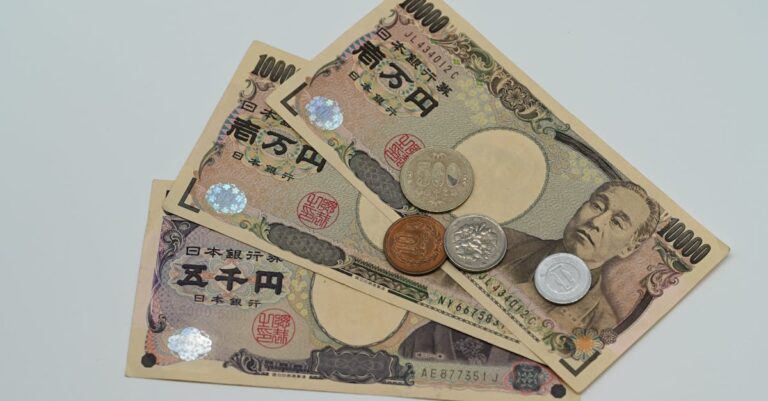
Explore how Yen stability, driven by Japan’s fiscal policies, impacts global investment portfolios. Learn to navigate currency shifts and leverage international market insights for wealth growth.
The intricate dance of global economics often leaves investors feeling uncertain about their financial footing. Yet, moments of stability can offer profound opportunities and reassurance. Recently, the Japanese Yen demonstrated a remarkable surge, recording its most significant weekly gain since November 2024. This notable performance wasn’t merely a fleeting market fluctuation; it signaled a renewed confidence in Japan’s economic direction, particularly concerning its fiscal policies.
For individuals building wealth, understanding such shifts is paramount. Currency movements, especially those of a major global currency like the Yen, can ripple through international investment portfolios, affecting everything from asset valuations to the cost of future global endeavors. The reported Yen stability, bolstered by market trust in Prime Minister Sanae Takaichi’s approach to fiscal stimulus, provides a valuable case study in how political leadership and economic policy can directly influence financial markets and, by extension, personal wealth strategies.
This article delves into the factors contributing to the Yen’s recent strength, exploring how fiscal policy, market confidence, and global economic dynamics converge to shape currency valuations. We will examine the implications for global investors, offering practical insights into how you can position your wealth to benefit from, or at least navigate, the ever-changing landscape of international finance. Our goal is to equip you with the knowledge to transform complex economic news into actionable strategies for enduring financial prosperity.
Understanding the Dynamics of Yen Stability and Currency Valuation
To fully appreciate the recent narrative of Yen stability, it is crucial to grasp the fundamental forces that dictate a currency’s value. A nation’s currency is not just a medium of exchange; it is a barometer of its economic health, political stability, and financial attractiveness to global investors. Several key factors converge to determine whether a currency strengthens or weakens against its counterparts.
Firstly, interest rates play a pivotal role. Higher interest rates typically attract foreign capital seeking better returns on investments, increasing demand for the domestic currency and strengthening its value. Conversely, lower interest rates can make a currency less appealing. Central banks often manipulate interest rates as a primary tool of monetary policy, influencing inflation, economic growth, and currency strength.
Secondly, a nation’s economic performance, measured by indicators such as GDP growth, employment rates, and trade balances, profoundly impacts its currency. A robust, growing economy with a strong export sector generally supports a stronger currency, as global demand for its goods and services translates into demand for its currency. Conversely, economic stagnation or recession often leads to currency depreciation.
Thirdly, political stability and government policy are critical. Predictable and transparent governance, coupled with sound fiscal policies, fosters investor confidence. This confidence translates into a willingness to invest in the country’s assets, driving up demand for its currency. Instability, political uncertainty, or perceived mismanagement can lead to capital flight and currency weakening. The recent context of Japan’s Yen stability highlights the importance of market trust in political leadership and fiscal direction.
Fourthly, geopolitical events and global sentiment can trigger significant currency movements. During times of global uncertainty or crisis, investors often flock to “safe-haven” currencies, perceived as stable and reliable stores of value. Historically, the Japanese Yen, the Swiss Franc, and the US Dollar have often served this role. The Bloomberg report on the Yen’s appreciation noted it was “also supported by haven demand amid a deepening rout in risk assets,” underscoring this aspect.
Lastly, speculation and market psychology can create short-term volatility. Currency traders and large institutional investors constantly analyze economic data, political developments, and market sentiment, making rapid buy or sell decisions that can temporarily sway currency values. These speculative pressures can sometimes amplify or counteract fundamental drivers.
Understanding these multifaceted influences is the first step toward deciphering the behavior of currencies and their potential impact on your personal wealth. The recent appreciation of the Yen, specifically its four consecutive days of strengthening against the dollar and a 2.8% gain, is a complex interplay of these factors, with market confidence in Japan’s fiscal policy standing out as a particularly potent catalyst.
Japan’s Economic Landscape and the Yen’s Unique Standing
The Japanese Yen occupies a fascinating and often contradictory position in the global financial system. For decades, Japan has grappled with unique economic challenges, including persistent deflation, an aging population, and a formidable public debt. Despite these headwinds, the Yen has frequently been regarded as a critical safe-haven currency, particularly during periods of global economic turbulence. This characteristic lends itself to understanding the concept of Yen stability in a broader market context.
Japan’s economic policies have long been defined by efforts to stimulate growth and combat deflation. The Bank of Japan (BOJ) has maintained ultra-loose monetary policies, including negative interest rates and massive asset purchases, in an attempt to foster inflation and economic activity. These policies typically exert downward pressure on a currency’s value. However, the Yen’s recent strengthening indicates that other factors are overriding these monetary settings, at least temporarily.
One such factor is Japan’s status as the world’s largest creditor nation. Japanese investors hold vast sums of overseas assets, and during times of global stress or when domestic financial institutions repatriate funds, demand for the Yen can surge, pushing its value higher. This “homecoming” effect is a significant, albeit often overlooked, driver of Yen strength.
The recent election victory of Prime Minister Sanae Takaichi appears to have been a pivotal moment, as reported by Bloomberg. Her ability to expand fiscal stimulus while “maintaining the trust of financial markets” is key to understanding the current Yen stability. Fiscal stimulus, which involves government spending or tax cuts to boost the economy, often raises concerns about increased national debt and potential inflation, which can typically weaken a currency. However, in this instance, the market’s perception of her leadership and strategy instilled confidence, suggesting that investors believe the stimulus will be managed responsibly and effectively, leading to positive economic outcomes without undermining financial stability.
This market trust is a precious commodity. It implies that investors view Takaichi’s administration as capable of striking a delicate balance: stimulating growth to pull Japan out of its economic doldrums while also ensuring the long-term sustainability of public finances. When this trust is established, even policies that might ordinarily cause concern can be interpreted positively, leading to currency appreciation. For the Yen, this translated into a four-day appreciation streak against the dollar, culminating in a significant weekly gain.
The deepening rout in risk assets globally, which provided additional “haven demand” for the Yen, further cemented its strong performance. When equity markets worldwide experience downturns, or geopolitical tensions escalate, investors tend to move their capital into assets perceived as safer. The Yen, with its history as a safe harbor, became a beneficiary of this flight to safety. This dual effect of domestic policy confidence and global risk aversion combined to produce the remarkable Yen stability witnessed.
For wealth builders, this situation underscores a vital lesson: global economic events are rarely driven by a single factor. A confluence of domestic political developments, macroeconomic policies, and international market sentiment can produce significant shifts in currency valuations, presenting both challenges and opportunities for those with internationally diversified portfolios.
Impact on Global Investors: Leveraging Yen Stability for Wealth Growth
The recent surge and subsequent Yen stability hold significant implications for investors worldwide, particularly those with exposure to international markets or considering global diversification. Understanding these impacts is crucial for making informed decisions about your investment portfolio and optimizing your wealth-building strategy.
Firstly, for investors holding Japanese assets, such as stocks listed on the Tokyo Stock Exchange or Japanese government bonds, a strengthening Yen generally provides a tailwind. When the Yen appreciates against your home currency (e.g., the US Dollar), the value of your Yen-denominated assets, when converted back, increases. For example, if you bought shares in a Japanese company when the Yen was weaker, and then the Yen strengthens, your capital gains (or even losses) from the stock itself will be amplified (or mitigated) by the favorable currency exchange rate. This phenomenon contributes directly to the overall return on your international investments.
Conversely, for those looking to invest in Japan, a stronger Yen means that Japanese assets become relatively more expensive in your home currency. This doesn’t necessarily mean you should avoid investing, but it implies a higher entry cost. Investors might consider dollar-cost averaging into Japanese markets or waiting for periods of Yen weakness if their primary goal is to minimize conversion costs. However, the potential for continued economic improvements driven by fiscal stimulus and market trust could still make Japanese investments attractive despite the higher initial outlay.
Beyond direct Japanese investments, the Yen’s role as a safe haven currency has broader implications. When global risk assets experience a “rout,” as mentioned in the Bloomberg report, the flight to safety often boosts currencies like the Yen. This dynamic suggests that if your portfolio is heavily invested in riskier assets, a portion allocated to assets that benefit from safe-haven flows (either directly in Yen-denominated instruments or via funds that strategically allocate to such assets) could provide a degree of hedging. This strategy enhances overall portfolio resilience during turbulent times, contributing to long-term Yen stability in your portfolio’s performance.
Furthermore, consider the impact on international trade and global supply chains. A stronger Yen makes Japanese exports more expensive for foreign buyers and makes imports into Japan cheaper. For companies that source components from Japan or sell goods into the Japanese market, this currency shift can affect profitability. As an investor, understanding these dynamics can guide your decisions regarding which multinational corporations to invest in, favoring those that are well-hedged against currency fluctuations or those that benefit from specific currency movements.
For individuals planning future expenses abroad, such as international travel or education, a stronger Yen means that expenses in Japan will be more costly if your home currency has weakened against it. Conversely, if you plan to convert Yen back to a weaker home currency, you stand to benefit. This highlights the importance of considering currency impacts even on personal financial planning, not just investment portfolios.
Leveraging Yen stability or currency movements requires a nuanced approach. It’s rarely advisable to make investment decisions based solely on currency forecasts, as these are notoriously difficult to predict accurately. Instead, integrate currency considerations into a broader, diversified investment strategy. Consider using currency-hedged exchange-traded funds (ETFs) or mutual funds if you want exposure to international markets without the direct currency risk. These funds employ strategies to minimize the impact of currency fluctuations on your returns, providing a more predictable outcome in your base currency.
Ultimately, the recent episode of Yen stability serves as a powerful reminder of the interconnectedness of global finance. For wealth builders, staying informed about these dynamics and consulting with financial professionals skilled in international investing can be invaluable for navigating the complexities and capitalizing on opportunities in a truly globalized market.
Fiscal Policy and Market Trust: The Cornerstone of Yen Stability
The core of the Yen’s recent upward trajectory lies in the renewed market trust in Japan’s fiscal policy direction. This concept – the delicate balance between government spending, taxation, and debt management, and how it is perceived by financial markets – is fundamental to understanding currency stability. The recent situation in Japan, where Prime Minister Sanae Takaichi’s election victory was seen as enabling expanded fiscal stimulus while maintaining market confidence, provides a compelling illustration of this principle.
Fiscal stimulus, by its nature, involves injecting more money into the economy through increased government spending (on infrastructure, social programs, etc.) or tax cuts. The goal is to boost demand, spur economic activity, and combat deflationary pressures or recessions. While beneficial for growth, aggressive fiscal expansion often carries risks. Chief among them are concerns about rising national debt, potential inflation if the economy overheats, and the crowding out of private investment. Typically, these concerns can undermine investor confidence, leading to a weaker currency as foreign capital seeks safer or more fiscally prudent shores.
However, the case of the Yen illustrates a different outcome. The Bloomberg report explicitly states that Takaichi’s victory allowed her to expand fiscal stimulus “while maintaining the trust of financial markets.” This distinction is critical. Market trust is not given; it is earned. It signifies that investors believe the government’s fiscal plans are not only well-intentioned but also sustainable and capable of generating genuine economic benefits without jeopardizing long-term financial health. This trust alleviates fears of uncontrolled debt accumulation or runaway inflation, which often weigh on a currency.
What factors contribute to this market trust? Transparency in budgeting, a clear articulation of economic goals, a credible path to debt sustainability, and a track record of responsible governance are all vital. In Japan’s context, perhaps the market perceived Takaichi’s administration as having a more coherent and effective strategy for deploying stimulus funds, potentially targeting productive sectors that could enhance long-term growth and tax revenues, rather than just short-term boosts.
The phrase “fiscal concerns put on hold” further illuminates this sentiment. It implies that while underlying fiscal challenges might still exist (Japan’s public debt-to-GDP ratio is among the highest in the developed world), the market is willing to set aside immediate worries, confident that the new administration has a plan to address them or at least manage them effectively. This temporary deferral of concern translates into reduced risk perception, bolstering the Yen’s appeal and contributing significantly to its stability.
For wealth builders, this situation underscores the profound influence of governmental policy and political leadership on financial markets. When assessing international investment opportunities, it’s not enough to look solely at economic data; one must also evaluate the political landscape and the credibility of a nation’s fiscal and monetary authorities. Governments that demonstrate a commitment to fiscal prudence, even while pursuing stimulus, tend to foster greater investor confidence and, consequently, currency strength and stability.
This episode also highlights the nuanced nature of “stimulus.” Not all stimulus is created equal. Stimulus seen as wasteful or purely political can erode confidence, while targeted, growth-oriented stimulus can generate positive market reactions. The distinction lies in market perception of long-term economic benefit versus short-term political gain.
In essence, the recent Yen stability is a testament to the power of market trust in the face of fiscal expansion. It serves as a reminder that sound governance and credible policy frameworks are invaluable assets that can anchor a currency even amidst global market turbulence and domestic economic challenges.
Diversification in a Volatile World: The Role of Yen Stability and Global Assets
In the quest for long-term wealth accumulation, diversification stands as a cornerstone principle. Yet, true diversification extends beyond merely scattering investments across different asset classes like stocks, bonds, and real estate. It increasingly encompasses geographic and currency diversification, particularly in an interconnected global economy where events like the recent Yen stability can have far-reaching effects. The “deepening rout in risk assets” mentioned by Bloomberg serves as a stark reminder of why such a comprehensive approach to diversification is not just advisable, but essential.
Geographic diversification means investing in companies and assets located in different countries and regions. This strategy helps mitigate country-specific risks, such as political instability, economic downturns, or localized market crashes. When one region faces headwinds, another might be thriving, helping to smooth out overall portfolio returns. The recent performance of the Yen, driven by both domestic policy confidence and safe-haven demand, illustrates how different economies can behave asynchronously, offering protective benefits to a well-diversified portfolio.
Currency diversification, intertwined with geographic diversification, involves holding assets denominated in various currencies. This helps protect your portfolio from the adverse effects of a sustained decline in your home currency. If your entire wealth is denominated in a single currency, and that currency weakens significantly, your purchasing power globally diminishes. By holding assets in other strong, stable currencies, you can hedge against this risk. The Yen stability, especially during a period of market volatility, underscores the value of having exposure to currencies that act as safe havens.
How does one achieve effective global diversification?
Firstly, consider broad-market international index funds or ETFs. These funds offer exposure to a wide array of companies across developed and emerging markets, providing instant geographic diversification. Many of these funds are available in both currency-hedged and unhedged versions. An unhedged fund exposes you directly to currency fluctuations, meaning your returns will be affected by changes in the foreign currency’s value relative to your home currency. A currency-hedged fund attempts to neutralize this effect, providing returns closer to the underlying asset performance in local currency terms, but often comes with higher expense ratios.
Secondly, evaluate the role of specific safe-haven assets. While the Yen has historically served this purpose, other assets like gold, certain government bonds, and even other strong currencies can offer similar protective qualities. Incorporating a small allocation to such assets can help cushion your portfolio during periods of heightened market risk. The Yen’s recent appreciation due to “haven demand” highlights its continued relevance in this capacity.
Thirdly, for more sophisticated investors, direct investment in foreign stocks or bonds can be an option. However, this requires thorough research into individual companies, local market conditions, and regulatory environments. This path also involves managing foreign exchange risk directly, which can be complex. Consulting a financial advisor specializing in international investments is highly recommended for this approach.
Fourthly, consider the cyclical nature of economies. Different countries and regions are often in different stages of their economic cycles. By investing globally, you increase your chances of having exposure to economies that are in expansionary phases, even if your home economy is slowing down. This can lead to more consistent overall portfolio performance over the long term.
The “deepening rout in risk assets” noted in the Bloomberg report underscores the interconnectedness of global markets and the potential for widespread downturns. In such environments, assets that demonstrate resilience or even appreciation, like the Yen, become invaluable components of a diversified portfolio. They can provide a buffer, mitigating losses elsewhere and contributing to the overall Yen stability of your wealth accumulation journey. True wealth builders understand that protecting capital is as important as growing it, and global diversification is a powerful tool in achieving both objectives.
Strategies for Navigating Currency Fluctuations and Building Wealth with Yen Stability Insights
Understanding the forces behind currency movements, like the recent Yen stability, is one thing; translating that knowledge into actionable wealth-building strategies is another. For the savvy investor, currency fluctuations are not merely abstract economic phenomena but tangible factors that can significantly impact investment returns and overall financial health. Developing a robust strategy to navigate these shifts is essential for long-term prosperity.
1. Embrace Global Diversification (with a Twist): As previously discussed, global diversification is crucial. However, don’t just diversify by geography; consider currency exposure explicitly. While you shouldn’t become a full-time currency trader, being aware of how different currencies might perform under various economic conditions can inform your allocation decisions. If you believe a particular currency, like the Yen, has strong fundamentals for stability or appreciation due to sound fiscal policy, a small allocation to assets denominated in that currency could be beneficial. Remember the “deepening rout in risk assets” and the safe-haven demand for the Yen – this illustrates how certain currencies can act as stabilizers.
2. Consider Currency-Hedged Investment Vehicles: For many investors, the direct management of currency risk is too complex or time-consuming. Currency-hedged ETFs and mutual funds offer a practical solution. These funds invest in international assets but use financial instruments (like forward contracts) to mitigate the impact of currency fluctuations on your returns when converted back to your home currency. This allows you to gain exposure to foreign markets without the added volatility of currency movements. It’s an excellent way to benefit from the performance of international companies regardless of the day-to-day shifts in Yen stability or other currency pairs.
3. Dollar-Cost Averaging for International Investments: When investing in international markets, particularly in assets denominated in currencies experiencing volatility, dollar-cost averaging can be a powerful tool. Instead of making a lump-sum investment, invest a fixed amount regularly over time. This strategy helps to average out your purchase price, reducing the risk of buying all your foreign assets when the local currency is at its peak (and thus most expensive). Over the long term, this disciplined approach can help you acquire more units of an investment at a lower average cost, regardless of short-term currency swings, including those affecting Yen stability.
4. Monitor Key Economic and Policy Indicators: While predicting short-term currency movements is challenging, understanding the long-term drivers is achievable. Keep an eye on central bank policies (interest rate decisions, quantitative easing/tightening), government fiscal policies (stimulus packages, debt management), and major economic indicators (GDP growth, inflation, trade balances) of countries relevant to your international investments. News from reputable financial publications, like Bloomberg.com, can provide valuable insights into these developments. For example, the news about Japan’s fiscal stimulus and market trust was a strong indicator for Yen stability.
5. Understand Your Personal Currency Exposure: Beyond your investment portfolio, consider your personal financial situation. Do you have plans for international travel, education abroad, or overseas property purchases? If so, significant currency movements can impact the cost of these endeavors. While you might not actively hedge these exposures, being aware of them allows you to plan accordingly, perhaps by saving in different currencies or locking in exchange rates for large future expenses when favorable conditions arise.
6. Consult a Financial Advisor Specializing in International Markets: For complex portfolios or significant international exposure, professional guidance is invaluable. A seasoned financial advisor with expertise in global markets can help you assess your risk tolerance, identify suitable international investment opportunities, and craft a strategy that accounts for currency risks and leverages potential benefits from factors like Yen stability. They can also help you understand the tax implications of international investing.
Navigating the global financial landscape requires diligence and a proactive mindset. By integrating these strategies into your wealth-building plan, you can transform the perceived challenge of currency fluctuations into an opportunity for enhanced portfolio resilience and long-term growth.
The Broader Economic Landscape: Connecting Yen Stability to Global Wealth Building
The specific case of Yen stability, driven by confidence in Japan’s fiscal policy amidst a global rout in risk assets, is more than just an isolated financial event. It serves as a powerful microcosm of the intricate interconnectedness of the global economy and offers profound lessons for individuals striving to build and preserve wealth. Understanding these broader connections is crucial for anyone aiming for enduring financial prosperity.
Firstly, the Yen’s behavior underscores the principle that no economy operates in isolation. A political development in Japan, its chosen fiscal path, and the market’s reaction to it, directly influenced global currency markets and provided a haven during a period of international uncertainty. This ripple effect is constant: economic conditions in one major trading bloc, policy shifts in a leading nation, or even geopolitical tensions can send tremors across stock markets, commodity prices, and, critically, currency valuations worldwide.
For the wealth builder, this means cultivating a global perspective. Relying solely on domestic market performance or economic indicators can leave your portfolio vulnerable to localized downturns. A diversified approach that consciously considers international exposures, taking into account factors like the potential for Yen stability in times of stress, enhances resilience. It’s about building a portfolio that can weather storms in one region by having anchors in others.
Secondly, the episode highlights the crucial role of investor confidence and market sentiment. The decision by Prime Minister Sanae Takaichi to expand fiscal stimulus, typically a measure that could cause fiscal concern, was met with trust. This trust translated directly into currency appreciation. It demonstrates that markets are not just rational calculators of economic data; they are also influenced by perceptions of leadership, competence, and a credible long-term vision. For investors, this means paying attention not just to the numbers, but also to the narrative – how policies are communicated and perceived by key market participants.
Thirdly, the Yen’s dual support – from domestic policy confidence and safe-haven demand – exemplifies the multifaceted nature of currency drivers. A single currency can be influenced by internal economic health, interest rate differentials, political stability, and its global role as a refuge asset. Wealth builders must recognize this complexity and avoid simplistic interpretations. A currency might be strong for reasons that are temporary or for reasons that are deeply structural, each requiring a different strategic response.
Finally, the “deepening rout in risk assets” underscores the cyclical nature of financial markets and the perpetual dance between risk-on and risk-off sentiment. During “risk-on” periods, investors flock to growth-oriented assets like equities and emerging market investments. During “risk-off” periods, capital flows into safer havens like high-quality government bonds, gold, and certain currencies such as the Yen. A successful wealth-building strategy acknowledges these cycles and builds in protective mechanisms. This could involve maintaining a balanced asset allocation, including some safe-haven exposure, or strategically rebalancing your portfolio to reduce risk during periods of heightened uncertainty.
In conclusion, the recent strong performance and continued potential for Yen stability offer invaluable insights for every wealth builder. It serves as a powerful reminder of the intricate linkages within global finance, the profound impact of policy and trust, and the enduring importance of thoughtful diversification and a vigilant, globally aware approach to managing your financial future. By integrating these lessons, you can navigate the complexities of the modern economy with greater confidence and purpose, ensuring your path to wealth is both robust and resilient.
Frequently Asked Questions
How does Yen stability affect my non-Japanese investments?
A stable Yen can indirectly impact your non-Japanese investments by influencing global market sentiment and capital flows. As a safe-haven currency, a strong and stable Yen often indicates global economic uncertainty, prompting investors to seek less risky assets. This “risk-off” environment can lead to downturns in riskier assets, potentially affecting your equity investments even if they are not directly in Japan. Conversely, if the Yen’s stability is driven by strong Japanese economic policies, it could signal broader confidence in developed markets, which might positively influence other international investments.
What role does fiscal stimulus play in my wealth planning, especially with regard to currency?
Fiscal stimulus, like the one in Japan, aims to boost economic activity. For wealth planning, it means monitoring potential inflation, interest rate changes, and sector-specific growth opportunities. If the stimulus is successful and maintains market trust, it can lead to a stronger domestic currency and improved corporate earnings in that region, potentially benefiting your investments there. However, if stimulus leads to unmanaged debt or inflation, it could weaken a currency and erode investment value. Understanding how a government’s fiscal policy is perceived by markets is key to assessing currency impacts on your international holdings.
Should I adjust my portfolio due to global currency shifts, such as the Yen stability?
Significant global currency shifts, including the recent Yen stability, warrant a review of your portfolio, but not necessarily drastic adjustments based solely on short-term movements. Instead, focus on long-term diversification across different currencies and geographies. Consider if your existing international investments are currency-hedged or unhedged, and whether your exposure aligns with your risk tolerance. For instance, a strong Yen might make Japanese assets appear more expensive, but underlying economic health could still make them attractive long-term. Consult with a financial advisor to integrate currency considerations into your overall wealth strategy rather than reacting impulsively to daily fluctuations.
How can I protect my wealth from currency volatility while still investing globally?
To protect your wealth from currency volatility while investing globally, consider several strategies. Firstly, use currency-hedged investment funds (ETFs or mutual funds) that aim to neutralize the impact of exchange rate fluctuations. Secondly, maintain a diversified portfolio across various countries and currencies, so a weakening in one currency might be offset by strength in another. Thirdly, if you have significant international expenses planned, you might consider converting funds when exchange rates are favorable or exploring multi-currency savings accounts. Finally, investing in assets that act as safe havens during periods of global uncertainty, like gold or historically stable currencies such as the Yen, can provide a buffer.
What does “market trust in fiscal policy” mean for my long-term financial planning and Yen stability?
“Market trust in fiscal policy” means that investors believe a government’s spending and tax decisions are responsible, sustainable, and will lead to positive economic outcomes without creating undue debt or inflation. For your long-term financial planning, this trust is crucial because it often translates into stable interest rates, predictable economic growth, and a strong currency. In the context of Yen stability, it suggests that despite expanding stimulus, markets are confident in Japan’s ability to manage its finances, making Yen-denominated assets potentially more attractive for long-term holders and reducing the risk associated with investing in that economy. This predictability helps in planning for future wealth growth and preservation.