

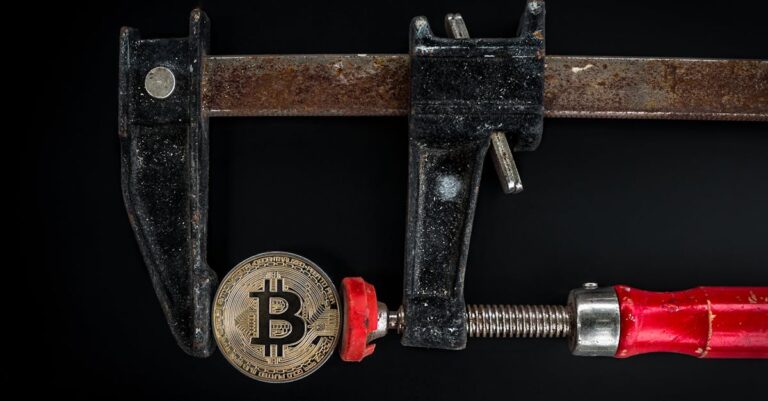
Market plunges can test investor resolve. Learn how to build strong investment resilience, turning volatility into an opportunity for long-term wealth steadiness, even in turbulent global markets.
Recent reports, such as those detailing significant dips in specific global markets like South Korea’s, as noted by the Financial Times, often trigger immediate concerns for investors. This volatility, while unsettling, underscores a crucial principle for lasting financial success: cultivating robust Investment Resilience. The sensation of seeing hard-earned wealth diminish, even temporarily, can evoke profound fear and frustration. However, understanding the cyclical nature of markets and implementing strategic measures can transform these moments of anxiety into opportunities for strengthening your financial foundation.
An astounding market ride can be sapped by a sudden plunge, leaving many questioning their strategies and future prospects. This article aims to equip you with the knowledge and tools to not only weather such storms but to emerge stronger. We will delve into what Investment Resilience truly means, why it’s more critical now than ever, and actionable steps you can take to build and maintain it, ensuring your journey toward wealth accumulation remains steadfast.
Understanding Market Volatility and Its Psychological Impact
Market volatility is an inherent characteristic of investing. It refers to the degree of variation of a trading price series over time. While often associated with downturns, volatility also encompasses upward swings. However, it’s the downward movements that typically capture headlines and create investor apprehension.
Consider the recent situation highlighted by the Financial Times regarding South Korean stocks. Such events are not isolated incidents but rather reflections of a dynamic global economy influenced by a myriad of factors. These can include geopolitical tensions, shifts in monetary policy, commodity price fluctuations, technological disruptions, and even social trends. Each of these can act as a catalyst, sending ripples through financial markets, sometimes leading to significant corrections or outright plunges.
The Emotional Rollercoaster of Investing
The psychological impact of market volatility is profound. When markets are surging, investors often experience euphoria and overconfidence, sometimes leading to impulsive decisions like chasing high-flying assets or taking on excessive risk. Conversely, during a market downturn, fear and panic can set in, prompting rash decisions such as selling off investments at a loss, often at the worst possible time.
This emotional rollercoaster can derail even the most well-intentioned financial plans. The frustration of seeing a portfolio shrink, even if only on paper, can be overwhelming. Understanding that these emotional responses are normal is the first step toward building Investment Resilience. It allows you to acknowledge these feelings without letting them dictate your actions. History consistently shows that markets recover, and those who remain disciplined often benefit most from subsequent recoveries.
Pillars of Robust Investment Resilience
Building Investment Resilience is not about predicting the future; it’s about preparing for an uncertain one. It involves constructing a portfolio and a mindset that can withstand economic shocks and market turbulence. Several key pillars underpin this resilience.
1. Strategic Diversification: Spreading Your Bets Wisely
Diversification is perhaps the most fundamental principle of resilient investing. It means not putting all your eggs in one basket. By spreading your investments across various asset classes, industries, and geographies, you reduce the impact of any single poor-performing investment.
- Asset Class Diversification: This involves allocating your capital across different types of assets such as stocks, bonds, real estate, and potentially commodities or alternative investments. When stocks are down, bonds might hold steady or even appreciate, providing a buffer.
- Geographic Diversification: Relying solely on your home country’s market or a single region, as exemplified by the South Korean stock plunge, can expose you to concentrated risk. Investing in a global portfolio, encompassing developed and emerging markets across different continents, helps mitigate regional economic or political instability.
- Sector and Industry Diversification: Within equities, spreading investments across various sectors (e.g., technology, healthcare, consumer staples, financials) ensures that a downturn in one industry doesn’t devastate your entire stock portfolio.
- Company Diversification: Holding shares in numerous companies, rather than just a few, further reduces specific company risk. Even within a promising sector, individual companies can face unique challenges.
A well-diversified portfolio acts like a shock absorber, cushioning the blow during market downturns and helping to stabilize overall returns over the long term. This strategy is critical for fostering Investment Resilience.
2. The Long-Term Perspective: Time in the Market, Not Timing the Market
Many investors, fueled by the frustration of immediate losses, attempt to time the market – buying low and selling high. This is notoriously difficult, even for seasoned professionals. Market plunges often tempt individuals to sell out, only to miss the subsequent recovery.
Adopting a long-term perspective is crucial for Investment Resilience. Historically, equity markets have always recovered from downturns and gone on to reach new highs. Patience allows your investments to ride out periods of volatility and benefit from compounding returns over decades. Focus on your financial goals—retirement, a down payment, education—which are typically years, if not decades, away. Short-term market fluctuations become less relevant when viewed through this expansive lens.
3. Maintaining an Adequate Emergency Fund: Your Financial Safety Net
Before allocating significant capital to investments, it’s paramount to establish a robust emergency fund. This liquid cash reserve, typically covering three to six months of essential living expenses, serves as your financial safety net.
During a market downturn, the last thing you want is to be forced to sell your investments at a loss to cover unexpected expenses, such as job loss or medical emergencies. An emergency fund provides the peace of mind and liquidity needed to navigate life’s inevitable curveballs without disrupting your long-term investment strategy. It’s a foundational element of true Investment Resilience, protecting your investments from being prematurely liquidated.
4. Regular Investing (Dollar-Cost Averaging): Turning Volatility into an Advantage
Dollar-cost averaging involves investing a fixed amount of money at regular intervals, regardless of market conditions. This strategy, though simple, is incredibly powerful, especially during volatile periods.
When prices are high, your fixed investment buys fewer shares. When prices are low (like during a market plunge), your same fixed investment buys more shares. Over time, this averages out your purchase price and reduces the risk of investing a large lump sum right before a market downturn. It takes the emotion out of investing and systematically builds your portfolio. This disciplined approach is a cornerstone of building Investment Resilience.
5. Realistic Risk Assessment and Tolerance: Knowing Yourself
Every investor has a unique risk tolerance, which is their ability and willingness to take on investment risk. It’s a critical component of building a resilient portfolio. Someone nearing retirement, for example, typically has a lower risk tolerance than a young professional just starting their career.
Before investing, honestly assess your comfort level with potential losses. Can you stomach seeing your portfolio drop by 10%, 20%, or even more, without panicking? Your asset allocation should align with your risk tolerance. A portfolio that’s too aggressive for your comfort level will likely lead to stress and poor decisions during downturns. A portfolio that’s too conservative might hinder your wealth growth. Finding the right balance is key to sustainable Investment Resilience.
6. Portfolio Rebalancing: Staying on Course
Over time, market movements can cause your portfolio’s asset allocation to drift from its original targets. For instance, a strong bull market might cause your stock allocation to grow disproportionately, making your portfolio riskier than intended.
Rebalancing involves periodically adjusting your portfolio back to your target asset allocation. This typically means selling some assets that have performed well (and are now overweight) and buying more of those that have underperformed (and are now underweight). This disciplined process forces you to “sell high and buy low,” a counter-intuitive but effective strategy that naturally enhances Investment Resilience by systematically taking profits and adding to positions at more attractive valuations.
7. Controlling Emotions and Behavioral Biases: The Human Element
The biggest threat to Investment Resilience often comes from within. Human beings are prone to various behavioral biases that can undermine rational decision-making in investing.
- Fear and Greed: These two powerful emotions often drive irrational market behavior. Fear prompts panic selling, while greed can lead to chasing speculative assets.
- Herd Mentality: The tendency to follow the actions of a larger group, even if those actions contradict one’s own analysis, can lead to buying into bubbles or selling during panics.
- Confirmation Bias: Seeking out information that confirms existing beliefs while ignoring contradictory evidence can lead to narrow perspectives and poor decisions.
Recognizing these biases is the first step toward mitigating their impact. Establishing clear rules for investing, adhering to a long-term plan, and seeking objective advice can help you control your emotions and maintain discipline, even when the market environment, like a regional stock plunge, triggers widespread anxiety.
Specific Strategies for Navigating Global Market Shocks
While the general principles of Investment Resilience apply universally, global market shocks, such as the one observed in South Korean stocks, introduce specific considerations.
Understanding Market Interconnectedness
Today’s financial markets are deeply interconnected. A significant event in one region can send ripples across the globe. For instance, economic slowdowns in major trading partners can impact export-driven economies. Similarly, shifts in global interest rates or commodity prices can affect different countries in various ways.
This interconnectedness means that even if your portfolio is primarily domestic, global events can still influence it. Acknowledging this reality is crucial for truly understanding and building Investment Resilience in a globalized world.
Evaluating International Exposure Wisely
As mentioned, geographic diversification is key. However, it’s not simply about owning international assets; it’s about understanding the nature of that exposure.
- Developed vs. Emerging Markets: Developed markets (e.g., in North America, Western Europe, Japan) often offer greater stability but potentially lower growth. Emerging markets (e.g., in parts of Asia, Latin America, Eastern Europe) can offer higher growth potential but come with increased volatility and geopolitical risks. A balanced approach often includes exposure to both.
- Currency Risk: Investing internationally means exposure to currency fluctuations. A strong local currency can erode returns from overseas investments if the foreign currency depreciates relative to it. Some investors choose currency-hedged funds to mitigate this, though it adds complexity and cost.
- Political and Regulatory Risk: Different countries have varying political stability and regulatory environments, which can impact businesses and investor rights. Due diligence and broad diversification help manage these risks.
When news of a regional plunge emerges, it’s an opportunity to review your international holdings, not necessarily to panic sell, but to ensure they still align with your overall strategy and risk tolerance.
The Role of Stable Assets
During periods of heightened market anxiety, stable assets can play a vital role in providing balance to a portfolio. These assets typically exhibit lower correlation with volatile assets like stocks.
- High-Quality Bonds: Government bonds and investment-grade corporate bonds from financially sound entities often provide stability and income, particularly during equity market downturns. They can act as a ballast, reducing overall portfolio volatility.
- Real Estate (Direct or REITs): While not entirely immune to economic cycles, direct ownership of physical property or investments in real estate investment trusts (REITs) can offer diversification benefits and potential for income and capital appreciation, often with a different correlation to stock markets.
- Commodities (e.g., Gold): Certain commodities, such as gold, are often considered a “safe haven” asset during times of economic uncertainty and inflation. A small allocation might provide further diversification, though commodities can also be volatile.
These assets contribute to Investment Resilience by offering different risk-return characteristics and typically performing differently than stocks under various economic conditions.
Considering Defensive Sectors
Within the stock market, some sectors are considered more “defensive” than others. These sectors typically include companies that provide essential goods and services, for which demand remains relatively stable even during economic downturns.
Examples include:
- Consumer Staples: Companies producing food, beverages, household goods, and personal care products.
- Utilities: Providers of electricity, gas, and water.
- Healthcare: Pharmaceutical companies, medical device manufacturers, and healthcare service providers.
While these sectors may not offer explosive growth during bull markets, they tend to be more stable during downturns, providing a degree of capital preservation and often consistent dividends. Including them in your portfolio can enhance your Investment Resilience against broader market swings.
Importance of Quality Research and Reliable Financial News
In an age of information overload, discerning credible sources is vital. Rely on reputable financial news outlets, academic research, and trusted financial advisors for your insights. A report from a source like the Financial Times, for example, often provides in-depth analysis and context that can help you understand the broader implications of a market event rather than reacting impulsively to headlines.
Stay informed about global economic trends, geopolitical developments, and policy changes, but filter this information through a lens of critical thinking and a long-term investment strategy. Informed decisions, rather than emotional reactions, are the hallmark of Investment Resilience.
Avoiding Common Pitfalls in Market Downturns
When market sentiment sours, and fear begins to spread, investors are particularly vulnerable to making costly errors that can seriously impede their long-term wealth goals. Avoiding these common pitfalls is as crucial as implementing sound strategies for building Investment Resilience.
1. Panic Selling: The Most Damaging Mistake
This is arguably the single biggest mistake investors make. Witnessing a significant drop in portfolio value—like that experienced by investors in South Korean stocks during a plunge—can trigger an intense desire to “stop the bleeding.” Selling assets during a downturn crystallizes paper losses, turning them into real ones. Moreover, it ensures you miss the inevitable market recovery that historically follows every downturn.
Remember the long-term perspective. Unless your financial situation has drastically changed and you genuinely need the funds, resist the urge to panic sell. Historically, the best days in the market often follow the worst days, and missing those recovery periods can severely impair long-term returns.
2. Chasing Trends and Speculative Bets
Conversely, some investors, frustrated by underperforming conservative assets, might be tempted to chase the latest speculative trends or “hot stocks” during volatile periods, hoping for quick gains. This often leads to investing in assets they don’t understand, based on hype rather than fundamentals. Such investments are inherently risky and can lead to significant losses, further eroding confidence and financial stability.
Stick to your well-researched, diversified investment plan. Focus on quality companies and sound investment principles, rather than fleeting fads, to maintain genuine Investment Resilience.
3. Ignoring Fees and Costs
Even small fees can significantly erode returns over time, especially during periods of lower market growth. Actively trading in response to market volatility often incurs higher transaction costs and potential capital gains taxes. Reviewing your investment platforms and fund choices to ensure you’re not paying excessive fees is always a wise move, but particularly important when every percentage point of return counts.
4. Over-Concentration in a Single Asset or Region
The situation in South Korean stocks serves as a stark reminder of the dangers of over-concentration. While certain assets or regions may offer attractive growth prospects, putting too much capital into one area significantly increases your risk exposure. When that specific asset or region faces headwinds, the impact on your overall wealth can be devastating.
Always revisit your diversification strategy. Ensure that no single investment or geographic area represents an outsized portion of your portfolio, even if it has performed exceptionally well in the past. This vigilance is a key component of building and sustaining Investment Resilience.
5. Neglecting Regular Portfolio Review and Rebalancing
Setting up a portfolio is just the first step. Neglecting to review and rebalance it periodically can lead to drift, where your initial asset allocation (and associated risk level) deviates significantly from your target. This can happen subtly over time as different asset classes perform unevenly.
Regular reviews, at least annually or semi-annually, allow you to ensure your portfolio still aligns with your goals, risk tolerance, and time horizon. Rebalancing back to your target allocation helps to systematically manage risk and reinforces the disciplined approach crucial for Investment Resilience.
Working with a Trusted Financial Advisor
For many individuals, navigating the complexities of investment markets, especially during turbulent times, can be overwhelming. This is where a trusted financial advisor can be invaluable. A professional can offer objective guidance, help you create a personalized financial plan, and provide crucial support during periods of heightened market anxiety.
A good advisor will:
- Help you define your financial goals and risk tolerance.
- Construct a diversified portfolio tailored to your unique circumstances.
- Educate you on market dynamics and the importance of a long-term perspective.
- Provide emotional coaching, helping you avoid behavioral pitfalls like panic selling.
- Regularly review and rebalance your portfolio.
- Adapt your strategy as your life circumstances or market conditions change.
Their expertise can be particularly comforting when the markets are experiencing a significant downturn, such as a regional stock plunge. They can offer a steady hand and a rational voice, helping you maintain your Investment Resilience and stick to your plan when your own emotions might otherwise lead you astray.
Conclusion: The Enduring Power of Investment Resilience
The journey to wealth is rarely a straight line; it is often marked by periods of exhilarating growth and unsettling contractions, as evidenced by recent market developments in various regions. While the frustration and fear caused by market plunges are natural, they do not have to dictate your financial future. By consciously cultivating Investment Resilience, you gain the power to navigate these challenges with confidence and discipline.
Embrace diversification, commit to a long-term perspective, fortify your financial safety net with an emergency fund, and leverage systematic investing strategies like dollar-cost averaging. Understand your personal risk tolerance, rebalance your portfolio regularly, and guard against destructive emotional biases. These pillars, together, form an impenetrable shield against market uncertainty, allowing your wealth to not just endure but to thrive over time.
Remember, true wealth isn’t merely about the numbers on a statement; it’s about the security, freedom, and peace of mind that a well-managed and resilient financial strategy provides. By focusing on these principles, you can transform the fear of wealth erosion into the powerful realization of enduring financial strength, ensuring your work truly leads to wealth, regardless of what the market brings.
Frequently Asked Questions
How can I prevent wealth erosion during global market shocks?
To prevent wealth erosion, focus on building strong Investment Resilience through strategic diversification across asset classes, geographies, and sectors. Maintain a long-term perspective, utilize dollar-cost averaging, and ensure you have an adequate emergency fund. Rebalancing your portfolio regularly and controlling emotional reactions are also critical strategies.
What steps should I take if market volatility makes me anxious about my investments?
If market volatility causes anxiety, review your financial plan and reaffirm your long-term goals. Remind yourself that market downturns are normal and temporary. Avoid checking your portfolio obsessively. Focus on what you can control: maintaining diversification, continuing regular investments, and ensuring your emergency fund is intact. Consider speaking with a financial advisor for objective guidance and reassurance, which can significantly boost your Investment Resilience.
Is international diversification still wise after a regional market plunge, like in South Korean stocks?
Yes, international diversification remains a cornerstone of robust Investment Resilience, even after a regional market plunge. Such events highlight the importance of not being overly concentrated in a single country or region. A well-diversified global portfolio helps spread risk and ensures that a downturn in one area doesn’t devastate your entire investment strategy. It’s about balancing potential growth with risk mitigation across various economies.
How do I ensure my investment strategy builds long-term wealth steadiness?
Building long-term wealth steadiness hinges on a disciplined approach centered on Investment Resilience. This means defining a clear financial plan, consistently investing over time (dollar-cost averaging), maintaining a diversified portfolio aligned with your risk tolerance, and regularly rebalancing. Prioritize saving over speculative gains, and view market downturns as opportunities for future growth, rather than reasons for panic.
What mistakes should I avoid when market confidence wanes and I fear further losses?
When market confidence wanes, avoid panic selling, which locks in losses. Do not succumb to herd mentality or chase speculative trends in hopes of a quick recovery. Resist the urge to significantly alter your long-term strategy based on short-term market noise. Instead, focus on maintaining your diversified portfolio, continuing regular contributions, and rebalancing—actions that reinforce your Investment Resilience and position you for recovery.
Can a financial advisor truly help build investment resilience during difficult markets?
Absolutely. A financial advisor plays a crucial role in building and maintaining Investment Resilience, especially during difficult markets. They provide objective advice, help manage emotional responses, ensure your portfolio aligns with your goals and risk tolerance, and keep you disciplined through market fluctuations. Their expertise can prevent impulsive decisions and help you stick to a sound, long-term strategy, turning market challenges into opportunities.