

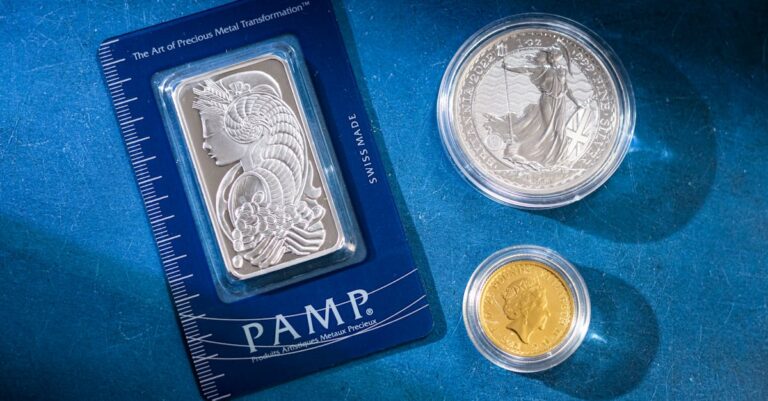
Navigate market volatility with tangible assets. Discover how strategic investments in gold and silver offer robust protection for your wealth amidst economic shifts and geopolitical unrest.
Recent headlines have spotlighted a significant trend in the financial world: precious metals investment is once again taking center stage, with gold and silver prices surging to unprecedented highs. This remarkable ascent is not a mere blip but a powerful indicator of broader market dynamics. For individuals building wealth, understanding the forces behind these movements and the role of precious metals in a robust financial strategy is paramount.
On a recent Monday, gold prices notably broke through the $4,600 per-ounce level for the first time, reaching a peak of $4,600.33. Silver, too, experienced a dramatic jump, hitting an all-time high of $83.96 per ounce before settling slightly. These record-breaking valuations, as reported by CNBC, underscore a growing investor flight to quality, driven by a confluence of geopolitical tensions, economic anxieties, and mounting expectations for U.S. interest rate cuts.
The primary appeal of **precious metals investment** lies in their historical reputation as safe-haven assets. When traditional markets wobble, or the future feels uncertain, investors often turn to tangible stores of value like gold and silver. This article delves into why these metals are seeing such a strong resurgence, how they function as crucial components of a diversified portfolio, and what strategic considerations every investor should ponder when integrating them into their wealth-building journey.
The Enduring Appeal of Precious Metals in Tumultuous Times
The concept of precious metals investment as a cornerstone of financial security is far from new. For millennia, gold and silver have served as mediums of exchange, symbols of wealth, and reliable stores of value. Their intrinsic worth, scarcity, and durability have cemented their status across civilizations and economic systems.
Historically, in periods of currency debasement, political instability, or widespread economic distress, these metals have often retained or increased their purchasing power when paper assets faltered. This resilience makes them particularly attractive during times when investors seek refuge from volatility and uncertainty, a sentiment strongly reflected in the current market climate.
Historical Context: Gold and Silver as Timeless Wealth Preservers
From ancient empires using gold coinage to the global gold standard that underpinned much of the 20th century’s financial system, gold has played an indispensable monetary role. Silver, while also having monetary significance, has historically seen broader industrial applications, giving it a dual identity as both a precious metal and an industrial commodity.
In times of high inflation, fiat currencies tend to lose value, eroding savings and investment returns. Gold and silver, however, often act as effective hedges against inflation. Their supply is finite, and their value is not subject to the same governmental policies that can devalue paper money. This fundamental characteristic is a core reason for their inclusion in a long-term precious metals investment strategy.
Understanding the Drivers of Current Precious Metals Surges
The recent record highs for gold and silver are not arbitrary; they are the direct result of several powerful economic and geopolitical forces converging. Identifying these drivers is crucial for anyone considering a precious metals investment.
Geopolitical Instability Fuels Safe-Haven Demand
One of the most immediate catalysts for the current surge is escalating global geopolitical tensions. According to market analysts cited by CNBC, the “geopolitical risk factor” is a primary driver. Reports of significant unrest in certain regions, coupled with heightened international rhetoric, create an environment of apprehension.
When the global political landscape becomes fraught with uncertainty, investors instinctively seek assets perceived as immune to regional conflicts or political whims. Precious metals investment offers this psychological comfort, drawing capital away from more volatile equity markets and national currencies. The perception of risk, whether real or anticipated, dramatically increases demand for these traditional safe havens.
Economic Uncertainty and Slowing Growth
Beyond geopolitical concerns, economic anxieties are also playing a substantial role. Recent economic data, such as slower-than-expected employment growth and job losses in key sectors like construction, retail, and manufacturing, signal a potential deceleration in economic activity. While the unemployment rate might suggest resilience, the overall picture hints at underlying weakness.
Such indicators often lead investors to question the stability of corporate earnings and economic forecasts, prompting a shift toward more defensive assets. A robust precious metals investment can act as a counterbalance, providing a measure of stability when growth prospects dim and the risk of recession looms.
Federal Reserve Rate Cut Bets and Dollar Weakness
Perhaps one of the most impactful factors cited for the precious metals rally is the market’s expectation of future interest rate cuts by the U.S. central bank. Investors currently anticipate multiple rate reductions within the year. Central bank chairs, even under pressure, have indicated their assessments of the economy’s direction often align with eventual rate adjustments.
How do rate cuts affect precious metals investment? Gold and silver are non-yielding assets, meaning they do not pay interest or dividends. In a high-interest-rate environment, holding these metals incurs an opportunity cost because investors could earn returns elsewhere. However, when interest rates fall, the appeal of yielding assets diminishes, making non-yielding assets like gold and silver relatively more attractive. A softer job market further strengthens the case for rate cuts, bolstering precious metals.
Furthermore, the dollar’s performance is intrinsically linked to precious metals prices. The dollar has recently retreated from its strongest level in a month, providing additional support for the rally. A weaker dollar makes dollar-denominated commodities, including gold and silver, cheaper for holders of other currencies, thereby increasing demand and driving prices higher.
Strategic Role of Precious Metals in Wealth Building
For those focused on long-term wealth accumulation and preservation, integrating precious metals investment into a diversified portfolio is a strategy worth serious consideration. Their unique characteristics offer distinct benefits that complement other asset classes.
Inflation Hedge: Protecting Purchasing Power
One of the most compelling arguments for precious metals is their ability to act as a hedge against inflation. When the cost of living rises and the purchasing power of currency declines, the intrinsic value of gold and silver often appreciates, helping to preserve wealth. This protection is invaluable for individuals concerned about their savings being eroded by rising prices over time.
Portfolio Diversification: Reducing Risk
Diversification is a cornerstone of sound investment strategy. Precious metals investment typically exhibits a low correlation with other major asset classes like stocks and bonds. This means that when stocks and bonds perform poorly, gold and silver may perform well, or at least maintain their value, thereby dampening overall portfolio volatility. Adding precious metals can smooth out returns and reduce the impact of adverse market events on your total wealth.
Store of Value: Long-Term Wealth Preservation
Beyond short-term market fluctuations, gold and silver have demonstrated an incredible capacity to preserve wealth across generations. Unlike corporate entities that can go bankrupt or government bonds that can default, physical precious metals carry no counterparty risk. They are a tangible asset, universally recognized for their value, providing a deep sense of security for long-term wealth preservation.
Safe Haven: A Beacon During Crises
The “flight to quality” phenomenon is a recurring theme in financial history. During periods of extreme market stress, geopolitical crises, or economic downturns, investors often rush into safe-haven assets. Precious metals investment stands out in this regard. Their role as a safe harbor can provide emotional and financial stability when other parts of a portfolio might be under significant pressure.
Forms of Precious Metals Investment
Once the decision to engage in precious metals investment is made, the next step involves choosing the most suitable method for acquisition. There are several avenues, each with its own set of advantages and considerations.
Physical Bullion: Tangible Ownership
Investing in physical gold and silver, such as coins and bars, offers direct ownership of the metals. This form provides the highest level of tangibility and eliminates counterparty risk. You literally hold your wealth in your hands.
- Pros: Direct ownership, no counterparty risk, can be held privately.
- Cons: Requires secure storage (safe deposit box, home safe), potential for higher premiums over spot price, liquidity might be an issue for very large amounts, insurance costs.
Exchange-Traded Funds (ETFs) and Mutual Funds: Ease of Access
For investors seeking exposure to precious metals without the complexities of physical storage, ETFs and mutual funds provide an accessible alternative. These funds typically track the price of gold, silver, or a basket of precious metals, or they might invest in companies involved in mining.
- Pros: High liquidity, ease of buying and selling through standard brokerage accounts, lower transaction costs compared to physical bullion in some cases, professional management for mutual funds.
- Cons: Do not offer direct physical ownership (though some funds are physically backed, you don’t hold the metal), management fees, subject to market fluctuations like any other security.
Mining Stocks: Leverage to Metal Prices
Investing in the stocks of companies that mine gold, silver, or other precious metals offers a different form of exposure. These stocks can provide leverage to metal prices, meaning their share price can move more dramatically than the underlying commodity itself, both up and down.
- Pros: Potential for significant capital gains if metal prices rise, may pay dividends, exposure to operational efficiencies and new discoveries.
- Cons: Subject to company-specific risks (e.g., labor disputes, operational issues, environmental regulations, political risks in mining regions), not a pure play on the metal price, requires due diligence on individual companies.
Futures and Options: Advanced Strategies
For sophisticated investors, futures and options contracts on precious metals offer a way to speculate on price movements or hedge existing positions. These are complex financial instruments that typically involve high leverage and significant risk.
- Pros: High potential for returns with limited capital (due to leverage), ability to profit from both rising and falling prices, effective for hedging.
- Cons: High risk, requires deep understanding of derivatives markets, potential for rapid and substantial losses.
Strategic Considerations for Your Precious Metals Investment
A successful precious metals investment strategy involves more than just buying gold or silver. It requires careful consideration of personal financial goals, risk tolerance, and market dynamics.
Determining the Right Allocation
One of the most frequently asked questions is, “What percentage of my portfolio should be allocated to precious metals?” There’s no one-size-fits-all answer, as it depends on individual circumstances. However, many financial experts suggest an allocation ranging from 5% to 15% for diversification and safe-haven purposes. This percentage typically aims to provide meaningful protection without overexposing the portfolio to the non-yielding nature of the assets.
Long-Term vs. Short-Term Objectives
While precious metals can experience short-term price fluctuations, their primary role in most wealth-building strategies is long-term preservation and growth. Viewing them as a long-term asset, much like real estate or well-chosen equities, allows investors to ride out temporary dips and benefit from their historical tendency to retain value over extended periods.
The Challenge of Market Timing
Attempting to perfectly time the market, buying at the absolute bottom and selling at the absolute top, is notoriously difficult and often leads to missed opportunities. For precious metals investment, a dollar-cost averaging (DCA) approach can be highly effective. This involves investing a fixed amount of money at regular intervals, regardless of the price. Over time, this strategy averages out the purchase price and reduces the risk associated with making a single large investment at an unfavorable time.
Understanding Inherent Volatility
Even though they are considered safe havens, precious metals are not immune to volatility. Their prices can fluctuate due to shifts in investor sentiment, economic data releases, changes in central bank policy, and geopolitical developments. It’s crucial for investors to understand that while they offer stability relative to other assets, short-term price swings are a normal part of their market behavior.
Gold vs. Silver: A Comparative Look
While often grouped together, gold and silver possess distinct characteristics that warrant a closer look when considering a precious metals investment.
Similarities
Both gold and silver share fundamental traits: they are tangible, finite, and have served as money for millennia. Both are universally recognized as stores of value and tend to perform well during periods of economic uncertainty, acting as hedges against inflation and safe havens during crises. Their prices are also influenced by similar macroeconomic factors, such as interest rate expectations and the strength of the U.S. dollar.
Differences
The key differentiator lies in silver’s dual role. Unlike gold, which is primarily a monetary asset and jewelry component, silver has significant industrial demand. It is used extensively in electronics, solar panels, medical applications, and various other technologies. This industrial demand makes silver’s price more sensitive to economic growth cycles. When the global economy is booming, industrial demand for silver can push its price higher, but during economic slowdowns, this demand can wane, leading to greater price volatility compared to gold.
Historically, silver tends to be more volatile than gold. Its price swings can be more pronounced, offering both greater potential for gains and greater risk of losses. The gold-to-silver ratio, which indicates how many ounces of silver it takes to buy one ounce of gold, is a metric often watched by investors for relative value. Fluctuations in this ratio can sometimes signal opportunities for those actively managing their precious metals investment.
Beyond Gold and Silver: Platinum and Palladium
The CNBC report also highlighted significant gains for other platinum group metals (PGMs), with spot platinum adding 3.2% to $2,345.40 per ounce and palladium gaining 3.3% to $1,875.68 per ounce. While not typically considered as primary monetary assets like gold and silver, platinum and palladium play an important role in the broader precious metals market due to their unique industrial applications.
Industrial Importance
Platinum and palladium are predominantly industrial metals, with a large portion of their demand coming from the automotive industry, particularly for catalytic converters that reduce harmful emissions. They are also used in jewelry, dentistry, and various industrial catalysts.
Diversification within Precious Metals
Including platinum and palladium in a precious metals investment strategy can offer further diversification, though their price movements are often more closely tied to industrial demand and global economic health than to pure safe-haven demand. Their markets are smaller and can therefore be more volatile, requiring a deeper understanding of their specific supply and demand fundamentals.
Navigating the Risks and Challenges of Precious Metals Investment
While the benefits of precious metals investment are compelling, it’s essential to approach them with a clear understanding of the associated risks and challenges. No investment is without its downsides, and precious metals are no exception.
Lack of Yield
Unlike stocks that can pay dividends or bonds that pay interest, physical gold and silver are non-yielding assets. They do not generate income while you hold them. Their return relies solely on price appreciation. This can be a significant opportunity cost, especially in environments where other asset classes are offering attractive yields.
Storage and Insurance Costs for Physical Assets
For those who opt for physical bullion, secure storage is a necessity. This often means paying for a safe deposit box at a bank or investing in a high-quality home safe. Additionally, insuring your physical precious metals against theft or damage adds another layer of cost. These expenses can erode potential returns, particularly for smaller holdings.
Short-Term Price Volatility
Despite their safe-haven status, precious metals can experience considerable short-term price fluctuations. Economic data, central bank announcements, and geopolitical events can cause rapid and unpredictable movements. Investors who are not prepared for this volatility may find their portfolio values fluctuating more than anticipated.
Market Sentiment Shifts
The value of precious metals is heavily influenced by investor sentiment. When confidence in the global economy and traditional financial markets is high, the demand for safe havens may diminish, leading to stagnation or decline in precious metals prices. Conversely, a sudden shift towards fear and uncertainty can cause rapid price increases.
Opportunity Cost
Investing in precious metals means allocating capital that could otherwise be deployed in other investments. If other asset classes experience significant growth while precious metals remain stagnant or decline, an investor might face an opportunity cost, missing out on higher returns elsewhere. It’s about balancing potential protection with potential growth.
Integrating Precious Metals into Your Work to Wealth Strategy
The ‘Work to Wealth’ philosophy emphasizes diligent planning, strategic saving, and informed investing to build lasting financial security. Precious metals investment can fit seamlessly into this framework, particularly when viewed as a component of a comprehensive risk management and wealth preservation strategy.
Enhancing Portfolio Resilience
Consider precious metals as an insurance policy for your financial portfolio. They are designed to perform when other assets falter, providing a defensive layer against unexpected economic shocks, geopolitical turmoil, or inflationary pressures. This resilience is vital for maintaining progress towards your long-term wealth goals, preventing significant setbacks that could derail years of effort.
A Foundation for Long-Term Growth
While not typically the primary driver of aggressive growth, precious metals offer a stable foundation upon which a more growth-oriented portfolio can be built. By mitigating downside risk, they allow investors to pursue other opportunities with greater confidence, knowing a portion of their wealth is protected.
Informed Decision-Making
Successful precious metals investment, like any other financial decision, requires research and due diligence. Stay informed about global economic trends, central bank policies, and geopolitical developments. Understand the specific characteristics of gold, silver, platinum, and palladium, and how they align with your personal financial objectives and risk tolerance.
Seeking Professional Guidance
For many, navigating the complexities of investment markets can be challenging. Consulting with a qualified financial advisor can provide invaluable insights tailored to your unique situation. A professional can help you determine the appropriate allocation for precious metals, select suitable investment vehicles, and integrate them effectively into your overall wealth-building plan.
Conclusion: Fortifying Your Financial Future with Precious Metals
The recent record highs in gold and silver prices serve as a powerful reminder of the enduring importance of precious metals investment in a well-diversified portfolio. Driven by a confluence of geopolitical instability, economic uncertainties, and shifting monetary policy expectations, these tangible assets continue to prove their worth as essential components of wealth preservation and risk mitigation.
For individuals committed to the ‘Work to Wealth’ journey, understanding the strategic role of gold, silver, and other precious metals is crucial. They offer a unique blend of inflation protection, portfolio diversification, and safe-haven appeal, acting as a bulwark against the unforeseen challenges of the global financial landscape.
While no investment is without risk, the historical performance and fundamental characteristics of precious metals underscore their value as a counterbalance to conventional assets. By carefully considering the various forms of investment, understanding the drivers of their value, and being mindful of the associated challenges, you can strategically integrate precious metals into your financial plan, fortifying your wealth against uncertainty and building a more resilient financial future.
Frequently Asked Questions
How do precious metals protect my wealth during economic downturns?
During economic downturns, traditional assets like stocks and bonds often decline in value. Precious metals investment, particularly in gold and silver, tends to act as a safe haven. Investors often flock to these tangible assets due to their intrinsic value, limited supply, and historical stability, which helps preserve purchasing power when other investments are struggling. They typically have a low correlation with other asset classes, meaning their value may hold steady or even increase when other markets fall, thereby cushioning your portfolio against losses.
What is the ideal allocation for precious metals investment in a diversified portfolio?
There’s no universal “ideal” allocation, as it depends on individual financial goals, risk tolerance, and economic outlook. However, many financial strategists recommend allocating between 5% and 15% of a portfolio to precious metals investment. This range is often considered sufficient to provide meaningful diversification and safe-haven protection without overly impacting the portfolio’s growth potential or incurring excessive storage/opportunity costs associated with non-yielding assets.
Are gold and silver equally effective as inflation hedges?
Both gold and silver historically serve as strong hedges against inflation, protecting wealth against currency debasement. Gold is often considered the premier inflation hedge due to its predominant role as a monetary asset and store of value. Silver also performs well, but its dual role as an industrial commodity means its price can be more influenced by economic growth cycles and industrial demand, making it potentially more volatile than gold as an inflation hedge during certain periods.
What are the main risks to consider before making a precious metals investment?
While beneficial, precious metals investment carries risks. Key considerations include: they are non-yielding assets (no interest/dividends), physical bullion incurs storage and insurance costs, prices can be volatile in the short term, and there’s an opportunity cost as capital is tied up that could be earning returns elsewhere. Additionally, market sentiment shifts can affect demand, and the lack of counterparty risk for physical metals is offset by other forms of investment (ETFs, mining stocks) having their own specific risks.
Why are interest rate cuts often favorable for precious metals?
Interest rate cuts typically make precious metals investment more attractive because gold and silver are non-yielding assets. When interest rates are high, investors might prefer interest-bearing assets like bonds. However, when rates fall, the opportunity cost of holding non-yielding assets decreases, making precious metals relatively more appealing. Lower rates can also weaken the domestic currency, making dollar-denominated metals cheaper for foreign buyers and thus increasing demand.