

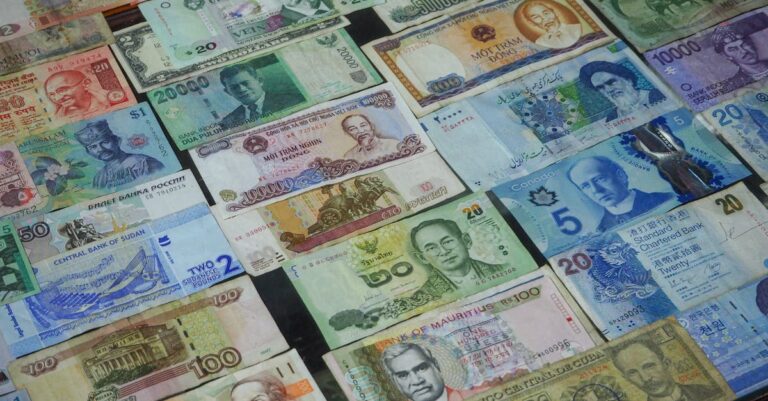
Understand currency volatility to safeguard and grow your wealth. Discover strategies for profiting from global market shifts and protecting your portfolio from economic ripples.
The Unseen Hand of Currency Volatility in Wealth Building
For individuals diligently working towards building and preserving wealth, the intricacies of global financial markets often appear distant, complex, and perhaps, irrelevant to their everyday financial planning. However, this perception can be a costly oversight. One of the most potent, yet frequently underestimated, forces at play is currency volatility. It’s the silent partner or saboteur in your investment portfolio, influencing everything from the purchasing power of your savings to the actual returns on your international investments.
Consider a major global currency recently facing significant headwinds. Its value might be eroding due to a confluence of factors: geopolitical tensions with a key trading partner, doubts about its central bank’s monetary policy trajectory, and an underlying struggle where national inflation consistently outpaces wage growth. While this specific scenario might sound like front-page news from a financial publication, the underlying mechanisms are universal. They represent the constant ebb and flow of global economics that impact all investors, whether they realize it or not.
The goal of this article is to demystify currency volatility, explain its profound impact on your financial aspirations, and, most importantly, equip you with actionable strategies to not only protect your existing wealth but potentially profit from these very global market swings. We will explore how central bank actions, international relations, and key economic indicators all converge to create a dynamic currency environment, and how understanding these elements can empower your investment decisions.
Understanding Currency Volatility and Its Drivers
At its core, currency volatility refers to the degree of variation in the exchange rate of one currency against another. When a currency is highly volatile, its value can fluctuate significantly and unpredictably over short periods. These fluctuations are not random; they are driven by a complex interplay of macroeconomic factors, geopolitical events, and market sentiment.
One of the primary drivers of currency movements is central bank policy. Central banks, like the national reserve system of a major economic power or the central banking institution of an island nation, wield immense influence through their interest rate decisions and monetary policies. When a central bank raises interest rates, it generally makes holding that nation’s currency more attractive to foreign investors, as they can earn higher returns on their investments. Conversely, doubts about a central bank’s commitment to policy normalization – a return to more conventional monetary policy after periods of easing – can cause a currency to weaken.
Geopolitical tensions also play a significant role. Disputes between major economic powers, trade restrictions, or even political instability can rattle investor confidence. When a nation faces a diplomatic or economic rift with a significant partner, it can trigger concerns about future trade flows, supply chain stability, and economic growth. This uncertainty often leads investors to shed that nation’s currency in favor of perceived safe-haven assets, such as other major currencies or precious metals. For example, recent reports highlighted increased tensions between two significant East Asian economies, leading one to restrict exports of critical industrial materials to the other. Such actions directly impact the affected currencies by introducing economic friction and uncertainty.
Economic data provides a constant stream of information that can either bolster or undermine a currency’s value. Data points such as household spending, inflation rates, and wage growth are closely watched. An unexpected rise in household spending might offer a brief positive impulse, but if underlying issues persist, such as inflation consistently outpacing wage growth, the long-term outlook for consumer purchasing power and economic stability can remain dim. Persistent real wage weakness suggests that despite nominal increases, people’s money buys less, posing a significant challenge for policymakers and ultimately weighing on the national currency.
Furthermore, broader market sentiment, including a stable performance across global equity markets, can paradoxically undermine traditional safe-haven currencies. When investors feel confident about growth prospects and are willing to take on more risk, they tend to move away from assets typically sought during times of uncertainty, thereby reducing demand for those safe-haven currencies.
Central Bank Actions: Architects of Currency Stability and Volatility
The decisions made by a nation’s central bank are arguably the single most impactful factor in determining a currency’s short-to-medium-term trajectory. These institutions are tasked with maintaining price stability and promoting sustainable economic growth, and their primary tools are interest rates and monetary policy measures.
Consider the central bank of a large, developed economy. When inflation rises above its target, the central bank might signal or implement interest rate hikes. Higher interest rates increase the cost of borrowing and can slow down economic activity, thereby cooling inflationary pressures. From a currency perspective, higher rates attract foreign capital seeking better returns on bonds and other interest-bearing assets. This increased demand strengthens the currency.
Conversely, if a central bank expresses doubts about the timing of its next interest rate adjustment, or if it maintains an accommodative stance (low rates, quantitative easing) for longer than market participants expect, its currency may weaken. This is particularly true if other major central banks are perceived to be on a path of policy tightening, creating an interest rate differential that favors other currencies. The expectation of lower returns in one currency relative to another encourages capital outflow, leading to depreciation.
The concept of “policy normalization” is crucial here. After periods of economic crisis or recession, central banks often employ extraordinary measures, such as near-zero interest rates and large-scale asset purchases (quantitative easing), to stimulate the economy. As economic conditions improve, the central bank aims to normalize its policy – raising rates and reducing its balance sheet. Any perceived hesitation or deviation from this path can fuel currency speculation and introduce significant currency volatility.
Moreover, the transparency and forward guidance provided by central bank governors are vital. When a governor leaves the door open for further policy tightening, reiterating that interest rates would continue to rise if economic and price developments align with forecasts, it can offer a measure of support to the currency, even amidst other negative pressures. This guidance helps manage market expectations and can temper extreme movements.
Geopolitics and Trade: Shifting Currency Landscapes
Beyond economic fundamentals and central bank directives, the geopolitical landscape and international trade relations exert a profound influence on currency valuations, often introducing unexpected layers of currency volatility.
When nations engage in disputes, particularly those involving trade or critical resources, the ripple effects are felt across financial markets. For instance, heightened tensions between two significant East Asian nations, culminating in one restricting exports of rare-earth materials and magnets to the other, creates tangible economic risks. For manufacturers in the affected nation, this ban directly threatens supply chain stability and production capabilities. This heightened supply-chain risk translates into investor apprehension, leading to a decreased demand for the currency of the impacted nation as businesses and investors anticipate potential economic slowdowns or increased operational costs.
Such geopolitical events are not isolated incidents; they become part of a broader narrative that shapes how international investors perceive a country’s economic stability and future growth prospects. A nation embroiled in ongoing disputes may see its currency become less attractive compared to currencies of countries with more stable and predictable international relations.
Trade wars, tariff implementations, or even the threat of such actions can drastically alter a currency’s strength. When a country imposes tariffs on another’s goods, it can reduce exports from the targeted nation, thereby decreasing demand for its currency. Conversely, the imposing nation might see its currency strengthen temporarily due to a perceived boost in domestic production, though such actions often lead to retaliatory measures and overall global economic slowdowns, eventually harming all parties.
Furthermore, political instability within a country, such as electoral uncertainty, government crises, or social unrest, can also trigger rapid capital flight and currency depreciation. Investors seek stability, and any threat to it prompts them to move their assets to safer havens. Managing these external shocks effectively is a critical aspect of currency risk management strategies for both governments and individual investors.
Economic Indicators: Your Crystal Ball for Currency Moves
For those seeking to navigate currency volatility, understanding key economic indicators is akin to having a crystal ball, albeit one that requires careful interpretation. These data releases offer insights into the health of an economy and directly influence central bank policy, which in turn moves currencies. Let’s delve into some crucial indicators and their implications.
Nonfarm Payrolls (NFP) and Unemployment Rate
In major economies like the United States, the Nonfarm Payrolls report is perhaps the most anticipated monthly economic release. It measures the number of new jobs created in the non-agricultural sectors. A strong NFP report, indicating robust job growth, typically suggests a healthy economy, which can embolden the central bank to tighten monetary policy (raise interest rates). This, in turn, is generally bullish for the national currency.
Complementing the NFP is the Unemployment Rate, which tracks the percentage of the total civilian labor force that is actively seeking employment but currently without a paid job. A decreasing unemployment rate signifies a tightening labor market, potentially leading to wage growth and inflationary pressures. This scenario often prompts central banks to consider interest rate hikes, strengthening the currency. However, as highlighted by the US Bureau of Labor Statistics (BLS), the unemployment rate alone cannot dictate market direction; it must be considered alongside the NFP headline and other data points within the BLS report for a complete picture. Investors looking at global markets will monitor similar labor market reports from other key economies to gauge relative economic strength.
Household Spending and Real Wages
Consumer spending is a significant component of many economies. Data showing an unexpected rise in household spending, as recently seen in an East Asian nation, can signal consumer confidence and economic resilience. While positive, such data must be viewed within a broader context. If, for example, government data consistently shows that inflation-adjusted real wages are falling – meaning prices are rising faster than incomes – then any boost from increased spending might be temporary. Consumers might be drawing down savings or taking on debt just to maintain their living standards, which is unsustainable in the long run.
Persistent real wage weakness poses a direct challenge for central banks aiming for stable inflation and sustainable growth. It suggests that underlying economic conditions might be weaker than headline figures imply, potentially limiting the central bank’s ability to normalize policy without stifling consumption. For a currency, this dynamic creates a negative overhang, as it points to potential future economic headwinds.
Inflation Data
Inflation, the rate at which prices for goods and services are rising, is a critical determinant of central bank policy. Central banks typically have an inflation target, and deviations from this target influence their decisions on interest rates. High and persistent inflation, especially when it outpaces wage growth, erodes purchasing power and can lead to a loss of confidence in the currency. Conversely, controlled inflation within target ranges, especially when accompanied by strong wage growth, is viewed positively.
By closely monitoring these indicators, investors can anticipate potential shifts in central bank policy and broader economic trends, which are crucial for developing effective currency volatility strategies. Staying informed about these data releases from key global economies is an essential practice for protecting and growing wealth in an interconnected world.
Direct Impacts on Your Wealth: Beyond Just Exchange Rates
The concept of currency volatility might seem abstract, confined to traders on financial desks, but its effects cascade down to impact every individual’s wealth, often in subtle yet significant ways. It’s more than just the number you see on a foreign exchange board; it influences your purchasing power, investment returns, and overall financial well-being.
Impact on International Investments
For investors holding international stocks, bonds, or mutual funds, currency fluctuations have a direct bearing on returns. Let’s say you invest in a company based in an overseas market, and its stock performs admirably, increasing by 10% in its local currency. If, however, that foreign currency simultaneously depreciates by 5% against your home currency, your actual return when you convert the money back is not 10%, but closer to 5%. Conversely, if the foreign currency strengthens, it can enhance your returns beyond the underlying asset’s performance.
This “currency risk” is a critical component of international investing. It can magnify gains or exacerbate losses, making geographic and currency diversification a cornerstone of robust currency volatility strategies. Ignoring this aspect means you’re leaving a significant portion of your portfolio’s performance to chance, based on forces outside your control.
Erosion of Purchasing Power: Imports and Travel
A weakening home currency directly impacts your purchasing power, especially for imported goods and services. If your currency loses value against others, it means foreign products become more expensive. This can lead to higher prices for everything from electronics and apparel to energy and certain foods, contributing to domestic inflation. Even if you don’t directly buy imported goods, businesses that rely on them will pass on increased costs to consumers.
For those who travel internationally or plan for overseas retirement, currency movements are acutely felt. A trip to a popular overseas destination becomes significantly more expensive if your home currency has weakened against the local currency, requiring more of your domestic funds to cover expenses. This directly reduces the value of your savings allocated for such experiences.
Inflation and Real Wages: The Silent Wealth Eroder
As discussed, when inflation consistently outpaces wage growth, it leads to a decline in real wages. This means that even if your nominal income increases, your ability to purchase goods and services diminishes. This scenario is particularly challenging for a nation’s economy and its currency, as it can suppress consumer spending and overall economic activity. For individuals, it represents a silent erosion of wealth, making it harder to save, invest, and maintain living standards.
The struggle between inflation and wage growth is a crucial indicator of economic health and a key factor that central banks consider. When this balance is off, it can signal deeper structural issues that might lead to prolonged currency weakness and a reduction in the long-term value of accumulated assets. Therefore, understanding and accounting for these direct impacts are vital for anyone serious about long-term wealth building and implementing sound currency risk management strategies.
Proactive Strategies for Profiting from Currency Volatility
While currency volatility can present risks, it also creates opportunities for the informed investor. Adopting proactive strategies can transform potential headwinds into tailwinds for your wealth. These approaches emphasize preparedness, diversification, and a clear understanding of global economic dynamics.
Strategic Diversification: Beyond Asset Classes
Most investors understand the importance of diversifying across asset classes (stocks, bonds, real estate, commodities). However, a truly robust portfolio also includes geographic and currency diversification. This means investing in assets denominated in different currencies and located in various economic regions.
- International Equity and Bond Funds: Invest in globally diversified mutual funds or exchange-traded funds (ETFs) that hold assets in multiple countries and currencies. This naturally provides exposure to different currency movements, buffering against severe depreciation in any single currency.
- Exposure to Commodity-Producing Nations: Currencies of commodity-rich nations (e.g., those exporting oil, metals, or agricultural products) often strengthen when global commodity prices rise. Strategic allocation to funds investing in these regions can be a way to benefit from commodity cycles and associated currency appreciation.
- Currency-Hedged Investments: Some international funds offer “currency-hedged” versions. These funds use financial instruments to mitigate the impact of currency fluctuations on returns. While hedging comes with a cost, it can provide more predictable returns from the underlying assets, particularly if you anticipate significant depreciation of the foreign currency.
Understanding and Leveraging Economic Indicators
As previously discussed, economic indicators are powerful tools. By regularly monitoring reports such as Nonfarm Payrolls, Unemployment Rates, inflation figures, and GDP growth from major economies, you can gain an edge. This doesn’t mean becoming a day trader, but rather understanding long-term trends.
- Anticipating Central Bank Moves: Strong economic data, especially robust employment and rising inflation, can signal impending interest rate hikes. Investing in a currency before such hikes, or in assets denominated in that currency, can lead to gains. Conversely, weak data might suggest rate cuts or continued easing, signaling potential currency weakness.
- Identifying Strong Growth Regions: Look for economies demonstrating consistent, sustainable growth, coupled with sound fiscal policies. These are often indicators of potential currency strength over the medium to long term.
Strategic Allocation Based on Central Bank Divergence
One powerful strategy involves recognizing “divergence” in monetary policy among major central banks. If one central bank is clearly signaling a tightening path (e.g., raising rates) while another is maintaining a dovish stance (e.g., low rates, hinting at cuts), this creates a significant interest rate differential. Capital tends to flow towards the higher-yielding currency, strengthening it.
For example, if a major developed nation’s central bank is perceived to be on a clear policy normalization path, while another’s is expected to lower borrowing costs, this divergence can create opportunities. Investors can strategically allocate a portion of their portfolio towards assets denominated in the strengthening currency, betting on continued appreciation due to capital inflows.
Consideration of Global Macro Trends and Geopolitics
Beyond numbers, understanding the broader global macro trends and geopolitical landscape is crucial. If trade tensions are escalating between two nations, anticipating how this might impact their respective currencies allows for defensive or opportunistic adjustments. For instance, if a nation is heavily reliant on exports of specific goods, and those exports are threatened by new trade barriers, its currency could weaken. Recognizing such scenarios is part of sophisticated currency volatility strategies.
Long-Term Perspective and Seeking Professional Guidance
For most individual investors on their “Work to Wealth” journey, the focus should remain on a long-term perspective. Short-term currency speculation is highly risky and typically best left to professional traders. Instead, integrate currency considerations into your overall asset allocation strategy. Rebalance your portfolio periodically to maintain desired currency exposures.
Furthermore, navigating these complexities can be daunting. Engaging with a qualified financial advisor who specializes in global investing can be invaluable. They can help assess your current currency exposure, recommend appropriate diversification strategies, and provide tailored advice based on your financial goals and risk tolerance. Their expertise can help you implement effective currency risk management strategies without having to become a full-time currency analyst.
Building a Resilient Portfolio Against Currency Swings
A truly resilient portfolio is one that can withstand various market shocks, including those stemming from currency volatility. Building such a portfolio requires thoughtful planning, continuous monitoring, and a willingness to adapt. It’s about creating a financial ecosystem that benefits from global growth while being insulated from localized economic or political turmoil.
Regular Portfolio Review and Rebalancing
Currency exposures can shift subtly over time due to market movements. A critical component of managing currency risk is to regularly review your portfolio and rebalance it. This means periodically adjusting your asset allocation back to your target weights. For example, if a particular foreign currency has strengthened significantly, leading to an overweight position in assets denominated in that currency, you might consider selling a portion to bring it back to your desired allocation. This disciplined approach ensures that your currency exposure remains aligned with your long-term strategy and risk tolerance.
Considering Global Multi-Asset Funds
For many investors, managing individual foreign currency exposures or directly hedging can be overly complex and costly. A simpler approach is to invest in global multi-asset funds or “funds of funds” that inherently manage diversified portfolios across various countries and asset classes. These funds often employ sophisticated currency risk management strategies themselves, using their expertise to navigate the complexities of international markets on your behalf. Look for funds with a strong track record and a clear strategy for managing currency fluctuations.
Exposure to Diverse Economic Blocs
Instead of focusing solely on individual countries, consider diversifying your investments across major economic blocs. For instance, having exposure to the North American market, the European Union, and emerging Asian economies provides broad diversification against regional economic downturns or specific currency weaknesses. These blocs often operate with different economic cycles and central bank policies, offering a natural hedge against localized currency volatility.
Real Assets and Inflation Protection
In environments where inflation is a concern and central bank policies are uncertain, real assets can offer a degree of protection. Investments in commodities, global real estate (through REITs or direct property investments in stable markets), or inflation-indexed bonds can help preserve purchasing power when currencies are depreciating or inflation is high. Commodities, in particular, often see their prices denominated in a major international currency, meaning that their value can rise even if other currencies are weakening, offering a hedge against generalized currency erosion.
Avoiding Common Pitfalls in Volatile Markets
- Panic Selling: Reacting emotionally to short-term currency swings can lead to costly mistakes. Unless your fundamental investment thesis has changed, stick to your long-term plan.
- Chasing Trends: Trying to predict and profit from every currency movement is a losing game for most investors. Focus on strategic, long-term positioning rather than tactical, short-term speculation.
- Ignoring Fees and Costs: Currency transactions and hedging strategies often come with fees. Be aware of these costs, as they can eat into your returns, especially for smaller portfolio sizes.
Ultimately, building a resilient portfolio against currency swings is about understanding that no single currency or economy operates in isolation. It’s about integrating a global perspective into your financial planning, leveraging diversification, and staying informed about the forces that shape international money flows. By doing so, you move from being a passive observer to an active participant, capable of protecting and potentially growing your wealth amidst the dynamic tides of global currency markets.
Conclusion: Empowering Your Wealth Journey Amidst Global Shifts
The journey from work to wealth is rarely a straight line; it’s a path laden with opportunities and challenges, many of which emanate from the dynamic global economic landscape. Currency volatility, often overlooked by the everyday investor, stands as a powerful force capable of shaping the real value of your savings and the returns on your investments. As we’ve explored, factors ranging from central bank decisions and geopolitical tensions to crucial economic indicators all play a part in the complex ballet of global currencies.
However, understanding these intricate movements is not about becoming a professional currency trader. It’s about empowering yourself with knowledge, enabling you to implement robust currency risk management strategies that safeguard your hard-earned assets and position your portfolio for growth, even amidst uncertainty. By embracing strategic diversification across geographies and currencies, by staying attuned to the nuanced signals from central banks and economic reports, and by considering the broader macro-economic and geopolitical trends, you can transform potential risks into calculated opportunities.
The ultimate goal is to build a resilient financial fortress, one that can withstand the ebb and flow of international markets. This involves a commitment to continuous learning, disciplined portfolio review, and, when necessary, the wisdom to seek expert guidance. Your path to wealth is uniquely yours, but the forces of global finance are universal. By mastering the art of navigating currency volatility, you not only protect your present but also secure a more prosperous future.