

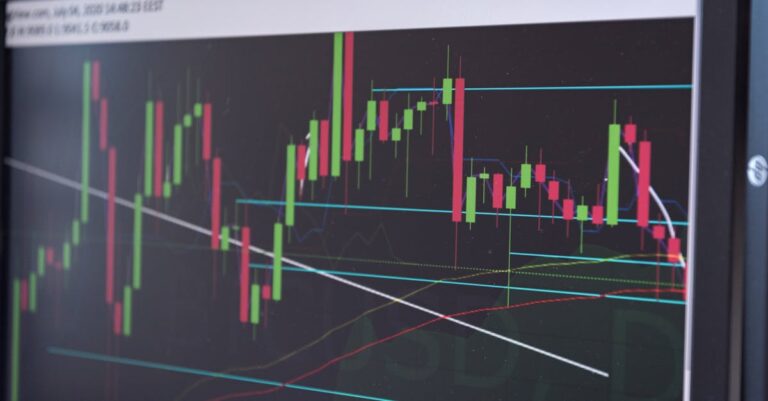
Worried about recent market swings impacting your wealth? Discover resilient strategies to navigate volatility and protect your long-term portfolio growth. Learn to thrive in uncertainty.
The financial markets, much like the changing seasons, operate in cycles of calm and turbulence. For many investors, particularly those building their wealth, these periods of heightened activity and price fluctuations—often referred to as market swings—can evoke a potent mix of confusion and apprehension. One day, futures surge on optimistic geopolitical news; the next, a crucial sector faces a significant downturn. This dynamic landscape demands not just attention, but a well-informed strategy to safeguard and grow capital.
Recent reports from leading financial news outlets illustrate this ebb and flow vividly. We’ve seen major indexes like the S&P 500 and the Nasdaq Composite experience consecutive losing sessions, while the Dow Jones Industrial Average managed to buck the trend with modest gains. This divergence underscores the complexity of current market conditions, influenced by a tapestry of global events, economic indicators, and corporate performance.
For individuals committed to the ‘Work to Wealth’ philosophy, understanding these market swings is paramount. It’s not merely about reacting to headlines, but about building a robust framework that transforms potential anxieties into strategic opportunities. This article will delve into the underlying causes of recent market fluctuations, offering practical, time-tested strategies to fortify your portfolio and maintain a steadfast course towards your financial objectives, regardless of the immediate market climate.
Decoding the Recent Market Swings: Influences on Investor Sentiment
Understanding the current environment requires a look at the various forces shaping investor behavior. The market is a complex ecosystem, and several key factors are presently contributing to its noticeable market swings.
Geopolitical Currents and Commodity Price Volatility
Global political developments often cast long shadows over financial markets, and recent events are no exception. Reports concerning potential shifts in international military engagements, particularly in critical oil-producing regions, have sent ripples through commodity markets. For instance, news regarding efforts to de-escalate hostilities in the Middle East has had a direct, immediate impact on oil prices. Initially, concerns over supply disruptions can cause prices to spike, as happened after reports of an attack on an oil tanker.
However, subsequent reports suggesting diplomatic resolutions or a willingness to end conflicts can lead to a swift reversal, causing oil prices to fall. This type of rapid oscillation in a foundational commodity like oil has far-reaching effects. It influences production costs for businesses, impacts consumer spending power, and can sway investor confidence in various industrial sectors. The energy sector, in particular, becomes highly sensitive to such news, demonstrating significant market swings in response to geopolitical headlines.
Monetary Policy and Inflation Expectations
The pronouncements and actions of central banking authorities, such as the Federal Reserve, are another powerful driver of market swings. Their dual mandate typically involves maintaining maximum employment and price stability (controlling inflation). Investors keenly watch for signals regarding interest rates, as these directly affect borrowing costs for businesses and consumers, influencing economic growth and corporate earnings.
Recently, Federal Reserve officials have indicated that they perceive the current inflation outlook to be in check, suggesting no immediate need for interest rate hikes. This news can provide a sense of relief to the markets, as higher interest rates can make borrowing more expensive, potentially slowing economic expansion and impacting stock valuations. However, any perceived change in this stance, or a resurgence of inflationary pressures, could quickly trigger new periods of uncertainty and significant market swings.
Sectoral Performance: Tech’s Challenge and Resilience Elsewhere
Not all sectors of the economy move in lockstep. The recent period has highlighted a divergence in performance, with some sectors exhibiting resilience while others face headwinds. The information technology sector, which often leads market rallies, has recently shown signs of struggle. Reports indicate it has been on pace for several consecutive months of losses, marking its longest such streak in over two decades. Technical indicators, such as the 50-day moving average falling below the 200-day moving average, have been interpreted by some analysts as a bearish signal for this segment.
Conversely, other sectors have demonstrated relative strength. The financial sector, for example, has shown notable gains, alongside utilities. This rotation of leadership among sectors is a common feature of markets undergoing market swings. It underscores the importance of a diversified investment approach, as relying too heavily on a single sector, even one that has performed strongly in the past, can expose a portfolio to concentrated risk during periods of recalibration.
The Inevitable Dance: Market Corrections and Volatility During Market Swings
For investors striving for long-term wealth accumulation, understanding that market fluctuations are not anomalies but inherent characteristics of healthy markets is crucial. These periods of market swings, characterized by corrections and increased volatility, are a normal part of the investment cycle.
Embracing Normalcy: Corrections are Routine
The term “market correction” often instills fear, yet financial history consistently shows that these events are a regular and predictable part of the investment landscape. As a chief market strategist recently noted, “10% corrections are normal. They happen all the time. On average, every two years we have a 10% correction.” This perspective is vital for long-term investors.
Corrections typically occur when investor sentiment shifts, often triggered by profit-taking after significant gains, changing economic forecasts, or unexpected news. Rather than being a sign of impending disaster, corrections can be viewed as the market’s way of recalibrating, shedding excess, and finding new equilibrium. For the patient investor, these periods can even present opportunities to acquire quality assets at more attractive valuations, aligning with the “buy low” principle.
The frustration of seeing a portfolio decline during these periods is understandable. However, recognizing their historical frequency and temporary nature can help temper emotional responses and prevent impulsive decisions that could derail long-term financial goals. Understanding that market swings often lead to corrections is a key component of a resilient investment strategy.
The Price of Admission: Volatility for Returns
Another crucial insight from financial experts is that “the volatility in equities is the price you pay for the higher longer-term returns.” This statement encapsulates a fundamental truth about investing: to achieve superior growth over the long run, one must be prepared to endure periods of unpredictability and market swings in the short term.
Volatility, in essence, is a measure of how much an asset’s price fluctuates over time. While high volatility can be unsettling, it is often correlated with the potential for higher returns. Assets that offer substantial growth potential, such as stocks, naturally come with a greater degree of price movement compared to more stable assets like bonds.
Indicators like the CBOE Volatility Index (VIX), often called Wall Street’s “fear gauge,” highlight this. When the VIX climbs to elevated levels, as it did recently topping 30, it signifies increased market expectations of significant price changes, both up and down. While this might feel uncomfortable, it is a normal characteristic of growth-oriented investments. Investors who accept this “price of admission” are better equipped to navigate market swings with a clear head, focusing on their overarching objectives rather than day-to-day fluctuations.
Fortifying Your Portfolio Against Market Swings: Practical Strategies for Growth
Navigating market swings successfully is less about predicting their exact timing and more about implementing robust strategies that build resilience into your investment portfolio. These practices are cornerstones of long-term wealth accumulation, designed to help you not just survive, but thrive, during turbulent times.
Diversification: Your First Line of Defense
Perhaps the most fundamental principle in investment management, diversification, is crucial for mitigating the impact of market swings. It involves spreading your investments across various asset classes, industries, and geographies to reduce overall risk. The goal is to avoid putting all your financial eggs in one basket.
- Asset Class Diversification: This means investing in a mix of stocks, bonds, real estate, and potentially commodities. Different asset classes tend to perform differently under various economic conditions. When stocks are volatile, bonds might offer stability, and vice-versa.
- Sectoral Diversification: As seen with the tech sector’s recent performance compared to financials and utilities, different industries have different sensitivities to economic factors and market news. Spreading your equity investments across a range of sectors can buffer against downturns in any single industry.
- Geographic Diversification: Investing in companies and markets across different countries reduces dependence on the economic performance of any single nation. Global market swings can impact different regions at varying times and magnitudes.
A well-diversified portfolio aims to ensure that even if one part of your investments experiences a downturn, the positive performance of other parts can help offset those losses, smoothing out your overall returns during periods of significant market swings.
Long-Term Horizon: A Powerful Ally
For individuals building wealth, adopting a long-term investment horizon is one of the most effective ways to neutralize the emotional impact of market swings. Short-term market movements, whether up or down, tend to be unpredictable and often driven by sentiment or fleeting news cycles.
Over extended periods, however, historical data consistently demonstrates that well-diversified portfolios tend to trend upwards, reflecting economic growth and corporate innovation. By focusing on your goals five, ten, or even twenty years down the line, you gain perspective. Daily or weekly price changes become less significant, allowing the power of compounding to work its magic.
This approach helps investors resist the urge to panic-sell during downturns or chase speculative gains during exuberant phases, both of which are common pitfalls that can severely erode long-term returns. Patience is not just a virtue in investing; it is a strategic advantage when dealing with frequent market swings.
Dollar-Cost Averaging: Smoothing the Ride
Dollar-cost averaging (DCA) is a disciplined investment strategy particularly effective in volatile markets. It involves investing a fixed amount of money at regular intervals (e.g., monthly or quarterly), regardless of the asset’s price. This systematic approach has several benefits:
- Reduces Risk of Timing the Market: Since it’s nearly impossible to consistently buy at the absolute bottom and sell at the top, DCA removes the pressure of market timing.
- Leverages Volatility: When prices are high, your fixed investment buys fewer shares. When prices are low during market swings, the same fixed investment buys more shares. Over time, this often results in a lower average cost per share than if you had invested a lump sum.
- Removes Emotion: By automating your investments, DCA helps you stick to your plan and avoid making impulsive decisions driven by fear or greed during periods of intense market swings.
This strategy provides a steady, methodical path to wealth accumulation, transforming the challenge of market swings into an opportunity to build positions more efficiently.
Rebalancing: Maintaining Your Strategy
As market conditions change, the original asset allocation of your portfolio can drift. For example, if stocks have performed exceptionally well, they might grow to represent a larger percentage of your portfolio than your target allocation. Rebalancing is the process of periodically adjusting your portfolio back to your desired asset mix.
This disciplined practice typically involves selling portions of assets that have performed well (and now represent an overweight position) and using those proceeds to buy assets that have underperformed (and are now underweight). In essence, you are systematically “selling high and buying low” – a strategy that is particularly powerful during market swings.
Rebalancing helps manage risk by ensuring your portfolio doesn’t become overly concentrated in high-performing but potentially riskier assets. It also forces you to take profits and reallocate capital to segments of the market that might be undervalued, keeping your investment strategy aligned with your long-term goals and risk tolerance.
Quality Over Speculation: Anchoring Your Investments
During periods of intense market swings, the temptation to chase “hot” stocks or speculative investments can be strong. However, a more prudent approach for long-term wealth builders is to focus on quality.
Investing in fundamentally strong companies with a proven track record, solid balance sheets, consistent earnings, and competitive advantages provides a more stable foundation. These companies are often better positioned to weather economic downturns and market volatility compared to highly speculative ventures.
While growth stocks might offer exciting potential, ensuring a significant portion of your portfolio is anchored in stable, well-established businesses can provide a crucial buffer against unexpected market swings and contribute to more consistent, albeit perhaps less dramatic, long-term growth.
Emergency Fund: The Unsung Hero
While not strictly an investment strategy, maintaining an adequate emergency fund is a critical component of a resilient financial plan that indirectly protects your investments during market swings. An emergency fund is a stash of readily accessible cash (typically 3-6 months’ worth of living expenses) kept separate from your investment accounts.
Its purpose is to cover unexpected expenses like job loss, medical emergencies, or unforeseen home repairs without needing to dip into your investment portfolio. During a market downturn, being forced to sell investments at a loss to cover an emergency can severely impair your long-term wealth building efforts. An emergency fund provides the financial cushion that allows your investments to weather the market swings and recover without forcing you into disadvantageous selling decisions.
Reviewing and Adapting Your Investment Thesis
While a long-term mindset is essential, this does not imply a “set it and forget it” approach. Regular review of your investment thesis—the underlying reasons you invested in a particular asset or strategy—is prudent. External factors, such as changing regulations, technological disruptions, or shifts in consumer behavior, can alter the fundamental outlook for certain investments.
Staying informed about broader economic trends and critically assessing your holdings allows for informed adjustments. This is not about reacting impulsively to every news headline, but rather about making thoughtful changes when there’s a significant, durable shift in fundamentals. During periods of frequent market swings, it’s even more important to distinguish between temporary noise and fundamental changes that might warrant portfolio adjustments.
Consider seeking advice from a qualified financial advisor, especially when faced with complex decisions. A professional can provide an objective perspective and help you align your portfolio adjustments with your financial goals and risk tolerance. Their expertise can be invaluable in navigating the emotional complexities of market swings.
Beyond the Numbers: The Investor’s Mindset During Market Swings
While strategic planning and diversification are crucial, the psychological aspect of investing cannot be overstated. How an investor reacts to market swings can often be as impactful as their chosen strategies.
Emotional Resilience: The Untapped Advantage
Markets are driven by human emotion as much as by fundamentals. Fear and greed are powerful forces that often lead investors astray. During steep downturns, fear can trigger panic selling, locking in losses that might otherwise have recovered. Conversely, during euphoric upturns, greed can lead to irrational exuberance and investments in overvalued assets, setting the stage for future disappointments.
Cultivating emotional resilience means sticking to your pre-defined investment plan, even when instincts scream otherwise. It involves recognizing your own biases and developing the discipline to override impulsive reactions. This emotional fortitude is an untapped advantage, allowing you to remain objective and adhere to long-term principles when others are swayed by short-term market swings.
Information Overload vs. Informed Decisions
In today’s interconnected world, investors are bombarded with a constant stream of financial news, analyses, and opinions. This information overload, especially during periods of intense market swings, can be overwhelming and contribute to anxiety.
The key is to differentiate between actionable intelligence and sensational noise. Focus on credible sources, understand the broader economic picture (e.g., consumer confidence index, job opening numbers, as mentioned in recent market updates), and seek insights that align with your long-term investment philosophy. Avoid the temptation to consume every breaking news alert, as much of it is designed to elicit an immediate, often emotional, reaction rather than provide strategic value.
Making informed decisions means taking a step back, processing information critically, and evaluating it within the context of your overall financial plan, rather than reacting to every fluctuation caused by market swings.
Patience and Persistence: The Ultimate Virtues
Ultimately, building wealth is a marathon, not a sprint. The journey from ‘Work to Wealth’ is characterized by consistent effort, disciplined saving, and patient investing. There will be periods of exceptional growth, and there will be periods marked by significant market swings and even painful drawdowns.
Those who succeed are often those who remain persistent through all market cycles, continuing to save, invest, and rebalance according to their plan. They understand that the power of compounding takes time to unfold and that true wealth is built incrementally, through years of consistent dedication rather than through spectacular short-term gains. Maintaining patience and persistence is the ultimate defense against the psychological toll of market swings.
Conclusion: Mastering Market Swings for Enduring Wealth
The reality of investing is that market swings are an inherent and unavoidable part of the journey. From geopolitical tensions impacting oil prices to the Federal Reserve’s careful balancing act with inflation, and the shifting performance across different economic sectors, numerous forces conspire to create a dynamic financial landscape.
For individuals committed to building enduring wealth, the goal is not to eliminate these fluctuations—an impossible feat—but to develop the knowledge, strategies, and mindset to navigate them effectively. By embracing diversification, committing to a long-term horizon, employing dollar-cost averaging and regular rebalancing, focusing on quality investments, and maintaining an emergency fund, you build a robust financial fortress.
Equally important is the cultivation of emotional resilience, the ability to make informed decisions rather than reactive ones, and the unwavering commitment to patience and persistence. These qualities empower you to view market swings not as threats, but as natural phases within a broader cycle, often presenting unique opportunities for growth and portfolio refinement.
The path from ‘Work to Wealth’ is a testament to discipline and strategic foresight. By understanding the forces at play and applying these time-tested principles, you can transform the challenge of market volatility into a powerful catalyst for achieving your financial aspirations, confidently building wealth no matter what the market throws your way.
Frequently Asked Questions
How can I reduce the frustration of seeing my portfolio drop during Market Swings?
The frustration of a declining portfolio during market swings is a common investor experience. To mitigate this, focus on long-term goals and remember that market corrections are normal and temporary. Implement dollar-cost averaging to buy more shares when prices are low, and ensure your portfolio is well-diversified across various asset classes and sectors. Having an emergency fund also provides a crucial buffer, preventing you from needing to sell investments at a loss to cover unexpected expenses. Regular rebalancing can also help keep your risk level aligned with your comfort during these periods.
What proactive steps can an investor take to fortify against unexpected Market Swings?
To fortify your portfolio against unexpected market swings, several proactive steps are essential. Start by building a highly diversified portfolio across different asset classes (stocks, bonds, real estate), industries, and geographical regions. Maintain an adequate emergency fund to avoid forced selling during downturns. Regularly rebalance your portfolio to ensure your asset allocation remains aligned with your risk tolerance. Consider investing in fundamentally strong, quality companies rather than speculative ventures, and commit to a long-term investment horizon, allowing time for your investments to recover and grow.
Is it possible to achieve consistent growth despite frequent Market Swings?
Achieving consistent growth despite frequent market swings is indeed possible, though “consistent” implies a long-term average rather than a smooth upward line. The key lies in understanding that volatility is often the price of admission for higher long-term returns. Strategies such as dollar-cost averaging, which allows you to buy more shares when prices are lower, and maintaining a diversified, long-term portfolio are crucial. Historically, well-managed, diversified portfolios have recovered from downturns and delivered positive returns over extended periods, showcasing that patience and discipline are more impactful than attempting to time the market.
How do global events and economic data influence current Market Swings?
Global events and economic data significantly influence current market swings. Geopolitical developments, such as reports of diplomatic shifts or conflicts in critical regions, can directly impact commodity prices like oil, creating ripple effects across industries. Similarly, central bank announcements regarding monetary policy and inflation outlooks (like interest rate decisions) profoundly affect investor sentiment, corporate borrowing costs, and economic growth forecasts. Furthermore, economic indicators like consumer confidence and job opening numbers provide insights into the health of the economy, prompting market reactions as investors adjust their expectations for future corporate earnings and overall market performance.
What role does investor psychology play during periods of significant Market Swings?
Investor psychology plays a critical role during periods of significant market swings. Emotions such as fear and greed can lead to irrational decision-making. Fear often prompts panic selling during downturns, locking in losses, while greed can lead to chasing “hot” assets during market highs, often resulting in overvalued investments. Developing emotional resilience and discipline is vital. By sticking to a predefined investment plan, ignoring sensational news, and focusing on long-term goals, investors can avoid common pitfalls and make more rational, strategic decisions that align with their wealth-building objectives.