

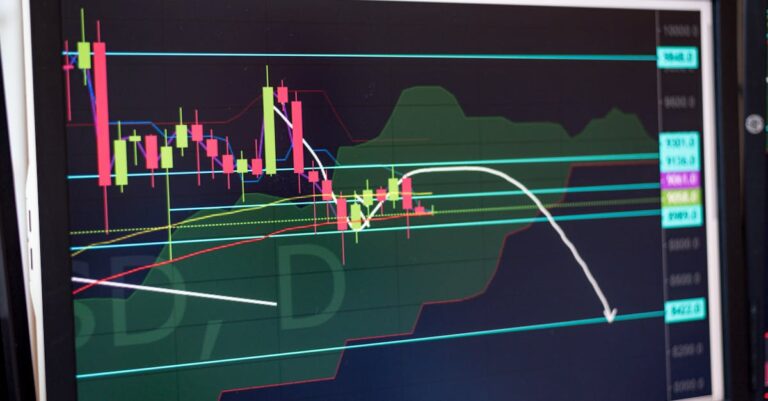
Understand why market resistance impacts portfolio growth. This guide offers actionable strategies to navigate S&P 500 resistance levels, helping you sustain and build wealth effectively.
Navigating Market Resistance: Sustaining Wealth When Growth Stalls
The financial landscape is a dynamic arena, constantly shifting between periods of robust growth and inevitable plateaus. Investors often cheer when the stock market rallies, witnessing their portfolios swell with optimism. However, these rallies are frequently met by significant hurdles known as **market resistance** points. These are critical junctures where upward price momentum encounters strong selling pressure, causing asset prices, and indeed entire indices like the S&P 500, to stall or even reverse course. Understanding and effectively navigating these resistance points is not merely an academic exercise; it is a fundamental skill for preserving capital, mitigating losses, and positioning your portfolio for continued long-term growth. When the S&P 500, a key benchmark for the broader market, encounters such a barrier, it can induce significant investor frustration. The exhilaration of a rally can quickly turn to anxiety as gains evaporate or growth stagnates. This article delves deep into the concept of market resistance, specifically focusing on its implications for the S&P 500, and provides practical, actionable strategies to help you not just survive but thrive in these challenging market conditions, transforming potential frustration into sustained wealth accumulation.
Defining Market Resistance: A Core Concept in Investing
At its heart, **market resistance** represents a price level at which an upward trend is expected to pause or reverse due to a concentration of sellers. Imagine a ceiling that prices struggle to break through. This phenomenon is rooted in supply and demand dynamics. As prices rise and approach a known resistance level, several factors contribute to increased selling pressure:
- Profit-taking: Investors who bought at lower prices decide to lock in their gains.
- Break-even sellers: Investors who bought near or above the resistance level during a previous decline seize the opportunity to exit their positions without further loss.
- Psychological barrier: Round numbers or historically significant price points often act as psychological resistance levels.
- Technical indicators: Chart patterns and other technical tools can confirm these levels for many traders, leading to concentrated selling.
For an index like the S&P 500, which comprises 500 of the largest U.S. publicly traded companies, a resistance level signifies a collective struggle for these prominent entities to push higher. This collective struggle has broader implications for nearly all portfolios tied to the U.S. equity market. Recognizing these points early can be the difference between proactive portfolio management and reactive decision-making driven by fear or greed.
Identifying Key Resistance Levels for the S&P 500
Identifying **market resistance** levels is primarily an exercise in technical analysis, although fundamental understanding also plays a role. Investors and analysts use various tools to pinpoint these critical thresholds:
Historical Price Action
The most straightforward method involves looking at past price charts. Levels where the S&P 500 previously peaked before pulling back, or where it consolidated for an extended period, often act as future resistance. These are visible “ceilings” that the market has respected in the past. High volume trading at these past peaks further strengthens their significance as future resistance.
Moving Averages
Long-term moving averages (e.g., 100-day, 200-day) can also serve as dynamic resistance levels. As the S&P 500’s price approaches these averages from below, they can act as barriers. Conversely, during downtrends, they often act as support. The 200-day moving average, in particular, is closely watched by institutional investors as a key indicator of the long-term trend.
Fibonacci Retracement Levels
These are horizontal lines that indicate where support and resistance are likely to occur, based on a sequence of numbers (the Fibonacci sequence) applied to the market’s price range between a significant low and high. Common retracement levels are 38.2%, 50%, and 61.8%. While not always precise, they offer strong probabilistic areas for price reversals or pauses.
Trendlines and Channels
In an uptrend, a trendline connecting several high points can indicate resistance. When the S&P 500 moves within a channel, the upper boundary of that channel represents a potential resistance level, signaling where the upward momentum might slow down or reverse.
Volume Analysis
Observing trading volume when the S&P 500 approaches a resistance level can provide additional clues. A decrease in volume as prices approach resistance suggests waning buying interest, reinforcing the resistance. Conversely, a surge in volume could indicate a strong attempt to break through or a significant selling event.
By combining these technical tools, investors can gain a clearer picture of where the S&P 500 is likely to encounter significant selling pressure, thus giving them a strategic advantage in planning their next moves.
The S&P 500’s Significance and the Impact of Resistance
The S&P 500 is not just an index; it is a barometer for the health of the U.S. economy and a benchmark against which countless investment portfolios are measured. Its movements are closely watched by individuals, institutions, and policymakers worldwide. When the S&P 500 hits a **market resistance** level, it sends ripple effects across the entire investment ecosystem.
Broader Market Implications
A stall in the S&P 500 often signals a period of consolidation or correction for the broader market. Many individual stocks, especially large-cap growth stocks that heavily influence the index, will also face similar pressures. This can lead to reduced investor confidence, increased volatility, and a general tightening of market conditions.
Portfolio Performance Stagnation
For investors heavily allocated to broad market index funds or ETFs tracking the S&P 500, hitting resistance means their portfolio’s upward momentum will likely stall. This can be frustrating, especially after a period of strong gains, leading to questions about strategy and allocation. It highlights the importance of having strategies beyond simply “buy and hold” in all market conditions.
Psychological Impact on Investors
The psychological toll of market resistance can be substantial. After experiencing growth, seeing gains decelerate or reverse can trigger fear, impatience, or even panic selling. Understanding that resistance is a natural, cyclical part of market behavior can help investors maintain emotional discipline and stick to their long-term plans. The anticipation of breaking through resistance versus a pullback can lead to considerable investor anxiety.
Strategic Approaches to Navigating Market Resistance
Effective navigation of **market resistance** requires a disciplined, well-thought-out strategy that moves beyond emotional reactions. Here are several approaches that can help investors sustain and grow wealth during these challenging periods:
1. Re-evaluating Portfolio Diversification
When the S&P 500 stalls, it’s an opportune time to review your portfolio’s diversification. Diversification is not just about holding different stocks; it encompasses a broader array of assets, sectors, geographies, and investment styles.
- Asset Class Diversification: Beyond stocks, consider bonds, real estate (through REITs), commodities, or even alternative investments. These assets often have different correlations with the equity market, providing a buffer during stock market slowdowns.
- Sector Diversification: While the S&P 500 may be stalled, certain sectors might still perform well. Defensive sectors like healthcare, utilities, and consumer staples tend to be more resilient during economic uncertainties or market corrections. These sectors provide essential goods and services, making their demand less elastic.
- Geographic Diversification: Markets outside the U.S. may be in different phases of their economic cycles. Exposure to international equities can provide growth opportunities when the domestic market is facing headwinds.
- Market Capitalization Diversification: While the S&P 500 focuses on large-cap companies, including mid-cap and small-cap stocks can offer different growth dynamics. Small-caps, for instance, can sometimes exhibit higher growth potential, albeit with higher volatility.
A well-diversified portfolio acts as a shock absorber, helping to smooth out returns and reduce overall risk when a major index like the S&P 500 encounters resistance.
2. Dynamic Portfolio Rebalancing
Market resistance periods are excellent times for systematic portfolio rebalancing. If some assets have outperformed during the rally leading up to resistance, they might now constitute a larger portion of your portfolio than initially intended. Rebalancing involves selling some of these overperforming assets and reinvesting in underperforming ones, or those that now fall below their target allocation.
- Maintain Target Allocations: Rebalancing ensures your portfolio’s risk profile remains aligned with your long-term goals and risk tolerance.
- Buy Low, Sell High (Systematically): This disciplined approach forces you to trim positions that have become overweight and add to those that are relatively undervalued, leveraging the inherent volatility of the market.
- Reduce Risk Exposure: If the S&P 500 is facing strong resistance, rotating out of highly speculative or overvalued growth stocks and into more stable, dividend-paying companies or defensive sectors can reduce overall portfolio risk.
Regular rebalancing, perhaps annually or semi-annually, regardless of market conditions, is a cornerstone of prudent investment management.
3. Adopting a Dollar-Cost Averaging (DCA) Strategy
Dollar-cost averaging is a powerful strategy, especially during periods of **market resistance** or consolidation. Instead of investing a lump sum, DCA involves investing a fixed amount of money at regular intervals, regardless of the S&P 500’s price.
- Mitigate Market Timing Risk: DCA eliminates the need to try and time the market, which is notoriously difficult, especially around resistance levels.
- Average Down During Pullbacks: If the S&P 500 pulls back from resistance, your fixed investments buy more shares at lower prices, effectively reducing your average cost per share over time.
- Emotional Discipline: It instills a disciplined investment habit, reducing the temptation to make impulsive decisions based on short-term market fluctuations or emotional responses to stalled growth.
This strategy is particularly effective for long-term investors building wealth steadily.
4. Prioritizing Quality and Fundamentals
During periods when the S&P 500 faces resistance, the market tends to become more discerning. Investors shift their focus from speculative growth to companies with strong fundamentals.
- Robust Balance Sheets: Look for companies with low debt and ample cash reserves. These companies are better positioned to weather economic slowdowns or prolonged market stagnation.
- Consistent Earnings and Revenue Growth: Companies that can consistently grow their earnings and revenue, even in challenging environments, demonstrate operational strength and competitive advantage.
- Strong Free Cash Flow: Positive and growing free cash flow is a sign of financial health, allowing companies to reinvest, pay dividends, or reduce debt without external financing.
- Sustainable Competitive Advantages: Invest in companies with “moats” – barriers to entry, strong brands, patented technologies, or network effects that protect their market share and profitability.
Focusing on quality companies provides a defensive layer to your portfolio, as these businesses are more likely to rebound strongly once the broader market resolves its resistance.
5. Emphasizing Long-Term Perspective Over Short-Term Volatility
The frustration associated with **market resistance** often stems from a short-term focus. Investors who check their portfolios daily or weekly can become disheartened by stalled gains.
- Ignore Noise: Understand that market resistance is a natural part of cycles. Over decades, the S&P 500 has consistently overcome resistance levels and moved to new highs.
- Focus on Goals: Remind yourself of your long-term financial goals – retirement, buying a home, funding education. These goals extend far beyond any single market resistance point.
- Compound Returns: The power of compounding works best over long periods. Short-term stalls are minor blips in the grand scheme of long-term wealth accumulation.
Maintaining a long-term perspective helps investors avoid costly mistakes driven by panic or impatience.
6. Implementing Risk Management Techniques
Periods of **market resistance** inherently carry higher risk of pullbacks. Implementing robust risk management strategies becomes crucial.
- Stop-Loss Orders: For individual stock positions, consider using stop-loss orders to limit potential downside if a stock breaks below a certain price point. However, be aware of “stop hunts” and market volatility that can trigger stops prematurely.
- Position Sizing: Avoid over-allocating to any single stock or highly volatile asset. Proper position sizing ensures that no single investment can disproportionately impact your overall portfolio if it performs poorly.
- Cash Reserves: Maintain a strategic cash reserve. This not only provides liquidity for emergencies but also gives you “dry powder” to deploy into the market when attractive opportunities arise from potential pullbacks after resistance.
Proactive risk management protects your capital during uncertain times, allowing you to participate in future rallies from a stronger position.
Identifying Opportunities Within a Resistant Market
While **market resistance** can be challenging, it also unveils unique opportunities for discerning investors.
Sector-Specific Growth
Even if the overall S&P 500 struggles, certain sectors might be immune or even benefit from the prevailing economic conditions. For instance, in an environment of rising healthcare needs or demographic shifts, healthcare stocks might continue to outperform. Similarly, sectors focused on essential services or innovative technologies solving critical problems can show resilience. Look for themes driven by long-term structural trends rather than cyclical market moods.
Value Opportunities
When the market faces resistance, some quality companies might see their stock prices unfairly depressed, creating value opportunities. These are companies trading below their intrinsic worth, often identified through metrics like price-to-earnings (P/E) ratios, price-to-book (P/B) ratios, and dividend yields, compared to historical averages or industry peers. Value investing thrives when broad market sentiment is cautious.
Dividend-Paying Stocks
During periods of market stagnation or potential pullbacks from resistance, dividend income becomes a more significant component of total returns. Companies with a history of consistent dividend payments and growth can provide a steady stream of income, cushioning portfolio declines and contributing to total wealth accumulation. Focus on companies with sustainable payout ratios and strong cash flow to support their dividends.
Emerging Trends and Disruptors
While established indices like the S&P 500 might feel heavy, disruptive technologies or emerging market trends can still create significant individual stock opportunities. These might be smaller companies not yet in the S&P 500 but poised for substantial growth. Thorough research into these areas is key, focusing on companies with innovative business models, strong management teams, and significant market potential.
The Psychology of Investing During Market Resistance
Investor psychology plays a critical role when the S&P 500 encounters **market resistance**. Emotional responses can often lead to suboptimal decisions.
Avoiding Fear and Panic
When gains stall or reverse, fear can set in, leading to panic selling at the worst possible time. It’s vital to remember that market corrections are natural and healthy. Selling out of fear locks in losses and prevents participation in the inevitable recovery.
Combating Impatience
After a strong rally, investors might become accustomed to rapid gains. When growth stagnates at resistance, impatience can lead to chasing new, speculative investments or frequent trading, often resulting in higher transaction costs and lower returns. Discipline is paramount.
Maintaining Objectivity
It’s easy to get caught up in market hype or gloom. Successful investors maintain objectivity, basing decisions on data, analysis, and their predefined investment strategy, rather than herd mentality or emotional swings. Regular reviews of your financial plan and goals can help anchor your decisions.
The Role of Professional Guidance
For many investors, navigating the complexities of **market resistance** and developing robust strategies can be daunting. This is where the expertise of a financial advisor can be invaluable.
- Personalized Strategy: An advisor can help tailor investment strategies to your specific financial goals, risk tolerance, and time horizon.
- Emotional Buffer: They can provide objective advice, helping you avoid emotional pitfalls during volatile market periods.
- Market Insights: Advisors often have access to in-depth research and analytical tools to better identify resistance levels and market trends.
- Comprehensive Financial Planning: Beyond investments, they can integrate market strategies into a broader financial plan covering retirement, taxes, estate planning, and more.
Seeking professional guidance can instill confidence and ensure your wealth-building journey remains on track, even when the S&P 500 faces its natural limitations.
Conclusion: Sustained Wealth Beyond Market Resistance
**Market resistance**, particularly when encountered by a major index like the S&P 500, is a natural and recurring feature of the investment landscape. It represents a critical juncture where the forces of supply and demand are in a delicate balance, often leading to stalled growth and investor frustration. However, rather than being a cause for despair, these periods should be viewed as opportunities for strategic recalibration and disciplined action. By understanding what market resistance is, how to identify it, and its broad implications, investors can equip themselves with the knowledge to make informed decisions. Implementing robust strategies such as re-evaluating diversification, dynamically rebalancing portfolios, embracing dollar-cost averaging, prioritizing quality companies, maintaining a long-term perspective, and applying stringent risk management techniques are essential. Furthermore, staying attuned to opportunities within specific sectors, seeking out value, and focusing on reliable dividend payers can turn market challenges into avenues for sustained wealth. The psychological fortitude to remain disciplined and objective is just as crucial as any technical analysis. Ultimately, for those committed to building and preserving wealth, navigating **market resistance** is not about avoiding the inevitable slowdowns, but about strategically adapting to them, ensuring that periods of consolidation become stepping stones to greater financial prosperity, transforming initial frustration into long-term financial triumph.
Frequently Asked Questions
How does market resistance cause portfolio frustration?
Market resistance occurs when an upward price trend, like that of the S&P 500, meets significant selling pressure and stalls or reverses. This can cause frustration because investors who have seen their portfolios grow during a rally might experience a sudden halt in gains, or even minor pullbacks, leading to anxiety about future performance and the potential erosion of accumulated wealth. The perceived lack of progress can challenge an investor’s patience and emotional discipline.
What are the best strategies to overcome S&P 500 resistance and sustain wealth?
To sustain wealth when the S&P 500 hits resistance, employ a multi-faceted approach. Key strategies include enhancing portfolio diversification across asset classes, sectors, and geographies; regularly rebalancing your portfolio to maintain target allocations; utilizing dollar-cost averaging to mitigate market timing risks; focusing investments on quality companies with strong fundamentals; and maintaining a long-term investment perspective. Implementing robust risk management techniques and considering professional financial guidance can also be highly beneficial.
Should I adjust my investment strategy when the S&P 500 hits a resistance point?
While a market resistance point doesn’t necessarily demand a complete overhaul of your investment strategy, it is an excellent trigger for review and potential fine-tuning. Consider reviewing your asset allocation, rebalancing your portfolio to your target weights, and ensuring your risk exposure remains appropriate. This is not about panic selling, but about making deliberate, data-driven adjustments to reinforce your long-term goals and optimize your portfolio for the current market conditions, positioning you to potentially profit from any subsequent market moves.
How can I identify reliable market resistance levels?
Reliable market resistance levels for indices like the S&P 500 can be identified using various technical analysis tools. These include observing historical price peaks where the market previously reversed, identifying significant long-term moving averages (like the 200-day), utilizing Fibonacci retracement levels, and drawing trendlines or the upper boundaries of price channels. Analyzing trading volume around these levels can also provide confirmation, as high volume often signifies stronger resistance.
Is market resistance always a negative signal for my investments?
Not necessarily. While market resistance can signal a temporary pause or pullback in growth, it is a natural part of market cycles and not inherently negative. It serves as an important checkpoint, allowing the market to consolidate gains and re-evaluate its trajectory. For savvy investors, resistance points can present opportunities to rebalance portfolios, identify undervalued assets, or strategically deploy cash, ultimately contributing to more sustainable long-term wealth building rather than just short-term gains.