

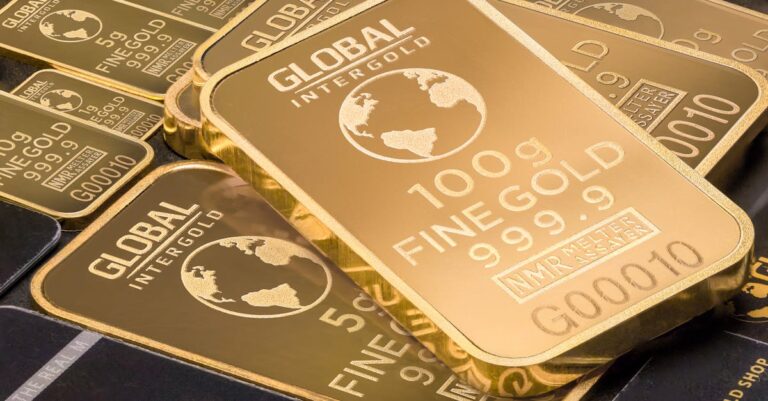
Gold price fluctuations in India raise questions for investors. This guide explores recent market shifts, their impact on your portfolio, and strategies for smart gold investment.
The landscape of wealth building is dynamic, constantly influenced by global events and local market forces. For many in India, gold holds a unique and revered position, not just as a symbol of prosperity but as a tangible asset for financial security. Recent data, such as the report from FXStreet on March 23, indicated a notable dip in the gold price in India. This specific report highlighted a fall where the price for Gold stood at 13,251.32 Indian Rupees (INR) per gram, a decrease from INR 13,623.12 just days prior. Similarly, the price per tola decreased to INR 154,550.80 from INR 158,897.30. Such movements can spark concern or opportunity, prompting investors to re-evaluate their strategies and understand the underlying forces at play.
Understanding these shifts is crucial for anyone looking to build or preserve wealth. A sudden decline in the gold price can lead to anxiety, particularly for those holding significant portions of their assets in precious metals. However, for the astute investor, it can also signal a potential buying opportunity, aligning with the principle of “buy low, sell high.” This article delves into the various facets of gold investment, examining why gold retains its allure, what factors drive its price, and how individuals can strategically integrate it into their wealth-building journey, even amidst market volatility. We will explore gold’s role as a safe-haven asset, an inflation hedge, and a critical component of a diversified portfolio, drawing insights from established financial analyses.
Understanding Gold Price Volatility in India
The daily fluctuations in the gold price, as reported by financial news outlets like FXStreet, are a testament to gold’s sensitivity to a myriad of economic and geopolitical factors. While a single day’s decline might seem significant, it’s essential to view such movements within a broader context. Gold is globally traded, and its international price, typically denominated in US Dollars (XAU/USD), is then converted into local currencies using exchange rates like USD/INR. This means that both international gold market dynamics and local currency movements influence the gold price in India.
When the rupee strengthens against the dollar, the cost of importing gold into India effectively decreases, potentially leading to lower local prices. Conversely, a weakening rupee can make gold more expensive, even if its international price remains stable or falls slightly. This interplay adds a layer of complexity for Indian investors, requiring them to monitor both global gold trends and the domestic currency market. Furthermore, domestic demand, festival seasons, import duties, and government policies can also exert considerable influence on the local gold price. This multi-faceted influence necessitates a holistic understanding rather than a reactionary response to short-term dips.
Why Do People Invest in Gold? A Store of Value Amidst Uncertainty
Gold has captivated humanity for millennia, primarily due to its inherent value and enduring qualities. As highlighted by FXStreet’s FAQs, gold has historically served as a reliable store of value and a medium of exchange. Beyond its cultural significance and aesthetic appeal for jewelry, the precious metal plays a crucial role in modern investment portfolios. Its status as a “safe-haven asset” is paramount, making it an attractive investment during turbulent times.
Consider periods of economic recession, geopolitical instability, or widespread market uncertainty. During such crises, traditional assets like stocks can plummet, and even government bonds might face scrutiny. Gold, however, tends to retain or even increase its value. This is because it doesn’t rely on the performance of a specific company, industry, or even government. Its intrinsic value, combined with its limited supply, makes it a reliable anchor when other assets are sinking.
Moreover, gold is widely regarded as an effective hedge against inflation and depreciating currencies. When inflation erodes the purchasing power of fiat money, gold typically holds its value, protecting wealth from erosion. Unlike currencies, which can be printed in unlimited quantities by central banks, gold’s supply is finite. This scarcity, coupled with its universal acceptance, allows it to act as a buffer against monetary devaluation. For investors concerned about the long-term preservation of their capital, especially in an environment of rising prices, gold offers a compelling solution.
Gold as an Inflation Hedge and Currency Protection
The concept of gold as an inflation hedge is rooted in its historical performance. When the cost of living rises and currencies lose their purchasing power, the nominal value of gold tends to increase, effectively maintaining the real value of an investor’s capital. This protection is vital for long-term financial planning, especially for those approaching retirement or aiming to preserve generational wealth. Unlike bonds, which can lose value during periods of high inflation if interest rates don’t keep pace, gold typically benefits from such environments.
Furthermore, gold’s independence from specific government policies makes it a strong defense against depreciating currencies. In countries experiencing significant currency devaluation, holding gold can provide stability. For Indian investors, where the rupee has experienced periods of volatility against major global currencies, gold offers a domestic avenue to hedge against such risks. This dual benefit of inflation protection and currency stability solidifies gold’s position as a cornerstone asset for prudent wealth management.
Who Buys the Most Gold and What It Means for You
While individual investors and jewelers contribute significantly to gold demand, central banks are the largest holders of gold globally. As FXStreet notes, central banks strategically acquire gold to support their national currencies during turbulent times. High gold reserves can bolster a country’s perceived economic strength and solvency, fostering trust in its financial system.
The World Gold Council reported that central banks added a staggering 1,136 tonnes of gold, valued at approximately $70 billion, to their reserves in 2022. This marked the highest yearly purchase since records began, indicating a renewed global emphasis on gold as a strategic asset. Emerging economies, including China, India, and Turkey, have been particularly active in increasing their gold reserves. This trend underscores a broader move towards diversifying national reserves away from over-reliance on a single currency or asset class.
For individual investors, this central bank activity serves as a powerful indicator. If national financial authorities, with their vast research and resources, are accumulating gold, it signals a strong belief in its long-term value and its role in mitigating systemic risks. It validates gold’s status as a foundational asset and suggests that smart money continues to see its utility in uncertain economic climates. Observing these macroeconomic trends can inform individual portfolio decisions, reinforcing the rationale for including gold as a hedge against global economic instability.
Gold and Other Assets: Understanding Correlations for Portfolio Strength
A key aspect of effective portfolio management is understanding how different assets interact with each other. Gold often exhibits an inverse correlation with major reserve and safe-haven assets like the US Dollar and US Treasuries. This means that when the US Dollar strengthens, gold tends to weaken, and vice-versa. The rationale is straightforward: since gold is priced in dollars (XAU/USD), a stronger dollar makes gold more expensive for holders of other currencies, dampening demand. Conversely, a weaker dollar makes gold relatively cheaper, boosting its appeal.
This inverse relationship allows investors and central banks to diversify their assets. When one asset class is under pressure, gold can potentially provide a counter-balance. For example, if the US Dollar is declining due to economic concerns in the United States, gold might appreciate, helping to offset losses from dollar-denominated assets. This dynamic is crucial for building a resilient portfolio that can withstand varying economic conditions.
Furthermore, gold is inversely correlated with risk assets, such as stocks. When stock markets rally, indicating a period of economic optimism and risk-taking, the appeal of safe-haven assets like gold typically diminishes, leading to a weaker gold price. Conversely, during periods of market sell-offs or heightened economic uncertainty, investors often flock to gold, driving its price upwards. This makes gold a valuable portfolio diversifier, particularly during bear markets or recessions, as it can help cushion the overall impact on an investor’s wealth.
Leveraging Correlations for Diversification
The inverse correlations discussed above are central to gold’s role in portfolio diversification. Diversification is not just about holding different types of assets; it’s about holding assets that behave differently under various market conditions. By including gold in a portfolio that also contains stocks, bonds, and other investments, an investor can potentially reduce overall portfolio volatility and enhance risk-adjusted returns.
For instance, during periods when equity markets are experiencing significant downturns, the appreciating value of gold can partially offset losses in stock holdings. This protective quality helps maintain portfolio stability and provides a psychological buffer during stressful market environments. Wealth managers often recommend a small but strategic allocation to gold—typically 5% to 15%—precisely because of these diversification benefits. This allocation can act as an “insurance policy” for the broader portfolio, offering peace of mind and preserving capital when other segments of the market face headwinds.
What Does the Price of Gold Depend On? Key Driving Factors
The gold price is a complex interplay of numerous global and local factors. Understanding these drivers is essential for making informed investment decisions. As detailed in the FXStreet analysis, several key elements influence gold’s valuation:
- Geopolitical Instability and Recession Fears: Gold’s status as a safe-haven asset means its price often escalates during times of geopolitical tension, conflicts, or widespread fears of a deep recession. When uncertainty looms, investors seek out assets perceived as stable and secure, and gold fits this description perfectly. Events like trade wars, military conflicts, or major political upheavals can quickly trigger a flight to safety, pushing gold prices higher.
- Interest Rates: As a yield-less asset, gold generally has an inverse relationship with interest rates. When interest rates rise, particularly real interest rates (adjusted for inflation), the opportunity cost of holding gold increases. Investors might opt for interest-bearing assets like government bonds, which offer a guaranteed return, making gold less attractive. Conversely, lower interest rates reduce the appeal of bonds, making non-yielding assets like gold more competitive. This dynamic is closely watched by gold investors, as central bank policy decisions can significantly impact gold’s short-to-medium term trajectory.
- US Dollar Behavior (XAU/USD): The US Dollar’s strength or weakness is arguably the most significant short-term driver of the international gold price. Since gold is universally priced in US Dollars, a strong dollar tends to keep the price of gold controlled, as it makes gold more expensive for buyers using other currencies. A weaker dollar, however, has the opposite effect, making gold relatively cheaper and thus more attractive, which can push prices up. This relationship underscores why global macroeconomic indicators and the monetary policy of the US central bank are crucial considerations for gold investors worldwide, including those in India.
- Inflation Expectations: As previously mentioned, gold is a traditional hedge against inflation. When inflation expectations rise, investors often turn to gold to protect their purchasing power, leading to an increase in its price. This is particularly relevant in periods when central banks are pursuing expansionary monetary policies, which can devalue fiat currencies.
- Supply and Demand Dynamics: While less volatile than other factors, the fundamental principles of supply and demand also play a role. Gold supply comes from mining output and recycled gold. Demand includes jewelry, industrial use, central bank purchases, and investment demand (bars, coins, ETFs). Significant shifts in either supply or demand can influence prices, though major geopolitical or economic events often overshadow these foundational elements in the short term.
Strategies for Investing in Gold for Wealth Accumulation
For those looking to integrate gold into their wealth-building strategy, several avenues exist, each with its own advantages and considerations. Understanding these options is key to choosing the most suitable approach for your financial goals and risk tolerance.
Different Ways to Invest in Gold
- Physical Gold: This includes gold bars, coins, and jewelry.
- Pros: Tangible asset, cultural significance, direct ownership, no counterparty risk.
- Cons: Storage costs and security concerns, potential for purity issues, liquidity can be lower for jewelry, making charges for jewelry.
For Indian investors, physical gold, especially in the form of jewelry, has deep cultural roots and is often passed down through generations. However, for investment purposes, bars and coins offer better purity and lower fabrication costs.
- Gold Exchange Traded Funds (ETFs): These are funds that hold physical gold and trade on stock exchanges.
- Pros: Easy to buy and sell (high liquidity), no storage concerns, transparent pricing, diversification (some ETFs track gold mining companies).
- Cons: Expense ratios (management fees), no direct ownership of physical gold, subject to market fluctuations.
Gold ETFs provide a convenient and cost-effective way to gain exposure to gold prices without the hassle of physical storage.
- Sovereign Gold Bonds (SGBs): Issued by the government, these bonds are denominated in grams of gold and offer an annual interest rate.
- Pros: Government-backed (no purity or storage issues), earn interest, redemption price linked to gold market price, tax benefits on capital gains if held to maturity.
- Cons: Lock-in period, interest is taxable, capital gains depend on gold price at maturity.
SGBs are an excellent option for long-term investors in India, combining the benefits of gold investment with the security of a government bond.
- Digital Gold: Platforms allow you to buy and sell gold in small denominations, with the physical gold held in vaults by a service provider.
- Pros: Can buy in very small quantities, easy online transactions, no storage issues, verified purity.
- Cons: Regulated by different bodies, potential storage/platform fees, not all platforms are equally secure, no interest component.
Digital gold offers flexibility and accessibility, especially for younger investors or those looking to accumulate gold gradually.
- Gold Mining Stocks: Investing in companies that mine gold.
- Pros: Potential for higher returns if the company performs well, can benefit from rising gold prices and operational efficiency.
- Cons: Subject to company-specific risks (management, operations, geopolitical issues at mine sites), not a direct investment in gold itself.
This is a more indirect way to invest in gold and carries higher risk due to the equity component.
Portfolio Allocation: How Much Gold Is Enough?
Determining the right allocation for gold in a portfolio is a common question for investors. There’s no one-size-fits-all answer, as it depends on individual financial goals, risk tolerance, and overall portfolio structure. However, most financial advisors suggest a strategic allocation of 5% to 15% of a total portfolio to gold. This range is generally considered sufficient to reap gold’s diversification and safe-haven benefits without overexposing the portfolio to its unique volatility.
For conservative investors, a slightly higher allocation towards the 10-15% range might be appropriate, especially if capital preservation and hedging against inflation are primary concerns. Growth-oriented investors, who are comfortable with higher risk in pursuit of higher returns, might opt for a smaller allocation of 5-7%. The key is to view gold as a long-term strategic asset, rather than a short-term trading instrument. Its role is to provide stability and act as a hedge during periods when other asset classes underperform, thereby strengthening the overall resilience of your wealth-building efforts.
Long-Term vs. Short-Term Investing in Gold
The inherent volatility of the gold price makes it less suitable for short-term speculative trading for most retail investors. While traders might attempt to profit from daily fluctuations, the ‘Work to Wealth’ philosophy typically emphasizes a long-term, disciplined approach to wealth creation. For this reason, gold is best viewed as a long-term strategic asset.
Over extended periods, gold has demonstrated its ability to preserve purchasing power and act as a hedge against economic instability. Short-term price movements, such as the dip reported by FXStreet, should ideally not trigger panic selling or impulsive buying. Instead, they can be seen as opportunities to rebalance a portfolio or incrementally add to gold holdings, particularly if the investor adheres to a dollar-cost averaging strategy. This involves investing a fixed amount regularly, regardless of the price, thereby averaging out the purchase cost over time and mitigating the risk of buying at a market peak.
Economic Indicators to Watch for Gold Investors
Staying informed about key economic indicators can help gold investors anticipate potential price movements and make more strategic decisions. Here are some critical indicators to monitor:
- Inflation Reports: Consumer Price Index (CPI) and Wholesale Price Index (WPI) data are crucial. Rising inflation often boosts gold’s appeal as a hedge.
- Interest Rate Decisions: Announcements from central banks (e.g., Reserve Bank of India, US Federal Reserve) regarding interest rate hikes or cuts directly impact the opportunity cost of holding gold.
- US Dollar Index (DXY): A measure of the dollar’s value against a basket of major currencies. A weaker DXY generally supports higher gold prices.
- Geopolitical News: News related to international conflicts, trade disputes, or political instability can quickly drive safe-haven demand for gold.
- Economic Growth Data: GDP reports and manufacturing indices can signal economic health. During recessions or slowdowns, gold demand often increases.
- Central Bank Gold Reserves: Regular updates from the World Gold Council on central bank purchases can indicate broader institutional confidence in gold.
The Role of Gold in a Resilient Wealth Strategy
In conclusion, the gold price in India, much like its global counterpart, is influenced by a complex web of economic, political, and cultural factors. While short-term dips, such as those reported by FXStreet, can be a cause for immediate attention, they rarely diminish gold’s fundamental role in a well-diversified, long-term wealth strategy. Gold continues to serve as an invaluable safe haven, a robust hedge against inflation and currency devaluation, and a critical diversifier against market volatility. Its inverse correlations with the US Dollar and risk assets provide a natural counterbalance within a portfolio, helping to protect wealth during times of economic uncertainty.
For the ‘Work to Wealth’ investor, the approach to gold should be strategic and informed, rather than reactive. Understanding the various investment avenues—from physical gold and ETFs to Sovereign Gold Bonds and digital gold—allows for tailored portfolio construction. A modest, yet consistent, allocation to gold, perhaps through methods like dollar-cost averaging, can act as a powerful insurance policy for your financial future. By staying abreast of the macroeconomic indicators and appreciating gold’s historical significance, individuals can confidently integrate this timeless asset into their journey towards lasting financial security and prosperity. The goal is not to chase short-term gains but to build a resilient foundation that can withstand the inevitable ebbs and flows of the global economy, ensuring your wealth trajectory remains robust.