

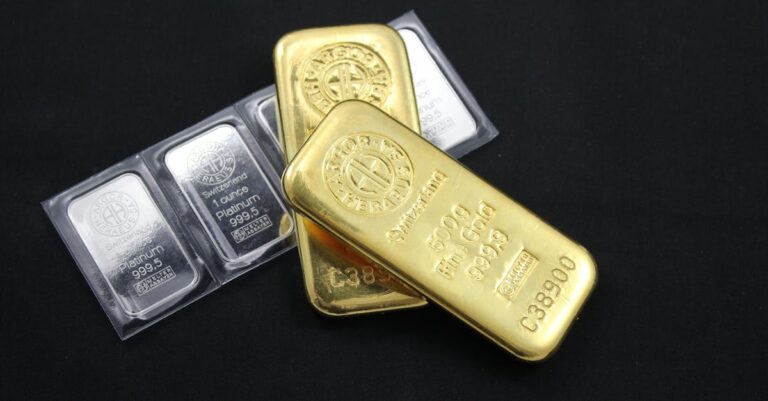
Explore the recent gold market frenzy, understand price swings, and learn strategic approaches for both buying and selling to protect and grow your wealth. Essential for all investors.
The allure of gold as a store of value and a hedge against economic uncertainty has captivated investors for millennia. Recently, the precious metal has once again surged into the spotlight, commanding unprecedented attention as its price reached new record highs. This latest rush has seen consumers globally evaluating their positions, with many either cashing in cherished pieces or venturing into gold investments for the first time, as reported by outlets like AP News.
Understanding the forces behind these significant price swings and how to navigate the volatile landscape is crucial for anyone considering adding gold to their financial portfolio or monetizing existing holdings. While the excitement of record valuations can be compelling, the subsequent dips and daily fluctuations underscore the inherent risks and complexities of this market.
This article delves into the dynamics of the current gold rush, examining what drives its value, the various avenues for investment, and providing strategic insights for making informed decisions. Whether you are a seasoned investor or a curious newcomer, gaining a comprehensive understanding of the gold market is paramount to leveraging its potential benefits while mitigating risks.
Understanding Gold’s Enduring Appeal and Market Drivers
For centuries, gold has been considered the ultimate safe haven asset. Its intrinsic value, scarcity, and resistance to corrosion have cemented its status as a reliable store of wealth, particularly during times of economic turbulence and geopolitical unrest. Unlike fiat currencies, which can be printed at will, the supply of gold is finite, lending it an inherent stability that appeals to conservative investors.
The recent dramatic ascent in gold prices can be attributed to a confluence of global factors, primarily centered around escalating uncertainty. When traditional financial markets exhibit volatility or when there are widespread concerns about inflation and currency devaluation, investors frequently flock to gold, driving its demand and, consequently, its price upwards.
Geopolitical Tensions and Investor Anxiety
A significant catalyst for gold’s appeal is geopolitical instability. Periods of international conflict, political friction between major powers, or general unrest create a climate of fear and uncertainty among investors. In such scenarios, the perceived safety of gold becomes highly attractive. For instance, recent heightened tensions in various global hotspots and shifts in international trade policies have been cited as key drivers for increased interest in precious metals, echoing historical patterns seen during the COVID-19 pandemic and other global crises.
Daniel McDowell, a professor of political science, describes this phenomenon as a “psychological reaction” where individuals seek a secure refuge for their capital amidst perceived ruptures in the global order. This flight to safety often translates directly into increased demand for gold, causing its price to rise.
Inflationary Pressures and Currency Devaluation
Another powerful driver for gold prices is inflation. When the purchasing power of fiat currencies erodes due to rising prices, gold historically serves as an effective hedge. Investors buy gold to preserve their wealth, anticipating that its value will hold or even increase while paper money depreciates. Similarly, a weakening domestic currency makes gold more affordable for international buyers, further boosting demand and pushing prices higher.
Conversely, a strengthening currency can make gold more expensive for international purchasers, potentially tempering its price appreciation. The interplay between currency values, particularly the U.S. dollar, and gold prices is a critical dynamic for investors to monitor.
Monetary Policy and Interest Rates
Central bank policies, particularly those related to interest rates, exert a substantial influence on gold’s attractiveness. When interest rates are low or expected to fall, holding non-yielding assets like gold becomes relatively more appealing compared to interest-bearing alternatives such such as bonds or savings accounts. Lower rates reduce the opportunity cost of holding gold, making it a more competitive investment.
Conversely, rising interest rates can diminish gold’s appeal, as investors may choose to allocate capital to assets that offer a yield. Discussions around the future independence and leadership of central banks can also introduce uncertainty, prompting investors to seek the perceived stability of gold.
Supply and Demand Dynamics
Like any commodity, the basic principles of supply and demand affect gold prices. Global mining output, recycling efforts, and central bank purchases or sales all contribute to the supply side. Demand comes from various sources: jewelry manufacturing, industrial applications (electronics, dentistry), investment (bars, coins, ETFs), and central bank reserves. A decrease in supply coupled with an increase in demand, or vice versa, inevitably impacts market prices.
For instance, if mining operations face significant disruptions or if central banks actively increase their gold reserves, these actions can tighten supply and bolster prices. Conversely, a large-scale liquidation of reserves could flood the market and depress values.
Diverse Avenues for Gold Investment
Investing in gold is not a one-size-fits-all endeavor. There are multiple ways to gain exposure to this precious metal, each with its own advantages, disadvantages, and risk profile. Understanding these options is essential for tailoring a strategy that aligns with your financial goals and risk tolerance.
Physical Gold: Tangible Assets
Direct ownership of physical gold is perhaps the most traditional and intuitive way to invest. This category includes bars, coins, and jewelry.
Gold Bars and Coins
Investing in gold bars (bullion) and investment-grade coins is often preferred by those who value direct ownership and the tangible security of the asset. These are typically purchased from reputable dealers, mints, or financial institutions.
- Advantages:
- Direct Ownership: You physically possess the asset, providing a sense of security independent of financial institutions or markets.
- Diversification: Offers a hedge against inflation and currency devaluation, acting as a diversifier in a broader portfolio.
- No Counterparty Risk: Unlike paper assets, physical gold carries no risk of default by a third party.
- Global Acceptability: Recognized and valued worldwide.
- Disadvantages:
- Storage Costs and Security: Requires secure storage, either at home (with associated insurance risks) or in a professional vault (incurring fees).
- Insurance: Physical gold needs to be insured against theft or loss.
- Liquidity: Selling physical gold can sometimes be less liquid than selling paper assets, especially large quantities.
- Authenticity Verification: Buyers must be vigilant about authenticity, ensuring they purchase from trusted sources to avoid counterfeits.
- Transaction Costs: Typically involves premiums over the spot price when buying and often a discount when selling.
When purchasing physical gold, it is crucial to understand purity, measured in karats for jewelry or fineness for bullion. Investment-grade bullion is typically 24-karat (99.9% pure) and stamped with its weight and purity. Standard weights include troy ounces, grams, and kilograms.
Gold Jewelry
While often seen as a personal item, gold jewelry can also be considered a form of gold investment, especially heirloom pieces. However, its investment merits are usually secondary to its aesthetic and sentimental value.
- Considerations:
- Purity and Markup: Jewelry prices include significant markups for design, craftsmanship, and branding, often far exceeding the melt value of the gold. The gold content itself is often lower (e.g., 14K or 18K), meaning it’s not pure gold.
- Liquidity: Selling jewelry for its gold content usually yields a price significantly below retail, and may involve further deductions for non-gold components (gems).
- Sentimental Value: While it holds emotional worth, this does not translate to financial investment returns.
For individuals looking to liquidate old, broken, or unwanted jewelry, the current market high offers an opportune moment to consider selling, provided they manage expectations regarding the payout versus original purchase price.
Paper Gold: Indirect Exposure
For many investors, indirect exposure to gold offers greater convenience, liquidity, and often lower transaction costs than physical ownership.
Gold Exchange-Traded Funds (ETFs)
Gold ETFs are investment funds that hold physical gold or gold derivatives and trade like stocks on major exchanges. They provide an easy way to invest in gold without the complexities of physical storage and insurance.
- Advantages:
- Liquidity: Easily bought and sold throughout the trading day.
- Convenience: No need to worry about storage or security.
- Accessibility: Can be purchased through standard brokerage accounts.
- Diversification: Offers exposure to gold’s price movements as part of a diversified portfolio.
- Disadvantages:
- No Physical Ownership: You own shares in a fund, not actual gold.
- Management Fees: ETFs charge annual expense ratios that can eat into returns.
- Tracking Error: The ETF’s price may not perfectly track the spot price of gold due to various factors.
- Counterparty Risk: While generally low for reputable funds, there’s always a theoretical risk associated with the fund manager.
Gold Mining Stocks
Investing in shares of companies involved in gold exploration, mining, and production offers a different kind of exposure. The value of these stocks is often leveraged to the price of gold, meaning they can sometimes move more dramatically than the underlying commodity.
- Advantages:
- Leverage: Mining stocks can offer higher returns than physical gold if the gold price rises significantly, as company profits often increase disproportionately.
- Dividends: Some established mining companies pay dividends, offering a yield that physical gold does not.
- Growth Potential: Beyond gold price movements, successful exploration, efficient operations, and strong management can lead to company-specific growth.
- Disadvantages:
- Company-Specific Risks: Performance is tied to the company’s operational efficiency, management, geopolitical risks in mining regions, environmental regulations, and production costs, not just the price of gold.
- Volatility: Can be more volatile than physical gold or ETFs.
- Operational Challenges: Mining is a capital-intensive and complex business susceptible to various risks from labor disputes to geological surprises.
Gold Futures and Options
These are derivative instruments typically used by experienced traders for speculation or hedging. A futures contract is an agreement to buy or sell a specific quantity of gold at a predetermined price on a future date. Options give the holder the right, but not the obligation, to buy or sell gold at a certain price by a certain date.
- Considerations:
- High Risk/High Reward: These instruments offer significant leverage but also carry substantial risk of capital loss.
- Complexity: Require a sophisticated understanding of market dynamics, contract specifications, and risk management.
- Not for Beginners: Generally not recommended for retail investors new to the gold market.
The Latest Gold Rush: Consumer Responses and Market Impact
The recent spike in gold prices has created a tangible buzz across markets and main streets alike. As AP News reported, the phenomenon has manifested in diverse consumer behaviors, ranging from individuals selling decades-old jewelry to first-time buyers acquiring coins or investing in publicly traded funds.
Increased Demand at Merchants
Local jewelry shops and precious metal dealers are witnessing a significant uptick in customer traffic. In major financial centers and small towns, people are lining up to either convert their existing gold possessions into cash or purchase bullion as a new investment. This surge in activity underscores a broader public response to economic uncertainties and the appeal of gold’s perceived stability.
The experience is palpable, as exemplified by reports from Paris’s historic district for precious metal dealers, where traders noted a consistent flow of around 100 transactions daily. Customers like Annick Le Toulleca, who sold broken jewelry, express a sense of unease even about holding money in traditional bank accounts. Others, such as Christophe Thooris, opt to convert cash into gold coins, hoping to safeguard their savings against an unpredictable future.
Sticker Shock and Market Volatility
While the overall trend has been upwards, the rapid ascent and subsequent corrections have introduced significant volatility. Consumers entering the market, especially those looking to buy, may encounter “sticker shock” due to the recent price hikes. The market has demonstrated its capacity for sharp daily swings, as seen when prices dipped after hitting record highs, illustrating the unpredictable nature of precious metals.
This volatility also poses challenges for sellers. The “spread,” or the difference between the buying and selling price offered by dealers, can fluctuate, impacting the net return for those cashing in their gold. Retailers, including major jewelry chains, have acknowledged the impact of rising gold costs in their earnings reports, highlighting how these dynamics influence their product pricing, particularly for items like gold chains, while other materials like lab-grown diamonds have seen costs fall.
The Psychological Element of Gold Ownership
Beyond pure financial metrics, the current rush highlights the deep-seated psychological relationship many individuals have with gold. It represents more than just an asset; it symbolizes security, legacy, and tangible wealth in an increasingly digital and uncertain world. For some, owning physical gold provides a sense of control and resilience against global economic forces that feel beyond their influence.
This psychological dimension often fuels decisions during periods of heightened anxiety, whether it’s selling to lock in substantial profits from long-held items or buying into the market as a protective measure. It underscores why, even with its volatility, gold continues to hold a unique place in the human perception of wealth.
If You Own Gold: To Sell or Not to Sell?
The decision to sell your existing gold is highly personal and depends on several factors, including your financial situation, original purchase price, and broader investment goals. While recent record highs may seem like an ideal time to cash in, a strategic approach is key.
Assess Your Personal Financial Situation
Before selling, consider why you own the gold. Is it an heirloom, an emergency fund, or a speculative investment? If you have an immediate financial need, selling some gold might be a sensible option. However, if your portfolio is simply over-allocated to gold and you wish to rebalance, this is a different scenario.
Experts often suggest that it might be prudent to wait, as prices could potentially rise further if global uncertainty deepens. Yet, the future is never guaranteed, and what seems like a peak today could be followed by a correction tomorrow. Many consumers are indeed selling now, preferring to lock in profits from years of appreciation.
Finding a Reputable Dealer
If you decide to sell, ensuring you work with a trustworthy and reputable dealer is paramount. This diligence can significantly impact the amount you receive for your gold.
- Local vs. Online: Some experts, like Joshua Barone of a recognized financial advisory firm, express a personal preference for local, in-person dealers due to concerns about mailing precious metals. However, many individuals have positive experiences with reputable online platforms.
- Research and Reviews: Always read reviews, check ratings through consumer protection organizations like the Better Business Bureau, or consult trusted trade associations.
- Compare Offers: Obtain quotes from multiple dealers. Be aware of the “spread,” which is the difference between the price dealers offer to buy from you versus the price they sell to customers. A larger spread means you get less when you sell and pay more when you buy.
- Transparency: A reputable dealer will be transparent about their pricing, fees, and the assaying process (determining the gold’s purity and weight).
Consider Tax Implications
Selling gold, especially if it results in a significant profit, can have tax implications. In many jurisdictions, gold is treated as a collectible for tax purposes, which can be subject to different capital gains tax rates than other investments. It is wise to consult with a tax advisor to understand your potential liabilities before making a sale.
Rebalancing Your Portfolio
If your gold holdings have appreciated substantially, they might now represent a larger portion of your overall portfolio than you initially intended. This could skew your asset allocation and risk profile. Selling a portion of your gold could be a strategic move to rebalance your portfolio, diversify your assets, and potentially invest in other opportunities.
Considering Buying Gold Now?
For those looking to enter the gold market or increase their holdings, the current environment demands careful consideration. While the narrative of gold as a safe haven and inflation hedge is compelling, smart investment requires a disciplined approach.
Affordability and Investment Horizon
Firstly, assess what you can comfortably afford to invest without jeopardizing your immediate financial stability. More importantly, define your investment horizon. Financial advisors generally advocate for longer investment periods—typically 10 years or more—for gold, as this lessens the risk associated with short-term market volatility. Trying to time the market for quick profits in a volatile asset like gold is often a high-risk endeavor.
Gold as a Diversifier and Inflation Hedge
Traditional investment wisdom suggests that gold can serve as an excellent portfolio diversifier. It often moves inversely to stocks and other risk assets, meaning it can perform well when other investments are struggling, thereby reducing overall portfolio risk. Additionally, its historical role as an inflation hedge remains a key reason many investors include it in their portfolios.
Caution Against Over-Allocation
Despite its benefits, experts universally caution against putting “all your eggs in one basket.” Over-allocating to gold can expose your portfolio to excessive commodity-specific risk and limit growth opportunities from other asset classes. A common recommendation is to allocate a small, strategic percentage of your portfolio to gold, typically between 5% and 15%, depending on your risk tolerance and financial goals.
Understanding Volatility and Corrections
The market has shown that even after hitting record highs, significant corrections can occur. Investors considering buying now must be prepared for potential price dips and understand that past performance is not indicative of future results. Dollar-cost averaging, where you invest a fixed amount regularly regardless of the price, can be a prudent strategy to mitigate the risk of buying at a temporary peak.
Seek Professional Guidance
Navigating the complexities of the gold market, especially with its recent volatility, can be challenging. Consulting a qualified financial advisor can provide personalized guidance, helping you assess how gold fits into your overall financial plan, identify suitable investment vehicles, and understand potential tax implications.
Gold’s Role in a Diversified Portfolio
Integrating gold into a well-diversified portfolio is a strategy employed by many savvy investors to achieve specific financial objectives, primarily risk reduction and capital preservation.
Reducing Overall Portfolio Risk
The primary function of gold in a diversified portfolio is to act as a hedge against systemic risk and market downturns. Historically, when equity markets tumble or bonds face pressure, gold often either holds its value or appreciates. This inverse correlation or low correlation with other major asset classes helps smooth out portfolio returns during turbulent periods, making it a valuable component for capital preservation.
Capital Preservation During Downturns
During periods of high inflation, currency devaluation, or geopolitical crises, gold’s ability to retain purchasing power becomes particularly significant. It serves as a tangible asset that is not subject to the same governmental or corporate risks as stocks and bonds, offering a sanctuary for wealth when conventional investments falter.
Strategic Allocation
The exact percentage of gold to hold in a portfolio is debated among financial professionals, but a common consensus suggests a modest allocation. This ensures you benefit from its hedging properties without over-exposing your portfolio to commodity-specific volatility. The ideal allocation depends on individual risk tolerance, investment horizon, and existing portfolio composition.
Common Mistakes to Avoid in Gold Investing
While the allure of gold is strong, several pitfalls can diminish its potential benefits. Awareness of these common mistakes can help investors make more informed and strategic decisions.
- Emotional Investing: Succumbing to the fear of missing out (FOMO) during a price rally or panic-selling during a dip can lead to poor outcomes. Investment decisions should be based on a well-thought-out strategy, not on fleeting market sentiment.
- Lack of Due Diligence: Failing to properly vet dealers when buying or selling physical gold can lead to overpaying, receiving less than market value, or even purchasing counterfeit products. Always verify credentials and compare offers.
- Ignoring Storage and Insurance Costs: For physical gold, the costs associated with secure storage (home safe, safety deposit box, professional vault) and insurance premiums can eat into returns, especially for long-term holdings. These expenses must be factored into the overall investment cost.
- Over-Allocating to Gold: While gold is a valuable diversifier, making it too large a portion of your portfolio can expose you to excessive risk. Gold does not generate income (like dividends or interest) and its price movements can be unpredictable.
- Not Understanding Purity and Assaying: When dealing with physical gold, it’s crucial to understand purity standards (e.g., 24K, 18K) and how weight is measured (troy ounces). For larger transactions, an independent assay can verify the metal’s content.
- Falling for Scams: The gold market, especially during rushes, can attract fraudulent schemes, including promises of exorbitant returns, fake precious metals, or misleading storage arrangements. Always be skeptical of offers that seem too good to be true.
- Ignoring Tax Implications: As mentioned, profits from gold sales can be subject to capital gains taxes. Failing to account for these liabilities can lead to unexpected financial burdens.
- Short-Term Speculation Without Expertise: While day trading gold futures or options can be profitable, it requires significant expertise, capital, and risk tolerance. It is generally not suitable for novice investors.
The Future Outlook for Gold
Predicting the future movement of gold prices is inherently challenging, as it is influenced by a complex interplay of global economic, political, and social factors. However, several ongoing trends and potential developments could continue to shape the gold market.
Persistent geopolitical tensions, coupled with continuing discussions around inflation and interest rate policies by central banks, are likely to keep gold on investors’ radar. The strength of global economies and the U.S. dollar will also play crucial roles. In an environment where central banks continue to grapple with inflationary pressures and the potential for economic slowdowns, gold’s role as a safe-haven asset may remain prominent.
Ultimately, while gold will likely continue to experience periods of volatility, its historical significance and unique properties suggest it will retain its place as an important asset for wealth preservation and diversification in dynamic financial landscapes. Prudent investors will stay informed, maintain a long-term perspective, and integrate gold thoughtfully into their overall financial strategy.
The current gold rush serves as a potent reminder of the metal’s enduring appeal in times of uncertainty. By understanding its market drivers, diverse investment avenues, and the potential pitfalls, investors can make more strategic decisions that align with their financial goals, helping them to protect and potentially grow their wealth in an ever-evolving global economy.
Frequently Asked Questions
Why are gold prices soaring, causing investor anxiety about market timing?
Gold prices primarily soar due to global economic uncertainty, geopolitical tensions, and fears of inflation or currency devaluation. Investors flock to gold as a “safe haven” asset when traditional markets are volatile or perceived as risky. This rapid ascent can cause anxiety for investors trying to time their purchases or sales, worrying about buying at a peak or selling before further gains. It’s crucial to understand these drivers to make informed, rather than emotional, decisions.
What are the safest ways for beginners to invest in gold without significant risk?
For beginners seeking lower risk, starting with Gold Exchange-Traded Funds (ETFs) or purchasing a small amount of physical gold (coins or bars) from reputable dealers are often recommended. ETFs offer liquidity, convenience, and diversified exposure without the challenges of physical storage. If buying physical gold, ensure it’s from a verified source and consider professional storage. Always avoid allocating a large portion of your portfolio to gold and prioritize long-term investment over short-term speculation.
Is now a good time to sell my existing gold jewelry or coins for maximum profit?
The decision to sell depends on your individual financial situation, your original purchase price, and your future expectations for gold. With recent record highs, it could be an opportune moment to lock in profits, especially for items like old jewelry where the intrinsic gold value might now be substantial. However, prices are volatile and could potentially rise further or experience corrections. Always compare offers from multiple reputable dealers, understand the “spread,” and consider potential tax implications before selling.
How can I protect my gold investment from market volatility and economic uncertainty?
To protect your gold investment, focus on diversification and a long-term strategy. Gold serves as a hedge against volatility for other assets, but it is also volatile itself. Avoid over-allocating your portfolio to gold. For physical gold, ensure secure, insured storage. For paper gold, choose reputable ETFs with low expense ratios. Consider dollar-cost averaging when buying to mitigate risk from price swings. Finally, stay informed about global economic and geopolitical developments, as these significantly influence gold’s value.
What impact do geopolitical tensions have on the value of gold, causing investor worry?
Geopolitical tensions, such as international conflicts, political instability, or significant policy shifts, typically increase investor worry and drive up the value of gold. Gold is perceived as a “safe haven” asset during times of uncertainty, as it is less susceptible to the direct impacts of political turmoil or currency fluctuations compared to other investments. This increased demand for safety pushes prices higher. The more severe and widespread the tensions, the stronger the upward pressure on gold tends to be, as investors seek to preserve capital.