

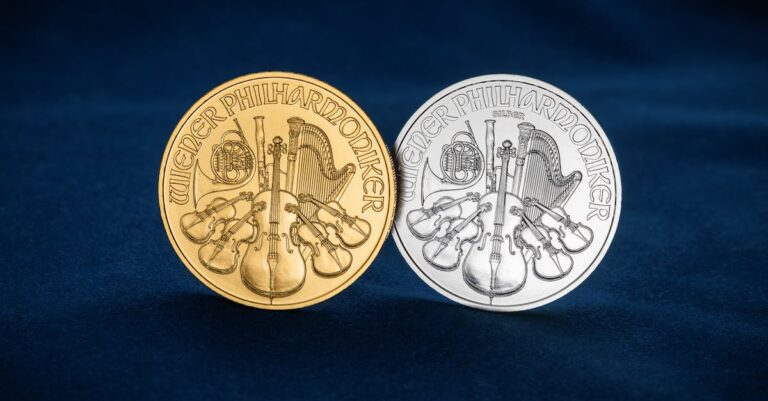
Market volatility in precious metals demands savvy action. Learn how to strategically navigate gold and silver’s swings to protect and grow your wealth. Essential for all investors.
Recent shifts in the global financial landscape have brought a renewed focus on traditional safe-haven assets, particularly Gold & Silver. While these precious metals have long been lauded for their ability to preserve wealth and act as a hedge against inflation and economic uncertainty, their markets are far from static. Indeed, recent reports from major financial hubs, such as prominent trading districts, describe periods of intense activity and rapid price fluctuations, often characterized as “tumult” or even “pandemonium” by market observers. This kind of significant market movement, whether up or down, can present both compelling opportunities and considerable anxieties for investors aiming to build or protect their wealth.
For those committed to the journey from work to wealth, understanding the dynamics of Gold & Silver investing is paramount. It’s not enough to simply buy and hold; a strategic approach is essential, especially when market conditions are turbulent. This article will delve into the factors driving these precious metal markets, analyze the implications of their volatility, and, most importantly, equip you with smart strategies to navigate these challenging yet potentially rewarding waters. By the end, you will have a clearer roadmap for incorporating gold and silver into your portfolio in a way that aligns with your long-term financial objectives.
The Enduring Appeal of Gold & Silver in Wealth Building
Before diving into strategies, it’s crucial to understand why Gold & Silver have captivated investors for centuries. Their appeal isn’t just historical; it’s deeply rooted in their unique properties and their role in the global economy.
Historical Safe Havens and Stores of Value
Throughout history, gold, in particular, has been a universal currency and a symbol of wealth. It’s tangible, durable, and universally recognized as valuable. Silver, often referred to as “poor man’s gold,” shares many of these characteristics and has also played a critical role in economies. In times of crisis, when confidence in paper money or other assets wavers, investors traditionally flock to gold and silver as a reliable store of value. This flight to safety provides a foundational demand for these precious metals.
Inflation Hedge Against Diminishing Purchasing Power
One of the most compelling reasons for Gold & Silver investing is their potential to act as a hedge against inflation. When the cost of living rises and the purchasing power of fiat currencies declines, precious metals often maintain or increase their value. This is because their supply is finite, unlike paper money which can be printed at will. For wealth builders, protecting assets from the erosion of inflation is a core concern, making gold and silver attractive components of a diversified portfolio.
Diversification Beyond Traditional Assets
Diversification is a cornerstone of sound financial planning. Investing solely in stocks, bonds, or real estate leaves a portfolio vulnerable to specific market downturns. Precious metals, especially gold, often exhibit a low or inverse correlation with other major asset classes. This means that when stocks are falling, gold might be rising, and vice-versa. Including gold and silver can help smooth out portfolio returns, reducing overall risk and providing a stabilizing influence, particularly during periods of market stress.
Industrial and Investment Demand for Silver
While gold is primarily an investment and jewelry metal, silver has a dual role. It is heavily used in industrial applications, including electronics, solar panels, and medical devices, thanks to its excellent conductivity and reflectivity. This industrial demand adds another layer of complexity and potential growth to silver’s market dynamics. As technological advancements continue, the industrial demand for silver is likely to grow, influencing its price alongside its role as an investment asset.
Understanding the Drivers of Gold & Silver Volatility
The recent “tumult” in the Gold & Silver markets is not an isolated incident but rather a reflection of various powerful economic and geopolitical forces at play. To navigate these big moves effectively, investors need to understand what causes them.
Economic Uncertainty and Geopolitical Instability
Periods of economic uncertainty, such as recessions, high unemployment, or widespread financial instability, tend to push investors towards precious metals. Similarly, geopolitical tensions, conflicts, or major international crises can trigger a flight to safety, increasing demand for gold and silver. These events create an environment where traditional assets might feel precarious, making the tangible security of precious metals particularly appealing.
Interest Rate Movements and the US Dollar
Interest rates play a significant role in determining the attractiveness of gold and silver. Since precious metals do not yield interest, rising interest rates, particularly real interest rates (adjusted for inflation), can make interest-bearing assets like bonds more appealing, potentially drawing capital away from gold and silver. Conversely, falling interest rates or a low-interest-rate environment can make non-yielding assets more attractive. The strength of the US dollar also impacts gold prices, as gold is typically priced in dollars; a stronger dollar makes gold more expensive for holders of other currencies, potentially dampening demand.
Inflationary Expectations and Monetary Policy
Central bank policies, especially regarding inflation targets and quantitative easing, profoundly affect precious metals. When central banks implement policies that increase the money supply, or when inflation expectations rise, gold and silver often benefit. Investors view them as a hedge against the potential devaluation of currency. The prospect of future inflation can be a powerful catalyst for upward movement in precious metal prices.
Supply and Demand Dynamics
Like any commodity, the prices of Gold & Silver are fundamentally influenced by supply and demand. Supply comes from mining production and recycling. Demand stems from jewelry, industrial uses, central bank purchases, and individual investment. Significant disruptions in mining operations, discovery of new reserves, or changes in global consumption patterns can all lead to price volatility. For instance, a sudden surge in industrial demand for silver, coupled with stagnant mining output, could lead to a sharp price increase.
Navigating the Tumult: Smart Strategies for Gold & Silver Investors
The recent heightened activity in precious metals markets serves as a potent reminder that even safe-haven assets can experience significant price swings. This volatility, while potentially unsettling, also presents opportunities for those with a well-thought-out strategy. Here are smart approaches for Gold & Silver investing to secure your financial future.
Embrace Diversification as Your Core Defense
The first and most important principle for navigating any volatile market is diversification. While Gold & Silver can be excellent diversifiers themselves, they should also be part of a broader, well-diversified portfolio. Do not put all your eggs in one basket, regardless of how shiny that basket might be. A balanced portfolio includes a mix of stocks, bonds, real estate, and alternative assets, including precious metals. This spreads risk and prevents any single asset class from having an outsized negative impact on your overall wealth. Your allocation to precious metals should be carefully considered, typically ranging from 5% to 15% of your total portfolio, depending on your risk tolerance and investment goals.
Adopt a Long-Term Perspective for Steadfast Growth
Gold & Silver investing is generally best approached with a long-term mindset. While short-term traders might seek to profit from daily price swings, most wealth builders aim for sustained growth and wealth preservation over years, or even decades. Short-term market “pandemonium” can be distracting and lead to emotional decisions. By focusing on the long-term fundamentals—their role as inflation hedges, stores of value, and portfolio diversifiers—you can ride out temporary downturns and benefit from their historical tendency to appreciate over extended periods. Resist the urge to panic sell during dips or chase surges, which often leads to poor outcomes.
Leverage Dollar-Cost Averaging to Smooth Out Entry Points
During periods of Gold & Silver volatility, it can be challenging to determine the “right” time to buy. Dollar-cost averaging (DCA) is a powerful strategy that removes much of this guesswork. Instead of investing a large lump sum at once, DCA involves investing a fixed amount of money at regular intervals (e.g., monthly or quarterly), regardless of the asset’s price. When prices are high, your fixed investment buys fewer units; when prices are low, it buys more. Over time, this strategy averages out your purchase price, reducing the risk of buying at a market peak and providing a disciplined approach to accumulating precious metals over time, turning volatility into an advantage.
Understand the Nuances: Physical vs. Paper Assets
When investing in Gold & Silver, you have several options, each with its own advantages and disadvantages:
- Physical Bullion (Coins and Bars): This is the most direct way to own precious metals. You hold the tangible asset, which appeals to many as a true safe haven against systemic risk. However, it comes with storage costs, insurance considerations, and potentially higher transaction premiums. For those concerned about extreme scenarios or wishing for complete control, physical ownership is often preferred.
- Exchange-Traded Funds (ETFs): These funds track the price of gold or silver and are traded like stocks on exchanges. They offer liquidity, lower transaction costs than physical bullion (generally), and eliminate the need for personal storage. However, you don’t directly own the physical metal; you own shares in a fund that holds it. Ensure you choose ETFs that are backed by physical bullion, not derivatives.
- Mining Stocks: Investing in companies that mine gold and silver offers exposure to precious metals but also introduces company-specific risks (management, production costs, geopolitical risks where mines are located). Mining stocks can be more volatile than the metals themselves, but they also offer potential for higher returns if the company performs well.
- Futures and Options: These are complex derivatives primarily used by experienced traders for speculation and hedging. They involve significant leverage and risk, making them generally unsuitable for long-term wealth builders focused on preservation and steady growth.
For most investors aiming for wealth preservation, a combination of physical bullion and reputable, physically-backed ETFs can offer a balanced approach to Gold & Silver investing.
Implement Robust Risk Management Practices
No investment, not even precious metals, is without risk. Effective risk management is crucial. This includes:
- Setting Allocation Limits: As mentioned, decide on a percentage of your portfolio you are comfortable allocating to gold and silver, and stick to it. Avoid over-concentration.
- Stop-Loss Orders (for active traders): While primarily for short-term trading, if you are actively managing an ETF position, stop-loss orders can limit potential downside. However, for long-term holders, these may not be appropriate as they can trigger sales during temporary dips.
- Regular Review and Rebalancing: Markets change, and so should your portfolio. Regularly review your allocation to precious metals. If a significant price surge causes your gold and silver holdings to exceed your target allocation, consider selling a portion to bring it back in line. Conversely, if prices fall significantly, you might consider buying more to rebalance.
- Avoiding Leverage: Using borrowed money to invest in volatile assets like precious metals can amplify both gains and losses. For wealth preservation, it’s generally best to invest with capital you can afford to lose without impacting your core financial stability.
Monitor Key Economic Indicators, Not Just Headlines
While reports of “pandemonium” in key trading districts capture attention, smart investors look beyond the headlines to the underlying economic indicators that truly drive Gold & Silver prices. Pay attention to:
- Inflation Data: Consumer Price Index (CPI), Producer Price Index (PPI).
- Interest Rate Decisions: Announcements from major central banks (e.g., the Federal Reserve, European Central Bank).
- Geopolitical Developments: Major international conflicts, trade wars, political instability.
- US Dollar Index (DXY): As gold is dollar-denominated, its strength or weakness significantly impacts gold’s price for international buyers.
- Market Sentiment: While not a hard data point, understanding the general fear or complacency in broader markets can provide context for precious metal movements.
Being informed about these macro trends will help you understand the context of Gold & Silver’s big moves and make more rational decisions, rather than reacting impulsively to sensational news.
Common Pitfalls to Avoid in Gold & Silver Investing
Even with the best strategies, certain mistakes can derail your Gold & Silver investing efforts. Awareness of these common pitfalls can help you steer clear of them.
Succumbing to Emotional Investing
The “tumult” described in market reports can easily trigger fear or greed. Panicking during a price drop and selling at a loss, or FOMO (Fear Of Missing Out) buying during a price surge, are classic emotional investing mistakes. Precious metals markets, like all markets, have cycles. Adhere to your pre-defined strategy and avoid making impulsive decisions based on short-term sentiment.
Ignoring Overall Portfolio Context
While Gold & Silver are important, they are just one piece of your financial puzzle. Focusing too heavily on their performance in isolation without considering how they interact with your other assets (stocks, bonds, real estate) can lead to an imbalanced portfolio. Always view precious metals as part of your holistic wealth-building plan.
Chasing Hot Trends or Gurus
Be wary of anyone promising guaranteed returns or predicting exact market tops and bottoms. The precious metals market is complex, and no one has a crystal ball. Rely on sound financial principles, trusted resources, and your own research rather than speculative advice or “get rich quick” schemes. Always verify information, especially when it concerns significant investment decisions.
Neglecting Due Diligence on Sellers/Providers
Whether you’re buying physical bullion, ETFs, or mining stocks, always perform due diligence on the seller or provider. For physical gold and silver, ensure you’re buying from reputable dealers with transparent pricing. For ETFs, understand the fund’s structure, expense ratios, and custodianship of its underlying assets. Scams and unscrupulous sellers exist in the precious metals space, so vigilance is key.
Forgetting About Storage and Insurance for Physical Assets
If you opt for physical Gold & Silver, remember that these are tangible assets requiring secure storage. This could be a home safe, a bank safe deposit box, or a specialized vault service. Also, ensure your physical holdings are adequately insured against theft or damage. These costs need to be factored into your overall investment calculus, as they can impact your net returns.
Integrating Precious Metals into Your Long-Term Wealth Plan
Ultimately, the role of Gold & Silver in your portfolio should be aligned with your overarching financial goals. These metals are not merely speculative tools; they are strategic assets designed to contribute to your long-term wealth preservation and growth. Think of them as a robust anchor in your investment ship, especially when market seas are rough.
Determining Your Optimal Allocation to Gold & Silver
There’s no one-size-fits-all answer for how much Gold & Silver to hold. Factors like your age, risk tolerance, time horizon, and current economic outlook all play a part. Younger investors with a higher risk tolerance might have a smaller allocation (e.g., 5-10%), focusing more on growth assets. Those closer to retirement or with a more conservative approach might opt for a slightly higher allocation (e.g., 10-15%) to enhance portfolio stability. The key is to make an informed decision that complements your overall financial strategy and provides peace of mind.
Regular Portfolio Reviews and Adjustments
Your financial journey is dynamic, and so should be your portfolio. Schedule regular reviews—at least annually, or more frequently during periods of significant market change. During these reviews, assess whether your Gold & Silver holdings still align with your target allocation and overall financial objectives. Market performance might necessitate rebalancing, where you trim assets that have grown significantly and add to those that have underperformed, bringing your portfolio back to its desired risk profile.
Consider the Macroeconomic Environment
While avoiding knee-jerk reactions to daily news, it’s wise to consider the broader macroeconomic environment when evaluating your precious metals strategy. Periods of high inflation, low real interest rates, or heightened geopolitical instability often strengthen the case for a more significant allocation to Gold & Silver. Conversely, stable economic growth, rising real interest rates, and reduced global tensions might suggest a slightly lower emphasis on these safe havens, allowing for greater focus on growth-oriented assets. This doesn’t mean constant trading, but rather thoughtful adjustments over time.
Conclusion: Mastering Gold & Silver’s Big Moves for Lasting Wealth
The recent reports of significant activity and price movements in the Gold & Silver markets underscore an immutable truth: even the most stable assets are subject to market forces. Far from being a reason for apprehension, this dynamic environment presents an opportunity for informed investors to refine their strategies and reinforce their journey towards lasting wealth.
By understanding the fundamental drivers of precious metals, embracing robust diversification, maintaining a long-term perspective, and employing disciplined tactics like dollar-cost averaging, you can transform perceived “pandemonium” into a pathway for opportunity. Whether through physical bullion, reputable ETFs, or strategic mining stock investments, Gold & Silver investing offers a unique blend of wealth preservation and growth potential.
Remember, the goal is not to predict the next big move, but to position your portfolio to withstand and thrive amidst any market condition. With careful planning, continuous learning, and a commitment to your personalized financial strategy, you can confidently navigate the exciting, sometimes turbulent, world of precious metals, ensuring they play their valuable role in your quest for financial independence and enduring prosperity.
Frequently Asked Questions
How can volatile Gold & Silver prices impact my long-term wealth goals?
Volatile Gold & Silver prices can cause short-term anxiety, but with a long-term strategy, they can still support your wealth goals. While sudden drops might reduce portfolio value temporarily, precious metals historically recover and serve as an inflation hedge and diversifier. The key is to avoid emotional selling during downturns and instead focus on their role in preserving purchasing power over decades. Strategic purchases during dips can even enhance long-term gains.
What strategies help manage the risk of sudden precious metals swings?
To manage the risk of sudden Gold & Silver swings, several strategies are effective. Firstly, maintain a diversified portfolio so no single asset class, including precious metals, dominates. Secondly, adopt dollar-cost averaging to spread out your purchases, mitigating the risk of buying at a peak. Thirdly, set clear allocation limits (e.g., 5-15% of your portfolio) and rebalance periodically. Lastly, focus on a long-term investment horizon, enabling you to ride out short-term volatility.
Is physical Gold & Silver bullion a safer bet during market ‘pandemonium’?
Physical Gold & Silver bullion is often considered a very safe bet during periods of market “pandemonium” because it represents tangible wealth, free from counterparty risk associated with paper assets or digital accounts. In extreme financial crises, having direct possession of your assets can offer unparalleled security and peace of mind. However, physical bullion requires secure storage and insurance, which incur costs. For many investors, a combination of physical and highly liquid, physically-backed ETFs provides a balanced approach.
How much of my portfolio should I allocate to Gold & Silver for wealth protection?
The optimal allocation to Gold & Silver for wealth protection typically ranges from 5% to 15% of your total portfolio, but this can vary based on individual circumstances. Consider your age, risk tolerance, investment horizon, and current macroeconomic outlook. Younger investors might lean towards the lower end, while those seeking greater stability or nearing retirement might consider a slightly higher allocation. The goal is to provide diversification and a hedge without over-concentrating your assets.
What common mistakes do investors make when Gold & Silver markets get turbulent?
When Gold & Silver markets get turbulent, common mistakes include emotional investing (panicking and selling low or FOMO buying high), neglecting overall portfolio context, and chasing speculative trends without proper due diligence. Investors also often forget about the practicalities of physical asset storage and insurance, or fail to verify the reputation of their precious metals dealers. Sticking to a disciplined, long-term strategy and performing thorough research are crucial to avoid these pitfalls.