

Navigating gold’s recent volatility requires strategy. Discover how market shifts impact wealth growth and secure your portfolio against future dips.
The financial markets are a continuous ebb and flow, a dynamic environment where investor sentiment, economic data, and global events conspire to shape asset values. Recently, gold, a perennial favorite for those seeking stability and wealth preservation, experienced a notable dip, falling below the $5,000 an ounce mark. This movement, widely reported across financial news outlets, was attributed to traders booking profits following a previous session’s gain, itself spurred by milder-than-expected US inflation data. For many investors, such fluctuations raise pertinent questions about the metal’s role in their long-term wealth strategy. Is gold still the reliable safe haven it’s long been considered? How should this volatility influence your overall Gold Investment Strategy?
Understanding these market dynamics is crucial for anyone committed to building and preserving wealth. The dip, which saw bullion fall as much as 1.5% after a 2.4% climb, highlights the intricate dance between macroeconomic indicators and commodity prices. A modest rise in the US Consumer Price Index for January, as reported by financial news, allayed concerns about a more significant inflationary surge, thereby strengthening the argument for the Federal Reserve to consider trimming interest rates. This prospect can paradoxically act as a tailwind for precious metals, which do not pay interest, as lower rates reduce the opportunity cost of holding non-yielding assets. Yet, immediate profit-taking often follows significant gains, leading to short-term pullbacks. This article will delve into the multifaceted aspects of gold investment, offering a comprehensive guide to fortifying your financial future.
Gold’s Enduring Allure: A Cornerstone of Any Gold Investment Strategy
For millennia, gold has captivated humanity, serving not just as adornment but as a universal standard of value. Its intrinsic rarity, resistance to corrosion, and malleability have cemented its status as a premier store of wealth across cultures and civilizations. From ancient empires to modern central banks, gold has consistently been held as a hedge against uncertainty, a tangible asset in an increasingly intangible world. This historical precedent forms the bedrock of any sound Gold Investment Strategy.
The appeal of gold is not merely sentimental; it is rooted in its economic characteristics. Unlike fiat currencies, gold cannot be printed at will by governments, making it a natural bulwark against inflation and currency debasement. When the purchasing power of paper money erodes, gold often maintains or increases its value, preserving the wealth of its holders. This protective quality becomes especially prominent during periods of economic instability or geopolitical turmoil, prompting investors to seek its safe-haven embrace. Its lack of correlation with other major asset classes, such as stocks and bonds, further enhances its attractiveness as a diversification tool, smoothing out portfolio returns during market downturns.
Understanding Market Volatility and Gold’s Price Movements
While gold is celebrated for its stability, it is not immune to price fluctuations, as the recent dip demonstrates. Several factors contribute to gold’s volatility, and a nuanced understanding of these influences is vital for an effective Gold Investment Strategy.
Interest Rates and Opportunity Cost
One of the primary drivers of gold prices is the outlook for interest rates. As gold does not offer a yield or dividend, its attractiveness can diminish when interest rates on assets like government bonds rise. Higher interest rates increase the opportunity cost of holding gold, as investors can earn more by keeping their capital in interest-bearing instruments. Conversely, when interest rates are expected to fall, as implied by recent mild inflation data, the opportunity cost of holding gold decreases, making it more appealing. This inverse relationship often explains significant short-term movements, such as the initial rally in gold prices that preceded the recent profit-taking.
Inflation Expectations
Inflation is another critical determinant. Gold is widely regarded as an inflation hedge. When investors anticipate higher inflation, they often turn to gold to protect their purchasing power. The recent mild US consumer price index data, while initially boosting gold due to interest rate expectations, also suggested that inflation might be less of an immediate concern than previously thought, potentially leading some investors to re-evaluate their immediate need for an inflation hedge, contributing to the profit-taking.
Currency Strength and Geopolitical Stability
The strength of major global currencies, particularly the US dollar, also impacts gold prices. Since gold is primarily traded in US dollars, a stronger dollar makes gold more expensive for holders of other currencies, potentially dampening demand. Conversely, a weaker dollar can make gold more affordable and thus more attractive. Geopolitical events, such as international conflicts or political instability, also tend to send investors scrambling for safe-haven assets, including gold, leading to price spikes. Periods of calm, however, can reduce this demand.
Supply and Demand Dynamics
Beyond macroeconomic factors, the fundamental principles of supply and demand play a role. Global gold production, central bank purchases or sales, and consumer demand (e.g., for jewelry or industrial uses) all contribute to price formation. A sudden increase in supply or a significant decrease in demand can exert downward pressure on prices, while the opposite can drive them higher.
The Safe-Haven Appeal and ‘Debasement’ Trade
The concept of gold as a “safe haven” is deeply ingrained in financial lore, and for good reason. During times of economic crisis, market crashes, or widespread uncertainty, investors often flee riskier assets like stocks in favor of what they perceive as more secure investments. Gold, with its long history of retaining value, consistently emerges as a preferred destination for capital seeking refuge. This flight to safety tends to drive up gold prices, as demand outstrips supply during periods of heightened anxiety. From the financial crisis of 2008 to the early days of global health emergencies, gold has repeatedly demonstrated its ability to act as a ballast for portfolios.
Another powerful narrative surrounding gold is its role in the “debasement trade.” This concept refers to the practice of investing in gold as a hedge against the erosion of fiat currency values. When central banks engage in quantitative easing or governments significantly increase their debt through deficit spending, there’s a perceived risk of currency debasement – where the increased supply of money reduces its purchasing power. In such scenarios, gold, being a finite asset outside the control of central bankers, is seen as a superior store of value. Investors concerned about the long-term integrity of their currency often allocate a portion of their wealth to gold, betting on its ability to preserve capital as paper money potentially loses its worth. This underlying belief forms a crucial element of a resilient Gold Investment Strategy, particularly for those with a long-term outlook on wealth preservation.
Gold Versus Modern Alternatives: Diversifying Your Gold Investment Strategy
In the digital age, new assets have emerged that challenge or complement gold’s traditional roles. Bitcoin and other digital currencies, for example, have been hailed by some as “digital gold,” offering similar properties of scarcity and decentralized control. Understanding these comparisons is essential for crafting a contemporary Gold Investment Strategy.
Gold Versus Bitcoin: A Clash of Generations
The comparison between gold and Bitcoin is a frequent topic of debate among investors. Both are finite assets, independent of central bank control, and can serve as stores of value. However, their characteristics diverge significantly:
- Volatility: Bitcoin is notoriously volatile, experiencing dramatic price swings far exceeding those of gold. While this volatility can offer significant upside potential, it also carries substantial risk. Gold, by contrast, offers a relatively smoother ride, making it more suitable for conservative wealth preservation.
- History and Trust: Gold has a track record spanning millennia, instilling deep trust among investors. Bitcoin, a relatively nascent asset, lacks this historical depth, and its long-term viability is still being established.
- Tangibility: Gold is a physical asset, offering a tangible sense of security. Bitcoin exists solely in the digital realm, which some find less reassuring, despite its cryptographic security.
- Regulation: Gold markets are well-established and highly regulated. The regulatory landscape for Bitcoin and other digital assets is still evolving, posing potential uncertainties for investors.
- Accessibility: Bitcoin is highly liquid and easily divisible, allowing for small transactions. Physical gold can be less convenient for everyday transactions due to its bulk and value, though digital gold products offer similar divisibility.
For a robust Gold Investment Strategy, many financial advisors suggest viewing gold and Bitcoin not as direct replacements but as distinct assets that can play complementary roles in a diversified portfolio. Gold might serve as the anchor for stability and inflation hedging, while a smaller allocation to Bitcoin could offer exposure to potentially higher growth and technological innovation, albeit with greater risk.
Tether’s Metal Hoard and Other Asset-Backed Digital Tokens
The emergence of stablecoins and other digital tokens backed by physical assets, such as a recognized brand’s “metal hoard” or reserves, further underscores the enduring appeal of tangible assets like gold. Some digital asset providers aim to mitigate the volatility inherent in pure digital currencies by pegging their value to real-world assets. While these initiatives attempt to bridge the gap between traditional and digital finance, they also highlight gold’s foundational role as a trusted underlying asset. These asset-backed tokens aim to provide the benefits of digital transferability with the stability of a physical reserve, essentially packaging the essence of gold’s value in a digital format. However, the transparency and auditability of these reserves remain crucial for investor confidence, a benchmark against which gold’s physical verifiable nature often stands out.
Integrating Gold into Your Wealth Strategy: Practical Steps
Developing an effective Gold Investment Strategy requires careful consideration of your financial goals, risk tolerance, and time horizon. Gold is not a “get rich quick” scheme; it’s a strategic asset for long-term wealth preservation and portfolio diversification.
The Imperative of Diversification
Perhaps gold’s most compelling role in a modern portfolio is its ability to diversify. As mentioned, gold often has a low or even negative correlation with other major asset classes. This means that when stocks or bonds decline, gold may hold its value or even appreciate, thereby reducing overall portfolio volatility. Including gold can help stabilize returns during market downturns, preserving capital and potentially mitigating losses. A well-diversified portfolio is the hallmark of a prudent investor, and gold offers a proven path to achieving this balance.
Methods of Gold Investment: How to Invest in Gold
There are several ways to incorporate gold into your investment portfolio, each with its own advantages and considerations:
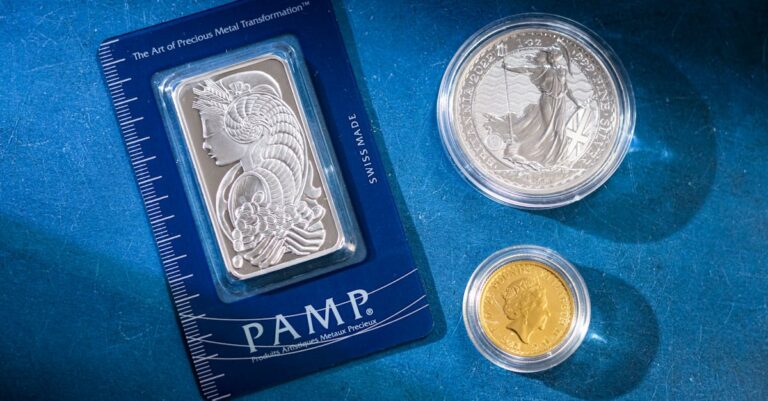
- Physical Gold (Bullion and Coins):
- Pros: Direct ownership, tangible asset, no counterparty risk (if stored securely). Offers a psychological comfort for many investors.
- Cons: Storage costs, insurance, potential premiums over spot price, less liquid for large transactions. Authenticity concerns if purchased from unreliable sources.
- Best for: Long-term investors seeking ultimate security and tangibility, those with concerns about the financial system.
- Gold Exchange-Traded Funds (ETFs) and Exchange-Traded Commodities (ETCs):
- Pros: Highly liquid, easily traded on stock exchanges, no physical storage concerns, lower minimum investment than physical bullion. Provides exposure to gold price movements.
- Cons: Do not offer direct ownership of physical gold (though some funds are backed by physical gold), carry management fees, subject to market trading hours and potential counterparty risk with the fund issuer.
- Best for: Investors seeking convenient and cost-effective exposure to gold prices without the hassle of physical storage.
- Gold Mining Stocks:
- Pros: Offer leverage to gold prices (mining company profits can rise faster than gold prices), potential for dividends, exposure to the operational success of a company.
- Cons: Subject to company-specific risks (e.g., management, production costs, geopolitical risks in mining regions), correlation with broader equity markets, not a pure play on gold price.
- Best for: Investors willing to take on equity risk for potentially higher returns, those who believe in the specific management and assets of a mining company.
- Gold Futures and Options:
- Pros: High leverage, allow sophisticated investors to hedge or speculate on gold prices.
- Cons: Very high risk, complex, require significant capital and expertise, suitable only for experienced traders.
- Best for: Professional traders and institutional investors for hedging or short-term speculation. Not recommended for most retail investors building a long-term wealth strategy.
Strategic Allocation: How Much Gold is Enough?
The optimal allocation to gold within a portfolio is a subject of ongoing debate among financial experts. There’s no one-size-fits-all answer, as it depends heavily on individual circumstances. However, common recommendations often fall within the 5% to 15% range of a total portfolio for most long-term investors. A smaller allocation (e.g., 5-10%) might be appropriate for younger investors with a higher risk tolerance and longer time horizon, focusing more on growth assets. A larger allocation (e.g., 10-15% or even higher) might suit more conservative investors, those nearing retirement, or individuals particularly concerned about inflation or systemic risks.
The goal is to provide a meaningful hedge without overly concentrating risk in a single asset class. Regularly reviewing and rebalancing your portfolio to maintain your target gold allocation is an important part of a disciplined Gold Investment Strategy.
Long-Term Perspective on Gold Investment Strategy
For most individual investors, gold should be viewed as a long-term strategic asset rather than a short-term trading vehicle. Its value lies in its ability to preserve wealth over decades, acting as a buffer against market downturns, inflation, and currency debasement. While short-term fluctuations, like the recent dip, are part of its market behavior, they should not deter an investor committed to a sound long-term Gold Investment Strategy.
Navigating Interest Rate Environments with Gold
As previously discussed, interest rate policies significantly influence gold prices. When central banks signal an intention to cut rates, it generally creates a more favorable environment for gold. The recent “mild US inflation data,” by increasing the likelihood of the Federal Reserve trimming interest rates, provides a classic example of this dynamic at play. Lower rates reduce the appeal of interest-bearing assets, making non-yielding gold relatively more attractive. Conversely, periods of aggressive rate hikes can create headwinds for gold. A sophisticated Gold Investment Strategy acknowledges these sensitivities and integrates them into long-term planning, rather than reacting impulsively to every news headline.
Inflation Concerns and Gold’s Enduring Role
Even with recent mild inflation data, the specter of inflation remains a perennial concern for wealth builders. Over the long run, governments worldwide continue to face pressures that could lead to inflationary environments. Gold’s historical role as an inflation hedge remains robust. By holding gold, investors aim to protect the real purchasing power of their wealth, ensuring that their savings are not eroded by rising prices. This protective aspect is a cornerstone of gold’s utility in a comprehensive wealth-building plan.
Expert Insights on Gold’s Future Relevance
Many financial analysts and economists maintain a positive long-term outlook for gold. They often cite factors such as ongoing geopolitical uncertainties, the ever-present potential for inflationary pressures, and the continued expansion of global money supplies as reasons why gold will retain its importance. While not expected to deliver explosive growth like some technology stocks, gold is valued for its role in stability and capital preservation. This makes it an indispensable component for anyone striving for consistent wealth accumulation and protection against systemic risks.
Conclusion: Building Resilient Wealth with a Thoughtful Gold Investment Strategy
The recent dip in gold prices, while a point of interest for market watchers, serves as a timely reminder of the importance of a well-articulated and disciplined Gold Investment Strategy. Gold is not merely a shiny commodity; it is a time-tested asset with a unique set of characteristics that make it invaluable for long-term wealth building. Its role as a safe haven, an inflation hedge, and a portfolio diversifier positions it as a cornerstone for financial resilience.
Whether through physical holdings, accessible ETFs, or carefully selected mining stocks, integrating gold into your portfolio requires an understanding of its market drivers and a commitment to your long-term financial objectives. In an era of evolving financial landscapes and persistent uncertainties, a thoughtful allocation to gold can provide the stability and peace of mind necessary to navigate economic cycles and progress towards your ‘Work to Wealth’ goals. Don’t let short-term market noise distract you from the enduring value and strategic benefits that gold can offer your investment journey.
Frequently Asked Questions
Does a gold price dip signal long-term portfolio instability?
A short-term dip in gold prices, like the recent movement, typically does not signal long-term portfolio instability for investors with a diversified Gold Investment Strategy. Gold is known for its role as a safe haven and inflation hedge over the long run. Fluctuations are normal and often driven by profit-taking, interest rate expectations, or inflation data. For long-term wealth builders, such dips can even present buying opportunities, allowing for strategic rebalancing to maintain desired portfolio allocations.
How can I protect my wealth from currency debasement with gold?
To protect your wealth from currency debasement, a core component of a Gold Investment Strategy involves allocating a portion of your portfolio to gold. Gold is a finite asset, unlike fiat currencies which can be printed by central banks, potentially eroding their purchasing power over time. By holding gold, you hold an asset that historically maintains its value during periods when currency values are under pressure, thereby preserving your purchasing power and acting as a hedge against inflation and economic uncertainty.
What is the ideal percentage of gold for my Gold Investment Strategy?
The ideal percentage of gold for your portfolio varies based on individual factors like age, risk tolerance, and financial goals. However, many financial experts suggest an allocation ranging from 5% to 15% of a total portfolio for most long-term investors. This range aims to provide the benefits of diversification and wealth preservation without over-concentrating risk. It’s crucial to regularly review and rebalance your portfolio to maintain your target allocation as market conditions change.
Should I choose physical gold or gold ETFs for my Gold Investment Strategy?
The choice between physical gold and gold ETFs depends on your preferences and goals within your Gold Investment Strategy. Physical gold (bullion, coins) offers direct ownership and tangible security, appealing to those who prefer direct asset control and worry about counterparty risk, though it incurs storage and insurance costs. Gold ETFs provide liquidity, convenience, and often lower entry points, making them ideal for investors seeking exposure to gold price movements without the complexities of physical storage. Consider your comfort with tangibility, cost implications, and desired liquidity when making your decision.
How do interest rate changes affect my Gold Investment Strategy?
Interest rate changes significantly influence your Gold Investment Strategy because gold does not pay interest. When interest rates rise, the opportunity cost of holding non-yielding gold increases, making interest-bearing assets more attractive and potentially leading to a dip in gold prices. Conversely, when interest rates are expected to fall, gold often becomes more appealing as the opportunity cost decreases. Understanding this inverse relationship is vital for anticipating market movements and making informed decisions about your gold holdings.