

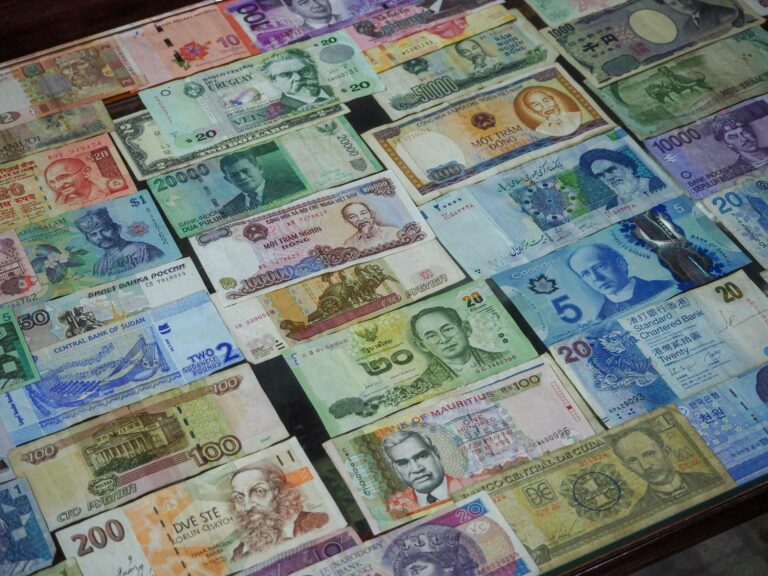
Global Currency Shifts are creating market ripples. Understand how central bank decisions and economic data influence your financial security and investment strategies in this volatile landscape.
The intricate dance of global currencies often feels like a distant phenomenon, confined to the trading floors of financial giants. However, the truth is far more immediate: these profound Global Currency Shifts directly impact your personal wealth, from the value of your investments to the cost of everyday goods. Recent market movements, characterized by a strengthening yen, a fluctuating dollar, and strategic shifts in other major currencies, underscore a period of heightened volatility and investor caution. As central banks across the globe make critical decisions on interest rates and economic data paints a clearer, albeit sometimes complex, picture, understanding these dynamics becomes paramount for anyone striving to build and preserve wealth.
For individuals committed to their financial journey, whether through active investing, retirement planning, or simply managing personal finances, remaining informed about these overarching trends is not merely an academic exercise. It is a fundamental component of strategic financial planning. The recent news highlights how “safe-haven bids” intensify as investors seek stability amidst uncertainty, driven by impending central bank decisions and crucial economic reports. This article will delve into these critical developments, exploring their underlying causes and, more importantly, translating their potential impact into actionable insights for your financial well-being. We aim to clarify the implications of these Global Currency Shifts, helping you navigate the complexities and make informed decisions on your path to wealth.
The Unsettling Dance of Global Currencies: Why It Matters
Currency markets are the bedrock of international finance, reflecting the economic health and policy decisions of nations worldwide. When a currency strengthens or weakens, it sends ripples across global trade, investment flows, and even the purchasing power of individuals. These movements are often driven by a combination of factors: interest rate differentials, economic growth prospects, geopolitical stability, and investor sentiment. The recent environment, as noted by financial analysts, has seen renewed volatility, prompting investors to seek safe havens. This flight to perceived safety often boosts currencies like the Japanese Yen or the US Dollar, even as their underlying economies present varied pictures.
Interest rates, in particular, play a pivotal role. Higher interest rates typically attract foreign capital, as investors seek better returns on their fixed-income holdings, thereby strengthening a currency. Conversely, lower rates can lead to capital outflow and a weaker currency. However, the scenario becomes more nuanced when central banks are simultaneously adjusting or holding rates, creating a complex web of relative attractiveness. Understanding these fundamentals is the first step in deciphering how Global Currency Shifts can affect your portfolio, whether you invest directly in foreign assets or indirectly through multinational corporations.
Decoding Central Bank Signals: A Global Symphony of Policy
Central banks are the maestros of monetary policy, their decisions reverberating through bond yields, stock markets, and, crucially, currency valuations. This week’s financial calendar is particularly heavy, featuring decisions from several key central banks, each with its own domestic imperatives and global implications. From an expected rate hike in Japan to anticipated cuts in the UK and holds in the Eurozone, these actions are not isolated; they form part of a global economic narrative that every wealth builder should heed.
The cumulative effect of these differing policy paths is what generates significant Global Currency Shifts. When one central bank tightens while another loosens, the interest rate differential widens, influencing capital flows and, consequently, currency strength. This dynamic creates opportunities but also risks for investors, particularly those with diversified international portfolios. Evaluating these signals requires a keen understanding of both the domestic factors influencing each central bank and the broader global economic context.
The Yen’s Resurgence: A Signal for Global Reassessment
The Japanese Yen (USDJPY) has recently seen a notable rally, pushing up 0.3% against the dollar. This movement is largely in anticipation of the Bank of Japan’s (BOJ) decision, where it is widely expected to hike rates by 25 basis points to 0.75%. This potential shift marks a significant departure from Japan’s long-standing ultra-loose monetary policy, which has kept rates near zero for years.
As Christopher Wong, a currency strategist, noted, “Market optimism over a Bank of Japan hike this Friday remains intact.” A rate hike by the BOJ, even a modest one, carries substantial implications. For years, the yen has been a favorite funding currency for “carry trades,” where investors borrow in a low-interest-rate currency (like the yen) and invest in higher-yielding assets elsewhere. A rising yen and increasing Japanese interest rates could trigger an unwinding of these carry trades, leading to capital repatriation to Japan and further strengthening the yen. This could have a ripple effect on global asset markets, particularly emerging markets that have benefited from yen-funded investments.
Implications of a Stronger Yen for Your Wealth
For the ‘Work to Wealth’ audience, a strengthening yen has several key implications:
- Impact on Japanese Investments: If you hold Japanese stocks or bonds, a stronger yen means that when you convert your returns back to your local currency, their value increases. This can be beneficial.
- Global Investment Flows: An unwinding of carry trades could lead to some global market volatility, as funds shift. This might affect asset classes beyond Japan, necessitating a review of your overall portfolio diversification.
- Import/Export Dynamics: A stronger yen makes Japanese exports more expensive and imports cheaper for Japan. While this primarily affects global trade balances, it can indirectly influence the profitability of multinational corporations with significant operations or sales in Japan.
Monitoring the BOJ’s actions is crucial, as even small adjustments can signal a significant shift in global monetary policy, potentially influencing other central banks and contributing to broader Global Currency Shifts.
The Dollar’s Enduring Pull: US Economic Data and Fed’s Stance
The US Dollar Index (DXY), which measures the dollar’s strength against a basket of six major rivals, has been trading higher after touching its lowest level since October 17. The dollar’s trajectory is heavily influenced by perceptions of the US economy and the Federal Reserve’s monetary policy. This week, the release of the long-awaited combined employment reports for October and November, delayed due to a government shutdown, is a critical data point.
As Paul Mackel of HSBC noted, the jobs data “will help give closure on how U.S. employment conditions were panning out during the federal government shutdown.” Employment figures, particularly non-farm payrolls, are closely watched by the Fed as indicators of economic health and inflationary pressures. Strong job growth could suggest persistent inflation, potentially pushing the Fed towards a more hawkish stance, while weaker data might reinforce arguments for a rate hold or even a cut.
Navigating US Economic Uncertainties and Dollar Movements
Despite some analysts’ skepticism about the clarity the delayed data will provide, the market is pricing in a high probability (75.6%) of a hold in rates at the Fed’s next meeting. A stable or stronger dollar can have mixed implications for investors:
- Purchasing Power: A strong dollar means your money buys more when traveling abroad or purchasing imported goods. Conversely, a weaker dollar makes imports more expensive.
- International Investments: For US-based investors, a stronger dollar can reduce the value of returns from foreign investments when converted back to dollars. For international investors, a strong dollar makes US assets more expensive.
- Commodities: Many global commodities, such as oil and gold, are priced in US dollars. A stronger dollar can make these commodities more expensive for buyers using other currencies, potentially dampening demand.
The interplay between economic data, Fed policy, and global investor sentiment makes the dollar a bellwether for the broader financial landscape. Its movements are central to understanding ongoing Global Currency Shifts.
China’s Yuan: Strategic Appreciation and Market Order
The Chinese Yuan (USDCNH), trading offshore, recently strengthened to its strongest level against the dollar since October 3, 2024. This appreciation is viewed by some analysts, such as OCBC’s Christopher Wong, as “a deliberate move to steer the RMB on a gradual appreciation path while maintaining market order.” The Chinese authorities often manage the yuan’s exchange rate, using tools like daily fixings to guide its trajectory.
A controlled appreciation of the yuan can have several strategic benefits for China, including managing inflation by making imports cheaper and promoting domestic consumption. It also signals confidence in the country’s economic stability. However, it also makes Chinese exports more expensive, which could impact global supply chains and trade dynamics.
The Yuan’s Influence on Global Commerce and Your Portfolio
For wealth builders, the yuan’s managed appreciation carries indirect but significant implications:
- Global Supply Chains: Many international businesses rely on Chinese manufacturing. A stronger yuan can increase the cost of goods produced in China, potentially leading to higher prices for consumers globally or reduced profit margins for companies.
- Investment in Chinese Assets: For those investing in Chinese stocks or bonds, a strengthening yuan can enhance returns when converted back to your home currency.
- Commodity Demand: China is a major consumer of global commodities. The yuan’s value, alongside China’s economic growth, impacts its purchasing power for these resources, affecting global commodity prices.
The yuan’s path is a testament to the influence of state policy on currency markets, a critical distinction from the more market-driven fluctuations seen elsewhere, and a key factor in the overall panorama of Global Currency Shifts.
European Currencies: Stability and Anticipated Adjustments
Across Europe, the currency landscape presents a mix of stability and anticipated adjustments, reflecting differing economic realities and central bank mandates. The Euro (EURUSD) has remained steady, with progress in peace talks related to geopolitical conflicts contributing to a sense of calm. The European Central Bank (ECB) is widely expected to keep interest rates on hold, indicating a cautious approach amid ongoing economic uncertainties.
In contrast, the British Pound (GBPUSD) has seen a slight dip, with the Bank of England (BOE) widely expected to cut interest rates by 25 basis points to 3.75%. This potential rate cut signals concerns about the UK economy and aims to stimulate growth by making borrowing cheaper. Meanwhile, Sweden’s Riksbank and Norway’s Norges Bank are also expected to hold their interest rates steady, maintaining a consistent monetary policy stance in their respective economies.
Navigating European Currency Dynamics for Investment Decisions
These varied approaches by European central banks underscore the diverse economic conditions within the continent and have specific implications for investors:
- Eurozone Stability: The ECB’s steady hand and the euro’s stability, partly supported by positive geopolitical developments, can make Eurozone assets relatively attractive for investors seeking lower volatility. If you hold Euro-denominated assets, this stability can be reassuring.
- UK Rate Cut Impact: An expected BOE rate cut could weaken the British Pound. For investors with UK assets, this might lead to a reduction in the value of their holdings when converted back to a stronger currency. Conversely, it could make UK exports more competitive.
- Diversification Opportunities: The differing policy paths highlight the importance of geographical diversification. By spreading investments across various European economies and currencies, you can potentially mitigate risks associated with specific regional downturns or policy shifts.
The European currency markets offer a compelling case study in how central bank independence and national economic conditions lead to distinct Global Currency Shifts, each demanding careful consideration from the discerning investor.
Commodity Currencies: Australia and New Zealand’s Economic Pulse
The Australian Dollar (AUDUSD) and the New Zealand Dollar (NZDUSD) are often referred to as “commodity currencies” because their value is closely tied to global commodity prices, given their economies’ significant reliance on exporting natural resources and agricultural products. Recent movements have seen both currencies slightly weaker. The AUD dipped after a private survey showed a slide in consumer sentiment in December, signaling potential headwinds for domestic demand. The NZD also declined as markets pared bets on rate hikes next year, and the government’s mid-year budget revealed a small reduction in bond issuance.
These movements reflect local economic conditions and investor expectations regarding future interest rate paths. Weakening consumer sentiment suggests a cautious outlook, which can lead central banks to hold or even cut rates to stimulate economic activity. Reduced bond issuance, while seemingly technical, can also influence market liquidity and investor perceptions of government borrowing needs.
Commodity Currencies and Your Global Portfolio
The performance of commodity currencies offers insights into global growth prospects and investor risk appetite:
- Global Growth Indicator: When global commodity demand is strong (often indicating robust global economic growth), these currencies tend to strengthen. Their recent weakness might signal some caution regarding the global economic outlook.
- Interest Rate Expectations: Shifting bets on future rate hikes directly impact these currencies. If markets expect fewer hikes or even cuts, the currencies tend to weaken.
- Diversification into Resources: For investors looking to diversify into sectors tied to natural resources, understanding the dynamics of commodity currencies is key. Their movements can amplify or diminish returns from commodity-focused investments.
These currencies provide a unique window into the cyclical nature of global trade and resource markets, adding another layer of complexity to the broader landscape of Global Currency Shifts.
Cryptocurrency Markets: A Separate Volatility Equation
Amidst the traditional currency movements, cryptocurrency markets continue their own volatile trajectory. Bitcoin (BTCUSD) and Ether (ETHUSD) experienced fluctuations, pulling back after recent gains. While not directly linked to central bank interest rate decisions in the same way as fiat currencies, cryptocurrencies are influenced by overall market sentiment, investor risk appetite, and regulatory developments.
When traditional markets show increased uncertainty or a “flight to safety,” some investors might view cryptocurrencies as a diversifying asset, while others might reduce exposure due to their inherent volatility. Their movements often follow a different rhythm but are not entirely disconnected from the broader financial environment.
Understanding Crypto’s Place in a Diversified Portfolio
For wealth builders, cryptocurrencies represent a distinct asset class with unique risk-reward characteristics:
- High Volatility: Cryptocurrencies are known for rapid and significant price swings, which can offer substantial gains but also pose considerable risks.
- Diversification Potential: Some investors include a small allocation to cryptocurrencies as part of a highly diversified portfolio, hoping for uncorrelated returns, though this remains a subject of debate among financial professionals.
- Market Sentiment Driver: Cryptocurrency movements can sometimes reflect broader speculative sentiment in financial markets, separate from the fundamental economic indicators driving fiat currencies.
While their dynamics are different, keeping an eye on cryptocurrency trends can offer additional context to the overarching financial market climate, even as we focus on the more direct impact of Global Currency Shifts on traditional assets.
Connecting the Dots: How Global Currency Shifts Impact Your Wealth
It’s clear that the movements of the Yen, Dollar, Yuan, Euro, Pound, and other currencies are not just headlines for financial professionals. They have tangible effects on your personal financial journey. Understanding these connections is crucial for making informed decisions on your path to wealth. Global Currency Shifts influence nearly every aspect of your financial life, often in ways you might not immediately perceive.
Investment Portfolio Implications
One of the most direct impacts of Global Currency Shifts is on your investment portfolio, particularly if it includes international assets. If you own foreign stocks, bonds, or real estate, their value can be affected by currency fluctuations. For instance, if you’re a US investor holding Japanese stocks and the yen strengthens against the dollar, your investment’s value in dollar terms increases, even if the stock price in yen remains constant. Conversely, a weakening yen would reduce its dollar value.
- Foreign Stock & Bond Performance: Currency movements can amplify or diminish returns from international investments. A strong local currency can erode foreign investment gains when converted back.
- Currency Risk and Hedging: Sophisticated investors might consider currency hedging strategies to mitigate this risk, though this adds complexity and cost. For most individual investors, diversification across multiple currencies and geographies is a more practical approach.
- Diversification Benefits: Holding assets denominated in different currencies can provide a natural hedge. If one currency weakens, another might strengthen, helping to stabilize your overall portfolio value. This is a core tenet of long-term wealth building.
Inflation and Purchasing Power
Global Currency Shifts also play a significant role in inflation and your purchasing power. A weaker domestic currency makes imports more expensive, as it costs more of your local currency to buy foreign goods and services. This can lead to higher prices for everything from electronics to imported food items, effectively reducing your purchasing power. Conversely, a stronger currency makes imports cheaper, which can help to temper inflation.
- Cost of Goods: If your currency depreciates, the cost of imported goods typically rises, contributing to inflation and potentially eroding the real value of your savings.
- Travel Expenses: For those planning international travel, the strength of your home currency against your destination’s currency directly impacts your travel budget.
- Inflationary Pressures: Central banks closely monitor currency movements because they can significantly influence inflation targets, which in turn dictate interest rate policies that affect your loans and savings rates.
Economic Growth and Business Environment
The broader economic environment, which directly impacts job security, wage growth, and business opportunities, is also influenced by Global Currency Shifts. For example, a country with a weaker currency finds its exports more competitive on the global market, potentially boosting economic growth and job creation in export-oriented industries. Conversely, a stronger currency makes exports more expensive and can hurt domestic industries that compete with cheaper imports.
- Multinational Corporations: Businesses that operate globally are heavily affected by currency fluctuations. Their earnings and profitability can swing based on exchange rates, which can then impact their stock performance.
- Job Markets: Industries that rely on international trade, such as manufacturing and technology, can see their fortunes tied to currency movements, indirectly affecting job stability and wage growth.
- Global Competitiveness: A nation’s currency strength is a key factor in its global competitiveness, influencing foreign direct investment and trade balances.
Strategies for Navigating Currency Volatility
Given the pervasive impact of Global Currency Shifts, how can ‘Work to Wealth’ readers effectively navigate this complex terrain? The key lies in adopting a proactive, informed, and diversified approach to financial planning.
1. Diversification Across Geographies and Currencies
One of the most fundamental principles of investing, diversification, extends powerfully to currency exposure. Rather than concentrating all your assets in your home currency or a single foreign market, consider spreading your investments across various economies and their respective currencies. This approach helps reduce the risk that a significant depreciation in one currency will disproportionately harm your overall wealth.
- Global Equity Funds: Invest in broad-based global or international equity funds that naturally diversify across countries and currencies.
- International Bond Exposure: Consider bond funds that invest in a mix of sovereign and corporate debt from different countries.
- Real Estate Investment Trusts (REITs): Explore global REITs that hold properties in various international markets, providing exposure to different local economies and currencies.
2. Understanding Your Portfolio’s Exposure
Take the time to review your current investment portfolio. Identify which of your holdings have significant exposure to foreign currencies. This might include direct investments in foreign stocks or bonds, or even indirect exposure through multinational companies that derive a substantial portion of their revenue from overseas. Many brokerage platforms offer tools to analyze your portfolio’s geographical and currency breakdown.
- Identify Direct Holdings: Note any stocks, bonds, or funds denominated in non-domestic currencies.
- Assess Indirect Exposure: Research the revenue sources of major companies in your portfolio; those with significant international operations will be affected by currency fluctuations.
- Regular Review: Make it a habit to periodically assess your currency exposure, especially during periods of high volatility or significant central bank announcements.
3. Maintaining a Long-Term Perspective
Currency markets can be incredibly volatile in the short term, with daily fluctuations driven by news, sentiment, and algorithmic trading. Reacting impulsively to every shift can lead to poor investment decisions. For wealth builders, a long-term perspective is paramount. Economic cycles and currency trends play out over years, not days or weeks. Focus on your long-term financial goals and avoid knee-jerk reactions to short-term market noise.
- Set Clear Goals: Anchor your investment strategy to your retirement, education, or other long-term financial objectives.
- Avoid Panic Trading: Resist the urge to buy or sell based on fleeting news or minor market corrections.
- Dollar-Cost Averaging: Continue investing a fixed amount regularly, regardless of market conditions. This strategy can help smooth out the impact of volatility over time.
4. Rebalancing Your Portfolio Strategically
As market conditions and currency valuations shift, your portfolio’s original asset allocation might drift. Periodic rebalancing—adjusting your holdings back to your target allocation—is a critical discipline. This could mean selling some assets that have grown significantly (and whose associated currency might have strengthened) and buying more of those that have lagged. Rebalancing helps ensure your portfolio remains aligned with your risk tolerance and long-term objectives.
- Annual or Semi-Annual Review: Schedule regular times to review and rebalance your portfolio.
- Automated Rebalancing: Some investment platforms offer automated rebalancing services, which can simplify the process.
- Consider Currency-Specific Rebalancing: If you have significant direct currency exposure, rebalancing might involve adjusting the allocation between different currency-denominated assets.
5. Staying Informed and Educated
Knowledge is power, especially in finance. While you don’t need to be a forex trader, having a basic understanding of global economic trends, central bank policies, and key economic indicators will empower you to make better decisions. Follow reputable financial news sources, understand the economic calendar, and pay attention to major central bank announcements.
- Economic Calendars: Be aware of key data releases like non-farm payrolls, inflation reports, and GDP figures.
- Central Bank Statements: Understand the general sentiment and forward guidance from major central banks (Fed, ECB, BOJ, BOE).
- Reputable News: Read analyses from trusted financial publications (like the source cited, Refinitiv) that provide context and expert opinions.
6. Professional Guidance
For many, navigating the complexities of Global Currency Shifts and their impact on a personalized investment strategy can be overwhelming. Don’t hesitate to seek advice from a qualified financial advisor. A professional can help you assess your current exposure, understand your risk tolerance, and develop a comprehensive financial plan that accounts for currency volatility and aligns with your wealth-building goals.
- Personalized Assessment: An advisor can help you analyze your specific financial situation and goals.
- Tailored Strategies: They can recommend investment strategies and diversification approaches suited to your needs.
- Ongoing Support: A good advisor provides continuous guidance, helping you adjust your plan as market conditions evolve.
Conclusion: Mastering Your Financial Destiny Amidst Global Currency Shifts
The world of finance is in constant motion, and Global Currency Shifts are a fundamental aspect of this dynamic environment. From the anticipated rate hike by the Bank of Japan strengthening the yen, to the crucial US jobs data influencing the dollar, and the strategic appreciation of the Chinese yuan, every major currency’s movement sends signals that savvy investors must interpret. The contrasting paths of European central banks and the commodity currency movements further underscore the intricate interconnectedness of the global economy.
For individuals on the ‘Work to Wealth’ journey, the lesson is clear: financial security and growth are not passive achievements. They demand vigilance, education, and strategic adaptation. By understanding how these Global Currency Shifts affect your investments, purchasing power, and the broader economic landscape, you position yourself to make more informed decisions. Diversification, a long-term perspective, regular portfolio review, and staying informed are not just buzzwords; they are essential tools for navigating volatility and safeguarding your wealth.
In a world where economic currents are continuously shifting, the ability to understand and respond to Global Currency Shifts is a powerful asset. By embracing these insights and applying prudent financial strategies, you can confidently steer your financial ship, ensuring that your journey to wealth remains on course, regardless of the winds of global currency markets.