

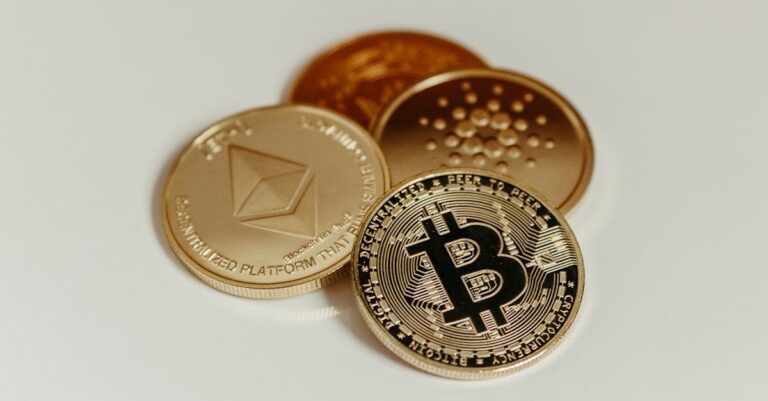
Recent cryptocurrency market dynamics saw Bitcoin’s ascent past $74,000, punishing bearish positions. Understand the forces driving these powerful surges and what they mean for your wealth-building strategy.
The cryptocurrency market recently witnessed a significant surge, with Bitcoin breaking through a crucial resistance level of $73,000 to reach $74,484. This upward movement triggered substantial liquidations of bearish bets, amounting to hundreds of millions of dollars. The event underscores the volatile yet potentially rewarding nature of digital asset investing, providing crucial lessons for those aiming to build wealth through strategic market participation.
This remarkable price action was not isolated to Bitcoin alone. Ethereum (ETH) and Solana (SOL) also experienced notable gains, with ETH leading the charge among major tokens. Such market shifts are often influenced by a complex interplay of geopolitical developments, macroeconomic factors, and inherent market dynamics. For investors, understanding these influences is paramount to navigating the digital asset landscape effectively.
The breaking of the $73,000 ceiling, which had previously capped several rallies, signals a renewed bullish sentiment in the market. This article delves into the specifics of this surge, explores the catalysts behind it, examines the consequences for various market participants, and offers insights into what these developments mean for your personal finance and wealth accumulation goals.
The Geopolitical Catalyst: Why Bitcoin Broke $73,000
The recent surge in Bitcoin and other digital assets was not purely a technical phenomenon; it was significantly influenced by evolving geopolitical landscapes. Specifically, signals regarding renewed diplomatic talks with Tehran played a pivotal role in shifting market sentiment from apprehension to optimism. This demonstrates how global political developments, even those seemingly distant from financial markets, can have profound effects on asset prices, especially in the highly reactive crypto space.
For weeks, the market had been gripped by uncertainty following the onset of a regional conflict. This geopolitical tension had exerted downward pressure on risk assets, including cryptocurrencies, leading to a period of consolidation and caution among investors. The $73,000 level for Bitcoin had become a psychological and technical ceiling, reflecting the market’s hesitancy in the face of ongoing instability.
However, when reports emerged signaling a willingness to resume peace talks, the market responded almost immediately. This shift in diplomatic outlook reduced perceived geopolitical risks, leading investors to re-evaluate their positions. The easing of international tensions often encourages a ‘risk-on’ environment, where investors are more inclined to move capital into assets with higher growth potential, such as cryptocurrencies.
Diplomatic Shifts and Market Sentiment
The announcement by a prominent political figure regarding openness to renewed talks with Tehran was a game-changer. This news swiftly erased losses across various asset classes that had been triggered by the earlier conflict. In the world of digital assets, where sentiment often dictates price movements, such positive geopolitical news can act as a powerful catalyst. It alleviates fears of wider conflict and its potential economic ramifications, allowing capital to flow back into growth-oriented investments.
The market’s reaction highlights the interconnectedness of global events. A political development in one region can have ripple effects across financial markets worldwide. For digital asset investors, this emphasizes the importance of staying informed not only about crypto-specific news but also about broader international relations and macroeconomic indicators. These external factors can often provide leading signals for market trends.
Furthermore, the market interpreted a strategic blockade of a key waterway not as an escalation, but rather as a calculated pressure tool. This nuanced understanding suggests that market participants believed the action was designed to curb specific revenues while simultaneously paving the way for eventual de-escalation and resumption of trade. Such interpretations are critical in shaping investor confidence and influencing asset valuations.
The Strait of Hormuz: A Calculated Pressure Point
The blockade of the Strait of Hormuz, a crucial global shipping lane, initially raised concerns about potential disruptions to global oil supplies and trade. However, as the situation unfolded, market analysts began to interpret this action as a strategic maneuver rather than an outright escalation of conflict. This perception was vital in preventing a deeper panic across financial markets.
For the cryptocurrency market, this nuanced interpretation meant that the initial fear premium began to dissipate. Instead of signaling an imminent worsening of the situation, the market processed the blockade as a means of leverage in diplomatic negotiations. This change in perception contributed to the broader ‘risk-on’ sentiment that propelled Bitcoin and other digital assets higher.
The ability of markets to differentiate between genuine escalation and strategic pressure points is a testament to the sophistication of global financial analysis. It also underscores the need for investors to look beyond initial headlines and understand the underlying context of geopolitical events. A well-informed perspective can significantly impact investment decisions and outcomes.
The Avalanche of Liquidations: Bearish Bets Crumble
The rapid ascent of Bitcoin past $73,000 had a dramatic effect on market participants, particularly those holding short positions. This surge triggered massive liquidations, totaling approximately $534 million across 180,000 traders. A staggering $430 million of these liquidations came from short positions, marking one of the most significant ‘short squeezes’ in recent memory. Understanding this phenomenon is crucial for anyone engaging with or observing the digital asset markets.
A short position is essentially a bet that an asset’s price will fall. Traders ‘short’ an asset by borrowing it, selling it at the current price, and intending to buy it back later at a lower price to return it to the lender, profiting from the difference. However, if the asset’s price rises significantly instead, these positions incur substantial losses. When losses reach a certain threshold, often amplified by leverage, exchanges automatically close these positions to prevent further losses for the trader and the exchange. This forced closure is known as a liquidation.
The sheer scale of these liquidations indicates how heavily the market was positioned for Bitcoin to fail at the $73,000 resistance level. Many traders believed that this ceiling would hold, leading them to open numerous short positions. When Bitcoin decisively broke above this level, it caught these bearish traders off guard, leading to a cascade of forced selling that further fueled the upward price momentum.
Understanding Short Positions and Their Risks
For investors focused on wealth building, understanding short positions is important, even if you primarily engage in long-term buying and holding. Short selling is a high-risk strategy, often employed by experienced traders, that can lead to substantial gains but also potentially unlimited losses. The profit potential is capped (to the asset’s price falling to zero), but the loss potential is theoretically infinite if the asset’s price continues to rise indefinitely.
The use of leverage significantly amplifies both potential gains and losses in short positions. Leverage allows traders to control a larger position with a smaller amount of capital. While this can magnify profits on correct bets, it also dramatically increases the risk of liquidation if the market moves against the position, as seen in the recent Bitcoin surge. A small price movement can lead to a rapid wipeout of capital.
The ‘Work to Wealth’ philosophy often advocates for prudent, risk-managed investment. For most individuals seeking to accumulate wealth, engaging in highly leveraged short-selling in volatile markets like cryptocurrency is generally not recommended due to the inherent risks. Instead, focusing on fundamental analysis, long-term trends, and strategic allocation tends to be a more sustainable path to financial growth.
The Scale of the Squeeze: $430 Million Lost
The liquidation figures are staggering: $430 million from short positions alone. This second major squeeze in less than a week indicates a persistent misjudgment by a significant segment of the market regarding Bitcoin‘s immediate direction. The 12-hour window where the damage concentrated, with $379 million wiped out and $327 million from shorts, vividly illustrates the rapid and intense nature of the event.
The ratio of short to long liquidations, roughly 4-to-1 over 12 hours, underscores the heavy bearish positioning. Many traders had evidently ignored previous signals or were simply caught in the momentum of a market that had already punished similar bets. This highlights a common pitfall in trading: letting preconceived notions or past performance dictate future expectations, rather than adapting to new market information.
For long-term investors, such events serve as a powerful reminder of market volatility and the dangers of speculative trading. While these liquidations represent significant losses for some, they simultaneously contribute to the upward price pressure for those holding long positions, illustrating the zero-sum nature of such leveraged derivatives markets. It’s a clear demonstration of why market timing and excessive leverage are often detrimental to sustained wealth building.
Beyond Bitcoin: Ethereum, Solana, and the Altcoin Resurgence
While Bitcoin‘s breakout dominated headlines, the broader cryptocurrency market also experienced significant upward momentum. Ethereum (ETH) and Solana (SOL), along with several other major altcoins, posted impressive gains, indicating a healthy, diversified rally across the digital asset ecosystem. This performance highlights the growing maturity and interconnectedness of the crypto market, where different assets often move in tandem but with varying degrees of intensity.
Ethereum, in particular, stood out, leading the majors with a 7.7% jump. This brought its weekly gain to 12.4%, significantly outperforming Bitcoin during this period. Such outperformance by a major altcoin is often a sign of increased confidence in the overall market and a willingness among investors to explore assets beyond the dominant digital currency.
Solana also climbed, posting a 4.6% gain, contributing to a 7.6% weekly increase. Other assets like BNB, XRP, and Dogecoin saw respectable gains, with every asset in the top 10 by market capitalization finishing the day and week in positive territory. This broad-based rally suggests that the positive sentiment triggered by geopolitical developments and Bitcoin‘s breakout extended across various segments of the market.
Ethereum’s Dominance in the Surge
Ethereum’s strong performance often reflects increasing utility and developer activity within its ecosystem. As the foundational blockchain for countless decentralized applications (dApps), decentralized finance (DeFi) protocols, and non-fungible tokens (NFTs), ETH’s value proposition extends beyond mere speculative trading. Its continued development and upcoming upgrades contribute to its appeal as a long-term investment.
For wealth builders, Ethereum represents a different investment thesis compared to Bitcoin. While Bitcoin is often viewed as “digital gold” or a store of value, Ethereum is seen as a programmable platform with vast potential for innovation. Diversifying a digital asset portfolio to include assets like Ethereum allows investors to participate in different facets of the crypto economy and mitigate risk associated with over-reliance on a single asset.
The market’s recognition of Ethereum’s fundamental strength is evidenced by its ability to outperform Bitcoin during periods of broader market rallies. This makes ETH an important consideration for a well-rounded digital asset strategy, especially for those interested in the future of decentralized technology and its applications.
Solana and Other Altcoins Catching Up
Solana’s performance, alongside other altcoins, indicates a broadening of investor interest. Solana has gained traction due to its high transaction throughput and lower fees compared to some other blockchain networks, making it attractive for various applications, including DeFi and gaming. As confidence returns to the market, capital often flows into these alternative layer-1 solutions, seeking higher growth potential.
Smaller tokens, such as RAVE, also saw extreme price surges, with one reporting a 66% increase, leading to $43 million in liquidations on its own. While these smaller cap tokens can offer astronomical returns, they also come with significantly higher risk and volatility. For the average ‘Work to Wealth’ investor, extensive due diligence and a high-risk tolerance are necessary before considering such speculative investments.
The rally across various altcoins underscores the importance of a diversified approach within the digital asset sector. While Bitcoin remains the benchmark, strategic allocations to other established and promising projects can enhance overall portfolio returns. However, it is crucial to balance the allure of high growth with a realistic assessment of risk.
Diversification in Digital Assets
The recent market movements serve as a potent reminder of the benefits of diversification within a digital asset portfolio. Relying solely on Bitcoin, while a valid strategy for many, may mean missing out on significant gains from other strong performers like Ethereum and Solana. A diversified portfolio can help spread risk and capture growth across different segments of the crypto market.
When considering diversification, it’s not just about owning multiple assets, but understanding their distinct use cases, technological foundations, and market positions. For instance, holding both Bitcoin (as a store of value) and Ethereum (as a platform for dApps) offers exposure to different value propositions within the crypto ecosystem.
Investors should research and understand the projects they are investing in, focusing on long-term potential rather than short-term hype. This approach aligns with the ‘Work to Wealth’ philosophy of building sustainable financial growth through informed decision-making and strategic planning, rather than chasing every fleeting trend.
Connecting Crypto to the Broader Economic Landscape
The performance of Bitcoin and other digital assets rarely occurs in a vacuum. They are increasingly intertwined with traditional financial markets and broader macroeconomic trends. The recent surge in cryptocurrencies coincided with positive developments in equity markets and commodity prices, highlighting this growing correlation. Understanding these connections is vital for a holistic investment strategy.
As Bitcoin breached its resistance, the S&P 500, a key indicator of the broader equity market, had already erased all losses triggered by the earlier regional conflict. The MSCI All Country World Index was also heading for its eighth consecutive day of gains, marking the longest winning streak in several months. This synchronized recovery across asset classes suggests a significant shift in global investor confidence.
This correlation implies that cryptocurrencies are maturing as an asset class, becoming more integrated into the global financial system rather than operating entirely independently. While they still exhibit higher volatility, their responsiveness to macro events, alongside traditional assets, is becoming more pronounced. This trend offers both opportunities and challenges for investors.
Traditional Markets React: S&P 500 Recovers
The S&P 500’s swift recovery, coupled with the extended winning streak of the global equity index, reflects a broader return of investor confidence. This sentiment often spills over into the digital asset space. When traditional markets are perceived as stable or on an upward trajectory, investors are typically more willing to allocate capital to higher-risk, higher-reward assets like cryptocurrencies.
The simultaneous rebound underscores the narrative that digital assets, particularly Bitcoin, are increasingly viewed as a ‘risk-on’ asset. This means they tend to perform well during periods of economic optimism and strong market momentum, similar to growth stocks. Conversely, they may face headwinds during periods of heightened uncertainty or economic contraction.
For investors accustomed to traditional markets, observing these correlations can provide valuable insights. It suggests that a comprehensive understanding of global economic trends, central bank policies, and geopolitical stability is just as important for digital asset investing as it is for equity or bond investing. This integrated approach is a cornerstone of prudent wealth management.
Oil Prices and Inflationary Pressures
Another crucial macroeconomic indicator that reacted positively was the price of Brent crude oil, which fell by 1.3%. This decline suggests that markets were pricing in the possibility of fresh diplomatic talks, which could alleviate concerns about supply disruptions and reduce geopolitical risk premiums on oil. Lower oil prices often lead to eased inflation concerns, as energy costs are a significant component of overall consumer prices.
Simultaneously, Treasury yields, which are sensitive to inflation expectations and interest rate outlooks, fell by one basis point. This further reinforced the market’s belief that inflationary pressures might be moderating. For assets like Bitcoin, which are sometimes seen as a hedge against inflation (though this narrative can be debated), reduced inflation concerns can still be a positive, as it signals a more stable economic environment, fostering general investor confidence.
The interplay between oil prices, inflation, and Treasury yields directly impacts central bank policy decisions, particularly regarding interest rates. A more stable inflationary outlook can lead central banks to adopt less aggressive monetary tightening policies, which are generally favorable for risk assets like cryptocurrencies. This intricate web of economic factors highlights the complexity of market analysis and the need for a multi-faceted perspective when investing in digital assets.
Navigating the Path Forward: Bitcoin’s Next Hurdles and Opportunities
With Bitcoin having successfully breached the $73,000 ceiling, attention now turns to its next potential resistance levels and the broader market trajectory. For investors, identifying these key points is fundamental to making informed decisions and managing expectations. Technical analysis, combined with insights from market behavior, can provide valuable clues about future price movements.
According to analysis from a recognized financial analytics firm, the next key resistance for Bitcoin is near $79,000. This level is identified as the “Traders’ Realized Price,” which represents the point where active traders who bought during previous drawdowns would return to breakeven. Historically, such breakeven points often act as selling pressure zones, as these traders may opt to exit their positions without incurring a loss.
The path between the current price and this $79,000 resistance level is perceived to have less technical resistance than at any point since the geopolitical conflict began. This suggests that if the current momentum holds, Bitcoin could potentially ascend to this level with less friction than it encountered at $73,000. However, markets are inherently unpredictable, and various factors could still introduce volatility.
Identifying Key Resistance Levels: The $79,000 Mark
Understanding resistance levels is a cornerstone of technical analysis. A resistance level is a price point where an asset’s upward movement is expected to pause or reverse due to a concentration of selling interest. For Bitcoin, the $73,000 mark served as a strong resistance, having rejected rallies multiple times. Its decisive break is therefore a significant bullish signal.
The $79,000 “Traders’ Realized Price” is a specific type of resistance that is derived from on-chain data and trader behavior. It reflects the average price at which a significant cohort of active traders acquired their Bitcoin. When the price approaches this level, these traders, who may have been underwater on their investment, see an opportunity to sell and recover their capital. This creates natural selling pressure.
For individuals building wealth, recognizing these technical and psychological levels is important for managing risk and setting realistic expectations. While not guarantees, they provide potential scenarios for price action and can help inform decisions regarding portfolio rebalancing or profit-taking strategies.
Technical Analysis and Trader Psychology
The current market situation vividly illustrates the interplay between technical analysis and trader psychology. The break above $73,000 was not just a line on a chart; it was a psychological barrier. Its breach changed market sentiment, transforming widespread bearishness into renewed optimism and triggering a massive short squeeze that fueled further gains.
Trader psychology plays a huge role in market movements. Fear of missing out (FOMO) can drive prices higher during rallies, while fear and panic can lead to rapid sell-offs. The recent liquidations demonstrate how powerful collective market sentiment, when positioned incorrectly, can be self-destructive for those on the wrong side of the trade.
For the ‘Work to Wealth’ investor, the lesson here is to avoid letting emotion dictate investment decisions. While technical analysis provides valuable tools, it should be used in conjunction with a sound, long-term investment strategy that considers fundamental value, risk tolerance, and diversification. Understanding market psychology helps in anticipating potential reactions, but it should not override rational decision-making.
Risk Management in a Volatile Landscape
Despite the recent positive momentum, the digital asset market remains inherently volatile, and risks persist. For anyone looking to build wealth through cryptocurrencies, robust risk management strategies are not just advisable; they are essential. The very factors that contributed to the recent surge—geopolitical shifts—can quickly reverse course, introducing new uncertainties.
Geopolitical risks, such as the ongoing tensions in various regions and the fragility of peace talks, continue to loom. While the market may have interpreted recent actions as calculated pressure rather than escalation, the situation remains fluid. Any breakdown in diplomatic efforts or unforeseen developments could quickly reignite fears and trigger another period of market downturn.
The rapid and significant liquidations witnessed in the past week serve as a stark reminder of the financial dangers of highly leveraged positions and speculative bets. While tempting, trying to time the market or amplify returns with excessive leverage can lead to catastrophic losses, wiping out years of accumulated wealth in a matter of hours.
Geopolitical Risks: An Enduring Factor
The core geopolitical risks, though seemingly eased, have not entirely vanished. The agreement regarding a cease-fire, for instance, has an expiration date, and its renewal is not guaranteed. Future negotiations and policy decisions will continue to influence global stability and, consequently, risk asset markets.
Investors must remain vigilant about international developments. News regarding trade relations, political leadership changes, and regional conflicts can all impact global economic sentiment and, by extension, the performance of digital assets. Diversifying across different asset classes, not just within crypto, can help buffer a portfolio against sudden geopolitical shocks.
A resilient ‘Work to Wealth’ strategy acknowledges that external uncertainties are a constant in investing. It prioritizes capital preservation and sustainable growth over chasing short-term gains driven by fleeting news cycles. This involves maintaining a portion of one’s portfolio in less volatile assets and ensuring that crypto allocations are proportionate to one’s overall risk tolerance.
The Importance of a Prudent Investment Strategy
For most investors, particularly those focused on long-term wealth accumulation, a prudent investment strategy in digital assets means adopting a long-term perspective. This involves investing in projects with strong fundamentals, clear use cases, and established communities, rather than chasing every new token or hype cycle.
Diversification, as discussed earlier, is a critical component of risk management. Spreading investments across different cryptocurrencies, as well as maintaining a balanced portfolio of traditional assets, helps mitigate the impact of adverse movements in any single asset class. Regular rebalancing of the portfolio ensures that risk exposure remains aligned with initial investment goals.
Furthermore, never invest more than you can afford to lose. The high volatility of cryptocurrencies means that significant price swings are commonplace. Being prepared for these fluctuations, both mentally and financially, is key to avoiding panic selling during downturns and making rational decisions over the long haul. Education and continuous learning about the market are also indispensable tools for prudent investing.
Lessons from the Crypto Sphere: Beyond the Daily Fluctuation
Beyond the immediate excitement of price surges and liquidations, the cryptocurrency space continually offers broader lessons for investors. Recent headlines involving celebrity investors, regulatory bodies, and industry perspectives provide additional context and cautionary tales for those navigating this evolving asset class. These insights are invaluable for a ‘Work to Wealth’ investor looking for sustainable strategies.
The story of a well-known celebrity DJ, who once championed NFTs and predicted their mainstream adoption, quietly liquidating most of his crypto holdings, including prominent altcoins and significantly devalued digital collectibles, serves as a powerful reminder. This individual, who reportedly sold his Shiba Inu (SHIB), Ethereum (ETH), and PEPE, and saw his once-valuable Bored Ape Yacht Club NFTs plummet in value, illustrates the perils of celebrity-endorsed trends and the importance of fundamental value over hype.
Similarly, regulatory developments, such as a major financial regulator’s stance on software enabling crypto wallet transactions or the security incidents faced by trusted trading platforms, shape the operational landscape for digital assets. These events highlight the ongoing efforts to integrate crypto into existing financial frameworks and the critical need for robust security measures.
The Case of the Celebrity Investor: A Cautionary Tale
The celebrity investor’s experience, where his once high-value NFT collection declined by a reported 88%, underscores a crucial lesson: chasing trends, especially those fueled by celebrity endorsements, often leads to disappointment. While passion and enthusiasm can drive market interest, they do not inherently create long-term value. True wealth building relies on sound analysis, understanding intrinsic value, and avoiding speculative bubbles.
This situation also highlights the speculative nature of certain segments of the crypto market, particularly non-fungible tokens. While NFTs have innovative technological underpinnings, their market valuations can be highly subjective and prone to extreme volatility. For most wealth builders, allocating a significant portion of capital to such highly speculative assets carries disproportionately high risk.
The ‘Work to Wealth’ approach emphasizes making investment decisions based on thorough research and a clear understanding of risk, rather than succumbing to peer pressure or the allure of quick riches promised by fads. Learning from others’ missteps, even those of famous figures, can be a valuable part of an investor’s education.
Regulatory Developments: Shaping the Future
Recent statements from a major financial regulator, clarifying that software facilitating crypto wallet transactions is not automatically considered a broker, provide a glimpse into the evolving regulatory landscape. Such clarity, even if incremental, is crucial for fostering institutional adoption and reducing legal uncertainties for businesses operating in the crypto space.
Incidents like a respected crypto exchange being targeted in an extortion attempt, even if client funds were not compromised, remind investors about the paramount importance of platform security. Choosing reputable exchanges and wallet providers with strong security protocols and a track record of protecting user assets is non-negotiable for safeguarding one’s digital wealth.
Another prominent figure in the stablecoin space affirmed a commitment not to freeze user funds without a court order, even in the face of significant exploits. This stance is vital for maintaining trust and decentralization principles, which are core to the crypto ethos. These ongoing discussions and incidents collectively shape the future operating environment for digital assets, influencing their mainstream adoption and regulatory treatment.
Evolving Perceptions of Value
The perspective from a prominent financial analyst, who described Ethereum as the “wartime store of value” with its holdings hitting significant token counts, offers an alternative view on asset valuation. While Bitcoin is often cited as the primary store of value in the crypto world, this viewpoint suggests that Ethereum’s robust ecosystem and continuous development also give it resilience during periods of instability.
This evolving perception of value is important for investors to consider. Different cryptocurrencies may serve different purposes within a portfolio. Bitcoin may indeed act as a hedge against fiat currency devaluation, while Ethereum’s utility as a platform for decentralized applications and smart contracts might give it a different kind of inherent value and resilience.
Understanding these diverse value propositions allows investors to construct more nuanced and resilient digital asset portfolios. It moves beyond a one-size-fits-all approach and encourages a deeper dive into the technological and economic fundamentals of various crypto projects. This analytical rigor is a hallmark of successful wealth accumulation strategies.
Building Wealth with Digital Assets: A ‘Work to Wealth’ Perspective
Integrating digital assets into a comprehensive ‘Work to Wealth’ strategy requires more than simply buying and holding. It demands a thoughtful approach to strategic allocation, continuous learning, and diligent risk management. The recent market movements, with Bitcoin‘s surge and significant liquidations, offer numerous actionable insights for those committed to long-term financial growth.
Firstly, prioritize education. The digital asset space is complex and rapidly evolving. Understanding blockchain technology, different cryptocurrency projects, market cycles, and the macroeconomic factors that influence them is crucial. Informed decisions are the bedrock of successful investing and help in navigating volatility with confidence.
Secondly, adopt a long-term perspective. While short-term trading can be alluring, it is often a high-stress, high-risk endeavor for most individual investors. Focusing on the long-term potential of established digital assets, much like investing in quality stocks for decades, tends to yield more sustainable wealth accumulation.
Strategic Allocation and Long-Term Vision
A core principle of ‘Work to Wealth’ is strategic asset allocation. For digital assets, this means determining an appropriate percentage of your total investment portfolio to dedicate to cryptocurrencies, based on your risk tolerance, financial goals, and time horizon. This allocation should be part of a broader financial plan, not an isolated decision.
Within your crypto allocation, consider diversification. While Bitcoin may be the foundational holding for many, exploring assets like Ethereum and Solana, based on their individual merits and growth potential, can enhance returns and spread risk. Avoid over-concentration in highly speculative or unproven tokens, especially with significant capital.
Maintain a long-term vision. The cryptocurrency market is known for its dramatic cycles of booms and busts. Investors with a long-term mindset are better equipped to ride out these periods of volatility, focusing on the underlying technological innovation and potential for widespread adoption, rather than reacting to every price fluctuation. This patience is a virtue in wealth building.
Due Diligence and Platform Security
Thorough due diligence is non-negotiable when investing in digital assets. This involves researching the technology, team, use case, and community behind each cryptocurrency project. Understand the whitepaper, assess the project’s roadmap, and evaluate its competitive landscape. Avoid investing in projects solely based on social media hype or celebrity endorsements.
Equally important is the security of your digital assets. Choose reputable and regulated exchanges or brokers for buying and selling. For storing larger amounts of cryptocurrencies, consider hardware wallets or other secure self-custody solutions, which give you full control over your private keys. Implement strong passwords, two-factor authentication, and be wary of phishing attempts.
Regularly review and update your security practices. The digital threat landscape is constantly evolving, and staying informed about best practices for protecting your digital wealth is essential. The ‘Work to Wealth’ approach emphasizes proactive measures to safeguard your assets from potential risks.
Staying Informed and Adapting Your Strategy
The cryptocurrency market is dynamic, influenced by technological advancements, regulatory changes, and global economic shifts. Staying informed through credible news sources and research is vital. Understand how geopolitical events, inflation data, and interest rate decisions can impact digital asset valuations.
Be prepared to adapt your investment strategy as new information emerges or as your financial circumstances change. This doesn’t mean constantly tinkering with your portfolio, but rather being open to re-evaluating your allocations and risk exposure periodically. A flexible mindset, combined with a disciplined approach, is key to navigating the unpredictable nature of digital asset investing.
Ultimately, building wealth with digital assets is a journey that requires patience, discipline, and a commitment to continuous learning. By understanding market dynamics, managing risks effectively, and maintaining a long-term vision, individuals can leverage the transformative potential of cryptocurrencies to achieve their ‘Work to Wealth’ aspirations.
Frequently Asked Questions
How can I avoid significant losses from market volatility when investing in Bitcoin?
To mitigate significant losses from Bitcoin‘s volatility, focus on a long-term investment strategy rather than short-term trading. Diversify your digital asset portfolio beyond just Bitcoin, invest only what you can afford to lose, and use dollar-cost averaging to smooth out your entry price. Avoid highly leveraged positions, as these amplify both gains and losses. Staying informed about market fundamentals and geopolitical events can also help you make more informed decisions.
What are short liquidations, and why should I care about them as a long-term cryptocurrency investor?
Short liquidations occur when a trader who has bet against an asset (a “short” position) sees the asset’s price rise significantly, leading to their leveraged position being automatically closed by the exchange to prevent further losses. As a long-term cryptocurrency investor, you should care because massive short squeezes, like the recent one on Bitcoin, indicate a strong upward price momentum and can signal a shift in market sentiment. While you may not engage in short selling, understanding these dynamics provides insight into market health and potential future price movements.
How do geopolitical events, like diplomatic talks, impact my Bitcoin investments?
Geopolitical events can significantly impact your Bitcoin investments by influencing overall market sentiment and risk appetite. Positive developments, such as renewed diplomatic talks, can reduce perceived global risks, encouraging investors to move capital into ‘risk-on’ assets like cryptocurrencies. Conversely, escalating conflicts or political instability can lead to a ‘risk-off’ environment, causing prices to decline. Bitcoin is increasingly correlated with traditional financial markets, so global events have a tangible effect on its price.
I’m frustrated by the complexity of crypto. Where should I start to build wealth with digital assets?
If you’re frustrated by the complexity, start with the basics. Begin by educating yourself on core concepts of blockchain and major cryptocurrencies like Bitcoin and Ethereum. Focus on long-term investment in established projects rather than chasing speculative trends. Allocate a small, manageable portion of your portfolio that you’re comfortable losing, and gradually increase your knowledge and exposure. Use reputable exchanges, prioritize security, and consider dollar-cost averaging to simplify your entry strategy.
Should I diversify my crypto portfolio beyond Bitcoin, and if so, with which assets?
Yes, diversification beyond Bitcoin is often recommended to capture growth from different segments of the digital asset market and spread risk. Ethereum (ETH) is a strong candidate due to its foundational role in decentralized applications and smart contracts. Solana (SOL) is another popular choice known for its high transaction speed and growing ecosystem. However, always conduct thorough due diligence on any asset you consider, understanding its technology, use case, and long-term potential before investing.