

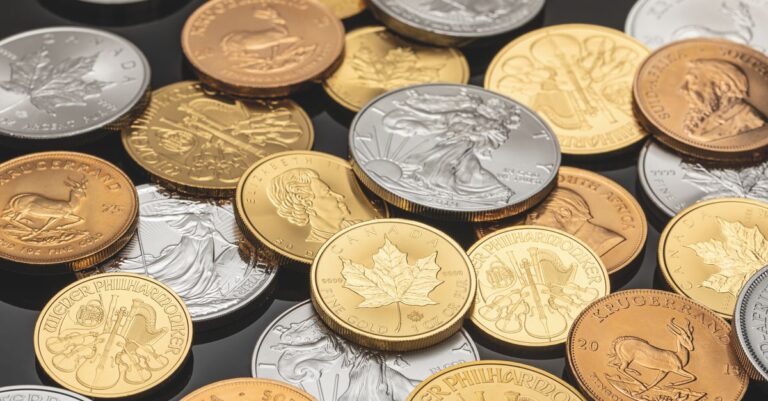
Learn how to safeguard your wealth. This practical precious metals forecast helps you navigate volatile market shifts and optimize asset allocation.
Market volatility and shifting global economic policies often leave everyday investors searching for stable ways to protect their hard-earned capital. Understanding the latest precious metals forecast can help you make informed decisions when balancing your portfolio between traditional equities and physical assets. With energy costs fluctuating and international trade dynamics shifting, tangible commodities like gold and silver continue to serve as vital hedges against currency depreciation.
Historically, precious metals have preserved purchasing power during periods of fiscal expansion and geopolitical tension. By evaluating key support levels and price targets, you can strategically allocate resources without exposing your portfolio to unnecessary risks. Let us dive into the practical mechanisms of commodity forecasting and how you can apply these insights to your personal financial strategy.
Understanding the Forces Behind the Commodity Rebound
Commodity prices do not move in a vacuum; they are highly sensitive to monetary policy, currency strength, and global supply chains. When major central banks hint at pausing interest rate hikes or when international diplomatic agreements ease supply chain pressures, safe-haven assets react immediately. For instance, a decline in energy costs can temporarily lower inflation expectations, which historically reduces the immediate opportunity cost of holding non-yielding assets like gold and silver.
Furthermore, the relative strength of the global reserve currency plays a massive role in commodity pricing. When the primary global currency index faces resistance or drops below key technical levels, dollar-denominated commodities naturally become cheaper for international buyers. This inverse relationship is a cornerstone of macroeconomic analysis and should guide your entry points when acquiring physical assets.
Another critical metric to watch is the gold-to-silver ratio, which measures how many ounces of silver it takes to purchase a single ounce of gold. Historically, a declining ratio indicates that silver is outperforming gold, which often signals a broader, highly active commodity cycle. Monitoring this ratio allows investors to identify which metal offers better relative value at any given moment.
How to Use a Precious Metals Forecast for Asset Allocation
Incorporating a professional precious metals forecast into your financial planning requires a systematic approach rather than emotional speculation. Instead of trying to time the exact market top or bottom, experienced investors use forecasted support zones to establish clear entry and exit points. For example, if reliable technical data points to a major accumulation zone for gold at $4,000 and silver at $60, these levels can serve as your baseline for purchasing.
Here are several practical ways to integrate these forecasts into your portfolio management:
- Establish Risk Boundaries: Use forecasted support levels to set stop-loss orders or to determine when a downward trend invalidates your initial investment thesis.
- Dollar-Cost Averaging (DCA): Allocate a fixed dollar amount to metals monthly, increasing your purchasing velocity slightly when prices dip toward primary buy zones.
- Rebalance Volatility: If a surge in silver pushes your commodity allocation beyond your target threshold (e.g., 5% to 10% of your total portfolio), consider taking profits to reinvest in undervalued equities.
By treating these forecasts as maps of probability rather than guarantees, you protect yourself from the psychological traps of market hype. A disciplined approach ensures that your commodity holdings remain a protective shield rather than a speculative danger.
Physical Assets vs. Paper Securities: Weighing the Trade-offs
When acting on a commodity forecast, you must decide between owning physical bullion or investing in paper-based financial instruments. Physical ownership offers unmatched security during systemic banking failures, as it carries no counterparty risk. However, holding physical gold and silver requires secure storage, insurance, and often carries higher dealer premiums upon purchase and liquidation.
On the other hand, exchange-traded funds (ETFs) and mining equities offer high liquidity and low transaction costs. These paper assets allow you to gain exposure to price movements instantly through a recognized investment platform. The trade-off is that you do not own the underlying metal directly, and your investment is subject to stock market volatility and fund management fees.
For most long-term savers, a hybrid approach works best. Keeping a small percentage of net worth in physical possession provides peace of mind, while utilizing liquid securities allows you to capitalize quickly on short-term price swings outlined in weekly market updates.
Mitigating Risks and Avoiding Common Investing Pitfalls
While the prospect of gold reaching $4,500 or silver targeting $72 is exciting, commodity markets are notoriously volatile. Sudden policy shifts by major central banks can quickly reverse bullish trends, leaving over-leveraged investors facing steep paper losses. Therefore, risk management must always take precedence over profit targets.
To safeguard your capital, avoid using excessive leverage through derivatives or margin accounts unless you are an experienced professional trader. Always maintain a diversified portfolio that includes cash reserves, dividend-paying equities, and real estate. Precious metals should act as the anchor of your wealth preservation strategy, not the entirety of your investment vehicle.
Lastly, keep a close eye on major macroeconomic reports, such as the Consumer Price Index (CPI) and employment data. These indicators dictate the trajectory of interest rates, which remain the ultimate driver of precious metal valuations over multi-year cycles.
Frequently Asked Questions
How do I protect my savings from inflation using precious metals?
To protect your savings, allocate a modest portion of your portfolio (typically 5% to 10%) to gold or silver. These assets have historically maintained their purchasing power over long periods because, unlike fiat currency, their supply cannot be artificially expanded by governments.
What should I do if a sudden market drop causes massive commodity losses?
Avoid panic selling during sudden downturns. Review the long-term fundamentals of your investment and check if the price is still holding above major historical support levels. If you did not use leverage, paper losses only become permanent if you sell at the bottom of a market cycle.
How can I easily buy physical gold without paying high dealer premiums?
To minimize premiums, buy standard bullion bars or widely circulated sovereign coins rather than rare numismatic coins. Compare prices across multiple trusted financial institutions and online dealers, and purchase in larger quantities when possible to qualify for bulk pricing discounts.