

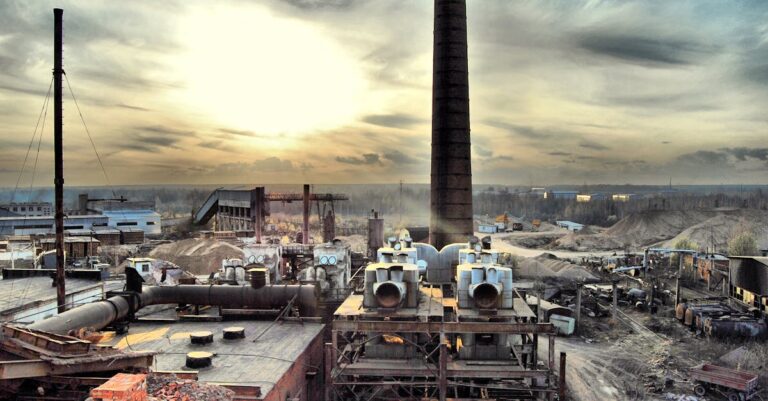
Discover how industrial giants repurpose idle sites into critical digital asset energy infrastructure, fueling new wealth opportunities. Explore strategic shifts and market compatibility.
The landscape of industrial real estate is undergoing a profound transformation, driven by the insatiable energy demands of the digital economy. What once served as the backbone of heavy manufacturing is now being eyed as prime territory for the next wave of technological innovation: Bitcoin mining, high-performance computing, and artificial intelligence data centers. This strategic pivot, exemplified by major corporate moves, signals a significant shift in how assets are valued and repurposed, offering compelling insights for investors and wealth builders.
At the heart of this evolving trend is the principle of `Digital Asset Energy Infrastructure`. This refers to the specialized power systems and physical sites equipped to support the immense computational needs of digital assets and advanced computing. Unlike typical commercial properties, these operations demand constant, reliable, and often massive amounts of electricity. The shift from a smelter to a server farm might seem radical, but it’s a logical step when considering the foundational requirement: energy, and lots of it.
The recent news that Alcoa, a major aluminum producer, is in advanced negotiations to sell its dormant Massena East smelter in upstate New York to NYDIG, a Bitcoin mining firm, crystallizes this phenomenon. This transaction is more than just a real estate deal; it represents a strategic reallocation of capital and infrastructure from a legacy industry to a burgeoning digital one. For investors, understanding the drivers behind such transactions can illuminate new pathways to wealth creation and portfolio diversification.
The Alcoa-NYDIG Transaction: A Blueprint for Digital Asset Energy Infrastructure
The specifics of the Alcoa-NYDIG deal, as reported by CoinDesk on April 18, 2026, paint a clear picture of what makes these dormant industrial sites so attractive. Alcoa’s Massena East smelter ceased aluminum production in 2014, but its fundamental assets—particularly its heavy-duty electrical infrastructure and direct access to carbon-free hydropower—remain incredibly valuable. This isn’t about the old factory buildings themselves, but the vital arteries of power that feed them.
Aluminum smelters are designed to operate continuously, consuming vast amounts of electricity. They are typically equipped with dedicated substations and high-capacity transmission lines, built to handle immense power loads. When a smelter shuts down, this critical infrastructure, often custom-built and incredibly expensive to establish from scratch, lies dormant. For companies seeking to power `Digital Asset Energy Infrastructure`, this pre-existing setup is a golden ticket.
Furthermore, the Massena East site’s location along the St. Lawrence River provides access to hydropower from the New York Power Authority. This access to low-cost, carbon-free energy is a significant draw for Bitcoin miners and other energy-intensive digital operations. It addresses two critical concerns: operational cost efficiency and environmental sustainability, both increasingly important factors in the digital asset space.
Alcoa’s CEO, Bill Oplinger, confirmed the advanced talks and anticipated deal closure by mid-2026, highlighting the company’s strategy to offload non-performing assets and capitalize on the demand for energy-ready industrial sites. This move allows Alcoa to streamline its portfolio and generate capital from assets that no longer serve its core business, demonstrating a shrewd financial maneuver in a dynamic economic climate.
Why Dormant Industrial Sites are Critical for Digital Asset Energy Infrastructure
The appeal of repurposing dormant industrial sites for `Digital Asset Energy Infrastructure` extends far beyond this specific Alcoa transaction. Several factors contribute to their magnetic pull for digital asset companies:
- Existing Robust Power Infrastructure: Setting up a new substation and connecting to the grid can take years and cost hundreds of millions of dollars. Dormant smelters, paper mills, or chemical plants often have this infrastructure already in place, dramatically reducing lead times and capital expenditure for new entrants.
- Reduced Grid Access Lead Times: The time required to secure grid access and permits for new, large-scale power consumption can be prohibitive. By acquiring a site with established connections, digital asset firms can cut years off their development timelines, enabling faster deployment and quicker revenue generation.
- Access to Low-Cost, Stable Energy: Many traditional heavy industries were strategically located near abundant and affordable energy sources, particularly hydropower or natural gas pipelines. These legacy energy contracts or direct access arrangements can be highly advantageous for digital asset operations, which thrive on predictable and inexpensive power.
- Carbon-Free and Sustainable Energy Options: The increasing focus on Environmental, Social, and Governance (ESG) factors makes sites with access to renewable energy sources like hydropower or geothermal particularly attractive. This allows digital asset companies to address criticisms regarding their carbon footprint and appeal to environmentally conscious investors.
- Economic Repurposing and Local Benefits: Repurposing idle industrial sites can breathe new life into communities that suffered from industrial decline. It creates new jobs (though often fewer than the original industries), generates tax revenue, and prevents valuable infrastructure from decaying. This community benefit can ease regulatory approvals and garner local support.
- Scalability Potential: These industrial sites are often vast, providing ample space for expansion of server farms and cooling infrastructure. This scalability is crucial for businesses in the rapidly growing digital asset and AI sectors.
The transaction between TeraWulf and Century Aluminum, involving a Kentucky smelter, further solidifies this trend. TeraWulf plans to transform the site into a digital infrastructure campus supporting high-performance computing and AI, showcasing the versatility of these repurposed industrial assets beyond just Bitcoin mining.
The Broader Trend: Industrial Asset Repurposing and the Digital Economy
The shift from heavy industry to digital operations isn’t isolated to aluminum smelters. Across various sectors, companies are evaluating their vast portfolios of physical assets for their underlying value, particularly their energy capacity. This phenomenon, which we can call ‘industrial asset repurposing,’ is creating a new class of valuable real estate and infrastructure.
Consider the history of industrial development: factories were built near raw materials, transportation hubs, and critically, cheap power. Many of these industrial power plants and grid connections are now outdated for their original purpose but perfectly suited for the demands of the digital age. This trend reflects a broader economic transformation where data, not manufactured goods, is becoming the primary output of these strategically located facilities.
This macro trend is fueled by the exponential growth of `Digital Asset Energy Infrastructure`. As AI models become more complex, as blockchain networks expand, and as the demand for high-performance computing intensifies, the need for robust and scalable energy solutions will only grow. Industrial sites offer a ready-made solution that bypasses many of the logistical and regulatory hurdles of greenfield development.
For investors, this means looking beyond the traditional uses of industrial land. An abandoned factory might no longer be viable for its original purpose, but its access to a major power line, a hydroelectric dam, or even a natural gas pipeline could make it an extremely valuable asset in the digital economy. This requires a shift in perspective, valuing infrastructure connectivity as much as, if not more than, the physical structures themselves.
The Energy Nexus: Powering Digital Asset Growth
The energy demands of digital assets are staggering. Bitcoin mining, in particular, is known for its high electricity consumption, often compared to the energy usage of small countries. Similarly, the training and operation of advanced AI models and high-performance computing clusters require immense computational power, translating directly into significant electricity needs.
This makes the availability of stable, affordable, and ideally sustainable energy the single most critical factor for the growth of `Digital Asset Energy Infrastructure`. The convergence of industrial sites with existing power infrastructure and renewable energy sources, therefore, creates a powerful synergy.
Hydropower, as seen with the Massena East smelter, is particularly attractive because it offers constant, predictable power generation without the intermittency issues of solar or wind, or the carbon emissions of fossil fuels. This reliability is crucial for operations that run 24/7 and cannot tolerate downtime.
The environmental considerations are also becoming paramount. The digital asset industry has faced scrutiny over its environmental footprint. By leveraging renewable energy sources and repurposing existing infrastructure, companies can significantly reduce their impact, making their operations more palatable to regulators, environmental groups, and ESG-focused investors. This strategic choice helps de-risk investments in the long term.
Financial Implications for Sellers and Buyers of Digital Asset Energy Infrastructure
Understanding the financial motivations behind these transactions is key for wealth builders. Both the sellers of these industrial assets and the buyers seeking `Digital Asset Energy Infrastructure` stand to gain significantly.
Financial Implications for Sellers (e.g., Alcoa)
- Offloading Non-Performing Assets: Dormant industrial sites often come with ongoing maintenance costs, property taxes, and environmental liabilities. Selling these assets frees up capital and eliminates these carrying costs.
- Capital Infusion: The sale provides a significant cash injection that can be reinvested into core operations, used for debt reduction, or returned to shareholders. For Alcoa, this could strengthen its balance sheet and support its strategic objectives.
- Streamlining Operations: Divesting non-core assets allows companies to focus on their primary business activities, improving efficiency and resource allocation.
- Shareholder Value: A well-executed divestment strategy can enhance shareholder value by improving profitability metrics, demonstrating effective asset management, and potentially increasing dividends or share buybacks.
The Alcoa deal underscores how traditional industrial companies can find unexpected value in their legacy assets by tapping into new market demands. It’s a testament to adaptive corporate strategy in a rapidly changing economy.
Financial Implications for Buyers (e.g., NYDIG, TeraWulf)
- Cost-Effective Entry: Acquiring a site with existing power infrastructure can be significantly cheaper and faster than building a new facility from the ground up. This reduces upfront capital expenditure and accelerates time to market.
- Reduced Operational Costs: Access to low-cost, stable energy sources (like hydropower in Alcoa’s case) directly translates into lower ongoing operational expenses, which is critical for profitability in energy-intensive operations like Bitcoin mining or AI data centers.
- Strategic Competitive Advantage: Companies that secure prime `Digital Asset Energy Infrastructure` gain a significant competitive edge. Reliable and cheap power is a bottleneck for many aspiring digital asset firms, so securing it early is a powerful differentiator.
- Scalability and Growth: The ample space often available at these industrial sites allows for future expansion, enabling companies to scale their operations as demand for digital assets and high-performance computing grows.
- Enhanced ESG Profile: Utilizing renewable energy sources available at these sites improves the buyer’s environmental footprint, making them more attractive to a growing segment of ESG-focused investors and consumers.
For these buyers, the strategy is about securing the fundamental resource—energy—at a competitive advantage, enabling them to build robust and scalable `Digital Asset Energy Infrastructure` that can withstand market fluctuations and thrive in the long term.
Investment Perspective for Work to Wealth Readers: Capitalizing on Digital Asset Energy Infrastructure
For individuals seeking to build wealth, this trend presents a unique set of investment opportunities and considerations. Understanding how to capitalize on the growth of `Digital Asset Energy Infrastructure` requires a nuanced approach.
First, it’s essential to recognize the underlying drivers: the increasing demand for computational power, the decentralization movement of digital assets, and the global push for sustainable energy. These are macro trends that are likely to persist for years, if not decades.
Identifying Investment Opportunities
- Investing in Digital Asset Mining Companies: Direct investment in publicly traded companies that specialize in Bitcoin mining or operate large-scale data centers. These firms are direct beneficiaries of robust energy infrastructure. Look for those with strategic land acquisitions and access to renewable energy.
- Energy Infrastructure Providers: Companies that own, operate, or develop the power infrastructure itself could be attractive. This includes utilities that provide power to these sites, or firms specializing in converting industrial power systems for new uses.
- Industrial Real Estate Investment Trusts (REITs) or Funds: Look for REITs or specialized funds that focus on industrial properties with high energy capacity, or those actively converting them for digital asset use. This offers a diversified way to invest in the physical infrastructure.
- Technology and AI Infrastructure Companies: Beyond just crypto, the AI sector also needs vast power. Companies building or operating data centers specifically for AI and high-performance computing benefit from similar energy infrastructure.
- Renewable Energy Developers: As `Digital Asset Energy Infrastructure` increasingly seeks green power, companies involved in developing or providing hydropower, solar, wind, or geothermal energy could see increased demand for their services.
Understanding the Risks
While the opportunities are compelling, investors must be aware of the associated risks:
- Volatility of Digital Assets: The profitability of Bitcoin mining, for example, is directly tied to the price of Bitcoin. Significant price drops can impact the revenues and stock performance of mining companies.
- Energy Price Fluctuations: While some sites have fixed-rate contracts, energy prices can be volatile. Increases in electricity costs can squeeze margins for energy-intensive operations.
- Regulatory Changes: The digital asset space is subject to evolving regulations. Government policies on mining, energy consumption, and environmental impact could affect the viability of these operations.
- Technological Obsolescence: The technology for mining digital assets or running AI models evolves rapidly. Companies need to continually invest in new hardware to remain competitive, which can be capital-intensive.
- Environmental Scrutiny: Despite efforts to use renewable energy, the sheer scale of energy consumption can still draw environmental scrutiny, potentially leading to operational restrictions or public pressure.
A balanced portfolio approach is always advisable. Consider allocating a portion of your investment capital to these emerging areas, but ensure it aligns with your overall risk tolerance and financial goals. Due diligence on individual companies, their energy contracts, and their long-term strategies is paramount.
The Role of Clean Energy in Digital Asset Energy Infrastructure
The emphasis on clean energy sources like hydropower is not merely a cost-saving measure; it’s a strategic imperative for the long-term sustainability and public acceptance of `Digital Asset Energy Infrastructure`. As global awareness of climate change intensifies, industries with large carbon footprints face increasing pressure from consumers, investors, and regulators.
By securing access to carbon-free hydropower, digital asset firms like NYDIG can:
- Improve Public Perception: Counter the narrative that digital assets are environmentally destructive.
- Attract ESG Investors: Tap into the growing pool of capital specifically allocated to environmentally and socially responsible investments.
- Mitigate Regulatory Risk: Preempt potential carbon taxes or energy consumption restrictions by operating cleaner.
- Enhance Brand Reputation: Be recognized as leaders in sustainable digital operations.
This focus on green energy is not just good for the planet; it’s good for business. Companies that integrate sustainable practices into their core operations tend to be more resilient and attractive to a broader range of stakeholders in the modern economy.
As AI continues to eat into venture capital funding, as noted in the provided context, the AI sector’s energy demands will also rise exponentially. This will further intensify the demand for reliable, green, and scalable power infrastructure. The convergence of crypto and AI, both requiring immense computational resources, will accelerate the trend of repurposing industrial sites for `Digital Asset Energy Infrastructure`.
Challenges and Future Opportunities
While the trend of repurposing industrial sites for `Digital Asset Energy Infrastructure` presents significant opportunities, it is not without its challenges. Navigating these complexities will be crucial for sustained growth and profitability.
Challenges:
- Regulatory Landscape: Local and national regulations concerning industrial conversions, zoning, and energy consumption can vary widely and change quickly. Compliance can be complex and costly.
- Community Acceptance: While new investment can be welcomed, communities may have concerns about noise (from cooling systems), visual impact, or the perceived instability of digital asset operations. Effective community engagement is vital.
- Grid Stability and Capacity: Even with existing infrastructure, integrating massive new loads from digital asset operations can place strain on regional grids. Utilities must ensure sufficient capacity and stability for all users.
- Cybersecurity Risks: Operating high-value digital asset infrastructure exposes companies to significant cybersecurity threats. Robust security protocols and continuous vigilance are essential.
Future Opportunities:
- Expansion into New Technologies: Beyond Bitcoin, these sites can host infrastructure for other blockchain networks, decentralized finance (DeFi) applications, and edge computing initiatives.
- Integration with Smart Grids: Digital asset operations, particularly those with flexible loads, could eventually play a role in balancing smart grids, by adjusting their consumption in response to grid demand and renewable energy availability.
- Global Replication: The model pioneered by Alcoa and NYDIG could be replicated globally, especially in regions with abundant dormant industrial sites and access to untapped renewable energy resources.
- Advanced Cooling Technologies: Innovations in cooling systems will be critical to managing the heat generated by denser server racks, potentially opening new investment avenues in thermal management solutions.
The continuous innovation within the digital asset and AI sectors, coupled with the pressing need for sustainable energy solutions, ensures that the evolution of `Digital Asset Energy Infrastructure` will remain a dynamic and high-growth area for years to come. Investors who stay informed and adapt their strategies will be best positioned to capitalize on this transformative shift.
The shift from smelters to servers symbolizes a broader economic evolution, where the foundational elements of industrial power are being re-envisioned for the digital age. This strategic pivot, exemplified by companies like Alcoa, offers a fascinating case study in adaptive business strategy and highlights a significant avenue for wealth creation in the modern economy.
By understanding the drivers, opportunities, and risks associated with `Digital Asset Energy Infrastructure`, individuals can make more informed investment decisions and position themselves to benefit from this profound transformation of industrial assets into the engine of digital fortunes. The story of Massena East is not just about a single transaction; it’s a beacon for the future of industrial repurposing and the sustained growth of the digital frontier.
Frequently Asked Questions
How do dormant industrial sites help overcome challenges in building digital asset infrastructure?
Dormant industrial sites, like old smelters, already possess robust electrical infrastructure including substations and high-capacity transmission lines. This existing `Digital Asset Energy Infrastructure` significantly reduces the time and capital required to establish new digital asset operations (like Bitcoin mining or AI data centers) compared to building from scratch. They also often have pre-existing access to stable, low-cost, and sometimes carbon-free energy sources, such as hydropower, which is crucial for energy-intensive digital operations.
What are the financial benefits for companies selling their idle industrial assets for digital use?
Companies selling idle industrial assets, such as Alcoa with its Massena East smelter, can significantly benefit by offloading non-performing assets that incur ongoing maintenance costs and liabilities. The sale provides a substantial capital infusion that can be reinvested into core business operations, reduce debt, or be returned to shareholders. This strategy streamlines the company’s portfolio, enhances financial flexibility, and can boost shareholder value by converting dormant assets into liquid capital and removing operational drag.
What investment opportunities arise from the growth of digital asset energy infrastructure?
The growth in `Digital Asset Energy Infrastructure` creates several investment opportunities. These include investing in publicly traded digital asset mining or data center companies that acquire and operate these sites, energy infrastructure providers that facilitate these conversions, or specialized industrial real estate investment trusts (REITs) focused on high-energy capacity properties. Additionally, companies developing and providing renewable energy solutions, such as hydropower or solar, for these energy-intensive operations also present compelling investment avenues.
How does access to clean energy impact the financial viability of digital asset operations?
Access to clean energy, particularly low-cost hydropower, significantly enhances the financial viability of `Digital Asset Energy Infrastructure`. It reduces operational costs, which are primarily driven by electricity consumption, and improves predictability compared to fossil fuel-dependent sources. Moreover, it boosts the company’s Environmental, Social, and Governance (ESG) profile, making it more attractive to environmentally conscious investors and potentially mitigating future regulatory risks related to carbon emissions. This strategic advantage leads to long-term operational and financial resilience.
Are there any specific risks associated with investing in companies focused on digital asset energy infrastructure?
Yes, investing in companies focused on `Digital Asset Energy Infrastructure` carries specific risks. These include the inherent volatility of digital asset prices, which directly impacts the profitability of mining operations. Fluctuations in energy prices can also squeeze margins for these energy-intensive businesses. Furthermore, the evolving regulatory landscape surrounding digital assets and energy consumption, coupled with rapid technological obsolescence in hardware, poses additional challenges that investors must carefully consider.