

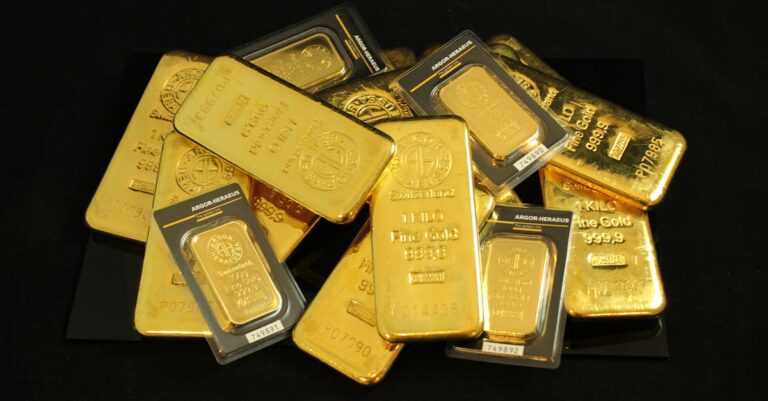
Recent gold futures weakness, driven by crude oil’s impact on rate cut expectations, challenges traditional investment views. Learn why this shift matters for your portfolio strategy.
The world of finance is a complex tapestry, constantly shifting and evolving with global events. For investors diligently working to build their wealth, understanding these shifts is paramount. Recently, the gold market, often seen as a stalwart safe haven, delivered a stark reminder of this dynamism. June gold futures experienced a notable decline, sparking concern and prompting a re-evaluation of prevailing market narratives. This movement wasn’t an isolated event; it was a ripple effect originating from the crude oil market, dramatically altering inflation expectations and, consequently, dampening hopes for imminent interest rate cuts. For many, this has been a painful reawakening, forcing a pivot from optimistic projections to a more cautious, data-driven perspective on gold futures and broader investment strategies.
The narrative around gold has traditionally been multifaceted. It serves as a hedge against inflation, a store of value during economic uncertainty, and a safe haven in times of geopolitical turmoil. Yet, the recent price action, as highlighted by market analysis, suggests a powerful counter-narrative is currently dominating. Despite elevated geopolitical tensions—a scenario that would typically bolster gold’s appeal—the precious metal sold off. This signals a critical point: the market’s focus has decisively shifted from safe-haven demand to the overriding influence of interest rate expectations and the strength of the dollar. Understanding this interplay is crucial for anyone with exposure to commodities or an interest in portfolio diversification, especially those focused on long-term wealth accumulation.
What exactly triggered this seismic shift? The catalyst, according to financial reports, was a significant rally in crude oil prices. Concerns over supply chain disruptions and ongoing shipping route risks propelled crude higher. As oil prices ascended, so too did inflation expectations across the board. This direct correlation sent shockwaves through the financial markets, forcing traders and investors to reconsider their positions. The once-dominant expectation of imminent interest rate cuts by central banks quickly began to unravel, replaced by a renewed emphasis on a “higher-for-longer” interest rate environment. This pivot has profound implications for gold futures, which, as a non-yielding asset, become less attractive when interest rates climb and the opportunity cost of holding gold increases. For wealth builders, this means adapting investment theses to reflect the current economic realities.
The Interconnected Web: Crude Oil, Inflation, and Gold Futures
To truly grasp the recent movements in gold futures, it’s essential to dissect the intricate connections between various global economic factors. Crude oil, often dubbed “black gold,” is more than just a commodity; it’s a fundamental input cost for nearly every sector of the economy. When crude oil prices rise, the cost of transportation, manufacturing, and goods production inevitably increases, feeding directly into inflationary pressures. This direct link between oil and inflation is a primary concern for central banks, whose mandate often includes maintaining price stability. As such, any significant movement in oil prices immediately translates into a re-evaluation of monetary policy expectations.
In the current environment, the resurgence of inflation concerns, primarily fueled by rising crude oil, has had a chilling effect on the prospect of central bank rate cuts. When inflation remains elevated or shows signs of reaccelerating, central banks are compelled to maintain higher interest rates or even consider further tightening to curb price increases. This “higher-for-longer” interest rate environment is a significant headwind for gold. Gold, unlike bonds or cash, does not offer an interest yield. Therefore, when interest rates on other assets rise, the opportunity cost of holding gold increases, making it comparatively less appealing. Investors seeking returns will naturally gravitate towards assets that provide a yield, particularly if those yields are rising.
Furthermore, rising interest rates often correlate with a strengthening U.S. Dollar Index. The dollar is a global reserve currency, and its strength directly impacts the price of dollar-denominated commodities like gold. A stronger dollar makes gold more expensive for holders of other currencies, thereby reducing international demand. This dual impact—rising opportunity cost due to higher yields and increased cost due to a stronger dollar—creates a powerful selling pressure on gold. The recent observations by market analysts at FXEmpire confirmed this exact dynamic, noting that the combination of climbing Treasury yields and a strengthening U.S. Dollar Index created “about as bad a combination as gold can face,” leading to steady selling pressure throughout the week.
Decoding Gold’s Dual Role: Safe Haven vs. Rate Sensitivity
Gold has long been revered for its dual role in financial markets. On one hand, it’s the ultimate safe haven, a traditional store of value that investors flock to during times of geopolitical instability, economic crises, or currency devaluation. The instinct to hold physical gold, or invest in gold futures, when the world seems uncertain is deeply ingrained in investor psychology. On the other hand, gold is also a commodity, subject to supply and demand dynamics, and critically sensitive to monetary policy and the strength of the dollar.
The recent market action provides a compelling illustration of these two roles clashing. Geopolitical tensions, which some reports indicated were “running hot,” typically trigger a surge in safe-haven demand for gold. Yet, this recent period saw gold futures decline significantly. This anomaly strongly suggests that the market’s perception of gold’s rate sensitivity and its competition with yielding assets currently outweighs its safe-haven appeal. For long-term wealth builders, this indicates a need to understand which narrative is dominant at any given time. Relying solely on the safe-haven argument without acknowledging the influence of interest rates and the dollar can lead to misguided investment decisions.
Consider the investor who bought gold or gold futures expecting a quick flight to safety amidst global unease. They might now be experiencing frustration as the expected rally failed to materialize. This highlights the importance of comprehensive market analysis, moving beyond simplistic assumptions. While geopolitical risks remain a potent factor, their impact on gold can be mitigated or even overshadowed by macroeconomic forces, particularly those related to inflation and monetary policy. This complexity requires a sophisticated understanding of market drivers and a willingness to adapt one’s strategy based on evolving conditions, a core tenet of effective wealth management.
Navigating the “Higher-for-Longer” Interest Rate Environment
The return of the “higher-for-longer” interest rate narrative is not merely a technical adjustment; it’s a fundamental shift in the economic landscape with broad implications for every asset class, including gold futures. For years, investors grew accustomed to an era of historically low interest rates, where cheap money fueled asset price appreciation. Now, with inflation proving persistent and central banks committed to bringing it under control, the expectation is that rates will remain elevated for an extended period, or at least, that the pace of cuts will be much slower than initially anticipated.
For gold investors, this means recalibrating expectations. In a low-rate environment, gold’s lack of yield is less of a disadvantage. In a high-rate environment, however, it becomes a significant drawback. Every percentage point increase in risk-free returns, such as those offered by government bonds, makes gold’s zero yield less attractive. This dynamic creates a powerful opportunity cost that investors must factor into their decisions. It’s not just about gold’s intrinsic value; it’s about its relative value compared to other investment opportunities available in the market.
Wealth builders must integrate this “higher-for-longer” perspective into their portfolio construction. This might involve:
- Re-evaluating Bond Holdings: Higher yields make bonds more attractive, offering both income and potential for capital appreciation if rates eventually fall.
- Assessing Equity Valuations: Higher interest rates can put pressure on equity valuations, particularly for growth stocks that rely on future earnings discounted at a higher rate.
- Strategic Commodity Exposure: While gold faces headwinds, other commodities might benefit from inflationary pressures or supply constraints. A diversified approach to commodities, rather than a singular focus on gold, could be more prudent.
The key is to avoid being caught off guard by shifts in monetary policy expectations. Proactive adjustments based on economic data and central bank communications are essential for protecting and growing wealth in this environment.
Technical Landscape for Gold Futures: Key Levels to Watch
Beyond the fundamental drivers, understanding the technical landscape of gold futures is crucial for making informed decisions. Price charts provide a visual representation of market sentiment, highlighting key support and resistance levels that can influence future movements. According to the technical outlook discussed in market reports, June gold futures recently retreated after failing to maintain a rally, being rejected at a specific resistance level. This indicates that sellers stepped in at higher price points, preventing further upward movement.
For those engaged in trading or closely monitoring gold futures, several technical levels bear watching:
- Resistance Zone: The range of $4,897.60 to $5,079.00 is identified as a critical retracement zone resistance. Overcoming this area would signal renewed strength and could potentially trigger an acceleration to the upside. However, until buyers can push the market decisively above these levels, rallies into this zone may be met with selling pressure.
- Support Zone: On the downside, the retracement zone at $4,546.70 to $4,282.40 represents the nearest significant support. This is an area where buyers might step in, anticipating a rebound. A failure to hold this support could open the door for further declines.
- 52-Week Moving Average: The 52-week moving average, currently around $4,175.90, is a longer-term indicator. As long as the market holds above this level, many long-term players might remain in “buy the dip” mode. A break below this crucial average could signal a significant bearish shift in the longer-term trend.
These technical indicators provide a framework for understanding potential price action. They help investors identify areas of strong buying or selling interest and can inform entry and exit strategies. Whether one is a momentum player looking to “buy strength” or a value investor seeking to “buy weakness” in support zones, a clear understanding of these technical levels is invaluable.
The current market analysis suggests that rallies in June gold futures should be treated as selling opportunities, at least until the underlying drivers change. This highlights a bearish bias in the short to medium term, implying that any upward movements are likely to be temporary corrections within a broader downtrend, rather than the start of a sustained recovery. This perspective is vital for managing risk and making tactical trading decisions.
Psychology of Gold Investing and Avoiding Emotional Pitfalls
Investing in commodities like gold futures often brings out strong emotions. The allure of gold as a timeless asset, coupled with its potential for significant price swings, can lead investors to make decisions based on fear or greed rather than rational analysis. When gold prices fall despite seemingly bullish factors like geopolitical tension, it can be particularly frustrating and confusing for investors who expected a different outcome. This dissonance between expectation and reality is a common source of emotional pitfalls in investing.
One common pitfall is the tendency to “double down” on a losing position, hoping for a quick reversal. In the case of gold, if an investor bought anticipating rate cuts and a strong safe-haven rally, seeing prices fall might tempt them to buy more, believing it’s an undervalued opportunity. However, without a fundamental shift in the underlying drivers (like crude oil prices stabilizing or central banks pivoting), this can lead to deeper losses. Conversely, panic selling at the bottom is another emotional trap. Selling off gold futures in despair after a significant drop might lock in losses just before a potential, albeit perhaps temporary, rebound.
The current environment, where the “rate narrative is winning the argument” over safe-haven demand, requires investors to set aside preconceived notions and adapt. As observed by market commentators, even when gold tried to stabilize late in the week, there was “no conviction, no follow through, no push back toward prior highs.” This lack of upside conviction is a critical signal that the market’s underlying bearish sentiment remains strong. For wealth builders, this means:
- Practicing Emotional Detachment: Base decisions on data and analysis, not on gut feelings or media hype.
- Adhering to a Predefined Strategy: Have clear entry and exit points, and stick to them. Avoid impulsive decisions.
- Understanding Market Drivers: Continuously educate yourself on what truly moves the market, rather than relying on outdated assumptions.
By cultivating a disciplined and rational approach, investors can better navigate the volatility inherent in gold futures and protect their progress on the path to wealth.
Diversification Beyond Gold: Building a Resilient Portfolio
While gold futures offer a unique component to an investment portfolio, the recent market action underscores the importance of broad diversification. Relying too heavily on any single asset class, even one with a historical reputation like gold, can expose a portfolio to undue risk. For individuals committed to building lasting wealth, a resilient portfolio is one that can withstand various economic conditions and market shocks.
Diversification involves spreading investments across different asset classes, industries, geographies, and investment styles. This strategy aims to reduce overall portfolio risk because it’s unlikely that all investments will perform poorly at the same time. When gold faces headwinds due to rising interest rates, other assets might be performing well, thus balancing the portfolio’s overall returns.
Consider the following aspects of diversification in the current climate:
- Equities: While some sectors might struggle with higher rates, others, particularly those with strong balance sheets and consistent earnings, may continue to perform. Value stocks, for instance, might be more resilient than high-growth tech stocks in a “higher-for-longer” environment.
- Fixed Income: With rising yields, bonds, especially shorter-duration government bonds or high-quality corporate bonds, can become more attractive as income-generating assets. They can also serve as a hedge against equity market volatility.
- Other Commodities: The crude oil rally itself demonstrates that not all commodities move in lockstep. Strategic exposure to energy, agricultural products, or industrial metals could offer different risk-return profiles than precious metals.
- Real Estate: While interest rates affect real estate, well-chosen properties or real estate investment trusts (REITs) can offer diversification, potential income, and inflation hedging capabilities over the long term.
The goal is to create a portfolio where various components act as complements, offsetting each other’s weaknesses. This balanced approach is fundamental to a sustainable wealth-building strategy, allowing investors to adapt to changing market narratives without overreacting to short-term fluctuations in any single asset.
Strategic Approaches for Gold in the Current Climate
Given the prevailing market conditions, investors with an interest in gold futures must adopt strategic approaches tailored to the current “higher-for-longer” and strong dollar environment. The advice from market analysts to “treat bounces in June gold futures as selling opportunities” is a tactical guideline for active traders. But for long-term wealth builders, a more nuanced perspective is required.
For Existing Gold Holders:
- Review Your Allocation: Assess your current gold exposure. Does it align with your overall risk tolerance and investment goals, especially in light of the new interest rate outlook? If gold constitutes a disproportionately large part of your portfolio, consider rebalancing.
- Understand Your Thesis: Why do you hold gold? If it’s purely for safe-haven purposes, acknowledge that rate narratives can temporarily override this. If it’s an inflation hedge, recognize that not all inflation is good for gold (e.g., inflation driven by rising rates hurts gold).
- Consider Hedging: For active traders, options contracts or short positions could be used to hedge existing gold futures holdings against further downside, though this involves its own risks and complexities.
- Long-Term Perspective: For those holding physical gold or long-term gold ETFs, temporary pullbacks are part of the journey. If your conviction is in gold as a long-term store of value, ensure your time horizon aligns with potential prolonged periods of underperformance.
For Those Considering Buying Gold Futures:
- Patience is Key: In a market where rallies are treated as selling opportunities, rushing in to buy might be premature. Wait for clear signs of a fundamental shift—either oil prices breaking down or a definitive pivot by central banks towards rate cuts.
- Focus on Support Levels: If you are a value-zone buyer, as market analysts suggest, consider buying closer to established support levels, like the $4,546.70 to $4,282.40 retracement zone, or even the 52-week moving average at $4,175.90. These levels could represent more attractive entry points for “buy the dip” strategies, assuming long-term conviction remains.
- Diversify Entry Points: Instead of a lump-sum investment, consider dollar-cost averaging into a gold position over time. This helps mitigate the risk of buying at a short-term peak.
Monitoring Key Economic Indicators
The dominant factors influencing gold futures right now are crude oil prices and central bank monetary policy. Therefore, diligent monitoring of these indicators is non-negotiable for informed decision-making:
- Crude Oil Prices: Keep a close eye on global oil supply and demand dynamics, geopolitical developments affecting oil-producing regions, and inventory reports. A sustained decline in crude oil could ease inflation fears and rekindle rate cut hopes, which would be bullish for gold.
- Central Bank Statements: Pay attention to announcements, speeches, and minutes from the central bank. Any hint of a shift in their stance on inflation or interest rates will be a significant market mover.
- Inflation Data: Consumer Price Index (CPI), Producer Price Index (PPI), and other inflation gauges provide direct insights into price pressures. A consistent trend of moderating inflation would be favorable for gold.
- U.S. Dollar Index (DXY): Track the strength of the dollar against a basket of major currencies. A weakening dollar makes gold more affordable for international buyers and lessens the opportunity cost of holding the non-yielding asset.
- Treasury Yields: Monitor government bond yields, particularly the 10-year Treasury yield. Falling yields would reduce the opportunity cost of holding gold, making it more attractive.
By staying informed on these critical indicators, investors can anticipate potential shifts in the gold market and adjust their strategies proactively. This vigilant approach is a hallmark of successful wealth management.
Building Wealth with a Clear-Eyed View of Gold Futures
The journey from ‘Work to Wealth’ is characterized by continuous learning, adaptation, and a clear-eyed view of market realities. The recent performance of gold futures serves as a potent reminder that no asset performs in isolation, and even traditional safe havens are subject to the broader macroeconomic environment. While the immediate outlook for gold futures might present challenges due to the strength of crude oil and the “higher-for-longer” rate narrative, this does not diminish gold’s potential role in a diversified, long-term portfolio.
Instead, it calls for a more sophisticated understanding of when and how gold fits into one’s wealth-building strategy. For some, it might be a long-term hedge against systemic risks or currency debasement, accepting short-term volatility. For others, it might be a tactical trading instrument, requiring strict adherence to technical levels and a keen awareness of market sentiment. What is clear is that a passive approach, ignoring the powerful forces of interest rates and inflation, is unlikely to yield optimal results.
Ultimately, the goal is to build a robust financial foundation that can grow sustainably over time. This involves making informed decisions, managing risk effectively, and maintaining flexibility in one’s investment approach. The gold market, with its recent twists and turns, offers invaluable lessons in these principles. By integrating a thorough understanding of gold futures’ dynamics with a broader strategic outlook, individuals can confidently navigate the complexities of financial markets and continue their journey toward lasting financial prosperity. The current environment may test resolve, but it also offers opportunities for those who are prepared to learn and adapt.
Frequently Asked Questions
Why did gold futures weaken despite global geopolitical tensions?
Gold futures typically benefit from geopolitical instability, but recent weakness suggests the market’s focus has shifted. The dominant factor was rising crude oil prices, which fueled inflation expectations. This, in turn, reinforced the “higher-for-longer” interest rate narrative. As a non-yielding asset, gold becomes less attractive when interest rates climb and the U.S. dollar strengthens, effectively overriding its safe-haven appeal in the short term.
How do crude oil prices impact gold futures and rate cut expectations?
Crude oil is a significant input cost across the economy. When crude prices rise, it often leads to increased inflation. Central banks, tasked with managing inflation, are less likely to cut interest rates when inflation remains elevated or accelerates. This “higher-for-longer” interest rate environment increases the opportunity cost of holding non-yielding assets like gold, making gold futures less appealing to investors seeking yield.
What does “higher-for-longer” mean for my gold investment strategy?
“Higher-for-longer” implies that interest rates will remain elevated for an extended period, or that rate cuts will be slower than previously anticipated. For gold investments, this means increased opportunity cost. Other assets, like bonds, offer a yield that becomes more attractive compared to gold’s zero yield. Investors should re-evaluate their gold allocation, consider diversification, and potentially treat gold rallies as selling opportunities until there’s a clear shift in central bank policy or crude oil trends.
What key technical levels should gold investors monitor to avoid losses?
Investors should monitor key resistance and support zones. The range of $4,897.60 to $5,079.00 has acted as resistance. A breakthrough above this could signal strength. On the downside, $4,546.70 to $4,282.40 serves as near-term support. The 52-week moving average around $4,175.90 is also a critical long-term indicator. Understanding these levels helps in identifying potential entry and exit points and managing risk.
How can investors adapt their portfolio to the current gold market challenges?
To adapt, investors should prioritize diversification across various asset classes, not just gold. Re-evaluate exposure to equities, fixed income, and other commodities. Monitor economic indicators such as crude oil prices, central bank statements, inflation data, the U.S. Dollar Index, and Treasury yields. For gold specifically, consider a patient approach, focusing on established support levels for potential buying, or adjusting positions if your initial investment thesis no longer holds in a “higher-for-longer” rate environment.