

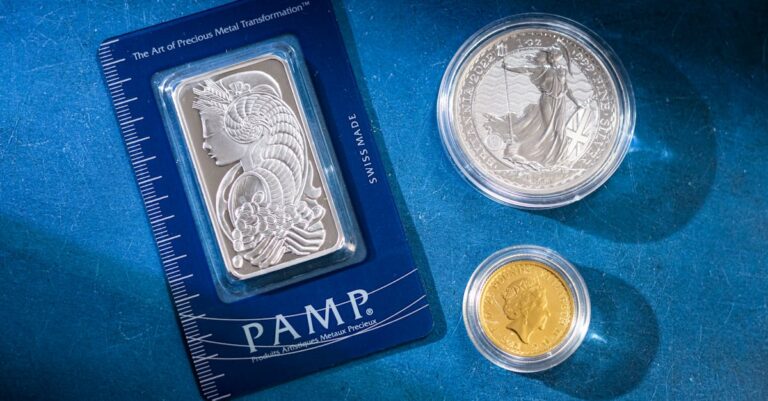
Rising inflation fears and global tensions threaten wealth. Discover how strategic precious metals investment in gold and silver can fortify your portfolio against economic uncertainty.
In an increasingly volatile global landscape, the persistent shadow of inflation and the specter of geopolitical instability continue to cast doubt over traditional investment strategies. For those diligently working towards building and preserving wealth, understanding the dynamics of these forces is paramount. Recent market analysis suggests a renewed focus on inflation, driven by escalating tensions in critical global trade arteries, pushing commodities like oil higher. This environment brings precious metals investment, particularly in gold and silver, back into sharp focus for their historical role as safe havens and inflation hedges.
The financial markets are a complex web, and while economic growth often fuels prosperity, periods of uncertainty demand a different approach to portfolio construction. Many investors are now asking how to best navigate these turbulent waters. The interplay of rising energy costs, a stronger U.S. dollar, and fluctuating Treasury yields creates a unique challenge. This article will delve into these factors, exploring how gold and silver react to such pressures and how a thoughtful precious metals investment strategy can help protect your financial future.
The Resurgence of Inflationary Pressures: Why Your Wealth is at Risk
Inflation, the silent thief of purchasing power, has re-emerged as a dominant concern for investors worldwide. After years of relatively subdued price increases, recent global events have reignited fears that inflationary pressures could become entrenched, eroding the value of savings and investments. For wealth builders, understanding the root causes and potential impacts of this resurgence is crucial for protecting their hard-earned assets.
Global Flashpoints and Rising Oil Prices: A Looming Threat
A significant catalyst for the current wave of inflation anxiety stems from geopolitical tensions, particularly those affecting global energy supplies. When key shipping lanes, such as the Strait of Hormuz—a vital conduit for a substantial portion of the world’s oil supply—face disruptions, the immediate consequence is often a sharp increase in oil prices. This is not merely an inconvenience; it has a ripple effect across the global economy.
Higher oil prices translate directly into increased costs for transportation, manufacturing, and even agriculture. Businesses face elevated expenses for shipping goods, powering factories, and cultivating crops. These rising input costs are frequently passed on to consumers in the form of higher prices for everyday products and services. For the average household, this means that every dollar earned buys less than it did before, making it harder to save and invest effectively for long-term goals like retirement or a child’s education.
Moreover, the mere threat of disruption can be enough to drive speculation in energy markets, pushing prices higher even before actual supply cuts occur. This creates a feedback loop where inflation expectations themselves can contribute to further price increases, making it challenging for central banks and governments to stabilize the economic environment. The interconnectedness of global trade means that a localized conflict can have far-reaching economic consequences, impacting your portfolio regardless of your geographical location.
The Erosion of Purchasing Power: Understanding Inflation’s Impact
The primary concern with inflation for wealth accumulators is its insidious erosion of purchasing power. If your investments yield 5% annually, but inflation runs at 7%, your real return is negative, meaning your money is losing value over time. This makes achieving financial milestones considerably more difficult.
Consider the impact on long-term savings. A comfortable retirement nest egg planned for a certain lifestyle might become insufficient if the cost of living significantly outpaces your investment returns. Similarly, the cost of higher education or a significant down payment on a home can quickly escalate, requiring more capital than initially anticipated.
This is where strategic asset allocation becomes vital. While traditional assets like stocks and bonds form the bedrock of many portfolios, their performance during periods of high inflation can be mixed. Stocks may struggle if rising costs squeeze corporate profits, and bonds, especially long-term ones, can see their fixed payments diminish in real value. This drives the search for assets that historically perform well when inflation takes hold, leading many to consider precious metals investment as a potential safeguard.
Gold’s Enduring Role: A Trusted Anchor in Turbulent Times
Throughout history, gold has captivated humanity, not just for its aesthetic beauty, but for its intrinsic value and its unique role as a store of wealth. In times of economic uncertainty and inflationary pressures, gold often rises to prominence, acting as a reliable anchor in an otherwise turbulent financial sea. For wealth builders, understanding this historical context and its current dynamics is key to considering its place in a diversified portfolio.
Gold as a Safe-Haven Asset: Historical Performance
Gold’s reputation as a safe-haven asset is deeply rooted in centuries of financial history. When geopolitical tensions escalate, financial markets experience turmoil, or there’s a loss of confidence in fiat currencies, investors often flock to gold. This flight to safety is driven by gold’s perceived stability and its universal acceptance as a form of value.
Unlike paper currencies, gold cannot be devalued by government policy or infinite printing. Its supply is finite, and it carries no counterparty risk. During crises, when other assets may tumble, gold frequently maintains or increases its value, providing a psychological and practical hedge against systemic risk. For instance, during the 2008 financial crisis or periods of significant market corrections, gold has often demonstrated a negative correlation with other asset classes, meaning it tends to perform well when others struggle. This characteristic makes it a valuable component for portfolio diversification, helping to mitigate overall risk and preserve capital.
The Inflation Hedge Dilemma: Gold vs. Macro Headwinds
Beyond its safe-haven status, gold is also widely considered an inflation hedge. The theory posits that as the purchasing power of fiat currencies declines due to inflation, the value of a finite asset like gold, which has no direct link to a single economy or government, should rise to maintain its real value. Historically, this relationship has held true over the long term, with gold often appreciating during periods of sustained inflation.
However, the current market environment presents a nuanced picture. While inflation fears are indeed returning, gold faces significant macro headwinds that can temper its gains. A stronger U.S. dollar, for instance, typically makes gold more expensive for holders of other currencies, dampening demand. When the dollar strengthens, investors might also prefer to hold dollar-denominated assets, which can divert capital away from gold.
Moreover, rising Treasury yields and the prospect of higher interest rates can make non-yielding assets like gold less attractive. If investors can earn a substantial return from government bonds without taking on significant risk, the opportunity cost of holding gold increases. This creates a delicate balance, where gold is caught between the supportive forces of inflation and geopolitical fear, and the resistive forces of a strong dollar and rising yields. This push-and-pull explains why, despite heightened inflation fears and geopolitical tensions, gold might not always surge immediately, instead exhibiting periods of consolidation.
Market Consolidation: What Gold’s Tight Range Means for Investors
Recent market analysis indicates that gold has been trading within a relatively tight consolidation range. This often reflects significant uncertainty among market participants. On one hand, the factors that traditionally support gold—such as the re-entry of inflation fears due to rising oil prices and geopolitical instability, particularly surrounding the Strait of Hormuz—are clearly present. These elements typically fuel demand for gold as a safe haven and an inflation hedge.
On the other hand, the counteracting forces of a robust U.S. dollar and the upward trend in Treasury yields are creating pressure. These macro factors make gold less appealing in the short term, as they increase the attractiveness of yielding assets. This dynamic tension results in gold prices moving within a confined band, unable to make a decisive breakout in either direction.
For long-term investors, this period of consolidation should not necessarily be viewed as a negative sign. Instead, it can be interpreted as a phase of accumulation or a pause before a more significant move. The market is effectively weighing competing narratives. A substantial shift in either the geopolitical landscape (e.g., a de-escalation of tensions or a further intensification) or in the fundamental macro environment (e.g., a weakening dollar, a reversal in interest rate expectations) could provide the catalyst for gold to break out of its current range. Savvy investors understand that patience during such periods is essential, focusing on the underlying drivers rather than day-to-day price fluctuations, and considering gold as a long-term strategic component for wealth preservation.
Silver’s Dual Appeal: Industrial Demand Meets Investment Potential
While often overshadowed by its illustrious cousin, gold, silver holds a unique position in the world of precious metals investment. It shares many of gold’s attributes as a store of value and an inflation hedge but distinguishes itself with a significant industrial demand component. This dual nature makes silver a fascinating, albeit often more volatile, asset for those seeking to diversify their portfolios and hedge against economic uncertainties.
The Versatility of Silver: Beyond a Mere Precious Metal
Silver’s allure extends far beyond its monetary and decorative uses. It is a critical industrial commodity, essential in numerous high-growth sectors. Its unparalleled conductivity, malleability, and ductility make it indispensable in electronics, including smartphones, computers, and electric vehicles. Moreover, silver’s reflective properties are vital in solar panels, representing a significant and growing area of demand as the world transitions to renewable energy sources.
Medical applications, photography (though declining), and various other manufacturing processes also rely heavily on silver. This widespread industrial utility means that silver’s price is not solely driven by investor sentiment and economic fears; it is also highly sensitive to global economic growth and industrial output. When the global economy is robust and manufacturing sectors are thriving, industrial demand for silver typically rises, providing an additional upward catalyst for its price.
This industrial aspect differentiates silver from gold, which has comparatively limited industrial applications. For investors, this means silver offers exposure not only to the safe-haven and inflation-hedge narratives but also to the broader economic growth cycle, particularly in technological and green energy sectors. This multifaceted demand profile contributes to silver’s unique investment characteristics.
Silver’s Volatility: A Double-Edged Sword for Wealth Accumulators
While silver’s industrial demand can be a boon, it also contributes to its reputation for higher volatility compared to gold. When economic growth prospects dim, or there are concerns about a global slowdown—especially those exacerbated by rising energy prices and potential shipping disruptions like those in the Strait of Hormuz—industrial demand for silver can weaken. Businesses facing uncertainty may scale back production, reducing their need for raw materials like silver.
This sensitivity to economic cycles means silver prices can experience more pronounced swings. In periods of investor panic, particularly if increasing energy prices are seen as dragging down the broader economy, silver can be more vulnerable to price declines than gold. Its dual role effectively amplifies both upside and downside movements. For example, if oil price hikes due to conflict lead to concerns about global growth, silver might face pressure from both reduced industrial demand and a general risk-off sentiment in the markets.
For wealth accumulators, this heightened volatility means that while silver offers significant upside potential, it also comes with increased risk. A strategic approach to precious metals investment in silver involves understanding these dynamics and potentially allocating a smaller, more tactical portion of a portfolio to silver, or adopting a longer-term perspective to ride out the short-term fluctuations.
Constructive Structure: Silver’s Long-Term Outlook
Despite its short-term sensitivities, recent analysis suggests that silver maintains a “constructive structure” for long-term investors. This implies that while the metal may experience periods of consolidation or pressure from immediate macro and geopolitical drivers, its underlying technical and fundamental patterns suggest a positive outlook over an extended horizon. As long as key long-term support levels are held, the potential for significant appreciation remains.
This constructive view is supported by several factors. Firstly, the ongoing demand from green technologies, such as solar power and electric vehicles, is projected to increase substantially in the coming years. As global efforts to combat climate change intensify, the demand for silver in these applications is expected to provide a consistent tailwind.
Secondly, like gold, silver benefits from inflation fears and its role as a monetary metal. As investors seek tangible assets to protect against currency debasement, silver offers an accessible and historically effective alternative. The price of silver often correlates with gold, moving in the same direction, but with greater magnitude due to its smaller market size and dual demand profile.
For investors focused on long-term wealth accumulation, silver presents an opportunity to gain exposure to both inflation protection and the growth of critical industrial sectors. Its current “constructive structure” suggests that while short-term movements will remain susceptible to headlines concerning oil, the dollar, yields, and geopolitical developments, the fundamental case for silver as a valuable component of a diversified precious metals investment strategy remains strong, particularly for those willing to embrace its inherent volatility.
Navigating Geopolitical Storms: Impact on Your Investment Portfolio
The global economic landscape is increasingly shaped by geopolitical events, often with profound and immediate consequences for financial markets. For wealth builders, understanding how these international dynamics translate into investment risks and opportunities is essential. The recent tensions surrounding vital trade routes like the Strait of Hormuz serve as a stark reminder of this intricate relationship, directly impacting critical commodities and macro-economic indicators.
The Strait of Hormuz and Global Supply Chains
The Strait of Hormuz is a narrow waterway connecting the Persian Gulf with the Arabian Sea and the open ocean. It is one of the world’s most strategically important chokepoints, through which a significant percentage of the world’s seaborne oil passes daily. Any threat or disruption to traffic in this strait immediately sends ripples across global energy markets, driving oil prices higher due to supply concerns.
But the impact extends far beyond just oil. Rising energy costs inflate the expenses of transportation and manufacturing across all sectors. This can lead to increased prices for consumers, reduced corporate profits, and slower economic growth. For investors, this means that companies reliant on global supply chains or energy-intensive operations may see their earnings negatively affected. Furthermore, sustained disruptions can lead to broader supply chain bottlenecks, exacerbating inflationary pressures and potentially slowing down global trade. Understanding the fragility of these global arteries is crucial for assessing broader economic risks and making informed precious metals investment decisions.
Dollar Strength and Treasury Yields: Countercurrents to Precious Metals
While geopolitical tensions and inflation fears often provide tailwinds for precious metals investment, other macro factors can act as strong countercurrents. Two of the most significant are the strength of the U.S. dollar and the movement of U.S. Treasury yields.
A stronger U.S. dollar typically has an inverse relationship with the price of gold and silver. Since precious metals are primarily denominated in dollars, a stronger dollar makes them more expensive for investors holding other currencies, which can dampen international demand. Additionally, when the dollar is strong, it often reflects a flight to safety towards U.S. assets or a belief in the relative strength of the U.S. economy, which can divert capital away from alternative safe havens like gold.
Similarly, rising U.S. Treasury yields can exert downward pressure on gold and silver. Bonds, especially highly-rated government bonds, offer a guaranteed yield. When these yields rise, the opportunity cost of holding non-yielding assets like gold and silver increases. Investors might choose to allocate capital to bonds to secure a steady, risk-free return, making precious metals less attractive by comparison. This dynamic explains why, even amidst significant inflation fears, gold and silver might struggle to make substantial gains if dollar strength and rising yields persist.
Interest Rate Environment: Opportunity Cost of Non-Yielding Assets
Closely tied to Treasury yields is the broader interest rate environment set by central banks. When central banks signal or implement higher interest rates to combat inflation, it typically strengthens the domestic currency and increases the attractiveness of interest-bearing investments.
For gold and silver, which do not pay dividends or interest, a higher interest rate environment increases their opportunity cost. Holding precious metals means foregoing the returns available from other assets. This effect can be particularly pronounced when real interest rates (nominal rates minus inflation) turn positive, meaning investors can earn a return above the rate of inflation without taking on significant risk. In such scenarios, the appeal of gold and silver as inflation hedges diminishes slightly, as other assets offer a more direct and less volatile means of preserving purchasing power.
However, it is crucial to remember that precious metals are not just about short-term returns. Their role in a portfolio is often strategic—as a hedge against extreme events, currency debasement, and systemic risk that other assets may not fully cover. Investors must constantly weigh these short-term market dynamics against the long-term benefits of diversification and wealth preservation offered by strategic precious metals investment.
Strategic Precious Metals Investment for Portfolio Resilience
In an era marked by economic uncertainty and geopolitical flux, building a truly resilient investment portfolio is more critical than ever. For many wealth accumulators, this means looking beyond traditional stocks and bonds to include assets that can perform differently during challenging times. Strategic precious metals investment, particularly in gold and silver, offers a time-tested approach to enhancing portfolio resilience and protecting against unforeseen risks.
Diversification: The Cornerstone of Wealth Protection
At the heart of any robust investment strategy lies the principle of diversification. Diversification involves spreading your investments across various asset classes, industries, and geographies to reduce overall risk. The goal is that when one part of your portfolio underperforms, another might perform well, smoothing out returns and preserving capital.
Precious metals, especially gold, have historically demonstrated a low correlation with other major asset classes like equities and bonds. This means that their price movements are often independent of, or even inversely related to, stock market performance. During periods of economic downturns, market crashes, or severe inflation, when stocks and bonds might suffer, gold often acts as a ballast, helping to stabilize the portfolio’s total value. Silver, with its dual industrial and monetary nature, also contributes to diversification, offering exposure to different economic drivers.
By including a carefully considered allocation to gold and silver, investors can create a more balanced portfolio that is better equipped to withstand unexpected shocks. This isn’t about chasing speculative gains; it’s about intelligent risk management and building a foundation for long-term wealth preservation. For wealth accumulators, diversification is not a luxury, but a necessity to protect their financial future.
How to Incorporate Gold and Silver into Your Portfolio
Integrating gold and silver into your investment portfolio can be done in several ways, catering to different preferences and investment goals. The choice depends on factors such as liquidity needs, storage preferences, and cost efficiency.
- Physical Gold and Silver: This involves purchasing actual bullion—coins or bars. Many investors prefer physical ownership for its tangibility and direct hedge against currency debasement. However, it comes with considerations such as secure storage (e.g., in a reputable vault service) and insurance, which incur costs. Authenticity is also paramount, so buying from trusted dealers is essential.
- Exchange-Traded Funds (ETFs): For those who prefer indirect ownership and higher liquidity, ETFs that track the price of gold or silver offer a convenient option. These funds typically hold physical bullion on behalf of investors, or they might invest in futures contracts. ETFs provide easy access to the metals market through a standard brokerage account, often with lower transaction costs than buying physical metal directly. However, investors should be aware of the expense ratios and ensure they understand the fund’s underlying assets and structure.
- Mining Company Stocks: Investing in shares of reputable gold and silver mining companies offers another avenue. These stocks can provide leverage to the price of the underlying metals; when metal prices rise, mining company profits can increase disproportionately. However, mining stocks also carry operational risks associated with the specific company, such as production costs, geopolitical risks in mining regions, and management effectiveness, which can make them more volatile than holding the physical metal or a bullion-backed ETF.
- Futures and Options: For experienced investors and traders, futures and options contracts offer highly leveraged ways to speculate on or hedge against price movements. However, these instruments carry substantial risk and are not typically recommended for long-term wealth accumulators new to precious metals investment due to their complexity and potential for rapid losses.
For most wealth builders focused on long-term preservation, a combination of physical metals (for extreme safe-haven purposes) and well-structured ETFs (for liquidity and convenience) is often a balanced approach. It is always advisable to consult with a financial advisor to determine the most suitable method for your individual circumstances.
Long-Term Vision: Avoiding Short-Term Market Noise
One of the biggest challenges in precious metals investment, particularly during volatile periods, is resisting the temptation to react to every short-term market fluctuation or headline. The current environment, with gold and silver caught between geopolitical backing and macro pressures, exemplifies this challenge. While prices may move in tight ranges and respond swiftly to emerging news, a long-term vision is crucial for success.
For wealth accumulators, precious metals should be viewed as strategic, long-term holdings designed to provide stability and protection over years, not months or weeks. Their value often becomes most apparent during sustained periods of inflation, currency depreciation, or systemic financial crises. Trying to time the market by buying and selling based on daily news can lead to poor decisions and missed opportunities.
Instead, focus on the fundamental drivers: persistent inflation fears, ongoing geopolitical instability (such as tensions in the Strait of Hormuz), and the long-term outlook for global currencies and central bank policies. Maintain a diversified allocation that aligns with your risk tolerance and financial goals, and periodically rebalance your portfolio to ensure it remains aligned with your strategy. By adopting a disciplined, long-term perspective, you can harness the power of precious metals investment to build and preserve wealth effectively, rising above the transient noise of the market.
The Path Ahead: Key Indicators for Savvy Investors
The decision to engage in precious metals investment, and the extent of that engagement, should always be informed by a keen awareness of the global economic and political landscape. As gold and silver navigate the complex interplay of inflation fears, geopolitical tensions, and macro pressures, savvy investors must monitor several key indicators to make informed decisions about their wealth preservation strategies.
Geopolitical Developments: Monitoring Global Stability
The most immediate and impactful factor influencing precious metals, particularly gold’s safe-haven appeal, is the state of global geopolitics. Specific flashpoints, such as the situation surrounding the U.S.-Iran ceasefire or ongoing tensions that threaten critical trade routes like the Strait of Hormuz, are paramount. Any significant escalation or de-escalation in these areas can trigger swift reactions in the gold and silver markets.
Investors should pay close attention to news developments regarding international relations, major diplomatic efforts, and any events that could disrupt global supply chains or energy markets. A move towards a permanent peace agreement in conflicted regions could lead to a reduction in safe-haven demand, while further deterioration could reinforce gold’s role as a protective asset. Monitoring the rhetoric and actions of major global powers provides critical insight into potential shifts in risk sentiment, which directly impacts the demand for precious metals.
Inflation Metrics and Central Bank Stance
The core narrative of inflation fears underpins much of the current interest in precious metals investment. Therefore, keeping a close eye on various inflation metrics is essential. This includes consumer price index (CPI) reports, producer price index (PPI) data, and other measures of price stability and wage growth. Persistent high inflation figures will continue to bolster the case for gold and silver as hedges against the erosion of purchasing power.
Equally important is understanding the stance of major central banks, particularly the U.S. central bank. Their comments and actions regarding monetary policy—interest rate decisions, quantitative easing or tightening, and forward guidance—have a profound impact on the dollar and Treasury yields. If central banks signal a more aggressive approach to combating inflation through sustained rate hikes, it could strengthen the dollar and increase bond yields, creating headwinds for precious metals. Conversely, any indication of a pause or pivot towards more accommodative policies could provide support. Investors need to analyze how these policy decisions align with or diverge from current inflation trends.
Global Economic Growth and Industrial Demand
For silver in particular, and to a lesser extent gold, the trajectory of global economic growth is a significant driver. Silver’s substantial industrial applications mean its demand is closely tied to the health of manufacturing, technology, and renewable energy sectors. Indicators such as global GDP growth forecasts, industrial production reports, and purchasing managers’ indices (PMIs) can offer insights into future industrial demand for silver.
A robust global economy with strong industrial output typically supports silver prices. Conversely, a slowdown in global growth, potentially triggered by high energy prices or persistent supply chain issues, could dampen industrial demand for silver, putting downward pressure on its price. Investors should also monitor specific sectoral trends, such as the growth of electric vehicle production and solar panel installations, which represent burgeoning sources of demand for silver.
By diligently tracking these key indicators—geopolitical stability, inflation trends, central bank policies, and global economic health—investors can better anticipate market shifts and strategically adjust their precious metals investment allocations. This proactive approach ensures that your portfolio remains aligned with prevailing market conditions and continues to serve its purpose of long-term wealth preservation and growth.
Conclusion: Building a Robust Financial Future
The current financial landscape is a tapestry woven with threads of rising inflation fears, intricate geopolitical tensions, and complex macroeconomic pressures. For individuals striving to build and preserve wealth, this environment presents both challenges and clear imperatives. Gold and silver, with their storied histories as safe havens and inflation hedges, offer a compelling case for strategic inclusion in a well-diversified portfolio.
We’ve explored how global flashpoints, like those impacting the Strait of Hormuz, can send ripples through energy markets, directly fueling inflationary pressures that threaten purchasing power. We’ve seen how gold, despite facing headwinds from a strong dollar and rising yields, maintains its crucial role as a protective asset, acting as an anchor during turbulent times. Silver, with its dual industrial and monetary appeal, offers both significant growth potential and a degree of volatility that demands careful consideration.
The path to a robust financial future in such an environment lies not in speculative short-term trading, but in a thoughtful, long-term approach to asset allocation. Diversification is your strongest defense, and a considered precious metals investment provides a vital layer of protection against systemic risks, currency debasement, and inflationary erosion. By staying informed about geopolitical developments, monitoring key economic indicators, and understanding the unique characteristics of gold and silver, you empower yourself to make intelligent decisions for your wealth.
Remember, true wealth accumulation and preservation are marathons, not sprints. While market conditions will always fluctuate, a disciplined approach, grounded in sound principles of diversification and a long-term vision for your financial goals, will ultimately lead to greater security and prosperity. Embrace the opportunity to fortify your portfolio, ensuring your hard work translates into enduring wealth for generations to come.