

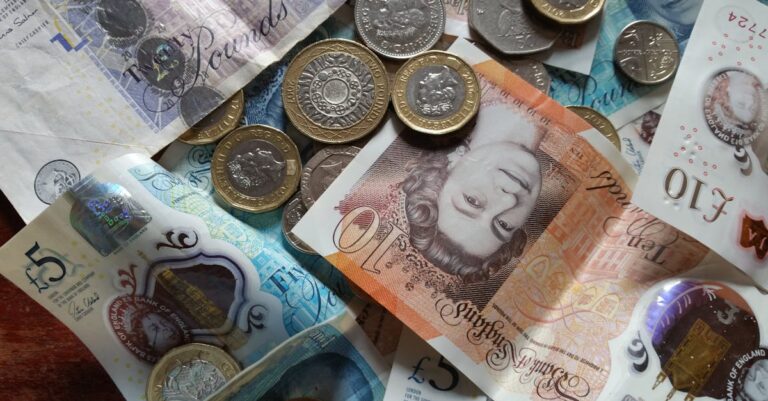
Concerned about the Pound Sterling’s recent slide? Discover how global forces impact your savings and investments, and learn strategies to protect your financial well-being.
The financial markets are a complex web, where global events often ripple through economies, affecting everything from daily expenses to long-term investment portfolios. Recently, the Pound Sterling has experienced a period of weakness, trading near 1.3500 against the US Dollar. This movement, while a typical fluctuation in the dynamic world of foreign exchange, warrants a closer look for anyone concerned with their personal wealth and financial stability.
Safe-haven demand for the US Dollar, fueled by geopolitical tensions, has been a significant factor in the Pound Sterling’s recent challenges. When uncertainty grips the global stage, investors often flock to assets perceived as safer, and the US Dollar frequently plays this role. For individuals managing their finances, understanding these underlying currents is not merely an academic exercise; it’s a vital step in protecting and growing wealth.
This article will delve into the forces shaping the value of the Pound Sterling, explore its implications for your personal finances, and equip you with actionable strategies to navigate currency volatility. From understanding central bank policies to interpreting economic data, we will unpack how global events, seemingly distant, directly impact your financial landscape.
The Foundations of the Pound Sterling: A Historical and Economic Overview
To truly grasp the implications of the Pound Sterling’s movements, it’s essential to understand its history and fundamental role in the global financial system. The Pound Sterling (GBP) holds the remarkable distinction of being the world’s oldest currency, with its origins tracing back to 886 AD. This venerable currency serves as the official tender of the United Kingdom and its territories, embodying centuries of economic and political evolution.
In the modern era, the Pound Sterling is far more than a historical artifact; it is a major player in the foreign exchange (FX) market. According to recent data, it stands as the fourth most traded currency globally, accounting for approximately 12% of all FX transactions. This translates to an astounding average daily trading volume of $630 billion, underscoring its liquidity and importance to international trade and finance.
Its primary trading pairs, often closely watched by investors and analysts, include GBP/USD, affectionately known as ‘Cable,’ which alone accounts for 11% of FX activity. Other significant pairs are GBP/JPY, dubbed the ‘Dragon,’ and EUR/GBP. The Bank of England (BoE) is the sole issuer of the Pound Sterling, a responsibility that places it at the heart of the currency’s monetary policy and overall health.
Understanding the Pound’s status as a freely floating currency is crucial. Its value is determined by the forces of supply and demand in the international currency markets, influenced by a myriad of economic, political, and geopolitical factors. For personal finance, this means that the value of your savings, the cost of imported goods, and the returns on international investments are all subject to these dynamic fluctuations.
Monetary Policy: The Bank of England’s Hand in the Pound Sterling’s Fate
The single most influential determinant of the Pound Sterling’s value is the monetary policy set forth by the Bank of England (BoE). The BoE’s primary mandate is to achieve “price stability,” which it defines as maintaining a steady inflation rate of around 2%. To accomplish this, its most potent tool is the adjustment of interest rates.
When inflation rises above its target, indicating an overheating economy, the BoE typically responds by raising interest rates. This measure is designed to make borrowing more expensive for both consumers and businesses, thereby dampening demand, slowing economic activity, and ultimately bringing inflation back down. For the Pound Sterling, higher interest rates generally act as a magnet for global investors. A higher return on savings and investments denominated in GBP makes the UK a more attractive destination for capital, increasing demand for the currency and consequently strengthening its value.
Conversely, if inflation falls too low or the economy shows signs of significant slowdown, the BoE may consider lowering interest rates. The goal here is to stimulate economic growth by making credit cheaper, encouraging businesses to invest and expand, and consumers to spend. Lower interest rates can, however, make the Pound Sterling less appealing to international investors seeking higher yields, potentially leading to a depreciation in its value.
Recent discussions from BoE Deputy Governor Sarah Breeden have highlighted increased risks of “overlapping market stresses” due to ongoing global conflicts. These comments suggest the BoE remains vigilant, and the prospect of further rate hikes to combat renewed inflation concerns (perhaps fueled by rising oil prices) could provide some support for the Pound Sterling, despite current weaknesses.
Economic Data: Gauging the Health of the Economy and Its Currency
Beyond central bank decisions, a constant stream of economic data releases provides crucial insights into the health of an economy, directly impacting the value of the Pound Sterling. These indicators act as vital signs, signaling whether an economy is robust, stagnant, or in decline. For individuals, understanding these reports can offer clues about future economic conditions and how they might affect personal financial planning.
- Gross Domestic Product (GDP): This is arguably the most comprehensive measure of an economy’s output. A strong, growing GDP indicates a healthy economy, which generally bodes well for the Pound Sterling. It suggests higher productivity, potential for increased corporate earnings, and overall economic vigor.
- Manufacturing and Services PMIs (Purchasing Managers’ Indices): These surveys gauge the sentiment and activity levels within key sectors of the economy. Strong PMI readings suggest expansion and optimism among businesses, often signaling future economic growth and bolstering the currency. Weak readings, conversely, can lead to currency depreciation.
- Employment Data: Indicators such as unemployment rates, wage growth, and job creation figures are critical. A robust job market, characterized by low unemployment and rising wages, implies strong consumer spending power and a vibrant economy, which typically supports the Pound Sterling. Conversely, high unemployment and stagnant wages can weigh on the currency.
- Retail Sales: As noted in the provided information, US Retail Sales data is closely watched. Strong retail sales figures indicate healthy consumer spending, a cornerstone of most modern economies. For the UK, strong retail sales data would similarly signal economic strength, potentially boosting the Pound Sterling. The expectation of a significant rise in US Retail Sales (1.3% MoM in March after 0.6% in February) is one factor supporting the US Dollar, indirectly affecting GBP/USD.
A consistently strong flow of positive economic data not only attracts foreign investment, as investors seek opportunities in a thriving market, but it also provides the Bank of England with more leeway to consider interest rate adjustments that could strengthen the Pound Sterling. Conversely, a string of weak economic reports can deter investment and pressure the BoE to adopt more accommodative, currency-weakening policies.
The Trade Balance: A Nation’s Economic Scorecard and Currency Driver
Another significant economic indicator with a direct bearing on the Pound Sterling’s value is the Trade Balance. This metric measures the difference between a country’s total value of exports and its total value of imports over a specified period. It effectively acts as a snapshot of a nation’s competitiveness in global markets and its demand for foreign goods versus foreign demand for its own.
When a country, such as the UK, produces highly sought-after goods and services for export, it generates demand for its currency. Foreign buyers need to acquire Pound Sterling to pay for these exports, thereby increasing the currency’s demand and, all else being equal, strengthening its value. A consistent trade surplus (where exports exceed imports) is generally seen as a positive sign for a currency, reflecting a competitive economy that is a net earner on the international stage.
Conversely, a trade deficit (where imports exceed exports) means the country is spending more on foreign goods than it is earning from selling its own. This implies a net outflow of currency, as domestic buyers exchange Pound Sterling for foreign currencies to pay for imports. Persistent trade deficits can put downward pressure on a currency’s value, as it suggests a structural imbalance in the economy and a net demand for foreign currencies.
For individuals, understanding the trade balance is important because it influences the cost of goods. A weaker Pound Sterling due to a persistent trade deficit means imported goods become more expensive, contributing to inflation and eroding purchasing power. This directly impacts household budgets, from electronics to foodstuffs, and the overall cost of living.
Geopolitical Tensions and the Safe-Haven Appeal of the US Dollar
The recent weakness of the Pound Sterling, as highlighted in the initial report, is significantly influenced by geopolitical factors, particularly re-escalating tensions between the United States and Iran. Such events often trigger a flight to safety in financial markets, where investors abandon riskier assets in favor of those perceived as secure, even if their returns are modest.
The US Dollar (USD) frequently benefits from this “safe-haven” demand. In times of global uncertainty, political instability, or widespread economic anxiety, investors tend to funnel capital into US dollar-denominated assets, such as US Treasury bonds. This surge in demand for the US Dollar naturally strengthens its value against other currencies, including the Pound Sterling.
The Guardian’s report regarding Iran’s Foreign Ministry spokesman, Esmail Baghaei, calling the US blockade of Iran’s ports an act of aggression and a war crime, directly underscores the severity of these tensions. Further reports of Iran’s military threatening retaliation after the US allegedly fired on one of its commercial vessels, following a reversal on reopening the Strait of Hormuz, amplify the risk. These events heighten market apprehension, leading investors to seek refuge in the perceived stability of the US Dollar.
The implications of such geopolitical events extend beyond immediate currency movements. Heightened tensions, particularly in critical regions like the Middle East, often lead to spikes in oil prices. Oil is a globally traded commodity, and its price directly affects inflation. For a country like the UK, which is a net importer of oil, rising crude costs translate to higher energy bills for consumers and businesses, and increased production costs for industries.
This renewed inflation concern, paradoxically, could also provide some indirect support for the Pound Sterling. As oil prices climb, the Bank of England might face renewed pressure to consider further interest rate hikes to combat persistent inflation, as mentioned by BoE Deputy Governor Sarah Breeden. While intended to stabilize prices, such rate hikes could also attract investors seeking higher returns, thus potentially bolstering the Pound Sterling, even if the underlying sentiment remains cautious.
The Federal Reserve’s “Higher-for-Longer” Stance
The strength of the US Dollar, a key factor in the Pound Sterling’s weakness, is also significantly influenced by the monetary policy of the US central bank, the Federal Reserve (Fed). The market’s expectation of a Federal Reserve “higher-for-longer” stance on interest rates means that US interest rates are anticipated to remain elevated for an extended period. This is driven by persistent inflation within the US economy and, as noted, by global tensions.
A “higher-for-longer” interest rate environment in the US makes dollar-denominated assets more attractive to global investors, increasing demand for the US Dollar. When the US offers better returns on investments compared to other major economies like the UK, capital tends to flow towards the US, strengthening the Dollar and simultaneously putting downward pressure on other currencies, including the Pound Sterling. This creates a challenging environment for the GBP, even if the BoE also contemplates rate hikes, as the relative attractiveness still matters.
Impact on Your Personal Wealth: Navigating a Weaker Pound Sterling
For individuals striving to build and maintain wealth, fluctuations in the Pound Sterling are not abstract economic concepts; they have tangible effects on daily life and long-term financial goals. A weaker Pound can impact various aspects of personal finance, from the cost of your holidays to the value of your investments.
International Investments and Savings
If your investment portfolio includes assets denominated in foreign currencies (e.g., US stocks, European bonds), a weaker Pound Sterling can be a double-edged sword. When the Pound weakens, the value of your foreign currency assets, when converted back to GBP, increases. This can provide a boost to your portfolio’s overall value. However, if you are looking to invest *into* foreign assets, a weaker Pound means you get less foreign currency for your GBP, making those investments more expensive to acquire.
For those with savings in Pound Sterling, especially if you plan to spend that money abroad or purchase imported goods, a depreciating currency means your purchasing power diminishes. Your GBP will buy fewer dollars, euros, or other foreign currencies, making international travel more expensive and imported goods dearer.
Cost of Living and Inflation
The UK is a significant importer of goods, ranging from electronics and clothing to food and raw materials. When the Pound Sterling weakens, the cost of these imported goods rises because it takes more GBP to purchase the same amount of foreign currency needed to pay for them. This “imported inflation” can contribute to a general increase in the cost of living, eroding the purchasing power of your wages and savings.
Furthermore, as discussed, geopolitical events leading to higher oil prices directly impact energy costs. These costs are then passed on to consumers through higher utility bills, fuel prices, and increased prices for goods and services that rely on transport. All these factors contribute to inflationary pressures that a weaker Pound Sterling can exacerbate, making it harder for households to maintain their standard of living and achieve financial goals.
Travel and International Transfers
For anyone planning international travel, a weaker Pound Sterling directly translates to less spending power abroad. Your holiday budget will stretch less far in destinations using stronger currencies, impacting everything from accommodation and dining to sightseeing and shopping. This is a common frustration for many when the GBP dips significantly.
Similarly, individuals who regularly send money internationally, perhaps to support family abroad or for international business, will find that a weaker Pound means their GBP converts into a smaller amount of foreign currency. This increases the cost of remittances and cross-border transactions, potentially impacting financial commitments.
Strategies for Financial Resilience Amidst Currency Volatility
Given the pervasive impact of currency fluctuations, particularly concerning the Pound Sterling, it’s prudent for individuals to adopt strategies that enhance their financial resilience. While predicting currency movements with certainty is impossible, thoughtful planning can mitigate risks and even uncover opportunities.
Diversify Your Investments
One of the most fundamental principles of wealth management, diversification, extends to currency exposure. Holding assets solely in Pound Sterling makes your entire portfolio vulnerable to its fluctuations. Consider diversifying your investments across different asset classes, geographies, and currencies.
- International Equities: Invest in companies listed in other countries and denominated in different currencies. This provides exposure to other economies and currencies, potentially cushioning your portfolio if the Pound weakens.
- Global Bonds: Similarly, consider bonds issued by foreign governments or international corporations.
- Commodities: Assets like gold or other commodities can sometimes act as a hedge against currency depreciation and inflation, though they come with their own volatility.
It’s important to approach international diversification with careful research and perhaps the guidance of a financial advisor, understanding the specific risks and opportunities involved.
Monitor Economic Indicators and Central Bank Communications
Staying informed about the economic landscape is key. While you don’t need to become a full-time FX trader, keeping an eye on major economic data releases (GDP, inflation, employment, retail sales) for the UK and key trading partners (especially the US and Eurozone) can provide valuable context. Pay attention to statements and speeches from Bank of England officials, as these often signal future policy directions that will affect the Pound Sterling.
Understanding the “why” behind currency movements allows for more informed decisions. For instance, knowing that geopolitical tensions are driving safe-haven demand for the US Dollar helps explain the Pound Sterling’s weakness and allows you to adjust your expectations for international travel or foreign purchases.
Strategic Planning for International Expenses
If you have planned international expenses, such as a major holiday or property purchase abroad, a weakening Pound Sterling could impact your budget significantly. Consider strategies like:
- Forward Contracts/Currency Cards: For significant sums, some financial institutions offer options to lock in an exchange rate for a future transaction. For travel, pre-loading a currency card when the exchange rate is favorable can protect your budget from subsequent dips.
- Budget Flexibility: Build some flexibility into your international travel or spending budget to absorb potential adverse currency movements.
- Timing Transfers: If you regularly send money internationally, consider making larger transfers when the Pound Sterling is stronger, if possible, rather than smaller, frequent ones that are more exposed to daily fluctuations.
Focus on Long-Term Financial Health
While currency fluctuations can be unsettling, it’s crucial to maintain a long-term perspective on your financial goals. Short-term market volatility is a given. Overreacting to daily currency movements by making impulsive investment decisions can often be detrimental.
Instead, focus on sound financial principles: consistent saving, strategic investing aligned with your risk tolerance and time horizon, managing debt responsibly, and regularly reviewing your financial plan. A well-constructed financial plan inherently accounts for market ups and downs, including currency shifts, by emphasizing diversification and a long-term outlook.
Consider the Broader Economic Context for the Pound Sterling
The interplay of global forces creates a complex environment for the Pound Sterling. The demand for safe-haven assets, fueled by geopolitical conflicts like the US-Iran tensions, directly impacts its value. The Federal Reserve’s “higher-for-longer” stance on interest rates in the US, driven by persistent inflation and global uncertainties, makes the US Dollar more attractive, drawing capital away from other currencies including the GBP.
However, it’s also important to recognize counter-balancing factors. Renewed tensions in the Middle East, for example, can lift oil prices, reigniting inflation concerns globally, including in the UK. This scenario could lead the Bank of England to consider further rate hikes to control domestic inflation, potentially offering some support to the Pound Sterling by making GBP-denominated assets more appealing to yield-seeking investors. This highlights the intricate dance between global risk, inflation, and central bank reactions.
For investors and individuals, this means staying attuned to both global macroeconomic trends and domestic policy signals. The vulnerabilities mentioned by BoE Deputy Governor Sarah Breeden — “The vulnerabilities that have preceded past crises have not disappeared” — serve as a stark reminder of the continuous need for vigilance and adaptive financial planning. While the Pound Sterling may face headwinds from a strong US Dollar and global safe-haven flows, its future trajectory will also be shaped by the BoE’s response to inflation and the UK’s underlying economic performance.
Conclusion: Empowering Your Financial Journey
The recent weakening of the Pound Sterling serves as a potent reminder that our personal finances are inextricably linked to global events. From the decisions of central banks like the Bank of England and the Federal Reserve to geopolitical tensions in distant regions, these forces conspire to shape the value of the currency in our pockets and investment accounts.
While the immediate news might highlight frustrations such as a depreciating Pound Sterling, the pathway to wealth creation and preservation lies in understanding these dynamics. By recognizing how monetary policy, economic data, trade balances, and global conflicts influence currency values, you can move beyond simply reacting to market news. Instead, you can adopt a proactive stance, empowering yourself with knowledge and strategic foresight.
The key takeaway is not to fear currency volatility but to understand it. Diversifying your investments, staying informed about key economic indicators, strategically planning for international expenditures, and maintaining a steadfast long-term perspective are all crucial steps. These practices build resilience into your financial plan, allowing you to navigate the complexities of the global economy with greater confidence. Ultimately, a well-informed approach to managing your finances, one that considers the broader economic tapestry, is your strongest asset on the journey from work to wealth.
Frequently Asked Questions
How does the weakening Pound Sterling impact my international travel budget?
When the Pound Sterling weakens against other currencies, your purchasing power abroad decreases. This means that for the same amount of GBP, you will receive less of the foreign currency, making accommodation, food, activities, and shopping in other countries more expensive. It’s advisable to factor potential currency fluctuations into your travel budget or consider strategies like pre-loading a currency card when the exchange rate is more favorable.
Are my investments in Pound Sterling at greater risk if the currency depreciates?
Investments denominated purely in Pound Sterling, such as UK-based savings accounts or domestic stocks, are directly affected by its purchasing power. If the Pound depreciates, the real value of these assets (in terms of what they can buy internationally) diminishes. However, if your portfolio includes international assets (e.g., US stocks), a weaker Pound can actually increase their value when converted back to GBP. Diversifying your investments across different currencies and geographies can help mitigate the risk associated with a single currency’s movements.
What role does the Bank of England play in stabilizing the Pound Sterling’s value?
The Bank of England (BoE) is the primary institution responsible for managing the Pound Sterling and maintaining price stability. Its main tool is adjusting interest rates. By raising interest rates, the BoE can make the Pound more attractive to international investors, potentially strengthening its value. Conversely, lowering rates can stimulate the economy but might weaken the currency. The BoE’s decisions are crucial in influencing the Pound’s trajectory.
How do geopolitical tensions contribute to the Pound Sterling’s weakness?
Geopolitical tensions, like the recent US-Iran situation, often lead investors to seek “safe-haven” assets, typically the US Dollar. This increased demand for the US Dollar strengthens it against other currencies, including the Pound Sterling. These tensions can also impact global commodity prices, such as oil, leading to higher inflation which might prompt central bank reactions that further influence currency values.
Can rising oil prices impact the value of the Pound Sterling?
Yes, rising oil prices can significantly impact the Pound Sterling. As the UK is a net importer of oil, higher oil costs mean the country has to spend more to import energy, potentially contributing to a trade deficit. Furthermore, increased oil prices often fuel inflation, which can prompt the Bank of England to raise interest rates to control rising costs. These rate hike expectations can sometimes provide support to the Pound, even amidst other downward pressures.