

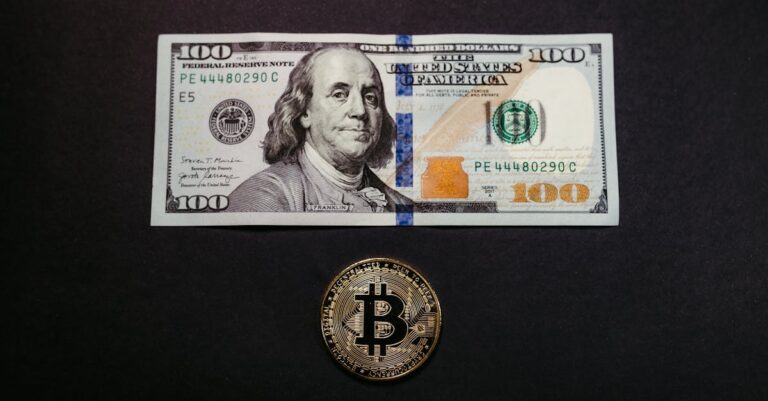
Understand how a strengthening dollar impacts your wealth, from international investments to daily costs. This guide navigates the complexities for savvy wealth builders.
The Unseen Force: How Dollar Strength Shapes Your Financial World
In the intricate tapestry of global finance, currency movements often remain an abstract concept for many individuals. Yet, the fluctuating value of the US Dollar – specifically, periods of sustained Dollar Strength – can profoundly influence personal wealth, investment portfolios, and even the cost of everyday goods. While currency traders meticulously analyze charts and technical indicators, for the diligent wealth builder, understanding the underlying drivers and consequences of a powerful dollar is crucial for effective financial planning and strategic decision-making.
Recent market dynamics exemplify this phenomenon. Global risk aversion, fueled by geopolitical tensions and inflationary pressures, has consistently bolstered the US Dollar’s appeal. Simultaneously, central bank actions, particularly the hawkish stance of the Federal Reserve, have reinforced expectations for higher interest rates, further widening the interest rate differential in favor of the dollar. This environment creates a compelling narrative where Dollar Strength is not just a headline for financial news but a tangible factor impacting your financial future.
This article aims to demystify the impact of Dollar Strength. We will explore the forces behind its rise, analyze its multi-faceted effects on various aspects of your personal finances and investments, and provide actionable strategies to navigate this economic landscape successfully. From the value of your overseas investments to the price of imported goods, a strong dollar casts a long shadow, and recognizing its influence is the first step towards robust wealth management.
The Engines Behind Sustained Dollar Strength
To truly grasp the implications of a powerful dollar, one must first understand the fundamental forces that propel it upwards. Several interconnected factors contribute to periods of significant Dollar Strength, creating a complex interplay that influences global markets.
Federal Reserve Monetary Policy: The Interest Rate Magnet
Perhaps the most significant driver of Dollar Strength is the monetary policy enacted by the Federal Reserve (Fed). The Fed has two primary mandates: to achieve price stability and foster maximum sustainable employment. Its most potent tool for achieving these goals is adjusting interest rates.
- When inflation is rising too quickly and exceeds the Fed’s 2% target, the central bank typically raises interest rates. This increases borrowing costs across the economy, slowing down spending and investment, thereby cooling inflation.
- Higher interest rates in the US make dollar-denominated assets, such as US Treasury bonds, more attractive to international investors seeking higher returns. This increased demand for US assets necessitates converting other currencies into dollars, driving up the dollar’s value. This effect is often magnified when other major central banks maintain lower interest rates, creating a significant “interest rate differential.”
- The Fed conducts eight policy meetings a year, where the Federal Open Market Committee (FOMC) assesses economic conditions and makes critical monetary policy decisions. These meetings are closely watched by global markets for signals about future interest rate movements.
Moreover, in times of crisis or extremely low inflation, the Fed may resort to unconventional policies like Quantitative Easing (QE), where it buys bonds to inject liquidity, typically weakening the dollar. Conversely, Quantitative Tightening (QT), the reverse process, where the Fed reduces its bond holdings, usually strengthens the dollar.
The Dollar’s Enduring Safe-Haven Status
In times of global uncertainty, economic instability, or geopolitical turmoil, investors often flee riskier assets and seek refuge in what are perceived as safer investments. The US Dollar, by virtue of the United States’ stable political system, robust economy, and deep, liquid financial markets, frequently assumes the role of the world’s premier “safe-haven” currency.
- When events like failed international peace talks or regional conflicts trigger widespread risk aversion, capital tends to flow into dollar-denominated assets. This surge in demand for dollars, driven by a desire for safety and liquidity, naturally pushes its value higher.
- The dollar’s role as the world’s primary reserve currency further enhances this status. Many international transactions, particularly in commodities like oil, are denominated in dollars, creating constant demand for the currency irrespective of specific economic conditions.
This flight to safety can temporarily override other economic factors, leading to periods of intensified Dollar Strength even when fundamental economic data might suggest otherwise for a brief period.
Economic Disparities and Global Inflationary Pressures
Disparities in economic performance between the US and other major economies also play a pivotal role. When the US economy demonstrates greater resilience or growth potential compared to its counterparts, it attracts more foreign investment, thereby strengthening the dollar.
- For instance, situations where other nations face economic concerns, such as imported energy shocks due to global conflicts, can weaken their currencies relative to the dollar. These imported energy shocks can fuel inflation abroad, but if the US is perceived to be better positioned to manage these pressures or has more aggressive central bank action, its currency benefits.
- Rallying crude oil prices, as seen in the context of Middle East conflicts, fuel inflationary fears globally. If the US Federal Reserve responds with more assertive tightening measures compared to other central banks, it further reinforces expectations of a stronger dollar.
The combination of these factors – proactive monetary policy, safe-haven demand, and relative economic strength – creates a powerful upward momentum for the US Dollar, making its influence felt across all facets of the financial world.
The Impact of Dollar Strength on Your Personal Wealth
The ramifications of sustained Dollar Strength extend far beyond the trading desks of institutional investors. For the individual wealth builder, these currency shifts translate into tangible effects on investment portfolios, purchasing power, and even business profitability.
Reshaping International Investment Portfolios
A strong dollar has a dual impact on your international investments, creating both opportunities and challenges, especially for US-based investors.
- For US Investors Holding Foreign Assets: When the dollar strengthens, the value of your foreign investments (e.g., European stocks, Japanese bonds) denominated in local currencies can decrease when converted back into dollars. If a stock you own in a foreign market performs well in its local currency, but that currency weakens significantly against the dollar, your dollar-denominated return will be diminished, or even turn negative. This is often a source of frustration, as excellent investment choices abroad can see their dollar returns eroded by currency translation effects.
- For US Investors Looking to Invest Abroad: Conversely, a strong dollar makes foreign assets relatively cheaper to acquire. If you’re considering buying shares in a company based in a country with a weakening currency, your strong dollars can purchase more of that foreign currency, effectively giving you more “buying power” for that investment. This creates an opportune moment for strategic international diversification.
- For Non-US Investors Holding US Assets: The effect is reversed. A stronger dollar means their US investments are worth more when converted back to their local currency, boosting their returns. However, new investments into the US become more expensive in their local currency terms.
Understanding these dynamics is crucial for portfolio rebalancing. Investors might consider currency hedging strategies for significant international holdings, though these can add complexity and cost.
Trade and Business Profitability: The Export Erosion Dilemma
For individuals involved in businesses that engage in international trade, Dollar Strength can directly affect profitability, particularly for exporters.
- Exporters Face Headwinds: When the dollar strengthens, US goods and services become more expensive for foreign buyers who pay in their local currencies. This can reduce demand for American exports, shrink profit margins, and make US companies less competitive in global markets. This is precisely where the “Wealth Erosion Feared: Dollar Strength Reshapes Export Profits” aspect of our title becomes most evident, causing significant frustration for businesses relying on international sales.
- Importers May Benefit: Conversely, a strong dollar makes imported goods and services cheaper for US consumers and businesses. This can lead to lower costs for inputs, potentially translating to lower retail prices or improved margins for importers.
The competitive landscape shifts dramatically, forcing businesses to adapt pricing strategies, supply chain management, and potentially seek new markets to mitigate the negative impacts or capitalize on the advantages.
Inflation and Purchasing Power: A Double-Edged Sword
The relationship between Dollar Strength and inflation is nuanced and can have varying effects on your purchasing power.
- Mitigating Imported Inflation: A strong dollar can help temper inflation by making imported goods, from electronics to clothing, cheaper. This is because fewer dollars are needed to purchase the same amount of foreign currency required to buy these goods.
- Commodity Price Dynamics: Many global commodities, notably crude oil, are priced in US dollars. A strong dollar can make these commodities relatively more expensive for countries using weaker currencies, impacting their domestic inflation. However, the actual market price of commodities is influenced by supply and demand regardless of currency. If oil prices are rallying due to supply shocks (as mentioned with Middle East conflicts), even a strong dollar may not fully offset the inflationary pressure these higher commodity costs exert globally.
- Overall Inflationary Environment: While a strong dollar might ease some import-driven inflation, it might not fully counteract broader inflationary pressures stemming from robust domestic demand or supply chain disruptions. The Federal Reserve’s primary concern remains overall price stability, and a hawkish stance to combat inflation often leads to Dollar Strength as a side effect.
For your personal finances, this means that while some imported goods might become more affordable, the overall cost of living could still be high due to other inflationary factors.
Travel and Lifestyle Considerations
For those who travel internationally, Dollar Strength offers a clear advantage.
- When the dollar is strong, your money goes further when you travel abroad. More foreign currency can be purchased with each dollar, making international vacations, dining, and shopping significantly more affordable.
- Conversely, for foreign visitors to the United States, a strong dollar makes their trip more expensive, as they need to exchange more of their local currency to obtain dollars for their expenses.
This can influence travel plans, making certain destinations more attractive or deterring visitors from regions with weaker currencies.
Navigating the Landscape: Strategies for Wealth Preservation and Growth
Understanding the impact of Dollar Strength is only half the battle. The other half involves implementing proactive strategies to preserve and grow your wealth in a volatile global economic environment. These strategies focus on diversification, informed decision-making, and adapting your financial plan to ongoing shifts.
Embrace Diversification Beyond Asset Classes
Diversification is a cornerstone of sound investment, but in an era of significant currency fluctuations, it needs to extend beyond merely diversifying across stocks, bonds, and real estate.
- Geographic Diversification: Don’t put all your eggs in one geographic basket. While US markets have historically been robust, investing in a mix of developed and emerging markets can provide exposure to different economic cycles and currency trends.
- Currency Diversification: Consider holding assets denominated in different major currencies, either directly through foreign currency accounts (for sophisticated investors) or indirectly through global funds that naturally offer currency exposure. This can help hedge against the adverse effects of Dollar Strength on your overall portfolio.
This approach isn’t about chasing the strongest currency but about creating a more resilient portfolio that can weather various economic conditions.
Monitor Central Bank Signals and Economic Data
Staying informed about the monetary policy decisions of major central banks, particularly the Federal Reserve, is paramount. Their actions are primary drivers of Dollar Strength and global market sentiment.
- Pay attention to FOMC statements, press conferences by the Fed Chair, and economic forecasts. These provide invaluable insights into the future trajectory of interest rates and the Fed’s outlook on inflation and growth.
- Similarly, for those with significant international exposure, understanding the policies of other central banks, like the Bank of Japan, can illuminate potential currency intervention risks or shifts in economic sentiment that could impact their investments.
- Economic data releases, such as inflation reports, employment figures, and GDP growth, offer clues about whether central banks are likely to become more hawkish or dovish.
This vigilance allows for informed adjustments to your investment thesis rather than reactive panic.
Rebalancing and Strategic Adjustments to Your Portfolio
Periods of sustained Dollar Strength present opportune moments to review and potentially rebalance your investment portfolio.
- Review International Holdings: Assess how your foreign stock and bond holdings are performing on a dollar-adjusted basis. If your strong dollar has made foreign assets cheaper, it might be a good time to increase your exposure, especially to markets that show promising long-term fundamentals despite current currency weakness. Conversely, if currency effects are significantly eroding returns, consider re-evaluating those holdings.
- Consider Dollar-Denominated Assets: During periods of Dollar Strength, US domestic stocks and bonds can perform relatively well. Investors might increase their allocation to these assets, especially if they are seen as providing stability or attractive risk-adjusted returns.
- Inflation Hedges: Given that a strong dollar doesn’t always nullify all inflationary pressures (e.g., from rising oil prices), consider assets that historically perform well during inflationary periods. These might include inflation-protected securities, real estate (with careful market analysis), or certain commodities, approached with caution and within a diversified portfolio.
The goal is not to time the market perfectly but to strategically adjust your allocations to align with the prevailing economic winds and your long-term financial objectives.
Managing Cash and Emergency Funds
Even your cash reserves can be impacted by currency movements. While most wealth builders keep their emergency funds in their local currency, for those with significant international ties or multiple residences, the choice of where to hold cash becomes relevant.
- If you anticipate living or spending extensively in a region with a weaker currency, holding some cash in that currency could be beneficial, especially if the dollar is expected to remain strong.
- However, the primary goal of an emergency fund is safety and accessibility. Prioritize highly liquid, low-risk accounts in stable institutions, regardless of currency fluctuations.
For most, maintaining emergency funds in US dollars within well-regulated domestic financial institutions remains the most prudent approach.
Business Strategies for Exporters and Importers
For business owners, proactive measures are essential to navigate Dollar Strength:
- Hedging Strategies: Businesses involved in international trade can explore currency hedging instruments to lock in exchange rates for future transactions, protecting against adverse currency movements.
- Cost Optimization: Exporters might need to find ways to reduce their production costs to maintain competitive pricing, while importers can leverage the strong dollar to negotiate better deals with foreign suppliers.
- Market Diversification: Exporters can explore new markets where demand for their products remains strong despite currency challenges, or where the local currency is more stable relative to the dollar.
Adapting quickly to currency shifts can be the difference between maintaining profitability and facing significant financial challenges.
The Japanese Yen’s Counterpoint: A Case Study in Currency Vulnerability
The recent performance of the Japanese Yen (JPY) against the US Dollar offers a compelling real-world example of currency vulnerability in the face of significant Dollar Strength and other economic pressures. While the USD/JPY pair has seen upward momentum, the factors influencing the JPY highlight the complexities other currencies face.
Economic Concerns and Imported Energy Shocks
The Japanese economy, heavily reliant on imported energy, has been particularly susceptible to global inflationary pressures, especially the rallying crude oil prices exacerbated by geopolitical events like the Middle East conflict. These imported energy shocks translate into higher production costs and consumer prices within Japan, putting a drag on economic growth and consumer sentiment.
- Unlike the hawkish stance of the US Federal Reserve, the Bank of Japan (BOJ) has maintained a more accommodative monetary policy, keeping interest rates extremely low. This divergence in interest rate policy further widens the gap between the dollar and the yen, making yen-denominated assets less attractive to yield-seeking investors.
- The resulting economic concerns stemming from this situation have weighed heavily on the Japanese Yen, contributing to its depreciation against the strong dollar.
The Shadow of Intervention Fears
The rapid depreciation of the Yen has sparked widespread speculation that Japanese authorities might intervene in the currency markets to stem further weakness. Currency intervention typically involves a central bank selling its dollar reserves to buy its own currency, thereby increasing demand for the local currency and theoretically boosting its value.
- These “intervention fears” can create significant volatility in the market. While they might hold back aggressive bearish bets against the JPY for a time, actual intervention is a powerful, though usually temporary, tool.
- For investors, the risk of intervention adds an unpredictable element. A sudden, forceful intervention could lead to sharp, short-term reversals in currency trends, impacting the value of yen-denominated assets or dollar-yen currency positions.
Understanding such dynamics is crucial for investors considering exposure to the Japanese market or for global wealth builders tracking major currency pairs. The interplay of central bank policies, economic fundamentals, and geopolitical events creates a dynamic, sometimes unpredictable, environment for currency values.
The Long Game: Building Resilience in a Volatile World
Ultimately, managing your wealth in an era defined by fluctuating currency values and global economic shifts requires a long-term perspective and a commitment to continuous learning. The transient nature of market trends means that what holds true for Dollar Strength today may evolve tomorrow.
Continuous Education: Staying Ahead of the Curve
The financial world is constantly evolving. Staying informed about global macroeconomic trends, central bank policies, geopolitical developments, and their potential impact on currency markets is a non-negotiable aspect of sophisticated wealth management. Regularly reading reputable financial news, understanding basic economic principles, and following expert analyses can equip you with the knowledge needed to make sound decisions.
The Value of Professional Advice
While self-education is vital, complex financial situations often warrant professional guidance. A qualified financial advisor can help you:
- Assess your current portfolio’s exposure to currency risk.
- Develop a diversified investment strategy that accounts for global economic dynamics.
- Implement sophisticated hedging techniques if appropriate for your financial profile.
- Understand the tax implications of international investments and currency gains or losses.
Choosing an advisor who specializes in international markets or has a deep understanding of macroeconomic factors can be particularly beneficial during periods of significant currency movements.
Maintaining a Long-Term Perspective
One of the greatest dangers during periods of market volatility and strong currency shifts is making impulsive decisions based on short-term movements. While Dollar Strength can create immediate challenges or opportunities, successful wealth building is a marathon, not a sprint.
- Focus on your long-term financial goals and ensure your investment strategy aligns with them, regardless of temporary market fluctuations.
- Avoid emotional trading or making drastic changes to your portfolio in response to daily headlines. A well-diversified, strategically planned portfolio is designed to weather various economic cycles.
By understanding the underlying forces and potential impacts of Dollar Strength, implementing proactive strategies, and maintaining a disciplined, long-term approach, wealth builders can not only protect their assets but also identify new avenues for growth in an ever-changing global financial landscape.
Frequently Asked Questions
How does Dollar Strength impact my international investment portfolio’s value?
When the US Dollar strengthens, the value of your foreign investments denominated in local currencies decreases when converted back into dollars. This can erode your dollar-denominated returns, even if the underlying asset performed well in its local market, leading to frustration for investors seeing their portfolio value diminish. Conversely, for US investors, a strong dollar makes acquiring new foreign assets relatively cheaper.
What role does the Federal Reserve play in influencing the US Dollar’s value?
The Federal Reserve (Fed) significantly influences the dollar’s value primarily through its monetary policy, particularly by adjusting interest rates. When the Fed raises interest rates to combat inflation, it makes dollar-denominated assets more attractive to international investors, increasing demand for the dollar and strengthening it. Their actions and forward guidance are key drivers behind periods of Dollar Strength.
Should I adjust my financial strategy due to global economic instability and currency shifts?
Yes, it is prudent to regularly review and potentially adjust your financial strategy. Global economic instability and significant currency shifts, such as sustained Dollar Strength, can affect your investment returns, purchasing power, and business profitability. Strategic adjustments might include diversifying your portfolio geographically and by currency, rebalancing asset allocations, and staying informed about central bank policies to proactively manage uncertainty and achieve your wealth-building goals.
What are the risks of currency intervention by central banks on my wealth?
Currency intervention, where a central bank directly buys or sells its currency in the market, introduces significant unpredictability and volatility. For investors, this creates a risk of sudden, sharp reversals in currency trends, which can impact the value of foreign currency-denominated investments or currency positions. While interventions aim to stabilize markets, they can cause short-term disruptions, frustrating investors seeking stable returns.
How can investors protect their purchasing power against inflation fueled by global events?
To protect purchasing power against inflation fueled by global events, investors can consider several strategies. While Dollar Strength might mitigate some imported inflation, overall inflationary pressures often persist. Diversifying into inflation-protected securities, real estate (after careful market analysis), or certain commodities can offer hedges. Additionally, maintaining a strong emergency fund and optimizing your investment portfolio for long-term growth can help preserve wealth.