

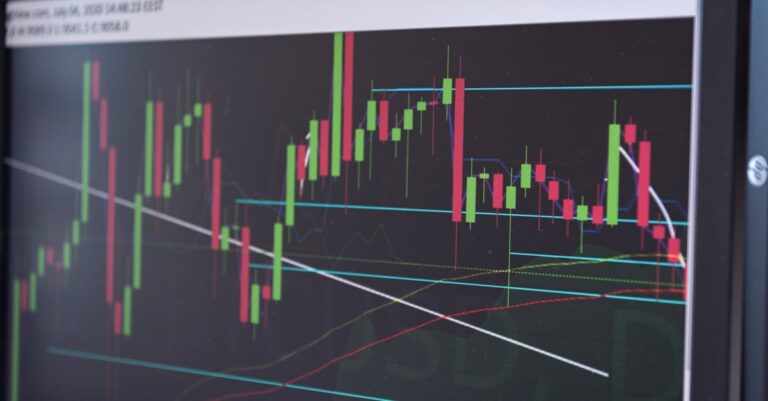
Understand the forces driving Euro-Dollar shifts amid global tensions and inflation. This guide offers insights for protecting your forex investments through volatility.
The global financial landscape is a complex tapestry, constantly reweaving itself in response to economic shifts, central bank policies, and geopolitical events. For investors engaged in EUR/USD trading, understanding these interconnected forces is not merely beneficial; it is absolutely essential for safeguarding capital and pursuing growth. The recent softening of the Euro against the US Dollar to near 1.1650, as reported by FXStreet, highlights a critical period of uncertainty. This movement is not isolated but a direct consequence of escalating Middle East tensions, looming US inflation data, and the nuanced hawkish stance of the European Central Bank (ECB).
For those navigating the often-turbulent waters of currency markets, especially in EUR/USD trading, a deep dive into these fundamental drivers is crucial. The goal is not just to react to market fluctuations but to anticipate them, employing informed strategies that can help preserve wealth even amidst significant volatility. This comprehensive guide will dissect the factors currently influencing the Euro-Dollar pair, offer actionable insights for risk management, and empower you to approach your investments with greater confidence and strategic foresight.
The Geopolitical Tangle: Middle East Tensions and the US Dollar
Geopolitical instability frequently acts as a powerful catalyst in currency markets, often driving capital towards perceived safe-haven assets. The US Dollar, or Greenback, historically serves as a primary beneficiary during periods of global uncertainty. The current situation in the Middle East offers a stark illustration of this dynamic. Recent reports, including those from Reuters, indicate persistent sporadic fighting in the region, particularly in Lebanon, casting a shadow of doubt over the stability of a supposed two-week ceasefire between the United States and Iran.
Iranian officials have reportedly cast these continued hostilities as violations of the ceasefire terms, suggesting that proceeding with talks for a permanent peace deal would be “unreasonable.” This sentiment alone is enough to inject significant apprehension into global markets. When geopolitical risks intensify, investors tend to seek the perceived safety and liquidity of the US Dollar, leading to its appreciation against other major currencies. For EUR/USD trading, this translates into a downward pressure on the pair, as the Euro softens relative to a strengthening Dollar.
Understanding this safe-haven dynamic is paramount. It means that even if economic data points from the Eurozone appear robust, a significant geopolitical flare-up can override these fundamentals, at least in the short term, pushing the Euro-Dollar rate lower. Astute investors in EUR/USD trading must therefore integrate geopolitical analysis into their broader market assessments, recognizing that international relations can be as impactful as interest rate differentials or GDP figures.
Monitoring reputable news sources for updates on these tensions is not an option but a necessity. The rapid shifts in sentiment driven by geopolitical headlines can create sudden market movements, presenting both risks and opportunities. A proactive approach involves not only staying informed but also having pre-defined risk management strategies in place to respond to such developments. The intertwining of international politics with currency valuations underscores the multifaceted nature of EUR/USD trading.
Inflation’s Shadow: US CPI and its Dollar Impact on EUR/USD Trading
While geopolitical tensions offer immediate shocks to the market, underlying economic indicators provide a more sustained directional bias. Among these, inflation data stands out as a critical determinant of central bank policy, and by extension, currency valuations. The upcoming US Consumer Price Index (CPI) inflation report for March is expected to be a pivotal event, with significant implications for the US Dollar and consequently, the EUR/USD trading pair.
Economists anticipate the headline CPI to show a rise of 3.3% year-over-year in March, a notable increase from the prior month’s 2.4%. This projected surge is largely attributed to the increase in oil prices, a direct consequence of the ongoing Middle East conflict. Higher inflation figures in the United States typically strengthen the Greenback. The reasoning is straightforward: elevated inflation pressures the US Federal Reserve to adopt a more hawkish monetary policy stance, primarily through raising interest rates.
When interest rates rise, or when the market anticipates such increases, holding US Dollar-denominated assets becomes more attractive to global investors, as they offer higher returns. This increased demand for the Dollar leads to its appreciation. For EUR/USD trading, a stronger Dollar acts as a persistent headwind, pushing the pair lower. Conversely, if inflation comes in lower than expected, it could temper expectations for aggressive rate hikes, potentially weakening the Dollar and providing some relief to the Euro-Dollar pair.
Investors in EUR/USD trading must pay close attention not only to the headline CPI figure but also to its core components, which exclude volatile food and energy prices, as these often provide a clearer picture of underlying inflationary trends. The market’s reaction to the CPI report will not just be based on the number itself, but on how that number influences the narrative around the Federal Reserve’s future monetary policy decisions. A hotter-than-expected report could solidify bets for further rate hikes, extending the Dollar’s strength and further pressuring the Euro.
The European Counterbalance: ECB’s Hawkish Stance
While external factors like geopolitical unrest and US inflation exert downward pressure on the Euro-Dollar pair, the European Central Bank (ECB) plays a crucial role in providing a counterbalance, potentially limiting the shared currency’s losses. The ECB’s recent hawkish tone has been a significant development, offering a degree of support to the Euro amidst global headwinds. ECB policymakers, including notable figures like Pierre Wunsch and Dimitar Radev, have publicly stated that an interest rate hike at the April meeting remains a “live possibility,” although many officials view a June move as more likely.
This hawkish rhetoric signals a departure from previous market expectations and reflects the ECB’s commitment to maintaining price stability within the Eurozone, a mandate similar to that of the US Federal Reserve. Reuters reports that traders have significantly ramped up their bets, with markets now fully pricing in two rate hikes and more than a 50% chance of a third move by December. This represents a stark turnaround from the pre-war period, when there was even a risk of a rate cut this year. Such a shift in monetary policy expectations is a powerful driver for currency appreciation.
Higher interest rates in the Eurozone, or the expectation of them, make Euro-denominated assets more attractive to international investors, increasing demand for the Euro. This increased demand helps to strengthen the Euro against other currencies, including the US Dollar. For those involved in EUR/USD trading, the ECB’s stance is a critical factor to monitor, as it can mitigate some of the negative pressures stemming from the strengthening Dollar.
However, it’s important to recognize that the impact of the ECB’s hawkishness is often weighed against the relative hawkishness of other major central banks, particularly the Federal Reserve. If the Fed is perceived to be even more aggressive in its rate hike cycle, the Euro’s gains from the ECB’s policy could be partially or entirely offset. Therefore, a comparative analysis of monetary policy trajectories is essential for successful EUR/USD trading. The tug-of-war between these central bank narratives forms a core part of the daily fluctuations in the Euro-Dollar pair.
Understanding the Euro: Fundamental Drivers Beyond Current Events
Beyond the immediate headlines and policy statements, a deeper understanding of the Euro’s fundamental drivers is crucial for any investor engaged in EUR/USD trading. The Euro is not just a currency but a reflection of the collective economic health and policy decisions of the 20 European Union countries that constitute the Eurozone. Its global significance is undeniable: it is the second most heavily traded currency in the world, surpassed only by the US Dollar. In 2022, it accounted for a significant 31% of all foreign exchange transactions, boasting an average daily turnover exceeding $2.2 trillion, as per FXStreet. The EUR/USD pair itself is the most heavily traded currency pair globally, making up an estimated 30% of all transactions, underscoring its pivotal role in international finance.
The European Central Bank (ECB) and its Impact on the Euro
The European Central Bank (ECB), headquartered in Frankfurt, Germany, functions as the central bank for the entire Eurozone. Its primary mandate is to maintain price stability, which involves either controlling inflation or stimulating economic growth when necessary. The ECB’s main tool for achieving this is the setting of interest rates. Generally, relatively high interest rates, or the market’s expectation of higher rates, tend to benefit the Euro. This is because higher rates make Euro-denominated assets more attractive to global investors seeking better returns, thereby increasing demand for the currency.
The ECB Governing Council, comprising the heads of Eurozone national banks and six permanent members (including the President of the ECB, Christine Lagarde), makes monetary policy decisions at eight meetings held throughout the year. These decisions are meticulously scrutinized by forex traders, as they provide critical signals about the future direction of interest rates and, consequently, the Euro’s value. A hawkish stance, implying a readiness to raise rates, typically strengthens the Euro, while a dovish stance, suggesting a preference for lower rates or quantitative easing, can weaken it. Understanding the ECB’s communications and forward guidance is therefore an indispensable part of EUR/USD trading analysis.
How Inflation Data Influences the Euro’s Value
Eurozone inflation data, typically measured by the Harmonized Index of Consumer Prices (HICP), is another highly influential econometric for the Euro. If inflation rises more than expected, particularly if it surpasses the ECB’s target of 2%, it often compels the ECB to consider raising interest rates to bring price increases back under control. As discussed, higher interest rates, especially when compared to those of other major economies, make the Eurozone a more attractive destination for global capital. This comparative advantage drives up demand for the Euro, leading to its appreciation.
Conversely, if inflation remains stubbornly low or falls below the ECB’s target, the central bank might be inclined to maintain lower interest rates or even implement stimulative measures to prevent deflation and boost economic activity. Such scenarios can exert downward pressure on the Euro. For participants in EUR/USD trading, the HICP report is thus a key economic release, offering direct insights into the likely direction of the ECB’s monetary policy and, by extension, the Euro’s short-to-medium-term trajectory.
The Influence of Economic Data on the Euro
Beyond inflation, a broad spectrum of economic data releases provides a comprehensive gauge of the Eurozone’s economic health, all of which can significantly impact the Euro. Key indicators include Gross Domestic Product (GDP), Manufacturing and Services Purchasing Managers’ Indices (PMIs), employment figures, and consumer sentiment surveys. A robust and growing Eurozone economy is generally positive for the Euro. Not only does it attract more foreign direct investment and portfolio capital, but it also strengthens the case for the ECB to potentially raise interest rates, which directly enhances the Euro’s value.
Conversely, signs of economic weakness, such as contracting GDP, declining PMIs, or rising unemployment, are likely to cause the Euro to fall. These indicators suggest a less attractive investment environment and could prompt the ECB to adopt a more accommodative monetary policy. It is particularly important for EUR/USD trading to monitor economic data from the four largest economies within the Euro area: Germany, France, Italy, and Spain. These countries collectively account for approximately 75% of the Eurozone’s economy, meaning their economic performance has a disproportionately large influence on the single currency’s overall strength and stability.
Trade Balance: A Key Indicator for Euro Strength
Another significant data release that warrants close attention for the Euro is the Trade Balance. This indicator measures the difference between what a country earns from its exports and what it spends on imports over a specific period. A country that produces highly sought-after exports will naturally see increased demand for its currency from foreign buyers who need to purchase these goods. Therefore, a persistent positive net Trade Balance (exports exceeding imports) generally strengthens a currency, as it signifies greater international demand for the country’s goods and services, and by extension, its currency.
Conversely, a negative trade balance (imports exceeding exports) can weaken a currency, as it implies a net outflow of capital. For the Eurozone, a strong and consistent trade surplus signals economic competitiveness and can provide underlying support for the Euro. For those engaged in EUR/USD trading, closely tracking the Eurozone’s trade balance provides insights into the structural demand for the Euro on the global stage, complementing the analysis of monetary policy and inflation.
Navigating the Volatility: Strategies for Prudent EUR/USD Trading
Given the complex interplay of geopolitical events, inflation pressures, and central bank policies, successful EUR/USD trading requires a robust and disciplined approach. Volatility, while potentially daunting, also presents opportunities for informed investors. Here are key strategies to help navigate the current environment and protect your capital.
Implement Robust Risk Management
Risk management is the cornerstone of any successful trading strategy, especially in volatile markets. This includes setting strict stop-loss orders to limit potential losses on a trade. A stop-loss order automatically closes a position if the price moves against you beyond a specified threshold. Equally important is position sizing: never risking more than a small percentage of your total trading capital on any single trade. This approach ensures that even a series of unsuccessful trades does not significantly deplete your overall funds. For EUR/USD trading, where sudden shifts can occur, these tools are invaluable.
Diversify Your Investment Portfolio
While this article focuses on EUR/USD trading, it’s crucial to remember the principle of diversification. Avoid placing all your investment capital into a single asset class or currency pair. By spreading your investments across different currencies, asset classes (stocks, bonds, commodities), and geographical regions, you can mitigate the impact of adverse movements in any one particular market. Diversification helps to smooth out returns and reduce overall portfolio risk.
Master Fundamental Analysis
A deep understanding of fundamental analysis is non-negotiable for EUR/USD trading. This involves continuously monitoring and interpreting economic indicators and geopolitical developments. Pay close attention to:
- Interest Rate Differentials: The difference in interest rates between the US and the Eurozone significantly impacts the carry trade and overall attractiveness of each currency.
- Inflation Reports: US CPI and Eurozone HICP are critical. How these numbers compare to expectations and central bank targets dictates policy reactions.
- Economic Growth Data: GDP, manufacturing, and services PMIs provide insights into the health of both economies. Stronger growth typically supports a currency.
- Employment Figures: Unemployment rates and job creation data are key indicators of economic health and inflationary pressures.
- Central Bank Communications: Statements, speeches, and meeting minutes from the Federal Reserve and the ECB offer direct insights into future monetary policy.
- Geopolitical News: Stay updated on international political developments, particularly those involving major economies or regions that could impact global risk sentiment. Sources like Reuters and FXStreet are valuable.
Incorporate Technical Analysis
While fundamentals provide the “why,” technical analysis helps identify the “when.” Using charts, patterns, and indicators (such as moving averages, RSI, MACD) can help identify potential entry and exit points, support and resistance levels, and overall market trends. For EUR/USD trading, combining fundamental insights with technical confirmation can lead to more robust trading decisions. For instance, if fundamentals suggest a Euro depreciation, technical analysis can help pinpoint the specific price levels where selling pressure might intensify.
Stay Continuously Informed
The currency markets are dynamic, with information flowing 24/7. Rely on credible financial news outlets, economic calendars, and direct central bank publications. Avoid relying on unsubstantiated rumors or social media speculation. Being well-informed allows you to react prudently to new information and adjust your EUR/USD trading strategy accordingly.
Consider Long-Term vs. Short-Term Approaches
Your investment horizon should dictate your strategy. Short-term traders might focus more on immediate news releases, technical patterns, and intra-day volatility. Long-term investors, conversely, might prioritize broader economic trends, sustained interest rate differentials, and structural shifts in global finance. Both approaches require discipline, but their specific focus points differ significantly. For those aiming to build wealth, a blend of understanding both short-term market noise and long-term economic trajectories is often most effective for EUR/USD trading.
Emotional Discipline is Paramount
Fear and greed are powerful emotions that can derail even the most well-conceived trading plans. Avoid impulsive decisions based on sudden market swings or overwhelming sentiment. Stick to your predefined trading plan, risk management rules, and analytical framework. Emotional discipline ensures consistency and prevents costly mistakes, which is critical in the fast-paced world of EUR/USD trading.
Case Study: The Impact of Unexpected Inflation on EUR/USD
Consider a hypothetical scenario for EUR/USD trading. Imagine it’s early 202X, and the market consensus is for US inflation to moderate, suggesting a dovish stance from the Federal Reserve. Based on this, many investors might have positioned themselves for a weaker US Dollar, expecting EUR/USD to climb. However, an unexpected turn of events unfolds: the actual US Consumer Price Index (CPI) report reveals inflation surging significantly higher than forecasts, driven by factors such as unforeseen supply chain disruptions or escalating commodity prices.
In this situation, the immediate market reaction would likely be a sharp strengthening of the US Dollar. Traders would quickly adjust their expectations for Federal Reserve policy, anticipating a more aggressive series of interest rate hikes to combat the hotter-than-expected inflation. This sudden shift in sentiment and monetary policy outlook would cause the EUR/USD pair to decline precipitously, potentially liquidating positions of those who were betting on a weaker Dollar.
An informed investor, however, would have several layers of protection and strategy in place. Firstly, their strong risk management practices would mean stop-loss orders were strategically placed, limiting the downside of any long EUR/USD positions. Secondly, by staying informed and conducting thorough fundamental analysis, they might have identified early warning signs of inflationary pressures, even if the consensus was dovish. Perhaps they observed rising producer prices or commodity futures indicating future cost pressures, prompting a more cautious approach to their EUR/USD trading.
Furthermore, an investor utilizing both fundamental and technical analysis might have seen technical indicators suggesting overbought conditions for EUR/USD or identified strong resistance levels that the pair was struggling to break through, signaling a potential reversal even before the inflation data hit. Such an investor might have either reduced their exposure, hedged their positions, or even reversed their stance to capitalize on the Dollar’s surge. This example underscores the importance of a comprehensive approach, combining diverse analytical methods and robust risk controls, to navigate the unpredictable nature of EUR/USD trading effectively.
Conclusion: Mastering EUR/USD Trading for Wealth Building
The journey of wealth building through EUR/USD trading is undeniably challenging, requiring constant vigilance and adaptability. The current market environment, characterized by Middle East tensions bolstering the US Dollar, the specter of higher US inflation, and the ECB’s increasingly hawkish stance, exemplifies the intricate dance of global finance. These factors, while creating significant volatility, also offer fertile ground for those who understand their dynamics and employ strategic foresight.
Protecting your capital and fostering growth in such an environment means moving beyond simplistic assumptions. It demands a commitment to continuous learning, a robust application of both fundamental and technical analysis, and unwavering emotional discipline. By meticulously tracking geopolitical developments, deciphering central bank rhetoric, and interpreting economic indicators like inflation and trade balances, you equip yourself with the knowledge to make informed decisions.
Remember, the goal is not to predict every market move with perfect accuracy, but to develop a resilient framework that allows you to manage risks effectively and capitalize on well-researched opportunities. The Euro-Dollar pair, as the world’s most traded currency duo, will always remain a battleground for these macro forces. By embracing the strategies outlined in this guide, you can navigate the complexities of EUR/USD trading with greater confidence, transforming potential frustrations into pathways for sustained financial growth and long-term wealth accumulation.
Frequently Asked Questions
How do Middle East tensions impact my Euro-Dollar trades and cause uncertainty?
Middle East tensions typically increase global risk aversion, driving investors towards safe-haven assets like the US Dollar. This increased demand strengthens the Dollar against currencies like the Euro. For EUR/USD trading, this means the pair often softens (declines) as the Dollar gains. The uncertainty stems from the unpredictable nature of geopolitical events, which can cause sudden and sharp market movements, making it difficult to predict short-term currency directions.
What role does US inflation play in Euro-Dollar exchange rates and understanding market drivers?
US inflation data is a critical market driver. Higher-than-expected US inflation typically prompts the Federal Reserve to adopt a more hawkish monetary policy, signaling potential interest rate hikes. This makes US Dollar-denominated assets more attractive, increasing demand for the Dollar and strengthening it against the Euro, thus pressuring the EUR/USD pair downwards. Conversely, lower inflation could weaken the Dollar.
Can the European Central Bank’s policy decisions help stabilize my Euro investments?
Yes, the ECB’s monetary policy decisions, especially its stance on interest rates, significantly influence the Euro’s value and can help stabilize investments. A hawkish ECB, indicating a readiness to raise rates, makes Euro-denominated assets more appealing, thereby strengthening the Euro and potentially limiting its losses against a strong US Dollar. This provides a counterbalance to external pressures and can add a layer of stability to Euro investments.
Why is a strong Eurozone economy crucial for my long-term currency outlook?
A strong Eurozone economy, evidenced by robust GDP growth, positive employment figures, and healthy trade balances, is crucial for a positive long-term currency outlook. It attracts foreign investment, boosts confidence in the region, and often encourages the ECB to maintain a tighter monetary policy. All these factors collectively strengthen the Euro, making it a more attractive currency for long-term holdings and providing a solid foundation for EUR/USD trading strategies.
How can I manage risks effectively when trading in volatile currency markets to avoid major losses?
Effective risk management in volatile currency markets is paramount to avoid major losses. Key strategies include consistently using stop-loss orders to automatically close positions at a predetermined loss level, carefully sizing your positions to only risk a small percentage of your capital per trade, diversifying your portfolio across different assets, and adhering strictly to a predefined trading plan based on thorough fundamental and technical analysis, rather than emotional reactions.