

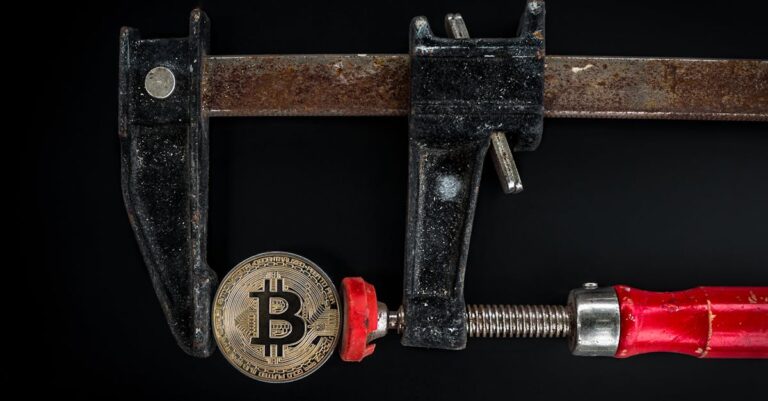
Navigate the complexities of safeguarding your digital wealth. This article sheds light on crucial crypto asset security measures and the challenges of fund recovery in a volatile digital landscape.
In the rapidly expanding realm of digital finance, crypto assets have emerged as a compelling avenue for wealth growth and diversification. Yet, with innovation comes inherent risk, particularly concerning the security of these often-volatile holdings. Understanding robust crypto asset security is not merely an option but a foundational necessity for any individual or institution venturing into this digital frontier. The allure of substantial returns can sometimes overshadow the critical need for vigilance, leaving investors exposed to sophisticated threats that demand proactive and informed defenses.
A recent high-profile incident underscores this vulnerability, highlighting the intricate challenges associated with protecting digital wealth. In early April 2026, a significant crypto protocol, offering perpetual futures on a prominent blockchain network, experienced an alarming attack. This event, which saw an attacker illicitly transfer a substantial sum – reported to be hundreds of millions in digital currency – from the compromised protocol to another blockchain, sent ripples throughout the industry. The method involved utilizing the cross-chain transfer protocol of a recognized stablecoin provider, moving funds from one major blockchain to another. This incident brought to the forefront heated discussions regarding the speed and legality of freezing stolen digital assets, casting a critical eye on the existing mechanisms for crypto asset security and recovery.
Critics swiftly voiced concerns that the stablecoin issuer involved could have acted more quickly to limit the losses, potentially freezing the funds before they were fully transferred. However, the issuer countered, emphasizing their status as a regulated entity bound by legal requirements, including court orders and law enforcement requests, before initiating any asset freezes. This legal tightrope walk between immediate action and adherence to due process forms a critical aspect of modern crypto asset security debates. As a spokesperson for the stablecoin issuer stated, “The company is a regulated entity that complies with sanctions, law enforcement orders, and court-mandated requirements. We freeze assets when legally required, consistent with the rule of law and with strong protections for user rights and privacy.” (PYMNTS.com, April 3, 2026) This statement encapsulates the complex environment in which digital asset recovery operates, balancing swift justice with established legal frameworks.
This incident serves as a stark reminder that while the digital asset space offers immense opportunities, it also presents unique and evolving risks. For those seeking to build wealth in this domain, a deep understanding of crypto asset security principles, the various attack vectors, and the available protective measures is paramount. This article will delve into the intricacies of digital asset protection, drawing lessons from real-world scenarios to equip you with the knowledge needed to safeguard your investments effectively.
The Anatomy of a Digital Asset Compromise: Understanding Attack Vectors for Crypto Asset Security
Digital asset compromises are multi-faceted, ranging from direct attacks on individual wallets to sophisticated exploits targeting entire protocols. To truly grasp crypto asset security, one must understand the common methods attackers employ.
Exploiting Protocol Vulnerabilities: A Key Threat to Crypto Asset Security
The recent incident involving the perpetual futures exchange highlighted a critical vulnerability: the compromise of the protocol itself. Attackers gained unauthorized access, taking over administrative powers and likely leveraging social engineering or transaction misrepresentation to compromise multiple multi-signature (multisig) signers. This type of attack targets the underlying code and governance mechanisms of a decentralized application (dApp) or blockchain protocol. Smart contracts, while powerful, can contain bugs or logic flaws that, when discovered by malicious actors, can lead to the draining of funds. Regular, rigorous smart contract audits by reputable third parties are a vital, though not infallible, component of protocol-level crypto asset security.
Social Engineering and Phishing: Human Weaknesses in Crypto Asset Security
Beyond code exploits, the human element remains a primary attack vector. Social engineering involves manipulating individuals into performing actions or divulging confidential information. This can manifest as highly targeted phishing campaigns, where attackers impersonate legitimate entities (like a blockchain project’s support team or a stablecoin issuer) to trick users into revealing private keys, seed phrases, or approving malicious transactions. The sophistication of these attacks, as suggested in the recent protocol incident (“compromise of multiple multisig signers’ approvals, likely through targeted social engineering or transaction misrepresentation”), underscores their effectiveness. Strong personal security hygiene, including verifying sources and using multi-factor authentication (MFA), is crucial for individual crypto asset security.
Supply Chain Attacks and Software Exploits
In some instances, attacks don’t target the core protocol but rather third-party tools or dependencies that the protocol relies on. A compromise in a library, an infrastructure provider, or even a widely used software wallet can have cascading effects, impacting numerous users or projects. Staying updated on security patches and using trusted software sources are general IT best practices that extend directly to bolstering crypto asset security.
Stablecoins and Cross-Chain Transfers: Their Role in Crypto Asset Security and Exposure
Stablecoins, designed to maintain a stable value relative to a fiat currency, are integral to the crypto ecosystem, facilitating trade and acting as a bridge between traditional finance and decentralized applications. Cross-chain transfer protocols enable these stablecoins, and other digital assets, to move between different blockchain networks. While these technologies offer immense utility, they also introduce specific considerations for crypto asset security.
The Utility and Risk of Stablecoins
Stablecoins like the one involved in the recent incident are frequently used to move large sums of value efficiently across various decentralized finance (DeFi) platforms. Their stability makes them an attractive vehicle for attackers to consolidate stolen funds, as their value doesn’t fluctuate wildly during the transfer or subsequent attempts to liquidate. The integration of stablecoins into numerous protocols means that an exploit in one protocol can lead to the movement of these assets, implicating the stablecoin issuer in the recovery process.
Cross-Chain Bridges and Their Security Implications for Crypto Asset Security
Cross-chain transfer protocols, often referred to as bridges, are complex pieces of infrastructure that lock assets on one chain and mint equivalent representations on another, or facilitate direct transfers. These bridges have been the target of some of the largest crypto hacks in history, precisely because they serve as critical junctures where large amounts of capital are pooled. Ensuring the robust crypto asset security of these bridges is a colossal task, involving rigorous smart contract audits, decentralized governance, and continuous monitoring. When an attacker exploits a protocol and then uses a cross-chain bridge to move funds, it compounds the challenge of recovery, as funds traverse different legal and technical jurisdictions.
The Stablecoin Issuer’s Dilemma: Speed vs. Legal Compliance in Crypto Asset Security
The incident highlighted the inherent tension faced by regulated stablecoin issuers. On one hand, there’s public expectation for swift action to freeze stolen funds, especially when they pass through their controlled infrastructure. On the other hand, these issuers operate within a legal framework that typically requires court orders, law enforcement requests, or sanctions compliance before assets can be frozen. Arbitrarily freezing funds without legal mandate could expose the issuer to significant legal liabilities, including lawsuits from asset owners claiming unlawful seizure. This legal constraint is a significant factor in why immediate intervention in the face of a hack is not always feasible, posing a complex challenge for rapid crypto asset security responses.
Fortifying Your Digital Holdings: Essential Crypto Asset Security Measures
Given the persistent threat landscape, individuals and institutions must adopt a multi-layered approach to crypto asset security. This encompasses both technical safeguards and disciplined personal practices.
Understanding Wallet Types: Custodial vs. Non-Custodial Wallets for Crypto Asset Security
The first step in securing your digital assets is understanding where they are stored and who controls the private keys.
- Non-Custodial Wallets (Self-Custody): With non-custodial wallets (e.g., hardware wallets, software wallets like browser extensions or desktop applications), you retain full control of your private keys and, by extension, your funds. This offers the highest degree of sovereignty over your assets. However, it also places the full burden of crypto asset security squarely on your shoulders. Losing your seed phrase or private key, or having them compromised, means losing your funds permanently. There’s no “forgot password” option.
- Custodial Wallets: These are typically offered by centralized exchanges or other financial service providers. In this model, the provider holds your private keys on your behalf. While this can offer convenience and features like easy password recovery, it introduces counterparty risk. If the exchange is hacked, goes bankrupt, or acts maliciously, your funds could be at risk. The saying “not your keys, not your coins” is a stark reminder of this fundamental difference in crypto asset security. For substantial holdings, non-custodial solutions are generally recommended.
The Cornerstone of Crypto Asset Security: Private Key Management
Your private key is the cryptographic proof of ownership for your digital assets. Protecting it is the single most important aspect of crypto asset security. Consider these practices:
- Hardware Wallets: These physical devices are considered the gold standard for storing private keys offline, making them impervious to online hacks. Transactions are signed on the device itself, which typically requires physical confirmation.
- Seed Phrase Backup: When setting up a non-custodial wallet, you’ll receive a seed phrase (a series of 12 or 24 words). This phrase is your ultimate backup; it can restore your wallet on any compatible device. Store it securely offline, in multiple physical locations, away from fire, water, and prying eyes. Never store it digitally or share it.
- Avoid Sharing Private Keys: Under no circumstances should you ever share your private keys or seed phrase with anyone. Legitimate services will never ask for this information.
Advanced Crypto Asset Security for Institutions and High-Net-Worth Individuals
For larger holdings or institutional contexts, more sophisticated measures become necessary:
- Multi-Signature (Multisig) Wallets: These require multiple private keys to authorize a transaction. For example, a 3-of-5 multisig requires 3 out of 5 designated key holders to sign off. This significantly enhances crypto asset security by distributing control and preventing a single point of failure. However, as the recent incident showed, even multisigs can be compromised through sophisticated social engineering targeting the multiple signers.
- Cold Storage: Storing assets completely offline, often in segregated, highly secured environments. This minimizes exposure to online threats.
- Trusted Custodians: For institutions, engaging regulated and insured digital asset custodians can provide a professional level of crypto asset security, although this reintroduces counterparty risk.
Navigating the Legal and Regulatory Maze of Crypto Asset Security
The incident involving the stablecoin issuer and the compromised protocol underscores a significant challenge: the nascent and often ambiguous legal and regulatory landscape surrounding digital assets. This impacts not only fund recovery but also the broader framework of crypto asset security.
Jurisdictional Complexities and International Cooperation
Blockchain technology is inherently global, allowing assets to move across borders instantaneously. This poses immense challenges for law enforcement agencies, which are typically bound by national jurisdictions. A hack originating in one country, exploiting a protocol hosted in another, and moving funds via a stablecoin issued by a company in a third, creates a complex web where international cooperation is essential but often slow and cumbersome. This fragmentation complicates the ability to enforce legal orders and recover stolen funds, directly impacting the effectiveness of crypto asset security measures post-incident.
The Definition of “Asset” and “Ownership”
Traditional legal definitions of “asset” and “ownership” don’t always neatly translate to the digital realm. Is a token a security, a commodity, or property? The answer can vary by jurisdiction and can significantly impact how incidents are prosecuted and how assets are recovered. The decentralized nature of many crypto assets also challenges traditional notions of who is responsible for their security and who has the authority to intervene. Clearer legal definitions are vital for advancing the robustness of crypto asset security frameworks.
Balancing Decentralization with Investor Protection
A core tenet of many cryptocurrencies is decentralization, aiming to remove intermediaries and central points of control. However, this ethos often clashes with the desire for investor protection and the ability to reverse fraudulent transactions. Regulators grapple with how to impose safeguards and accountability without stifling innovation or undermining the fundamental principles of decentralization. The debate over whether a stablecoin issuer should “freeze funds” without a court order highlights this tension – immediate intervention might protect victims but could be seen as an overreach of centralized power within a decentralized system. This ongoing debate is central to shaping the future of crypto asset security and regulation.
The Evolution of Compliance and Sanctions
As digital assets become more mainstream, so too does the expectation for financial institutions operating in this space to comply with anti-money laundering (AML) and know-your-customer (KYC) regulations, as well as international sanctions. Stablecoin issuers, often regulated entities, are increasingly integrating these compliance measures. This means they are legally obligated to block transactions or freeze assets associated with sanctioned entities or illicit activities, but only when legally mandated. This evolving regulatory landscape is crucial for legitimizing the crypto space but also creates the “legal tightrope” mentioned earlier, impacting the speed and nature of responses to crypto asset security incidents.
Proactive Steps for Enhanced Crypto Asset Security and Investment Protection
While the broader ecosystem grapples with systemic issues, individual investors have powerful tools at their disposal to enhance their personal crypto asset security. Taking proactive steps can significantly reduce your risk exposure.
Due Diligence on Protocols and Platforms
Before investing in any crypto project or using a decentralized application (dApp), conduct thorough research:
- Audit Reports: Check if the project’s smart contracts have been audited by reputable firms. While audits aren’t a guarantee against all bugs, they significantly reduce risk.
- Team and Reputation: Research the team behind the project. Do they have a track record? Is their communication transparent?
- Community and Documentation: A strong, active community and clear, comprehensive documentation can be indicators of a well-managed project focused on robust crypto asset security.
- Risk Disclosure: Understand the specific risks associated with the protocol, especially for high-yield or novel financial instruments like perpetual futures.
Diversification of Assets and Storage Methods
Just as you wouldn’t put all your traditional investments into a single stock, avoid putting all your digital assets into a single cryptocurrency or, crucially, a single wallet or exchange. Diversify your portfolio across different assets, and use various storage methods:
- Multiple Wallets: Don’t keep all your crypto in one place. Use a hardware wallet for your long-term holdings (cold storage), a software wallet for smaller amounts you actively trade (hot wallet), and perhaps a reputable exchange for assets you frequently move.
- Different Blockchains: Diversify across different blockchain networks to avoid being overly exposed to a single network’s vulnerabilities.
Strong Authentication and Digital Hygiene
Fundamental digital security practices are even more critical in crypto:
- Multi-Factor Authentication (MFA): Always enable MFA on all your exchange accounts and any software wallets that support it. Hardware-based MFA (e.g., security keys) is generally more secure than SMS-based MFA.
- Unique, Strong Passwords: Use a password manager to generate and store unique, complex passwords for every account.
- Phishing Awareness: Be extremely skeptical of unsolicited emails, messages, or calls. Always verify the source independently before clicking links or providing information. Bookmark official website URLs and use them directly.
- Software Updates: Keep your operating system, browser, and all crypto-related software (including wallet firmware) updated to patch known vulnerabilities.
Understanding and Managing Transaction Approvals for Crypto Asset Security
In the decentralized finance (DeFi) space, you often interact with smart contracts by “approving” them to spend your tokens. This is a powerful feature but also a significant risk if not managed carefully:
- Revoke Unused Approvals: Periodically review and revoke token approvals for dApps you no longer use or trust. Tools exist to help you manage these approvals.
- Small Approvals: When possible, approve only the specific amount of tokens required for a transaction, rather than an unlimited approval.
- Read Transactions Carefully: Always scrutinize the details of any transaction you are about to sign, especially the recipient address and the amount. Double-check for misrepresentations.
Staying Informed and Continuous Learning
The crypto space evolves rapidly. Staying current with news, security alerts, and best practices is a continuous process. Follow reputable crypto security researchers, news outlets, and community forums. Participate in discussions to learn from others’ experiences and contribute to collective knowledge. Education is a powerful tool for crypto asset security.
Emergency Preparedness: A Plan for Crypto Asset Security Incidents
Despite all precautions, incidents can still occur. Having an emergency plan can mitigate potential damage:
- Monitor Your Wallets: Regularly check your wallet balances and transaction history for any unauthorized activity.
- Know Who to Contact: If you suspect a hack, know the appropriate steps to take. For exchange accounts, contact their support immediately. For protocol exploits, follow official announcements from the project team.
- Isolate Compromised Assets: If one wallet is compromised, move unaffected assets to a new, secure wallet as quickly as possible.
- Report to Authorities: While recovery might be difficult, report significant thefts to law enforcement. This contributes to broader efforts to combat cybercrime and may aid future recovery efforts.
The Future of Crypto Asset Security: Innovation and Collaboration
The challenges highlighted by recent incidents are driving significant innovation in the field of crypto asset security. The future promises more robust, user-friendly, and legally compliant solutions.
Technological Advancements in Crypto Asset Security
- Multi-Party Computation (MPC): MPC technology allows multiple parties to jointly compute a function over their inputs while keeping those inputs private. In crypto, this can be used to generate and sign transactions without any single party ever holding the full private key, enhancing multisig solutions and reducing single points of failure.
- Zero-Knowledge Proofs (ZKPs): ZKPs enable one party to prove to another that a statement is true, without revealing any information beyond the validity of the statement itself. This has profound implications for privacy and crypto asset security, allowing for authentication and transaction verification with minimal data exposure.
- Account Abstraction: This evolving concept aims to make blockchain accounts more flexible and programmable, allowing for features like social recovery (where trusted individuals can help restore access to a lost wallet) or transaction limits, significantly improving user experience and crypto asset security.
Regulatory Clarity and Global Standards for Crypto Asset Security
As the digital asset market matures, the demand for clearer regulatory frameworks and global standards for crypto asset security will intensify. This includes:
- Harmonized Definitions: International efforts to standardize the legal classification of digital assets.
- Improved Cooperation: Enhanced collaboration between international law enforcement agencies to tackle cross-border crypto crime.
- Clear Guidelines for Issuers: More explicit rules for stablecoin issuers and other regulated entities regarding their responsibilities and authority in responding to security incidents.
Collaborative Ecosystems and Educational Initiatives
The collective strength of the crypto community, developers, issuers, and regulatory bodies will be essential in shaping a more secure future. Collaborative initiatives for threat intelligence sharing, open-source security tools, and bug bounties will continue to grow. Furthermore, widespread educational programs are critical to empowering individual investors with the knowledge and tools to protect their digital wealth. A well-informed user base is the strongest defense against sophisticated attacks.
Ultimately, navigating the world of digital assets requires a blend of opportunity recognition and diligent risk management. The promise of wealth creation in this space is undeniable, but it is inextricably linked to the personal responsibility of upholding robust crypto asset security practices. By understanding the vulnerabilities, implementing comprehensive safeguards, and staying informed, you can position yourself to leverage the transformative potential of digital finance while effectively protecting your growing wealth against evolving threats.
Frequently Asked Questions
How can investors prevent significant losses from crypto asset security incidents?
To prevent significant losses, investors should practice diversification of assets and storage methods, utilize hardware wallets for long-term holdings, enable multi-factor authentication (MFA) on all accounts, conduct thorough due diligence on any protocol or platform, and regularly revoke unused token approvals. Staying informed about the latest crypto asset security threats and best practices is also crucial.
What are the most effective steps for enhancing personal crypto asset security?
The most effective steps include using non-custodial wallets (especially hardware wallets) to control your private keys, securing your seed phrase offline in multiple safe locations, employing strong and unique passwords with MFA, being vigilant against phishing and social engineering attacks, and keeping all software and wallet firmware updated. These practices significantly bolster your personal crypto asset security.
Why is recovering stolen crypto assets often so difficult after a security breach?
Recovering stolen crypto assets is challenging due to the irreversible nature of blockchain transactions, the pseudonymous nature of addresses, and the global, decentralized structure of the ecosystem. Funds can be quickly moved across various blockchains and jurisdictions, making it difficult for law enforcement to track and freeze them without robust legal frameworks and international cooperation. The legal obligations of stablecoin issuers also often prevent immediate intervention without a court order, complicating rapid fund recovery.
What role do stablecoin issuers play in crypto asset security during incidents like hacks?
Stablecoin issuers, particularly regulated ones, play a critical but legally constrained role. They facilitate the movement of digital currency and can, in theory, freeze assets. However, they are typically bound by legal requirements, such as court orders or law enforcement requests, before they can act. This means they cannot unilaterally freeze funds based solely on public reports of a hack, creating a dilemma between public expectation for swift action and adherence to legal due process, directly impacting crypto asset security response times.
How do legal obligations impact a company’s ability to freeze stolen digital funds quickly?
Legal obligations significantly limit a company’s ability to quickly freeze stolen digital funds. Regulated entities, like stablecoin issuers, must comply with sanctions, law enforcement orders, and court-mandated requirements. Freezing assets without a legal mandate could expose the company to legal risks, including lawsuits. This regulatory framework means that even in clear cases of theft, there’s often a necessary delay as legal processes unfold, impacting the speed of crypto asset security responses.