

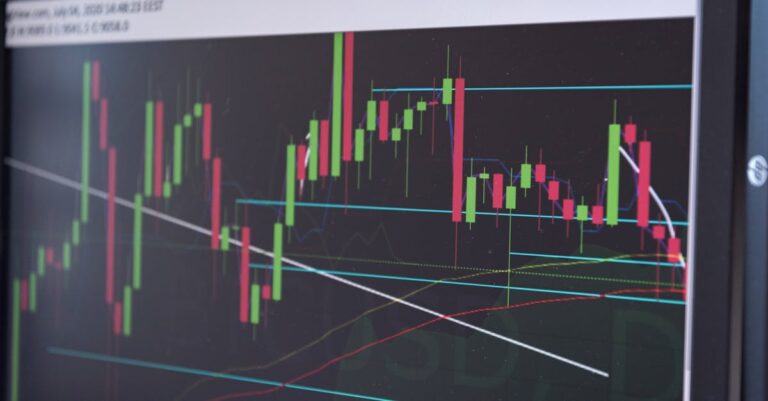
Navigate the choppy waters of Bitcoin volatility. This guide addresses investor concerns over recent market declines, offering strategies for long-term wealth building amidst digital asset fluctuations.
The allure of a “crypto revolution” has captivated many, promising a new era of financial empowerment and exponential growth. Yet, for many investors, the journey has been less about smooth sailing and more about navigating tumultuous storms. The recent significant drops in the digital asset market, particularly concerning Bitcoin volatility, have shaken confidence, raising questions about the stability and reliability of these burgeoning assets. Despite initial surges fueled by optimism and policy pronouncements, the market has demonstrated its inherent unpredictability, reminding investors that high potential rewards often come hand-in-hand with substantial risks.
For those focused on building sustainable wealth, understanding the dynamics behind such market shifts is paramount. It’s not enough to simply ride the waves of hype; a robust strategy requires dissecting the causes of market downturns, recognizing patterns of “Bitcoin volatility,” and implementing disciplined approaches to risk management. This article delves into the recent market movements, exploring the factors that contributed to the decline and offering a framework for how individuals can approach digital assets with caution, informed decision-making, and a long-term perspective.
The narrative often begins with grand visions: a decentralized financial system, instantaneous global transactions, and a hedge against traditional economic woes. Following a period of heightened political and industry support, the digital asset market, led by Bitcoin, experienced a remarkable ascent. Many market observers noted Bitcoin’s value nearly doubling within a year of specific policy shifts, eventually reaching an all-time high of approximately $126,000 per coin in late 2025. This surge ignited widespread enthusiasm, drawing in both seasoned investors and new participants eager to capitalize on the perceived momentum of the ‘crypto revolution’.
However, this euphoria proved to be fleeting. The subsequent steep decline saw Bitcoin tumble significantly, at one point dropping to around $60,000 – a value even lower than when the initial wave of optimism began. This rapid reversal underscored a fundamental characteristic of the digital asset market: its inherent “Bitcoin volatility.” Such dramatic swings highlight the critical distinction between speculative enthusiasm and sustainable investment principles. For wealth builders, these events serve as powerful lessons in market psychology, risk assessment, and the importance of a well-articulated investment strategy.
Understanding Recent Bitcoin Volatility: From Peak to Plunge
The recent market downturn, characterized by pronounced “Bitcoin volatility,” didn’t occur in a vacuum. It was a complex interplay of various factors, both internal to the digital asset ecosystem and external macroeconomic forces. The initial boost came from an environment perceived as highly favorable to digital assets. A prominent political figure had publicly championed the industry, vowing to position a major global economy as a leader in digital innovation. This rhetoric was often accompanied by concrete actions, such as the appointment of regulatory officials known for their supportive stance on digital assets, and legislative efforts aimed at providing clarity for certain segments of the market, like stablecoins.
This confluence of political endorsement and a seemingly more accommodative regulatory landscape fueled an intense period of optimism. Investors, sensing a shift towards mainstream acceptance and clearer operational guidelines, poured capital into digital assets. The narrative of an unstoppable ‘crypto revolution’ gained significant traction, leading to a speculative frenzy. Many saw these assets as a fast track to wealth, often overlooking the underlying risks and the historical patterns of market behavior.
The turning point, as often happens in volatile markets, was unexpected and swift. A specific external economic announcement – a threat to impose substantial tariffs on imports from a major global trading partner – sent ripples of uncertainty across all financial markets. While traditional assets like stocks demonstrated resilience and eventually recovered, the digital asset market reacted with heightened sensitivity. This event acted as a catalyst, exposing the fragile foundation of rampant speculation that had built up during the preceding boom.
What followed was a sharp and sustained correction. The “Bitcoin volatility” became acutely apparent as prices tumbled, erasing significant gains. This episode served as a stark reminder that even with political backing and perceived regulatory clarity, digital assets remain susceptible to broader economic anxieties and market sentiment shifts. For long-term wealth creators, this underscores the necessity of not only understanding the specific drivers of the digital asset market but also how it interacts with the broader global economy.
The Peril of Leverage: Amplifying Both Gains and Losses
One of the most significant contributors to the severity of the recent downturn, and a perpetual driver of “Bitcoin volatility,” was the widespread use of leverage. In periods of rising prices, borrowing money to buy more digital assets can dramatically amplify returns. An investor who leverages their capital can see their profits multiply if the market moves in their favor, creating an illusion of effortless wealth generation. This mechanism, while exhilarating during bull runs, is inherently risky and often misunderstood by those new to high-risk investments.
The problem arises when the market reverses course. Just as leverage amplifies gains, it equally magnifies losses. When prices begin to fall, leveraged positions quickly move into negative territory. Lenders, to protect their capital, will issue margin calls, demanding additional funds from investors to cover potential losses. If an investor cannot meet a margin call, their assets are automatically liquidated, meaning they are sold off to cover the debt. This forced selling, often at unfavorable prices, creates a cascading effect.
As more and more leveraged positions are liquidated, it floods the market with sell orders, pushing prices down further. This creates a “contagion effect,” where initial declines trigger a chain reaction of liquidations, driving prices even lower and exacerbating “Bitcoin volatility.” The market then enters a downward spiral, fueled by fear and necessity rather than fundamental analysis. This phenomenon was clearly observed during the recent crash, where initial price drops quickly accelerated as a wave of forced selling swept through the market.
For individuals pursuing sustainable wealth, engaging in leverage for highly speculative assets like cryptocurrencies is a perilous strategy. It transforms investment into high-stakes gambling, where a single adverse market movement can wipe out an entire portfolio. A cornerstone of wealth building is preserving capital and taking calculated risks, not exposing oneself to potentially limitless losses through excessive borrowing.
A Look Back: Bitcoin Volatility as a Historical Constant
The recent market slump, while painful, is not an isolated incident in the brief history of digital assets. “Bitcoin volatility” has been a defining characteristic of the market since its inception, demonstrating a consistent pattern of boom and bust cycles. Understanding this history is crucial for any serious investor, as it provides context and temper expectations, highlighting that such dramatic price swings are an inherent part of this nascent asset class.
Consider the period leading up to 2018. The market was gripped by a frenzy of Initial Coin Offerings (ICOs), where new digital currencies were sold to the public in a manner similar to traditional stock offerings. Many projects were nascent, often lacking clear use cases or viable technology, but the promise of quick riches propelled prices skyward. After peaking in early 2018, the market crashed dramatically, with many digital assets losing 80-90% of their value. This “crypto winter” was a harsh lesson for countless new entrants who had invested based on hype rather than fundamentals.
Another significant downturn occurred in 2022. Following a period of unprecedented growth fueled by pandemic-era liquidity and retail trading, the market again entered a severe correction. Several factors contributed, including rising interest rates by central banks, which made riskier assets less attractive, and a series of high-profile collapses within the digital asset ecosystem. The failure of a prominent digital asset exchange, combined with the insolvency of several interconnected lending platforms, sent shockwaves through the industry. Bitcoin’s value plummeted from approximately $50,000 to under $20,000 within that year, triggering widespread fear and further liquidations.
These historical events underscore a critical point: the market’s propensity for “Bitcoin volatility” is a feature, not a bug, of its current stage of development. It reflects a relatively illiquid market, driven by sentiment, speculation, and evolving regulatory landscapes. For investors, this history serves as a powerful reminder to approach digital assets with extreme caution, diversify portfolios, and maintain a long-term perspective that can withstand significant short-term fluctuations.
Regulatory Ripples: Shaping the Future of Digital Assets Amid Volatility
The regulatory environment plays an increasingly pivotal role in shaping the trajectory of the digital asset market, influencing investor confidence and dictating operational frameworks. The recent period has seen significant developments on this front, demonstrating that while “Bitcoin volatility” remains a market constant, the rules governing its trade and usage are slowly but surely taking shape.
Following the policy pledges made by the political figure regarding making the country a “crypto capital,” there were indeed tangible shifts in the regulatory landscape. The appointment of individuals perceived as supportive of the digital asset industry to key oversight positions, such as the chair of a major federal agency supervising the financial sector, signaled a potential paradigm shift. This move was widely interpreted by the industry as a positive development, fostering optimism about more favorable regulatory frameworks.
Furthermore, legislative progress has been made, most notably with the passage of the country’s first major legislation specifically addressing stablecoins. These digital currencies, designed to maintain a stable value relative to a fiat currency, are crucial for facilitating instantaneous transfers and enhancing liquidity within the digital asset ecosystem. The establishment of rules for stablecoins was hailed as a significant victory for the industry, providing a degree of legal clarity and legitimacy to a previously ambiguous area. This legislative success can be attributed, in part, to substantial lobbying efforts by the digital asset industry, which invested significant resources to elect lawmakers amenable to their cause.
However, the regulatory journey is far from complete. While stablecoin legislation advanced, another major bill aimed at determining which federal agencies would oversee different aspects of the digital asset sector has encountered resistance and stalled in the legislative process. This ongoing uncertainty about jurisdictional authority continues to be a source of ambiguity for market participants. The lack of a comprehensive and unified regulatory framework can impede institutional adoption, create opportunities for regulatory arbitrage, and contribute to investor apprehension regarding the long-term stability of the market.
The interplay between political promises, actual legislative outcomes, and the industry’s lobbying power will continue to influence market dynamics. For investors, monitoring these developments is essential. Regulatory clarity, when achieved, can de-risk certain aspects of digital asset investment, potentially reducing some forms of “Bitcoin volatility.” Conversely, overly restrictive or inconsistent regulations could stifle innovation and dampen market enthusiasm. The ‘Work to Wealth’ perspective demands a keen awareness of these macro factors, recognizing that the policy landscape is as influential as technological advancements in shaping the future of digital finance.
Beyond the Hype: A ‘Work to Wealth’ Approach to Digital Assets
For individuals focused on sustainable wealth creation, approaching digital assets requires a disciplined, evidence-based strategy that transcends mere speculation. The inherent “Bitcoin volatility” means that a ‘get rich quick’ mentality is not only dangerous but fundamentally antithetical to long-term financial health. Instead, a ‘Work to Wealth’ approach emphasizes informed decision-making, meticulous risk management, and a clear understanding of personal financial goals.
Diversification: The Bedrock of Prudent Investing
No single asset, especially one as volatile as Bitcoin, should constitute the entirety of a diversified portfolio. Digital assets should be considered as a smaller component within a broader investment strategy that includes traditional assets like stocks, bonds, real estate, and other alternative investments. The principle of diversification is to spread risk across different asset classes, reducing the impact of poor performance in any single area. For digital assets, this means allocating only a small percentage of your overall portfolio – typically no more than 1-5% – that you are comfortable losing entirely. This ensures that even in the event of a significant downturn, your overall financial stability remains intact.
Assessing Your Risk Tolerance: Know Thyself
Before investing in any asset, particularly those with high “Bitcoin volatility,” it is crucial to honestly assess your personal risk tolerance. How much fluctuation can you emotionally and financially withstand without losing sleep or making impulsive decisions? If dramatic price swings cause significant anxiety, digital assets may not be suitable for a substantial portion of your portfolio. Understanding your risk capacity helps prevent panic selling during downturns and over-exuberant buying during peaks – two behaviors that often lead to financial losses.
Long-Term Horizon: Riding Out the Storms
Given the pronounced “Bitcoin volatility,” a short-term trading strategy is often a losing proposition for most retail investors. The constant need to monitor market movements, make rapid buy/sell decisions, and compete with professional traders can be emotionally draining and financially detrimental. A long-term investment horizon, typically five years or more, allows investors to ride out the inevitable market corrections and benefit from the potential underlying growth of the technology over time. This approach aligns with the ‘Work to Wealth’ philosophy of patient accumulation and growth.
Due Diligence: Research Beyond the Headlines
Before investing in any digital asset, conduct thorough research. Understand the underlying technology, the problem it aims to solve, its potential use cases, the strength of its development team, and its competitive landscape. Don’t rely solely on social media chatter or sensational headlines. Look for whitepapers, reputable analyses, and independent audits. For Bitcoin, understand its role as a store of value and its network effects. For other digital assets, evaluate their utility and sustainability. Informed decisions are the foundation of successful investing.
Dollar-Cost Averaging: Mitigating Bitcoin Volatility
One effective strategy to navigate “Bitcoin volatility” is dollar-cost averaging (DCA). This involves investing a fixed amount of money at regular intervals (e.g., weekly or monthly), regardless of the asset’s price. When prices are high, your fixed amount buys fewer units; when prices are low, it buys more. Over time, DCA helps average out your purchase price, reducing the impact of short-term price fluctuations and eliminating the need to try and “time the market.” This disciplined approach fosters consistency and can be particularly beneficial in volatile markets.
Security and Custody: Protecting Your Digital Assets
Digital assets come with unique security challenges. Unlike traditional bank accounts, there’s no central authority to reverse unauthorized transactions or recover lost funds if you lose your private keys. Investors must prioritize the secure storage of their digital assets. This includes using hardware wallets for significant holdings, enabling two-factor authentication on all exchange accounts, being vigilant against phishing scams, and understanding the risks associated with leaving assets on exchanges. Self-custody brings great power, but also great responsibility.
Emotional Control: The Investor’s Greatest Asset
The extreme “Bitcoin volatility” can trigger powerful emotions like fear and greed. Fear can lead to panic selling at the bottom, locking in losses. Greed can lead to irrational exuberance, investing too much at the top, or chasing fleeting trends. Successful wealth builders cultivate emotional discipline, sticking to their predetermined investment plan regardless of market sentiment. Remind yourself of your long-term goals and resist the urge to react impulsively to short-term market noise.
Evaluating the True Value Proposition Amid Bitcoin Volatility
Beyond the price charts and market narratives, understanding the fundamental value proposition of digital assets is crucial. The ‘Work to Wealth’ philosophy encourages investors to look past the speculative froth and consider what underlying utility or innovation these assets offer. While “Bitcoin volatility” often dominates headlines, the long-term potential lies in the disruptive power of blockchain technology.
Blockchain’s Transformative Potential
At its core, Bitcoin is built on blockchain technology, a distributed ledger system that enables secure, transparent, and immutable record-keeping. This technology has applications far beyond just digital currency, including supply chain management, digital identity, voting systems, and decentralized finance (DeFi). Investors should consider whether their digital asset holdings are merely speculative bets or if they are positions in projects leveraging blockchain to solve real-world problems. Investing in foundational technologies with genuine utility can offer a more stable long-term growth trajectory, even if individual asset prices remain prone to “Bitcoin volatility.”
Distinguishing Utility from Speculation
Not all digital assets are created equal. Bitcoin is often seen as a digital store of value, akin to digital gold, due to its scarcity and robust network. Stablecoins, as discussed earlier, offer stability and utility for transactions. However, many other digital assets are highly speculative, with unproven technologies, small user bases, or designs that offer little more than promises of future utility. A diligent investor differentiates between these categories, focusing their limited speculative capital on assets with clearer roadmaps, established communities, and a compelling reason for existence beyond mere price appreciation.
Integration into a Global Financial System
The ongoing push for regulatory clarity and the development of institutional infrastructure (such as regulated spot and futures markets) indicate a gradual integration of digital assets into the broader global financial system. While this process is fraught with challenges and contributes to periods of “Bitcoin volatility” due to conflicting views and slower adoption rates, it suggests a future where digital assets could play a more defined role. For instance, instant cross-border payments, fractional ownership of assets, and new forms of capital raising are all areas where blockchain technology holds promise. As this integration deepens, the speculative nature might eventually give way to more fundamentally driven valuations.
Navigating Macroeconomic Headwinds and Bitcoin Volatility
Digital assets, despite their decentralized ethos, are not immune to macroeconomic forces that shape traditional markets. The recent surge in “Bitcoin volatility” can be partly understood through the lens of global economic conditions, demonstrating the interconnectedness of all asset classes in an increasingly globalized financial world.
Interest Rates and Liquidity
One of the most significant macroeconomic factors is interest rates. When central banks raise interest rates to combat inflation, it typically makes riskier assets, including digital assets, less attractive. Higher interest rates increase the cost of borrowing and offer more appealing returns on safer investments, drawing capital away from speculative markets. Conversely, periods of low interest rates and high liquidity often fuel investment into riskier assets. Understanding this inverse relationship is key to anticipating broader market sentiment that can affect “Bitcoin volatility.”
Inflation and the “Digital Gold” Narrative
For some, Bitcoin has been touted as a hedge against inflation, a “digital gold” that can preserve purchasing power when fiat currencies decline. However, its performance during recent inflationary periods has been mixed, often moving in correlation with other risk assets. This suggests that while the long-term potential as an inflation hedge remains a debate, in the short term, Bitcoin is still perceived by many as a growth asset rather than a safe haven. The narrative surrounding its role evolves, and investors must critically evaluate these claims against real-world performance, especially in the face of persistent “Bitcoin volatility.”
Global Trade Policies and Geopolitical Events
As highlighted by the NPR source, a significant policy threat – namely, the imposition of tariffs on international trade – acted as a catalyst for the recent market downturn. This demonstrates how global trade policies and broader geopolitical events can send ripples across all financial markets, including digital assets. Investor sentiment, often a primary driver of “Bitcoin volatility,” can be profoundly impacted by international relations, trade wars, and political uncertainty. Savvy investors maintain an awareness of the global economic landscape, recognizing that isolated events can have far-reaching consequences.
Regulatory Global Harmonization vs. Fragmentation
The global nature of digital assets means that regulatory developments in one major jurisdiction can have spillover effects worldwide. While some countries move towards clearer frameworks, others adopt more restrictive stances. This fragmentation creates complexities for global investors and digital asset businesses. The ultimate success and stability of the digital asset market may depend on a greater degree of international regulatory cooperation, which would help to mitigate some of the “Bitcoin volatility” caused by regulatory arbitrage and uncertainty across borders.
Building a Resilient Digital Asset Strategy: The Path Through Volatility
The journey to wealth through digital assets is undeniably challenging, marked by periods of intense “Bitcoin volatility.” However, for those committed to a disciplined and informed approach, the sector continues to offer unique opportunities. Building a resilient digital asset strategy requires continuous learning, adaptability, and unwavering adherence to sound financial principles.
Continuous Education and Adaptation
The digital asset space is characterized by rapid innovation and evolving market dynamics. What was true yesterday might not be true tomorrow. Investors must commit to continuous education, staying abreast of technological advancements, regulatory changes, and macroeconomic shifts. This adaptability allows for informed adjustments to one’s strategy without succumbing to impulsive reactions during periods of high “Bitcoin volatility.” Engage with reputable sources, follow expert analysis, and always question assumptions.
The Power of an Investment Thesis
Before making any investment, develop a clear and concise investment thesis. Why are you investing in this particular digital asset? What problem does it solve? What is its long-term potential? What are the specific risks? Having a well-articulated thesis provides a rational anchor during periods of market turmoil. When “Bitcoin volatility” causes prices to swing wildly, your thesis serves as a guide, helping you avoid emotional decisions and stick to your fundamental reasons for investing.
Rebalancing Your Portfolio
Regularly review and rebalance your overall investment portfolio, including your digital asset allocation. If a significant market rally causes your digital asset holdings to exceed your predetermined risk tolerance (e.g., they grow from 3% to 10% of your portfolio), consider trimming some profits to bring it back in line. Conversely, a significant downturn might present an opportunity to buy more at a lower price, if it still aligns with your investment thesis and risk parameters. Rebalancing is a proactive way to manage risk and maintain your desired asset allocation, irrespective of “Bitcoin volatility.”
In conclusion, the promises of a digital asset revolution are compelling, but the reality is complex and often characterized by pronounced “Bitcoin volatility.” The recent market downturn, fueled by speculation, leverage, and macroeconomic uncertainty, serves as a powerful reminder of the risks involved. For individuals on the ‘Work to Wealth’ journey, the key is to approach digital assets not as a lottery ticket, but as a potentially valuable, albeit high-risk, component of a well-diversified portfolio. By prioritizing education, risk management, and emotional discipline, investors can navigate the digital asset landscape with greater confidence, transforming potential pitfalls into stepping stones on the path to financial prosperity.
Frequently Asked Questions
Why does Bitcoin volatility persist despite political support?
Despite political endorsements and regulatory shifts aiming to foster growth, Bitcoin volatility endures due to a combination of factors. These include ongoing market speculation, the widespread use of leverage amplifying price swings, the market’s relatively smaller size compared to traditional assets, and its sensitivity to broader macroeconomic events like interest rate changes or global trade policies. Political support provides a framework, but it doesn’t eliminate inherent market dynamics and investor behavior.
How can investors manage the high Bitcoin volatility in their portfolios?
Managing high Bitcoin volatility requires a disciplined approach. Key strategies include diversification (allocating only a small percentage of your overall portfolio to digital assets), assessing your personal risk tolerance, adopting a long-term investment horizon, practicing dollar-cost averaging, and conducting thorough due diligence on any asset before investing. Prioritizing secure storage and maintaining emotional control during market fluctuations are also crucial for preserving wealth.
Is borrowing money to invest in digital assets like Bitcoin a good strategy?
Borrowing money (leverage) to invest in highly volatile assets like Bitcoin is generally a high-risk strategy that is not recommended for wealth builders. While leverage can amplify gains during bull markets, it equally magnifies losses during downturns. This can lead to margin calls and forced liquidations, potentially wiping out your capital and incurring significant debt. A core principle of wealth building is to avoid excessive debt for speculative investments.
What role do regulatory changes play in Bitcoin volatility?
Regulatory changes significantly influence Bitcoin volatility. Clarity in regulation can reduce uncertainty, potentially attracting institutional investors and fostering market stability. Conversely, regulatory ambiguity, fragmentation across jurisdictions, or overly restrictive policies can deter investment and increase market apprehension, leading to greater price swings. The ongoing evolution of digital asset laws and oversight bodies remains a critical factor for the market.
How does global economic news impact Bitcoin volatility?
Global economic news, such as changes in interest rates, inflation reports, geopolitical events, and major trade policy announcements, can significantly impact Bitcoin volatility. While digital assets are often touted as independent, they are increasingly influenced by macroeconomic factors. For example, rising interest rates tend to make riskier assets less attractive, leading to capital outflow and price declines, as seen in recent market corrections.