

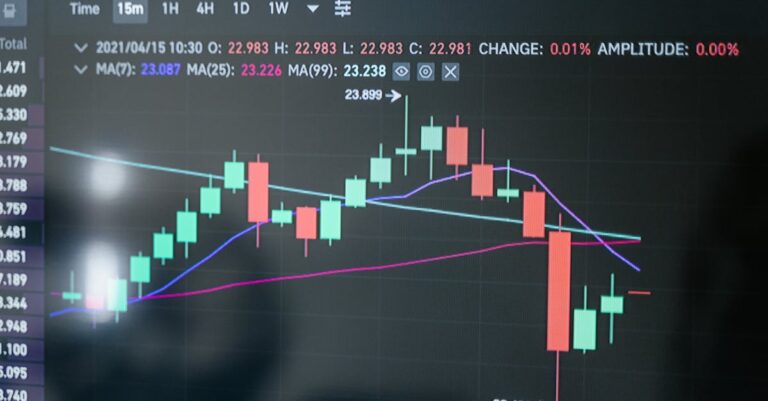
Navigating sudden market shifts requires insight. This guide explores Bitcoin’s reaction to global events, offering strategies for long-term wealth protection and growth.
Understanding Bitcoin Volatility Amidst Geopolitical Shocks
Recent global events have once again underscored the unique characteristics of digital asset markets, particularly their responsiveness to geopolitical tensions. When the U.S. and Israel launched military strikes on Iran, Bitcoin experienced a notable price drop, falling below $64,000 and hitting its lowest level since early February, as reported by CoinDesk. This specific incident saw the largest cryptocurrency decline roughly 3% in a matter of hours, extending what was already a challenging weekend for various risk assets.
For many investors aiming for wealth accumulation, such sudden movements in asset prices can be a source of anxiety and uncertainty. The immediate reaction of Bitcoin to these global developments raises important questions about its role in a diversified portfolio and how investors can build resilience against unexpected market fluctuations. Understanding Bitcoin volatility in the context of global events is crucial for anyone serious about long-term financial planning.
Bitcoin’s Unique Market Dynamics: The 24/7 Liquidity Factor
One of the most distinctive aspects of the cryptocurrency market, and Bitcoin in particular, is its continuous operation. Unlike traditional stock and bond markets, which adhere to specific trading hours and are closed on weekends, digital assets trade 24 hours a day, seven days a week. This constant availability profoundly impacts how these assets react to significant global news.
The weekend sell-off witnessed during the recent geopolitical strikes highlights this phenomenon perfectly. As CoinDesk noted, this pattern of Bitcoin selling off on geopolitical shocks before recovering is well-established. Bitcoin acts as one of the few large, liquid assets available to traders when geopolitical risks spike outside of traditional market hours. This makes it a primary outlet for investors seeking to de-risk their portfolios immediately, even when other major markets are inaccessible.
When stock markets and bond markets are closed, and a major global event occurs, institutional and individual traders alike may look to highly liquid, always-on assets to adjust their risk exposure. Bitcoin, given its market capitalization and ease of trading across numerous global platforms, often becomes this “pressure valve.” It absorbs selling pressure that, under different circumstances, might be spread across equities, commodities, and currencies if those markets were open.
This characteristic means that Bitcoin volatility can sometimes appear more pronounced during off-hours, not necessarily because digital assets are inherently more reactive to geopolitical news than other assets, but because they are the only readily tradable large assets available for immediate risk adjustments. For wealth builders, recognizing this dynamic is key to interpreting short-term price movements and avoiding impulsive decisions.
Geopolitical Risk and Its Broader Impact on Financial Markets
Geopolitical events, by their very nature, introduce uncertainty into the global economic landscape. Conflicts, political instability, trade disputes, and international sanctions can disrupt supply chains, impact energy prices, affect consumer confidence, and alter monetary policies. These factors, in turn, influence the performance of various asset classes, from stocks and bonds to commodities and, increasingly, digital assets.
The recent attack on Iran, heightening the risk of a broader regional conflict in a key economic area, serves as a stark reminder of how quickly global events can ripple through financial markets. Following weeks of U.S. military buildup and stalled nuclear negotiations, the actual military actions triggered immediate market reactions, especially in 24/7 markets like crypto.
Historically, during periods of heightened geopolitical risk, investors often flock to what are perceived as “safe-haven” assets. These traditionally include government bonds, gold, and certain stable currencies. The role of Bitcoin in this dynamic is still debated. While some proponents argue for its potential as “digital gold” or a hedge against traditional financial instability, its recent price action during crises suggests it often behaves more like a risk asset, selling off alongside equities.
Understanding the interplay between geopolitical developments and market sentiment is critical for any investor. It necessitates a strategic approach to portfolio construction that considers various scenarios, including unexpected global turbulences. Long-term wealth generation demands not just identifying growth opportunities but also building resilience against unforeseen challenges.
The “Risk-Off” Sentiment and Its Manifestation in Crypto Markets
When investors perceive an increase in global uncertainty or economic fragility, a “risk-off” sentiment often takes hold. This refers to a market environment where investors become more risk-averse, opting to sell assets perceived as higher risk and moving into safer, more stable investments. This shift is driven by a desire to preserve capital rather than seek growth in uncertain times.
In the context of the recent geopolitical events, the immediate decline in Bitcoin’s price, alongside other risk assets, exemplifies this risk-off behavior. Even before the specific strikes, macro headwinds such as hotter-than-expected U.S. producer price data and rising concerns about job displacement had already dragged risk assets lower. The geopolitical escalation served as an additional catalyst, intensifying worries about downside risk.
This pattern challenges the narrative that Bitcoin is an uncorrelated asset or a pure safe haven. Instead, it frequently exhibits correlation with traditional risk assets, particularly technology stocks. When the broader market sentiment turns negative, Bitcoin volatility often leads to significant downturns, as investors liquidate positions across their risk asset holdings.
For the ‘Work to Wealth’ audience, this means recognizing that while digital assets offer compelling growth potential, they are not immune to broader market forces. Acknowledging this reality allows for more pragmatic and effective risk management strategies, ensuring that your investment approach accounts for both the opportunities and the inherent risks associated with these innovative assets.
Bitcoin’s Role as a Diversifier: A Shifting Narrative
For years, a central argument for including Bitcoin in an investment portfolio was its potential as a diversifier, specifically its low correlation with traditional asset classes like stocks and bonds. The idea was that Bitcoin would perform independently, or even inversely, to these markets, thereby reducing overall portfolio risk and enhancing returns.
However, recent market cycles, including the one triggered by the U.S. and Israeli strikes, suggest a more nuanced reality. Bitcoin’s tendency to sell off alongside equities during risk-off events indicates an increasing correlation, especially during periods of extreme market stress. While its long-term correlation may still differ from traditional assets, its short-term behavior, particularly in crises, often mirrors other speculative investments.
This evolving narrative requires investors to reassess how they view Bitcoin’s role in diversification. Rather than a pure uncorrelated diversifier, it might be more accurately characterized as an asset with unique risk-reward characteristics that can still contribute to a well-structured portfolio, provided its volatility and correlation patterns are understood and managed appropriately.
Diversification remains a cornerstone of sound financial planning. It involves spreading investments across various asset classes, industries, and geographies to reduce the impact of any single asset’s poor performance. For digital assets, true diversification might involve not just different cryptocurrencies (like Bitcoin, Ethereum, Solana, XRP, Dogecoin, etc.) but also allocating capital to traditional assets that genuinely offer different risk profiles.
Understanding and Managing Volatility in Digital Assets
Volatility is inherent to digital asset markets. Bitcoin, in particular, has experienced dramatic price swings throughout its history. While these swings present opportunities for substantial gains, they also carry significant risks of rapid capital depreciation. The $60,000 to $70,000 trading range, where Bitcoin has been stuck, further highlights this constant fluctuation.
For individuals building wealth, understanding Bitcoin volatility is not just about observing price charts; it’s about comprehending its causes and developing strategies to navigate it effectively. Factors contributing to volatility include:
- Market Sentiment: Digital asset markets are heavily influenced by news, social media, and investor psychology, often leading to rapid shifts.
- Regulatory Uncertainty: Evolving regulations across different jurisdictions can create uncertainty and impact investor confidence.
- Liquidity: While Bitcoin is liquid, the broader crypto market can still experience flash crashes due to thinner order books in certain periods or for certain altcoins.
- Macroeconomic Factors: As seen, inflation data, interest rate hikes, and geopolitical events increasingly influence digital asset prices.
- Technological Developments: Updates or issues with underlying blockchain technology can impact perception and value.
Managing volatility doesn’t mean avoiding digital assets altogether. Instead, it involves adopting a disciplined approach. This includes not investing more than you can afford to lose, setting realistic expectations, and focusing on long-term trends rather than daily price movements. A clear understanding of your personal risk tolerance is paramount before venturing into highly volatile markets.
The Long-Term Perspective: Why Patience is a Virtue in Crypto Investing
The rapid fluctuations in Bitcoin’s price, particularly those triggered by sudden geopolitical news, can tempt investors to make impulsive decisions. Panic selling during a downturn or FOMO (fear of missing out) buying during a rally are common pitfalls. However, for those focused on building substantial wealth, a long-term perspective is almost always the superior strategy.
Historically, many successful investors have emphasized the importance of time in the market over timing the market. This principle holds particularly true for innovative and nascent asset classes like digital currencies. While short-term Bitcoin volatility can be dramatic, the long-term trend has often been upward, reflecting increasing adoption, technological advancements, and growing institutional interest.
Adopting a long-term mindset means:
- Focusing on Fundamentals: Evaluate the underlying technology, utility, adoption rates, and development roadmap of a digital asset rather than just its price.
- Dollar-Cost Averaging (DCA): Regularly investing a fixed amount of money, regardless of the asset’s price. This strategy helps average out your purchase price over time and reduces the impact of short-term volatility.
- Ignoring the Noise: Filtering out sensational headlines and focusing on verified, credible information, like that provided by financial news outlets such as CoinDesk.
- Rebalancing: Periodically adjusting your portfolio to maintain your desired asset allocation. If a digital asset grows significantly, you might trim it back to its target percentage and reallocate to other assets.
Patience and discipline are invaluable virtues in the world of investing, especially when dealing with assets prone to significant Bitcoin volatility. Wealth is often built not through speculative short-term trading but through consistent, strategic, and patient investment over extended periods.
Strategic Risk Management for Digital Asset Portfolios
Given the inherent Bitcoin volatility and the impact of external factors like geopolitical events and macroeconomic data (such as producer price data), effective risk management is non-negotiable for investors in digital assets. A robust strategy involves several layers of protection:
1. Asset Allocation and Diversification
As discussed, diversification across different asset classes is crucial. This means not putting all your wealth solely into digital assets. Consider a balanced portfolio that includes traditional investments like stocks, bonds, and real estate, in addition to a carefully chosen allocation to digital currencies. Within the digital asset space, diversification across different tokens with varying use cases and market caps can also mitigate idiosyncratic risks.
2. Position Sizing
Never invest more in a single volatile asset than you are comfortable losing. Determine a small, strategic percentage of your total investable wealth that you are willing to allocate to digital assets. This ensures that even in the event of a significant downturn in the crypto market, your overall financial stability remains intact.
3. Emergency Fund and Financial Stability
Before investing in any volatile asset, ensure you have a robust emergency fund covering several months of living expenses. Your core financial needs should be secured in stable, liquid assets before considering speculative investments. This foundation allows you to weather market storms without being forced to sell your investments at a loss.
4. Understanding Personal Risk Tolerance
Be honest with yourself about how much risk you can genuinely tolerate. Some individuals are comfortable with significant market swings, while others find them deeply unsettling. Your investment strategy should align with your emotional capacity to handle losses, preventing panic-driven decisions during periods of heightened Bitcoin volatility.
5. Stop-Loss Orders (with caveats)
While often used in traditional markets, stop-loss orders can be tricky in highly volatile 24/7 markets like crypto due to rapid price movements and potential “slippage” (the order executing at a worse price than intended). If used, understand their limitations and consider them as a tool for managing extreme downside rather than an everyday trading mechanism. For long-term investors, the focus shifts more to asset allocation and patience.
6. Continuous Education and Awareness
Stay informed about global economic trends, geopolitical developments, and regulatory changes that could impact digital asset markets. Reputable sources like CoinDesk provide timely analysis that can inform your perspective, helping you make proactive decisions rather than reactive ones. The market’s reaction to “hot producer-price data” is a prime example of why staying informed about macroeconomic indicators is vital.
Macroeconomic Headwinds: Beyond Geopolitics
While geopolitical tensions can trigger immediate market reactions, broader macroeconomic factors often dictate the underlying sentiment and longer-term trends. The article from CoinDesk also noted that “hot producer-price data and a post-earnings decline dragged risk assets lower heading into the weekend,” impacting Bitcoin’s rebound attempts.
Understanding these macroeconomic forces is essential for comprehending Bitcoin volatility and making informed investment decisions. Key macroeconomic factors include:
- Inflation: High inflation can lead central banks to raise interest rates, potentially making riskier assets less attractive as safer investments yield more.
- Interest Rates: Rising interest rates increase the cost of borrowing, which can slow economic growth and reduce corporate earnings, impacting asset valuations across the board.
- Employment Data: Strong employment figures might signal a robust economy, but also potentially fuel inflation concerns, leading to tighter monetary policy. Conversely, weak data can signal recessionary fears.
- Producer Price Index (PPI): As mentioned, this data measures the average change over time in the selling prices received by domestic producers for their output. Higher-than-expected PPI can indicate inflationary pressures are building up, impacting investor sentiment towards risk assets.
- Economic Growth (GDP): Overall economic health influences corporate profits and consumer spending, which in turn affect stock markets and, by extension, correlated digital assets.
These factors create a complex web of influences that contribute to market movements, including the $60,000 to $70,000 trading range for Bitcoin. Investors building wealth need to integrate an understanding of these forces into their broader financial strategy, recognizing that digital assets do not exist in a vacuum but are part of the larger global financial ecosystem.
The Psychological Aspect: Maintaining Emotional Discipline
One of the most challenging aspects of investing in volatile markets, especially during geopolitical shocks, is maintaining emotional discipline. Fear, greed, and panic can cloud judgment and lead to irrational decisions that undermine long-term wealth goals.
When Bitcoin drops significantly in a short period due to external events, the natural instinct might be to sell to prevent further losses. Conversely, during rapid rallies, the fear of missing out can lead to buying at inflated prices. Both scenarios can be detrimental to your portfolio.
Strategies for cultivating emotional discipline include:
- Having a Plan: A well-defined investment plan, including your asset allocation, risk tolerance, and long-term goals, provides a roadmap during turbulent times. Stick to your plan.
- Avoiding Constant Monitoring: While staying informed is important, obsessively checking price charts can amplify anxiety. Set specific times to review your portfolio.
- Learning from History: Markets, including digital asset markets, have always experienced downturns and recoveries. Understanding this cyclical nature can provide perspective.
- Focusing on What You Can Control: You cannot control market movements or geopolitical events, but you can control your savings rate, investment strategy, and emotional responses.
Developing emotional resilience is just as important as analytical skills for successful long-term investing, particularly when navigating the inherent Bitcoin volatility.
Building a Resilient Wealth-Building Strategy with Digital Assets
The recent dip in Bitcoin’s price due to geopolitical strikes and broader macroeconomic concerns serves as a powerful reminder for all investors: market conditions are dynamic and subject to a multitude of unpredictable influences. For those committed to building and preserving wealth, especially through digital assets, a proactive and resilient strategy is essential.
To conclude, here are integrated principles for a robust approach:
- Informed Decision-Making: Base your investment choices on thorough research and reliable sources like CoinDesk, understanding both the specific characteristics of digital assets (e.g., 24/7 liquidity) and the broader economic and geopolitical landscape.
- Strategic Allocation: Incorporate digital assets into your portfolio as a component of a diversified strategy, not the entirety of it. Define a percentage that aligns with your risk tolerance and wealth goals.
- Long-Term Vision: Adopt a long-term perspective, utilizing strategies like dollar-cost averaging to mitigate the impact of short-term Bitcoin volatility. Focus on the fundamental value proposition and adoption trends of digital assets.
- Robust Risk Management: Implement clear risk management protocols, including adequate emergency savings, appropriate position sizing, and a clear understanding of your comfort level with market fluctuations.
- Emotional Fortitude: Cultivate patience and discipline. Avoid impulsive reactions to market news or sudden price movements. Your financial plan should be a guide, not a suggestion.
- Continuous Learning: Stay abreast of global events, macroeconomic indicators (like producer price data), and technological advancements in the digital asset space. The financial world is constantly evolving.
Digital assets represent an exciting frontier for wealth creation, but they come with unique challenges. By approaching them with a well-thought-out strategy, based on education, discipline, and a clear understanding of market dynamics, investors can navigate periods of Bitcoin volatility and continue on their path to achieving substantial financial well-being.