

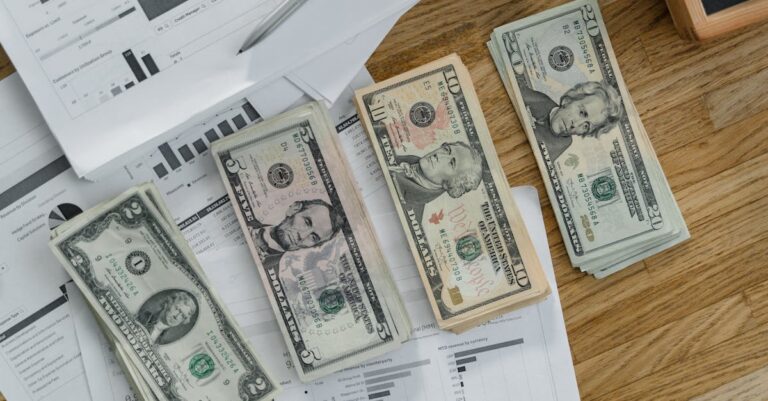
Navigate today’s volatile markets. Learn how a strong dollar and global tensions affect your wealth, offering strategies to protect and grow your investments.
The global economic landscape is a tapestry woven with intricate threads of geopolitics, monetary policy, and market sentiment. Recently, a significant thread drawing considerable attention has been the rising influence of the strong dollar. This isn’t merely a headline for financial analysts; it’s a critical factor with direct implications for your personal wealth, investment portfolio, and future financial security. Understanding the forces behind a rising dollar and its ripple effects is paramount for anyone aiming to build and preserve wealth.
Currently, the US Dollar Index (DXY), which measures the value of the US Dollar (USD) against a basket of six major currencies, has demonstrated a notable ascent. This upward trend, observed over several consecutive trading sessions, pushes the dollar to levels that reflect heightened global economic uncertainty and shifting monetary policy expectations. For individuals navigating their financial journeys, this period demands informed decision-making and a robust understanding of the underlying dynamics.
Understanding the Strong Dollar Phenomenon
To grasp the implications, we must first understand what constitutes a strong dollar. The US Dollar (USD) is not just the official currency of the United States; it holds a unique position as the world’s primary reserve currency and the most heavily traded currency globally. Its value, as measured by indices like the DXY, reflects its purchasing power relative to other currencies.
Several factors contribute to the dollar’s strength. One primary driver is the stance of the Federal Reserve (Fed). When the Fed adopts a hawkish monetary policy, typically involving higher interest rates, it makes dollar-denominated assets, such as US Treasury bonds, more attractive to international investors. This increased demand for dollars to invest in these assets naturally pushes its value higher.
Conversely, during periods of global instability or heightened geopolitical tensions, the dollar often acts as a “safe haven” asset. Investors, seeking refuge from uncertainty, flock to the perceived safety and liquidity of the US financial markets, driving up demand for the dollar. Recent escalations in the Middle East, for instance, have undoubtedly contributed to this safe-haven demand, reinforcing the dollar’s upward trajectory.
The historical context of the dollar is also vital. Following World War II, the USD supplanted the British Pound as the world’s reserve currency, a status solidified by the Bretton Woods Agreement, which, for a significant period, pegged the dollar to gold. Although the gold standard was abandoned in 1971, the dollar’s role as the benchmark for international trade and finance has endured, granting it immense influence over global economic conditions.
The Fed and Interest Rate Expectations
A major contributor to the current strong dollar narrative is the evolving outlook on the Federal Reserve’s monetary policy. Market expectations of imminent rate cuts have faded. Instead, the consensus among many investors is that the US central bank will maintain its current interest rate levels for an extended period, possibly until well into the summer months. This hawkish tilt, or at least a less dovish one than previously anticipated, makes holding dollars more appealing relative to other currencies where central banks might be signaling earlier rate reductions.
Higher interest rates in the US, particularly when compared to other developed economies, create an arbitrage opportunity for investors. They can earn better returns on their capital by parking it in dollar-denominated accounts or bonds. This capital inflow further strengthens the dollar, creating a self-reinforcing cycle. The yield on the US 10-year Treasury note, for example, serves as a benchmark for global borrowing costs and has recently risen, reflecting these elevated interest rate expectations and inflation fears.
Inflation’s Shadow: Erosion of Purchasing Power
The conversation around the strong dollar cannot be complete without addressing its intimate connection to inflation. Inflation, the rate at which the general level of prices for goods and services is rising, has been a persistent concern for economies worldwide. For individuals, persistent inflation erodes purchasing power, meaning your money buys less than it used to, directly impacting your savings, investments, and overall financial planning.
Current inflation concerns are being exacerbated by rising energy prices, a direct consequence of escalating geopolitical tensions in critical regions like the Middle East. Energy is a foundational input for almost every economic activity – from transportation and manufacturing to food production and heating homes. When energy costs surge, these increases invariably trickle down, leading to higher prices across a broad spectrum of goods and services. This phenomenon is often termed “cost-push inflation.”
The Federal Reserve operates with a dual mandate: to achieve price stability (controlling inflation) and foster maximum sustainable employment. When inflation remains stubbornly above its target rate, typically 2%, the Fed is compelled to consider tighter monetary policies, such as raising or maintaining higher interest rates. This is precisely what the markets are anticipating, contributing to the dollar’s strength.
For consumers, the impact of inflation is palpable. Everyday expenses, from groceries to gasoline, become more expensive. For retirees or those on fixed incomes, this can be particularly devastating, as their income doesn’t adjust to the rising cost of living. Even for those actively working, wage increases may not keep pace with inflation, leading to a real decrease in purchasing power.
A strong dollar can have a mixed impact on inflation. On one hand, it makes imports cheaper, as foreign goods cost less in dollar terms, potentially tempering inflationary pressures from abroad. On the other hand, it can make US exports more expensive, potentially dampening demand for American products internationally and impacting multinational corporations that rely on overseas sales. The net effect is complex and depends on many other economic variables.
The Federal Reserve’s Tightrope Walk
The Federal Reserve is arguably the most influential institution in shaping the value of the US Dollar. Its decisions on monetary policy reverberate across global financial markets, impacting everything from bond yields to equity prices. The Fed’s primary tools to achieve its mandates are interest rate adjustments, open market operations, and in extraordinary circumstances, unconventional measures like Quantitative Easing (QE) and Quantitative Tightening (QT).
When inflation is high, the Fed typically raises the federal funds rate, which influences other interest rates throughout the economy. Higher rates discourage borrowing and spending, cooling down economic activity and, in theory, bringing inflation under control. Conversely, to stimulate a sluggish economy or address high unemployment, the Fed might lower interest rates.
The current environment sees the Fed in a delicate position. It must weigh the need to combat persistent inflation against the risk of slowing economic growth too much, potentially leading to a recession. This tightrope walk creates uncertainty for investors, who constantly try to anticipate the Fed’s next move. This uncertainty itself can contribute to dollar strength, as investors may prefer the relative safety of cash or short-term dollar assets during periods of ambiguity.
Quantitative Easing and Tightening and the Dollar
Beyond traditional interest rate policy, the Fed has other powerful tools. Quantitative Easing (QE) involves the Fed printing new dollars to purchase government bonds and other securities from financial institutions. The goal of QE is to inject liquidity into the financial system, lower long-term interest rates, and encourage lending and investment. Historically, QE tends to weaken the US Dollar as it increases the supply of dollars in circulation.
Conversely, Quantitative Tightening (QT) is the reverse process. Here, the Fed stops reinvesting the principal from maturing bonds it holds, effectively shrinking its balance sheet. This reduces the supply of money in the economy, puts upward pressure on interest rates, and generally strengthens the dollar. QT is a less common tool, typically employed when the economy is strong enough to withstand less monetary stimulus.
The market’s current expectation that the Fed will hold rates steady, rather than cut them, and potentially continue with some form of QT, contributes to the perception of a sustained strong dollar. This policy stance implies less monetary easing than anticipated, making dollar assets relatively more attractive.
Impact on Your Investments and Wealth
A strong dollar, coupled with inflation fears and global tensions, has multifaceted implications for your investment portfolio. These effects vary across different asset classes and geographies.
Equities: Domestic and International
For equity investors, the impact of a strong dollar is nuanced. US-based companies that generate a significant portion of their revenue domestically may be less affected. However, multinational corporations, especially those with substantial international sales, can see their foreign earnings diminish when converted back into a stronger dollar. This can lead to lower reported profits and potentially depress stock prices.
Conversely, a strong dollar can make US imports cheaper, which might benefit certain domestic industries that rely on imported raw materials or components. For investors holding international stocks, a strong dollar means that returns from those foreign investments, when repatriated, will be worth less in dollar terms, effectively reducing their gains or exacerbating their losses.
Bonds and Fixed Income
The bond market is highly sensitive to interest rates and inflation expectations. Rising US Treasury yields, driven by higher interest rates and inflation fears, make US bonds more attractive to both domestic and international investors. This increased demand for US government debt contributes to the dollar’s strength.
For existing bondholders, rising interest rates can lead to a decrease in the market value of their current bond holdings, especially for long-duration bonds. However, for new money being invested, the opportunity to lock in higher yields can be appealing. Investors seeking fixed income should carefully consider the duration and credit quality of their bond investments in this environment.
Commodities and their Dollar Link
Many commodities, including crude oil, gold, and other precious metals, are priced in US Dollars globally. A strong dollar typically makes these commodities more expensive for buyers holding other currencies, which can sometimes dampen demand and put downward pressure on commodity prices. However, geopolitical events can override this dynamic.
For instance, while a strong dollar might theoretically weigh on oil prices, escalating tensions in the Middle East, a major oil-producing region, can drive up energy prices due to supply concerns, overriding the dollar’s strengthening effect. Gold, often considered a traditional safe-haven asset, can have a complex relationship with the dollar. While gold usually rises during uncertainty, a very strong dollar might occasionally compete with gold as a safe haven, though both often rise together during periods of extreme risk aversion.
Real Estate Market Dynamics
The real estate market is indirectly impacted by the strong dollar and rising interest rates. Higher interest rates typically translate to higher mortgage costs, which can cool down housing demand and potentially lead to slower price appreciation or even price corrections in some areas. For international buyers looking to invest in US real estate, a strong dollar makes property more expensive in their local currency, potentially reducing foreign investment inflows.
Alternative Investments
A diversified portfolio often includes alternative investments such as private equity, hedge funds, or digital assets. The impact on these can be varied. Hedge funds, depending on their strategies, might find opportunities in currency fluctuations or increased market volatility. Private equity can be affected by the broader economic climate, including the cost of capital due to higher interest rates.
Digital assets, while often seen as uncorrelated, can still be influenced by global liquidity conditions and investor sentiment, which are intrinsically linked to the dollar’s strength and overall market risk appetite.
Strategies for Building Wealth Amidst Dollar Strength and Inflation
Navigating an environment characterized by a strong dollar, inflation fears, and geopolitical instability requires a strategic approach to personal finance and investing. Here are several strategies to consider for protecting and growing your wealth:
Diversification Across Asset Classes and Geographies
A cornerstone of prudent investing, diversification is even more critical during volatile times. Ensure your portfolio isn’t overly concentrated in a single asset class, sector, or geographic region. Consider spreading your investments across various assets like equities, bonds, real estate, and potentially commodities or alternative investments. Geographically, while a strong dollar might dampen international equity returns in the short term, maintaining exposure to different global markets can offer long-term growth opportunities and reduce single-country risk.
Inflation Hedges: Protecting Purchasing Power
To combat the erosion of purchasing power caused by inflation, consider incorporating inflation-hedging assets into your portfolio. Treasury Inflation-Protected Securities (TIPS) are government bonds designed to protect against inflation, as their principal value adjusts with the Consumer Price Index (CPI). Real estate, particularly income-generating properties, can also serve as an inflation hedge, as rents and property values often tend to rise with inflation over time. Certain commodities, like gold and energy, can also perform well during inflationary periods, though they carry their own volatility risks.
Dollar-Cost Averaging: Mitigating Volatility
In a volatile market, trying to time the market is notoriously difficult. Dollar-cost averaging involves investing a fixed amount of money at regular intervals, regardless of market fluctuations. This strategy allows you to buy more shares when prices are low and fewer when prices are high, potentially reducing your average cost per share over time and mitigating the impact of market timing errors.
Debt Management: Prioritizing High-Interest Debt
With interest rates generally higher in a strong dollar environment, the cost of borrowing increases. Prioritizing the repayment of high-interest debt, such as credit card balances or personal loans, becomes even more crucial. Reducing debt frees up cash flow and reduces the amount of interest paid, effectively boosting your personal wealth. Consider refinancing lower-interest debt if favorable terms are available, but be mindful of prepayment penalties and fees.
Reviewing Your Portfolio Regularly
Market conditions are dynamic. What worked yesterday might not work tomorrow. Conduct regular reviews of your investment portfolio, ideally at least once a year or whenever significant economic shifts occur. Rebalance your portfolio to ensure it aligns with your risk tolerance and financial goals. This might involve selling assets that have grown disproportionately and buying those that are now undervalued or underrepresented.
Income Generation Strategies
In an inflationary environment, generating consistent income from your investments can provide a valuable buffer. Consider dividend-paying stocks from financially robust companies, which can offer a steady stream of income that may grow over time. Rental properties, as mentioned, can provide consistent cash flow. High-yield savings accounts or certificates of deposit (CDs) may also become more attractive as interest rates rise, offering a relatively safe way to earn income on your cash reserves, though it’s crucial to compare their yields against inflation rates.
Staying Informed: Economic Literacy
Knowledge is power, especially in finance. Stay informed about global economic trends, central bank policies, and geopolitical developments. Read reputable financial news sources, follow economic indicators, and understand how these factors can influence your investments. An informed investor is a more confident and strategic investor.
Emerging Market Considerations
While a strong dollar can create headwinds for emerging market currencies and assets, it can also present opportunities. When emerging market currencies weaken against the dollar, their assets may become cheaper for dollar-denominated investors. However, this also carries higher risk due to currency volatility and potential economic instability in these regions. A carefully selected, diversified allocation to emerging markets, managed with a long-term perspective, might offer growth potential.
Long-Term Perspective: Navigating Economic Cycles
History teaches us that financial markets operate in cycles. Periods of dollar strength, inflation concerns, and geopolitical tensions are part of these broader economic rhythms. While short-term volatility can be unnerving, maintaining a long-term perspective is crucial for wealth accumulation.
Successful investors understand that market downturns or challenging economic phases are often temporary. The key is to have a well-defined financial plan, stick to your investment strategy, and avoid making rash decisions based on immediate headlines. The resilience of capital markets over decades has shown that patience and consistent adherence to a thoughtful plan tend to yield positive results.
Adjusting your goals, rather than abandoning them, is a practical approach. If inflation is particularly high, for example, you might need to recalibrate your expected returns or adjust your savings rate to stay on track. This adaptability is a hallmark of effective financial planning.
Finally, consider the value of professional financial advice. A qualified financial advisor can help you assess your unique situation, understand the implications of current economic trends, and tailor a strategy that aligns with your specific goals, risk tolerance, and time horizon. Their expertise can provide clarity and confidence during periods of uncertainty, helping you make informed decisions to safeguard and grow your wealth.
In conclusion, the current environment of a strong dollar, rising inflation fears, and global tensions presents both challenges and opportunities for wealth builders. By understanding the underlying economic forces, diversifying your investments, strategically managing debt, and maintaining a long-term perspective, you can navigate these complex times with greater confidence and position your financial future for continued growth and security.
Frequently Asked Questions
How does a strong dollar affect my daily spending and purchasing power?
A strong dollar can have a mixed impact on your daily spending. If you primarily buy domestically produced goods and services, the direct effect might be less noticeable, though inflation from other factors (like energy costs) will still impact you. However, if you frequently purchase imported goods, a strong dollar makes those items cheaper. For international travelers, a strong dollar means your money goes further abroad, making vacations or purchases in other countries more affordable. Conversely, if you receive income in another currency and convert it to dollars, you will receive less. The larger concern for purchasing power often comes from inflation, which can erode the value of your savings over time regardless of dollar strength.
What are the best investments to protect against inflation in a strong dollar environment?
To protect against inflation in an environment where the dollar is strong, consider a diversified approach. Investments like Treasury Inflation-Protected Securities (TIPS) are explicitly designed to hedge against inflation. Real estate, particularly income-generating properties, can also act as an inflation hedge as rents and property values often rise with inflation. Certain commodities, like gold, are historically viewed as stores of value during inflationary periods, although their performance can be complex when the dollar is also strong. High-quality dividend-paying stocks from companies with strong pricing power can also help your portfolio keep pace with rising costs.
Should I be worried about my international investments when the dollar is strong?
It’s natural to have concerns about international investments during periods of dollar strength. When the dollar is strong, the returns from your foreign investments, once converted back into US dollars, will be worth less. This can diminish your overall gains or amplify losses. However, it’s important to maintain a long-term perspective and remember the benefits of international diversification. Foreign markets may offer unique growth opportunities not available domestically, and while currency fluctuations can create headwinds, they can also provide tailwinds in different market cycles. Regularly review your international exposure and consider hedging strategies if currency risk is a significant concern for your portfolio.
How do the Federal Reserve’s actions influence the value of my savings?
The Federal Reserve’s monetary policy decisions, particularly regarding interest rates, directly influence the value of your savings. When the Fed raises its benchmark interest rate, banks typically follow suit by offering higher interest rates on savings accounts, certificates of deposit (CDs), and money market accounts. This means your cash savings can earn more. Conversely, when the Fed lowers rates, the returns on these savings vehicles decrease. Additionally, the Fed’s stance on inflation impacts the real value of your savings; if inflation outpaces the interest earned on your savings, your purchasing power still erodes, even if the nominal dollar value increases.
Is gold still a good safe haven during periods of strong dollar and global uncertainty?
Gold has traditionally been considered a safe haven asset during times of global uncertainty and inflation. However, its relationship with a strong dollar can be complex. Since gold is typically priced in US dollars, a stronger dollar makes gold more expensive for buyers holding other currencies, which can sometimes put downward pressure on its price. Yet, during periods of extreme geopolitical risk or high inflation fears, gold often retains its appeal as a safe haven, with investors prioritizing its perceived stability over currency dynamics. Its role in your portfolio should be as a diversifier and a hedge against systemic risk, rather than solely relying on its performance relative to the dollar.