

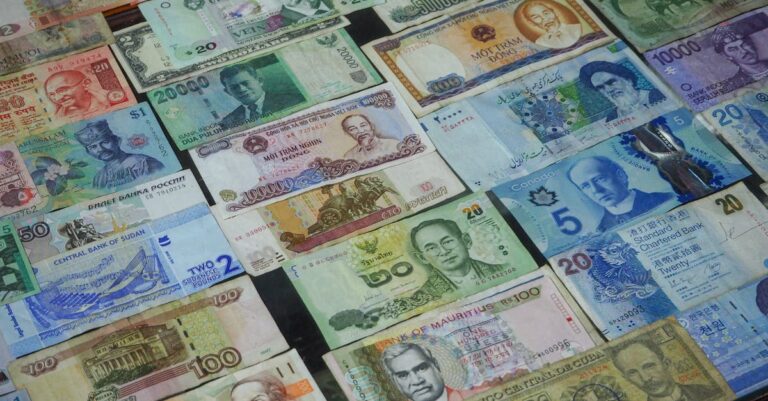
Safeguard your global investments from unpredictable currency volatility. This guide empowers you with strategies for a resilient portfolio, compatible with all investor types.
For investors navigating the complex landscape of global finance, one often-overlooked yet critically impactful factor is currency volatility. The fluctuating values of international currencies can significantly erode investment returns, diminish purchasing power, and introduce an element of unpredictable risk to even the most carefully constructed portfolio. Imagine investing in a thriving international market, only to find your gains wiped out when you convert them back to your home currency due to adverse exchange rate movements. This scenario is not a distant threat but a tangible reality for anyone with exposure beyond their domestic borders.
Understanding, assessing, and mitigating the risks associated with currency fluctuations are paramount for long-term wealth preservation and growth. This article delves deep into the mechanisms of currency volatility, its profound impact on your investments, and, most importantly, provides a comprehensive array of actionable strategies to protect your portfolio. From fundamental diversification techniques to more sophisticated hedging instruments, we will equip you with the knowledge to build a robust and resilient financial future, irrespective of where the global currency markets might sway.
Grasping the Fundamentals of Currency Volatility
Before we can protect ourselves, we must first understand what we are protecting against. Currency volatility refers to the rate at which an exchange rate fluctuates over a given period. It’s a measure of how much the value of one currency against another can change. High volatility means large, rapid shifts, while low volatility suggests more stable rates.
The global foreign exchange (FX) market is the largest financial market in the world, with trillions of dollars exchanged daily. These transactions are influenced by a multitude of factors, making currency movements inherently dynamic and often unpredictable.
What Drives Currency Swings?
- Interest Rate Differentials: Central banks’ decisions on interest rates significantly influence currency values. Higher interest rates typically attract foreign capital seeking better returns, increasing demand for that currency and strengthening it. Conversely, lower rates can lead to capital outflow and currency depreciation.
- Inflation Rates: Countries with consistently lower inflation rates tend to see their currency’s purchasing power increase relative to countries with higher inflation. This can lead to an appreciation of the low-inflation country’s currency.
- Economic Performance and Stability: A nation with a strong, stable economy, robust growth, and low unemployment generally attracts foreign investment, bolstering its currency. Economic uncertainty, recessions, or political instability can trigger capital flight and currency depreciation.
- Government Debt and Fiscal Policy: High levels of government debt or unsustainable fiscal policies can undermine investor confidence, leading to a weaker currency. Conversely, prudent fiscal management can strengthen a currency.
- Current Account Deficits/Surpluses: A current account deficit (meaning a country imports more than it exports, and has net capital outflow) indicates that a nation is spending more on foreign trade and investment than it is earning, often putting downward pressure on its currency. A surplus typically has the opposite effect.
- Geopolitical Events: Wars, political crises, trade disputes, or even major elections can cause significant, immediate shifts in currency valuations as investors react to perceived risks or opportunities.
- Commodity Prices: For commodity-exporting nations (e.g., oil-producing countries), fluctuations in commodity prices can directly impact their currency’s value. A rise in oil prices, for instance, can strengthen the currency of an oil exporter.
The Impact of Currency Volatility on Your Wealth
Currency fluctuations can affect your investments in several ways:
- Direct Investment Returns: If you own shares of a foreign company or foreign bonds, your returns are realized in the local currency. When you convert these returns back to your home currency, a depreciating foreign currency will reduce your overall profit, or even turn a gain into a loss.
- Purchasing Power: Even if you don’t directly invest internationally, a weakening home currency means that imported goods and services become more expensive, reducing your domestic purchasing power. If your home currency strengthens, your purchasing power for foreign goods increases.
- Company Earnings: Companies that conduct significant international business are exposed to currency risk. If a company earns revenue in a foreign currency that then depreciates against its home currency, those earnings, when converted, will be lower. This can impact stock prices.
- Debt and Liabilities: If you have debt denominated in a foreign currency, a strengthening foreign currency can make your repayments more expensive in your home currency.
- Inflation: A significant depreciation of your home currency can contribute to imported inflation, as the cost of foreign goods rises.
Understanding these impacts is the first step towards building a defense against the erosive power of currency volatility.
Assessing Your Portfolio’s Currency Exposure
Many investors mistakenly believe they have no currency exposure because they only hold assets denominated in their home currency. However, currency risk can be both direct and indirect, often lurking in unexpected places.
Direct Exposure
Direct exposure is more straightforward and arises when you hold assets or liabilities denominated in a foreign currency. This includes:
- Foreign Stocks and Bonds: Owning shares in a company listed on a foreign exchange, or bonds issued by a foreign government or corporation.
- Foreign Currency Cash Holdings: Keeping money in a foreign bank account or holding physical foreign currency.
- International Mutual Funds or ETFs: Funds that invest directly in foreign equities, bonds, or other assets without explicit currency hedging.
- Foreign Real Estate: Property purchased in another country, where its value is denominated in the local currency.
Indirect Exposure
Indirect exposure is more subtle and stems from the global nature of modern business and finance:
- Domestic Companies with International Operations: Many companies listed on your home exchange derive a significant portion of their revenue and profits from overseas markets. A strong home currency can translate foreign earnings into less home currency, hurting profitability. Conversely, a weak home currency can boost these converted earnings.
- Commodity Investments: Commodities like oil, gold, and agricultural products are often priced globally in a major reserve currency (e.g., the US dollar). A weakening of that reserve currency can make commodities more expensive for holders of other currencies, affecting supply and demand dynamics and thus prices.
- Supply Chain Exposure: Companies that rely heavily on imported raw materials or components may face increased costs if their home currency weakens against the currency of their suppliers.
- Tourism and Travel: If you plan to travel internationally, a weakening home currency makes foreign destinations more expensive.
To accurately assess your currency exposure, meticulously review your entire portfolio. Identify all assets that derive their value or income from foreign economies. Understand the underlying currencies involved and consider how movements in these currencies relative to your home currency could affect your overall returns.
Strategies for Protecting Portfolio from Currency Volatility
Mitigating currency volatility requires a multi-faceted approach, combining strategic asset allocation, diversification, and potentially direct hedging techniques. Here are key strategies to consider:
1. Diversification: Your First Line of Defense
Diversification is a cornerstone of prudent investing, and its principles extend powerfully to managing currency risk. By spreading investments across different currencies, countries, and asset classes, you reduce the impact of adverse movements in any single currency.
- Geographic Diversification:
- Invest Across Multiple Stable Economies: Instead of concentrating your international exposure in one or two countries, spread it across several with differing economic cycles and currency drivers. This way, if one currency weakens, others might remain stable or even strengthen. Consider developed markets known for their economic stability and sound fiscal policies.
- Exposure to Diverse Currency Blocs: Look beyond individual national currencies to larger currency blocs or regions, like the Eurozone or a basket of Asian currencies.
- Asset Class Diversification:
- Stocks vs. Bonds: During periods of currency depreciation, domestic bonds might suffer less than domestic stocks, especially if the depreciation fuels inflation. International bonds, especially those issued by strong governments, can offer a degree of stability against a weakening home currency.
- Real Assets and Commodities: Assets like gold, silver, and other precious metals are often considered a hedge against currency devaluation, as their value is not tied to any single fiat currency. Real estate in stable international markets can also serve this purpose, though it comes with its own set of complexities.
2. Direct Currency Hedging Strategies
For investors with significant, identifiable foreign currency exposure, direct hedging can provide a more precise way to neutralize or reduce currency risk. These strategies typically involve financial instruments designed to lock in an exchange rate or provide protection against adverse movements.
- Forward Contracts and Futures:
- How they work: A forward contract is a custom agreement between two parties to exchange a specific amount of one currency for another at a predetermined exchange rate on a future date. Futures contracts are similar but standardized and traded on exchanges.
- Benefit: They effectively lock in an exchange rate, removing uncertainty about future conversion rates for known future cash flows (e.g., an anticipated payment from an overseas customer or the sale of a foreign asset).
- Consideration: Primarily used by institutions or sophisticated individual investors due to minimum contract sizes and margin requirements. They also involve commitment, meaning you forgo potential gains if the hedged currency moves favorably.
- Currency Exchange Traded Funds (ETFs) and Exchange Traded Notes (ETNs):
- How they work: These publicly traded funds allow retail investors to gain exposure to foreign currencies or to hedge against specific currency movements without directly dealing in the FX market. Some ETFs are specifically designed as “currency-hedged” versions of international equity or bond funds. These funds invest in foreign assets but also simultaneously enter into currency forward contracts or other derivatives to neutralize the currency risk.
- Benefit: Accessible to individual investors, provide diversification, and professional management of hedging mechanisms.
- Consideration: Expense ratios and tracking error can affect returns. Ensure you understand the underlying hedging methodology used by the specific ETF/ETN.
- Foreign Exchange Options:
- How they work: Options contracts give the holder the right, but not the obligation, to buy or sell a currency at a specified price (strike price) before or on a specific date. They can be used to protect against adverse currency movements while retaining the upside potential if the currency moves favorably.
- Benefit: Provides flexibility and limits downside risk to the premium paid for the option.
- Consideration: More complex than forwards or futures, primarily used by sophisticated investors, and premiums can be costly, especially for longer durations or higher volatility.
- Natural Hedging:
- How it works: This involves structuring your assets and liabilities such that currency exposures naturally offset each other. For example, if you own foreign assets denominated in a certain currency, you might take out a loan in that same foreign currency. The depreciation of that foreign currency would reduce the value of your assets, but simultaneously reduce the cost of your debt in your home currency.
- Benefit: Can be a cost-effective and simpler way to manage risk without complex financial instruments.
- Consideration: May not always be practical or perfectly align. Requires careful financial planning.
3. Investing in Strong Currencies and Economies
A proactive approach to managing currency volatility involves strategically allocating capital towards currencies and economies known for their stability and strength.
- Focus on Sound Fiscal and Monetary Policies: Seek out countries with responsible governments, manageable debt levels, and central banks committed to price stability and sustainable growth. These factors contribute to long-term currency strength.
- Consider Reserve Currencies: Major reserve currencies (e.g., the US dollar, Euro, Japanese Yen, British Pound, Swiss Franc) are typically more stable due to their widespread use in international trade and finance, and their role as safe havens during global uncertainty. Allocating a portion of your portfolio to assets denominated in these currencies can offer a degree of stability.
- Avoid Overexposure to Highly Speculative or Volatile Currencies: While emerging markets can offer high growth potential, their currencies are often more susceptible to rapid, significant fluctuations due to political instability, less developed financial markets, and reliance on commodity exports. A balanced approach would involve limited, carefully considered exposure.
4. Real Assets and Commodities as Hedges
As mentioned earlier, certain real assets and commodities have historically served as hedges against currency devaluation and inflation.
- Precious Metals (Gold, Silver): Gold, in particular, has long been viewed as a store of value independent of any single currency. When confidence in fiat currencies wanes, or when global economic uncertainty rises, gold often appreciates. It acts as an international currency in its own right, preserving purchasing power across borders.
- Broad Commodity Exposure: Beyond precious metals, a diversified basket of commodities (e.g., energy, industrial metals, agriculture) can offer protection. Many commodities are priced in a major reserve currency, so a weakening of that currency can drive up commodity prices, providing a potential offset. Investing in commodity-focused ETFs or futures contracts can provide this exposure.
- International Real Estate: Carefully selected real estate in economically stable countries with strong property rights can serve as a long-term hedge against home currency depreciation. The value of the property is denominated in the local currency, and rental income provides a stream of foreign currency. However, this comes with illiquidity and management challenges.
5. Investing in Global Companies with Diverse Revenue Streams
Rather than directly hedging currencies, another strategy involves investing in companies that naturally manage their own currency exposure through their global operations.
- Multinational Corporations (MNCs): Many large, established MNCs derive revenues from numerous countries and often have expenses spread across different currencies. They employ sophisticated treasury departments that actively manage currency risk through internal hedging or by matching revenues and expenses in various currencies.
- Companies with Pricing Power: Businesses that can adjust their prices in different markets to offset currency movements are less vulnerable. Strong brands and essential products often confer this pricing power.
- Export-Oriented Companies (with care): If your home currency is strong and you anticipate it to weaken, investing in domestic companies that export goods and services could be beneficial. A weaker home currency makes their products more competitive overseas and translates foreign revenues into more home currency. However, this is a bet on a currency direction, which is inherently risky.
6. Active Management and Ongoing Monitoring
Protecting your portfolio from currency volatility is not a one-time task but an ongoing process that demands vigilance and adaptability.
- Regular Portfolio Review: Periodically assess your currency exposure. This involves understanding which currencies your assets are denominated in, how much exposure you have to each, and the current economic outlook for those respective countries.
- Stay Informed on Global Economic Trends: Keep abreast of major economic indicators, central bank announcements, and geopolitical developments in countries relevant to your portfolio. Tools like economic calendars and reputable financial news sources are invaluable.
- Rebalancing: As currency values shift, your portfolio’s intended currency allocations may drift. Rebalancing involves adjusting your holdings to bring your currency exposures back to your target allocations. This might mean selling assets in strengthening currencies to buy assets in weakening ones (if you believe they are undervalued) or adjusting your hedging positions.
- Dynamic Hedging: For more advanced investors, dynamic hedging involves adjusting hedging positions based on changing market conditions and forecasts. This is more intensive than static hedging and typically requires professional expertise.
Advanced Considerations and Potential Pitfalls
While the strategies above offer robust protection, it’s crucial to acknowledge the complexities and potential downsides associated with managing currency risk.
The Cost of Hedging
Hedging is not free. It involves direct costs (transaction fees, commissions, bid-ask spreads) and indirect costs (opportunity cost).
- Transaction Fees: Every time you enter or exit a forward contract, option, or currency ETF, there are costs involved.
- Opportunity Cost: If you hedge against a currency depreciation, but the currency then appreciates, you forgo the potential gains you would have realized without the hedge. This is a crucial consideration.
- Basis Risk: In some hedging instruments, the hedge may not perfectly track the underlying asset’s currency exposure, leading to some residual risk.
- Roll-Over Risk: For hedges that need to be extended (e.g., rolling over a short-term forward contract into a new one), the new contract’s terms might be less favorable.
Tax Implications
Currency gains and losses, whether realized from investments or hedging instruments, can have tax implications. These vary significantly by jurisdiction and the type of instrument used. Consulting a tax advisor is essential to understand how these impact your net returns.
Over-Hedging vs. Under-Hedging
Striking the right balance is challenging. Over-hedging can be costly and limit upside, while under-hedging leaves you exposed. The optimal level of hedging depends on your risk tolerance, investment horizon, and the specific assets in your portfolio.
Short-Term vs. Long-Term Perspectives
Short-term currency movements are notoriously difficult to predict and can be highly volatile. For long-term investors, the day-to-day fluctuations may average out, making comprehensive short-term hedging less necessary, unless a specific, significant cash flow is involved. Long-term strategies often focus more on diversification and investing in strong, stable currencies rather than intricate short-term hedges.
Liquidity Risk
Some hedging instruments or less common currency pairs might have lower liquidity, making it harder or more costly to enter or exit positions, especially during times of market stress.
The “Carry Trade” (as a Risk Factor)
While not a hedging strategy, understanding the “carry trade” illuminates a source of currency volatility. This strategy involves borrowing in a low-interest-rate currency and investing in a high-interest-rate currency. While potentially profitable, it’s highly susceptible to sudden reversals if market sentiment shifts, leading to rapid unwinding of positions and heightened volatility in the involved currencies.
Building a Resilient Portfolio Against Currency Volatility
For the typical investor, a practical approach to fortifying a portfolio against currency volatility involves a blend of these strategies:
- Educate Yourself: Understand your existing currency exposure and the basic drivers of exchange rates.
- Strategic Diversification: This is the simplest and often most effective first step. Ensure your international investments are spread across multiple, stable economies and currencies. Don’t put all your foreign currency eggs in one basket.
- Consider Currency-Hedged Funds: For broad international equity or bond exposure, currency-hedged ETFs or mutual funds offer a convenient way to gain market access without taking on explicit currency risk. These are often suitable for investors whose primary objective is exposure to foreign asset performance, not foreign currency performance.
- Allocate to Real Assets: Consider a modest allocation to assets like gold or other commodities, which can act as a counterbalance to currency fluctuations, especially during periods of high uncertainty or inflation.
- Focus on Quality: Invest in companies and governments with strong financials and sustainable growth prospects, irrespective of their domicile. These entities are generally more resilient to economic shocks, including currency swings.
- Consult a Financial Advisor: For significant international holdings or complex situations, a qualified financial advisor can help assess your specific risks, recommend tailored strategies, and assist with implementation. They can help you determine the appropriate level of hedging for your risk tolerance and financial goals.
In an increasingly interconnected global economy, currency volatility is an inescapable aspect of international investing. While it presents risks, it also presents opportunities for astute investors. By proactively understanding your exposure and employing a disciplined, diversified strategy, you can protect your portfolio from the erosive effects of currency swings and position your wealth for long-term growth, regardless of the direction of the foreign exchange markets.
Frequently Asked Questions
How can I protect my savings from currency swings when I travel internationally?
When planning international travel, you can protect your savings from adverse currency swings by monitoring exchange rates and converting some funds when rates are favorable. Consider using a credit card with no foreign transaction fees, as these often offer competitive exchange rates. Pre-purchasing major expenses like flights and accommodations in your home currency can also lock in costs. For larger sums, look into multi-currency accounts or travel cards that allow you to hold funds in different currencies.
Are currency-hedged ETFs always better than unhedged ETFs for global investments?
Not always. Currency-hedged ETFs aim to neutralize the impact of currency fluctuations, allowing investors to focus solely on the performance of the underlying foreign assets. This is beneficial if you believe your home currency will strengthen against the foreign currency or if you want to eliminate currency risk. However, hedging incurs costs (expense ratios, transaction fees) and removes potential gains if the foreign currency appreciates. The “better” choice depends on your market outlook, risk tolerance, and investment goals. Many investors choose a mix of both.
I’m worried about my home currency losing value; what’s a simple way to protect my wealth?
If you’re concerned about your home currency depreciating, a straightforward approach to protect your wealth is to diversify into assets that are less tied to its value. This includes investing in strong, stable foreign currencies through global equity or bond funds (unhedged), or considering assets traditionally seen as currency hedges, like gold. International real estate can also offer protection, but requires careful consideration of its illiquid nature. Consulting a financial advisor can help tailor a strategy to your specific concerns.
Does holding shares of a multinational company eliminate my currency risk frustration?
Holding shares in a multinational company can reduce some direct currency risk, but it doesn’t eliminate it entirely. Large multinationals often have diverse revenue streams and expenses in various currencies, and many employ their own internal hedging strategies. This “natural hedge” can smooth out some currency impacts on their earnings. However, a significant portion of their earnings might still be subject to conversion rates into their reporting currency, which can affect their stock price. Your exposure is indirect, but still present.
Can commodities truly protect my portfolio from currency volatility, or is it too risky?
Commodities, particularly precious metals like gold, have historically served as a hedge against currency volatility and inflation, as their value is not tied to a single fiat currency. When confidence in currencies wavers, gold often appreciates. However, commodities can be volatile assets themselves, influenced by supply and demand, geopolitical events, and economic growth. While they can offer diversification and protection against currency depreciation, they also carry inherent risks. A small, carefully considered allocation can be beneficial, but over-reliance on commodities as a sole hedge might be too risky for most investors.