

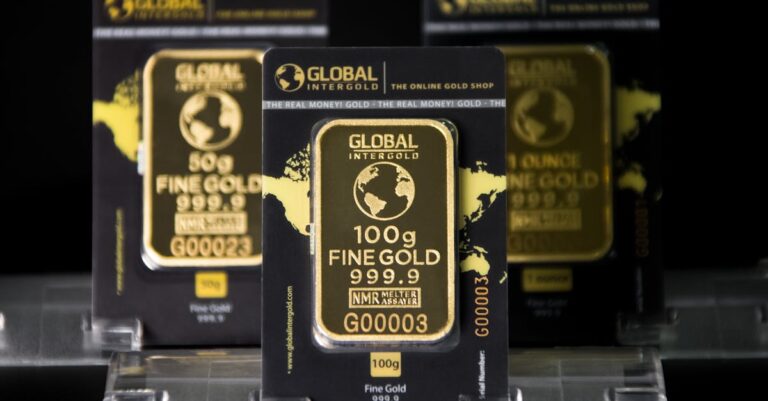
Discover how precious metals investment offers stability amidst market volatility. Learn to fortify your financial future with gold and silver, essential assets for any robust wealth-building strategy.
In an era characterized by economic uncertainty, market volatility, and shifting geopolitical landscapes, investors often seek reliable havens to preserve and grow their wealth. While traditional assets like stocks and bonds fluctuate with economic cycles and corporate performance, certain assets have historically demonstrated remarkable resilience. Among these, gold and silver stand out as steadfast pillars, often described as having an inherent ability to “refuse to flinch” during turbulent times. A well-considered precious metals investment strategy can serve as a vital component of a diversified portfolio, offering a unique blend of stability, protection against inflation, and potential for long-term appreciation.
The journey to wealth creation and preservation is rarely a straight line. It is fraught with challenges, unexpected downturns, and periods of rapid change that can erode confidence and capital alike. For those committed to building and maintaining their financial independence, understanding the role of tangible assets becomes paramount. Gold and silver, unlike digital currencies or paper assets, possess an intrinsic value derived from their scarcity, historical significance, and diverse utility. This article delves into why these precious metals continue to be a compelling choice for investors seeking robust portfolio diversification and a reliable anchor against economic storms.
The Enduring Allure of Precious Metals Investment: A Historical Perspective
The appeal of gold and silver is not a modern phenomenon; it is rooted deeply in human history, spanning millennia across various civilizations and economies. From ancient coinage to modern-day investment vehicles, these metals have consistently represented wealth, power, and stability. This enduring allure is a testament to their unique properties and their perceived value as a universal medium of exchange and a store of value.
For centuries, gold served as the bedrock of monetary systems, with currencies often directly convertible to a fixed amount of the metal. While the gold standard is largely a relic of the past, its legacy continues to influence how investors perceive gold. It instilled a deep-seated trust in gold as the ultimate form of money, a “safe haven” asset that retains its purchasing power even when fiat currencies falter. Silver, too, has played a crucial monetary role, often alongside gold, as well as being a highly sought-after industrial metal.
This historical context is crucial for understanding contemporary attitudes towards precious metals investment. It underscores why, even today, when central banks print vast sums of money and traditional financial instruments face unprecedented pressures, gold and silver continue to attract significant capital flows. They represent a tangible link to wealth, independent of government decree or corporate balance sheets. Their value is not derived from a promise, but from their physical presence and finite supply.
Safe-Haven Status: Protecting Capital During Volatility
One of the most compelling arguments for including gold and silver in a portfolio is their renowned safe-haven status. During periods of economic contraction, geopolitical tension, or market instability, investors often flock to precious metals. This flight to quality is driven by a desire to protect capital from the erosion experienced by riskier assets like stocks. When equity markets plunge, and bond yields offer little solace, the perceived stability of gold and silver can provide significant comfort and real portfolio protection.
Consider the global financial crisis of 2008 or the initial shockwaves of the recent global health crisis. While stock markets experienced dramatic declines, gold prices often held steady or even appreciated, offering a counter-cyclical performance that helped cushion portfolio losses for many investors. Silver, while more volatile due to its industrial demand, also tends to perform strongly in periods of high inflation or when market uncertainty drives investment demand for precious metals broadly.
This protective quality is not merely anecdotal; it is observable in historical market data. Gold, in particular, often exhibits a negative correlation with other major asset classes during times of crisis. This means that when stocks and bonds are falling, gold tends to rise, or at least maintain its value, thereby dampening the overall volatility of a diversified portfolio. For a wealth builder, this stability is invaluable, preventing devastating drawdowns that can set back financial goals by years.
Inflation Hedge: Preserving Purchasing Power Over Time
Another critical function of a precious metals investment is its role as a hedge against inflation. Inflation, the gradual erosion of purchasing power, is a silent thief that can significantly diminish the real value of savings and investments over time. As the cost of living rises, a dollar today buys less tomorrow. This is particularly concerning for long-term investors and those approaching retirement, whose accumulated wealth needs to maintain its value for decades.
Historically, gold and silver have proven to be effective stores of value during inflationary periods. When governments expand the money supply or when economic pressures drive up prices, the value of fiat currency tends to decrease. In contrast, the finite supply of precious metals means their intrinsic value is less susceptible to inflationary pressures. Investors often turn to gold and silver as a refuge, recognizing their ability to retain purchasing power even when other assets are losing ground.
This characteristic is especially relevant in the current economic climate, where unprecedented fiscal and monetary stimulus measures globally have raised concerns about future inflation. Holding a portion of your wealth in precious metals can provide an important safeguard, ensuring that your financial aspirations are not undermined by the relentless march of rising prices. It’s not about making extraordinary gains during inflation, but about preserving the real value of your capital.
Gold’s Unyielding Strength: A Deeper Dive
Gold’s status as the quintessential precious metal is well-deserved. Its unique combination of scarcity, durability, malleability, and non-reactivity has made it an indispensable asset for millennia. Understanding the multifaceted demand drivers for gold helps clarify its consistent strength as an investment.
Diverse Demand Drivers: Beyond Investment
The demand for gold is complex and originates from several distinct sectors. Investment demand, while significant, is only one piece of the puzzle. Jewelry accounts for a substantial portion of global gold demand, particularly in regions with strong cultural ties to gold as a symbol of wealth and status. Industrial applications, though smaller, are also vital, with gold being used in electronics, dentistry, and medical devices due to its excellent conductivity and corrosion resistance.
Perhaps most importantly, central banks around the world maintain significant gold reserves. These reserves serve as a critical component of national financial stability, offering diversification from foreign exchange holdings and a safeguard against economic shocks. The sustained buying by central banks, particularly from emerging economies, adds a strong foundational demand that underpins gold prices and reflects its recognized global importance.
Gold as a Store of Value: The Ultimate Barometer
Unlike paper currencies, which can be printed in unlimited quantities, gold’s supply is inherently finite. This scarcity, combined with its widespread acceptance, solidifies its role as a premier store of value. It acts as a universal currency that transcends national borders and political systems. Its value is not dependent on the creditworthiness of a government or the profitability of a company, making it an independent asset class.
This characteristic makes gold a powerful tool for wealth preservation, particularly during times of financial instability or currency debasement. When trust in traditional financial institutions or government policies wanes, gold often shines brightest. It serves as a “barometer of fear,” rising in value when uncertainty is high and providing a tangible asset that cannot be wiped out by digital hacks or economic collapses. A strong precious metals investment strategy often begins with a solid allocation to gold.
Silver’s Dual Appeal: Industrial Powerhouse and Investment Asset
While often overshadowed by gold, silver holds its own distinct and compelling investment case. Silver boasts a unique dual nature, serving both as an industrial commodity vital to countless modern technologies and as a monetary metal with a rich history. This duality contributes to its greater volatility but also offers significant upside potential for investors.
Industrial Demand: Fueling Modern Innovation
Silver’s industrial demand is far more extensive than gold’s, making it highly sensitive to global economic cycles. It is an indispensable component in a vast array of high-tech applications due to its unparalleled electrical conductivity, thermal conductivity, and reflectivity. Key industrial uses include:
- Electronics: Found in circuit boards, electrical contacts, and batteries for everything from smartphones to electric vehicles.
- Solar Energy: A critical material in photovoltaic cells, making it a beneficiary of the global shift towards renewable energy.
- Medical Applications: Used in bandages, antimicrobial coatings, and various medical instruments due to its antibacterial properties.
- Photography: Though declining, traditional photography still relies on silver halides.
- Automotive: Essential in numerous electrical components within modern vehicles.
The accelerating pace of technological innovation and the global push towards electrification and green energy solutions suggest a sustained and growing industrial demand for silver. This fundamental demand provides a strong base for silver prices, but also means its price can fluctuate significantly with the health of the global economy.
Investment Demand: The “Poor Man’s Gold” with Higher Volatility
As an investment asset, silver often moves in tandem with gold, particularly during periods of economic uncertainty or inflationary pressures. However, it tends to be more volatile than gold, earning it the moniker “poor man’s gold.” This higher volatility can be a double-edged sword: it presents greater risk but also offers the potential for higher percentage gains during bull markets for precious metals.
Silver’s lower price point per ounce compared to gold makes it more accessible for a wider range of investors, allowing for smaller entry points into the precious metals investment arena. This affordability can be attractive for those looking to acquire physical metal or gain exposure without the significant capital outlay required for gold. Its investment demand is influenced by similar factors to gold, including interest rates, the strength of the U.S. dollar, and geopolitical developments.
For investors comfortable with a bit more risk in pursuit of potentially higher returns, silver can offer an exciting complement to a gold position. Its dual role as both an industrial metal and an investment vehicle provides a unique dynamic that distinguishes it within the precious metals complex.
Integrating Precious Metals into Your Portfolio Strategy
Simply buying gold or silver without a strategic approach is unlikely to yield the desired wealth-building outcomes. A well-thought-out integration of precious metals investment into your broader financial strategy is key to maximizing their benefits while mitigating potential downsides.
Diversification: The Cornerstone of Risk Management
The primary role of precious metals in a modern portfolio is diversification. Diversification is the strategy of spreading investments across various asset classes, industries, and geographies to minimize risk. The goal is to ensure that if one part of your portfolio performs poorly, other parts might perform well, thereby stabilizing overall returns. Gold and silver excel in this role because, as noted, they often exhibit a low or even negative correlation with traditional assets like stocks and bonds.
During periods when equity markets are struggling, or interest rates are suppressing bond returns, precious metals can provide a counterbalance, helping to preserve capital and reduce overall portfolio volatility. This “flight to quality” dynamic ensures that your wealth is not entirely exposed to the whims of a single market or economic sector. A diversified portfolio with a judicious allocation to precious metals is inherently more resilient.
Strategic Allocation: Finding the Right Balance
Determining the appropriate allocation to precious metals is a personal decision that depends on individual financial goals, risk tolerance, and investment horizon. There is no one-size-fits-all answer, but financial experts often suggest an allocation ranging from 5% to 15% of a total portfolio for long-term investors. Some more conservative investors, or those particularly concerned about inflation or systemic risk, might consider a slightly higher percentage.
A smaller allocation ensures that you gain the diversification and safe-haven benefits without over-exposing your portfolio to an asset class that does not typically generate income (like dividends or interest). For example, a 10% allocation could mean 7% in gold and 3% in silver, reflecting gold’s greater stability and silver’s higher growth potential and volatility.
It’s crucial to periodically review and rebalance your portfolio to ensure your precious metals allocation remains aligned with your overall strategy. If gold and silver have appreciated significantly, you might trim your holdings to bring them back to your target percentage, thereby locking in gains and reallocating to other assets that may be undervalued.
Considering Risk Tolerance and Financial Goals
Before making any significant precious metals investment, take an honest assessment of your risk tolerance. While precious metals are generally considered safe-haven assets, their prices can still fluctuate. Silver, in particular, can experience sharp swings. If you are extremely risk-averse, a higher allocation to gold might be more suitable than to silver.
Your financial goals also play a critical role. Are you primarily focused on wealth preservation for retirement? Are you looking to pass on generational wealth? Or are you aiming for aggressive growth? Precious metals are typically suited for wealth preservation and long-term capital protection, rather than rapid growth, although significant bull runs do occur. Incorporating them thoughtfully ensures they support, rather than detract from, your overarching financial objectives.
Methods of Precious Metals Investment: Accessibility for Every Investor
Accessing the precious metals market is more diverse and accessible than ever before. Investors have several avenues to consider, each with its own advantages and considerations, allowing for tailored approaches to a precious metals investment.
Physical Assets: Tangible Security
For many, the most direct way to invest in gold and silver is by acquiring physical coins or bars. This method offers the ultimate sense of security and control, as you literally hold the asset in your hands. Common forms include:
- Gold and Silver Bullion Bars: Available in various weights, from small gram bars to large kilobars. These are typically purchased closest to the spot price of the metal.
- Gold and Silver Bullion Coins: Issued by government mints (e.g., American Gold Eagles, Canadian Silver Maples) or private mints. These often carry a small premium over their metal content due to their collectibility or recognizable status, but offer high liquidity.
The main considerations for physical ownership include secure storage (home safe, safe deposit box, or specialized third-party vaulting services), insurance, and potential resale premiums/discounts. While offering peace of mind, physical ownership can incur storage and insurance costs.
Exchange-Traded Funds (ETFs) and Exchange-Traded Commodities (ETCs)
For investors who prefer not to deal with the logistics of physical storage, precious metals ETFs and ETCs offer a convenient and liquid alternative. These funds typically hold physical gold or silver in vaults and issue shares that trade on stock exchanges, tracking the price of the underlying metal. They allow investors to gain exposure to precious metal prices without owning the physical asset directly.
Benefits include ease of trading, high liquidity, lower minimum investment amounts, and no direct storage concerns for the investor. However, investors should be aware of expense ratios (management fees) and ensure that the fund is physically backed rather than relying on derivatives, which carry different risks. Popular choices include funds from recognized providers that specifically invest in physical gold or silver.
Mining Stocks: Leveraging Metal Prices
Investing in the stocks of gold and silver mining companies offers an indirect way to gain exposure to precious metals prices. Mining stocks can provide leverage to the price of the underlying metals; if gold prices rise, a mining company’s profitability can increase significantly, leading to potentially greater stock price appreciation than the metals themselves. Conversely, if metal prices fall, mining stocks can suffer disproportionately.
However, investing in mining stocks introduces additional risks beyond commodity price volatility, such as operational risks (e.g., mining accidents, labor disputes), geopolitical risks (e.g., changes in regulations or taxation in host countries), and management quality. Diversifying across several mining companies or investing in a mining ETF can mitigate some of these company-specific risks. This form of precious metals investment is typically suited for investors with a higher risk tolerance and a deeper understanding of the equity market.
Futures and Options: For Advanced Investors
More sophisticated investors may use futures contracts and options to speculate on the future price movements of gold and silver. These derivatives offer significant leverage, meaning small price movements in the underlying metal can lead to large gains or losses. They require a deep understanding of market mechanics, risk management, and often involve daily margin calls.
Due to their complexity and high risk, futures and options are generally not recommended for novice investors or those primarily focused on long-term wealth preservation. They are tools for active traders seeking to capitalize on short-term price fluctuations or hedge existing physical holdings.
Understanding Market Dynamics: What Moves Precious Metal Prices
The price of gold and silver is influenced by a complex interplay of economic, financial, and geopolitical factors. Understanding these dynamics is crucial for any informed precious metals investment strategy.
Interest Rates and the U.S. Dollar
Two of the most significant drivers of precious metal prices are real interest rates and the strength of the U.S. dollar.
When real interest rates (nominal interest rates minus inflation) are low or negative, the opportunity cost of holding non-yielding assets like gold decreases. In such an environment, gold becomes more attractive relative to bonds or savings accounts that offer little or no real return. Conversely, rising real interest rates can make gold less appealing.
The U.S. dollar’s strength also plays a crucial role because gold is typically priced in dollars on international markets. A stronger U.S. dollar makes gold more expensive for investors holding other currencies, which can suppress demand. Conversely, a weaker dollar makes gold cheaper and more attractive, often leading to price increases.
Geopolitical Events and Economic Uncertainty
As safe-haven assets, gold and silver often benefit from periods of geopolitical instability, economic crises, or widespread uncertainty. Conflicts, trade wars, pandemics, or major political upheavals can trigger a “flight to safety” as investors seek to protect their capital from market volatility. During such times, the “refuse to flinch” characteristic of precious metals becomes most evident, as they often rise while other assets fall.
This dynamic highlights their role as portfolio insurance. While you hope never to need that insurance, its presence provides peace of mind and protection during the most challenging market conditions.
Supply and Demand Fundamentals
Like any commodity, the basic principles of supply and demand also influence precious metal prices. Supply is primarily driven by mining output and recycling. Demand comes from the investment, jewelry, industrial, and central bank sectors. Significant disruptions to mining operations, or a sudden surge in demand from any of these sectors, can impact prices.
For silver, its dual industrial and investment demand means it is more sensitive to global economic growth forecasts. A strong economy typically boosts industrial demand for silver, while a weakening economy might reduce it, though investment demand could pick up as a safe-haven play.
Long-Term vs. Short-Term Perspective
It’s important to approach precious metals investment with a long-term perspective. While short-term price fluctuations can be dramatic, particularly for silver, their true value as wealth preservers and diversifiers unfolds over years, even decades. Trying to time the market for gold and silver is notoriously difficult and often unprofitable. A consistent, strategic allocation, reviewed periodically, is generally the most effective approach for wealth builders.
Common Pitfalls and How to Avoid Them in Precious Metals Investment
While the benefits of including precious metals in a portfolio are significant, investors should be aware of common pitfalls to avoid costly mistakes. A prudent approach ensures that a precious metals investment truly strengthens your financial position.
Over-Allocation: The Danger of Imbalance
One of the most frequent mistakes is over-allocating to precious metals. While they offer diversification and protection, they typically do not generate income (like dividends from stocks or interest from bonds) and can experience long periods of stagnation. An excessive allocation can hinder overall portfolio growth, especially during bull markets for other asset classes.
Stick to a disciplined allocation, often suggested between 5-15%, which allows you to reap the benefits without sacrificing growth potential from a diversified range of assets. View precious metals as insurance and diversification, not the sole engine of your wealth creation.
Ignoring Storage Costs and Premiums for Physical Metal
For those opting for physical gold and silver, it’s crucial to factor in storage costs, insurance, and the premiums charged above the spot price. Dealers typically charge a premium when you buy (to cover their costs and profit) and offer a slightly lower price when you sell (the “spread”). These costs can erode potential gains, especially for smaller investments or short-term holdings.
Research reputable dealers, compare premiums, and consider secure and insured storage solutions. For very small amounts, a home safe might suffice, but for larger holdings, professional vaulting services offer superior security and often better insurance options.
Emotional Investing: Reacting to Fear and Greed
The allure of gold and silver can sometimes lead to emotional investing, especially during times of heightened fear or exuberance. Buying solely because prices are skyrocketing (fear of missing out) or selling in panic during a dip can undermine a sound long-term strategy. The “refuse to flinch” characteristic applies to the metals themselves, but investors must also cultivate a similar steadfastness in their decisions.
Develop a clear investment plan, define your allocation, and stick to it. Rebalance periodically based on your strategic asset allocation, not on daily news headlines or market sentiment. Discipline is paramount in any successful precious metals investment strategy.
Lack of Diversification Within Precious Metals
While gold and silver are often grouped, they have distinct characteristics. Relying solely on one metal might overlook the unique benefits of the other. For instance, silver’s industrial demand can offer different growth drivers than gold’s primarily monetary role. A balanced approach, considering both gold and silver, often provides broader diversification within the precious metals category itself.
Additionally, if you are investing in mining stocks, ensure you diversify across different companies, regions, and stages of mining (e.g., explorers vs. producers) to reduce company-specific risks.
Crafting a Resilient Wealth Blueprint with Gold and Silver
In the grand tapestry of wealth building, a precious metals investment offers threads of resilience and stability that are hard to replicate with other assets. As the global economic landscape continues to evolve, characterized by unprecedented debt levels, potential inflationary pressures, and persistent geopolitical friction, the role of gold and silver as foundational elements of a robust portfolio becomes increasingly relevant.
Reviewing Your Financial Goals
Before making any allocation, revisit your core financial goals. Are you saving for retirement, a down payment, or a child’s education? Understanding these objectives will help you determine the appropriate risk level and time horizon for your precious metals holdings. Gold and silver are typically best suited for long-term wealth preservation and diversification, rather than short-term speculative gains.
Consulting a Financial Advisor
For significant investments, consulting a qualified financial advisor is always a wise step. An advisor can help you integrate precious metals into your existing portfolio, taking into account your specific financial situation, tax implications, and overall risk appetite. They can help you assess whether physical metal, ETFs, or mining stocks align best with your objectives and provide personalized guidance on allocation percentages.
The Power of Rebalancing
Once you’ve established your target allocation, commit to periodic rebalancing. If your precious metals holdings significantly outperform other assets, their percentage of your portfolio might exceed your target. Rebalancing involves selling a portion of the outperforming assets to buy underperforming ones, bringing your portfolio back to its original strategic allocation. This disciplined approach helps lock in gains and ensures your portfolio remains diversified and aligned with your long-term goals. Conversely, if precious metals have underperformed, you might purchase more to bring them back to target, buying low.
Conclusion: Gold and Silver, Your Steadfast Allies in Wealth Building
The narrative of gold and silver as assets that “refuse to flinch” during market turbulence is not merely a catchy headline; it is a reflection of their proven historical performance and enduring value. For investors diligently working to build and preserve their wealth, a strategic precious metals investment offers a powerful means of diversification, a reliable hedge against inflation, and a dependable safe haven during times of crisis.
While no investment is without risk, the unique characteristics of gold and silver provide a tangible anchor in an often-unpredictable financial world. They offer a sense of security that paper assets simply cannot replicate, acting as a bulwark against economic storms and a protector of purchasing power across generations. By understanding their dynamics, integrating them thoughtfully into your portfolio, and avoiding common pitfalls, you can harness the timeless strength of these precious metals to fortify your financial future and navigate the path to lasting wealth with greater confidence and resilience.
Frequently Asked Questions
How can a precious metals investment protect my portfolio during market downturns?
Precious metals, particularly gold, often act as “safe-haven” assets. They tend to have a low or negative correlation with traditional assets like stocks and bonds, meaning that when equity markets fall, gold and silver prices can hold steady or even rise. This counter-cyclical behavior helps to diversify your portfolio, reducing overall volatility and cushioning potential losses during economic crises or periods of market instability, thus protecting your capital from significant drawdowns.
What is the ideal percentage of precious metals investment in a diversified portfolio?
There is no universally ideal percentage, as it depends on your individual financial goals, risk tolerance, and investment horizon. However, many financial experts suggest an allocation ranging from 5% to 15% of a total portfolio for long-term investors. This range generally provides sufficient diversification and inflation protection without over-exposing the portfolio to assets that typically do not generate income. It’s crucial to review and rebalance this allocation periodically.
Are there different ways to make a precious metals investment, and which is best for avoiding high storage costs?
Yes, there are several ways to invest:
- Physical Assets: Gold and silver coins/bars (requires secure storage and insurance, which can incur costs).
- ETFs/ETCs: Exchange-Traded Funds or Commodities that track metal prices and hold physical metal (convenient, high liquidity, lower minimum investment, and you avoid direct storage concerns and costs).
- Mining Stocks: Shares in companies that mine precious metals (offers leverage to metal prices but has additional operational risks).
- Futures/Options: Complex derivatives for advanced investors (high risk and leverage).
For avoiding high storage costs, ETFs/ETCs are generally the most cost-effective and convenient option, as the fund manages the physical storage on your behalf for an annual expense ratio.
How does a precious metals investment act as a hedge against inflation and preserve my purchasing power?
Precious metals, particularly gold, have historically proven to be effective stores of value during inflationary periods. When inflation rises, the purchasing power of fiat currencies tends to decline. Gold and silver, with their finite supply and intrinsic value, are less susceptible to currency debasement. They maintain their value relative to goods and services over long periods, thereby preserving your purchasing power and protecting your wealth from the erosion caused by rising prices.
What makes silver a unique component of a precious metals investment strategy compared to gold?
Silver has a unique dual appeal as both an investment asset and a vital industrial commodity. Unlike gold, which is primarily a monetary metal, a significant portion of silver’s demand comes from industrial applications (e.g., electronics, solar panels, medical devices). This industrial demand makes silver more sensitive to economic cycles and generally more volatile than gold. While this higher volatility implies greater risk, it also offers the potential for higher percentage gains during strong bull markets for precious metals, making it an attractive complement to gold for some investors.