

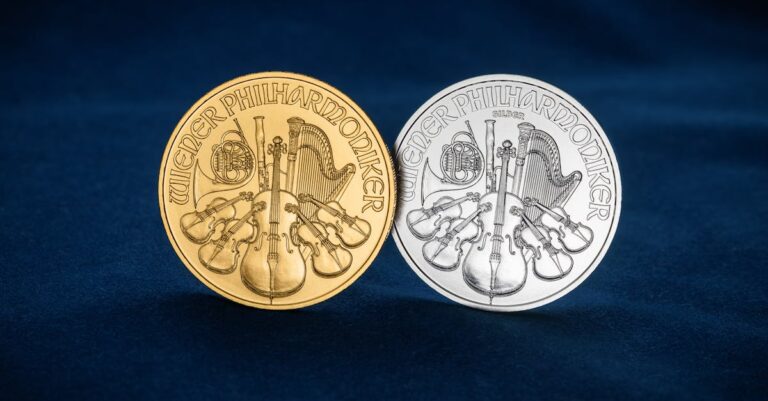
Navigate the dynamic world of gold and silver investing for lasting wealth. Discover strategies to capitalize on price rebounds and fortify your portfolio against future volatility.
Recent market movements have drawn significant attention to the precious metals sector, with gold and silver prices rebounding after a period of sell-offs. This volatility, while sometimes unnerving for investors, also presents strategic opportunities for those looking to build and preserve wealth. Understanding the underlying forces behind these fluctuations and adopting a disciplined approach to gold and silver investing can significantly enhance a portfolio’s resilience and potential for long-term growth.
For individuals committed to the ‘Work to Wealth’ philosophy, every market cycle, including corrections and subsequent rebounds, offers lessons and potential pathways to financial advancement. Precious metals, historically renowned as stores of value, continue to play a crucial role in diversified investment strategies. This article will delve into the dynamics of gold and silver markets, explore effective investment strategies, and provide practical insights for leveraging these assets to secure your financial future.
The Enduring Appeal of Gold and Silver
Gold and silver have captivated humanity for millennia, not just for their aesthetic beauty but primarily for their intrinsic value and unique economic properties. From ancient currencies to modern industrial components, their utility and scarcity have cemented their status as vital assets.
Gold: A Timeless Store of Value
Gold’s role as the ultimate safe-haven asset is well-documented. During times of economic uncertainty, geopolitical instability, or rampant inflation, investors often flock to gold, seeking refuge for their capital. Its value is not tied to any single government or corporation, making it a truly independent asset.
- Inflation Hedge: Gold traditionally performs well when the purchasing power of fiat currencies erodes. As central banks print more money, or as goods and services become more expensive, gold tends to hold or increase its value, preserving wealth.
- Geopolitical Risk Buffer: In times of international conflict or political turmoil, gold’s demand typically surges. It acts as a universal currency, recognized and accepted across borders, providing security when other assets might falter.
- Portfolio Diversifier: Gold often exhibits a low or negative correlation with traditional assets like stocks and bonds. This means that when equities or fixed-income investments decline, gold may hold its value or even increase, helping to smooth out overall portfolio returns.
The yellow metal’s limited supply and high demand from investment, jewelry, and central bank reserves ensure its continued relevance in the global financial landscape. Central banks, in particular, have been significant buyers of gold, signaling confidence in its role as a reserve asset.
Silver: Gold’s Versatile Cousin
While often overshadowed by gold, silver offers a compelling investment proposition of its own. It shares many of gold’s safe-haven characteristics but possesses an additional layer of demand from industrial applications, making its price dynamics somewhat more complex and potentially more volatile.
- Industrial Demand: Silver is an indispensable component in numerous industries, including electronics, solar panels, medical devices, and electric vehicles. As these sectors grow, so does the demand for silver, creating a unique price driver beyond pure investment sentiment.
- Monetary Metal: Like gold, silver has a long history as coinage and a medium of exchange. It retains some of this monetary appeal, acting as a store of value, albeit with greater price swings due to its industrial usage.
- Higher Volatility and Leverage: Due to its dual role as an industrial and monetary metal, silver prices can be more volatile than gold. This increased volatility can lead to larger gains during bull markets, offering greater leverage for investors willing to embrace the higher risk.
Understanding these fundamental drivers is the first step towards successful gold and silver investing. Their inherent value and diverse demand profiles make them indispensable components for those serious about building and preserving wealth through varying economic climates.
Decoding Precious Metal Price Fluctuations
The recent rebound in gold and silver prices after a sell-off underscores the dynamic nature of these markets. Several interconnected factors influence the ebb and flow of precious metal values, requiring investors to stay informed and analytical.
Key Drivers of Gold and Silver Prices
The price of gold and silver is not determined by a single factor but by a complex interplay of macroeconomic forces, market sentiment, and supply-demand dynamics.
- Interest Rates: Higher interest rates generally increase the opportunity cost of holding non-yielding assets like gold and silver. When rates rise, bonds and other interest-bearing investments become more attractive, potentially drawing capital away from precious metals. Conversely, falling rates or a dovish stance from central banks can boost precious metal demand.
- Inflation Expectations: As discussed, gold is a potent inflation hedge. When investors anticipate rising inflation, they often turn to gold and silver to protect their purchasing power, driving prices higher. The recent rebound could be partly attributable to renewed concerns about persistent inflationary pressures.
- U.S. Dollar Strength: Precious metals are typically priced in U.S. dollars. A stronger dollar makes gold and silver more expensive for buyers using other currencies, potentially dampening demand and pushing prices down. Conversely, a weaker dollar can make them more affordable and boost prices.
- Geopolitical Events and Economic Uncertainty: Wars, political instability, trade disputes, and global pandemics all tend to increase demand for safe-haven assets. These events create uncertainty, prompting investors to seek out assets perceived as stable and reliable.
- Supply and Demand: While significant, the supply side of gold (new mining output, recycling) is relatively stable compared to demand, which can fluctuate wildly. Industrial demand for silver, particularly from emerging technologies, adds another layer of complexity to its supply-demand balance.
- Investor Sentiment and Speculation: Psychological factors play a significant role. Market sentiment, driven by news, analyst reports, and herd behavior, can lead to substantial price swings, sometimes independent of fundamental drivers.
Why Sell-Offs Occur and What Triggers Rebounds
Understanding the anatomy of a sell-off and subsequent rebound is crucial for strategic gold and silver investing.
- Causes of Sell-Offs:
- Rising Real Yields: When bond yields rise faster than inflation expectations, real yields (nominal yield minus inflation) increase. This makes bonds more attractive compared to gold, which offers no yield.
- Strong Dollar Environment: A strengthening U.S. dollar, often driven by robust economic data or interest rate differentials, can put downward pressure on precious metal prices.
- Profit-Taking: After a significant run-up in prices, some investors may opt to take profits, leading to a temporary downward correction.
- Improved Economic Outlook: If the global economic outlook improves significantly, reducing fears of recession or instability, the appeal of safe-haven assets might diminish.
- Triggers for Rebounds:
- Renewed Inflation Concerns: Persistent or rising inflation worries can quickly bring investors back to gold and silver as protective assets.
- Economic Slowdown Fears: Signs of an impending economic downturn or recession make safe havens attractive once more.
- Monetary Policy Shifts: Expectations of central banks pausing interest rate hikes or even cutting rates can reduce the opportunity cost of holding precious metals, fueling demand.
- Geopolitical Escalations: Any increase in global tensions immediately boosts the safe-haven appeal of gold.
- Technical Buying: Once prices hit certain support levels, technical analysts and algorithmic trading systems may trigger buying, leading to a rebound.
The recent rebound in gold and silver prices likely reflects a combination of these factors, possibly including renewed inflation fears, a pause in the dollar’s strength, or emerging concerns about global economic stability. Astute investors track these signals to position themselves advantageously.
Strategic Gold and Silver Investing Approaches
Successful gold and silver investing requires more than just understanding market dynamics; it demands a well-thought-out strategy tailored to your financial goals and risk tolerance. There are multiple avenues to gain exposure to precious metals, each with its own set of advantages and considerations.
Direct Ownership: Physical Bullion
For many, the idea of holding physical gold and silver is the purest form of precious metal investment. This typically involves purchasing coins or bars.
- Gold Bullion (Bars & Coins):
- Advantages: Tangible asset, complete control, privacy (depending on jurisdiction and reporting requirements), potential for long-term wealth preservation. No counterparty risk.
- Disadvantages: Storage costs and security concerns, insurance expenses, illiquidity compared to paper assets, potential for higher premiums over spot price, assaying costs when selling larger bars.
- Practicalities: Purchase from reputable dealers. Consider government-minted coins (e.g., American Eagles, Canadian Maples) for ease of recognition and liquidity. Store in a secure, insured vault or a high-security home safe.
- Silver Bullion (Bars & Coins):
- Advantages: Similar to gold, offers tangibility and a hedge against inflation. Generally more affordable per ounce than gold, allowing for greater physical accumulation for a given investment amount.
- Disadvantages: Requires significantly more storage space due to lower density and value per ounce. Higher premiums and potential sales taxes can eat into returns.
- Practicalities: Due to bulk, often less practical for very large investments compared to gold, unless robust storage solutions are in place.
Indirect Ownership: Paper Assets
For investors seeking liquidity, convenience, and lower storage costs, indirect ownership through financial instruments offers a compelling alternative.
- Exchange-Traded Funds (ETFs) and Exchange-Traded Commodities (ETCs):
- How they work: These funds hold physical gold or silver on behalf of their investors, or track the price of the metal through futures contracts. They trade like stocks on major exchanges.
- Advantages: High liquidity, lower transaction costs (no premiums or storage fees in the same way as physical), ease of trading, diversification within a single security.
- Disadvantages: Introduce counterparty risk (you don’t directly own the physical metal), management fees, and potential for tracking error. Some ETFs use derivatives, adding complexity.
- Considerations: Research the fund’s holdings, expense ratio, and whether it’s physically backed or uses derivatives.
- Mining Stocks:
- How they work: Investing in companies that explore for, mine, and produce gold and silver.
- Advantages: Offer leverage to precious metal price movements (mining companies often see their profits amplified by rising metal prices), potential for dividends, and exposure to growth within the mining sector.
- Disadvantages: Introduce company-specific risks (management issues, operational challenges, geopolitical risks in mining regions, environmental regulations). Not a pure play on metal prices.
- Considerations: Diversify across several reputable mining companies, and consider royalty and streaming companies for a potentially less volatile alternative.
- Futures and Options:
- How they work: These are sophisticated derivatives contracts that allow investors to speculate on future price movements of gold and silver without owning the underlying asset.
- Advantages: High leverage, potential for significant gains in short periods, ability to profit from both rising and falling prices.
- Disadvantages: Extremely high risk, require deep market understanding, potential for rapid and substantial losses, often suitable only for experienced traders.
Dollar-Cost Averaging: A Disciplined Approach
For long-term investors, dollar-cost averaging (DCA) is a powerful strategy, especially in volatile markets like precious metals. This involves investing a fixed amount of money at regular intervals, regardless of the asset’s price.
- Benefits: Reduces the impact of volatility by ensuring you buy more when prices are low and less when prices are high, averaging out your purchase price over time. Removes emotional decision-making.
- Application: Regularly allocate a portion of your savings to purchase gold or silver (physical or via ETFs). This disciplined approach helps build a position over time and mitigates the risk of trying to “time the market,” which is notoriously difficult.
Portfolio Allocation: Finding the Right Balance
How much of your portfolio should be in precious metals? There’s no one-size-fits-all answer, as it depends on individual financial goals, risk tolerance, and economic outlook.
- General Guidelines: Many financial advisors suggest an allocation of 5% to 15% of a diversified portfolio to precious metals. Aggressive investors or those particularly concerned about inflation might go higher, while conservative investors might opt for the lower end.
- Consideration: The primary role of precious metals in a portfolio is diversification and wealth preservation, not aggressive growth. View them as insurance against systemic risks rather than primary growth drivers.
By carefully selecting the right investment vehicle and adopting a disciplined strategy, investors can effectively integrate gold and silver investing into their broader wealth-building plans, preparing for various market conditions, including periods of rebound after a sell-off.
Capitalizing on Market Dips and Rebounds
The recent rebound in gold and silver prices provides a timely illustration of how market dips can create opportunities for long-term investors. Learning to navigate these cycles requires patience, foresight, and a disciplined approach.
Identifying Opportunities in Volatility
Not every dip is a buying opportunity, and not every rebound is a sign of sustained growth. Discerning between temporary fluctuations and fundamental shifts is key.
- Distinguish Between Corrections and Bear Markets: A market correction is typically a short-term price decline (often 10-20%) within an ongoing bull market, usually driven by profit-taking or minor macroeconomic concerns. A bear market, conversely, is a more significant, prolonged decline often driven by fundamental economic deterioration. Precious metals, especially gold, tend to fare better during bear markets in broader equities.
- Fundamental Analysis: Look at the underlying economic indicators that influence precious metal prices. Are inflation concerns resurfacing? Is the dollar weakening? Are real interest rates falling? These fundamental shifts often underpin a sustainable rebound.
- Technical Analysis (for active investors): Some investors use technical indicators (e.g., moving averages, relative strength index) to identify oversold conditions during a dip or confirm upward momentum during a rebound. However, technical analysis should complement, not replace, fundamental understanding for long-term investing.
Patience and a Long-Term View
One of the biggest mistakes investors make is reacting emotionally to short-term price movements. The ‘Work to Wealth’ philosophy emphasizes a long-term perspective, which is particularly critical for precious metals.
- Avoid Panic Selling: A sell-off can trigger fear, leading some investors to liquidate their positions at a loss. Remember why you invested in precious metals in the first place: for diversification, wealth preservation, and as a hedge against systemic risk. These benefits are realized over years, not weeks.
- Hold Through Cycles: Precious metals, like all assets, experience cycles. Patiently holding through dips and maintaining your conviction in their long-term value proposition is often the most rewarding strategy. The recent rebound demonstrates the potential for recovery.
Rebalancing Your Portfolio Strategically
Market dips, especially those followed by rebounds, offer excellent opportunities for portfolio rebalancing.
- What is Rebalancing? This involves periodically adjusting your portfolio back to your target asset allocation. If gold and silver prices drop, their percentage of your portfolio might fall below your target. A dip (or the initial stages of a rebound) is a good time to buy more, bringing your allocation back in line.
- Buy Low: Rebalancing encourages buying assets that have underperformed (e.g., precious metals during a sell-off) and selling assets that have overperformed. This is a disciplined way to “buy low” without trying to perfectly time the market bottom.
Risk Management in Volatile Markets
While precious metals can offer stability, their prices are not immune to volatility. Effective risk management is paramount.
- Diversification Within Precious Metals: Don’t put all your eggs in one basket. Consider allocating to both gold and silver, given their slightly different drivers (gold more monetary, silver more industrial).
- Set Clear Investment Goals: Understand why you’re holding precious metals. Is it for wealth preservation, an inflation hedge, or a speculative play? Your goals will dictate your holding period and exit strategy.
- Position Sizing: Ensure your allocation to precious metals is appropriate for your overall portfolio. Over-allocating to any single asset class, no matter how appealing, can expose you to undue risk.
- For Active Traders: If engaging in shorter-term trading, implement strict stop-loss orders to limit potential losses during unexpected downturns. This is less relevant for long-term ‘Work to Wealth’ investors, but crucial for speculative positions.
By approaching gold and silver investing with a calm, analytical mindset and a commitment to long-term strategies, you can transform market volatility into opportunities for sustained wealth accumulation and preservation.
The Role of Precious Metals in a Diversified Portfolio
For those striving for wealth, diversification is not merely a buzzword; it’s a cornerstone of prudent financial planning. Precious metals, particularly gold and silver, play a distinctive and invaluable role in a well-diversified portfolio, offering benefits that complement traditional asset classes.
Correlation and De-Risking
The primary appeal of gold and silver in a diversified portfolio stems from their often low or negative correlation with other major asset classes like stocks and bonds.
- Inverse Relationship with Stocks: During periods of stock market downturns, economic recessions, or heightened geopolitical risk, gold often tends to either hold its value or appreciate. This inverse relationship acts as a natural hedge, cushioning the blow to a portfolio heavily invested in equities.
- Hedge Against Monetary Policy Risks: When central banks engage in quantitative easing or implement policies that lead to currency debasement, precious metals can thrive. They offer an alternative store of value when confidence in fiat currencies wanes.
- Bond Market Diversification: While bonds are typically considered safe havens, their effectiveness can diminish in rising interest rate environments or periods of high inflation. Gold and silver can provide an additional layer of protection, particularly against inflation that erodes bond returns.
By incorporating precious metals, investors can reduce overall portfolio volatility and enhance risk-adjusted returns over the long term, making their journey from ‘Work to Wealth’ more stable.
Preserving Purchasing Power
One of the insidious threats to long-term wealth is inflation, which quietly erodes the purchasing power of money over time. Precious metals have a proven track record as a hedge against this erosion.
- Protection Against Inflation: As the cost of living rises, and currencies lose value, the inherent value of physical assets like gold and silver tends to increase or at least maintain its real purchasing power. This is particularly relevant in today’s economic climate, where inflation has been a persistent concern.
- Long-Term Store of Value: Over centuries, gold and silver have consistently served as reliable stores of wealth, far outlasting the lifespan of any single currency or empire. This historical resilience provides confidence for investors concerned about the future value of their savings.
Providing Stability During Crises
The true value of precious metals often becomes most apparent during times of crisis, when traditional financial systems face extreme stress.
- Safe Haven Status: During financial crises, pandemics, or major geopolitical conflicts, panic can grip markets. In such scenarios, gold, in particular, becomes a flight-to-safety asset, providing a sense of security and a readily accepted form of wealth when other assets are in disarray or illiquid.
- Liquidity in Extreme Conditions: While perhaps not as liquid as major currencies during normal times, physical gold and silver can be remarkably liquid during extreme crises, offering a means of transaction or capital preservation when traditional banking systems are disrupted.
Integrating gold and silver investing into a diversified portfolio is not about chasing quick gains, but about building a robust, resilient financial foundation that can withstand various economic shocks and preserve wealth across generations. It’s a strategic move for any serious wealth builder.
Practical Considerations for Gold and Silver Investors
Beyond understanding market dynamics and investment strategies, successful gold and silver investing involves several practical considerations, especially when dealing with physical assets. Addressing these aspects upfront can prevent future headaches and protect your investment.
Secure Storage Options
If you opt for physical gold or silver, safe and secure storage is paramount.
- Home Safe: For smaller quantities, a high-quality, fire-resistant, and bolted-down home safe can be an option. However, it’s generally not recommended for very large amounts due to security risks and insurance limitations.
- Safe Deposit Box: Banks or credit unions offer safe deposit boxes. While more secure than a home safe, they may have limited access hours and are not typically covered by standard bank deposit insurance.
- Third-Party Vaults: Specialized private storage facilities offer high-security, insured storage solutions specifically designed for precious metals. These facilities often provide segregated storage (your metals are physically separated from others’) and are a popular choice for significant holdings. Reputable providers offer detailed audit trails and insurance.
- Storage for ETFs/ETC-Backed Products: If you invest in precious metal ETFs or ETCs, the fund manager is responsible for storing the physical metal, usually in a large, secure vault. While this removes your direct storage burden, it introduces counterparty risk.
Insurance: Protection for Your Assets
Regardless of where you store your physical precious metals, insurance is a critical safeguard.
- Home Insurance Rider: Check if your existing home insurance policy covers precious metals and to what extent. Often, standard policies have low limits for valuables, so a specific rider may be necessary.
- Specialized Precious Metal Insurance: If storing in a private vault, ensure the facility provides comprehensive insurance coverage for your specific holdings. Understand the terms, coverage limits, and any exclusions.
Liquidity and Ease of Transaction
While precious metals are considered liquid assets, the ease of buying and selling can vary depending on the form of investment.
- Physical Metals: Selling physical bullion typically requires finding a reputable dealer. While generally straightforward, it might not be as instantaneous as selling a stock or ETF, and you may encounter bid-ask spreads. Smaller denominations (coins) are usually more liquid than large bars.
- ETFs/Mining Stocks: These are highly liquid and can be bought and sold during market hours with ease through a standard brokerage account.
Tax Implications
Understanding the tax implications of gold and silver investing is crucial, as rules vary by jurisdiction.
- Capital Gains Tax: Profits from selling precious metals (physical or through ETFs) are typically subject to capital gains tax. The rate can depend on your holding period (short-term vs. long-term).
- Sales Tax/VAT: In some regions, sales tax or Value Added Tax (VAT) may apply to the purchase of physical precious metals, especially silver. Research your local regulations before purchasing.
- Reporting Requirements: Large transactions of precious metals might have reporting requirements to tax authorities, particularly for cash purchases or sales exceeding certain thresholds. Consult with a tax professional to ensure compliance.
Due Diligence: Choosing Reputable Providers
The precious metals market, unfortunately, attracts its share of less-than-reputable actors. Always exercise due diligence.
- Reputable Dealers: For physical purchases, deal only with established and highly-rated precious metals dealers. Look for accreditations from industry associations and positive customer reviews.
- Transparent Pricing: Ensure the dealer’s pricing is transparent, clearly showing premiums over the spot price and any other fees. Be wary of dealers pushing “rare” or “collectible” coins at significant markups unless you are an expert numismatist.
- ETF/Fund Providers: If investing in ETFs or other funds, choose those from recognized and trusted fund providers with a track record of good governance and clear disclosure.
By diligently attending to these practical details, investors can ensure their gold and silver investing journey is secure, compliant, and ultimately contributes effectively to their ‘Work to Wealth’ objectives.
Common Pitfalls to Avoid in Precious Metal Investing
While gold and silver investing offers significant benefits for wealth preservation and diversification, there are several common mistakes that investors, particularly newcomers, often make. Avoiding these pitfalls can save you from unnecessary losses and frustration.
Chasing Fads and Short-Term Speculation
One of the most dangerous traps is treating precious metals as a get-rich-quick scheme.
- Emotional Investing: Buying solely based on recent price surges or selling in a panic during dips is rarely a profitable long-term strategy. The ‘Work to Wealth’ philosophy advocates for a rational, disciplined approach.
- Ignoring Fundamentals: Focusing only on price charts without understanding the underlying economic drivers can lead to poor decisions. While short-term trading is possible, it carries high risks and is generally not suitable for wealth accumulation.
Over-Allocating to Precious Metals
While beneficial, even the best assets can become detrimental if over-allocated in a portfolio.
- Lack of Diversification: Placing too much of your wealth into gold and silver can expose you to concentration risk. Precious metals are primarily wealth preservers and diversifiers, not typically high-growth assets. An overly concentrated position might underperform a balanced portfolio during strong economic growth periods.
- Opportunity Cost: Capital tied up excessively in precious metals might miss out on growth opportunities in other asset classes like equities, real estate, or innovative technologies.
Ignoring Storage and Transaction Costs
The “hidden” costs associated with precious metals can eat into your returns if not properly accounted for.
- Premiums and Spreads: Physical gold and silver always trade at a premium above the “spot price” when buying, and at a discount (bid-ask spread) when selling. These transactional costs can be significant, especially for smaller purchases.
- Storage and Insurance: These ongoing costs for physical metals can add up over time, eroding potential gains. Ensure you factor these into your expected returns. ETFs also have management fees.
Falling for Scams and Unscrupulous Dealers
The precious metals market, unfortunately, attracts fraudulent schemes.
- “Rare Coin” Scams: Be extremely wary of dealers pressuring you to buy “collectible” or “rare” coins at vastly inflated prices, claiming they will generate extraordinary returns. For investment purposes, stick to recognized bullion coins and bars whose value is tied directly to their metal content.
- Non-Delivery of Physical Metal: Some online or less reputable dealers might take your money but fail to deliver the physical metal, or deliver counterfeit products. Always verify the authenticity and reputation of your dealer.
- Unrealistic Promises: Any investment pitch promising guaranteed, high returns with no risk, particularly in volatile markets, should be a red flag.
Lack of Understanding of Silver’s Unique Drivers
Treating silver exactly like gold can lead to misjudgments.
- Industrial Demand: Silver’s significant industrial demand means its price is more sensitive to economic cycles than gold’s. A global economic slowdown can impact silver prices more severely due to reduced industrial usage.
- Higher Volatility: Silver prices tend to be more volatile than gold prices. While this can lead to greater gains, it also means greater potential for losses. Investors need to be prepared for larger price swings with silver.
By being aware of these common pitfalls and maintaining a disciplined, informed approach, investors can navigate the complexities of gold and silver investing more effectively and contribute positively to their journey from ‘Work to Wealth’.
Looking Ahead: The Future of Precious Metals
The rebound in gold and silver prices underscores their enduring relevance in a constantly evolving global financial landscape. As we look to the future, several factors suggest that precious metals will continue to play a critical role in strategic wealth building.
Ongoing Relevance in a Changing Global Economic Landscape
The macroeconomic environment is complex and prone to rapid shifts. Precious metals offer a timeless hedge against many of these uncertainties.
- Persistent Inflationary Pressures: While central banks aim for price stability, global supply chain disruptions, fiscal stimulus, and geopolitical events can continue to fuel inflation. Gold and silver will remain crucial tools for protecting purchasing power.
- Geopolitical Volatility: The world remains a volatile place, with ongoing conflicts and political tensions. In an era of heightened uncertainty, the safe-haven appeal of gold is likely to persist and even grow.
- Currency Debasement Concerns: Record levels of national debt and the potential for further quantitative easing by central banks could lead to continued concerns about currency debasement, making hard assets like gold and silver more attractive.
- Economic Decoupling and Trade Wars: The fragmentation of global trade and potential for economic decoupling between major powers could introduce new forms of instability, benefiting assets that transcend national economic policies.
Technological Advancements and Industrial Demand
While gold’s primary drivers remain investment and jewelry, silver’s industrial demand offers an exciting growth vector.
- Green Energy Revolution: Silver is a vital component in solar panels, electric vehicles, and other green technologies. As the world transitions to renewable energy sources, the demand for silver in these applications is expected to soar, creating a strong long-term demand floor.
- Electronics and Connectivity: Silver’s excellent conductivity makes it essential for electronics, 5G technology, and various other high-tech applications. Continued innovation in these fields will maintain robust demand.
- Medical Applications: Silver’s antimicrobial properties ensure its continued use in medical devices and healthcare, a sector that is consistently expanding.
These technological trends position silver for unique growth potential, complementing its role as a monetary metal.
Macroeconomic Outlook and Monetary Policy
The actions of central banks and the global economic outlook will continue to be dominant forces shaping precious metal prices.
- Interest Rate Path: Future interest rate decisions by major central banks will significantly influence the opportunity cost of holding non-yielding precious metals. A pivot towards lower rates could be a strong tailwind.
- Recessionary Fears: If global economies enter a recession, the demand for safe havens like gold and silver typically increases as investors seek to protect capital from equity and credit market declines.
- Government Spending and Debt: Elevated government spending and growing national debts across many developed nations may lead to renewed concerns about fiscal sustainability, driving interest in alternative assets like precious metals.
For investors on the ‘Work to Wealth’ journey, maintaining an informed perspective on these broad trends is essential. The strategic inclusion of gold and silver investing in a diversified portfolio appears not just as a historical preference but as a forward-looking strategy for navigating the complexities and opportunities of the coming decades.
Conclusion: Building Wealth with Precious Metals
The recent rebound in gold and silver prices serves as a potent reminder of their dynamic nature and their indispensable role in a well-constructed investment portfolio. For individuals committed to the disciplined pursuit of wealth, understanding and strategically integrating precious metals into their financial plan can provide a robust layer of protection and an avenue for growth.
From their historical status as ultimate stores of value to their modern roles as inflation hedges, safe-haven assets, and critical industrial components, gold and silver offer unique benefits. Navigating their price fluctuations, including sell-offs and subsequent rebounds, requires a blend of fundamental understanding, patience, and a long-term perspective. By employing strategies such as dollar-cost averaging, carefully considering allocation percentages, and choosing appropriate investment vehicles, investors can leverage these precious assets effectively.
Avoiding common pitfalls, such as emotional trading, over-allocation, and neglecting practical considerations like storage and taxes, is equally vital. The journey from ‘Work to Wealth’ is not about chasing fleeting trends but about building a resilient financial foundation capable of weathering various economic storms and capitalizing on sustained opportunities. Gold and silver, when approached with prudence and discipline, continue to be invaluable tools in achieving this enduring financial security and prosperity.
Frequently Asked Questions
Why do gold and silver prices seem so volatile, making me anxious about investing?
Gold and silver prices are influenced by a complex mix of factors, including interest rates, inflation expectations, U.S. dollar strength, geopolitical events, and industrial demand (especially for silver). This interplay creates volatility. For example, silver’s dual role as both a monetary and an industrial metal can make it more sensitive to economic shifts, leading to larger price swings. Understanding these drivers helps demystify the volatility and reduces anxiety. A long-term, disciplined approach, such as dollar-cost averaging, can help mitigate the impact of short-term price fluctuations.
How can I strategically buy gold and silver to protect my wealth during economic downturns?
To strategically buy gold and silver for wealth protection, focus on a long-term approach and diversification. Consider dollar-cost averaging to buy regularly, regardless of price, which averages out your purchase cost. Allocate a conservative portion (e.g., 5-15%) of your total portfolio to precious metals. During economic downturns, gold, in particular, often acts as a safe haven, meaning its value may hold or increase when other assets decline. You can buy physical bullion (coins, bars) or gain exposure through well-managed, physically-backed ETFs or reputable mining stocks.
What’s the safest way to store physical gold and silver, and what are the costs involved?
The safest way to store physical gold and silver for significant holdings is generally through a reputable, insured third-party vault service. These facilities offer high security, often with segregated storage, and provide comprehensive insurance. For smaller amounts, a secure bank safe deposit box or a bolted-down, fire-resistant home safe (with appropriate home insurance riders) can be options. Costs involve storage fees (annual percentage of value or flat fee) and insurance premiums, which vary by provider and the value of your holdings. It’s crucial to factor these ongoing costs into your investment plan.
Should I sell my gold and silver when prices surge, or hold for long-term growth?
For most investors aiming for long-term wealth building, holding gold and silver through price surges is often recommended, especially if your primary goal is wealth preservation and diversification. Precious metals are typically considered long-term hedges against inflation and economic uncertainty. Selling purely based on short-term surges can lead to missing out on further appreciation or making emotional, rather than strategic, decisions. However, it’s wise to periodically rebalance your portfolio to maintain your target allocation. If a surge makes precious metals an oversized portion of your portfolio, consider trimming to bring it back in line.
How much of my investment portfolio should be allocated to gold and silver for optimal diversification?
The optimal allocation to gold and silver varies based on individual risk tolerance, financial goals, and current market outlook. However, many financial experts suggest an allocation of 5% to 15% of a well-diversified portfolio. This range generally provides sufficient exposure to their diversification and safe-haven benefits without over-concentrating your assets. Investors with higher concerns about inflation or systemic risks might lean towards the higher end, while those prioritizing growth might opt for a lower percentage. The key is to view them as a component of diversification rather than the sole driver of returns.