

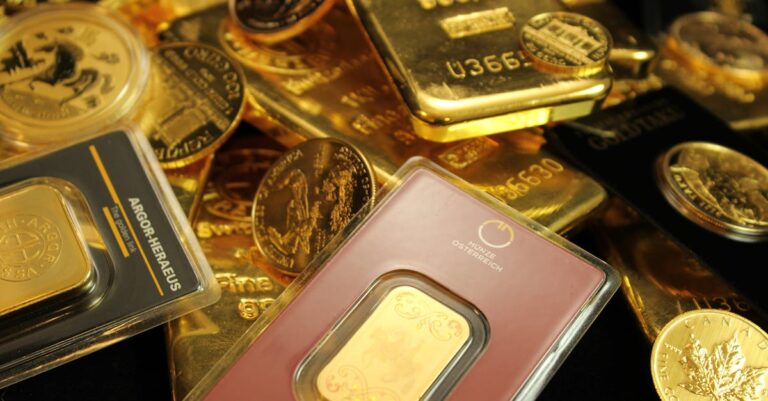
Navigate market turbulence with confidence. This article explores how gold investment stability offers a compelling strategy for wealth preservation amidst global uncertainties and economic shifts.
Gold Investment Stability: Your Anchor in Turbulent Economic Waters
In a world increasingly characterized by rapid shifts and unforeseen challenges, the pursuit of financial security becomes paramount. Investors are constantly seeking reliable avenues to protect and grow their wealth, especially when traditional markets exhibit heightened volatility. Recently, the financial landscape bore witness to a remarkable surge in precious metal prices, with gold leading the charge. TradingView reported gold surpassing an unprecedented $4,600 per ounce, while silver also marked a record high, demonstrating a clear flight to safety among global investors. This phenomenon wasn’t arbitrary; it was a direct response to a confluence of geopolitical uncertainties, domestic political friction, and a global pivot towards lower interest rates. For those aiming for long-term wealth accumulation and preservation, understanding the role of Gold Investment Stability is more crucial than ever.
The dramatic price movements underscore a fundamental truth about financial markets: in times of distress, certain assets shine as beacons of resilience. Gold, with its millennia-old history as a store of value, has once again proven its mettle. This article delves deep into the factors propelling gold’s recent ascent and, more importantly, examines how Gold Investment Stability can serve as a cornerstone of a robust financial strategy, helping individuals navigate the complexities of modern wealth management. We will explore the multifaceted drivers behind gold’s appeal, dissect various methods for incorporating this precious metal into your portfolio, and provide insights into balancing its potential benefits against inherent risks, all aimed at fostering a greater understanding of its critical role in your journey towards financial well-being.
The Geopolitical Crucible: Fueling Gold’s Ascent
Global political landscapes often have a profound and immediate impact on financial markets. Periods of heightened international tension invariably lead investors to seek out assets traditionally perceived as safe havens. The recent surge in gold prices is a stark illustration of this principle in action. Unrest in various regions, coupled with significant international posturing by major global powers, has created an environment rife with uncertainty. When the specter of conflict looms, or when established international norms appear to fray, confidence in conventional financial instruments can wane.
The potential for military involvement, trade disputes escalating into broader economic warfare, or unpredictable diplomatic maneuvers can trigger widespread investor anxiety. This anxiety translates into a tangible demand for assets that are not tied to the performance of any single economy or political system. Gold, being a universally recognized and intrinsically valued commodity, naturally fits this description. It is a tangible asset that cannot be printed or devalued by government decree in the same way fiat currencies can. This inherent independence from political machinations makes it an attractive refuge for capital when geopolitical risks surge.
Moreover, the perception of increased risk can lead to capital flight from regions deemed unstable, further bolstering demand for safe-haven assets. As nations and individuals look to diversify away from potential regional contagion, gold often becomes a primary recipient of this repositioned capital. The sustained interest from central banks in accumulating gold reserves further validates its role as a strategic asset for national wealth preservation in an unpredictable global arena. They recognize that Gold Investment Stability provides an essential hedge against the financial implications of geopolitical turmoil, safeguarding national interests and economic sovereignty against potential disruptions and unforeseen challenges.
Economic Headwinds and Central Bank Policy: A Perfect Storm for Gold Investment Stability
Beyond geopolitical concerns, the prevailing economic climate and the reactive policies of central banks play an equally significant role in determining gold’s attractiveness. We are currently observing a global trend towards lower interest rates, with expectations of further cuts by major central banks. This environment is particularly conducive to a surge in demand for non-yielding assets like gold. When interest rates are low, or when they are expected to fall, the opportunity cost of holding gold (which does not pay interest or dividends) diminishes considerably. The appeal of alternative investments that offer steady, predictable returns wanes, making gold a more competitive option for capital preservation.
In a low-interest-rate regime, the returns from traditional interest-bearing assets, such as savings accounts or government bonds, become less appealing. Investors then search for alternative stores of value that can offer better protection against inflation or currency debasement. Gold has historically served as an excellent hedge against inflation. When the purchasing power of fiat currencies erodes due to excessive money supply growth or rising prices, gold tends to retain or even increase its value, acting as a crucial defense for wealth. Its finite supply makes it a strong counterpoint to the potentially limitless printing of paper money, giving it inherent value stability.
Adding another layer to this complex picture are instances of political interference or criminal investigations targeting key financial institutions or their leaders. The news of a criminal probe into the Federal Reserve Chair, for example, injects an element of systemic risk and distrust into the financial system. Such events can shake investor confidence in the stability and independence of monetary policy, prompting a flight to assets perceived as being outside the direct purview of political influence. This erosion of trust in institutional integrity further strengthens the case for Gold Investment Stability as a defensive play, providing a tangible asset beyond the reach of political whims.
Central banks themselves are increasingly recognizing gold’s importance. Tim Waterer, a chief market analyst, noted the growing central bank appetite for gold and silver, perceiving them as “lower risk alternatives to the dollar.” This trend is significant because central bank purchases signal a strategic, long-term commitment to gold, driven by a desire to diversify national reserves and hedge against currency fluctuations and global economic uncertainty. Their actions often serve as a bellwether for broader institutional confidence in precious metals, indicating a systemic shift towards tangible assets to safeguard national wealth against unforeseen economic shocks.
The Enduring Appeal of Gold: A Historical Perspective on Wealth Preservation
Gold’s status as a premier safe-haven asset is not a recent phenomenon; it is deeply rooted in centuries of economic and social history. From ancient civilizations to modern financial markets, gold has consistently been valued for its intrinsic qualities: rarity, durability, malleability, and lustrous beauty. These attributes allowed it to serve effectively as currency, jewelry, and a store of wealth across diverse cultures and epochs. Its universal acceptance and inherent scarcity have cemented its role as a reliable standard against which other forms of wealth are often measured, offering a timeless appeal that transcends temporary market conditions.
Historically, gold has demonstrated a remarkable ability to maintain its purchasing power through various economic upheavals, including wars, depressions, and periods of hyperinflation. Unlike paper money, which can be printed in unlimited quantities, gold’s supply is finite, determined by geological availability and the labor-intensive process of mining. This inherent scarcity provides a natural limit to its supply, contributing to its long-term value retention. When governments resort to expansive monetary policies, such as quantitative easing, which can dilute the value of their currencies, gold often acts as a counterweight, preserving wealth in real terms and protecting against the silent erosion of purchasing power.
During periods of stock market crashes or bond market instability, gold frequently exhibits a negative correlation with these traditional assets. This means that when stocks and bonds decline, gold often tends to rise or hold its value. This inverse relationship is a key reason why gold is considered an essential component of a diversified investment portfolio. It acts as an insurance policy, buffering against losses in other asset classes and providing a critical element of Gold Investment Stability when other parts of a portfolio are under pressure. Its predictable tendency to perform well during crises makes it an invaluable tool for risk management and wealth protection, reinforcing its timeless appeal as a fundamental pillar of financial security.
Integrating Gold into Your Investment Strategy: Paths to Gold Investment Stability
For investors looking to capitalize on the unique attributes of gold, there are several distinct avenues for participation, each with its own set of advantages and considerations. Understanding these options is key to tailoring a gold investment strategy that aligns with your financial goals, risk tolerance, and liquidity needs. The choice often depends on whether you seek direct ownership, market exposure, or a blend of both, to achieve optimal Gold Investment Stability within your portfolio.
Physical Gold: Tangible Assets for Direct Ownership
The most straightforward way to invest in gold is through the direct purchase of physical gold. This typically involves buying gold bullion (bars) or gold coins. This method offers the highest degree of direct control and tangible security, often appealing to those who prioritize physical possession of their assets.
- Gold Bullion: Available in various weights and purities, gold bars are often favored by larger institutional investors or those seeking significant allocations. They offer direct exposure to the gold price. However, considerations include secure storage (e.g., in a safe deposit box or specialized vault), insurance costs, and potential challenges with liquidity if selling large quantities quickly, especially for very large bars.
- Gold Coins: Popular among individual investors, gold coins (e.g., recognized mint issues) offer smaller denominations and can be easier to buy and sell. They also come with the appeal of collectible value in some instances, though their primary investment value typically derives from their gold content. Like bullion, physical coins require secure storage and insurance, and their premium over spot price can vary.
The primary benefit of physical gold is absolute ownership. In times of extreme financial crisis or systemic breakdown, physical gold is often seen as the ultimate form of wealth preservation, completely independent of financial institutions or electronic systems. This provides a profound sense of security for many investors, offering a direct hedge against unforeseen global events and maintaining an invaluable link to historical forms of wealth.
Gold Exchange-Traded Funds (ETFs) and Exchange-Traded Commodities (ETCs): Market Exposure Without Physical Hassle
For investors seeking exposure to gold price movements without the complexities of storing physical metal, Gold ETFs and ETCs present an appealing solution. These financial instruments trade on major stock exchanges, much like individual stocks, providing a highly liquid and accessible way to participate in the gold market.
- Mechanism: Many Gold ETFs/ETCs are structured to hold physical gold on behalf of their investors in secure vaults, with each share representing a fraction of an ounce of gold. Their value directly tracks the price of gold, allowing investors to gain exposure without the logistics of direct ownership. Other ETFs might use futures contracts or a combination of methods to achieve their objective, offering varying risk profiles.
- Advantages:
- Liquidity: Gold ETFs/ETCs can be bought and sold throughout the trading day, offering far greater liquidity than physical gold, which can be crucial for active investors.
- Accessibility: They can be purchased through standard brokerage accounts, making them highly accessible to most investors, even those with limited capital.
- Lower Costs: Typically, the cost of ownership (storage, insurance) is factored into a relatively low expense ratio, which is significantly less than the costs associated with physically holding and insuring gold yourself.
- Diversification: Easily integrated into a diversified portfolio alongside stocks and bonds, they can contribute to overall portfolio Gold Investment Stability by acting as a counterweight to other asset classes.
- Considerations: While offering convenience, investors in Gold ETFs/ETCs do not directly own physical gold. They own shares in a fund that owns gold. This introduces an element of counterparty risk, albeit generally low with reputable providers, and means investors forgo the unique psychological security of holding physical bullion.
Gold Mining Stocks: Leverage and Equity Exposure
Investing in the stocks of gold mining companies offers another indirect way to gain exposure to gold. This method ties an investment to the operational success and management quality of specific companies, as well as the underlying commodity price.
- Mechanism: When gold prices rise, the profitability of gold mining companies often increases disproportionately due to operational leverage. This can lead to a greater percentage increase in their stock prices compared to the underlying gold price, offering amplified returns in a bullish gold market.
- Advantages:
- Potential for Amplified Gains: If gold prices rise significantly, well-managed mining stocks can offer higher returns than direct gold ownership, due to their inherent leverage.
- Dividends: Some established and profitable mining companies pay dividends, offering an income stream not available with physical gold or most gold ETFs, which can be attractive to income-focused investors.
- Considerations: Investing in mining stocks involves additional risks beyond just the price of gold. These include company-specific factors (management quality, operational efficiency, geopolitical risks in mining regions, labor issues, environmental regulations, production costs, and exploration success), which can affect stock performance even if gold prices are favorable. It requires more in-depth research into individual companies and understanding sector-specific challenges, thus requiring a more active approach to portfolio management.
Gold Futures and Options: Advanced Strategies for Sophisticated Investors
For experienced investors with a higher risk tolerance and a deep understanding of derivatives markets, gold futures and options contracts offer highly leveraged ways to speculate on gold price movements. These instruments allow for significant exposure with relatively small initial capital.
- Mechanism: Futures contracts are agreements to buy or sell a specific quantity of gold at a predetermined price on a future date. Options contracts give the holder the right, but not the obligation, to buy or sell gold at a certain price by a certain date. These are complex financial instruments that require specialized knowledge.
- Advantages:
- High Leverage: A small amount of capital can control a large amount of gold, leading to potentially substantial gains if the market moves in the desired direction.
- Flexibility: Can be used for hedging existing gold positions, speculation on short-term price movements, or even income generation through selling options premiums.
- Considerations: Futures and options are extremely complex and involve significant risk, including the potential to lose more than the initial investment due to their leveraged nature. They are generally not recommended for novice investors or those with a low risk tolerance, as rapid and substantial losses are possible.
Each of these methods provides a unique entry point into the world of gold investing. The optimal choice depends on an investor’s individual circumstances, including their investment horizon, comfort with risk, desire for direct control, and overall portfolio strategy for achieving Gold Investment Stability. A balanced approach might involve a combination of these methods to diversify exposure and manage risk effectively, building a robust and resilient wealth strategy.
The Role of Gold in a Diversified Portfolio: Enhancing Resilience
One of the core tenets of sound financial planning is diversification – spreading investments across various asset classes to reduce overall risk. Gold’s inclusion in a diversified portfolio is often justified by its historical ability to act as a hedge against inflation, currency devaluation, and geopolitical or economic instability. This unique role allows it to potentially enhance portfolio resilience, particularly during periods when traditional assets like stocks and bonds may be under pressure, providing a critical layer of protection for your accumulated wealth.
A Counter-Cyclical Asset
Gold often demonstrates a low or negative correlation with other major asset classes. This means that when equities or fixed-income investments decline, gold prices may either hold steady or even increase. This counter-cyclical behavior is incredibly valuable. For example, during significant market downturns, such as the 2008 financial crisis or the recent market turbulence driven by geopolitical events, gold has historically performed strongly, providing a crucial ballast against portfolio losses. This inverse relationship helps to smooth out overall portfolio returns, reducing volatility and contributing significantly to Gold Investment Stability. It acts as a natural stabilizer, particularly when other market segments are experiencing significant headwinds.
Inflation Hedge
Inflation erodes the purchasing power of money over time, silently diminishing wealth. Historically, gold has proven to be an effective hedge against inflation. As the cost of living rises and fiat currencies lose value, gold tends to maintain or increase its intrinsic worth. This is particularly relevant in environments where central banks pursue expansionary monetary policies, which can lead to inflationary pressures. Holding a portion of your wealth in gold can help protect against the corrosive effects of rising prices, preserving your long-term purchasing power and ensuring your savings retain their real value.
Currency Debasement Protection
In an era of fluctuating exchange rates and sovereign debt concerns, the stability of national currencies can be a source of anxiety. Gold, often considered the ultimate global currency, is not subject to the fiscal or monetary policies of any single government. Its value is determined by global supply and demand dynamics, making it an effective hedge against currency debasement or significant depreciation of a particular national currency. For investors concerned about the long-term stability of their primary currency, gold offers an important layer of protection, acting as an international reserve that transcends national borders and political influences.
Geopolitical Risk Management
As highlighted earlier, geopolitical tensions and global crises are powerful drivers of gold demand. In times of war, political instability, or international disputes, investors flock to safe-haven assets. Gold’s history as a universal store of value makes it a preferred asset during such periods. By holding gold, investors can mitigate some of the financial risks associated with unpredictable global events, providing a sense of security when other assets are vulnerable. This proactive approach to risk management is central to leveraging gold for portfolio stability, creating a buffer against external shocks that could otherwise derail financial plans.
However, it’s crucial to approach gold allocation thoughtfully. While gold offers significant benefits, it typically does not generate income (dividends or interest) and its price can be volatile in the short term. Therefore, gold should be viewed as a component of a broader, well-diversified strategy, rather than the sole focus of an investment portfolio. Experts generally suggest a modest allocation, typically between 5% and 15% of a total portfolio, depending on individual circumstances and risk tolerance, to harness its power for Gold Investment Stability without overexposure. This balanced approach maximizes its benefits while minimizing potential drawbacks, ensuring a robust and resilient investment framework.
Beyond Gold: Silver, Platinum, and Palladium in the Safe-Haven Spectrum
While gold often captures the spotlight as the premier safe-haven asset, its brethren in the precious metals family – silver, platinum, and palladium – also play significant roles in the investment landscape, often exhibiting similar price drivers but with their own unique characteristics. Understanding these differences can further refine an investor’s approach to precious metals for comprehensive Gold Investment Stability and diversification. Each metal offers a distinct risk-reward profile, influenced by a combination of monetary and industrial demand.
Silver: The “Poor Man’s Gold” with Industrial Appeal
Silver often moves in tandem with gold, serving as another traditional safe haven. It also hit an all-time high of $83.96 per ounce recently, mirroring gold’s ascent amidst global uncertainties. However, silver possesses a dual nature: it is both a monetary metal and a crucial industrial commodity, making its price dynamics somewhat more complex than gold’s.
- Monetary Role: Like gold, silver has a long history as currency and a store of value. It benefits from flight-to-safety dynamics during economic and political turmoil, appealing to investors seeking a tangible asset.
- Industrial Demand: A significant portion of silver demand comes from industrial applications, including electronics, solar panels, medical devices, and photography. This industrial demand can introduce greater volatility compared to gold, as its price is also influenced by the health of the global economy and manufacturing output, making it sensitive to economic cycles.
Investors often turn to silver for its higher volatility and greater potential for percentage gains compared to gold during bull markets, sometimes earning it the nickname “gold on steroids.” Conversely, this also means higher potential for losses during downturns, necessitating a more cautious approach for some investors.
Platinum: A Rarity with Unique Industrial Use
Platinum, which climbed to a record high of $2,478.50 per ounce, is significantly rarer than gold and silver, with mining concentrated in very few geographical regions. This scarcity and geographical concentration can lead to supply-side vulnerabilities and price sensitivity to regional disruptions.
- Industrial Demand: Its primary use is in catalytic converters for automobiles, making its price highly sensitive to the automotive industry’s health and emissions regulations. It also finds applications in jewelry, chemical, and medical fields, diversifying its demand profile somewhat.
- Investment Demand: While less prominent as a monetary metal than gold, platinum also attracts investment demand as a hedge against inflation and a store of value, particularly when supply disruptions or increased industrial demand are anticipated. Its rarity often underpins its long-term value.
Platinum’s price can be highly volatile due to its concentrated supply and strong industrial ties, making it a more speculative investment than gold for some. Its performance is often tied to the cyclical nature of industrial production and technological advancements, which requires investors to monitor specific market sectors.
Palladium: Automotive Demand Dominance
Palladium, which also gained to $1,877.96 per ounce, is primarily used in catalytic converters for gasoline-powered vehicles, making it extremely sensitive to automotive production trends and environmental legislation. Its fortunes are heavily linked to the health of the global auto industry and regulatory shifts towards cleaner emissions.
- Supply Concentration: Like platinum, palladium supply is highly concentrated, making it vulnerable to geopolitical risks in mining regions, particularly from a few key producing countries. This concentration can lead to price spikes during supply disruptions.
- Investment Demand: Investment demand for palladium has historically been smaller than for gold or silver, with its price largely driven by industrial factors. However, it can still serve as a diversification tool within the precious metals segment, especially given its unique demand profile and the potential for shifts in industrial technology or demand.
While all precious metals offer unique investment propositions, gold remains the quintessential safe haven due to its unparalleled liquidity, universal acceptance, and historical track record as a store of value. Silver, platinum, and palladium can complement a gold position, offering additional diversification and exposure to industrial cycles, but they often come with higher volatility and more specific demand drivers. A thoughtful approach to precious metals involves understanding the distinct roles each plays in contributing to overall portfolio Gold Investment Stability, allowing for a more nuanced and robust precious metals strategy.
Navigating the Gold Market: Key Considerations for Astute Investors
While the allure of Gold Investment Stability is strong, especially in volatile times, a prudent investor approaches any asset class with careful consideration of potential risks and strategic allocation. Gold, despite its safe-haven status, is not without its own set of unique dynamics and challenges. Understanding these nuances is crucial for making informed decisions that align with your broader financial objectives and ensuring that gold effectively serves its intended purpose within your wealth plan.
Volatility and Opportunity Cost
Though often perceived as stable over the long term, gold prices can experience significant short-term volatility. Daily or weekly price swings are not uncommon, influenced by a multitude of factors including currency fluctuations, real interest rate changes, and shifts in investor sentiment. Investors should be prepared for these price movements and avoid making rash decisions based on short-term market noise. The emotional aspect of watching price fluctuations can be challenging, underscoring the need for a disciplined, long-term perspective.
Furthermore, gold is a non-yielding asset. Unlike stocks that may pay dividends or bonds that provide interest, physical gold itself does not generate cash flow. This means there’s an opportunity cost associated with holding gold; the capital invested in gold could potentially be earning returns in other asset classes that do generate income. A balanced perspective acknowledges this trade-off, integrating gold into a portfolio not necessarily for its income generation, but for its role in capital preservation and risk mitigation. This distinction is vital for understanding gold’s strategic place in a diversified portfolio.
Market Timing: A Perilous Pursuit
Attempting to time the market – buying at the absolute bottom and selling at the absolute top – is notoriously difficult, even for seasoned professionals. Gold is no exception. While current events may point to a strong upward trend, predicting future price movements with certainty is impossible. Instead of chasing short-term gains, investors looking for Gold Investment Stability should adopt a long-term perspective, focusing on gold’s role as a strategic asset for wealth preservation and portfolio diversification over extended periods. A disciplined approach, perhaps through dollar-cost averaging (investing a fixed amount regularly, regardless of price), can mitigate the risks associated with market timing and help average out the purchase price over time.
Portfolio Allocation: Finding the Right Balance
Determining the appropriate allocation of gold within your overall investment portfolio is a critical decision. There’s no one-size-fits-all answer, as the ideal percentage depends on individual factors such as age, financial goals, risk tolerance, and existing asset mix. Financial advisors often recommend a modest allocation to gold, typically ranging from 5% to 15% of a total portfolio. This allows investors to benefit from gold’s safe-haven properties without overexposing themselves to its unique risks and lack of income generation. Over-reliance on any single asset, including gold, can introduce undue concentration risk, making the portfolio vulnerable to that asset’s specific downsides.
Storage and Security for Physical Gold
For those opting for physical gold, considerations around storage and security are paramount. Holding large quantities of gold at home can pose significant security risks, from theft to loss due to natural disasters. Professional storage solutions, such as insured safe deposit boxes at banks or specialized precious metal vaults, offer greater security but come with associated costs. Investors must factor these costs, along with insurance, into their overall investment calculation. The choice of storage method impacts the true cost of ownership and ease of access to your Gold Investment Stability, and should be carefully considered based on the value of the holdings and personal comfort level.
Understanding Supply and Demand Dynamics
While geopolitical and economic factors are significant, gold prices are also influenced by fundamental supply and demand dynamics. Global gold production (which fluctuates due to mining discoveries, costs, and regulations), central bank purchases and sales (which can involve massive volumes), industrial demand (e.g., for electronics and dentistry), and jewelry demand (particularly from major gold-consuming nations) all play a role. A sudden increase in mining output or a significant reduction in demand from major gold-consuming nations could impact prices. Staying informed about these underlying market forces provides a more holistic understanding of gold’s potential trajectory and helps in making more informed investment decisions.
By carefully weighing these considerations, investors can make more deliberate and strategic choices about incorporating gold into their financial plans. Gold’s ability to act as a hedge and a store of value makes it a compelling component of a well-rounded portfolio, particularly in an era defined by uncertainty. However, like any investment, its benefits are best realized when approached with knowledge, discipline, and a clear understanding of its role in achieving long-term Gold Investment Stability and wealth preservation, contributing to a truly resilient financial future.
The Enduring Value Proposition of Gold for Wealth Generation
The narrative of gold as merely a crisis commodity or a relic of past monetary systems often overshadows its enduring and fundamental value proposition in modern wealth management. While its safe-haven attributes are undeniably powerful, particularly in times of heightened market anxiety or geopolitical tension, gold also serves as a strategic asset for long-term wealth generation and preservation. Its unique characteristics offer a compelling case for inclusion in a diversified portfolio, especially for those pursuing substantial financial growth and security, not just survival.
One of gold’s primary contributions to wealth generation lies in its role as a hedge against systemic risks that can significantly erode the value of conventional assets. In an environment where central banks are prone to expansive monetary policies and governments face increasing fiscal pressures, the real value of fiat currencies can be subject to constant erosion. Gold, unbound by the dictates of any single government or financial institution, acts as a resilient store of value, preserving purchasing power across generations. This capacity to resist currency debasement is a silent, yet powerful, form of wealth generation, ensuring that the fruits of your labor retain their value over time, guarding against the hidden tax of inflation.
Furthermore, gold provides a distinct diversification benefit that can significantly reduce overall portfolio volatility. By exhibiting a low or negative correlation with equities and fixed income during periods of market stress, gold helps to stabilize returns and protect against significant drawdowns. This cushioning effect means that while other assets might experience sharp declines, gold can temper these losses, allowing the overall portfolio to maintain a more stable growth trajectory. This stability, in itself, is a form of wealth generation, as it prevents substantial setbacks that can take years to recover from, thereby facilitating a more consistent path towards financial goals and allowing the power of compound interest to work more effectively on a more stable base.
The recent surge in gold prices, propelled by a combination of geopolitical strife, economic uncertainty, and central bank actions, underscores its immediate relevance as an indicator of investor sentiment and a recipient of capital flight. This responsiveness to global events highlights gold’s liquidity and its status as a universally accepted asset. For savvy investors, recognizing these drivers and understanding how gold reacts to various macroeconomic and political stimuli allows for strategic positioning that can both protect existing wealth and capitalize on opportunities presented by market dislocations. By anticipating or reacting prudently to these trends, investors can strategically enhance their Gold Investment Stability and capitalize on its defensive and offensive capabilities.
Ultimately, the goal of wealth generation is not merely to accumulate capital but to ensure that this capital retains and enhances its real value over time, providing security and flexibility for future needs. Gold, with its proven track record as a resilient store of value, a hedge against inflation and currency risks, and a powerful portfolio diversifier, offers a distinct advantage in achieving this objective. It represents a tangible and timeless asset that, when integrated thoughtfully into a comprehensive investment strategy, can significantly contribute to the long-term Gold Investment Stability and growth of your financial well-being. By embracing its unique role, investors can build portfolios that are not only prepared for the uncertainties of tomorrow but are also robust foundations for lasting prosperity and enduring financial strength.
Frequently Asked Questions
Why has gold investment seen such a significant surge recently, causing investor anxiety?
The recent surge in gold prices, reaching over $4,600/ounce, is primarily driven by heightened geopolitical uncertainties, such as international conflicts and political friction. Additionally, concerns over economic stability, including expectations of lower interest rates and instances of distrust in financial institutions, push investors towards gold. Central banks also contribute by increasing their gold reserves, viewing it as a safer alternative to traditional currencies during turbulent times.
How does gold investment provide stability to a diversified portfolio amidst market volatility?
Gold provides stability through its historical tendency to exhibit a low or negative correlation with traditional assets like stocks and bonds. When these assets decline due to market volatility or economic downturns, gold often holds its value or even increases, acting as a natural hedge. This counter-cyclical behavior helps to reduce overall portfolio risk and volatility, preserving capital and enhancing long-term Gold Investment Stability.
What are the different ways individuals can access gold investment opportunities to secure their future?
Individuals can invest in gold through several methods: purchasing physical gold (bullion or coins) for direct ownership and tangible security; investing in Gold Exchange-Traded Funds (ETFs) or Exchange-Traded Commodities (ETCs) for convenient market exposure; buying stocks of gold mining companies for leveraged exposure to gold prices and potential dividends; or, for advanced investors, engaging in gold futures and options contracts. Each method offers varying levels of liquidity, risk, and ownership.
Is now a good time to consider gold investment for wealth preservation, given current economic conditions?
Given the current climate of geopolitical uncertainty, low-interest rate expectations, and concerns over economic stability, gold’s appeal as a safe-haven asset is strong. Many experts view these conditions as favorable for gold. However, “good time” is subjective and depends on individual financial goals and risk tolerance. Gold is typically best considered as a long-term wealth preservation tool and a diversifier within a balanced portfolio, rather than a short-term speculative play.
What risks are associated with relying heavily on gold investment for financial security?
While gold offers significant benefits, relying too heavily on it carries risks. Gold is a non-yielding asset, meaning it doesn’t pay dividends or interest, leading to opportunity costs. Its price can also be volatile in the short term. Physical gold requires secure storage and insurance, adding costs. Over-allocating to any single asset, including gold, can lead to concentration risk. A balanced approach, with a modest allocation (e.g., 5-15% of a portfolio), is generally recommended to mitigate these risks while still leveraging its wealth preservation qualities.