

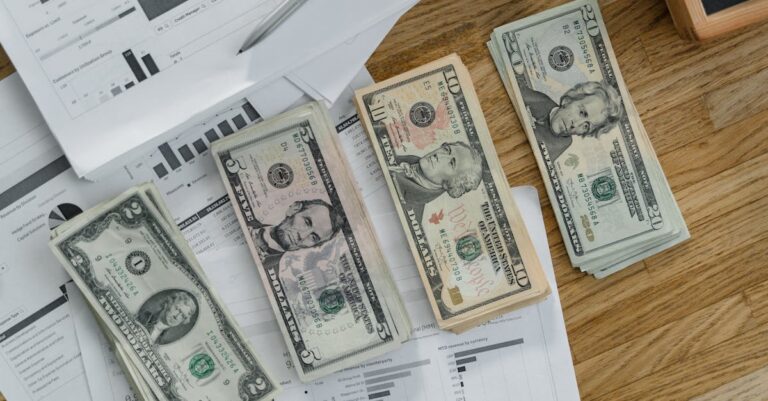
Worried about the recent dollar decline? This article cuts through the noise, offering clear signals and actionable strategies to protect your wealth and maintain portfolio stability.
Navigating the Shifting Sands: Understanding the Current Dollar Decline and Protecting Your Wealth
The financial landscape is a dynamic environment, constantly influenced by a myriad of global and domestic factors. Among the most closely watched indicators for investors is the strength of the US dollar. Recently, headlines have highlighted a notable dollar decline, with the currency reaching its lowest levels since 2022. For many, such news can trigger apprehension, prompting questions about the safety of their investments and the stability of their financial future. Is this a minor market fluctuation, or the harbinger of a deeper crisis? Understanding this distinction is crucial for informed decision-making.
While the recent weakening of the US dollar is indeed worth monitoring, leading financial experts suggest that current trends do not yet signal a crisis. According to insights shared by financial analysts on a recent Morningstar podcast, “The Morning Filter,” in February 2026, the sentiment surrounding the dollar often gets amplified by “scaremongering clickbait headlines.” Rather than succumbing to panic, a prudent approach involves understanding the underlying dynamics and focusing on specific, actionable signals. This article will delve into the nuances of the current dollar decline, providing a clear framework for interpreting market movements and developing robust strategies to safeguard your wealth.
Historical Perspective: Charting the US Dollar Index (DXY) to Understand the Dollar Decline
To accurately assess the significance of the recent dollar decline, it’s essential to view it within a broader historical context. Focusing solely on short-term movements can lead to an exaggerated sense of alarm. Financial experts recommend examining the US Dollar Index (DXY) across multiple timeframes: a short-term (past year), medium-term (five-year), and long-term (multi-decade) perspective.
The Short-Term View: A Year of Trading Ranges
Looking at the DXY over the past year reveals that the dollar had been trading at relatively high levels in early 2024. The recent drop, while noticeable, has largely brought it to the lower end of a trading range established since April of the previous year. This suggests that the dollar isn’t “falling off a cliff” but rather oscillating within expected bounds. A trading range indicates periods where the currency finds support at lower levels and encounters resistance at higher ones, reflecting a balance between buying and selling pressures. For short-term traders, this range offers predictable patterns, but for long-term investors, it underscores the idea that current movements might be less dramatic than they appear in isolation.
Understanding the concept of a “trading range” is vital. It implies that the market has not yet committed to a strong directional trend, either upward or downward. Instead, it’s consolidating. This consolidation period can be driven by a variety of factors, including mixed economic data, shifting interest rate expectations, or uncertainty regarding global events. For investors, this short-term view suggests that patience and a focus on broader trends are more valuable than reacting to daily fluctuations.
The Medium-Term View: Levels Consistent with Early 2022
Extending our analysis to a five-year chart of the DXY offers a medium-term perspective. Here, we find that the dollar is currently trading at levels comparable to those seen in early 2022. Furthermore, it remains comfortably above the lows experienced in mid-2021. This broader view helps to contextualize the recent movement, demonstrating that the dollar’s current position is not unprecedented within the recent past. It indicates that any “weakness” is relative to recent peaks rather than a sustained, unchecked plunge.
Comparing current levels to those of early 2022 provides a crucial benchmark. If the dollar were significantly below those levels, it might signal a more pronounced shift in global economic sentiment or policy. However, its parity with that period suggests a degree of cyclicality in currency movements. Investors should consider that market cycles are natural and often lead to corrections after periods of strong performance. The dollar’s robust performance leading up to 2024 created a higher baseline, making subsequent declines appear more significant than they might be in absolute terms.
The Long-Term View: A Much Lower Dollar in Past Decades
Finally, a long-term chart spanning several decades provides the most comprehensive historical context. This perspective reveals that the US dollar has traded at much lower levels for extended periods. For instance, from 2003 to 2015, the dollar was considerably weaker than its current valuation. Even further back, throughout much of the 1990s, the dollar was significantly lower than where it stands today.
Conversely, there were periods of heightened dollar strength, such as during the dot-com bubble burst in 2001-2002. However, this strength was largely attributed to a “flight to safety,” where investors globally sought the perceived security of US assets amidst widespread economic uncertainty. This highlights an important distinction: dollar strength driven by panic is different from strength driven by fundamental economic superiority. The historical norm, particularly over long stretches, often shows a dollar at or below current levels, suggesting that the present “decline” is far from an anomalous, crisis-level event when viewed through a wide lens.
This long-term analysis underscores that currency values are not static. They reflect a complex interplay of interest rate differentials, economic growth, inflation expectations, geopolitical stability, and market sentiment. The US dollar’s role as the world’s primary reserve currency also means it is influenced by global demand for trade, investment, and debt settlement. Seeing the current dollar decline against this backdrop helps temper immediate concerns and encourages a more strategic, less reactive approach to portfolio management.
Why the Current Dollar Decline Isn’t (Yet) a Crisis for Investors
Despite the recent headlines and short-term movements, the consensus among many financial analysts is that the US dollar is not currently in a crisis. This perspective is rooted in several key observations that challenge the narrative of impending doom often found in sensationalized reports. Understanding these factors is crucial for investors seeking to maintain a rational outlook and make sound financial decisions.
Foreign Investor Confidence Remains Stable
A significant indicator of a currency’s health is the confidence of foreign investors. A genuine crisis would likely manifest as a widespread loss of faith, leading to a substantial outflow of capital from the country. However, as noted by financial experts like Dave Sekera on The Morning Filter podcast, the current dollar decline is “really not indicative of foreign investors really losing confidence in the US dollar.”
What does this mean in practical terms? It suggests that demand for US Treasury bonds, corporate stocks, and other dollar-denominated assets remains robust. Foreign central banks and institutional investors continue to hold substantial amounts of US debt and equities, reflecting their belief in the underlying strength and stability of the US economy and its financial markets. If foreign investors were truly pulling back, we would see more significant and sustained selling pressure on these assets, driving down their value and further accelerating the dollar’s depreciation. The absence of such widespread panic selling indicates a nuanced market adjustment rather than a systemic loss of confidence.
No Shift in Long-Term Intrinsic Valuations for Equities
Another reassuring sign is the lack of a significant impact on the long-term intrinsic valuations used by equity research teams. When analysts calculate the fundamental value of a company’s stock, they consider a multitude of factors, including earnings, growth prospects, competitive advantages, and overall economic conditions. While currency fluctuations can affect reported earnings for multinational corporations, especially in the short term, they haven’t been severe enough to alter the long-term outlook for US companies as a whole.
This resilience suggests that the underlying profitability and growth potential of US corporations are not fundamentally undermined by the current dollar decline. Many large US companies derive a substantial portion of their revenue from international operations. A weaker dollar can actually make US exports cheaper and increase the dollar-denominated value of foreign earnings when repatriated, potentially boosting some corporate bottom lines. While a strong dollar can make imports cheaper and reduce the value of overseas profits, the current moderation is largely seen as part of a cyclical adjustment rather than a fundamental threat to corporate value.
Distinguishing Volatility from Systemic Risk
Financial markets are inherently volatile. Prices of currencies, stocks, and bonds constantly move up and down in response to news, economic data, geopolitical events, and investor sentiment. A moderate dollar decline, especially after a period of strength, can simply be a reflection of profit-taking, rebalancing, or a recalibration of market expectations. This is distinct from systemic risk, which refers to the risk of collapse of an entire financial system or market.
Current market behavior does not exhibit the characteristics of systemic risk related to the dollar. There are no signs of widespread illiquidity, major financial institutions defaulting, or an inability of the US government to service its debt. The factors contributing to the dollar’s recent weakening appear to be more related to shifts in monetary policy expectations (e.g., the timing and pace of interest rate cuts by the central bank), changes in inflation outlook, and relative economic performance compared to other major economies. These are normal economic adjustments, not signals of an impending catastrophe.
The Dollar’s Enduring Role as a Global Reserve Currency
Finally, it’s important to remember the US dollar’s unique position as the world’s dominant reserve currency and its critical role in global trade and finance. While discussions about “de-dollarization” periodically surface, the practical realities of global finance mean that the dollar’s status is deeply entrenched. Most international transactions, commodity pricing, and foreign debt are denominated in dollars. This inherent demand provides a strong baseline level of support for the currency.
Changing this global financial architecture would require a monumental shift that is not currently evident. Therefore, while the dollar may experience periods of strength and weakness, its fundamental importance as a store of value, medium of exchange, and unit of account on the global stage helps to anchor its long-term stability. The current dollar decline is a market adjustment, not an abandonment of this fundamental role.
The Critical Signals to Watch: When to Adjust Your Portfolio Strategy
While the current dollar decline may not constitute a crisis, complacency is not an option for prudent investors. The key lies in understanding what specific developments could shift the narrative from a normal market adjustment to a genuine concern. According to financial experts, the critical point for investors to truly start worrying is when two specific, simultaneous signals emerge:
- An acceleration of dollar depreciation.
- A surge in US government bond interest rates.
It is the combination of these two factors, rather than either in isolation, that would indicate a deeper problem. Let’s delve into what each of these signals entails and why their concurrency is so significant.
Signal 1: Accelerated Dollar Depreciation
A gradual dollar decline, as we’ve discussed, can be a normal market phenomenon. However, an “accelerated depreciation” would be a different story. This would imply a rapid, sustained, and significant drop in the dollar’s value over a relatively short period, beyond what typical market volatility would suggest.
What Does “Accelerated” Mean in Practice?
Defining “accelerated” isn’t an exact science, but it would typically involve:
- Larger Percentage Drops: Daily or weekly drops in the DXY of 1% or more, consistently occurring over several weeks or months, rather than single, isolated events.
- Breaking Key Support Levels: The DXY falling decisively below long-term technical support levels that have historically held firm, indicating a loss of market confidence.
- Loss of “Safe-Haven” Status: Even during global uncertainties, investors often flock to the dollar. If the dollar rapidly weakens during periods of global stress, it would suggest a fundamental shift in its safe-haven appeal.
Potential Consequences of Rapid Depreciation:
- Inflationary Pressures: A weaker dollar makes imports more expensive. If this effect is significant and sustained, it can contribute to domestic inflation, eroding purchasing power for consumers and increasing costs for businesses.
- Reduced Foreign Investment: If foreign investors perceive the dollar as rapidly losing value, they may be less inclined to invest in US assets, leading to a decrease in capital inflows.
- Impact on US Credibility: In extreme scenarios, a rapidly depreciating currency can undermine a nation’s economic credibility on the global stage.
Investors should monitor the DXY index not just for its current level, but for the velocity and consistency of its movement. Tools available on most financial websites allow for charting historical movements and setting alerts for specific percentage changes or breaches of support levels.
Signal 2: Surging US Government Bond Interest Rates
US government bonds are considered among the safest investments globally. Their interest rates (yields) are a reflection of the market’s assessment of risk, inflation expectations, and the central bank’s monetary policy. A “surge” in these rates, particularly across the curve (short-term to long-term), would be a powerful signal of distress.
Why Would Rates Surge?
A sudden, sharp increase in government bond yields could be driven by several factors:
- Loss of Confidence in US Fiscal Health: If investors grow concerned about the US government’s ability to manage its national debt or its commitment to fiscal discipline, they might demand a higher premium (yield) to hold its bonds.
- Spiking Inflation Expectations: If inflation is seen as accelerating rapidly and uncontrollably (partially due to a plummeting dollar), bond investors would demand higher yields to compensate for the erosion of their purchasing power.
- Central Bank Action (or Inaction): If the central bank is perceived as losing control over inflation or is forced into aggressive rate hikes to stabilize the currency, bond yields would react sharply upwards.
- Reduced Demand for US Debt: If major foreign buyers of US debt (like other central banks or sovereign wealth funds) significantly reduce their purchases, the government would have to offer higher yields to attract other buyers.
Potential Consequences of Surging Rates:
- Increased Borrowing Costs: Higher government bond yields translate into higher interest rates across the economy, affecting mortgages, corporate loans, and consumer credit. This can slow economic growth.
- Pressure on Asset Prices: Rising interest rates typically put downward pressure on asset valuations, particularly stocks and long-term bonds, as future earnings are discounted at a higher rate.
- Debt Sustainability Concerns: For a heavily indebted government like the US, a significant increase in borrowing costs can raise questions about the long-term sustainability of its debt.
Investors should pay close attention to the yields on benchmark US Treasuries, such as the 10-year Treasury bond. Sudden, substantial upward moves that break historical ranges or trend lines should be noted.
The Critical Concurrence: Both Signals Simultaneously
The true danger emerges when both accelerated dollar depreciation and surging US government bond interest rates occur simultaneously. This confluence of events would suggest a profound loss of confidence in the US economy and its financial system.
Imagine a scenario where the dollar is rapidly losing value, indicating a flight from the currency, while at the same time, the cost of borrowing for the US government is skyrocketing, indicating a flight from its debt. This would paint a picture of investors abandoning both US currency and US government securities, which are traditionally viewed as the safest assets globally. This combination implies a severe and widespread skepticism about the US economic outlook, its ability to manage inflation, and its fiscal stability. This is the point at which fundamental shifts in investment strategy would become critically important.
Implications for Different Investor Types During Currency Shifts
Currency fluctuations, even if not indicative of a crisis, have varying impacts on different types of investors. Understanding these nuances is key to proactive wealth management.
Equity Investors
For those holding stocks, the impact of a dollar decline depends largely on a company’s revenue sources. US companies with significant international operations may see a boost to their dollar-denominated earnings when foreign profits are converted back into a weaker dollar. This can be beneficial for large multinational corporations that are major exporters, as their products become cheaper and more competitive overseas.
Conversely, companies that primarily import goods or raw materials, or those with mostly domestic operations, might face increased costs due to a weaker dollar, potentially squeezing profit margins. Investors should examine their portfolios for companies with significant international exposure and understand how currency movements affect their specific business models. Diversification across sectors and geographies can help mitigate some of these currency-related risks.
Fixed Income Investors
Fixed income investors, particularly those holding US government bonds, are directly impacted by interest rate movements. If bond yields surge (as described in the critical signals above), the value of existing bonds with lower fixed interest payments will fall. This means that if you need to sell your bonds before maturity, you might receive less than you paid.
A weakening dollar can also erode the real (inflation-adjusted) return on fixed-income investments, especially if it contributes to higher domestic inflation. For investors heavily reliant on bond income, this necessitates a review of their portfolio’s duration and sensitivity to interest rate changes. Some may consider inflation-protected securities (TIPS) or short-duration bonds as defensive measures, or explore international bonds denominated in stronger currencies, though this introduces other risks.
Real Estate Investors
Real estate can act as a hedge against inflation, which can be a byproduct of a weakening currency. As the cost of goods and services rises, property values and rental income may also increase, preserving purchasing power. However, real estate is also highly sensitive to interest rates. A surge in bond yields would likely translate into higher mortgage rates, which can cool housing demand and put downward pressure on property values. Commercial real estate might also be affected by a broader economic slowdown induced by higher borrowing costs.
Investors in real estate, whether directly or through REITs, should monitor both inflation indicators and interest rate trends. The long-term nature of real estate investments often allows them to weather short-term fluctuations, but severe changes in interest rates could necessitate a reassessment of leverage and financing strategies.
Commodity Investors
Commodities, such as gold, silver, oil, and agricultural products, are often priced in US dollars globally. Therefore, there’s typically an inverse relationship between the dollar’s value and commodity prices. A weaker dollar makes commodities cheaper for buyers using other currencies, which can increase demand and push up their dollar-denominated prices. This is particularly true for precious metals like gold, which are often viewed as a store of value and a hedge against currency debasement.
For investors looking to hedge against a potential further dollar decline or inflationary pressures, strategic allocation to certain commodities can be a consideration. However, commodity markets can be volatile, driven by supply and demand dynamics, geopolitical events, and speculative trading. Diversification within commodities and understanding their specific market drivers are essential.
Everyday Consumers and Savers
While not “investors” in the traditional sense, everyday consumers and savers are perhaps the most directly impacted by currency shifts. A sustained dollar decline can lead to higher prices for imported goods, from electronics to clothing and certain foods, contributing to overall inflation. For those planning international travel, a weaker dollar means their money buys less in foreign currencies, making trips more expensive.
Savers, particularly those holding significant cash reserves, face the risk of their purchasing power being eroded by inflation. While banks may offer slightly higher interest rates in response to broader rate increases, these often lag behind the rate of inflation, leading to negative real returns. For consumers, managing debt, maintaining an emergency fund, and gradually transitioning savings into inflation-hedged investments become increasingly important.
Actionable Strategies for Prudent Wealth Management
Regardless of whether the dollar is in crisis or merely adjusting, proactive wealth management demands strategies that consider currency risk and macroeconomic shifts. Here are actionable steps investors can take to build resilience into their portfolios:
1. Emphasize Portfolio Diversification
Diversification remains the cornerstone of prudent investing. During periods of currency uncertainty, this principle extends beyond just asset classes to include geographic and even currency diversification.
- Asset Class Diversification: Ensure your portfolio is balanced across stocks, bonds, real estate, and potentially commodities. Different asset classes perform differently under various economic conditions.
- Geographic Diversification: Consider investing in international stocks and bonds. A weaker dollar can boost returns from foreign investments when repatriated, providing a natural hedge. Look for robust economies outside the US.
- Currency Diversification: While complex for individual investors, indirect currency diversification occurs through international stock and bond funds, or through holdings in multinational corporations with significant non-US earnings.
2. Incorporate Inflation Hedges
If a dollar decline contributes to inflationary pressures, certain assets tend to perform better. Integrating these into your portfolio can help preserve purchasing power.
- Real Estate and REITs: Historically, real estate has served as an inflation hedge, as property values and rents tend to rise with general price levels. Real Estate Investment Trusts (REITs) offer a liquid way to gain exposure.
- Commodities: As discussed, commodities like gold, silver, and energy can benefit from a weaker dollar and rising inflation. Consider broad commodity ETFs for diversified exposure.
- Treasury Inflation-Protected Securities (TIPS): These US government bonds are designed to protect investors from inflation. Their principal value adjusts with the Consumer Price Index (CPI), and interest payments are based on the adjusted principal.
3. Review International Exposure and Global Sectors
Take stock of how much of your current portfolio is invested outside the US. If your portfolio is heavily concentrated in US-centric assets, consider increasing your exposure to global markets. Focus on sectors and companies that are less sensitive to domestic currency fluctuations or those that stand to benefit from international growth, even in a weaker dollar environment.
This could involve investing in international equity funds, emerging market funds, or specific foreign companies. Evaluate the currency exposure of your existing multinational holdings – some companies might hedge their currency risks, while others might be more directly impacted.
4. Manage Debt Prudently
In an environment where interest rates could surge, managing debt becomes paramount. If you have variable-rate debt, consider locking in fixed rates if possible, especially for significant loans like mortgages. Reducing high-interest consumer debt should always be a priority, but it becomes even more critical when borrowing costs are on an upward trend.
A weaker dollar can also lead to higher inflation, which, while it might technically reduce the “real” value of fixed-rate debt over time, is usually offset by the negative impact on overall purchasing power and the potential for surging interest rates affecting future borrowing. Focusing on reducing debt creates financial flexibility and reduces vulnerability to economic shocks.
5. Maintain a Long-Term Perspective and Avoid Panic
The philosophy of ‘Work to Wealth’ emphasizes building enduring financial stability, not reacting to every market ripple. The dollar decline, in its current state, is largely viewed as a normal market adjustment, not a crisis. Short-term market volatility can trigger emotional decisions that are detrimental to long-term financial goals.
Stick to your well-researched investment plan. Rebalance your portfolio periodically to maintain your desired asset allocation. Focus on the fundamentals of the companies you invest in and the overall health of the global economy, rather than fixating on daily currency movements. Panic selling or making drastic changes based on sensational headlines can lock in losses and cause you to miss out on eventual recoveries.
6. Continuously Monitor Key Economic Indicators
Beyond the DXY and government bond yields, stay informed about other crucial economic indicators:
- Inflation Data (CPI, PCE): Keep an eye on how quickly prices are rising, both domestically and globally.
- Economic Growth (GDP): Understand the overall health and growth trajectory of the US and major global economies.
- Employment Data: A strong job market often indicates a healthy economy, supporting consumer spending and corporate earnings.
- Central Bank Statements: Pay attention to communications from the central bank regarding monetary policy, interest rate outlook, and economic assessments.
By staying informed and understanding the broader economic context, you can better interpret currency movements and make more informed decisions, rather than reacting to isolated data points or fear-driven narratives. Use reputable financial news sources and consult with a qualified financial advisor to help navigate complex market conditions.
Conclusion: Stay Informed, Stay Strategic Amidst Dollar Decline Concerns
The recent dollar decline has understandably raised questions and some investor unease. However, a comprehensive analysis, informed by insights from financial experts, suggests that while the dollar’s movements warrant attention, they do not yet signal a crisis. Historical context reveals that the dollar has experienced similar, and even more pronounced, periods of weakness without leading to economic collapse. Crucially, underlying indicators like foreign investor confidence and long-term equity valuations remain stable.
The true inflection point, the moment to seriously consider significant portfolio adjustments, arrives when two specific signals converge: an accelerated depreciation of the dollar coupled with a simultaneous surge in US government bond interest rates. This combination would indicate a deep erosion of confidence in the US economy and its financial instruments.
For now, the focus for ‘Work to Wealth’ investors should remain on proactive, strategic planning rather than reactive panic. By diversifying portfolios across asset classes and geographies, incorporating inflation hedges, prudently managing debt, and maintaining a steadfast long-term perspective, you can build a resilient financial foundation capable of weathering various economic conditions, including the current nuances of the dollar decline. Stay informed, understand the critical signals, and let clear data guide your path to lasting financial stability.
Frequently Asked Questions
Should investors worry about the recent dollar decline eroding their wealth?
While the recent dollar decline is worth monitoring, financial experts suggest it’s not currently indicative of a crisis that would broadly erode wealth. Historical data shows the dollar has traded at similar or lower levels for extended periods. The primary concern arises if accelerated dollar depreciation occurs simultaneously with a surge in US government bond interest rates, which would signal a more profound issue. For now, focus on maintaining a diversified portfolio and a long-term perspective.
What are the specific signals to watch for that would indicate a serious problem with the dollar’s value?
The critical signals indicating a serious problem with the dollar’s value are the simultaneous occurrence of two events: an accelerated depreciation of the dollar (rapid, significant drops in the DXY index beyond normal volatility) AND a surge in US government bond interest rates across the yield curve. This combination would suggest a widespread loss of confidence in the US economy and its financial system.
How can a weaker dollar impact my investment portfolio and what actions should I consider?
A weaker dollar can have varied impacts. It may boost earnings for US multinational corporations with significant overseas revenue, but increase costs for companies that rely on imports. For fixed income investors, it can contribute to inflationary pressures that erode real returns. Actions to consider include diversifying your portfolio geographically, incorporating inflation hedges like real estate or commodities, reviewing your international exposure, and prudently managing any debt, especially variable-rate loans.
Is the current dollar decline causing foreign investors to lose confidence in the US economy?
No, not according to recent expert analysis. Financial specialists on Morningstar’s “The Morning Filter” podcast in February 2026, indicated that the current dollar weakening is not indicative of foreign investors losing confidence. Demand for US assets remains robust, and the decline has not changed long-term intrinsic valuations for equity research teams, suggesting it’s a market adjustment rather than a crisis of confidence.
How can I protect my purchasing power from potential inflation caused by a weaker dollar?
To protect your purchasing power from potential inflation due to a weaker dollar, consider allocating a portion of your portfolio to inflation-hedging assets. These include real estate (or REITs), commodities like gold, and Treasury Inflation-Protected Securities (TIPS). Diversifying your investments across various asset classes and geographies can also help mitigate the impact of localized inflation.