

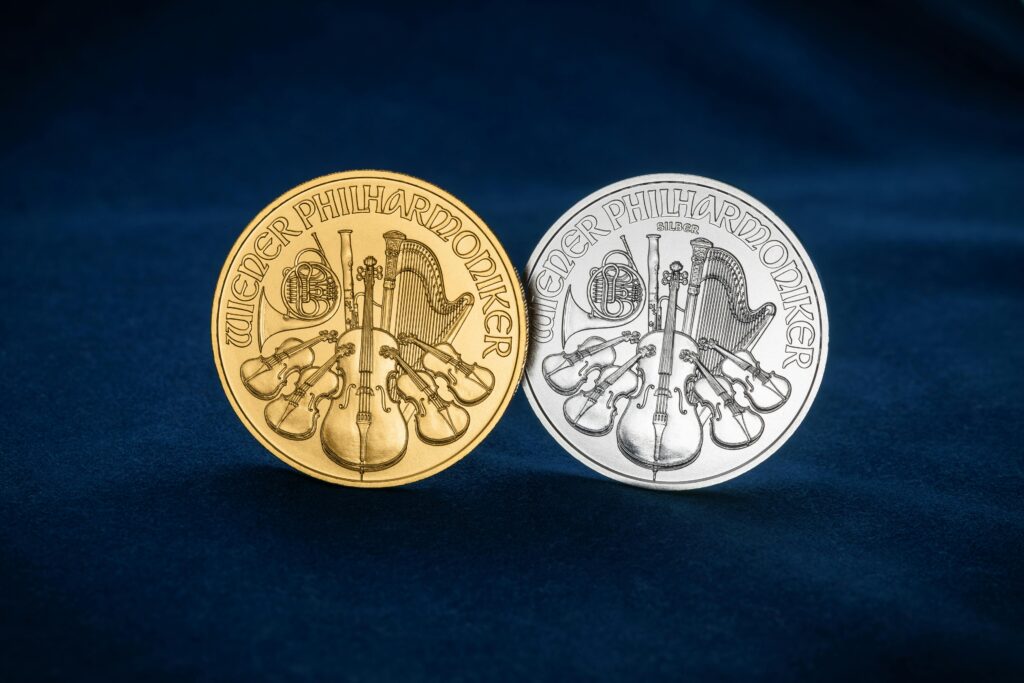
As gold approaches $5,000/oz and silver breaches $100/oz, discover how these precious metals are reshaping investment strategies and safeguarding wealth amidst global shifts.
The financial markets are buzzing with unprecedented activity in the precious metals sector. A recent report from a leading financial news outlet confirmed that spot silver surged by 4.5% on Friday, reaching an astonishing $100.49 an ounce. This marks the first time in history that silver has crossed the $100 threshold. Concurrently, spot gold climbed 0.8% to $4,976.49 an ounce, briefly touching a new record of $4,988.17 earlier, as it rapidly closes in on the significant $5,000 milestone. These dramatic movements underscore a critical shift in investor sentiment and a growing reliance on precious metals for portfolio stability and wealth protection.
The rally in gold and silver is not an isolated event; it reflects a broader narrative of economic uncertainty and strategic repositioning by investors worldwide. Geopolitical tensions, persistent inflationary concerns, and the anticipation of shifts in monetary policy, particularly U.S. interest rate cuts, are all contributing to a robust demand for safe-haven assets. For those building wealth or seeking to preserve it, understanding the forces behind this surge in precious metals investment becomes paramount.
The allure of gold as a foundational safe-haven asset is deeply rooted in financial history. For centuries, it has served as a store of value, particularly during times of economic or political instability. Its current ascent reflects this enduring appeal. Financial analysts note that gold’s role as a diversifier in highly uncertain economic and political times is making it a necessity for strategic portfolios. This isn’t just a fleeting market anomaly; it signals fundamentally changing times in the global financial landscape, suggesting a more permanent recalibration of investment priorities.
The Golden Ascent: Why Gold is Nearing $5,000
Gold’s journey towards the $5,000 mark has been remarkable, building on significant milestones achieved in the previous year. It first crossed $3,000 an ounce last March and then $4,000 an ounce in October. Several intertwined factors are propelling this sustained upward trajectory, making precious metals investment a topic of intense interest for every serious investor.
Geopolitical Turmoil and Economic Uncertainties
One of the primary drivers is the escalating geopolitical friction across various regions. Since the start of 2026, concerns have mounted over international relations, adding layers of unpredictability to global markets. This backdrop of instability naturally pushes investors towards assets perceived as reliable stores of value, away from more volatile instruments like equities or certain currencies. The demand for gold reflects a widespread need for tangible security in an intangible world.
Furthermore, broader economic uncertainties, including questions about the independence of central banks and continued debates over international trade tariffs, contribute to an environment ripe for safe-haven accumulation. These concerns create a risk-off sentiment where investors prioritize capital preservation over aggressive growth, at least in a portion of their portfolios.
Monetary Policy Expectations and the Dollar’s Role
Anticipation of U.S. interest rate cuts plays a crucial role in enhancing gold’s appeal. The Federal Reserve is widely expected to maintain steady interest rates at its upcoming meeting, but market participants are factoring in at least two further rate cuts in the second half of the year. As a non-yielding asset, gold typically benefits from periods of lower interest rates because the opportunity cost of holding it (i.e., the interest one could earn elsewhere) decreases. This makes gold more attractive compared to interest-bearing assets like bonds.
Beyond interest rates, a broader move away from the U.S. dollar, which has historically been the dominant reserve currency, also underpins gold’s rise. As central banks and institutional investors diversify their reserves away from a single currency, gold often becomes a primary beneficiary, strengthening its global standing and demand.
Central Bank Buying: A Foundation of Demand
Central bank buying has been a consistent and significant source of demand for gold. These institutions, responsible for managing national reserves, often increase their gold holdings to diversify portfolios, hedge against currency depreciation, and project financial stability. Their sustained purchases provide a strong floor for gold prices and signal confidence in its long-term value, further validating precious metals investment as a sound strategy.
Silver’s Spectacular Surge: Beyond Just “Poor Man’s Gold”
Silver’s leap above $100 an ounce is equally compelling and, in some ways, even more dramatic given its historical volatility compared to gold. While it often mirrors gold’s movements, silver has distinct demand drivers that amplify its price action, making it a dynamic component of any precious metals investment strategy.
Shared Forces and Unique Catalysts
Like gold, silver benefits from the overarching demand for safe-haven assets driven by geopolitical turmoil and economic uncertainty. Financial analysts confirm that silver should continue to benefit from many of the same forces supporting gold investment demand. However, additional factors are fueling silver’s extraordinary surge.
One significant aspect is ongoing tariff concerns, which can disrupt global supply chains and lead to higher input costs for industries reliant on imported materials. Silver’s dual role as an industrial metal—used extensively in electronics, solar panels, and medical applications—means it is highly sensitive to industrial demand trends. Any hint of disruption in these industries can create speculative buying pressure.
Compounding this is the still low physical liquidity in the London market, a critical hub for precious metals trading. When there’s robust demand but limited readily available physical supply, prices can spike rapidly. An independent metals trader observed that traders pushed steadily for and achieved the milestone $100 print, and investors will now watch to see if it can sustain through the close or if profit-taking will occur from recent speculators.
Supply Shortages and Refining Challenges
The metal has surged more than 200% in the past year, also driven by ongoing challenges in scaling up the refining of the metal and a persistent supply shortage in the market. The complex process of extracting and refining silver, often as a byproduct of other metal mining, means that supply cannot rapidly adjust to sudden increases in demand. This inherent inelasticity of supply, combined with robust industrial and investment demand, creates fertile ground for significant price appreciation. The interplay of these forces makes silver an exciting, albeit more volatile, component for precious metals investment.
Beyond Gold and Silver: The Broader Precious Metals Market
While gold and silver dominate the headlines, other precious metals are also experiencing significant upward momentum, highlighting the widespread investor interest in this asset class.
Platinum’s Appeal as a Cheaper Alternative
Platinum has also hit a record high of $2,749.2 an ounce, last trading up 4% at $2,735.00. This metal is attracting investor demand as a cheaper alternative to gold, according to analysis from a recognized investment bank. Platinum shares many of gold’s characteristics as a store of value but also has substantial industrial applications, particularly in catalytic converters for vehicles, jewelry, and various industrial processes.
The investment bank added that it expected a structural deficit in the platinum market to widen to 1.2 million ounces this year. A structural deficit, where demand consistently outstrips supply, is a powerful long-term driver of prices. This makes platinum an interesting option for diversification within a precious metals investment strategy, offering both safe-haven properties and exposure to industrial growth.
Palladium’s Industrial Prowess
Palladium, another member of the platinum group metals, has also seen impressive gains, jumping by 4.3% to $2,002.22. Palladium is primarily used in catalytic converters for gasoline-powered vehicles, as well as in electronics, dentistry, and jewelry. Its demand is heavily tied to the automotive industry, making it susceptible to shifts in vehicle production and technological advancements (e.g., the rise of electric vehicles).
However, geopolitical risks and supply constraints, particularly from major producing nations, often provide a floor for its price and can lead to rapid spikes. Investors considering precious metals investment should understand these unique drivers for each metal.
Integrating Precious Metals into Your Wealth Strategy
The current market environment makes a compelling case for considering, or reconsidering, the role of precious metals in a diversified wealth strategy. They are no longer just an obscure niche for doomsayers but a vital component for resilient portfolios.
Understanding the “Why”: Strategic Imperatives
The core principle behind including precious metals is diversification and wealth preservation. In times when traditional assets like stocks and bonds face headwinds from inflation, economic slowdowns, or geopolitical shocks, precious metals often exhibit a low or even negative correlation, meaning they tend to perform well when other assets struggle. This characteristic is crucial for mitigating overall portfolio risk and maintaining purchasing power over the long term.
For individuals aiming for long-term wealth accumulation, precious metals offer a hedge against currency debasement and inflation. As central banks potentially cut interest rates and engage in quantitative easing, the value of fiat currencies can erode, making hard assets like gold and silver more appealing. This strategic positioning is fundamental to successful precious metals investment.
Diverse Avenues for Precious Metals Investment
There are several ways to gain exposure to precious metals, each with its own advantages and considerations:
- Physical Bullion: This involves purchasing actual gold, silver, platinum, or palladium in the form of coins or bars.
- Pros: Direct ownership, no counterparty risk, tangible asset.
- Cons: Storage costs, insurance, potential for higher premiums, liquidity challenges for large quantities.
- Consideration: Ensure purchase from reputable dealers and secure storage options.
- Exchange-Traded Funds (ETFs) or Exchange-Traded Commodities (ETCs): These funds hold physical bullion or futures contracts and trade on stock exchanges.
- Pros: High liquidity, ease of trading, lower entry barrier, no storage concerns for the individual.
- Cons: Small management fees, potential counterparty risk (though often minimal with physically backed funds), no direct ownership of the physical asset.
- Consideration: Choose funds that are physically backed by allocated bullion rather than derivatives.
- Mining Stocks: Investing in companies that extract precious metals.
- Pros: Offer leverage to metal prices (mining profits can increase disproportionately with metal price rises), potential for dividends.
- Cons: Company-specific risks (management, operational efficiency, geopolitical risk where mines are located), not a pure play on the metal price.
- Consideration: Research the company’s financials, debt levels, and management quality.
- Futures and Options: These are derivatives contracts that allow investors to speculate on future price movements.
- Pros: High leverage, potential for significant gains.
- Cons: High risk, complex, typically for experienced traders only, potential for substantial losses.
- Consideration: Not recommended for novice investors or those seeking wealth preservation.
Asset Allocation and Long-Term Strategy
Determining the right allocation for precious metals in your portfolio depends on your individual financial goals, risk tolerance, and time horizon. While there’s no one-size-fits-all answer, a common recommendation for conservative investors might be 5-10% of a portfolio, potentially increasing to 15-20% for those more concerned about systemic risks or inflation. The key is to view precious metals as a strategic component for long-term resilience, not merely a short-term speculative play.
Dollar-cost averaging, where you invest a fixed amount regularly regardless of price fluctuations, can be an effective strategy for accumulating precious metals over time, smoothing out market volatility. Regular portfolio rebalancing also ensures that your precious metals allocation remains within your target range, allowing you to buy low and sell high implicitly.
Navigating the Risks and Volatility in Precious Metals Investment
While the current surge in precious metals is enticing, it’s crucial for investors to understand the inherent risks and volatility associated with this asset class, particularly when prices are at record highs. A balanced perspective is essential for sound precious metals investment.
Price Fluctuations and Market Sentiment
Precious metals, especially silver, platinum, and palladium, can be highly volatile. Their prices are influenced not only by safe-haven demand but also by industrial demand, which can fluctuate with global economic health. Rapid price increases can be followed by significant pullbacks due to profit-taking or shifts in market sentiment. For instance, if geopolitical tensions ease or central banks adopt a more hawkish stance than anticipated, some of the safe-haven premium could dissipate.
Storage and Liquidity Concerns for Physical Assets
For those investing in physical bullion, considerations such as secure storage and insurance costs are important. While direct ownership eliminates counterparty risk, it introduces logistical challenges. Selling physical bullion can also be less straightforward and potentially incur wider bid-ask spreads compared to electronically traded assets, particularly for larger quantities.
Economic Recovery and Opportunity Costs
A robust global economic recovery, coupled with stable geopolitical conditions, could diminish the safe-haven appeal of gold and silver. As investor confidence in growth assets (like equities) returns, capital may flow out of precious metals, leading to price corrections. Additionally, if interest rates rise significantly, the opportunity cost of holding non-yielding assets increases, potentially making bonds and other interest-bearing investments more attractive.
Currency Fluctuations
Precious metal prices are often quoted in U.S. dollars. A strengthening dollar can make metals more expensive for international buyers holding other currencies, potentially dampening demand. Conversely, a weakening dollar tends to make them more affordable and thus more attractive. Understanding currency dynamics is therefore an important aspect of precious metals investment.
The Future Outlook for Precious Metals: Sustaining Momentum
The fundamental shifts driving the current rally suggest that precious metals will continue to play a significant role in investment portfolios for the foreseeable future. However, sustainability hinges on several evolving factors.
Influence of Industrial Demand
For silver, platinum, and palladium, industrial demand remains a critical component. The growth of renewable energy technologies (e.g., solar panels use silver), advancements in automotive emissions control (platinum and palladium in catalytic converters), and developments in electronics will continue to impact their prices. Innovation and economic growth in these sectors could provide a steady baseline demand, complementing investment demand.
Central Bank Policies and Global Trust
The actions of central banks, particularly regarding interest rates and monetary stimulus, will continue to be a dominant factor. As long as there is uncertainty about the independence of central banks or doubts about the long-term stability of fiat currencies, gold’s appeal as the ultimate store of value will endure. Furthermore, the trend of central banks diversifying their reserves away from specific national currencies will likely maintain a strong floor for gold prices.
Evolving Geopolitical Landscape
The current geopolitical landscape, marked by friction and uncertainty, shows no immediate signs of complete resolution. As long as these tensions persist, the demand for safe-haven assets will likely remain elevated. Investors are increasingly viewing precious metals not just as a temporary refuge but as a permanent fixture in a world characterized by ongoing geopolitical risks.
The “fundamentally changing times” highlighted by market analysts suggest a long-term recalibration. This means that gold and silver, along with their sister metals, may increasingly be seen as a core component of prudent wealth management, rather than a fringe investment. For investors aiming to build and preserve wealth, adapting to this new reality is key.
Conclusion: Fortifying Your Financial Future with Precious Metals
The historic highs reached by gold and silver are more than just financial headlines; they are a clear signal from the market about where investors are seeking security and growth in an uncertain world. As gold approaches $5,000 an ounce and silver breaks through $100, the case for a strategic allocation to precious metals in your portfolio has rarely been stronger.
Whether you are new to investing or a seasoned professional, understanding the drivers behind this surge – geopolitical friction, inflation concerns, anticipated interest rate cuts, and central bank buying – is crucial. Precious metals offer a powerful means of diversification, acting as a hedge against inflation and a protector of wealth during economic instability. Their role as a safe haven is being redefined, moving from a cyclical play to a fundamental component of resilient wealth management.
Carefully consider the various avenues for precious metals investment, from physical bullion to ETFs and mining stocks, always aligning your choices with your personal financial goals and risk tolerance. While the allure of high returns is strong, remember to assess the risks, including volatility and storage considerations. In an era of fundamentally changing times, integrating precious metals into your long-term wealth strategy can provide a crucial layer of security, helping you navigate market storms and fortify your financial future.
Frequently Asked Questions
How do gold and silver hitting record highs impact my investment portfolio goals?
Record highs for gold and silver highlight their increasing importance as safe-haven assets and inflation hedges, directly impacting your portfolio by offering potential diversification and wealth preservation. For long-term wealth goals, these metals can provide stability during economic uncertainty, reducing overall portfolio risk and maintaining purchasing power. Their strong performance suggests that incorporating precious metals can help fortify your financial future against market volatility and currency devaluation.
What key factors are driving the current surge in precious metals prices, and how should I understand them?
The current surge in precious metals prices is primarily driven by escalating geopolitical tensions, global economic uncertainties, and expectations of U.S. interest rate cuts. Additionally, robust central bank buying and a broader diversification away from the U.S. dollar are contributing significantly. For silver, specific factors like tariff concerns, low physical liquidity, refining challenges, and persistent supply shortages are also at play. Understanding these drivers helps investors recognize the fundamental shifts supporting precious metals investment.
How can I safely and effectively invest in precious metals like gold and silver for wealth building?
You can safely invest in precious metals through several avenues, including purchasing physical bullion (coins or bars), investing in Exchange-Traded Funds (ETFs) that hold physical metal, or buying shares in reputable precious metals mining companies. Each method has its own risk-reward profile; physical bullion offers direct ownership but requires secure storage, while ETFs provide liquidity and ease of access. For wealth building, a diversified approach combining different methods, aligned with your risk tolerance and long-term financial plan, is recommended.
Are platinum and palladium viable investment options for portfolio diversification and wealth growth?
Yes, platinum and palladium can be viable investment options for diversification and wealth growth, particularly within a broader precious metals investment strategy. Platinum is currently attracting investor demand as a cheaper alternative to gold, with a projected structural deficit signaling potential for future price appreciation. Palladium, while heavily tied to the automotive industry, also experiences price spikes due to supply constraints. Both metals offer unique industrial demand drivers in addition to their safe-haven characteristics, making them interesting components for a well-rounded portfolio.
What are the primary risks associated with investing in precious metals, especially at current high prices?
Investing in precious metals, particularly at record highs, carries several risks. These include significant price volatility, which can lead to rapid corrections due to profit-taking or shifts in market sentiment. For physical assets, storage costs, insurance, and liquidity challenges upon selling are considerations. An economic recovery or rising interest rates could diminish their safe-haven appeal, leading to capital outflow. Additionally, currency fluctuations can impact their dollar-denominated prices. A thorough understanding of these risks is crucial to avoid frustration and make informed precious metals investment decisions.