

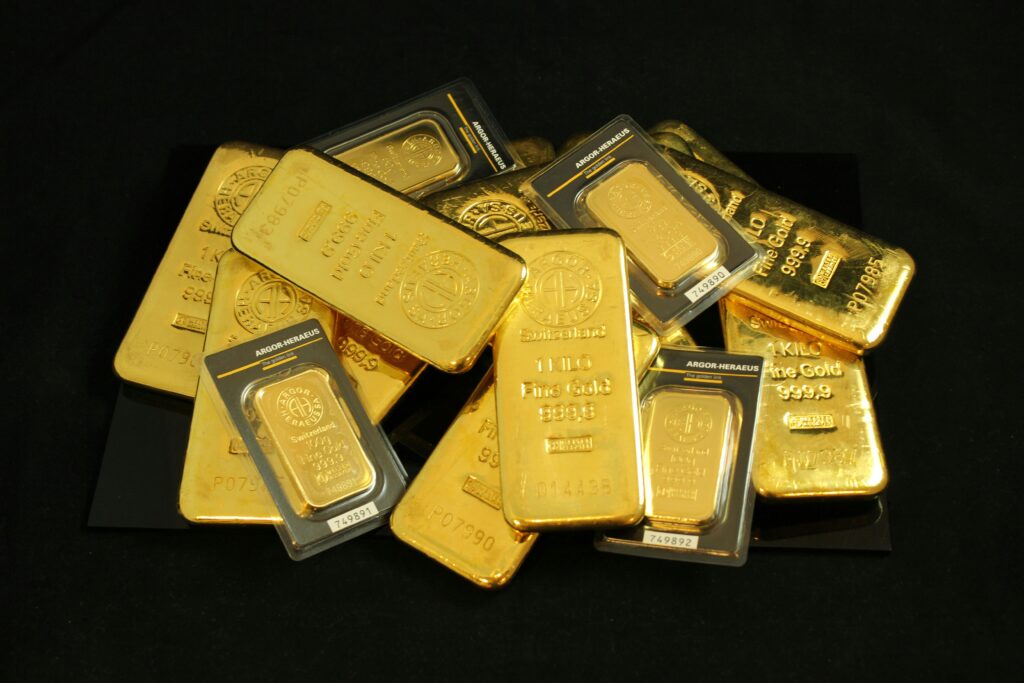
Investors often fret over market shocks, but gold’s rapid recovery from a recent sharp dip above $4,840 highlights its fundamental role as a robust wealth protector and opportunity for sustained growth.
Gold Market Resilience: Navigating the “Greenland Shock” and Beyond
The financial markets are no stranger to sudden, unexpected movements, and the gold market is certainly no exception. Recently, investors witnessed a vivid demonstration of gold market resilience when the precious metal experienced a sharp, rapid decline, only to rebound with remarkable speed. This event, triggered by specific political developments and softened tariff rhetoric, saw gold prices briefly plummet by over $100 in less than half an hour, before aggressively reclaiming ground above the $4,840 mark. Such an acute, yet fleeting, downturn followed by an immediate reversal offers crucial insights into the underlying strength and prevailing sentiment surrounding gold as a critical asset in wealth management strategies.
The initial dip, sometimes referred to as a “flash flush,” stemmed from a temporary “risk-on” reflex across global equities and currencies. This market reaction suggested that traders were briefly shifting away from safe-haven assets in anticipation of reduced geopolitical uncertainty. However, the details of the geopolitical announcement remained vague, and fundamental ownership questions persisted, leading to a swift re-evaluation. The quick return of geopolitical uncertainty to the foreground underscored gold’s continued relevance as a hard asset and a reliable hedge against market instability.
For investors focused on long-term wealth accumulation and preservation, understanding these dynamics is paramount. The speed of gold’s rebound wasn’t just a quirky market anomaly; it was a powerful signal. It suggested that rather than a fundamental shift in investor perception or a sign of trend exhaustion, the rapid selloff was more indicative of a “positioning cleanup.” This means that leveraged positions were likely flushed out, providing an immediate opportunity for longer-term capital and aggressive dip-buyers to step in. When a triple-digit selloff is retraced within hours, it often serves as a strong validation of the underlying trend, rather than a precursor to a deeper correction. This article delves into the factors driving gold’s enduring strength, its role in a diversified portfolio, and strategies for navigating its inherent volatility to build lasting wealth.
Unpacking the Rebound: Signals of Gold Market Resilience
The recent market action in gold, characterized by a rapid selloff and an equally swift recovery, provides a compelling case study in gold market resilience. This wasn’t merely a statistical blip; it was a clear demonstration of deeper market mechanics at play. To truly appreciate what transpired, we must look beyond the immediate headlines and consider the interplay of liquidity, investor sentiment, and long-term capital flows.
Beyond Surface-Level News: Interpreting Geopolitical Catalysts
When significant geopolitical news breaks, markets often react impulsively. In this instance, the specific political developments and the associated rhetoric around tariffs initially triggered a “risk-on” environment. This translated into a temporary exodus from safe-haven assets like gold as investors rotated into riskier ventures, such as equities. However, the key takeaway from gold’s rapid rebound is how quickly market participants discerned that the announcement constituted “noise,” not a fundamental resolution of underlying global tensions. Details were scant, geopolitical questions remained open, and the broader macro-economic backdrop continued to favor hard assets. Gold traders, with their keen focus on sustained trends and structural drivers, treated the initial shock as a transient event, leading to its near-instantaneous price recovery.
Liquidity Dynamics and Positioning Cleanup
The term “flash flush” aptly describes the sudden, sharp drop in gold prices. Such events are often attributed to a rapid unwinding of highly leveraged positions. When prices move sharply against leveraged traders, margin calls can force them to liquidate their holdings quickly, exacerbating the downward pressure. This creates a temporary vacuum of buying interest, leading to disproportionate price moves. However, this same mechanism also creates opportunities. As leveraged positions are “cleaned out,” the market becomes healthier, and the underlying demand from long-term investors remains intact. The speed with which gold bounced back above $4,840 indicated that the selling pressure was largely technical—a forced liquidation rather than a broad-based rejection of gold as an investment.
This rapid unwinding and subsequent re-engagement of capital highlights the robustness of the gold market. Aggressive dip-buyers, discerning the temporary nature of the selloff, stepped in almost immediately. This influx of fresh capital from longer-term investors and institutions provided the necessary liquidity to absorb the selling and drive prices back up. It signals a strong conviction among a segment of the investor base that gold’s upward trend is fundamentally sound, viewing temporary corrections as buying opportunities rather than warnings of an impending reversal.
Trend Validation: A Sign of Underlying Strength
A curious psychological phenomenon in financial markets is that a quick retracement of a significant selloff often acts as a validation of the underlying trend, not an indication of its exhaustion. When gold prices recovered over $100 within hours, it reinforced the perception that the bullish trend has strong foundational support. This rapid recovery serves to embolden momentum traders and long-term holders alike, confirming their belief in gold’s upward trajectory. It signals that despite temporary shocks, the collective market views gold’s fundamental drivers as overpowering short-term volatility.
In essence, the “Greenland Shock” event, rather than destabilizing the gold market, served as a stress test. The rapid rebound confirmed that the market’s conviction in gold’s value proposition is deep-seated and resilient. This insight is critical for investors looking to allocate capital effectively, as it underscores the importance of understanding the difference between transient market noise and genuine shifts in fundamental value.
The Enduring Drivers of Gold’s Strength and Market Resilience
The recent dramatic rebound in gold prices is not an isolated incident but rather a symptom of deeper, structural forces that continue to propel the precious metal’s value. These forces contribute significantly to gold market resilience, allowing it to weather short-term storms and maintain its long-term upward trajectory. Understanding these foundational drivers is key for any investor considering gold as part of their wealth-building strategy.
Central Bank Accumulation: A Strategic Imperative
One of the most significant and consistent drivers of gold demand comes from central banks globally. These institutions have been steadily accumulating gold reserves for various strategic reasons. Firstly, gold offers diversification away from fiat currencies, particularly the US dollar, which has dominated global reserves for decades. In an increasingly multi-polar world, central banks seek to de-risk their holdings and enhance financial independence. Secondly, gold acts as a hedge against geopolitical uncertainty and economic instability. In times of crisis, gold has historically proven to be a reliable store of value, providing a layer of security for national treasuries. Thirdly, some central banks view gold as a safeguard against potential currency debasement, especially given the expansive monetary policies adopted by many nations in recent years. This consistent, large-scale institutional buying provides a strong floor for gold prices and signals long-term confidence in its value.
Policy Risk and Inflation Hedging: Gold’s Protective Role
The current global economic landscape is fraught with policy risks. Unconventional monetary policies, massive fiscal stimulus packages, and concerns over escalating national debts contribute to an environment of heightened uncertainty. Investors increasingly turn to gold as a hedge against these risks. Gold is widely regarded as a primary hedge against inflation. When central banks print more money or governments run large deficits, the purchasing power of fiat currencies tends to erode over time. Gold, as a tangible asset with a finite supply, historically maintains its value in real terms during inflationary periods. This protective quality makes it an attractive asset for investors seeking to preserve their purchasing power against potential future currency depreciation.
Real Yields and Opportunity Cost: Making Gold Shine
Another crucial factor bolstering gold’s appeal is the prevailing environment of low, and often negative, real yields. Real yields represent the nominal interest rate on an investment, adjusted for inflation. When real yields are low or negative, holding assets like bonds, which offer a fixed nominal return, becomes less attractive because the return after inflation is negligible or even destructive to purchasing power. Gold, as a non-yielding asset, traditionally faces an opportunity cost when real yields are high (i.e., investors forgo interest income by holding gold). However, when real yields are depressed, this opportunity cost diminishes significantly, making gold a relatively more attractive store of value compared to interest-bearing alternatives. This dynamic has been a powerful tailwind for gold prices, encouraging a shift of capital from traditional fixed-income instruments into precious metals.
Persistent Geopolitical Uncertainty: A Continuous Catalyst
Despite temporary “risk-on” moments, the underlying geopolitical landscape remains complex and unpredictable. Trade disputes, regional conflicts, global power shifts, and political instability in various parts of the world all contribute to a persistent demand for safe-haven assets. Gold thrives in such environments as it is seen as a universal currency, independent of any single nation’s economic or political fortunes. The recent “Greenland Shock” exemplified how quickly geopolitical tensions can re-emerge and how swiftly investors pivot back to gold when uncertainty returns. This ongoing backdrop ensures a continuous baseline demand for gold as a hedge against global instability.
Dollar Dynamics and Broader Market Signals
The US dollar’s movements often have an inverse relationship with gold prices. As the dollar strengthens, gold (priced in dollars) typically becomes more expensive for international buyers, leading to reduced demand. Conversely, a weaker dollar makes gold more affordable and often boosts its price. The recent period has seen various fluctuations in the dollar, but a general easing trend or stabilization can be supportive for gold. Furthermore, the performance of other precious metals, such as silver, often serves as an indicator of broader demand for hard assets. When silver also holds elevated levels, it signals that the demand for precious metals is widespread and not confined to gold alone, confirming the robust interest across the sector.
Long-Term Outlook: Institutional Confidence in Gold Market Resilience
Beyond the immediate market reactions and fundamental drivers, a significant vote of confidence in gold’s future comes from major financial institutions. Their long-term projections and analyses often reflect a deeper understanding of macro-economic trends and structural shifts, further underscoring gold market resilience.
Projected Growth: A Major Investment Bank’s Perspective
A prominent financial institution recently raised its long-term gold price target, projecting it to reach $5,400 per ounce by a specific future date, significantly up from previous forecasts. Such upward revisions from leading market players are not made lightly; they are based on rigorous analysis of global economic trends, monetary policy trajectories, and demand-supply dynamics. The rationale cited for this bullish outlook includes continued strong central-bank demand and persistent policy risk. This institutional endorsement provides a strong signal to investors that the drivers supporting gold are not fleeting but are expected to endure for years to come.
The confidence expressed by such institutions suggests a belief that the factors compelling central banks to diversify their reserves – geopolitical risk, currency debasement concerns, and the search for stable value – will only intensify. Furthermore, the perception of ongoing “policy risk,” encompassing everything from unexpected interest rate shifts to unconventional fiscal measures, continues to position gold as an essential risk-management tool. These long-term targets illustrate a conviction that gold is not merely a cyclical trade but a strategic asset whose value is likely to appreciate considerably over the medium to long term, validating the strong belief in gold’s ability to maintain its value in an unpredictable financial landscape.
Distinguishing Short-Term Signals from Long-Term Theses
It is crucial for investors to differentiate between short-term trading signals and robust long-term investment theses. The “Greenland Shock” and subsequent swift recovery served as a short-term market event, primarily driven by technical positioning and immediate headline reactions. While such events offer opportunities for agile traders, their primary value for long-term investors lies in what they reveal about the underlying strength and resilience of the asset. The fact that the market quickly absorbed the shock and reverted to its upward trend confirms the validity of the long-term bullish case for gold.
Long-term investment theses for gold are built on fundamental pillars such as inflation expectations, real interest rates, geopolitical stability (or lack thereof), and systemic financial risks. When these pillars remain strong, short-term volatility, even severe dips, tends to be viewed as temporary noise within a larger, well-defined trend. Investors who understand these distinctions are less likely to be swayed by transient market fluctuations and more likely to adhere to a disciplined, long-term investment strategy that incorporates gold for its wealth preservation and growth potential.
Gold’s Essential Role in a Diversified Wealth Portfolio
In the quest for financial security and wealth accumulation, diversification is a cornerstone principle. Within a well-constructed portfolio, gold plays a distinctive and often critical role, especially in fostering gold market resilience against broader economic shocks. Its unique characteristics make it an invaluable asset for both wealth preservation and strategic growth.
Wealth Preservation: A Hedge Against Systemic Risk
One of gold’s primary appeals is its historical function as a safe haven and a hedge against systemic risk. When financial markets experience significant downturns, or when economic and political uncertainties escalate, traditional assets like stocks and sometimes even bonds can suffer substantial losses. Gold, by contrast, has often demonstrated an inverse correlation with these assets during periods of crisis, meaning its value tends to rise when others fall. This counter-cyclical behavior is crucial for preserving capital during market turmoil, providing a ballast that can soften the blow of broader portfolio declines. For investors concerned about unforeseen economic shocks, hyperinflation, or even global financial system instability, gold offers a tangible and universally recognized store of value.
Inflation Hedge: Protecting Purchasing Power
Inflation is a silent erode of wealth, steadily diminishing the purchasing power of cash and fixed-income investments. Gold has historically proven to be an effective hedge against inflation. During periods of rising prices, the value of gold tends to increase, helping to maintain an investor’s real wealth. Unlike fiat currencies, which can be printed in unlimited quantities, gold’s supply is finite, making it less susceptible to inflationary pressures stemming from monetary expansion. This intrinsic quality makes gold an attractive component for portfolios aimed at long-term capital preservation against the corrosive effects of rising costs of living.
Portfolio Diversification: Lowering Overall Risk
The goal of diversification is to spread risk across various asset classes that do not move in perfect lockstep with each other. Gold typically exhibits a low correlation with traditional assets like stocks, bonds, and real estate. This means that gold prices often behave independently of these other assets, or even move in the opposite direction, especially during times of market stress. Including gold in a diversified portfolio can therefore help reduce overall portfolio volatility and enhance risk-adjusted returns. By mitigating the impact of adverse movements in other assets, gold contributes to a more stable and robust investment strategy, a fundamental component of gold market resilience.
Tangible Asset Appeal: The Comfort of Physicality
Beyond its financial characteristics, gold offers a unique psychological comfort as a tangible asset. In an increasingly digital and abstract financial world, the ability to hold a physical asset with intrinsic value appeals to many investors. Unlike digital currencies or paper assets, physical gold cannot be hacked, deleted, or defaulted on. This tangibility provides a sense of security and permanence that can be particularly reassuring during periods of uncertainty. For some, owning physical gold is a fundamental expression of financial sovereignty and a direct means of wealth preservation.
Navigating Volatility: Strategic Approaches for Gold Investors
Even with its inherent gold market resilience and long-term bullish outlook, gold prices are not immune to volatility. The recent “flash flush” served as a potent reminder of this. However, smart investors can employ several strategies to navigate these fluctuations, turning potential frustrations into opportunities for sustained wealth growth.
Dollar-Cost Averaging: Smoothing Out Price Swings
One of the most effective strategies for investing in volatile assets like gold is dollar-cost averaging. This involves investing a fixed amount of money at regular intervals, regardless of the asset’s price. When prices are high, your fixed investment buys fewer units; when prices are low, it buys more. Over time, this strategy averages out the purchase price, reducing the risk of making a large investment at an unfavorable peak. Dollar-cost averaging removes the emotional element of market timing, allowing investors to steadily accumulate gold holdings without obsessing over short-term price movements.
Embracing a Long-Term Horizon: Patience is Key
Gold, like many other significant wealth-building assets, performs best for investors who adopt a long-term perspective. Short-term traders might seek to capitalize on daily fluctuations, but for those focused on wealth preservation and growth, a horizon of several years or even decades is more appropriate. Events like the “Greenland Shock” are fleeting in the grand scheme of gold’s historical performance. Investors who panic sell during dips risk missing out on subsequent rebounds and the compounding effects of long-term appreciation. Patience and a steadfast commitment to one’s investment thesis are paramount.
Risk Management and Position Sizing
Effective risk management is crucial when investing in any asset, including gold. This involves understanding your individual risk tolerance and allocating an appropriate percentage of your portfolio to gold. While gold offers diversification benefits, it should not constitute the entirety of one’s wealth. Responsible position sizing ensures that even if gold experiences a significant, prolonged downturn (which is rare but possible), it does not jeopardize your overall financial stability. Regularly reviewing and rebalancing your portfolio ensures that your gold allocation remains consistent with your financial goals and risk profile.
Physical Gold Versus “Paper Gold”: Understanding Investment Vehicles
Investors have various avenues for gaining exposure to gold, each with its own set of pros and cons. Understanding these options is vital for making informed decisions:
- Physical Gold: This includes bullion (bars and coins). Advantages include direct ownership, no counterparty risk, and tangibility. Disadvantages can include storage costs (secure vaulting), insurance, and potentially wider bid-ask spreads when buying/selling.
- Gold Exchange-Traded Funds (ETFs): These funds hold physical gold on behalf of investors or track gold prices through derivatives. They offer high liquidity, ease of trading, and lower entry barriers. However, investors don’t directly own the physical metal, and there are management fees.
- Gold Mining Stocks: Investing in companies that mine gold provides exposure to gold prices, but also carries company-specific risks (management, operational efficiency, geopolitical risk where mines are located). They can offer leverage to gold price movements but are not a pure play on the metal itself.
- Gold Futures and Options: These are sophisticated derivatives primarily used by experienced traders for speculation or hedging. They involve significant leverage and are not typically recommended for long-term wealth accumulation by novice investors.
Each method caters to different investor preferences regarding liquidity, storage, risk tolerance, and direct ownership. It is important to research and choose the method that best aligns with your financial objectives and comfort level, contributing to gold market resilience in your own portfolio.
Monitoring Key Economic Indicators and Geopolitical Developments
While a long-term approach is recommended, staying informed about key economic indicators and geopolitical developments is still essential. Pay attention to trends in real interest rates, central bank monetary policies, inflation data, and major global political events. These factors provide context for gold’s movements and can inform adjustments to your overall investment strategy. However, the goal is to understand the bigger picture, not to react impulsively to every headline, reinforcing the value of gold market resilience as a concept.
Historical Context: Gold’s Enduring Track Record of Resilience
The recent rebound of gold after a sharp dip is far from an isolated event. Throughout history, gold has repeatedly demonstrated its incredible gold market resilience, consistently proving its worth as a stable asset during times of economic and political upheaval. Examining its past performance provides a valuable perspective on its current strength and future potential.
Gold as a Safe Haven Through Crises
For millennia, gold has been revered as a universal store of value, a role that has been consistently validated by historical crises. Consider the financial meltdown of 2008. As global stock markets plummeted and major financial institutions faced collapse, gold prices surged, providing a critical safe haven for capital. Similarly, during various geopolitical conflicts, currency devaluations, and periods of high inflation throughout the 20th century, gold consistently maintained or increased its purchasing power when other assets faltered. These historical precedents illustrate that gold’s behavior in the face of the “Greenland Shock” is not anomalous but rather a continuation of a well-established pattern. The immediate flight to quality, followed by aggressive buying during temporary dips, is a testament to its deeply ingrained role in investor psychology during periods of uncertainty.
Responding to Monetary Policy Shifts
Gold’s value proposition is also heavily influenced by monetary policy. During periods when central banks engage in quantitative easing or maintain exceptionally low interest rates, the real yield on traditional fixed-income assets diminishes, making non-yielding assets like gold more attractive. Historically, gold has performed strongly when real interest rates are low or negative, as the opportunity cost of holding gold decreases. The 1970s, a decade marked by high inflation and economic uncertainty, saw a dramatic surge in gold prices after the abandonment of the gold standard. This historical period vividly demonstrates gold’s capacity to act as an inflation hedge and a beneficiary of accommodative monetary policies, a key contributor to gold market resilience.
The Psychology of Hard Assets
Beyond economics, there’s a strong psychological element to gold’s enduring appeal. In times of extreme stress, investors often seek tangible assets that cannot be manipulated by government policy or financial institutions. The physical nature of gold offers a sense of security that paper assets cannot always provide. This intrinsic trust, cultivated over thousands of years, means that even short-term market dislocations are often met with renewed buying interest from those who view gold as the ultimate form of wealth preservation. The speed of gold’s rebound following the recent shock suggests that this psychological floor remains exceptionally strong, with long-term capital stepping in quickly to capitalize on temporary price dislocations, further cementing gold market resilience.
The Global Economic Landscape and Gold’s Future
The future trajectory of gold prices will continue to be shaped by a confluence of global economic and geopolitical factors. These overarching trends paint a compelling picture for gold’s sustained relevance and its continuing demonstration of gold market resilience in the years ahead.
Rising Global Debt Levels
Governments worldwide have accumulated unprecedented levels of debt, particularly in the wake of recent global crises. This escalating debt raises concerns about long-term fiscal sustainability and potential inflationary pressures if central banks are compelled to monetize these debts. As the integrity of fiat currencies comes under question due to expanding balance sheets, gold’s role as a hard asset with no counterparty risk becomes increasingly vital. The higher the perceived risk of sovereign debt crises or currency instability, the more attractive gold becomes as a hedge for both institutional and individual investors.
De-dollarization Trends and Currency Diversification
While the US dollar remains the world’s primary reserve currency, there are growing discussions and actions among various nations to reduce their reliance on it. This “de-dollarization” trend is driven by geopolitical considerations, a desire for greater financial autonomy, and the pursuit of a more diversified global financial system. Central banks, as noted earlier, are at the forefront of this shift, increasingly turning to gold as a primary alternative reserve asset. As more nations seek to diversify their foreign exchange reserves away from single fiat currencies, the structural demand for gold is likely to receive sustained support, bolstering its price and enhancing its gold market resilience.
Technological Advancements and Industrial Demand
Beyond its monetary and investment roles, gold also has important industrial applications. Its excellent conductivity, corrosion resistance, and malleability make it indispensable in various high-tech sectors, including electronics (smartphones, computers), dentistry, and medical devices. While industrial demand constitutes a smaller portion of overall gold demand compared to investment or jewelry, it provides a steady baseline. As technological innovation continues, particularly in emerging fields, new applications for gold may emerge, adding another layer of demand support for the metal. This diverse demand profile contributes to gold’s overall market stability.
Emerging Market Demand
The rise of the middle class in emerging economies, particularly in Asia, has historically been a significant driver of gold demand, primarily for jewelry. In many cultures, gold holds deep cultural significance and is considered a traditional form of wealth storage and gift-giving. As economic prosperity continues to grow in these regions, consumer demand for gold jewelry and investment products is expected to remain robust. This broad-based global demand, encompassing both traditional cultural practices and modern investment strategies, creates a powerful long-term tailwind for gold prices.
Conclusion: Confidence in Gold Market Resilience for Wealth Growth
The rapid and aggressive rebound of gold after the recent “Greenland Shock” was more than just a fleeting market event; it was a profound testament to gold market resilience and its enduring strength as a fundamental component of a robust financial strategy. This swift recovery, from a significant dip above $4,840, reaffirmed gold’s pivotal role not merely as a speculative asset, but as a crucial instrument for wealth preservation, portfolio diversification, and a hedge against the inherent uncertainties of the global financial landscape.
The event underscored that while short-term volatility is an inevitable feature of commodity markets, the underlying drivers for gold remain exceptionally strong. These include persistent accumulation by central banks, the need to hedge against escalating policy risks and potential inflation, the compelling economics of low real yields, and the continuous backdrop of geopolitical tensions. These are not ephemeral trends but structural shifts that are likely to shape financial markets for years to come, providing a solid foundation for gold’s future value. The validation from leading financial institutions, projecting significant long-term price targets, further solidifies this optimistic outlook, suggesting that the current upward trajectory for gold is well-supported by fundamental analysis and not just transient sentiment.
For investors navigating the complexities of modern markets, gold offers a unique blend of safety and growth potential. Its ability to act as a ballast during market storms, to preserve purchasing power against inflation, and to diversify a portfolio against correlated risks makes it an indispensable asset. Embracing strategies such as dollar-cost averaging, maintaining a long-term perspective, and understanding the various investment vehicles can empower individuals to leverage gold’s inherent strength effectively. By recognizing the difference between temporary market noise and the powerful, enduring forces that underpin gold’s value, investors can confidently integrate gold into their wealth-building plans, ensuring greater stability and fostering sustained growth in an unpredictable world. The narrative of gold’s swift recovery speaks volumes: its resilience is not just a concept, but a tangible reality for those committed to building lasting wealth.
Frequently Asked Questions
How does gold’s quick recovery after a market shock impact my long-term investment strategy?
Gold’s swift recovery from sharp dips, as seen recently, reinforces its role as a resilient asset for long-term investors. It suggests that such market shocks are often temporary “noise” rather than fundamental shifts. This validates a strategy focused on holding gold for wealth preservation and diversification, encouraging investors not to panic sell during volatility, but rather to view dips as potential accumulation opportunities, especially through methods like dollar-cost averaging.
What are the primary drivers of gold market resilience despite global political uncertainties?
Gold’s resilience is primarily driven by several enduring factors: consistent central bank demand for diversification and reserve accumulation, its effectiveness as a hedge against inflation and policy risks (like currency debasement), the appeal of low or negative real interest rates reducing its opportunity cost, and its traditional role as a safe haven amidst ongoing geopolitical uncertainties. These structural drivers create a strong demand floor that quickly absorbs temporary selling pressure.
Should I be concerned about sudden price drops like the recent “flash flush” when building wealth with gold?
While sudden price drops can be concerning, the recent “flash flush” in gold demonstrated its rapid ability to rebound. For wealth builders, such events are often due to technical factors like leveraged position unwinding rather than a fundamental weakening of gold’s investment case. Instead of causing frustration, these temporary dislocations can be seen as stress tests that confirm gold’s underlying strength and provide advantageous entry points for long-term investors committed to gold market resilience.
How can I protect my wealth from inflation using gold, especially with fluctuating market conditions?
Gold acts as a robust inflation hedge because its finite supply makes it resistant to the devaluation pressures affecting fiat currencies during periods of high inflation. To protect wealth effectively, consider allocating a portion of your portfolio to gold, viewing it as a long-term store of value. Regular portfolio rebalancing and employing strategies like dollar-cost averaging can help mitigate the impact of market fluctuations and ensure your gold holdings consistently contribute to preserving your purchasing power against rising costs.
What are the different ways to invest in gold, and which is best for long-term wealth building?
There are several ways to invest in gold: physical gold (bars/coins), gold ETFs, and gold mining stocks. For long-term wealth building focused on gold market resilience, physical gold offers direct ownership and no counterparty risk, though it has storage costs. Gold ETFs provide liquidity and ease of trading, tracking gold prices without direct physical ownership. Gold mining stocks offer leverage to gold prices but carry company-specific risks. The “best” option depends on your liquidity needs, risk tolerance, and desire for direct ownership, often a mix of physical and ETF exposure is recommended.