

Many retail investors are bullish on the 2026 silver price forecast, expecting it to soar past $100/oz. This article explores the drivers, risks, and strategies for navigating this exciting precious metal market.
The world of investment is constantly buzzing with predictions and prospects, but few generate as much excitement as the potential for precious metals. Recently, a significant portion of the retail investor community has cast its gaze upon silver, with a striking expectation: a staggering 57% anticipate the price of silver to trade above $100 per ounce by 2026. This bold silver price forecast, as reported by a recognized industry news source, reflects a profound optimism, yet experts simultaneously caution investors about inherent downside risks even while projecting further gains.
For individuals building their ‘Work to Wealth’ journey, understanding the dynamics of such an asset is crucial. Silver, often overshadowed by its gleaming counterpart, gold, possesses a unique dual nature: it is both a monetary metal, a store of value, and an industrial metal, vital for modern technology. This intricate balance contributes to its appeal and its volatility, making it an intriguing, albeit complex, component of a diversified portfolio.
This comprehensive guide delves into the various facets of this remarkable metal. We will explore the fundamental drivers that could propel silver to such ambitious price targets, analyze the expert warnings regarding potential pitfalls, and, most importantly, equip you with practical strategies to integrate silver into your wealth-building plan prudently. From industrial demand to its role as an inflation hedge, and from physical holdings to various investment vehicles, we aim to provide a holistic view for informed decision-making regarding the silver market outlook.
Navigating the precious metals market requires a blend of foresight, research, and a clear understanding of risk. While the prospect of a triple-digit silver price is undoubtedly alluring, a disciplined approach is essential to harness its potential effectively. Let’s uncover what makes the current silver price forecast so compelling and how you can position yourself wisely in this evolving landscape.
The Compelling Bullish Case for Silver Price Gains
The optimism surrounding silver, particularly the $100/oz forecast for 2026, isn’t simply based on speculation. It stems from a confluence of fundamental economic, industrial, and investment factors that are increasingly aligning to support higher prices. Understanding these drivers is key to appreciating the potential trajectory of this precious metal.
Escalating Industrial Demand: A Modern Necessity
One of silver’s most distinctive characteristics is its extensive use in industry. Unlike gold, which is primarily a monetary asset, over half of all silver consumed annually goes into various industrial applications. This demand profile is expanding rapidly due to several global megatrends:
- Solar Energy: Silver powder is a critical component in photovoltaic cells, facilitating the conversion of sunlight into electricity. As the world accelerates its transition to renewable energy, the demand for solar panels, and consequently silver, is set to surge dramatically. Government initiatives, environmental concerns, and technological advancements continue to bolster this sector.
- Electric Vehicles (EVs): EVs contain a significantly higher amount of silver than traditional internal combustion engine vehicles, primarily in electrical contacts, connectors, and battery components. The global push for electrification of transport ensures a steady increase in demand from the automotive sector.
- 5G Technology: The rollout of 5G networks and associated smart devices requires vast quantities of silver in circuit boards, semiconductors, and other electronic components. The increasing complexity and prevalence of these technologies contribute to a growing industrial appetite for the metal.
- Medical and Healthcare: Silver’s antimicrobial properties make it invaluable in medical instruments, wound dressings, and various healthcare applications. As global healthcare infrastructure expands and innovations continue, this niche but vital demand segment remains strong.
- Electronics and Consumer Goods: From smartphones and laptops to high-end appliances, silver is an indispensable conductor in countless electronic devices. Its superior electrical conductivity makes it irreplaceable in many high-performance applications.
These industrial applications are not merely trends; they represent fundamental shifts in global energy, technology, and infrastructure. This sustained and growing industrial demand forms a robust floor for silver prices and provides significant upward pressure, contributing heavily to the optimistic silver price forecast.
Investment Demand: The Inflation Hedge and Safe Haven
Beyond its industrial utility, silver maintains its traditional role as a precious metal and a store of value. Investment demand is a powerful catalyst for price movements, especially during times of economic uncertainty:
- Inflation Hedge: As global economies grapple with inflation, investors often turn to precious metals like silver to preserve purchasing power. Silver’s tangible nature provides a perceived shield against currency devaluation.
- Safe Haven Asset: During geopolitical instability, market volatility, or economic downturns, silver, much like gold, acts as a safe haven. Investors flock to hard assets, viewing them as reliable stores of wealth when other asset classes falter.
- Diversification: Including silver in a portfolio can offer diversification benefits, as its price movements often have a low correlation with traditional assets like stocks and bonds. This can help reduce overall portfolio risk and enhance stability.
- Growing Retail Interest: The increase in digital trading platforms and greater access to financial markets has fueled retail investor participation in precious metals. The KITCO survey itself is a testament to this growing interest, with a significant percentage of retail investors having a strong silver price forecast.
Supply Constraints and Mining Challenges
The supply side of the silver equation also contributes to a bullish outlook:
- Geological Rarity: Silver is not as abundant as commonly perceived. It is often a byproduct of mining other metals like copper, lead, and zinc. This means its supply is less responsive to pure silver price increases, as primary silver mines are less common.
- Declining Discoveries: New significant silver discoveries have been rare in recent years, and existing mines face depleting reserves.
- Rising Production Costs: Energy costs, labor expenses, and stricter environmental regulations are increasing the cost of mining, making it more challenging for producers to expand output quickly.
- Above-Ground Stockpiles: While above-ground stockpiles exist, they are not infinite, and sustained high demand could draw these down significantly, creating further supply pressure.
The Gold/Silver Ratio: An Historical Perspective
Historically, the gold-to-silver ratio (how many ounces of silver it takes to buy one ounce of gold) has fluctuated, but often reverts to a mean. Over long periods, this ratio has often been significantly lower than current levels. Many analysts view a high ratio as an indicator that silver is undervalued relative to gold, suggesting significant upside potential for silver to “catch up.” If the ratio contracts significantly, it would mean silver prices rise disproportionately faster than gold, supporting an aggressive silver price forecast.
Monetary Policy and Economic Factors
Broader macroeconomic factors also play a pivotal role:
- Quantitative Easing and Fiscal Stimulus: Policies that increase the money supply can lead to inflationary pressures, making precious metals more attractive.
- Interest Rates: While higher interest rates can sometimes make non-yielding assets like silver less appealing, persistent negative real interest rates (where inflation outpaces interest rates) are bullish for silver.
- Weakening Dollar: A weaker US dollar generally makes dollar-denominated commodities like silver more affordable for international buyers, boosting demand.
Collectively, these factors paint a compelling picture for silver’s potential upward trajectory. The $100/oz silver price forecast by 2026, while ambitious, is rooted in fundamental shifts in industrial consumption, robust investment demand, and structural supply challenges.
Deconstructing the $100/oz Silver Price Forecast for 2026
The specific expectation from retail investors for silver to hit $100/oz by 2026 is a noteworthy data point from the KITCO survey. It indicates a strong belief in significant upward movement. But what would it truly take for silver to achieve such a substantial gain in a relatively short timeframe?
What Would Propel Silver to $100/oz?
Reaching a triple-digit price per ounce for silver would likely require a confluence of powerful, perhaps unprecedented, market forces:
- Hyperinflationary Environment: A scenario where inflation accelerates dramatically and persistently would significantly erode the purchasing power of fiat currencies. In such an environment, investors would aggressively seek tangible assets, and silver, being more accessible than gold for many, could see explosive demand.
- Massive Industrial Adoption Shock: While industrial demand is strong, a sudden, unforeseen surge beyond current projections in sectors like solar, EVs, or a breakthrough technology requiring vast amounts of silver could create a supply deficit that drives prices sky-high.
- Extreme Safe-Haven Demand: A severe global economic crisis, widespread geopolitical conflicts, or a loss of faith in traditional financial systems could trigger an overwhelming flight to safety. Silver, as a historical store of value, would be a primary beneficiary.
- Supply Shortage Crisis: A combination of sustained high demand and unexpected, severe disruptions to mining operations (e.g., major mine closures, widespread labor disputes, or regulatory bottlenecks) could create a critical supply crunch, pushing prices dramatically higher.
- Speculative Frenzy: While fundamentals are important, markets can also be driven by powerful speculative waves. A “short squeeze” or a retail-driven buying spree, amplified by social media and easily accessible trading platforms, could temporarily push prices far above fundamental valuations, as seen in other markets.
Historical Precedents and Context
While $100/oz seems ambitious, silver has a history of dramatic price movements:
- In the late 1970s, a speculative attempt to corner the silver market by certain individuals drove prices from single digits to nearly $50/oz in a relatively short period, before crashing.
- In 2011, amid concerns about quantitative easing and inflation, silver surged to nearly $50/oz, reaching its highest nominal price in over 30 years. This demonstrated silver’s capacity for rapid appreciation under specific economic conditions.
These historical episodes highlight silver’s potential for volatility and sharp price increases, but also its susceptibility to equally dramatic corrections. The $100/oz silver price forecast for 2026 therefore sits at the very optimistic end of the spectrum, requiring a perfect storm of bullish factors to materialize.
Expert Perspectives: Further Gains, but Caution Warrants
While retail investors are bullish, experts, as highlighted in the KITCO report, often temper their optimism with a dose of realism. They foresee “further gains” but emphatically “warn of downside risks.” This balanced perspective is crucial for any ‘Work to Wealth’ investor considering silver.
Acknowledging Silver’s Volatility
One of silver’s defining characteristics is its volatility. It tends to move more dramatically than gold, both up and down. This amplified movement means that while upside potential can be significant, so too can be the downside risk. Investors expecting a smooth ride to $100/oz may be surprised by the inevitable swings and corrections.
Economic Slowdown: A Threat to Industrial Demand
Given silver’s heavy reliance on industrial demand, a significant global economic slowdown or recession poses a substantial risk. If manufacturing activity declines, construction projects halt, and consumer electronics sales slump, industrial demand for silver would weaken, putting downward pressure on prices. This is a crucial factor that distinguishes silver from gold, as gold’s demand is less tied to industrial output.
Monetary Tightening and Interest Rate Hikes
When central banks raise interest rates, it generally creates a less favorable environment for non-yielding assets like silver. Higher interest rates increase the opportunity cost of holding metals that don’t pay dividends or interest. Stronger currencies, particularly the US dollar, also tend to depress commodity prices.
Technological Substitution and Efficiency Gains
While silver is critical for many technologies, innovation also presents risks. Researchers are constantly looking for ways to reduce silver content in applications like solar cells or find cheaper, alternative materials. While full substitution is unlikely in many key areas due to silver’s unique properties, efficiency gains could temper demand growth, impacting the long-term silver price forecast.
Market Psychology and Speculative Bubbles
Expert warnings often account for the psychological component of market movements. While investor optimism can drive prices higher, irrational exuberance can lead to speculative bubbles that are unsustainable. When these bubbles burst, the corrections can be sharp and painful for those caught at the peak. Distinguishing between genuine fundamental growth and speculative excess is a key challenge.
Geopolitical Stability and Investor Sentiment Shifts
While instability can boost safe-haven demand, unexpected resolutions to conflicts or shifts towards greater geopolitical stability could reduce the urgency for precious metal investments. Similarly, improvements in economic outlooks or renewed confidence in traditional financial instruments might lead investors away from silver. The narrative around the silver price forecast can shift quickly with global events.
Therefore, while experts acknowledge the strong tailwinds for silver, their warnings underscore the importance of a realistic outlook, comprehensive risk assessment, and a strategy that accounts for silver’s inherent volatility and susceptibility to broader economic and geopolitical shifts. A balanced approach is paramount for anyone aiming to build wealth with this commodity.
Building Wealth with Silver: Practical Strategies for Investors
For those looking to integrate silver into their ‘Work to Wealth’ strategy, a thoughtful and diversified approach is essential. Whether you’re bullish on the silver price forecast or simply seeking portfolio diversification, various avenues exist, each with its own advantages and disadvantages.
1. Investing in Physical Silver
Holding physical silver is the most direct way to own the metal. This includes:
- Silver Bars: Available in various sizes, from small fractional ounces to large 1,000-ounce industrial bars. Bars typically have lower premiums over spot price than coins.
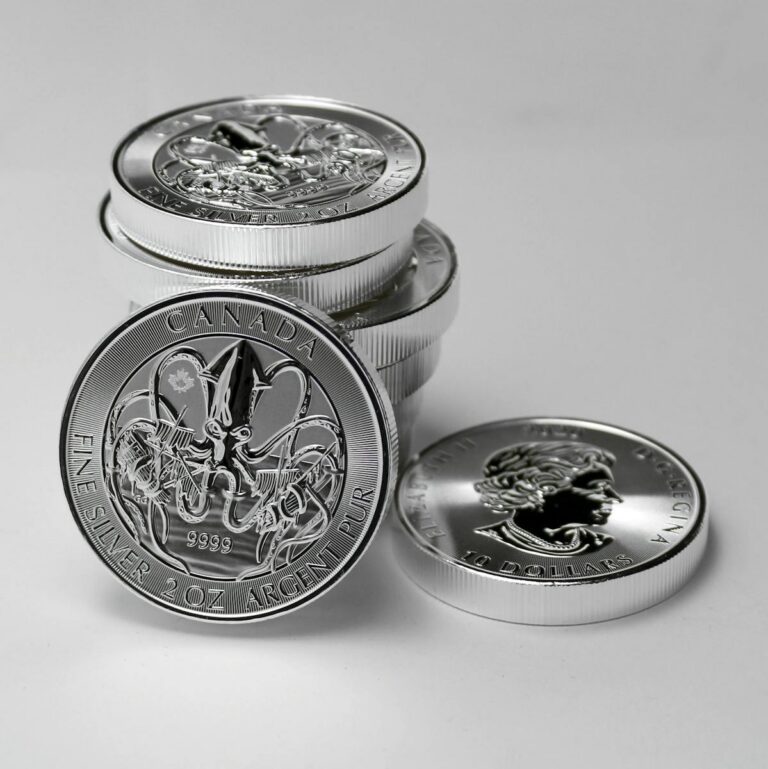
- Silver Coins and Rounds: Popular options include government-minted bullion coins (e.g., American Silver Eagles, Canadian Silver Maples) and privately minted rounds. Coins often carry higher premiums due to their numismatic or collectible value, or simply brand recognition, but are easily recognizable and liquid.
Pros of Physical Silver:
- Tangible Asset: You physically possess the metal, eliminating counterparty risk.
- Inflation Hedge: A direct hedge against currency devaluation.
- Privacy: Can offer a degree of privacy, depending on purchase method.
Cons of Physical Silver:
- Storage Costs and Security: Requires secure storage, which can incur costs (e.g., home safe, bank safe deposit box, third-party vault service).
- Liquidity: Selling physical silver can be less liquid than other assets, potentially involving assaying and delivery.
- Premiums: You’ll typically pay a premium over the spot price when buying and sell at a discount, impacting returns.
- No Income: Physical silver does not generate income (dividends or interest).
2. Paper Silver: Leveraging Financial Instruments
For investors preferring convenience and liquidity, “paper silver” offers indirect exposure:
- Exchange-Traded Funds (ETFs): These funds hold physical silver on behalf of investors or track silver futures contracts. They are easily bought and sold on stock exchanges. Popular choices often come from recognized brands.
- Futures Contracts: For experienced traders, futures allow speculation on silver price movements with leverage. This is a high-risk, high-reward strategy.
- Mining Stocks: Investing in companies that mine silver can offer exposure to the metal’s price, along with potential for capital appreciation and dividends from the company’s operations. However, mining stocks also carry company-specific risks (e.g., management, geopolitical risks in mining regions, operational issues).
Pros of Paper Silver:
- Liquidity: Generally highly liquid, making it easy to buy and sell.
- Lower Storage Costs: No need for personal physical storage.
- Accessibility: Easily accessible through brokerage accounts.
- Leverage (Futures): Can amplify returns, though also losses.
Cons of Paper Silver:
- Counterparty Risk: You don’t directly own the physical metal. ETFs, for example, rely on custodians. Futures involve exchanges and brokers.
- Fees: ETFs charge management fees. Futures involve margin calls and trading costs.
- Volatility: While silver itself is volatile, individual mining stocks can be even more so, subject to operational and market-specific risks.
3. Diversification: Integrating Silver into Your Portfolio
Smart investors never put all their eggs in one basket. Silver should be considered as part of a broader, diversified portfolio:
- Allocate Prudently: A common recommendation for precious metals allocation in a well-diversified portfolio ranges from 5% to 15%. This percentage should align with your risk tolerance and financial goals.
- Balance with Other Assets: Silver can act as a counterbalance to equities during market downturns, or to bonds during inflationary periods.
- Dollar-Cost Averaging: Due to silver’s volatility, employing a dollar-cost averaging strategy (investing a fixed amount regularly) can help mitigate risk by averaging out your purchase price over time. This prevents you from trying to “time the market” perfectly.
4. Risk Management: Essential for Wealth Preservation
The allure of a $100/oz silver price forecast should not overshadow the imperative of risk management:
- Never Invest More Than You Can Afford to Lose: This golden rule applies particularly to volatile assets like silver.
- Set Clear Investment Goals: Understand why you’re investing in silver (e.g., inflation hedge, speculative gain, diversification) and for what timeframe.
- Use Stop-Loss Orders (for Paper Silver): For highly liquid paper silver investments, consider using stop-loss orders to limit potential losses if the market moves against your position.
- Stay Informed: Regularly monitor market news, economic indicators, and geopolitical developments that could impact silver prices.
- Beware of Leverage: While leverage can magnify gains, it equally magnifies losses, making it suitable only for highly experienced investors with robust risk capital.
By thoughtfully considering these strategies and always prioritizing risk management, you can approach the silver market with confidence, potentially harnessing its unique characteristics to support your long-term ‘Work to Wealth’ objectives.
Key Factors Influencing Silver’s Future Trajectory
The path to a potential $100/oz silver price by 2026 is paved with numerous variables. Understanding these key influencing factors allows investors to better interpret market signals and adjust their strategies accordingly, regardless of their personal silver price forecast.
Global Economic Growth and Industrial Activity
As silver is heavily an industrial metal, the health of the global economy directly impacts its demand. Robust economic growth typically translates to increased manufacturing, construction, and technological advancements, all of which consume silver. Conversely, economic slowdowns or recessions can significantly dampen industrial demand, putting downward pressure on prices. Monitoring global GDP forecasts, manufacturing PMIs (Purchasing Managers’ Indexes), and sector-specific growth (e.g., solar panel installations, EV production numbers) is crucial.
Inflation Outlook and Real Interest Rates
The rate of inflation is a primary driver for precious metals. When inflation is high or expected to rise, investors seek assets that can maintain their purchasing power, and silver often fits this bill. Even more critical are real interest rates (nominal interest rates minus inflation). When real interest rates are low or negative, the opportunity cost of holding non-yielding assets like silver decreases, making them more attractive. Central bank policies regarding interest rates and quantitative easing will therefore heavily influence silver’s appeal as an inflation hedge.
Geopolitical Stability and Investor Confidence
In times of geopolitical tension, conflict, or economic uncertainty, investors often flee to perceived safe-haven assets. Silver, alongside gold, benefits from this flight to safety. Conversely, periods of increased stability and investor confidence in traditional financial markets can reduce the demand for precious metals as a hedge against global risks. Monitoring international relations, political events, and market sentiment indicators is vital.
Technological Advancements and Substitution Risk
While technology drives much of silver’s industrial demand (e.g., solar, EVs, 5G), it also presents a dual-edged sword. Breakthroughs could lead to new, widespread uses for silver, boosting demand significantly. However, research into more efficient use of silver or the development of effective, cheaper substitutes could temper demand growth in existing applications. Investors need to stay abreast of material science and engineering developments in key silver-consuming industries.
Mining Production and Supply Dynamics
The supply side of the equation is equally critical. Factors influencing silver mining output include:
- New Discoveries and Mine Development: The rate at which new, economically viable silver deposits are found and developed.
- Production Costs: Changes in energy prices, labor costs, and regulatory compliance impact the profitability and viability of mining operations.
- Byproduct Status: Since much of silver is mined as a byproduct, its supply is often dictated by the economics of base metals like copper and lead. A downturn in base metal prices could reduce overall mining output, even if silver prices are high.
- Recycling Rates: The amount of silver recovered from recycled industrial and consumer goods can supplement primary mine supply.
Strength of the US Dollar
As silver is globally priced in US dollars, the strength or weakness of the dollar significantly impacts its price. A stronger dollar makes silver more expensive for buyers using other currencies, potentially dampening demand. Conversely, a weaker dollar makes silver more affordable, often leading to increased demand and higher prices. Monitoring the DXY (US Dollar Index) provides insight into this crucial relationship.
These factors are interconnected and constantly evolving. A comprehensive understanding of their interplay is essential for developing an informed perspective on the silver price forecast and for making strategic investment decisions within your ‘Work to Wealth’ framework.
Potential Pitfalls and How to Avoid Them on the Road to Wealth
The exciting prospect of silver trading above $100/oz by 2026, as echoed by many retail investors, naturally draws attention. However, it’s critical for ‘Work to Wealth’ aspirants to be acutely aware of the potential pitfalls that accompany such speculative enthusiasm. Avoiding common mistakes can protect your capital and ensure a more sustainable investment journey.
1. Emotional Investing and Chasing Hype
One of the biggest dangers in any market, especially those with dramatic price targets, is letting emotions dictate decisions. The “fear of missing out” (FOMO) can lead investors to buy into an asset at its peak, only to see it correct sharply. Conversely, panic selling during a downturn can lock in losses.
- How to Avoid: Develop a clear, rational investment plan based on your financial goals, risk tolerance, and thorough research. Stick to your plan, and avoid making impulsive decisions driven by headlines or social media chatter. Remember, a high silver price forecast is not a guarantee.
2. Over-Leveraging and Excessive Concentration
Using borrowed money (leverage) to invest in a volatile asset like silver can amplify gains but also magnify losses to an unsustainable degree. Similarly, allocating an overly large portion of your portfolio to a single commodity, even one with a strong outlook, concentrates risk unnecessarily.
- How to Avoid: Never invest more than you can comfortably afford to lose. Maintain a diversified portfolio that includes various asset classes (stocks, bonds, real estate) in addition to precious metals. Limit your silver exposure to a prudent percentage of your total investable assets.
3. Ignoring Market Fundamentals and Risk Factors
Focusing solely on an optimistic price target without understanding the underlying fundamentals that could support (or undermine) it is a recipe for disappointment. Overlooking potential downside risks discussed earlier (economic slowdowns, monetary tightening, supply increases) leaves an investor vulnerable.
- How to Avoid: Continuously educate yourself on the factors influencing silver’s price. Regularly review economic data, geopolitical developments, and expert analyses, even those that contradict your existing biases. Understand both the bullish and bearish arguments before making decisions.
4. Inadequate Storage for Physical Assets
For those opting for physical silver, improper storage is a significant risk. Theft, loss, or damage can negate any potential gains from price appreciation. Unsecured storage can also make insurance difficult or impossible to obtain.
- How to Avoid: Invest in robust, insured storage solutions. Options include high-quality home safes, bank safe deposit boxes, or reputable third-party insured vault services. Factor in storage costs when calculating the total cost of ownership.
5. Falling for Scams or Unscrupulous Dealers
The precious metals market, particularly when hype is present, can attract unscrupulous actors. This includes selling counterfeit products, charging exorbitant premiums, or promoting “too good to be true” schemes.
- How to Avoid: Always purchase physical silver from well-established, reputable dealers with a proven track record and transparent pricing. For ETFs and mining stocks, use recognized brokerage platforms. Exercise extreme caution with unsolicited offers or deals that promise guaranteed high returns. Verify all information independently.
6. Neglecting Regular Portfolio Review and Rebalancing
Even with a sound initial strategy, markets change, and so do personal financial circumstances. Neglecting to review your silver holdings within the context of your overall portfolio can lead to unintended risk exposure or missed opportunities.
- How to Avoid: Schedule regular portfolio reviews (e.g., quarterly or annually). Rebalance your holdings if silver’s proportion deviates significantly from your target allocation. This might involve selling some silver after significant gains to lock in profits and reinvest in other assets, or buying more if it’s underperformed but still aligns with your long-term strategy.
By diligently guarding against these common pitfalls, you can enhance your chances of successfully integrating silver into your ‘Work to Wealth’ plan, potentially benefiting from its unique market dynamics while minimizing undue risks, even with an exciting silver price forecast in play.
Integrating Silver into Your Work to Wealth Strategy
The ‘Work to Wealth’ philosophy emphasizes diligent effort, smart financial planning, and strategic asset allocation to build lasting prosperity. Given the robust silver price forecast and its unique characteristics, understanding how to integrate this precious metal thoughtfully can be a valuable component of your broader financial strategy.
Silver as a Component of Long-Term Wealth Accumulation
Silver, while volatile, has historically demonstrated its capacity to preserve and grow wealth over the long term. Its role in modern industry provides a fundamental demand floor, while its monetary properties offer protection against economic uncertainties.
- Preserving Purchasing Power: In an era of potentially elevated inflation, silver can serve as an effective hedge, helping to maintain the real value of your savings and investments against the erosion of fiat currencies.
- Capital Appreciation: If the bullish silver price forecast for $100/oz by 2026 materializes, or even if it experiences significant but less dramatic gains, it presents an opportunity for substantial capital appreciation within your portfolio.
- Portfolio Diversification: Including silver helps diversify your portfolio away from traditional assets like stocks and bonds, which may not perform well under certain economic conditions (e.g., high inflation, market downturns). This diversification can reduce overall portfolio risk.
Balancing Growth Assets with Defensive Assets
A successful ‘Work to Wealth’ strategy typically balances assets geared for growth (like equities) with more defensive assets (like bonds and precious metals). Silver can play a crucial defensive role:
- Counter-Cyclical Potential: Silver sometimes performs well when other assets struggle, acting as a form of insurance against market downturns. This counter-cyclical behavior can help stabilize your portfolio’s overall value.
- Strategic Allocation: Decide on a specific percentage of your portfolio to allocate to silver (e.g., 5-10%). This allocation should be based on your personal risk tolerance, investment horizon, and current market conditions. It’s important not to over-allocate to any single volatile asset.
The Role of Precious Metals in Protecting Against Systemic Risks
Beyond inflation, precious metals like silver are often seen as a hedge against more profound systemic risks, such as financial crises, widespread geopolitical instability, or even a loss of confidence in national currencies or banking systems. While these are extreme scenarios, a small allocation to silver can provide a layer of protection that other assets cannot.
Regular Review and Rebalancing: A Pillar of Prudent Investing
Your ‘Work to Wealth’ strategy is not static. It requires ongoing attention:
- Periodic Assessment: Regularly review your silver holdings in the context of your entire portfolio. Assess how market conditions, your financial goals, and personal circumstances might have changed.
- Rebalance as Needed: If silver experiences significant gains and its allocation exceeds your target percentage, consider selling a portion to lock in profits and reinvest in underperforming assets to bring your portfolio back into balance. Conversely, if silver has dipped but its long-term fundamentals remain strong, it might present a buying opportunity to bring it back to your target allocation.
- Stay Informed: Continue to monitor the factors influencing the silver market. The silver price forecast from retail investors, while exciting, should be considered alongside expert analysis and your own due diligence.
By integrating silver thoughtfully – appreciating its potential for growth, its role as a hedge against inflation and instability, and by applying sound risk management principles – you can leverage this unique asset to strengthen your ‘Work to Wealth’ journey. The key is to view silver not as a standalone gamble, but as a strategic component within a well-diversified, long-term financial plan.
Conclusion: Navigating Silver’s Exciting Horizon with Prudence
The prospect of silver trading above $100 per ounce by 2026 is undoubtedly an exciting silver price forecast that has captured the imagination of a significant portion of retail investors. This optimism is not without foundation, rooted in silver’s indispensable role in burgeoning industrial sectors like solar energy and electric vehicles, its enduring appeal as a monetary metal and inflation hedge, and the ongoing challenges to its supply.
However, as experts prudently caution, while further gains are plausible, the path is fraught with potential downside risks. Silver’s historical volatility, its sensitivity to global economic slowdowns, monetary policy shifts, and the potential for technological substitution all underscore the need for a balanced and informed approach. The journey to $100/oz, if it occurs, is unlikely to be a smooth ascent, demanding resilience and strategic foresight from investors.
For individuals committed to their ‘Work to Wealth’ journey, silver offers a compelling opportunity for diversification, inflation protection, and potential capital appreciation. Whether through physical holdings, liquid ETFs, or carefully selected mining stocks, there are various avenues to gain exposure. Yet, the paramount importance of risk management cannot be overstated. Prudent investors will prioritize diversification, avoid over-leveraging, conduct thorough due diligence, and resist the temptation of emotional decision-making driven by market hype.
By understanding silver’s dual nature – its industrial utility and its monetary significance – and by approaching it with a disciplined, long-term perspective, you can strategically integrate this precious metal into your financial plan. The key lies in leveraging its potential while meticulously managing its inherent risks. As you forge ahead on your path to financial independence, let the exciting but complex world of silver serve as a reminder that informed decisions, grounded in research and a clear understanding of your personal financial landscape, are the cornerstones of lasting wealth.
Frequently Asked Questions
What justifies the optimistic silver price forecast of $100/oz by 2026, and is it a realistic goal?
The optimistic silver price forecast of $100/oz by 2026, shared by 57% of retail investors (as reported by KITCO), is largely driven by a combination of escalating industrial demand (from solar panels, EVs, and 5G technology), its traditional role as an inflation hedge and safe haven asset, and potential supply constraints. While not impossible given silver’s historical volatility and capacity for dramatic moves, reaching $100/oz would require a confluence of powerful factors such as hyperinflation, extreme industrial demand surges, or severe supply shortages. Experts, while seeing further gains, also warn of significant downside risks, suggesting a cautious approach is warranted.
What are the primary risks associated with investing in silver, despite the bullish silver price forecast?
Despite a bullish silver price forecast, key risks include silver’s high volatility, meaning sharp price swings both up and down. An economic slowdown could significantly dampen industrial demand, which is a major driver for silver. Monetary tightening policies and rising interest rates can also make non-yielding assets like silver less attractive. Additionally, potential technological advancements could reduce silver usage in some applications, and shifts in geopolitical stability or investor sentiment could diminish its safe-haven appeal. Investors must also guard against speculative bubbles and emotional decision-making.
How can I effectively integrate silver into my personal ‘Work to Wealth’ investment portfolio without excessive risk?
To integrate silver without excessive risk, consider it as a component of a diversified portfolio, typically allocating a conservative percentage (e.g., 5-15%) to precious metals. You can invest through physical silver (bars, coins) for direct ownership, or via paper silver (ETFs, mining stocks) for liquidity. Implement dollar-cost averaging to mitigate volatility, and always ensure secure storage for physical assets. Crucially, never invest more than you can afford to lose, set clear investment goals, and regularly review and rebalance your portfolio to align with your risk tolerance and financial objectives.
What role does industrial demand play in the silver price forecast, and is it sustainable long-term?
Industrial demand plays a pivotal role in the silver price forecast, accounting for over half of its annual consumption. Key sectors like solar energy, electric vehicles (EVs), and 5G technology rely heavily on silver’s unique conductive properties. This demand is considered sustainable long-term due to ongoing global shifts towards renewable energy, electrification, and technological advancement. While efficiency gains or potential substitutes could emerge, silver’s superior characteristics make it difficult to replace in many critical applications, supporting sustained industrial demand.
What are the main differences between investing in physical silver versus paper silver (ETFs, mining stocks)?
Investing in physical silver (bars, coins) offers direct ownership and eliminates counterparty risk, providing a tangible asset and a direct inflation hedge. However, it comes with storage costs, security concerns, lower liquidity, and typically higher premiums. Paper silver, such as Exchange-Traded Funds (ETFs) or mining stocks, offers greater liquidity, lower storage burdens, and easier accessibility through brokerage accounts. The trade-offs include counterparty risk (for ETFs you don’t directly own the metal) and additional company-specific risks (for mining stocks). Each approach suits different investor preferences for control, convenience, and risk.