

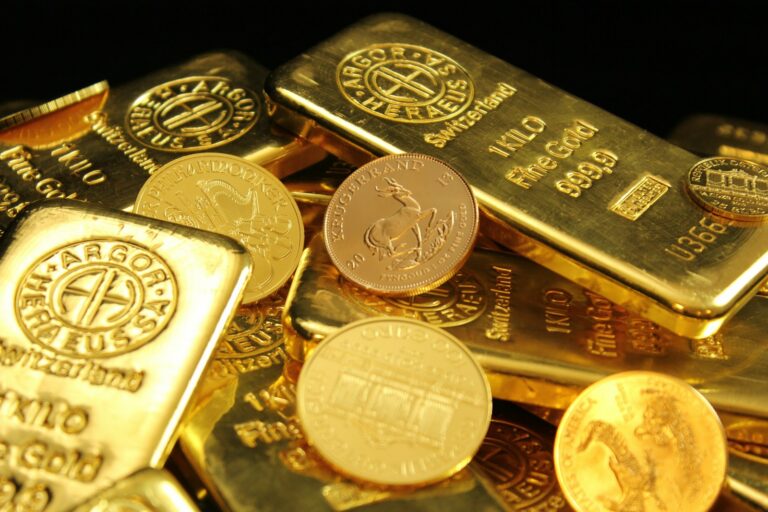
Market volatility in precious metals investment can be unsettling. This guide explores strategies to navigate these shifts, securing your portfolio and fostering long-term wealth growth.
Recent reports of significant market upheaval in major financial hubs, particularly concerning gold and silver trading, can undoubtedly trigger alarm. Descriptions like ‘pandemonium’ paint a vivid picture of market participants facing intense pressure and uncertainty. For those considering or already engaged in precious metals investment, such headlines can be unnerving. The core promise of precious metals often lies in their perceived stability and role as a safe haven during economic turbulence. However, even these traditionally reliable assets are not immune to short-term volatility, and understanding these dynamics is crucial for any discerning investor.
This comprehensive guide delves into the world of precious metals investment, demystifying the factors behind their price swings and outlining robust strategies to build and preserve wealth. We aim to equip you with the knowledge to look beyond the immediate market noise, transforming potential panic into a strategic advantage. Whether you’re a seasoned investor looking to refine your approach or a newcomer contemplating your first foray into tangible assets, comprehending the nuances of this market is paramount to securing your financial future.
The journey to wealth creation is rarely a straight line, and incorporating assets like gold and silver requires a thoughtful, informed perspective. Let’s explore how to navigate the ebbs and flows, ensuring your precious metals investment decisions align with your long-term financial aspirations.
The Enduring Allure of Gold and Silver in Precious Metals Investment
For millennia, gold and silver have captivated humanity, not merely for their aesthetic beauty but primarily for their intrinsic value and role as stores of wealth. Their scarcity, durability, and universal acceptance have cemented their status across cultures and economies. In the realm of modern finance, their appeal persists, often intensifying during periods of economic uncertainty, inflation, or geopolitical instability. This enduring allure is a foundational aspect of any precious metals investment strategy.
Historical Resilience and Safe Haven Status
Throughout history, when paper currencies faltered, banks collapsed, or empires crumbled, gold and silver often retained their value. This historical resilience has earned them the reputation of ‘safe haven’ assets. Investors frequently flock to them when traditional markets, such as stocks and bonds, appear volatile or when confidence in the financial system wavers. They act as a hedge against inflation, as their value tends to rise when the purchasing power of fiat currencies declines.
- Inflation Hedge: As the cost of living increases, gold and silver often appreciate, helping to preserve purchasing power.
- Geopolitical Uncertainty: During times of international conflict or political instability, investors seek the perceived safety of precious metals.
- Currency Devaluation: A weakening national currency can drive up the local price of gold and silver, which are often priced in a global reserve currency.
- Store of Value: Unlike paper assets, precious metals have intrinsic value and cannot be printed into existence by governments.
Understanding this historical context is vital. It grounds the expectation for these assets, reminding investors that while short-term price movements can be dramatic, their long-term role as a bulwark against systemic risks remains largely consistent.
Deconstructing Precious Metals Volatility: Why Markets Fluctuate
Despite their safe-haven status, gold and silver prices are far from static. The recent ‘pandemonium’ in trading centers serves as a stark reminder that these markets can experience significant price swings, sometimes rapidly. Understanding the forces that drive this volatility is crucial for making informed precious metals investment decisions and avoiding emotional reactions during turbulent times.
Key Drivers of Price Movements
Several interconnected factors influence the price of gold and silver, creating a complex interplay that can lead to both steady trends and sudden shifts:
Supply and Demand Dynamics
Like any commodity, the basic economic principles of supply and demand play a significant role. Global mining output, recycling rates, and central bank holdings affect supply, while industrial demand (e.g., electronics, jewelry), investor demand (bullion, ETFs), and central bank purchases influence demand. A sudden shift in either can disrupt market equilibrium.
- Mining Production: New discoveries or disruptions in major mining regions can impact global supply.
- Industrial Use: Silver, in particular, has extensive industrial applications, making its price sensitive to economic growth and technological advancements.
- Jewelry Demand: Significant demand from emerging economies for jewelry often influences gold prices.
- Investment Demand: Investor sentiment, often fueled by economic outlooks, drives purchases and sales of physical metal and related financial products.
Interest Rates and Monetary Policy
The policies of central banks, particularly concerning interest rates, have a profound impact on precious metals. Higher interest rates make interest-bearing assets (like bonds) more attractive, as they offer a yield. Since gold and silver do not offer a yield, rising interest rates can increase the opportunity cost of holding them, potentially reducing demand and pushing prices down. Conversely, lower interest rates or quantitative easing policies tend to support precious metal prices.
Currency Fluctuations
Gold and silver are typically priced in a global reserve currency, often the US dollar. When the dollar strengthens against other currencies, it makes precious metals more expensive for buyers using other currencies, potentially dampening demand and pushing prices down. Conversely, a weakening dollar can make gold and silver cheaper for international buyers, stimulating demand and driving prices higher. This inverse relationship is a critical consideration for precious metals investment.
Geopolitical Events and Economic Uncertainty
Periods of heightened geopolitical tension (e.g., conflicts, trade wars, political instability) or economic uncertainty (e.g., recessions, financial crises) often spur investor demand for precious metals. They are seen as a hedge against systemic risk. The ‘flight to safety’ phenomenon can cause rapid price spikes during such times, as investors reallocate capital from riskier assets.
Market Sentiment and Speculative Trading
Emotion and speculation also play a role. Media reports, social media trends, and the actions of large institutional traders can create momentum, either upward or downward, sometimes independent of fundamental factors. This can lead to exaggerated price movements and is often behind the rapid “pandemonium” seen in concentrated trading environments.
The “Diamond District” Phenomenon: A Microcosm of Market Shock
While specific geographic locations and their unique market dynamics cannot be detailed, the concept of a ‘diamond district’ experiencing ‘pandemonium’ highlights how localized market shocks can occur. Such events typically stem from a confluence of factors: a sudden, unexpected supply or demand shift, a liquidity crunch, or heightened speculative activity within a concentrated trading environment. These scenarios underscore the importance of understanding not just global trends, but also how local market conditions can amplify or initiate volatility. For the individual investor, it emphasizes the need for a diversified, long-term approach rather than being swayed by isolated, intense market events.
Strategic Precious Metals Investment Approaches for Long-Term Wealth
Navigating the inherent volatility of precious metals requires a strategic, disciplined approach. The goal of precious metals investment is not to chase short-term gains but to use these assets as a tool for long-term wealth preservation and portfolio diversification. Here are several proven strategies to consider.
Diversification: The Cornerstone of Prudent Investing
The first and most important principle is diversification. Precious metals should be part of a broader investment portfolio, not its entirety. They often exhibit a low or negative correlation with other asset classes like stocks and bonds, meaning their prices may move independently or even in opposite directions. This characteristic is what makes them valuable for reducing overall portfolio risk.
- Asset Allocation: Determine an appropriate percentage of your portfolio to allocate to precious metals, typically ranging from 5% to 15%, depending on your risk tolerance and financial goals.
- Balanced Portfolio: Ensure your portfolio includes a mix of growth assets (stocks), income-generating assets (bonds), and inflation hedges (precious metals, real estate).
- Beyond Gold and Silver: While gold and silver are primary, consider small allocations to platinum or palladium if you have advanced knowledge of their specific industrial demands and market dynamics.
Dollar-Cost Averaging: Mitigating Price Volatility
Dollar-cost averaging (DCA) is a powerful strategy for mitigating the impact of volatility. Instead of attempting to time the market by making one large purchase, DCA involves investing a fixed amount of money at regular intervals (e.g., monthly or quarterly), regardless of the asset’s price. This approach allows you to buy more when prices are low and less when prices are high, averaging out your purchase price over time.
This disciplined strategy removes emotion from your precious metals investment decisions, helping you avoid the common pitfall of buying high and selling low, especially during periods of market ‘pandemonium’.
Embracing a Long-Term Horizon
Precious metals are best viewed as long-term holdings. Their value proposition as a hedge against inflation and economic instability typically plays out over years, if not decades. Short-term price fluctuations, even dramatic ones, are often noise when viewed through a long-term lens. Attempting to profit from daily or weekly swings is akin to speculation and carries significantly higher risk.
“The true value of precious metals investment reveals itself not in immediate market reactions, but in its steadfast role as a protector of wealth across generations.” This perspective is fundamental for maintaining composure during market turbulence.
Physical vs. Paper: Choosing Your Investment Vehicle
When engaging in precious metals investment, you have several options for gaining exposure. Each comes with its own set of advantages and disadvantages:
Physical Bullion and Coins
This involves purchasing actual gold or silver bars, rounds, or coins. Many investors prefer physical holdings for the tangible security they offer, the absence of counterparty risk, and the psychological comfort of holding a physical asset.
- Pros: Tangible asset, no counterparty risk, privacy (in some cases).
- Cons: Storage costs and security concerns, insurance expenses, potential higher premiums over spot price, less liquidity for large amounts.
- Considerations: Buy from reputable dealers, understand premiums, arrange secure storage (home safe, safe deposit box, third-party vault).
Exchange-Traded Funds (ETFs) and Exchange-Traded Commodities (ETCs)
These are financial instruments that track the price of precious metals. Some ETFs hold physical bullion, while others use derivatives. They offer ease of trading, liquidity, and lower transaction costs compared to physical metals.
- Pros: Highly liquid, easy to trade through a brokerage account, low management fees (typically), no storage concerns.
- Cons: Introduce counterparty risk (you don’t directly own the physical asset), potential tracking errors, may not fully appreciate in a systemic crisis if the financial system itself is compromised.
- Considerations: Research the fund’s structure (physical vs. derivatives), expense ratios, and the reputation of the issuing institution.
Mining Stocks and Mutual Funds
Investing in companies that mine gold and silver provides indirect exposure. Their performance is influenced not only by commodity prices but also by company-specific factors like management, operational efficiency, and geopolitical risks where their mines are located. Mining stocks can be more volatile than the metals themselves but also offer higher potential for capital appreciation.
- Pros: Potential for significant capital gains, dividends, professional management in mutual funds.
- Cons: Company-specific risks, higher volatility than the underlying metal, not a direct hedge against systemic risk in the same way physical metal is.
- Considerations: Conduct thorough due diligence on individual companies or choose well-diversified precious metals mutual funds/ETFs focused on the sector.
Due Diligence and Reputable Dealers
Regardless of your chosen vehicle, robust due diligence is non-negotiable. For physical assets, choose well-established, reputable dealers with transparent pricing and clear policies. For paper assets, verify the credibility of the financial institution offering the product. Avoid unknown or unregulated entities, especially during periods of market excitement or fear.
Risk Management in Precious Metals Investment
Even with the most robust strategies, investing carries risk. Effective risk management is about minimizing downside exposure while maximizing potential for long-term growth. This is especially true for precious metals investment, which, despite its safe-haven attributes, can experience significant drawdowns.
Setting Realistic Expectations
It’s crucial to understand that precious metals, particularly gold and silver, are not growth assets in the same vein as equities. They are primarily wealth preservation assets. While they can and do appreciate over time, their primary role in a balanced portfolio is often as an insurance policy against economic turmoil and inflation. Expecting them to consistently outperform all other asset classes can lead to disappointment and poor decision-making during corrections.
Monitoring Market Trends (Without Overreacting)
Stay informed about global economic indicators, central bank policies, and geopolitical developments, as these are key drivers of precious metal prices. Subscribe to reliable financial news sources (e.g., a recognized financial publication) and expert analyses. However, the key is to monitor without overreacting to every headline. Short-term market ‘pandemonium’ should not dictate long-term strategic adjustments. Use information to understand context, not to make impulsive trades.
Understanding Premium and Spot Price
When purchasing physical precious metals, you will typically pay a premium over the current ‘spot price’ (the going market rate for a troy ounce of the raw metal). This premium covers fabrication, distribution, and the dealer’s margin. The size of the premium can vary based on the item’s rarity, size, and market demand. Be aware that you will also likely sell below spot price or at a reduced premium. Factor these costs into your overall precious metals investment calculations.
Tax Implications of Precious Metals Investment
The tax treatment of precious metals can vary significantly depending on your jurisdiction and the type of investment (physical, ETF, mining stock). Capital gains from selling physical bullion might be taxed at different rates than gains from stocks. Income from mining stock dividends will also be subject to income tax. Consult with a qualified tax advisor to understand the specific implications for your situation and to ensure compliance.
Secure Storage Solutions for Physical Assets
If you choose to invest in physical gold or silver, secure storage is paramount. Theft and loss are real risks. Options include:
- Home Safe: Suitable for small amounts, but ensure it’s properly secured and fire-rated. May not be covered by standard home insurance for large values.
- Bank Safe Deposit Box: Offers security but can have limited access hours and typically isn’t insured by the bank for content value (you’d need separate insurance).
- Third-Party Vaulting Services: Specialized private vaults offer high-level security, insurance, and auditability. They can be more expensive but provide peace of mind for significant holdings.
Always ensure your chosen storage method is insured for the full replacement value of your precious metals.
Integrating Precious Metals into Your ‘Work to Wealth’ Strategy
At ‘Work to Wealth’, our philosophy centers on building sustainable financial independence through smart, disciplined financial planning. Precious metals investment, when approached correctly, can play a vital role in this broader strategy, especially concerning wealth preservation and portfolio resilience.
Role in Wealth Preservation
Precious metals serve as a ballast for your portfolio, helping to stabilize it during periods when other asset classes may be declining. They are a form of ‘insurance’ against systemic financial risks, inflation, and currency devaluation. By holding a portion of your wealth in these tangible assets, you safeguard against events that could erode the purchasing power of your paper assets.
Contribution to Long-Term Financial Stability
While not primary growth drivers, precious metals contribute to long-term financial stability by preserving capital. This preserved capital can then be reallocated to growth opportunities during market downturns, or simply ensure that a portion of your wealth remains robust, regardless of market conditions. This stability is key to achieving true financial independence.
Balancing Growth Assets with Safe-Haven Assets
A balanced ‘Work to Wealth’ portfolio harmonizes assets designed for growth (e.g., equities, real estate) with those designed for safety and stability (e.g., bonds, precious metals). The optimal balance is unique to each individual’s age, risk tolerance, and financial goals. Regularly reviewing and rebalancing your portfolio ensures that your precious metals allocation remains appropriate for your evolving circumstances.
For example, as you approach retirement, you might incrementally increase your allocation to safe-haven assets like gold and silver to reduce overall portfolio volatility and protect your accumulated wealth from significant drawdowns.
Regular Portfolio Reviews and Adjustments
The financial landscape is ever-changing. What was an appropriate asset allocation five years ago may not be today. Conduct regular, at least annual, reviews of your entire portfolio, including your precious metals investment. Assess whether your current allocation still aligns with your financial objectives, risk tolerance, and the prevailing economic environment. Rebalancing your portfolio by selling high-performing assets (if they’ve exceeded their target allocation) and buying underperforming ones (to bring them back to target) is a disciplined way to maintain your desired risk profile and capitalize on market movements.
This systematic approach, rather than reactive decision-making in the face of ‘pandemonium’, is the hallmark of successful wealth building.
Beyond Gold and Silver: Exploring Other Precious Metals
While gold and silver dominate the conversation around precious metals investment, other metals like platinum and palladium also hold significant value and offer unique investment characteristics. These are typically considered for more advanced investors due to their specific industrial demands and often higher volatility.
Platinum and Palladium: Industrial Demand and Scarcity
Both platinum and palladium are rarer than gold and silver and have critical industrial applications, particularly in catalytic converters for automobiles, as well as in jewelry and electronics. Their prices are heavily influenced by global automotive production and economic growth.
- Platinum: Known for its use in jewelry, industrial catalysts, and as a component in fuel cells. Its price can be more volatile than gold due to its industrial demand fluctuations.
- Palladium: Primarily used in catalytic converters. Its price has seen significant swings due to supply constraints (much of it comes from specific regions) and robust automotive demand.
Investing in platinum or palladium requires a deeper understanding of industrial cycles and specific geopolitical risks affecting their supply chains. They can offer diversification benefits but also come with increased risk due to their more concentrated demand drivers compared to gold and silver’s broader roles as monetary and safe-haven assets.
Conclusion: Strategic Calm in Precious Metals Investment Turmoil
The sight of ‘pandemonium’ in major financial centers or headlines proclaiming market tumult can be disquieting for any investor. Yet, for those engaged in precious metals investment, these moments underscore a fundamental truth: volatility is an inherent part of the market landscape, even for assets traditionally seen as stable. The key to successful wealth building, particularly with gold and silver, lies not in avoiding these fluctuations but in understanding them and developing a robust strategy to navigate them with calm and conviction.
By understanding the historical role of precious metals, deconstructing the drivers of their volatility, and implementing disciplined investment approaches like diversification and dollar-cost averaging, you can transform potential anxiety into strategic foresight. Whether opting for physical bullion, ETFs, or mining stocks, thorough due diligence and a long-term perspective are your strongest allies.
Integrating precious metals into your broader ‘Work to Wealth’ strategy means viewing them as crucial components for wealth preservation and portfolio stability. They are not merely speculative assets but foundational elements designed to protect your purchasing power against inflation and unforeseen economic shocks. Regular reviews, coupled with a commitment to informed decision-making, will ensure your precious metals investment continues to serve your ultimate goal of financial independence and lasting prosperity. In a world of constant change, the enduring value of gold and silver, wisely managed, remains a powerful testament to prudent financial stewardship.
Frequently Asked Questions
How can I protect my Precious Metals Investment from sudden market pandemonium?
Protecting your precious metals investment from sudden market shifts involves several strategies. Firstly, maintain a diversified portfolio, ensuring precious metals are just one component alongside other asset classes. Secondly, employ dollar-cost averaging to mitigate price volatility over time. Thirdly, adopt a long-term investment horizon, viewing short-term ‘pandemonium’ as noise rather than a signal for immediate action. Lastly, choose secure storage for physical assets and reputable providers for paper assets, reducing external risks.
Is physical gold or silver a better option for Precious Metals Investment stability?
Both physical gold and silver offer unique benefits for stability in precious metals investment. Gold is often seen as the ultimate safe haven due to its historical role and lower industrial demand volatility. Silver, while also a store of value, has significant industrial uses, making its price more sensitive to economic cycles. For stability and absence of counterparty risk, many prefer physical holdings of both, balanced according to individual risk tolerance and investment goals.
What percentage of my portfolio should I allocate to Precious Metals Investment to avoid feeling overwhelmed?
A common guideline for precious metals investment allocation ranges from 5% to 15% of a total investment portfolio. This percentage allows for the diversification and safe-haven benefits without overexposure that might lead to feeling overwhelmed during market fluctuations. The optimal percentage depends on your personal risk tolerance, age, and overall financial objectives. Regular portfolio reviews can help adjust this allocation as your circumstances change.
How do interest rate changes impact my Precious Metals Investment’s value?
Interest rate changes significantly impact precious metals investment values. When interest rates rise, interest-bearing assets like bonds become more attractive, as they offer a yield. Since precious metals like gold and silver do not provide a yield, higher rates increase the opportunity cost of holding them, potentially leading to decreased demand and lower prices. Conversely, falling interest rates tend to make precious metals more appealing, often driving their prices higher as the opportunity cost of holding them diminishes.
Are there tax implications I should know for my Precious Metals Investment gains?
Yes, there are typically tax implications for gains from precious metals investment. Capital gains from selling physical bullion, ETFs, or mining stocks may be subject to various tax rates depending on your country’s tax laws and the holding period. For instance, in some jurisdictions, gains from physical precious metals held for over a year might be taxed at a specific collectibles rate, which could differ from long-term capital gains on other assets. It is highly advisable to consult with a qualified tax advisor to understand the specific tax liabilities relevant to your location and investment type.