

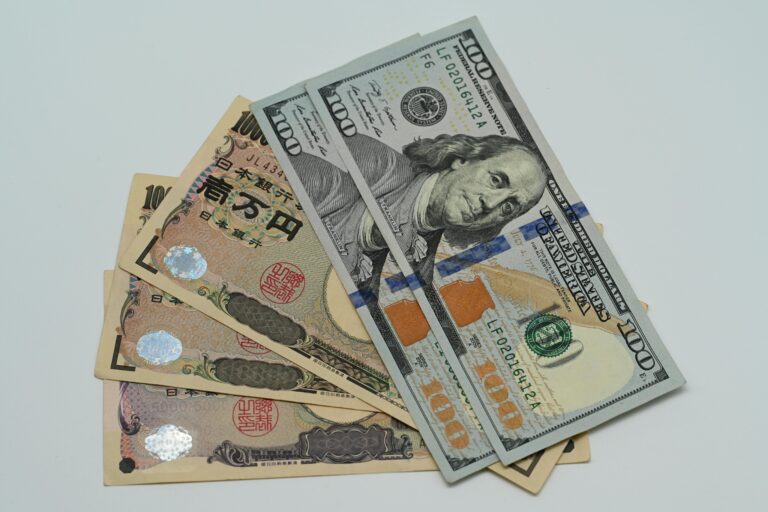
The persistent **Japanese Yen weakness** after the Bank of Japan’s rate hold presents both challenges and strategic opportunities for global investors seeking wealth preservation and growth.
The global financial landscape is constantly shifting, and few developments capture the attention of international investors quite like significant currency movements. Recently, the **Japanese Yen weakness** has become a dominant theme, particularly after the Bank of Japan (BOJ) announced its decision to maintain current interest rates. This move, which some strategists interpreted as subtly hawkish despite the lack of immediate rate hike, has further solidified expectations for the Yen to remain subdued against major global currencies like the US Dollar.
For individuals building wealth, understanding the forces behind such currency dynamics is not merely an academic exercise; it directly impacts the value of international investments, the cost of global transactions, and the potential for diversification. The Yen’s continued depreciation raises critical questions for those with existing Japanese holdings and for those contemplating future international allocations. This article delves into the complexities of the Yen’s position, its implications for investors, and strategies to navigate this challenging yet potentially opportunistic environment.
According to strategists cited by Bloomberg.com on January 23, 2026, the Yen is unlikely to stem its recent weakness. The currency experienced a notable dip, initially dropping as much as 0.5% to 159.23 to the dollar, following Governor Kazuo Ueda’s press conference where he hinted at possible bond operations. While it later recovered some ground to 157.37, the overall sentiment points towards a protracted period of depreciation. For investors, this calls for careful analysis and strategic adjustments to protect and grow their portfolios.
Understanding the Japanese Yen Weakness: Causes and Context
To grasp the implications of the current **Japanese Yen weakness**, it’s crucial to understand the underlying factors driving it. Central bank policies, economic fundamentals, and global market dynamics all play a significant role. The Bank of Japan’s recent decision to hold rates as expected was a key event, but its effects reverberate through a broader economic narrative.
Historically, Japan has grappled with deflationary pressures and stagnant economic growth for decades. In response, the BOJ adopted an ultra-loose monetary policy, characterized by near-zero or negative interest rates, massive asset purchases (including government bonds and even equities through ETFs), and yield curve control (YCC) to cap long-term interest rates. The goal has been to stimulate inflation and economic activity.
In contrast, many other major central banks, particularly the US Federal Reserve and the European Central Bank, have aggressively raised interest rates in recent years to combat soaring inflation. This divergence in monetary policy creates a substantial interest rate differential. When interest rates in one country are significantly lower than in another, investors tend to sell the lower-yielding currency to buy the higher-yielding one, seeking better returns. This phenomenon, known as the “carry trade,” is a primary driver of the **Japanese Yen weakness**.
Furthermore, Japan’s economic fundamentals, while showing some signs of improvement, still face structural challenges. An aging population, declining workforce, and reliance on exports continue to shape its economic trajectory. While a weaker Yen can be beneficial for Japan’s export-oriented industries, making their goods cheaper and more competitive internationally, it simultaneously increases the cost of imports, including essential energy and raw materials, potentially fueling imported inflation.
Global risk sentiment also plays a role. In times of global uncertainty, the Yen has often been considered a safe-haven currency. However, with persistent interest rate differentials and a clearer path for other central banks towards eventual rate cuts (which could narrow the spread, but has not yet fully materialized), the Yen’s safe-haven appeal has been overshadowed by its low-yield status.
The Bank of Japan’s Delicate Balancing Act
The Bank of Japan finds itself in a precarious position, attempting to balance the need to support a fragile economic recovery and achieve its inflation target with the desire to avoid excessive currency depreciation. Governor Ueda’s remarks about possible bond operations, even while holding rates, illustrate this complexity. Such operations could involve adjustments to bond purchases, signaling a subtle shift in their approach to monetary policy, even if not an immediate rate hike.
The BOJ’s cautious stance is understandable. A rapid tightening of monetary policy could jeopardize nascent economic growth and potentially destabilize financial markets. However, the prolonged **Japanese Yen weakness** has its own set of risks, including increased import costs that erode purchasing power for Japanese consumers and businesses, and the potential for capital outflows if foreign investors lose confidence in the currency’s stability.
For global investors, interpreting the BOJ’s signals requires careful attention to nuance. The market is constantly speculating on when the BOJ might finally exit its ultra-loose policy framework. Any hint of normalization – even a small one – could trigger significant Yen appreciation. However, as long as the BOJ remains significantly more dovish than its global counterparts, the structural pressures pushing the Yen lower are likely to persist.
Investment Implications for Wealth Builders Facing Japanese Yen Weakness
The prolonged **Japanese Yen weakness** presents a multifaceted challenge and opportunity for investors. Whether you hold existing investments in Japan, are considering new allocations, or simply have a globally diversified portfolio, the Yen’s trajectory merits serious consideration.
Impact on Existing Japanese Holdings
For investors whose portfolios include Japanese equities, bonds, or real estate, the depreciation of the Yen directly affects the return when converted back to their home currency (e.g., US Dollar, Euro). A strong performance in Japanese stocks might be partially or entirely eroded by a weakening Yen. For instance, if a Japanese stock gains 10% in Yen terms, but the Yen depreciates by 5% against your home currency, your effective return is only about 5%.
This currency risk is a critical component of international investing. Wealth builders need to be aware that even if their Japanese assets perform well locally, currency translation can significantly impact their overall portfolio value. This is a common frustration for international investors who see solid local returns diminished by unfavorable currency movements.
Opportunities in a Weaker Yen Environment
While the **Japanese Yen weakness** can be a headwind for some, it also creates specific opportunities:
- Export-Oriented Companies: Japanese companies that derive a significant portion of their revenue from exports benefit directly from a weaker Yen. Their products become more competitive internationally, and their foreign earnings translate into more Yen when repatriated. Identifying these companies – often in sectors like manufacturing, automotive, and technology – can be a strategic move.
- Tourism Sector: A cheaper Yen makes Japan a more attractive destination for international tourists, boosting hospitality, retail, and transportation industries.
- Potential Entry Point for Foreign Direct Investment: For those considering direct investment in Japanese assets, such as real estate or businesses, a weaker Yen effectively makes these assets cheaper to acquire in terms of their home currency.
However, these opportunities come with caveats. While a weak Yen may make certain assets cheaper, the underlying economic fundamentals and the long-term outlook for the Yen remain crucial considerations. Investors should not chase a depreciating currency without a clear understanding of the risks involved.
Broader Portfolio Diversification and Risk Management
The episode of **Japanese Yen weakness** underscores the importance of thoughtful portfolio diversification. Currency risk is an inherent part of global investing, and understanding how different currencies correlate (or don’t) with each other and with various asset classes is vital.
A globally diversified portfolio aims to reduce reliance on any single economy or currency. However, even within a diversified portfolio, significant movements in major currencies like the Yen can have ripple effects. For example, a weak Yen might signal broader global economic trends, impacting commodity prices or the profitability of multinational corporations in various regions.
Wealth builders should consider the currency exposure of all their international investments. Many international equity funds or ETFs are unhedged, meaning they expose investors to the currency fluctuations of the underlying assets. Hedged versions exist, which aim to neutralize currency risk, but these typically come with additional costs.
Strategies to Navigate Persistent Japanese Yen Weakness
Given the outlook for continued **Japanese Yen weakness**, adopting specific strategies can help wealth builders mitigate risks and potentially capitalize on opportunities. These strategies range from direct currency management to thoughtful asset allocation.
1. Currency Hedging Strategies
For investors with significant exposure to Yen-denominated assets or those planning to invest, hedging can be a powerful tool to protect against further depreciation.
- Hedged ETFs/Mutual Funds: Many investment providers offer currency-hedged versions of their international equity or bond funds. These funds use financial instruments like forward contracts to lock in an exchange rate, aiming to remove the currency component from returns. While they can protect against Yen weakness, they also forgo potential gains if the Yen were to appreciate.
- Currency Futures and Forwards: More sophisticated investors or institutions might use currency futures or forward contracts to directly hedge their Yen exposure. These are agreements to buy or sell a currency at a specified exchange rate on a future date. This requires a deeper understanding of derivatives and carries its own set of risks.
- Options: Currency options provide the right, but not the obligation, to buy or sell a currency at a specific price. They can offer more flexibility but are also complex and involve premiums that can erode returns if not carefully managed.
It’s important to weigh the costs of hedging (e.g., management fees, transaction costs) against the potential benefits of protection. For many individual investors, hedged ETFs or mutual funds offer a more accessible way to manage currency risk.
2. Strategic Asset Allocation and Diversification
Beyond direct hedging, adjusting your overall asset allocation can reduce vulnerability to the **Japanese Yen weakness**:
- Diversify Across Currencies: Ensure your international portfolio is not overly concentrated in any single currency. Spreading investments across multiple strong currencies can naturally balance out the impact of one currency’s depreciation.
- Invest in Companies with Global Revenue Streams: Consider investing in multinational companies that generate earnings in various currencies. These companies often have a “natural hedge” as their revenues and costs are spread across different geographical regions, reducing their reliance on any single currency’s performance.
- Focus on Strong Fundamental Businesses: Even within Japan, focus on companies with robust business models, strong balance sheets, and competitive advantages that can withstand currency fluctuations. Export-oriented companies are a natural fit, but also look for those with pricing power.
3. Monitoring Macroeconomic Indicators and Central Bank Policy
Staying informed about macroeconomic trends and central bank policy is crucial. Keep an eye on:
- Inflation Data: In Japan, sustained inflation above the BOJ’s target could force their hand towards policy normalization, potentially strengthening the Yen.
- Interest Rate Differentials: Monitor interest rates in Japan versus other major economies. A narrowing of this gap could support the Yen.
- Economic Growth: Stronger than expected economic growth in Japan might encourage the BOJ to consider tightening sooner.
- Global Risk Sentiment: While the Yen’s safe-haven status has diminished, a significant global downturn could still lead to some flight to quality, potentially benefiting the Yen.
These indicators provide clues about potential shifts in currency dynamics and allow investors to adjust their strategies proactively.
4. Consider Alternative Investment Opportunities
A persistently weak Yen might redirect capital flows to other Asian markets or emerging economies that offer more attractive growth prospects or higher interest rates. Investors might explore opportunities in regions with stronger economic fundamentals and more favorable currency outlooks, ensuring they maintain a diversified exposure across global markets.
For example, some investors might explore opportunities in other Asian markets, or even within developed markets that are showing stronger economic momentum or clearer paths to interest rate normalization, as these factors can positively influence their respective currencies.
5. Long-Term Perspective and Dollar-Cost Averaging
Currency markets are notoriously volatile and difficult to predict in the short term. For long-term wealth builders, a strategy of dollar-cost averaging into international assets can be beneficial. By investing a fixed amount regularly, you automatically buy more shares when prices (or currency exchange rates) are low and fewer when they are high, averaging out your cost over time. This approach can help smooth out the impact of currency fluctuations, including the **Japanese Yen weakness**, over an extended period.
The Carry Trade and Japanese Yen Weakness: A Deeper Dive
The concept of the “carry trade” is fundamental to understanding the prolonged **Japanese Yen weakness**. It’s a strategy where an investor borrows in a currency with a low interest rate (the funding currency) and invests the proceeds in assets denominated in a currency with a higher interest rate (the target currency). The profit comes from the interest rate differential, or “carry,” between the two currencies, assuming the exchange rate between them remains stable or moves favorably.
Japan, with its historically low and often negative interest rates, has long served as a prime funding currency for carry trades. Investors borrow Yen at negligible rates and then convert them into, for example, US Dollars, investing in higher-yielding US Treasury bonds or other dollar-denominated assets. As long as the interest rate differential persists and the Yen continues to weaken or stay stable, this trade remains profitable.
The BOJ’s decision to maintain its ultra-loose monetary policy while other major central banks were tightening created ideal conditions for the Yen to be used in carry trades. The vast gap between Japanese interest rates and those in the US, Europe, or even other parts of Asia made borrowing Yen highly attractive. This constant selling pressure on the Yen to fund investments elsewhere is a powerful force contributing to its depreciation.
However, the carry trade is not without its risks. A sudden reversal in the Yen’s trend, perhaps due to an unexpected BOJ policy shift or a significant global risk-off event that triggers a repatriation of funds, could lead to sharp Yen appreciation. This would force carry traders to unwind their positions, buying back Yen to repay their loans, potentially creating a “short squeeze” that exacerbates the Yen’s rise. Investors should be mindful that while the carry trade contributes to **Japanese Yen weakness** now, the unwinding of such positions could lead to rapid reversals.
Long-Term Outlook and Expert Consensus on the Yen
While strategists widely anticipate continued **Japanese Yen weakness** in the near term, the long-term outlook is more nuanced and subject to potential shifts in global economic conditions and central bank policies. The consensus, as highlighted by Bloomberg.com’s report, suggests that the BOJ’s recent decision reinforces this outlook.
Key factors that could reverse the trend of Yen depreciation include:
- BOJ Policy Normalization: A definitive shift by the Bank of Japan towards tighter monetary policy – such as raising short-term interest rates or significantly adjusting its yield curve control – would be the most potent catalyst for Yen appreciation. This would narrow the interest rate differential and make the Yen less attractive as a funding currency for carry trades.
- Sustained Inflation in Japan: If inflation in Japan proves to be persistent and robust, moving consistently above the BOJ’s 2% target, it would put pressure on the central bank to normalize policy. This could be driven by strong domestic demand, wage growth, or continued import cost pressures.
- Global Economic Slowdown/Recession: In a severe global economic downturn, risk aversion often increases, leading to a flight to perceived safe-haven assets. Historically, the Yen has played this role. While its safe-haven status has been challenged by carry trades, a deep global recession could still trigger a reversal as investors unwind risky positions and seek liquidity.
- Narrowing Global Rate Differentials: If other major central banks (like the Fed) begin significant interest rate cuts while the BOJ holds steady or even considers a hike, the interest rate differential would narrow, reducing the attractiveness of the carry trade against the Yen.
Wealth builders should therefore consider both the immediate outlook and potential longer-term catalysts. Rather than trying to perfectly time the market, a strategy that incorporates diversification, hedging, and continuous monitoring of these macro factors provides a more robust approach to managing currency risk associated with the **Japanese Yen weakness**.
Ultimately, the path of the Yen will depend on the interplay of Japan’s domestic economic performance, the BOJ’s policy decisions, and broader global economic and financial conditions. For the foreseeable future, however, a cautious approach regarding the **Japanese Yen weakness** appears warranted for global investors.
Personal Finance Implications Beyond Investments
While the focus for “Work to Wealth” is primarily on investment strategies, the **Japanese Yen weakness** has broader personal finance implications that extend beyond portfolio management. Many individuals interact with foreign currencies in various aspects of their lives, and a depreciating Yen can affect their budgets and financial planning.
International Travel
For those planning to travel to Japan, the weak Yen is a boon. Your home currency will go further, making hotels, dining, shopping, and experiences more affordable. This can significantly reduce the overall cost of a trip, allowing for a more luxurious experience or enabling travel to be within reach for a tighter budget. Conversely, for Japanese residents traveling abroad, the weak Yen makes international travel considerably more expensive.
International Purchases
Consumers who purchase goods or services directly from Japanese sellers (e.g., specialized electronics, unique cultural items, or even certain luxury goods that might be cheaper when bought directly) will find these items more affordable when converting their home currency to Yen. However, for those importing goods from Japan that are priced in Yen, the cost in their local currency will be lower.
Education and Living Abroad
For students or expatriates from other countries living in Japan, the weak Yen can be a significant advantage. Tuition fees, rent, and daily living expenses, when paid in Yen, effectively become cheaper when converted from their home currency. This can make studying or working in Japan more financially accessible. Conversely, Japanese students studying abroad or expatriates sending money home will find their overseas expenses much higher in Yen terms.
Remittances and Global Families
Individuals sending money to family members in Japan will find that their remittances buy more Yen, increasing the purchasing power for their recipients. On the other hand, those in Japan sending money to family abroad will find their Yen converts to less foreign currency, making it more challenging to support loved ones internationally.
These personal finance considerations highlight that currency fluctuations, such as the **Japanese Yen weakness**, are not just abstract financial market events but have tangible impacts on household budgets and international financial planning for a wide range of individuals.
Conclusion: Strategic Vigilance Amidst Yen Weakness
The prolonged **Japanese Yen weakness**, driven by the Bank of Japan’s unwavering commitment to ultra-loose monetary policy and significant interest rate differentials, is a defining characteristic of the current global financial environment. For wealth builders, this presents both a challenge to preserve the value of existing international investments and a potential opportunity for strategic new allocations.
Navigating this landscape requires more than just passive observation. It demands strategic vigilance, informed decision-making, and a willingness to adapt investment approaches. Understanding the nuances of central bank policies, the mechanics of the carry trade, and the broader macroeconomic forces at play are crucial. From implementing currency hedging strategies to carefully selecting export-oriented companies, or simply ensuring broad geographic and currency diversification, investors have several tools at their disposal.
The lessons from the Yen’s trajectory reinforce fundamental principles of wealth management: the importance of diversification, risk management, and a long-term perspective. While the immediate outlook suggests continued weakness, the global financial markets are dynamic. Prudent investors will stay informed about potential shifts in BOJ policy, global interest rate trends, and economic indicators that could signal a reversal in the Yen’s fortunes.
Ultimately, the goal is not to predict every market move but to build a resilient portfolio that can withstand currency fluctuations and continue to grow wealth regardless of short-term volatility. By thoughtfully integrating an understanding of the **Japanese Yen weakness** into their financial planning, individuals can better protect their assets and position themselves for future prosperity.
Frequently Asked Questions
How does the **weak Japanese Yen** impact my existing international investment portfolio?
The **weak Japanese Yen** can negatively impact the value of your existing Japanese Yen-denominated investments when those assets are converted back into your home currency. Even if your Japanese stocks or bonds perform well in Yen terms, the depreciation of the Yen against your home currency will reduce your effective returns. This is a common frustration for global investors.
Should I consider investing in Japan despite the prolonged **Yen weakness**?
Investing in Japan despite **Yen weakness** can still be strategic if carefully considered. Opportunities exist in export-oriented Japanese companies that benefit from a cheaper Yen, making their products more competitive internationally. Additionally, a weak Yen makes Japanese assets, such as real estate, more affordable for foreign investors in their home currency. However, it’s crucial to understand the currency risk and potentially employ hedging strategies.
What strategies can help mitigate the risk of a declining **Yen** in my global investments?
To mitigate the risk of a declining **Yen**, consider several strategies: utilizing currency-hedged ETFs or mutual funds for Japanese exposure, diversifying your portfolio across multiple currencies and regions, investing in multinational companies with global revenue streams (which offer a natural hedge), and staying informed about central bank policies and interest rate differentials that influence currency movements.
Will the Bank of Japan’s future actions reverse the current **Yen weakness** trend?
A definitive shift by the Bank of Japan (BOJ) towards tighter monetary policy, such as raising interest rates or significantly adjusting its yield curve control, would be the most significant catalyst to reverse the **Yen weakness** trend. Sustained inflation in Japan or a narrowing of global interest rate differentials could also prompt the BOJ to act, potentially leading to Yen appreciation. Until such a shift occurs, strategists anticipate continued weakness.
How can a small investor benefit from or protect against significant currency fluctuations like the **Yen’s decline**?
Small investors can benefit from or protect against the **Yen’s decline** by focusing on broad diversification in their global portfolio, considering currency-hedged investment products if they have significant Japanese exposure, and dollar-cost averaging into international assets to smooth out the impact of currency volatility over time. For personal finance, a weak Yen can make travel to Japan or purchases from Japanese sellers more affordable.