

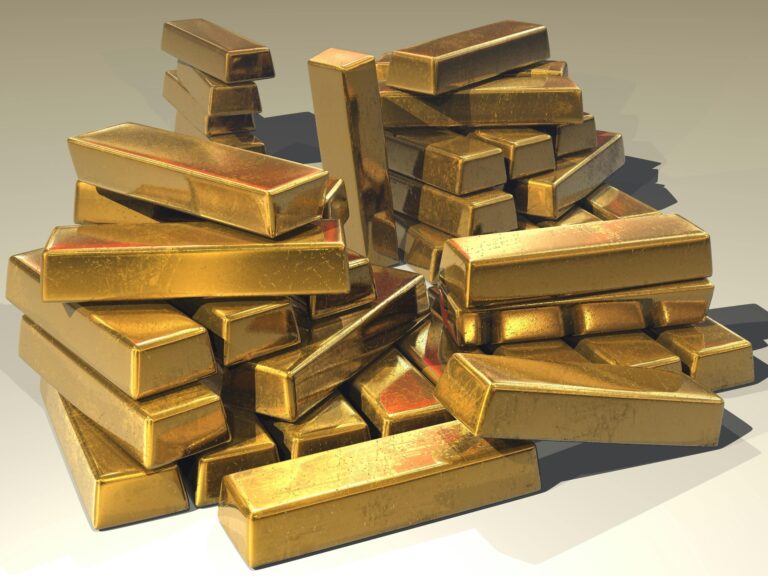
Gold’s record surge demands attention. This guide explains the forces propelling precious metals, offering insights to leverage these trends for robust wealth building.
The financial world recently buzzed with significant news: gold has reached unprecedented heights, climbing above $4,500 per ounce. This monumental achievement, noted by a recognized financial news source, marks a new era for precious metals. Such a remarkable ascent isn’t isolated to gold alone; silver has also witnessed an extraordinary rally, surpassing $75 per ounce and extending its impressive performance to roughly 160% over the past year. These figures underscore a powerful narrative in the global economy, one that savvy investors and wealth builders need to understand to optimize their portfolios.
For those committed to the ‘Work to Wealth’ philosophy, understanding the dynamics behind these record-breaking prices is crucial. It’s not merely about observing a price point; it’s about dissecting the underlying economic forces, market sentiments, and strategic implications for long-term financial prosperity. Precious metals, particularly gold and silver, have historically served as storehouses of value and hedges against uncertainty. Their current performance reinforces their enduring relevance in a diversified investment strategy.
This comprehensive article will delve deep into the factors fueling this historic rally. We will explore the interplay of speculative momentum, macroeconomic conditions, and structural market dynamics. Furthermore, we will provide actionable insights into how you can position your wealth to potentially benefit from these trends, while also acknowledging the inherent risks and considerations associated with investing in such volatile assets. Prepare to understand the intricate dance of market forces that has propelled gold and silver into the financial spotlight, offering both opportunities and challenges for the discerning investor.
Gold’s Record Ascent: What Drove the $4,500 Surge?
The journey of gold to above $4,500 per ounce is a confluence of several powerful market drivers. This isn’t just a random spike; it’s the result of deeply rooted economic and geopolitical currents that have collectively created a near-perfect bullish environment for the yellow metal. Understanding these components is the first step toward appreciating gold’s role in modern wealth accumulation.
Speculative Momentum and Thin Liquidity
One significant factor contributing to gold’s rapid climb, especially towards year-end, has been intense speculative momentum. Traders, anticipating further price increases, have poured capital into gold contracts, driving up demand. This speculative fervor is often amplified by thinning year-end liquidity. With fewer market participants and lower trading volumes, even moderate buying pressure can have a disproportionately large impact on prices, creating sharp upward movements.
This dynamic means that while underlying fundamentals are strong, the speed and magnitude of the recent rally have been partly a function of market structure. Momentum traders, observing the upward trend, jump in, further pushing prices higher in a self-reinforcing cycle. This can be exhilarating but also signals a need for caution, as such sharp movements can reverse quickly if sentiment shifts.
Expectations for Prolonged Monetary Policy Easing
A primary macroeconomic driver behind gold’s impressive run is the expectation of prolonged easing in monetary policy by major central banks. When interest rates are high, non-yielding assets like gold become less attractive because investors forgo the interest income they could earn from bonds or cash. However, when central banks signal or begin to cut rates, this “opportunity cost” diminishes significantly.
The prospect of multiple rate cuts in the coming year, as suggested by market indicators, has made gold a much more appealing asset. Lower rates reduce the appeal of traditional fixed-income investments, prompting investors to seek alternatives that can preserve or grow capital. Gold, with its reputation as a safe-haven asset, naturally benefits from this shift in investment appetite. This policy outlook provides a structural support mechanism for precious metals, influencing investment decisions across institutional and individual portfolios.
A Softer Dollar Environment
The value of the U.S. dollar also plays a crucial role in the pricing of dollar-denominated commodities like gold. A softer dollar typically makes gold cheaper for buyers holding other currencies, thereby increasing demand. Recent trends have seen the dollar weaken against a basket of major currencies, contributing to gold’s upward trajectory. This inverse relationship is a fundamental principle in commodity markets and is often a key indicator for precious metal analysts.
A weakening dollar can stem from various factors, including changing interest rate differentials, trade balances, or shifts in global economic confidence. For investors, monitoring the dollar’s strength is an essential part of assessing the outlook for gold prices. When the dollar loses ground, gold often gains, offering a form of currency hedge for international investors and further boosting its appeal.
Rising Geopolitical Tensions
In times of global uncertainty, political instability, or conflict, investors often flock to safe-haven assets. Gold has historically been the quintessential safe haven, offering a perceived store of value when other asset classes face headwinds. Rising geopolitical tensions in various parts of the world have undoubtedly contributed to increased demand for gold. This demand is driven by a desire to protect wealth from the potential economic fallout of international conflicts or political crises.
These tensions create a sense of unease, encouraging capital to flow into assets perceived as immune to political fluctuations. The intrinsic value of gold, independent of any government or financial institution, makes it a preferred choice during such periods. This factor adds a layer of resilience to gold’s price, demonstrating its enduring role as a hedge against global instability.
Gold’s Strongest Annual Performance Since 1979
It’s important to put the current performance into historical context. The recent surge marks gold’s strongest annual performance since 1979. This historical parallel highlights that while market conditions evolve, the fundamental drivers of gold’s appeal can resurface with significant force. The late 1970s were characterized by high inflation and geopolitical instability, conditions that bear some resemblance to the present economic landscape, further solidifying gold’s reputation as an “old-school hedge” that continues to deliver when it matters most.
This historical precedent serves as a powerful reminder for investors that gold’s role as a wealth protector is not new. Its ability to perform robustly during challenging economic cycles is a testament to its intrinsic characteristics and market perception. For those building long-term wealth, understanding these historical patterns can inform future investment decisions, emphasizing the importance of diversification and strategic asset allocation.
Silver’s Parabolic Climb: Beyond Gold’s Shadow
While gold has captured headlines with its record-breaking performance, silver (XAG/USD) has quietly staged an equally impressive, if not more explosive, rally. Surpassing $75 per ounce for the first time in history and extending its year-to-date rally to approximately 160%, silver’s ascent demonstrates its unique position in the precious metals complex. Its performance is a testament to a distinct set of supply-demand dynamics and market characteristics that set it apart from its yellow counterpart.
Structural Supply Deficits and Industrial Demand
One of the primary drivers behind silver’s parabolic rise is the presence of structural supply deficits. Unlike gold, which is predominantly a monetary asset and store of value, silver has significant industrial applications. It is a critical component in various high-growth industries, including solar panels, electronics, and electric vehicles. The demand from these sectors has been surging, leading to a persistent imbalance where consumption outstrips new mine supply.
This robust industrial demand means that silver’s price is not solely dependent on investor sentiment or macroeconomic fears. It also benefits from tangible, growing industrial consumption. As the global economy transitions towards greener technologies and digitalization, the demand for industrial metals like silver is expected to remain strong, contributing to ongoing supply pressures and upward price momentum.
Designation as a Critical Mineral
Adding to its bullish narrative, silver has been designated as a critical mineral in some regions, including the United States. This designation underscores its strategic importance for national security and economic prosperity. Governments and industries are increasingly recognizing the vital role silver plays in modern technology and manufacturing supply chains. Such recognition can lead to policy support, investment in domestic mining, and increased efforts to secure supply, all of which can bolster silver’s market value.
The “critical mineral” status further highlights silver’s dual nature as both a precious metal and an industrial commodity. This dual role provides multiple avenues for demand growth, making it a compelling asset for investors looking for exposure to both traditional safe-haven properties and the burgeoning green technology sector.
Smaller Market Size and Explosive Price Action
Compared to gold, the silver market is considerably smaller. This smaller market capitalization means that when speculative flows hit, silver’s price action can be naturally more explosive. A given amount of capital entering the silver market can have a more significant impact on prices than the same amount flowing into the larger gold market. This characteristic makes silver particularly attractive to momentum-driven traders seeking higher volatility and potentially larger returns.
However, this explosiveness is a double-edged sword. While it can lead to rapid gains, it also implies greater potential for sharp downturns. Investors must be aware of silver’s inherent volatility and consider it in the context of their overall risk tolerance and investment objectives. For those seeking higher risk-adjusted returns and comfortable with market fluctuations, silver offers a unique opportunity for capital appreciation, especially during periods of strong market momentum.
Macroeconomic Tailwinds and Precious Metals’ Enduring Appeal
The recent surge in gold and silver prices is not an isolated event but rather a symptom of broader macroeconomic forces at play. Understanding these tailwinds is essential for any investor seeking to incorporate precious metals into their wealth strategy. These factors provide a foundational support structure for the long-term appeal of gold and silver as investment assets.
The “Opportunity Cost” of Non-Yielding Assets
One of the most critical macroeconomic concepts influencing precious metals is the “opportunity cost” associated with holding non-yielding assets. Gold and silver, unlike bonds or bank deposits, do not typically generate interest or dividends. In an environment of high interest rates, the opportunity cost of holding precious metals is significant, as investors forgo higher returns elsewhere.
However, when interest rates fall or are expected to fall, this opportunity cost shrinks. As central banks signal or implement rate cuts, the appeal of traditional interest-bearing assets diminishes. This shift encourages investors to reallocate capital towards assets that may not yield income but offer other benefits, such as capital appreciation or inflation hedging. The expectation of future rate cuts is thus a powerful stimulant for precious metals demand.
Inflationary Pressures and Safe Haven Demand
Precious metals, particularly gold, have long been considered a hedge against inflation. When the purchasing power of fiat currencies erodes due to rising prices, gold tends to retain its value or even appreciate, protecting wealth. The current economic environment, marked by concerns over persistent inflation and the potential for increased money supply, enhances gold’s role as an inflation hedge.
Beyond inflation, global uncertainties, including geopolitical tensions and economic instability, drive safe-haven demand. Investors seek assets that can preserve capital during turbulent times. Gold’s historical performance in periods of crisis, coupled with its universal acceptance as a store of value, makes it a natural choice. This safe-haven demand provides a bedrock for its price, independent of day-to-day economic fluctuations.
Currency Dynamics and Global Trade
As mentioned earlier, the strength or weakness of the U.S. dollar significantly impacts gold prices. A weaker dollar makes gold more affordable for international buyers, stimulating demand. Conversely, a stronger dollar can make gold more expensive, potentially dampening demand. Beyond the dollar, broader currency dynamics and global trade balances also influence the flow of capital into and out of commodity markets.
Nations with large trade surpluses or those experiencing currency depreciation might see increased domestic demand for gold as a hedge. Furthermore, the increasing prominence of alternative reserve assets and a gradual shift away from dollar dominance in some international transactions could also indirectly support gold prices over the long term, enhancing its appeal as a global monetary asset.
Investing in Gold and Silver: Strategies for Wealth Builders
For investors looking to integrate precious metals into their wealth-building strategy, understanding the various avenues available is crucial. While the recent price surges are attractive, a disciplined approach, tailored to individual risk tolerance and financial goals, is paramount. There are several ways to gain exposure to gold and silver, each with its own set of advantages and considerations.
Physical Gold and Silver: Tangible Assets
The most traditional way to invest in precious metals is through direct ownership of physical gold and silver. This includes buying bullion bars, coins, or rounds. The primary appeal of physical assets is their tangibility and the peace of mind that comes with holding a real asset that is not subject to counterparty risk.
However, physical ownership comes with its own set of challenges. Storage can be costly and requires secure facilities. Insurance is also necessary to protect against theft or loss. Moreover, buying and selling physical metals often involves premiums over the spot price and requires finding reputable dealers. Despite these considerations, many investors value the security and direct ownership that physical precious metals provide, especially as a long-term store of value.
Exchange-Traded Funds (ETFs) and Similar Instruments
For investors seeking a more liquid and convenient way to gain exposure to precious metals, Exchange-Traded Funds (ETFs) or similar trust instruments are popular options. These funds typically hold physical gold or silver in vaults and issue shares that trade on major stock exchanges. Investing in precious metal ETFs allows investors to participate in price movements without the complexities of physical storage or insurance.
ETFs offer excellent liquidity, allowing for easy buying and selling through a brokerage account. They also typically have lower transaction costs compared to buying physical metal directly. However, investors in ETFs do not own the physical metal directly; they own shares in a fund that holds the metal. While generally secure, this introduces a level of counterparty risk, as the fund itself is the owner of the assets. It’s important to choose ETFs from reputable providers with transparent holdings.
Mining Stocks: Indirect Exposure and Growth Potential
Another way to invest in precious metals is through mining stocks. These are shares of companies involved in the exploration, extraction, and production of gold and silver. Investing in mining stocks offers indirect exposure to precious metal prices, but also introduces company-specific risks and opportunities.
Mining companies can offer leverage to metal prices; their profits can increase significantly when metal prices rise, leading to potentially higher stock returns. However, they are also subject to operational risks, management quality, geopolitical risks in mining regions, and production costs. Investors in mining stocks are essentially betting on the company’s ability to efficiently extract and sell the metal, in addition to the metal price itself. This avenue might be suitable for investors willing to undertake more research and risk for potentially higher rewards.
Digital Precious Metals and Futures Contracts
For technologically inclined investors, digital precious metals platforms offer another avenue. These platforms allow for the purchase and fractional ownership of physical gold and silver, often stored in secure vaults and redeemable for physical metal. They bridge the gap between physical ownership and digital convenience. While relatively new, these platforms aim to make precious metals investing more accessible.
More sophisticated investors might consider futures contracts, which are agreements to buy or sell a commodity at a predetermined price on a future date. Futures offer significant leverage but come with high risk and are generally suitable only for experienced traders. They are primarily used for speculation or hedging by institutional players and require a deep understanding of market dynamics and margin requirements.
Risks and Considerations in Precious Metals Investing
While the allure of soaring prices in gold and silver is strong, a balanced wealth-building strategy always accounts for potential risks. Precious metals, like any investment, are subject to various factors that can impact their value. Understanding these considerations is paramount for making informed decisions and protecting your capital.
Market Volatility
One of the most significant risks associated with investing in precious metals, especially silver, is market volatility. While volatility can lead to substantial gains, it can also result in significant losses. Prices can fluctuate wildly in response to economic news, geopolitical events, changes in interest rate expectations, and shifts in investor sentiment.
Investors must be prepared for these price swings and avoid making impulsive decisions based on short-term market movements. A long-term perspective and a clear understanding of personal risk tolerance are crucial when navigating the volatile nature of precious metals markets.
Lack of Income Generation
Unlike stocks that can pay dividends or bonds that generate interest, physical gold and silver typically do not produce income. Their return on investment comes solely from price appreciation. This characteristic means that while held, precious metals may not contribute to a regular cash flow for investors, which can be a consideration for those relying on investment income.
The lack of yield can be a drawback in certain market conditions, particularly when interest rates are high. Investors must weigh the potential for capital gains against the opportunity cost of not earning income from other asset classes.
Storage and Security Costs for Physical Assets
For those who choose to invest in physical gold and silver, the costs associated with storage and security are a practical consideration. Storing large quantities of precious metals safely often requires secure vaulting services, which come with fees. Insurance is also necessary to protect against theft or damage. These ongoing costs can eat into overall returns, particularly for smaller holdings.
While home storage might seem appealing, it carries significant risks related to theft and inadequate insurance coverage. Investors must carefully evaluate the security measures and costs associated with physical ownership to ensure their investment remains protected and cost-effective.
Market Sentiment and Psychological Factors
The prices of precious metals are heavily influenced by market sentiment and psychological factors. Fear, uncertainty, and speculative enthusiasm can drive prices up, sometimes beyond what fundamentals might suggest. Conversely, a return of confidence in the broader economy or a shift away from risk aversion can cause prices to retreat rapidly.
This reliance on sentiment means that precious metals can sometimes behave irrationally from a purely fundamental perspective. Investors need to be aware of the psychological component of precious metals markets and avoid being swayed by herd mentality. Disciplined research and adherence to a personal investment strategy are vital.
Counterparty Risk with Derivative Products
When investing in precious metals through derivative products like ETFs, futures, or unallocated accounts, investors introduce counterparty risk. While highly regulated, these instruments involve a third party (the fund issuer, broker, or bank) that holds the underlying asset or is obligated to fulfill the contract. In rare scenarios, the failure of a counterparty could lead to losses.
It is important to select reputable providers for such investments and understand the underlying structure of the product. For example, some ETFs claim to be fully backed by physical metal, while others use derivatives to mimic price movements. Due diligence is crucial to understand exactly what you are investing in and the risks involved.
The Future of Precious Metals: Sustaining the Spark
With gold and silver marking historic highs, the natural question for wealth builders is: can this momentum be sustained? The factors that propelled these metals to unprecedented levels are likely to persist, albeit with fluctuating intensity, offering continued support for their value in the long run. Understanding these enduring trends is key to strategizing for the future.
Continued Monetary Policy Influence
The expectation of continued monetary policy easing, with global central banks anticipating rate cuts, remains a significant structural support for precious metals. While the exact timing and magnitude of these cuts may vary, the overall trajectory towards a lower interest rate environment diminishes the opportunity cost of holding non-yielding assets. This fundamental shift in monetary policy creates a favorable backdrop for gold and silver, making them more attractive relative to interest-bearing instruments.
Beyond direct rate cuts, central bank actions regarding quantitative easing or other liquidity measures can also influence precious metal prices. Any policy that increases the money supply or signals a commitment to economic stimulus tends to be bullish for gold, given its inflation-hedging properties.
Inflationary Pressures and Currency Debasement
Global economic trends suggest that inflationary pressures may remain a persistent concern. Supply chain disruptions, geopolitical events impacting commodity prices, and expansionary fiscal policies can all contribute to rising costs. In such an environment, gold continues to serve as a vital hedge against the erosion of purchasing power, preserving wealth when currencies lose value.
Furthermore, ongoing concerns about government debt levels and the potential for currency debasement in the long term reinforce gold’s role as a store of value. As global financial systems evolve, the perceived stability and independence of precious metals offer a compelling alternative to traditional fiat currencies.
Growing Industrial and Technological Demand for Silver
Silver’s future outlook is further bolstered by its indispensable role in the rapidly expanding green technology sector. Demand from solar panel manufacturing, electric vehicles, 5G technology, and medical applications is set to continue its robust growth trajectory. As the world transitions to a more sustainable and digitally connected future, silver’s industrial consumption is likely to remain strong, contributing to persistent supply deficits.
This growing industrial demand provides a floor for silver prices and adds a unique dimension to its investment case, distinguishing it from gold’s predominantly monetary role. Investors seeking exposure to both traditional safe-haven characteristics and secular growth trends in technology will find silver an increasingly attractive component of their portfolio.
Geopolitical Landscape and Safe Haven Demand
The global geopolitical landscape remains complex and uncertain. Conflicts, political instability, and economic rivalries continue to fuel demand for safe-haven assets. As long as these tensions persist, gold will likely maintain its appeal as a reliable asset during times of crisis. Its universal acceptance and independence from national financial systems make it an enduring choice for wealth protection.
Investors should continue to monitor global events, as significant geopolitical developments can trigger immediate and substantial flows into precious metals. This aspect reinforces the diversification benefits of holding gold in a portfolio, offering a counterbalance to assets more exposed to political or economic turbulence.
The Role of Diversification in a Modern Portfolio
Ultimately, the enduring spark of precious metals lies in their role as diversifiers within a well-constructed portfolio. They often exhibit a low or negative correlation with traditional asset classes like stocks and bonds, particularly during periods of market stress. This diversification benefit can help reduce overall portfolio volatility and enhance risk-adjusted returns.
For wealth builders, including a strategic allocation to gold and silver is not merely about chasing high prices, but about building resilience. It’s about ensuring that your portfolio is robust enough to withstand various economic scenarios, from inflationary periods to market downturns. The current record highs simply underscore the powerful and lasting relevance of precious metals in achieving long-term financial security and growth.
Final Thoughts: Embracing the Enduring Value of Precious Metals
The historic surge of gold above $4,500 and silver past $75 represents more than just impressive market statistics; it signifies a profound shift in global economic sentiment and investment priorities. For those dedicated to building and preserving wealth, these milestones offer critical lessons and compelling opportunities. Precious metals have once again demonstrated their vital role as not just commodities, but as foundational pillars of financial stability and growth in an unpredictable world.
The forces driving this rally—ranging from strategic speculative positioning and diminishing opportunity costs in a lower interest rate environment to the persistent safe-haven demand fueled by geopolitical tensions and silver’s burgeoning industrial utility—are complex but interconnected. Understanding these dynamics is the cornerstone of informed investment. It equips investors with the foresight to navigate market cycles and make decisions that align with their long-term financial objectives.
While the allure of rapid appreciation is strong, a prudent approach to investing in gold and silver requires careful consideration of the risks involved. Volatility, storage costs, and the absence of income generation are important factors to weigh. Diversification, through physical assets, ETFs, or even mining stocks, allows for tailored exposure that matches individual risk appetites and wealth-building timelines.
As we look to the future, the structural supports for precious metals appear robust. Anticipated monetary policy shifts, ongoing inflationary pressures, and the undeniable industrial demand for silver, combined with a persistent need for safe havens, suggest that gold and silver will continue to command significant attention from investors globally. Their enduring value as hedges against uncertainty and stores of wealth remains undiminished, making them indispensable components of a resilient and diversified portfolio.
For every individual on their ‘Work to Wealth’ journey, the lesson from these record-breaking performances is clear: strategic inclusion of precious metals is not a mere trend following, but a timeless principle of prudent financial management. By understanding the forces at play and making thoughtful, informed investment choices, you can leverage the power of gold and silver to fortify your financial future and achieve lasting prosperity.
Frequently Asked Questions
Why are gold prices climbing so dramatically right now, causing investor confusion?
The current surge in gold prices above $4,500 is driven by several factors, including strong speculative momentum, thinning year-end market liquidity, expectations of prolonged monetary policy easing (lower interest rates), a softening U.S. dollar, and rising geopolitical tensions. These elements create a “near-perfect bullish setup” by making non-yielding assets like gold more attractive and increasing safe-haven demand, helping to alleviate investor confusion about its value.
How can I add precious metals to my existing investment portfolio to enhance its stability?
You can add precious metals to your portfolio in several ways to enhance stability and diversification. Options include buying physical gold and silver (bullion, coins), investing in Exchange-Traded Funds (ETFs) that hold physical metals, or purchasing stocks of reputable mining companies. Each method offers different levels of liquidity, risk, and direct ownership, allowing you to choose what best fits your financial goals and risk tolerance.
What are the primary risks associated with investing in gold and silver that concern new investors?
New investors often concern themselves with the risks of precious metals. Key risks include significant market volatility (especially for silver), the lack of income generation (no dividends or interest), storage and security costs for physical assets, and the influence of market sentiment and psychological factors on prices. Understanding these risks helps mitigate concern and allows for a more informed investment decision.
Is this a temporary spike, or are gold and silver likely to maintain high values, alleviating my long-term worries?
While short-term volatility is always possible, many underlying factors suggest that gold and silver could maintain high values over the long term, helping to alleviate long-term worries. Persistent expectations for monetary policy easing, ongoing inflationary pressures, continued geopolitical tensions driving safe-haven demand, and robust industrial demand for silver (especially in green technologies) provide strong structural support. Precious metals historically act as hedges against uncertainty, reinforcing their long-term appeal.
Beyond direct ownership, what other ways can I invest in precious metals to diversify my approach?
Beyond direct physical ownership, you can diversify your investment in precious metals through several other avenues. These include investing in Exchange-Traded Funds (ETFs) or similar trust instruments that track metal prices, purchasing shares of gold and silver mining companies for indirect exposure, or exploring digital precious metal platforms that allow fractional ownership. More experienced investors might consider futures contracts for leveraged exposure.