

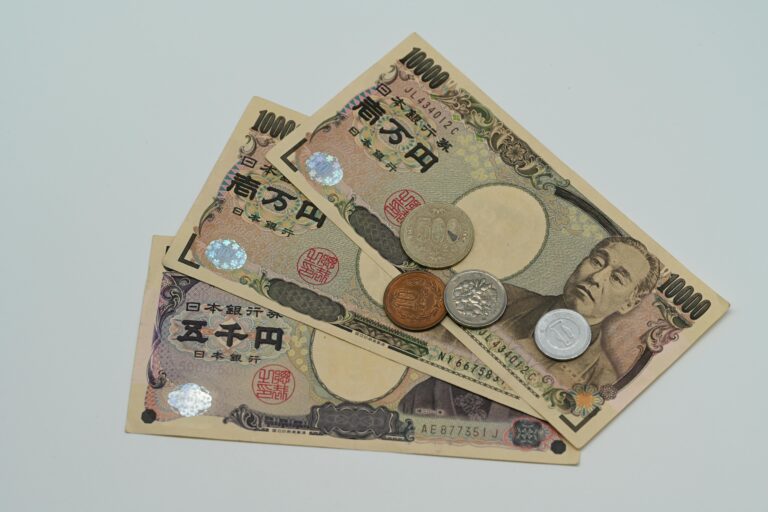
Japanese Yen strength signals major economic shifts. Discover how diverging central bank policies and global events impact your investments, and fortify your financial future against currency volatility.
Japanese Yen Ascends: Shielding Your Wealth in Global Shifts
The global financial landscape is constantly evolving, presenting both opportunities and challenges for the astute investor. Recent movements in the currency markets, particularly the notable ascent of the Japanese Yen, highlight the critical interplay of central bank policies, geopolitical events, and economic indicators. For those dedicated to building and preserving wealth, understanding these dynamics is not merely an academic exercise; it is an essential component of a robust financial strategy.
Currently, the Japanese Yen is demonstrating significant strength against major currencies, particularly the US Dollar. This trend is not isolated but is a consequence of several powerful forces converging simultaneously. At the forefront is a pronounced divergence in the monetary policy outlooks of the world’s leading central banks: the Bank of Japan (BoJ) and the US Federal Reserve (Fed). While the BoJ signals a hawkish turn, indicating a potential continuation of interest rate hikes, the Fed appears to be leaning towards future policy easing, creating a stark contrast that significantly influences capital flows and currency valuations.
Beyond central bank machinations, a backdrop of heightened geopolitical uncertainties further bolsters the Japanese Yen’s appeal as a traditional safe-haven asset. Tensions in various regions, from oil-producing nations to Eastern Europe and the Middle East, prompt investors to seek stability, often leading them towards currencies perceived as less susceptible to global turmoil. These intertwined factors collectively drive the yen’s current outperformance, shaping an environment that savvy wealth builders must comprehend to make informed decisions.
For individuals and families aiming for long-term financial security, a strong Japanese Yen and a weaker US Dollar carry multifaceted implications. It affects the value of international investments, influences the cost of global trade, and can even alter spending power for those with overseas interests. Therefore, delving into the specifics of these developments offers crucial insights for safeguarding and growing one’s wealth amidst an increasingly interconnected global economy.
The Central Bank Divergence Fueling Japanese Yen Strength
The primary catalyst behind the Japanese Yen’s recent climb lies in the contrasting signals emanating from the Bank of Japan and the US Federal Reserve. These two powerful institutions, each steering an economy of immense global significance, are currently moving in opposite directions regarding their monetary policy stances. This divergence creates powerful currents in the foreign exchange market, directly impacting currency valuations and, by extension, global investment portfolios.
Bank of Japan’s Hawkish Shift
For many years, the Bank of Japan maintained an ultra-loose monetary policy, characterized by negative interest rates and massive asset purchases, in an effort to combat deflation and stimulate economic growth. However, recent developments suggest a significant pivot. Minutes from the BoJ’s October meeting revealed an internal debate among board members concerning the necessity of continued interest rate increases. This discussion signaled a potential departure from the long-standing accommodative stance, especially if economic price forecasts—particularly inflation targets—continue to materialize. Subsequently, at a December meeting, the central bank indeed raised its policy rate to 0.75%, reaching a 30-year high, while explicitly keeping the door open for further tightening measures.
This shift from dovish to increasingly hawkish rhetoric by the BoJ fundamentally alters the investment landscape for the Japanese Yen. Higher interest rates make a currency more attractive to foreign investors seeking better returns on their fixed-income holdings. As these investors flock to yen-denominated assets, demand for the currency rises, naturally pushing its value higher. This move represents a monumental change for Japan, potentially ending decades of deflationary pressures and setting the stage for a new economic era. For global investors, it means re-evaluating the role of Japanese assets in their diversified portfolios and acknowledging the renewed strength of the yen.
Federal Reserve’s Easing Bets
In stark contrast to the BoJ’s tightening signals, the US Federal Reserve appears to be preparing for a period of policy easing. Market participants are increasingly betting on future rate cuts by the Fed, with some projections suggesting two or more cuts in the coming year. This expectation stems from a combination of moderating inflation, signs of a cooling labor market, and a general desire to avoid a significant economic slowdown. While the Fed has maintained higher rates for some time to combat persistent inflation, the narrative is now shifting towards a more accommodative stance.
The prospect of lower interest rates in the United States makes the US Dollar less appealing to international investors who might seek higher yields elsewhere. When the expected return on dollar-denominated assets diminishes, capital tends to flow out of the US and into currencies or markets offering better prospects. This “selling bias” against the US Dollar directly contributes to its weakening against other major currencies, including the Japanese Yen. For wealth builders, a weaker dollar means that the relative value of their US-based assets, when converted to other currencies, may decline. Conversely, it can make foreign investments more attractive or less expensive for dollar-denominated portfolios.
Why Divergence Matters for Your Portfolio
The powerful divergence between the BoJ and the Fed creates a significant macroeconomic force that cannot be ignored by anyone managing their wealth. It directly influences:
- Investment Returns: The relative attractiveness of bonds and other fixed-income securities in different countries changes. Higher yields in Japan could draw capital away from lower-yielding US assets.
- Currency Exposure: For investors with international portfolios, changes in currency values can significantly impact overall returns. A stronger Japanese Yen means that yen-denominated assets increase in value when converted back to a weaker US Dollar.
- Diversification Strategies: This divergence underscores the importance of currency diversification. Holding assets denominated in multiple strong currencies can help cushion a portfolio against weakness in any single currency.
Understanding these fundamental shifts in central bank policy is paramount. They are not merely abstract economic concepts but tangible forces that can erode or enhance your purchasing power and the real value of your investments.
Geopolitical Undercurrents and the Japanese Yen’s Safe-Haven Appeal
Beyond the realm of central bank policies, global geopolitical tensions play a significant, often overlooked, role in currency dynamics. In times of uncertainty and instability, investors instinctively seek refuge in assets perceived as safe and reliable. The Japanese Yen has long held a reputation as a quintessential safe-haven currency, and current global events are reinforcing this status, contributing further to its upward trajectory.
A World Adrift: Sources of Instability
The present global environment is fraught with multiple, overlapping geopolitical risks:
- US-Venezuela Tensions: Actions taken by the United States against vessels carrying Venezuelan oil create unease in energy markets and international relations.
- Russia-Ukraine War: The protracted conflict continues to escalate, maintaining a high level of uncertainty across Europe and impacting global supply chains and commodity prices.
- Potential Israel-Iran Conflict: The risk of a renewed and expanded conflict in the Middle East looms large, threatening to destabilize a critical oil-producing region and potentially drawing in other global powers.
These complex and unpredictable situations generate widespread anxiety among investors. When the future appears less certain, capital tends to flow away from riskier assets and into those considered more secure. This flight to safety is a powerful mechanism that can drive currency valuations irrespective of underlying economic fundamentals in the short term.
Why the Japanese Yen is a Safe-Haven
The Japanese Yen has earned its safe-haven status for several compelling reasons:
- Strong External Position: Japan is a significant creditor nation, meaning its citizens and institutions hold vast amounts of foreign assets. In times of crisis, these assets are often repatriated, converting foreign currency back into yen, thus boosting its demand.
- Low Inflation Environment: Historically, Japan has struggled with low inflation, making the purchasing power of the yen relatively stable compared to currencies in high-inflation environments.
- Political Stability: Despite occasional political shifts, Japan is generally perceived as a politically stable and mature democracy, which offers a sense of reliability to global investors.
- High Liquidity: The Japanese Yen is one of the most heavily traded currencies globally, ensuring that investors can easily buy and sell it, even during periods of market stress.
When geopolitical clouds gather, investors prioritize the preservation of capital over seeking high returns. This defensive posture naturally leads to increased demand for the Japanese Yen. For the wealth builder, understanding this dynamic is crucial. It explains why a currency might strengthen even when domestic economic news isn’t overwhelmingly positive, and it highlights the yen’s potential role as a defensive asset within a diversified portfolio, offering a measure of protection during turbulent times.
Understanding Currency Movements and Your Portfolio’s Exposure
The rise of the Japanese Yen and the corresponding weakness of the US Dollar are not isolated events confined to the trading screens of currency speculators. These significant shifts in exchange rates have tangible, far-reaching implications for individual investors and their long-term wealth management strategies. Recognizing how currency movements interact with your investment portfolio is a fundamental step towards effective financial planning.
Direct Impact on International Investments
For those who hold international assets, the direct impact of currency fluctuations is immediately evident.
- Foreign Stocks and Bonds: If you own stocks in a Japanese company, or bonds denominated in yen, a strengthening Japanese Yen against your home currency (e.g., the US Dollar) means that the value of those investments, when converted back to your home currency, increases. Your returns are boosted not only by the performance of the underlying asset but also by the favorable currency translation. Conversely, if your home currency strengthens against the yen, the foreign asset’s value diminishes upon conversion.
- Real Estate Abroad: Investing in property overseas also carries currency risk and opportunity. A stronger yen makes purchasing real estate in Japan more expensive for dollar holders but increases the dollar value of existing yen-denominated property assets for those who already own them.
- Diversification Benefits: Currency movements underscore the importance of international diversification. By holding assets in multiple countries and currencies, you inherently mitigate the risk associated with a single currency’s performance. When one currency weakens, another might strengthen, helping to balance your overall portfolio.
Indirect Impact on Global Trade and Inflation
Currency fluctuations also have a broader, indirect impact that affects all investors, regardless of their direct foreign asset holdings.
- Import/Export Costs: A stronger Japanese Yen makes Japanese exports more expensive for foreign buyers but makes imports into Japan cheaper. For a weaker US Dollar, US exports become more attractive, while imports become more costly for American consumers. These shifts can affect the profitability of multinational corporations and the prices consumers pay for goods.
- Inflationary Pressures: A weaker home currency can contribute to inflation by making imported goods more expensive. Conversely, a stronger currency can dampen inflation. For example, if the US Dollar continues to weaken, the cost of imported goods in the US could rise, potentially impacting the purchasing power of US-dollar denominated savings and investments. Central banks closely monitor these effects as they inform their monetary policy decisions.
- Commodity Prices: Many global commodities, such as oil and gold, are priced in US Dollars. When the dollar weakens, it generally makes these commodities cheaper for holders of other currencies, which can increase demand and push prices higher. This interplay affects energy costs, manufacturing inputs, and the profitability of related industries, influencing the broader stock market.
For the prudent wealth builder, currency movements are not just abstract economic data points. They are powerful forces that can enhance or diminish the real value of their assets, influence living costs, and dictate the attractiveness of various investment opportunities. Integrating an awareness of these dynamics into your financial strategy is a hallmark of sophisticated wealth management.
The US Economic Landscape: A Backdrop for Dollar Weakness
The recent depreciation of the US Dollar, which has provided fertile ground for the Japanese Yen’s appreciation, is deeply rooted in the evolving economic landscape of the United States. While the US economy has demonstrated remarkable resilience, certain indicators suggest a shift that influences Federal Reserve policy and, consequently, the dollar’s global standing. Understanding these underlying economic trends is vital for any investor assessing the future direction of major currency pairs.
Recent US Economic Data: A Mixed Picture
Recent economic reports from the United States have presented a complex and often contradictory picture:
- GDP Growth Figures: On one hand, the US economy demonstrated robust growth, expanding at a 4.3% annualized pace during a recent quarter. This figure surpassed consensus estimates and outpaced previous quarter’s growth. Such strong GDP numbers typically suggest a healthy economy that might support a stronger currency. However, this strength alone has not been enough to offset other factors contributing to dollar weakness.
- Durable Goods Orders: In contrast, US Durable Goods Orders experienced a notable decline of 2.2% in October, following a modest increase in the prior month and falling below market expectations. This decrease suggests a potential cooling in business investment and consumer spending on big-ticket items, which could signal a broader economic slowdown.
- Consumer Confidence: A sharp fall in consumer confidence in December further underscored concerns about future economic health. When households become more cautious about their financial prospects and the broader economy, it often translates into reduced spending, a critical component of economic growth.
- Initial Weekly Jobless Claims: Forthcoming data on jobless claims will be closely watched. A rise in claims would indicate a softening labor market, potentially reinforcing the Fed’s inclination towards rate cuts.
This mixed bag of economic data creates a challenging environment for the Federal Reserve. While some indicators point to strength, others hint at underlying vulnerabilities. The market’s interpretation of this data directly feeds into expectations for future interest rate policy, which, in turn, influences the US Dollar’s trajectory.
The Shadow of Political Influence
Adding another layer of complexity, political rhetoric occasionally enters the discussion around monetary policy. Statements from prominent political figures, such as a former US President declaring that the candidate for Fed Chair must commit to lowering rates even in a performing economy, can introduce an element of uncertainty. While central banks are designed to be independent, such comments can influence market sentiment and potentially place indirect pressure on policy decisions, further clouding the outlook for the US Dollar.
Implications for Wealth Builders
For wealth builders, the evolving US economic landscape, coupled with the potential for Fed easing, carries several implications:
- Dollar-Denominated Assets: A persistent weakening of the US Dollar could erode the relative value of investments solely denominated in dollars, particularly for those with international spending needs or a desire for global purchasing power.
- Inflation Expectations: If a weaker dollar leads to higher import costs, it could fuel domestic inflation, affecting the real returns on cash and fixed-income investments.
- Investment Opportunities: Conversely, a weaker dollar makes US exports more competitive and can boost the earnings of multinational corporations based in the US. It might also make US assets more attractive for foreign investors.
Monitoring these economic indicators and understanding their potential impact on Federal Reserve policy is crucial for anticipating currency movements. A clear grasp of these dynamics allows for more informed adjustments to an investment strategy, ensuring that a portfolio remains resilient against shifting economic tides.
Investing Beyond Borders: Strategic Considerations for the Prudent Investor
The ascendancy of the Japanese Yen and the broader theme of central bank divergence emphatically underscore the necessity of a global perspective in wealth management. For the astute investor, building and preserving wealth extends far beyond domestic markets. It involves a thoughtful approach to international exposure, currency risk, and strategic diversification. Ignoring these factors in an increasingly interconnected world can leave a portfolio vulnerable to significant fluctuations and missed opportunities.
Embracing International Exposure
A globally diversified portfolio is a cornerstone of modern wealth management. It acknowledges that no single economy or market will perpetually outperform all others.
- Global Equity and Bond Markets: Investing in stocks and bonds from various countries, including Japan, offers exposure to different economic cycles, industry sectors, and growth drivers. When the Japanese Yen strengthens, the local market performance of Japanese companies, if translated to a weaker dollar, can provide a significant boost to overall portfolio returns. This helps to smooth out volatility and capture growth wherever it occurs.
- Diversification Benefits: International investments inherently provide diversification against specific country risks. Economic downturns, political instability, or adverse policy changes in one nation can be offset by more favorable conditions elsewhere. Currency movements are a key component of this diversification.
- Emerging Market Opportunities: While the current focus is on developed markets like Japan and the US, a global outlook also includes strategically allocating to emerging markets, which can offer higher growth potential (albeit with higher risk) and further currency diversification.
Managing Currency Risk
Investing internationally inherently introduces currency risk, which is the risk that changes in exchange rates will negatively affect the value of foreign investments. However, this risk can also present opportunities.
- Understanding Your Exposure: The first step is to identify where your portfolio has currency exposure. Do you hold assets directly in foreign currencies? Are your international mutual funds or exchange-traded funds (ETFs) currency-hedged or unhedged?
- Currency Hedging Strategies: For investors who want to mitigate currency fluctuations, some investment vehicles offer currency hedging. This typically involves using financial instruments (like forward contracts or options) to lock in an exchange rate, thereby neutralizing the impact of currency movements on the foreign asset’s returns. While hedging can protect against downside, it also foregoes potential upside from favorable currency movements, such as the current strengthening of the Japanese Yen.
- Natural Hedging: Some investors achieve a form of natural hedging by having expenses or income in multiple currencies. For example, if you plan to retire in Europe, holding a portion of your portfolio in Euros could naturally hedge against US Dollar weakness relative to the Euro.
Impact on Travel and International Expenditures
For individuals with a global lifestyle, or those planning international travel or education for their children, currency movements have a very direct impact on their purchasing power.
- Travel Costs: A stronger Japanese Yen means that a trip to Japan will be more expensive for US Dollar holders, as more dollars are required to buy the same amount of yen. Conversely, for someone earning in yen, travel to the US becomes cheaper.
- International Education/Living: If you are funding education abroad or living as an expatriate, favorable currency movements can reduce your costs, while unfavorable ones can significantly increase them. Planning for these fluctuations, perhaps by holding a portion of savings in the relevant foreign currency, can be a wise strategy.
The prudent investor recognizes that a diversified portfolio extends beyond merely spreading investments across different asset classes. It involves a thoughtful consideration of geographical exposure and currency dynamics. By actively incorporating these elements into your financial strategy, you are better equipped to navigate global economic shifts and enhance your long-term wealth.
Strategic Adjustments for Long-Term Wealth in a Shifting Currency Landscape
As the Japanese Yen continues its ascent and the US Dollar faces headwinds, long-term wealth builders must consider how these significant currency movements might necessitate strategic adjustments to their portfolios. A proactive approach, rather than a reactive one, can help preserve capital, mitigate risks, and position your wealth for continued growth amidst global economic transformations. These are not calls for immediate, drastic changes, but rather a prompt for careful review and potential rebalancing within a well-defined financial plan.
Rebalancing Portfolios with a Global Lens
Rebalancing is a fundamental practice in wealth management, ensuring that your portfolio’s asset allocation remains aligned with your risk tolerance and financial goals. In light of currency shifts, this process takes on an international dimension:
- Reviewing International Allocations: Assess your current exposure to international markets, particularly those influenced by the Japanese Yen or the US Dollar. Has the strengthening yen made your existing Japanese equity or bond holdings a larger percentage of your portfolio than intended?
- Adjusting for Over/Underweight Positions: If certain regions or currency exposures have become overweight due to favorable currency movements and asset performance, it might be prudent to trim those positions. Conversely, if an area is now underweight but offers compelling value (considering both asset price and currency), increasing exposure could be beneficial.
- Considering Currency-Specific Instruments: For targeted currency exposure or hedging, exploring currency-specific ETFs or funds could be an option. These instruments allow investors to gain exposure to or hedge against the performance of a specific currency like the Japanese Yen without directly investing in foreign stocks or bonds.
The Role of International Bonds in Diversification
Bonds are often seen as a bedrock of portfolio stability. International bonds, particularly those from countries with strengthening currencies or diverging monetary policies, can offer unique diversification benefits:
- Yield Differential: As the Bank of Japan considers further rate hikes, Japanese bond yields could become more attractive relative to US Treasury yields, especially if the Fed moves towards easing. This yield differential can draw capital into yen-denominated bonds.
- Currency Cushion: High-quality international bonds denominated in a strengthening currency like the Japanese Yen can provide a buffer during periods when domestic equities or currencies are under pressure. They offer both interest income and potential currency appreciation.
- Reduced Correlation: Global bond markets often have different cycles than global equity markets, and even different domestic bond markets. Including a diverse mix of international bonds can help reduce overall portfolio volatility.
Evaluating Broader Global Opportunities
Beyond the direct impact of the Japanese Yen and US Dollar, these macro trends often signal broader shifts in the global economic power dynamic.
- Emerging Markets: A weaker US Dollar can often be beneficial for emerging markets. Many emerging market economies borrow in dollars, so a weaker dollar makes their debt easier to service. This can lead to improved economic conditions and stronger equity market performance in these regions.
- Commodities: As mentioned, a weaker dollar typically supports commodity prices, as they become cheaper for non-dollar holders. Investors might consider increasing exposure to commodity-related assets or companies that benefit from higher commodity prices.
- Sectoral Shifts: Analyze how currency movements affect various economic sectors. Export-oriented companies in a country with a weakening currency might see improved competitiveness, while import-reliant companies might face higher costs.
The Imperative of Staying Informed
In an environment characterized by rapid change, the most crucial strategic adjustment is a commitment to continuous learning and staying informed.
- Monitor Central Bank Communications: Keep an eye on announcements and minutes from the Bank of Japan, the Federal Reserve, and other major central banks. Their rhetoric and actions are primary drivers of currency markets.
- Track Key Economic Indicators: Pay attention to inflation data, GDP reports, employment figures, and consumer confidence surveys from major economies. These provide insights into the underlying health of economies and future policy directions.
- Consult Financial Advisors: For complex adjustments, engaging with a qualified financial advisor who specializes in international investing can provide personalized guidance tailored to your specific financial situation and goals.
Strategic adjustments in response to currency shifts are not about chasing short-term gains but about ensuring your long-term wealth strategy remains robust and adaptable. By thoughtfully considering the implications of a strong Japanese Yen and a dynamic US Dollar, you empower your portfolio to thrive through evolving global conditions.
The Road Ahead for the Japanese Yen: What Wealth Builders Should Monitor
The current strength of the Japanese Yen is a significant development, but currency markets are notoriously dynamic. For wealth builders, the key is not just understanding past movements but anticipating future trajectories. Several critical factors will continue to influence the Japanese Yen’s path, and astute investors should closely monitor these elements to refine their long-term financial strategies.
Upcoming Economic Data and Central Bank Signals
The immediate focus for Japanese Yen watchers will be the release of the Tokyo CPI (Consumer Price Index) report. This inflation data point is particularly crucial as it directly feeds into the Bank of Japan’s considerations for future monetary policy.
- Tokyo CPI Report: A strong inflation reading in Tokyo would likely reinforce the BoJ’s hawkish stance, increasing the probability of further interest rate hikes. This would, in turn, provide additional support for the Japanese Yen. Conversely, a weaker-than-expected inflation figure might lead the BoJ to pause or delay further tightening, potentially dampening yen enthusiasm.
- BoJ’s Forward Guidance: Beyond explicit rate changes, the BoJ’s communications – including speeches from board members, meeting minutes, and economic outlook reports – will be scoured for clues about their future intentions. Any indication of an accelerating pace of tightening or a prolonged period of higher rates will bolster the yen.
- Global Economic Health: Broader global economic conditions, particularly in key trading partners, will also impact Japan’s economic outlook and, by extension, the yen. A robust global economy could support Japanese exports and inflation, while a downturn might complicate the BoJ’s tightening plans.
The Federal Reserve’s Policy Path
While the focus is on the Japanese Yen, the actions of the US Federal Reserve will continue to be a primary driver of the USD/JPY currency pair.
- Fed Rate Decisions: Any actual rate cuts by the Fed would almost certainly lead to further US Dollar depreciation, amplifying the relative strength of the Japanese Yen. Conversely, if the Fed surprises by maintaining a more hawkish stance than anticipated, the dollar could recover some ground.
- US Economic Data: Key US economic indicators, such as inflation (CPI, PCE), employment figures (non-farm payrolls, unemployment rate), and manufacturing data, will heavily influence the Fed’s decisions. Stronger US data might reduce the urgency for rate cuts, while weaker data could hasten them.
Geopolitical Landscape Evolution
The Japanese Yen’s safe-haven appeal means that any escalation or de-escalation of global conflicts will have a direct bearing on its value.
- Conflict Resolution: Should geopolitical tensions ease significantly in areas like Eastern Europe, the Middle East, or other flashpoints, the demand for safe-haven assets, including the Japanese Yen, could diminish.
- New Uncertainties: Conversely, the emergence of new geopolitical risks or the intensification of existing ones would likely spur further safe-haven flows into the yen, reinforcing its strength.
Technical Analysis Outcomes (Broader Implications)
While often associated with short-term trading, the underlying themes identified by technical analysis can offer a broader perspective on market sentiment for long-term investors. For instance, the mention of a “bearish double-top pattern” and a “weekly downtrend” in USD/JPY suggests a prevailing sentiment among market participants for continued dollar weakness against the yen. While individual investors don’t trade based on these patterns, the consensus reflected by them indicates sustained pressure on the pair. A confirmed break below significant psychological or technical levels (like 155.00 or 154.50) could signal a more entrenched trend, prompting further shifts in global capital allocations.
For wealth builders, this means:
- Confirmation of Trends: Technical indicators, when viewed broadly, can confirm fundamental trends driven by central bank divergence and geopolitical events.
- Risk Management: A clear technical downtrend for USD/JPY, for example, reinforces the importance of considering currency exposure and potential hedging strategies for dollar-denominated assets.
The path of the Japanese Yen is a complex interplay of central bank intentions, economic realities, and global stability. By diligently monitoring these intertwined factors, wealth builders can make more informed decisions, adapt their portfolios strategically, and ultimately enhance their prospects for long-term financial success. In a world where currency dynamics are increasingly influential, an informed perspective on the yen is a valuable asset in itself.
Conclusion: Navigating Global Currents for Enduring Wealth
The recent ascent of the Japanese Yen serves as a potent reminder of the interconnectedness of global financial markets and the profound impact that macroeconomic forces can have on individual wealth. From the strategic divergence of central bank policies between the Bank of Japan and the US Federal Reserve to the persistent undercurrents of geopolitical instability, these factors collectively shape the value of currencies, influence capital flows, and ultimately dictate the performance of international investments.
For those dedicated to the journey from work to wealth, understanding these dynamics is not an optional add-on but an essential component of a resilient financial strategy. A stronger Japanese Yen and a potentially weaker US Dollar have direct implications for the value of your international holdings, the cost of global trade, and even your personal purchasing power for overseas endeavors. Ignoring these shifts risks leaving your portfolio vulnerable to forces that could otherwise be leveraged for growth or protection.
The prudent investor recognizes that a diversified portfolio extends beyond merely spreading investments across different asset classes; it involves a thoughtful consideration of geographical exposure and currency dynamics. By proactively rebalancing, considering international bond allocations, and staying acutely informed about central bank communications and key economic indicators, you empower your wealth to adapt and thrive through evolving global conditions. The current spotlight on the Japanese Yen offers a valuable opportunity to refine this global perspective, ensuring your financial future remains robust and secure amidst the ever-changing currents of the world economy.
Frequently Asked Questions
How does Japanese Yen strength affect my international stock investments?
When the Japanese Yen strengthens against your home currency (e.g., the US Dollar), it generally boosts the value of your Japanese stock investments when converted back to your home currency. This means your returns are enhanced by both the stock’s performance and the favorable currency exchange rate, providing a positive impact on your overall international portfolio.
Should I adjust my portfolio based on Japanese Yen currency movements?
Significant currency movements, like the strengthening of the Japanese Yen, warrant a review of your portfolio’s international allocations. While drastic, immediate changes are rarely advised, it’s wise to assess if your exposure to certain currencies or regions has become over- or underweight compared to your long-term strategy. This might involve rebalancing, considering currency-hedged investments, or strategically adding exposure to international bonds for diversification, all within the framework of your personal risk tolerance and financial goals.
What role do central banks play in my long-term financial planning?
Central banks, such as the Bank of Japan and the US Federal Reserve, play a crucial role by setting monetary policy, which directly influences interest rates, inflation, and currency values. These decisions impact everything from the returns on your savings accounts and bonds to the profitability of companies you invest in. Understanding their policy divergence (e.g., BoJ tightening versus Fed easing) is key to anticipating economic shifts and making informed long-term investment decisions that align with your wealth-building objectives.
Is the Japanese Yen a reliable safe-haven for my wealth?
The Japanese Yen has historically been considered a reliable safe-haven currency due to Japan’s strong external position, political stability, and high liquidity. In times of global geopolitical uncertainty or financial stress, investors often seek its refuge, which can boost its value. While no asset is without risk, the yen’s role as a safe-haven means it can offer a degree of protection and diversification for your wealth during turbulent periods, making it an important consideration for a well-rounded portfolio.
How can I protect my savings from currency volatility?
Protecting your savings from currency volatility involves several strategies. Diversifying your investments across different global markets and currencies is foundational. You might also consider currency-hedged investment products if you want to neutralize currency risk on specific international holdings. For significant international expenditures (like travel or education), holding a portion of your savings in the relevant foreign currency can also provide a natural hedge. Regularly monitoring central bank policies and global economic trends, especially regarding currencies like the Japanese Yen, helps you anticipate and prepare for potential shifts.