

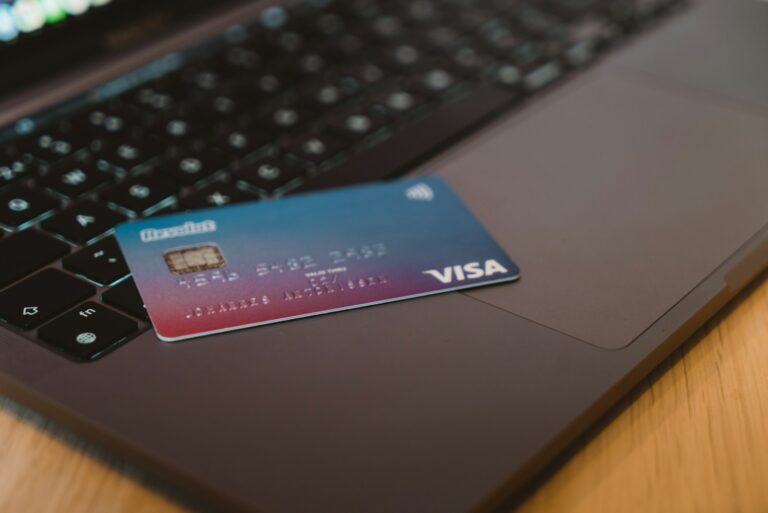
Embarking on your financial journey requires careful steps, and understanding your first credit card is paramount. This comprehensive guide promises to equip you with the knowledge to establish a strong credit foundation, avoid common pitfalls, and leverage credit responsibly, whether you’re a young adult or new to credit. Discover how to transform a potential source of anxiety into a powerful tool for financial independence.
Your First Credit Card Journey Begins
The journey to financial independence is a marathon, not a sprint, and for many, the starting gun fires with the acquisition of their first credit card. In today’s economic landscape, credit is an indispensable tool, affecting everything from renting an apartment to securing a mortgage or even influencing insurance premiums. Without a credit history, navigating these milestones can become unnecessarily challenging.
For newcomers to the world of personal finance, the idea of a credit card can evoke mixed emotions. On one hand, it represents a step towards adult financial responsibility and convenience. On the other, the specter of debt and high interest rates looms large, often fueled by cautionary tales. This article aims to demystify the process, providing a robust foundation for anyone considering their initial foray into credit. It’s about empowering you to make informed decisions that lead to long-term financial health, not just immediate gratification.
Understanding how credit works, how to use it responsibly, and what benefits it can unlock is crucial. Your first credit card is more than just a piece of plastic; it’s a financial instrument that, when wielded wisely, can open doors to future opportunities and significantly ease your financial path.
Understanding the Basics of Your First Credit Card
Before diving into applications, it’s essential to grasp the fundamental concepts that govern how your first credit card operates. A credit card is essentially a short-term loan that allows you to borrow money up to a certain limit to make purchases. You then pay back the borrowed amount, often with interest if the balance isn’t paid in full.
What is Credit?
Credit, in its simplest form, is trust. It’s the trust that a lender (like a bank or credit union) places in you, believing you will repay the money you borrow. Your credit history is a record of how well you’ve managed borrowed money in the past, and it’s what future lenders will examine to assess your reliability.
Key Terms to Know
When you receive your first credit card, you’ll encounter several terms that are vital to understand:
- Credit Limit: This is the maximum amount of money you are allowed to charge on your card. It’s set by the issuer based on your income and creditworthiness.
- Annual Percentage Rate (APR): This is the annual rate of interest charged on outstanding balances. If you don’t pay your full balance by the due date, interest will accrue on the remaining amount. APRs can vary significantly.
- Grace Period: The time between the end of your billing cycle and your payment due date. If you pay your full balance by the due date within this period, you typically won’t be charged interest on new purchases.
- Minimum Payment: The smallest amount you must pay by the due date to keep your account in good standing. Paying only the minimum can lead to significant interest charges and a longer repayment period.
- Statement Balance: The total amount you owe on your credit card at the end of a billing cycle. This is the amount you should aim to pay in full to avoid interest.
How Credit Cards Work: Revolving Credit
Unlike a traditional loan where you borrow a fixed sum and pay it back over time, a credit card offers “revolving credit.” This means you can continually borrow, repay, and re-borrow up to your credit limit. As you pay down your balance, the available credit replenishes. This flexibility is a key feature of credit cards, but it also necessitates careful management to prevent overspending and accumulating debt.
Why Your First Credit Card Matters for Your Future
The impact of your first credit card extends far beyond simple purchasing power. It serves as the cornerstone of your financial identity, building a credit history that will influence countless aspects of your future.
Building a Credit History and Score
Perhaps the most significant benefit of a first credit card is its role in establishing a credit history. Without a history, lenders have no way to assess your financial reliability, making it difficult to qualify for larger loans or even some rental agreements. Every on-time payment and responsible use of your card contributes positively to your credit file, ultimately leading to a higher credit score. A strong credit score signals to lenders that you are a low-risk borrower, making you eligible for better interest rates and terms on future financial products.
Access to Major Loans
Whether it’s a mortgage to buy your dream home, an auto loan for a new car, or a personal loan for a significant expense, these financial products almost always require a solid credit history. Your first credit card, used responsibly, lays the groundwork for qualifying for these essential loans, often at more favorable rates that can save you tens of thousands of dollars over the lifetime of the loan.
Rental Applications and Utilities
It’s not just about loans. Landlords often check credit scores as part of their tenant screening process. A good credit score can make you a more attractive applicant, potentially making the difference in securing your desired living situation. Similarly, some utility companies may check your credit history before waiving a security deposit for new service, highlighting the pervasive nature of credit in daily life.
Insurance Premiums
In many regions, insurance providers use credit-based insurance scores to help determine premiums for auto and home insurance. While not identical to a standard credit score, these scores are derived from information in your credit report. A healthier credit history, bolstered by responsible use of your first credit card, can potentially lead to lower insurance rates.
Employment Checks
While less common for entry-level positions, some employers, particularly those in financial roles or positions of trust, may conduct credit checks. This is usually done to assess financial responsibility and integrity. While a credit check is not the sole determinant for employment, a poor credit history could be a red flag in certain circumstances.
In essence, your first credit card is an investment in your financial future. By demonstrating responsible credit behavior early on, you are systematically building a foundation for greater financial flexibility and opportunity.
Types of First Credit Cards: Finding Your Match
When you’re ready to get your first credit card, you’ll discover there isn’t a one-size-fits-all solution. Different types of cards are designed for individuals with limited or no credit history. Understanding these options is key to choosing the card that best suits your current financial situation and goals.
Secured Credit Cards
Secured credit cards are often the easiest type of card to obtain for those with no credit history. They require a cash deposit, which typically serves as your credit limit. For example, if you deposit $500, your credit limit will be $500. This deposit acts as collateral, reducing the risk for the card issuer.
- How They Work: You use the card like any other credit card, making purchases and paying your bill. Your deposit is held in an account and is usually returned to you when you close the account or “graduate” to an unsecured card.
- Benefits: They are excellent for building credit because your payment history is reported to the major credit bureaus, just like with an unsecured card. Many secured cards offer a path to converting to an unsecured card after a period of responsible use.
- Considerations: You need to have the cash for the deposit, and the credit limit is usually tied directly to that deposit.
Student Credit Cards
Designed specifically for college students, these cards often come with lower credit limits and sometimes offer rewards tailored to student life (e.g., cash back on dining or textbooks). Issuers understand that students often have limited income and no credit history, so approval criteria are more lenient than for traditional unsecured cards.
- Eligibility: Typically require proof of enrollment and sometimes a minimum income (which can include financial aid or part-time work).
- Features: May offer educational resources on credit management and sometimes provide incentives for good grades.
- Considerations: APRs can be higher, and limits are generally low. It’s crucial to avoid overspending, even with seemingly small limits.
Retail Store Cards
These are credit cards offered by specific retailers, often with incentives like discounts on purchases made at that store. They are generally easier to get approved for than general-purpose credit cards, even with limited credit history.
- Pros: Good for building initial credit, often have promotional offers for first purchases.
- Cons: Can only be used at the specific retailer, often come with very high APRs, and typically have low credit limits. They can encourage overspending at that particular store.
Co-signed Credit Cards
A co-signed credit card involves another person (the co-signer), usually a parent or trusted adult with good credit, agreeing to be equally responsible for the debt if you fail to pay. This arrangement leverages the co-signer’s good credit history to help you get approved.
- Benefits: Allows you to get an unsecured card with a potentially higher limit than you’d otherwise qualify for. Builds credit in your name.
- Considerations: If you miss payments, it negatively impacts both your credit score and your co-signer’s score. It can strain relationships if not managed responsibly.
Traditional Unsecured Cards for Beginners
Some major card issuers offer unsecured credit cards specifically for individuals with limited credit history. These cards typically have modest limits and may not offer extensive rewards or perks, but they provide a direct path to establishing credit without a deposit or co-signer.
- What to Look For: Cards that report to all three major credit bureaus, have low or no annual fees, and offer resources for credit education.
- Considerations: Approval can still be challenging for those with absolutely no credit history, as opposed to “thin file” (some history but not much).
When selecting your first credit card, carefully evaluate your financial situation, your ability to make a deposit (if considering secured), and your spending habits. Prioritize cards that report to all major credit bureaus, have a low or no annual fee, and offer clear terms.
Applying for Your First Credit Card: What to Expect
Once you’ve identified the type of first credit card that aligns with your needs, the next step is the application process. While it might seem daunting, understanding what information you’ll need and what factors issuers consider can simplify the experience.
Eligibility Criteria
While criteria vary by issuer and card type, some common requirements apply to almost all credit card applications, especially for a first-time applicant:
- Age: You must be at least 18 years old to apply for a credit card in your own name. If you’re under 21, you usually need to demonstrate independent income or have a co-signer.
- Income: Issuers need to know you have the means to repay your debts. This includes salary, wages, self-employment income, benefits, or even reliable allowances.
- Social Security Number (SSN) or Individual Taxpayer Identification Number (ITIN): Required for identity verification and for the issuer to report your payment history to credit bureaus.
- Proof of Address: You’ll need to provide a valid residential address.
Information Required for Application
Be prepared to provide the following details when filling out an application for your first credit card:
- Full legal name and date of birth.
- Social Security Number (SSN) or ITIN.
- Current residential address (and previous address if you’ve moved recently).
- Contact information (phone number, email address).
- Employment status and annual income.
- Monthly housing payment (rent or mortgage).
The Application Process
Most credit card applications are completed online and are relatively quick. You’ll fill out the required fields, review the terms and conditions, and submit. For many, a decision is made almost instantly. In some cases, especially if more verification is needed, it might take a few business days for the issuer to review your application and notify you of their decision via email or postal mail.
Common Reasons for Denial and What to Do
Even when applying for a first credit card designed for beginners, denial is a possibility. Understanding why this might happen can help you strategize for future applications:
- No Credit History (Too Thin File): This is common for first-time applicants. While some cards are designed for this, certain issuers might still prefer a minimal history.
- Insufficient Income: If your reported income is too low to comfortably manage even a small credit limit.
- High Debt-to-Income Ratio: If you already have significant existing debts relative to your income (less common for first-timers, but possible if you have student loans or other large obligations).
- Age (Under 21 without Independent Income): As mentioned, regulations require proof of independent income for those under 21.
- Errors on Application: Simple mistakes can lead to an automatic rejection.
If your application for a first credit card is denied, don’t despair. The issuer is legally required to send you an adverse action notice, explaining the specific reasons for the denial. Use this information to improve your chances next time:
- Review the Reasons: Understand exactly why you were denied.
- Consider a Secured Card: If you were denied for lack of credit history, a secured card is often the next best step.
- Increase Income or Reduce Debt: If income was an issue, explore ways to boost your earnings or reduce other obligations.
- Wait and Reapply: Give it some time (e.g., 6 months) to address any underlying issues before applying again. Multiple applications in a short period can be detrimental.
Applying for your first credit card is an important step. Be honest and accurate in your application, and be prepared to take an alternative route if your initial application isn’t successful.
Mastering Responsible Use of Your First Credit Card
Getting your first credit card is a milestone, but the real test is how you use it. Responsible management is paramount to building a strong credit profile and avoiding the pitfalls of debt. Here are the core principles to master:
Pay Your Bill On Time, Every Time
This is arguably the most critical rule for credit card use. Payment history accounts for the largest portion of your credit score (typically 35%).
- Impact of Late Payments: A single late payment (usually 30 days or more past the due date) can severely damage your credit score and remain on your credit report for up to seven years. It can also trigger late fees and a penalty APR.
- Set Reminders: Use calendar alerts, email reminders, or set up automatic payments directly from your bank account to ensure you never miss a due date.
- Understand the Grace Period: Remember that paying within the grace period (if your card has one) means avoiding interest on new purchases, but it does not mean you can pay late. The due date is the absolute deadline.
Pay Your Balance in Full
While paying the minimum keeps your account in good standing, paying your full statement balance every month is the golden rule for avoiding interest charges and maximizing the benefits of your first credit card.
- Avoiding Interest: If you pay your balance in full by the due date, you won’t incur any interest on new purchases. This makes the credit card a convenient payment tool, rather than an expensive loan.
- Save Money: Credit card interest rates (APRs) can be very high. Carrying a balance, even a small one, can cost you a significant amount over time.
- Financial Discipline: Paying in full reinforces good spending habits and ensures you only spend what you can afford.
Keep Your Credit Utilization Low
Credit utilization, the amount of credit you’re using compared to your total available credit, is the second most important factor in your credit score (around 30%).
- Calculation: If your credit limit is $1,000 and you have a $200 balance, your utilization is 20% ($200/$1,000).
- Target Utilization: Experts recommend keeping your utilization below 30% of your total credit limit. For optimal scores, aim for under 10%.
- How to Keep It Low:
- Avoid maxing out your card, even if you plan to pay it off.
- Make multiple payments throughout the month, especially if you use the card frequently.
- If possible, request a credit limit increase (but only once your credit is established and you can trust yourself not to overspend).
Understanding Your Credit Statement
Your monthly statement for your first credit card is more than just a bill; it’s a summary of your spending and payment activity. Review it meticulously.
- Check for Accuracy: Ensure all charges are legitimate and that your payments have been accurately applied. Report any suspicious activity immediately.
- Identify Key Information: Locate your statement balance, minimum payment due, due date, and any interest charged.
- Payment Information: Note where and how to send payments.
Setting up Autopay (with Caution)
Autopay can be a useful tool to ensure on-time payments, especially if you tend to forget due dates. However, use it with caution.
- Always Set to Pay Full Balance: If you use autopay, configure it to pay your full statement balance, not just the minimum.
- Monitor Your Account: Even with autopay, regularly check your account to ensure sufficient funds are available and that the payment processed correctly.
Monitoring Your Account
Regularly log in to your online credit card account, even between statements. This allows you to track your spending, see your current balance, and spot any unauthorized transactions or potential issues early.
By diligently adhering to these principles, your first credit card will become a powerful asset, paving the way for a robust credit score and a secure financial future.
Credit Scores: Your Financial Report Card with Your First Credit Card
As you embark on your journey with your first credit card, understanding credit scores becomes paramount. Your credit score is a three-digit number that summarizes your creditworthiness, acting as a quick reference for lenders to assess the risk of lending you money. It’s essentially your financial report card, and every action you take with your credit card directly impacts it.
What is a Credit Score?
Credit scores, most commonly the FICO Score or VantageScore, are calculated based on the information in your credit reports. They range from 300 to 850 (though exact ranges can vary slightly by model), with higher scores indicating lower risk. A “good” score generally starts around 670, while an “excellent” score is typically above 800.
Key Factors Influencing Your Score
Your credit score is determined by several categories of information in your credit report, each weighted differently:
- Payment History (approx. 35%): This is the most critical factor. Consistent on-time payments are essential. Late payments (30, 60, or 90+ days past due) are highly detrimental.
- Amounts Owed / Credit Utilization (approx. 30%): How much credit you’re using compared to your total available credit. Keeping this low (ideally under 10-30%) is beneficial.
- Length of Credit History (approx. 15%): The older your accounts, especially your first credit card, the better. This shows a longer track record of responsible behavior.
- New Credit (approx. 10%): Recent applications for credit can slightly lower your score temporarily. Opening too many new accounts in a short period can be seen as risky.
- Credit Mix (approx. 10%): Having a healthy mix of different types of credit (e.g., credit cards, installment loans like student or auto loans) can positively impact your score, showing you can manage various credit products.
How Your First Credit Card Impacts Your Score
Your first credit card is fundamental to building your credit score for several reasons:
- Establishing Payment History: It provides your initial opportunity to demonstrate responsible payments. Each on-time payment contributes positively.
- Starting Credit History Length: The day your first credit card account is opened marks the beginning of your credit history. The longer this account remains open and in good standing, the better for this factor.
- Managing Utilization: It gives you a chance to practice keeping your credit utilization low, directly impacting a significant portion of your score.
Think of your first credit card as your credit score’s training wheels. Using it properly sets you on a path to a high score; misusing it can create significant setbacks that take years to rectify.
Accessing Your Credit Report and Score
It’s crucial to regularly monitor your credit report and score. You are entitled to a free copy of your credit report from each of the three major credit bureaus (Equifax, Experian, and TransUnion) once every 12 months via annualcreditreport.com. Review these reports for accuracy, ensuring there are no errors or fraudulent accounts. Many credit card issuers also provide free access to your credit score (often a FICO Score or VantageScore) as a perk of being a cardholder, allowing you to track your progress monthly.
Proactively managing your credit score, starting with diligent use of your first credit card, will serve as a powerful asset throughout your entire financial life.
Common Pitfalls and How to Avoid Them with Your First Credit Card
While your first credit card is a powerful tool for financial growth, it also presents potential traps that can lead to debt and a damaged credit score. Being aware of these common pitfalls is the first step toward avoiding them.
Carrying a Balance: The Cost of Interest
Perhaps the most prevalent mistake new cardholders make is carrying a balance from month to month. This means not paying off your entire statement balance by the due date.
- The Trap: Interest (based on your APR) is applied to the unpaid balance. This interest then compounds, meaning you pay interest on previous interest. What might seem like a small purchase can quickly balloon into a much larger debt if only minimum payments are made.
- How to Avoid: Treat your credit card like a debit card – only spend what you know you can pay off in full when the bill comes. Always prioritize paying the full statement balance, not just the minimum due.
Missing Payments: Damage to Credit Score
Missing a payment due date, especially if it extends beyond 30 days, is one of the quickest ways to severely harm your credit score.
- The Trap: Late payments are reported to credit bureaus and stay on your credit report for up to seven years. They can cause a significant drop in your score and make it harder to get approved for future credit products. You’ll also incur late fees.
- How to Avoid: Set up multiple reminders (phone alarms, calendar alerts, email notifications) for your payment due date. Consider enrolling in autopay for the full statement balance if you are disciplined enough to monitor your account regularly.
Opening Too Many Cards: The Temptation of New Credit
As you build credit, you might receive offers for new credit cards. The temptation to open several accounts to boost your available credit or earn more rewards can be strong.
- The Trap: Each new application results in a “hard inquiry” on your credit report, which can temporarily lower your score. Opening too many accounts in a short period can signal to lenders that you are desperate for credit or a higher risk. More cards also mean more due dates to manage, increasing the likelihood of missing a payment.
- How to Avoid: Be selective. For your first credit card, focus on building a positive history. Resist opening new accounts unless there’s a clear, well-researched financial benefit that outweighs the risks. Generally, it’s wise to wait at least 6-12 months between new applications once you have established your first account.
Maxing Out Your Card: High Utilization
Spending close to or hitting your credit limit is a red flag for lenders, even if you pay it off in full each month.
- The Trap: High credit utilization (the percentage of your credit limit you’re using) significantly negatively impacts your credit score. Even if your balance is paid off before the due date, if the balance reported to the credit bureaus was high, your score could take a hit.
- How to Avoid: Aim to keep your utilization below 30%, and ideally below 10%. If you need to make a large purchase, consider making a payment before your statement closes to reduce the reported balance.
Falling for Scams
As a new credit card user, you might be targeted by phishing attempts or other financial scams.
- The Trap: Scammers try to trick you into revealing your personal information (card number, SSN, login credentials) which they then use for fraudulent purchases or identity theft.
- How to Avoid: Be extremely wary of unsolicited emails, texts, or calls asking for your credit card details or personal information. Always go directly to the issuer’s official website or call the number on the back of your card if you need to verify something.
Ignoring Your Statements
Neglecting to review your monthly credit card statements can lead to missed errors, unrecognized charges, or simply losing track of your spending.
- The Trap: You might miss fraudulent activity, overlook a fee, or underestimate how much you’ve spent, leading to a shock when the due date arrives.
- How to Avoid: Make it a habit to review every statement thoroughly. Reconcile charges against your receipts or spending log.
By consciously avoiding these common pitfalls, you can ensure that your first credit card serves as a powerful instrument for financial empowerment, not a source of financial distress.
Protecting Your First Credit Card and Identity
As you become accustomed to using your first credit card, safeguarding it and your personal information against fraud and identity theft becomes increasingly important. Proactive measures can save you significant headaches and financial losses.
Online Security Practices
Much of our financial activity now happens online, making robust digital security paramount for your first credit card.
- Strong Passwords: Use unique, complex passwords for your credit card accounts and banking portals. Consider a password manager.
- Two-Factor Authentication (2FA): Enable 2FA whenever possible. This adds an extra layer of security, usually requiring a code from your phone in addition to your password.
- Secure Wi-Fi: Avoid making credit card transactions on public, unsecured Wi-Fi networks, as they can be vulnerable to eavesdropping. Use a Virtual Private Network (VPN) if you must use public Wi-Fi.
- Beware of Phishing: Be highly suspicious of emails or messages asking for your credit card number, SSN, or login credentials. Banks and card issuers will almost never ask for this sensitive information via unsolicited communication. Always verify requests by logging directly into your account or calling the official customer service number.
Reporting Lost or Stolen Cards
If your first credit card is lost or stolen, immediate action is crucial to prevent unauthorized use.
- Act Quickly: As soon as you realize your card is missing, contact your credit card issuer immediately. Most issuers have 24/7 hotlines.
- Fraud Liability: Under the Fair Credit Billing Act, your liability for unauthorized charges on a lost or stolen credit card is limited to $50 if you report it in a timely manner. Many card issuers offer zero fraud liability, meaning you won’t be responsible for any unauthorized charges.
- Request a New Card: The issuer will cancel your old card and issue a new one with a different number.
Monitoring for Suspicious Activity
Regularly reviewing your account statements and activity is your primary defense against fraudulent charges on your first credit card.
- Daily Checks: Get into the habit of quickly reviewing your online statement daily or every few days, especially if you use your card frequently.
- Transaction Alerts: Many card issuers allow you to set up email or text alerts for transactions over a certain amount, or for purchases made online or internationally.
- Review Statements Thoroughly: When your monthly statement arrives, scrutinize every charge. If something looks unfamiliar, investigate it immediately.
Understanding Fraud Protection
Familiarize yourself with the fraud protection policies of your first credit card issuer. Most major issuers offer robust protections:
- Zero Fraud Liability: As mentioned, this policy protects you from paying for unauthorized charges.
- Fraud Monitoring: Issuers employ sophisticated systems to detect unusual spending patterns that might indicate fraud (e.g., a large purchase far from your usual location, or multiple small, suspicious transactions). They may contact you to verify these transactions.
- Disputing Charges: If you find an unauthorized charge, contact your card issuer’s fraud department to dispute it. They will investigate and usually reverse the charge while the investigation is ongoing.
By adopting these protective measures, you can use your first credit card with confidence, knowing you’re taking proactive steps to secure your financial information and identity.
Graduating Beyond Your First Credit Card
Successfully managing your first credit card for an extended period is a significant achievement. It demonstrates financial maturity and builds a solid credit history. Eventually, you might consider graduating to a new credit card that offers better rewards, higher limits, or more favorable terms.
When to Consider a New Card
There’s no hard and fast rule, but generally, after 12 to 24 months of responsible use of your first credit card, your credit score should be strong enough to qualify for more desirable products. Consider a new card if:
- Your Credit Score Has Improved Significantly: A good score (670+) opens up a wider range of options.
- You’re Looking for Better Rewards: Your first card likely offered minimal rewards. Newer cards might provide cash back, travel points, or other perks aligned with your spending habits.
- You Need a Higher Credit Limit: As your income or expenses grow, a higher limit might be useful, provided you maintain low utilization.
- You Want Lower Interest Rates: While you should aim to pay in full, a lower APR is beneficial in emergencies.
- Your Current Card Has an Annual Fee You Want to Avoid: Many premium cards have fees, but if your first card has one that no longer provides value, it’s time to re-evaluate.
What to Look For in a Second Card
When selecting your next credit card, think about your financial goals and spending patterns:
- Rewards Programs: Do you want cash back, travel points, or specific retailer discounts? Choose a card that maximizes rewards on your typical spending categories (groceries, gas, dining, online purchases).
- Annual Fee: Is it worth the rewards or benefits offered? Many excellent cards have no annual fee.
- APR: While the goal is to pay in full, a lower APR is always better, especially for unforeseen circumstances.
- Sign-Up Bonuses: Many cards offer attractive bonuses for meeting a spending threshold in the first few months. Ensure you can meet this naturally without overspending.
- Foreign Transaction Fees: If you travel internationally, ensure your new card doesn’t charge these fees.
- Balance Transfer Offers: If you anticipate needing to transfer high-interest debt (though ideally, you won’t accrue debt on your first credit card), look for cards with 0% APR balance transfer promotions.
Keeping Your First Card Active
It’s generally advisable to keep your first credit card account open, even if you get a new one. Here’s why:
- Length of Credit History: Closing your oldest account shortens your average age of accounts, which can negatively impact your credit score (as length of credit history is 15% of your score).
- Credit Utilization: Keeping the account open maintains its credit limit, which contributes to your total available credit. This helps keep your overall credit utilization low, even if you start spending more on your newer cards.
- No Annual Fee: If your first card has no annual fee, there’s no financial penalty for keeping it open. Just make a small purchase occasionally (e.g., once every 6 months) to keep the account active and avoid it being closed by the issuer for inactivity.
Graduating to a new card signifies a positive evolution in your financial journey, built upon the responsible foundation laid by your first credit card.
The Long-Term Rewards of Responsible First Credit Card Use
The disciplined management of your first credit card isn’t just about building a credit score; it’s about cultivating habits that lead to profound long-term financial freedom and stability. The initial small steps taken with your first credit card can ripple outwards, influencing every major financial decision you make for decades to come.
Financial Freedom and Opportunities
A strong credit profile, established through responsible use of your first credit card, is a gateway to numerous financial opportunities:
- Access to Favorable Loan Terms: When you need to finance a significant purchase, such as a home or a car, a high credit score can qualify you for the lowest available interest rates. Even a small difference in APR can translate into tens of thousands of dollars saved over the life of a loan. This directly impacts your ability to accumulate wealth.
- Easier Rental Approvals: Many landlords check credit as part of their screening process. A good score makes you a more attractive tenant and can even help you avoid security deposits.
- Lower Insurance Premiums: As mentioned, your credit history can influence insurance rates for auto and home policies, leading to ongoing savings.
- Flexible Financing Options: Beyond traditional loans, good credit opens doors to favorable terms on personal loans, lines of credit, and even better rates on utility deposits or cellphone contracts.
Peace of Mind
Financial stress is a significant source of anxiety for many. By mastering your first credit card and maintaining good credit, you gain a sense of security and control over your financial life.
- Emergency Preparedness: A healthy credit limit, used sparingly, can serve as a lifeline during unexpected emergencies, providing a safety net when needed most.
- Reduced Worry About Financial Setbacks: Knowing you have a strong financial foundation means you’re better equipped to handle life’s curveballs, from job loss to medical emergencies.
Building Wealth Through Good Financial Habits
The habits you form with your first credit card—paying on time, spending within your means, and avoiding unnecessary debt—are transferable to all areas of your financial life. These habits are fundamental to wealth creation:
- Budgeting Skills: Managing your credit card teaches you to track spending and adhere to a budget, essential skills for saving and investing.
- Debt Avoidance: Learning to pay off your balance in full instills a powerful aversion to high-interest debt, freeing up more money for savings and investments.
- Delayed Gratification: Responsible credit use encourages you to think long-term about your purchases and their financial implications, a cornerstone of financial success.
- Investment Opportunities: By avoiding crippling credit card interest, you free up capital that can be directed towards investments, retirement accounts, or other wealth-building vehicles.
In essence, your first credit card is far more than just a payment tool. It is a potent instrument for learning, discipline, and building a foundation that supports a lifetime of financial well-being. Embrace it as an opportunity to shape a prosperous future.
Conclusion: Empowering Your Financial Future with Your First Credit Card
Embarking on the journey with your first credit card is a pivotal step in your financial life. While it may initially seem complex or even intimidating, the knowledge and discipline you gain from responsible credit card use are invaluable assets that will serve you well for decades to come.
We’ve explored the fundamental mechanics of how credit cards work, the profound importance of building a solid credit history, and the various types of cards available for newcomers. We’ve also delved into the application process, offering guidance on what to expect and how to navigate potential challenges. Most critically, we’ve emphasized the golden rules of responsible usage: paying on time, keeping utilization low, and always aiming to pay your balance in full to avoid costly interest.
Understanding your credit score, protecting yourself from fraud, and knowing when and how to “graduate” to more advanced credit products are all part of this continuous learning process. Each responsible action you take with your first credit card contributes positively to your creditworthiness, opening doors to better loan rates, easier approvals for housing, and overall greater financial flexibility.
Remember, a credit card is a tool. Like any powerful tool, its utility depends entirely on the hand that wields it. Used with care and wisdom, your first credit card will not lead you down a path of debt, but rather propel you toward financial independence, security, and the freedom to pursue your most ambitious wealth-building goals. Begin this journey with confidence, armed with knowledge, and commit to the habits that will secure your financial future.
Frequently Asked Questions
How can I avoid overwhelming debt with my first credit card?
To avoid overwhelming debt with your first credit card, the most effective strategy is to treat it like a debit card and only spend what you already have in your bank account. Commit to paying your full statement balance every single month before the due date. This practice ensures you avoid interest charges, which are the primary driver of credit card debt. Keep your credit utilization low, ideally below 10-30% of your credit limit, as high utilization can also signal overspending. Set up payment reminders and regularly review your statements to track your spending.
What’s the best way to build a strong credit score quickly using my first credit card?
Building a strong credit score with your first credit card relies primarily on consistent, responsible behavior. The best way to do this quickly is to make all your payments on time, every time. Payment history is the most crucial factor in your credit score. Additionally, keep your credit utilization very low, ideally under 10% of your limit, by paying off your balance in full or even making multiple payments within a billing cycle. Avoid opening too many new accounts rapidly, as this can temporarily lower your score. Consistency and discipline are key.
I’m worried about high interest rates; how do I manage my first credit card’s APR?
The simplest way to manage your first credit card’s high APR is to ensure you never pay interest at all. This is achieved by paying your full statement balance every single month by the due date. If you consistently pay in full, the APR becomes irrelevant for new purchases because no interest will be charged. Focus on spending only what you can comfortably afford to repay. In an emergency where you must carry a balance, aim to pay it off as quickly as possible to minimize interest accrual.
Can a first credit card really help me get a mortgage later?
Yes, absolutely. Your first credit card plays a foundational role in building the credit history and score necessary for larger loans like a mortgage. Lenders assess your creditworthiness to determine your reliability as a borrower. By consistently making on-time payments and maintaining low credit utilization on your first card over several years, you establish a positive credit history. This demonstrates to mortgage lenders that you are a responsible borrower, making you eligible for better interest rates and terms, which can save you a substantial amount of money over the life of a home loan.
What if my application for a first credit card is declined?
If your application for a first credit card is declined, don’t be discouraged. The issuer is required to send you an adverse action notice explaining the specific reasons for the denial. Review this notice carefully. Common reasons for first-time applicants include insufficient income or simply having no credit history (a “thin file”). Based on the reason, consider applying for a secured credit card, which requires a deposit but is much easier to obtain and is excellent for building credit. Alternatively, explore becoming an authorized user on a trusted family member’s card (with responsible use), or revisit your application after improving your financial standing or waiting a few months.