

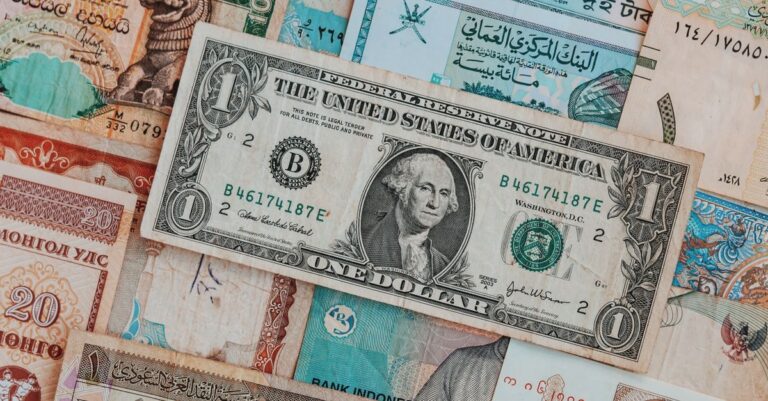
Recent currency shifts highlight the urgent need for individuals to understand and manage currency risk, protecting savings and investments from unexpected depreciation.
The recent news about the Japanese Yen teetering near a 40-year low against the U.S. dollar serves as a stark reminder: currency fluctuations are not just abstract economic headlines. For individuals with international investments, overseas living expenses, or even those considering global opportunities, these shifts can significantly impact personal wealth. Understanding and mitigating currency risk management is not just for multinational corporations; it’s a vital component of robust personal financial planning.
When a major currency like the Yen weakens significantly, it means that assets held in that currency, or income earned in it, are worth less when converted to a stronger currency. Conversely, if you’re holding a stronger currency, your purchasing power in the weaker currency increases. This dynamic affects everyone from retirees living abroad to investors in international markets, highlighting the need for proactive strategies to safeguard your financial future.
Understanding Currency Risk and Your Financial Exposure
At its core, currency risk, also known as exchange rate risk, is the potential for a financial loss due to changes in the value of one currency relative to another. For many, the primary exposure comes from international investments. If you own shares in an overseas company, or units in a global fund, their value in your home currency can rise or fall not just due to company performance but also due to exchange rate movements.
However, currency risk extends beyond just investments. If you’re an expatriate paid in a local currency different from where your major expenses (like a mortgage back home) are, you’re exposed. If you plan a significant expense, like a child’s overseas education or a property purchase abroad, a sudden unfavorable currency swing can dramatically increase your costs. Ignoring this risk is akin to ignoring interest rate risk on a variable loan; it leaves a crucial part of your financial well-being to chance.
Who Needs to Consider Currency Risk Management?
While seemingly complex, many individuals have direct or indirect exposure to currency fluctuations. Consider if any of these apply to you:
- International Investors: Holding stocks, bonds, or mutual funds denominated in foreign currencies.
- Expats and Digital Nomads: Earning income in one currency but having significant expenses or savings goals in another.
- Global Travelers: Planning major trips or extended stays in countries with different currencies.
- Individuals with Foreign Debt or Assets: Mortgages, loans, or rental properties in other countries.
- Remitting Funds: Regularly sending or receiving money across international borders.
Even if your financial life is primarily domestic, if you’re saving for a future international goal, like a dream vacation or retirement abroad, understanding how currency values might shift can inform your savings strategy today.
Diversifying Your Currency Exposure: A Foundational Strategy
Just as you diversify your investment portfolio across different asset classes, diversifying your currency exposure is a fundamental step in currency risk management. This doesn’t mean you need to open accounts in every major currency. Instead, it involves consciously considering where your wealth is held relative to where you intend to spend it or invest it long-term.
One common observation from those who’ve managed international finances for years is that relying solely on your home currency for all savings and investments, while having significant international financial goals, creates an unnecessary concentration risk. For instance, if you’re saving for a future property in a different country, holding a portion of those savings in that country’s currency, even if it offers a slightly lower interest rate, can protect against an adverse exchange rate movement closer to your purchase date. This isn’t about speculation; it’s about hedging known future expenses.
Practical Tools for Managing Currency Exposure
Fortunately, individuals have access to several tools that can help manage currency risk without needing to be an expert trader:
- Multi-Currency Bank Accounts: Many major banks and specialized financial technology platforms offer accounts that allow you to hold funds in multiple currencies. This is particularly useful for those who regularly send or receive international payments, or for expats.
- Foreign Currency Investment Vehicles: Some brokerage platforms offer access to foreign currency money market funds, bonds denominated in different currencies, or even exchange-traded funds (ETFs) that track currency baskets. These can provide diversification beyond simply holding cash.
- Targeted Savings: If you have a specific future expense in a foreign currency (e.g., tuition fees, a property down payment), consider converting a portion of your savings into that currency gradually over time, rather than all at once. This strategy, similar to dollar-cost averaging, can mitigate the impact of a single unfavorable exchange rate.
- Timing Large Transfers: For significant international money transfers, monitoring exchange rates and executing the transfer when the rate is favorable can save a considerable sum. Many services allow you to set exchange rate alerts. Another lesson learned is that small fees on multiple transfers can quickly erode your savings; consolidating transfers or using services with transparent, low fees is crucial.
Investing Across Borders: A Measured Approach
For investors, currency risk is an inherent part of international investing. While a weakening Yen might make Japanese stocks cheaper for a dollar-denominated investor, the subsequent conversion of profits back to dollars could erode those gains if the Yen continues to slide. Conversely, a strong Yen would boost dollar returns from Japanese assets.
When considering international investments, always look beyond the local market performance. Understand the underlying economic factors driving currency movements, such as interest rate differentials, inflation rates, and geopolitical stability. A key observation is that chasing seemingly high interest rates in volatile currencies without fully understanding the underlying economic stability and currency risk can lead to significant capital loss, even if the interest rate looks attractive. True investment success abroad often lies in the long-term fundamentals of the company or asset, coupled with a conscious decision about currency exposure.
Integrating Currency into Your Financial Planning
Effective currency risk management isn’t about perfectly predicting exchange rates; it’s about building resilience into your financial plan. This involves:
- Regular Review: Periodically assess your exposure. Have your international living arrangements changed? Are your investment goals shifting towards a different global region?
- Scenario Planning: Consider “what if” scenarios. What if the currency you’re paid in drops 10% against your home currency? How would that affect your budget or your ability to meet financial commitments?
- Seeking Professional Advice: For complex international financial situations, consulting with a financial advisor who specializes in cross-border planning can provide invaluable insights and tailored strategies.
Another crucial insight often gained through experience is that currency hedging should be a conscious decision, not an afterthought. Whether it’s the cost of converting funds or the slightly lower yield on a foreign currency savings account, there’s always a trade-off. Weigh the cost of mitigating the risk against the potential impact of an adverse currency movement on your specific financial goals.
Budgeting for a Global Lifestyle and Future Expenses
For individuals with international expenses, be it regular remittances to family, mortgage payments in another country, or saving for a child’s university abroad, budgeting needs to factor in potential currency fluctuations. One effective strategy is to build a buffer into your budget for such expenses. If you anticipate needing a certain amount in a foreign currency, budget for a slightly higher amount in your home currency to account for potential depreciation. This proactive approach can prevent financial stress when rates move unfavorably.
A practical lesson learned is that regularly reviewing your budget against current exchange rates, especially for significant international commitments, helps maintain financial stability. This isn’t about micro-managing daily rates but about quarterly or semi-annual checks to ensure your projections remain realistic. This vigilance is particularly important if your income or major expenses are not perfectly aligned geographically.
Ultimately, currency risk is a permanent fixture in our interconnected global economy. While its movements can seem daunting, by understanding your personal exposure and implementing sensible currency risk management strategies, you can protect your wealth and achieve your financial goals with greater confidence, regardless of where the global currencies may lead.
Frequently Asked Questions
How can I protect my savings from currency depreciation when I plan to retire abroad?
To mitigate the risk of currency depreciation impacting your retirement savings abroad, consider opening a multi-currency account and gradually converting a portion of your funds into the currency of your target retirement country. You might also explore investing in foreign currency bonds or ETFs that align with that currency, providing a natural hedge against unfavorable exchange rate movements over time.
What are the primary factors that cause a currency like the Yen to decline so significantly?
Significant currency declines are often driven by a combination of macroeconomic factors. Key influences include interest rate differentials (if one country’s rates are much lower than others), inflation rates, economic growth disparities, and investor confidence. For instance, if one central bank maintains very low rates while others raise theirs, capital tends to flow towards higher-yielding currencies, weakening the lower-yielding one. Geopolitical events and government spending policies can also play a role.
Is it worth actively trying to time currency conversions for international payments?
For small, regular international payments, actively timing conversions might not be worth the effort, and using a service with competitive, transparent fees is often more effective. However, for large, one-off transfers (like a property purchase or significant investment), monitoring exchange rates and waiting for a favorable rate can lead to substantial savings. Many financial platforms offer rate alerts to assist with this, allowing you to act when conditions improve without constant monitoring.