

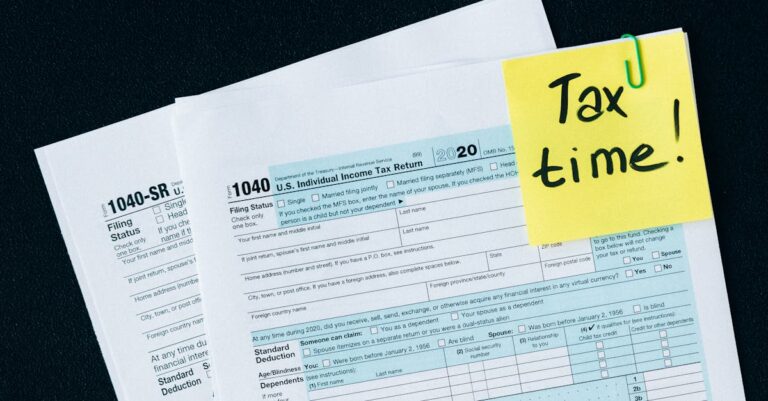
The government challenges COVID tax refund rulings. Learn why experts urge taxpayers to file protective claims by July 10, 2026, to protect potential money.
The landscape of tax regulations is frequently subject to change, interpretation, and sometimes, legal challenges. A recent development involving COVID tax refunds has brought this reality into sharp focus for millions of Americans. While the U.S. government is actively appealing a pivotal federal court decision that could unlock significant refunds for taxpayers, financial and tax experts are delivering a clear, unified message: act now and file your claim. The window to secure potential COVID tax refunds is rapidly closing, with a critical deadline of July 10, 2026, looming for many.
This situation presents both an opportunity and a potential pitfall. On one hand, taxpayers who were assessed penalties or interest during the specified COVID-19 public health emergency period could be entitled to a refund or abatement of those charges. On the other, the ongoing appeal process creates uncertainty, leading some to hesitate. However, according to leading tax professionals, waiting for a definitive resolution from the courts would be a costly mistake. Filing a protective claim by the July 10, 2026 deadline is the only way to preserve your right to a refund, should the original court ruling be upheld.
For those navigating the complexities of their finances, understanding this critical juncture is paramount. This article will delve into the details of the “Kwong v. United States” ruling, explain the government’s appeal, clarify who might be affected, and, most importantly, provide a step-by-step guide on how to determine your eligibility and file a protective claim for your potential COVID tax refunds.
The Genesis of the Opportunity: “Kwong v. United States” and COVID Tax Refunds
To fully grasp the urgency and the potential for COVID tax refunds, it’s essential to understand the landmark federal court decision in “Kwong v. United States.” This ruling, handed down earlier, significantly impacted the interpretation of tax deadlines during the COVID-19 public health emergency. The court determined that the period from January 20, 2020, through May 11, 2023, qualified under a specific provision of tax law — Section 7508A(d) — which allows for the postponement of applicable tax deadlines during a presidentially declared disaster period, plus an additional 60 days.
The implications of this ruling were profound. By designating the COVID-19 public health emergency as a disaster for tax purposes, the federal court effectively pushed the new tax deadline for specific tax years. These included filings for 2019, 2020, 2021, and 2022, extending them to July 10, 2023. This extension was not merely about filing returns; it carried significant weight for penalties and interest.
Tax lawyers quickly pointed out that if there were no taxes due during this extended period, then the IRS likely had no legal right to levy penalties and interest during that same window. This meant that millions of taxpayers who were charged penalties or fees by the IRS for late filings, late payments, or other infractions during the COVID-19 disaster period could potentially qualify for a refund or an abatement of those charges. This interpretation opened the floodgates, creating an unprecedented opportunity for individuals and businesses to reclaim funds mistakenly paid or assessed.
The “Kwong” decision essentially recognized the extraordinary circumstances taxpayers faced during the pandemic — the widespread disruptions, economic uncertainties, and personal challenges — by extending the grace period for tax compliance. It acknowledged that the normal course of business and personal financial management was severely hampered, justifying a longer deadline and, consequently, a re-evaluation of penalties imposed during that time. For a significant number of taxpayers, this ruling represented a beacon of hope for financial relief, prompting tax professionals to advise immediate action.
The Government’s Appeal: Navigating the Uncertainty of COVID Tax Refunds
Despite the clarity and positive implications for taxpayers stemming from the “Kwong v. United States” ruling, the U.S. government has officially initiated an appeal. This move injects a layer of uncertainty into the process of securing COVID tax refunds, prompting questions and concerns among taxpayers.
An appeal means that the government is challenging the original court’s decision, seeking to have it overturned or modified by a higher court. This process is often lengthy, complex, and can take years to reach a final resolution. As Glen Frost, managing partner and founder of a prominent tax law firm, stated, “The government’s appeal means the Kwong case enters a new and uncertain phase that may take years to resolve.” This uncertainty might tempt some taxpayers to delay action, believing that it’s prudent to wait until the legal battle concludes. However, this is precisely where the consensus among tax experts diverges sharply from passive observation.
The unwavering advice from professionals like Frost, as cited by Medora Lee of USA Today on May 15, 2026, is unequivocal: “Our advice to clients remains the same… Regardless of this step, taxpayers still face a short window to file a claim to protect potential refunds or abatements.” This sentiment underscores a critical aspect of tax law: the statute of limitations.
Even with an ongoing appeal, the general rule for refund claims dictates that taxpayers must file within three years from the date their return was filed or two years from the date the tax was paid, whichever is later. The “Kwong” ruling, by extending the tax deadlines for the COVID-19 disaster period, also extended the period for claiming refunds related to those years to July 10, 2026. This date is not contingent on the outcome of the government’s appeal; it is a statutory deadline that taxpayers must meet to preserve their rights.
Think of it as reserving your place in line. By filing a protective claim, you are officially notifying the IRS of your intent to seek a refund based on the “Kwong” decision. If the appeal eventually favors the taxpayers, and the original ruling is upheld or affirmed, your protective claim ensures that your request will be considered. Without such a claim, even if the government loses its appeal, you would have forfeited your right to any potential COVID tax refunds because you missed the statutory deadline. This makes proactive filing not just advisable, but absolutely essential.
The Critical July 10, 2026 Deadline for COVID Tax Refunds
The most crucial piece of information for any taxpayer considering potential COVID tax refunds is the fast-approaching deadline: July 10, 2026. This date is not merely a suggestion; it represents a hard cutoff for preserving your right to claim any refunds or abatements stemming from the “Kwong v. United States” decision.
As Medora Lee highlighted in USA Today, tax professionals like Glen Frost emphasize the severe consequences of inaction: “Taxpayers who miss the July date will likely miss their final chance to recoup their money.” This statement cannot be overstated. The concept of a “statute of limitations” in tax law is unforgiving. It means there’s a specific window during which legal action, such as filing a refund claim, must be initiated. Once this window closes, the opportunity is lost, regardless of the merits of your claim.
Why Is July 10, 2026, So Important?
The “Kwong” ruling, by extending the general tax deadlines for the 2019, 2020, 2021, and 2022 tax years to July 10, 2023, inadvertently also reset the clock for refund claims related to those periods. The standard statute of limitations for a tax refund claim is typically three years from the date the original return was filed or two years from the date the tax was paid, whichever is later. Because the original tax deadlines were effectively moved to July 10, 2023, for the affected years, the three-year look-back period for claiming a refund would therefore extend to July 10, 2026. This applies specifically to penalties and interest assessed during the COVID-19 public health emergency, which the “Kwong” ruling deemed inappropriate.
Even though the government is appealing the “Kwong” decision, filing a protective claim by July 10, 2026, is non-negotiable for anyone who believes they might be eligible for COVID tax refunds. A protective claim does not imply that you will receive a refund immediately. Instead, it serves as a placeholder. It tells the IRS that you intend to claim a refund if the “Kwong” decision is ultimately upheld in your favor. Without this protective claim, even if the government’s appeal fails, the IRS would be legally prevented from issuing you a refund because your claim would be considered “time-barred.”
Consequences of Missing the Deadline
The consequences of failing to act by July 10, 2026, are stark. You would permanently lose your right to any penalties or interest abatements that may become available due to the “Kwong” ruling. This means forgoing potentially significant financial relief that could otherwise reduce your tax burden, free up funds for other financial goals, or simply return money that was inappropriately collected.
Given that the appeal process could take years, waiting until the final legal outcome is determined is a gamble that carries extreme risk. By the time a definitive ruling is reached, the July 10, 2026 deadline will almost certainly have passed. Therefore, proactive engagement and timely filing of a protective claim for COVID tax refunds are the only prudent courses of action to safeguard your financial interests.
Who is Affected? A Broad Spectrum of Potential COVID Tax Refunds Claimants
The potential for COVID tax refunds is not limited to a narrow group of taxpayers; rather, it extends across a remarkably broad cross-section of the American public. This widespread impact underscores the importance of this issue for anyone who interacted with the tax system during the specified pandemic period. Erin Collins, the independent National Taxpayer Advocate, highlighted this expansive reach, stating, “Impacted taxpayers represent a broad cross-section of the public, including individuals, small businesses, large corporations, estates, and trusts.”
This means that whether you are an individual taxpayer filing a standard Form 1040, a small business owner navigating complex payroll and income tax requirements, a large corporation with intricate financial structures, or an executor or trustee managing an estate or trust, you could potentially be affected. The “Kwong” decision’s interpretation of the disaster period applies broadly to various tax obligations and entities.
Diverse Tax Types Impacted
Collins further elaborated on the diverse nature of the taxes involved, noting that the issue “reaches taxpayers with obligations related to income, employment, estate, gift, and excise taxes.” This comprehensive list covers a vast array of tax liabilities, indicating that the potential for COVID tax refunds is not confined to just income tax, but extends to many different areas where penalties and interest might have been assessed during the pandemic:
- Income Taxes: This is the most common form of taxation for individuals and businesses, encompassing federal and sometimes state income tax liabilities. Penalties for late filing or underpayment of estimated taxes are common here.
- Employment Taxes: Businesses that employ staff are responsible for withholding and paying various employment taxes (e.g., Social Security, Medicare). Penalties for late deposits or filings of these taxes could be eligible for abatement.
- Estate Taxes: Taxes levied on the transfer of a person’s assets after their death. Estates can incur significant penalties for late filings or payments.
- Gift Taxes: Taxes imposed on the transfer of property by one living person to another without full consideration. Delays here could also lead to penalties.
- Excise Taxes: Taxes on specific goods or services (e.g., fuel, tobacco, certain medical devices).
International Information Returns
Beyond these primary tax categories, Collins also pointed out that the ruling “may also affect taxpayers who filed late international information returns, which can result in significant penalties even when no tax is due.” This is a critical detail, as penalties for late international information returns can often be disproportionately high compared to the actual tax liability, sometimes reaching tens of thousands or even hundreds of thousands of dollars, even if no tax was ultimately owed. For taxpayers caught in this situation, the “Kwong” ruling offers a glimmer of hope for substantial relief.
The Real-World Financial Impact
The amounts involved, whether for individuals or large entities, can be substantial. As Collins aptly put it, “For taxpayers dealing with financial pressures, these amounts can make a real difference.” In times of economic uncertainty or personal hardship, reclaiming even a few hundred or a few thousand dollars in penalties and interest can significantly impact a household budget or a small business’s cash flow. For larger entities or those with complex international reporting requirements, the potential abatements could amount to millions.
Therefore, regardless of your specific tax situation or the size of your potential claim, it is crucial to investigate your eligibility for these COVID tax refunds. The broad applicability of the “Kwong” ruling means that a surprisingly large number of individuals and entities could benefit, making the July 10, 2026, deadline a date that no one should overlook.
What Kind of COVID Tax Refunds Are Possible? Abatements and Interest Relief
Understanding the specific types of COVID tax refunds and abatements you might be eligible for is crucial for assessing your claim and preparing the necessary documentation. The “Kwong v. United States” ruling primarily targets penalties and interest that were assessed during the COVID-19 public health emergency period, from January 20, 2020, through May 11, 2023.
Erin Collins, the National Taxpayer Advocate, provided a clear breakdown of the amounts taxpayers may be owed, which includes:
1. Penalties Assessed for Failure to Timely File Returns
Many taxpayers faced unprecedented challenges during the pandemic, leading to delays in filing their tax returns. The IRS typically assesses penalties for returns filed after the due date, even if an extension was requested. If you incurred such a penalty for a tax year covered by the “Kwong” ruling (2019-2022) and the penalty was assessed during the disaster period, you might be eligible for a refund of that penalty.
For example, if you filed your 2019 tax return late in 2020 and were hit with a failure-to-file penalty, the “Kwong” decision suggests that this penalty might be invalid because the disaster period extended the filing deadline. Similarly, if you were late filing for subsequent years and received a penalty during the COVID-19 emergency, your claim for COVID tax refunds could include these amounts.
2. Penalties Assessed for Failure to Pay Taxes
Beyond late filing, taxpayers can also incur penalties for failing to pay their taxes by the due date. The economic turmoil caused by the pandemic left many individuals and businesses struggling to meet their financial obligations, including tax payments. If you faced a failure-to-pay penalty for tax years 2019-2022, and this penalty was assessed during the Jan 20, 2020, to May 11, 2023, period, it could be subject to abatement or refund under the “Kwong” ruling.
This relief is particularly significant for those who experienced severe financial hardship due to the pandemic, as it acknowledges that the ability to pay was genuinely impacted by the disaster.
3. Penalties Assessed for Failure to Make Estimated Tax Payments
Individuals with significant income not subject to withholding (e.g., self-employed individuals, investors) and many corporations are required to pay estimated taxes throughout the year. Failure to make these payments or making insufficient payments can result in penalties. If such penalties were assessed during the COVID-19 disaster period for the affected tax years, they too could be eligible for COVID tax refunds or abatements.
The volatility of income and business operations during the pandemic made it challenging for many to accurately estimate their tax liability, making this category of potential relief particularly relevant for entrepreneurs and small business owners.
4. Interest That Began Accruing Earlier Than It Should Have, or Not at All
Interest charges can accumulate quickly on unpaid taxes and penalties, often becoming a significant burden. The “Kwong” decision implies that if penalties were improperly assessed due to the extended disaster period, then any interest accrued on those penalties would also be invalid. Furthermore, there’s a belief among some practitioners, as noted by Collins, “that even where the underlying liability arose before the disaster period began, you may not have had to pay interest or penalties during that period.” This suggests a broader scope for interest abatement, potentially covering interest on underlying tax liabilities that were in effect before the pandemic but continued to accrue during the disaster period.
This specific type of relief can be complex, and its applicability may depend on the specifics of your case. However, it represents another avenue for significant financial relief, making it important to review your tax transcripts thoroughly.
5. Overpayment Interest for the 2020-2023 Disaster Period
In some cases, taxpayers may have overpaid their taxes, and the IRS typically pays interest on such overpayments. The “Kwong” ruling could affect the calculation or accrual of overpayment interest during the disaster period, potentially leading to additional refunds if the IRS’s original interest calculation was based on incorrect deadlines or penalty assessments. This scenario might apply to those who filed early or paid taxes before the extended deadline but were still subject to penalties that would now be abated.
The cumulative effect of these potential COVID tax refunds and abatements can be substantial. For many, especially those under financial strain, reclaiming these amounts could provide much-needed relief. It’s a tangible way the tax system might acknowledge and compensate for the unprecedented disruptions of the pandemic. Therefore, identifying which of these categories apply to your situation is the first step towards formulating a robust protective claim.
How to Determine Your Eligibility for COVID Tax Refunds
Given the rapidly approaching July 10, 2026, deadline, the most critical step for taxpayers is to quickly determine their eligibility for COVID tax refunds. This process involves reviewing your past tax interactions with the IRS, specifically looking for penalties or interest assessed during the COVID-19 public health emergency period.
According to Jon Wasser, a partner focusing on tax issues at a recognized law firm, taxpayers need to “check their tax records to see if the IRS levied any penalties or interest during the tax filing pause.” There are two primary ways to do this:
1. Consult Your Tax Professional
Your existing tax preparer, accountant, or financial advisor is an excellent first point of contact. They often have detailed records of your past filings and any communications from the IRS regarding penalties or interest. They can quickly review your history and advise on potential eligibility. Furthermore, they are typically up-to-date on the latest tax law changes and rulings, including the “Kwong v. United States” decision, and can provide personalized guidance.
A tax professional can also help you interpret complex tax transcripts and ensure that any claim you file is accurate and complete, minimizing the risk of errors or delays. Their expertise can be invaluable in navigating this nuanced situation and maximizing your chances of securing COVID tax refunds.
2. Obtain Your IRS Tax Account Transcript
For those who prefer to check their records independently or don’t have an active tax professional, the IRS tax account transcript is the definitive source of information. This document provides a comprehensive summary of each year’s tax information, including:
- Filing status
- Taxable income
- Adjustments made after the original return was processed
- Payments made
- Penalties and interest with the dates they were assessed
The key piece of information you’re looking for on the transcript is any penalty or interest charge assessed between January 20, 2020, and May 11, 2023. These dates correspond to the COVID-19 public health emergency period as defined by the “Kwong” ruling.
How to Obtain Your Tax Account Transcript:
The IRS offers several convenient ways to access your tax account transcript:
Online:
- Register for an Individual Online Account on the IRS website. This secure portal allows you to view, print, or download your tax transcripts immediately. This is often the fastest method.
By Mail:
- You can order a transcript by mail directly from the IRS website.
- Alternatively, you can call the automated phone transcript service at 800-908-9946.
- If ordered by mail, the transcript typically arrives within five to ten calendar days. Plan accordingly to ensure you have enough time before the July 10, 2026 deadline.
What to Look For on the Transcript:
Once you have your tax account transcript, carefully review it for the tax years 2019 through 2022. Pay close attention to any lines indicating “penalty” or “interest” assessments. Note the “date assessed” associated with these charges. If the assessment date falls within the January 20, 2020 – May 11, 2023 window, you likely have a basis for a protective claim for COVID tax refunds.
It’s important to be meticulous in this review. Even small amounts of penalties or interest can add up, and the “Kwong” ruling opens the door to reclaiming them. Identifying these specific entries is the foundation for a successful protective claim and securing your potential COVID tax refunds.
The Filing Process: Protecting Your COVID Tax Refund Claim with Form 843
Once you’ve determined your eligibility by reviewing your tax records and identifying penalties or interest assessed during the COVID-19 disaster period, the next crucial step is to file a protective claim. This is done using IRS Form 843, “Claim for Refund and Request for Abatement.” The process requires precision and specific language to ensure your claim is properly recorded and protected.
Understanding Form 843
IRS Form 843 is a standard form used to request a refund of taxes, interest, penalties, or additions to tax, or to request an abatement (reduction) of certain assessed taxes or penalties. It’s a versatile form, and in this context, it serves as the vehicle for your protective claim for COVID tax refunds.
Key Steps for Filing Your Protective Claim:
1. Obtain Form 843: You can download the latest version of Form 843 from the official IRS website. Ensure you are using the most current revision.
2. Fill Out Taxpayer Information:
- Enter your name, current address, and Social Security Number (SSN) or Employer Identification Number (EIN) as applicable.
- Clearly indicate the tax period for which you are making the claim (e.g., “2019, 2020, 2021, and/or 2022”). Remember, as Erin Collins noted, you don’t need a separate form for each tax year, but you must clearly identify all relevant years.
- Specify the type of tax for which the claim is made (e.g., “Income Tax,” “Employment Tax,” “Estate Tax”).
3. State the Amount to be Refunded or Abated:
- In Part 2, line 4, specify the exact amount of the refund or abatement you are requesting for penalties and interest. This information should come directly from your IRS tax account transcript. If you are unsure of the exact amount but know penalties were assessed, you can estimate or simply state “All penalties and interest assessed during the COVID-19 disaster period (Jan 20, 2020 – May 11, 2023).”
4. Provide Detailed Reasons for the Claim (The Most Crucial Part):
- In Part 2, line 5, where it asks for the “Explanation of Items,” this is where you must include the specific language to designate your claim as a protective one based on the “Kwong” decision. As advised by tax lawyers, you should write:
“This is a protective claim based on the decision in Kwong v. United States regarding Section 7508A(d) and the COVID-19 disaster period (January 20, 2020, through May 11, 2023). I am requesting a refund/abatement of all penalties and interest assessed during this period for the tax year(s) [specify years, e.g., 2019, 2020, 2021, 2022].”
- It is vital to explicitly reference “Kwong v. United States” and “Section 7508A(d)” to ensure the IRS understands the basis of your claim. This specific phrasing instructs the IRS to hold your claim while the appeal process unfolds. As Jon Wasser explained, “You’re basically telling the IRS, ‘here’s a refund claim, put it on hold for now’ until the case has a final determination.”
5. Attach Supporting Documentation:
- Include a copy of your IRS tax account transcript that clearly shows the penalties and interest you are seeking to have refunded or abated, along with their assessment dates.
- Any other relevant correspondence from the IRS related to these penalties or interest charges.
6. Sign and Date the Form:
- Ensure you sign and date the form. If you are filing jointly, both spouses must sign.
7. Mail the Form:
- Mail the completed Form 843 with all attachments to the appropriate IRS address. The correct mailing address depends on where you live and the type of tax you are claiming a refund for. You can find this information in the instructions for Form 843 or on the IRS website. It is highly recommended to send it via certified mail with a return receipt requested, to have proof of timely filing.
The Role of Tax Professionals in Filing
While taxpayers can file Form 843 themselves, many choose to have a tax professional do it on their behalf. A professional can ensure accuracy, use the correct legal phrasing, and handle any follow-up correspondence with the IRS. Given the legal complexities of the “Kwong” appeal, professional assistance can provide peace of mind and bolster the strength of your claim for COVID tax refunds.
Remember, the goal is to file by July 10, 2026, to preserve your rights. Missing this deadline, even by a day, could mean forfeiting your opportunity for potential COVID tax refunds.
What Happens After You File Your Protective Claim for COVID Tax Refunds?
Once you’ve meticulously prepared and submitted your Form 843 protective claim for COVID tax refunds, the immediate next phase is one of waiting. It’s important to set realistic expectations regarding the timeline and the IRS’s response, as the process is directly tied to the ongoing legal proceedings.
Your Claim Goes on Hold
The primary purpose of a protective claim, especially one explicitly referencing “Kwong v. United States,” is to signal to the IRS that your claim is contingent upon the outcome of that specific litigation. Therefore, upon receipt, the IRS will not immediately process your claim for a refund or abatement. Instead, your claim will be placed “on hold” pending the final determination of the government’s appeal. This is precisely what Jon Wasser meant when he said you’re telling the IRS to “put it on hold for now.”
The IRS will acknowledge receipt of your Form 843, but you should not expect further action on the substance of your claim until the legal questions surrounding the “Kwong” decision are definitively resolved. This could indeed take several years, given the nature of federal court appeals.
Monitoring the “Kwong” Case
Since your claim is tied to the legal outcome, it becomes important to monitor developments in the “Kwong v. United States” case. While the average taxpayer might not have direct access to legal updates, your tax professional should be able to keep abreast of the proceedings. Reputable tax news outlets and legal journals will also cover significant milestones in the appeal process. Staying informed will help you understand when to expect a potential resolution to your claim.
Potential Scenarios for COVID Tax Refunds
There are generally two main outcomes for your protective claim, depending on the result of the government’s appeal:
- Government Wins the Appeal: If the government’s appeal is successful, and the original “Kwong” ruling is overturned, then the basis for your protective claim would likely be negated. In this scenario, the IRS would deny your claim, as the legal precedent it relied upon would no longer be valid.
- Government Loses the Appeal (or Appeal is Withdrawn): If the government’s appeal is unsuccessful, or if they decide to withdraw their appeal, then the original “Kwong” ruling would stand. At this point, the IRS would begin to process the protective claims it has received. Your claim, having been timely filed, would then be evaluated based on your specific tax records. If it aligns with the upheld ruling, you would receive the appropriate refund or abatement of penalties and interest, securing your COVID tax refunds.
No Immediate Financial Guarantee
It’s crucial to understand that filing a protective claim does not guarantee a refund. It only guarantees that you preserve your right to one if the legal conditions are met. During the waiting period, you should continue with your regular tax filings and financial planning as usual, without relying on the potential refund for immediate financial decisions. However, knowing you have a claim pending can be a source of potential future financial relief, aligning with a prudent “Work to Wealth” strategy.
Diligence in filing the protective claim by July 10, 2026, is your only active step in this waiting game. The rest involves patience and monitoring the legal developments that will ultimately determine the fate of these potential COVID tax refunds.
Financial Planning with Potential COVID Tax Refunds
For readers of “Work to Wealth,” any potential influx of funds, including future COVID tax refunds, represents an opportunity for strategic financial planning. While the refunds are not guaranteed and the timeline is uncertain, it’s prudent to consider how such funds could be best utilized to advance your financial goals, should they materialize.
The philosophy of “Work to Wealth” emphasizes smart money management, disciplined saving, and strategic investment to build long-term financial security. A potential refund, even if it’s years away, fits perfectly into this framework.
1. Prioritize Debt Reduction
If you carry high-interest debt, such as credit card balances or personal loans, using a portion or all of a potential refund for debt reduction can yield significant financial benefits. Eliminating debt not only frees up cash flow but also reduces the amount of interest you pay over time, effectively increasing your wealth. This is often one of the most impactful uses of unexpected funds, especially if the penalties and interest you’re reclaiming were themselves a burden.
2. Bolster Emergency Savings
An adequate emergency fund, typically covering three to six months of living expenses, is a cornerstone of financial stability. If your emergency savings are not fully funded, a future tax refund could provide a valuable boost. Having a robust safety net protects you from unexpected expenses without derailing your other financial plans, preventing future debt accumulation.
3. Strategic Investing for Growth
For those with solid emergency funds and manageable debt, investing the funds could be the next logical step. Consider contributing to tax-advantaged accounts such as an Individual Retirement Account (IRA), a 401(k) (if allowed by your plan for after-tax contributions), or a Health Savings Account (HSA). These vehicles offer opportunities for tax-deferred or tax-free growth, accelerating your journey towards wealth accumulation.
Alternatively, general investment accounts could be used to invest in a diversified portfolio tailored to your risk tolerance and financial goals. Even smaller amounts, when invested wisely and given time to grow, can contribute significantly to your overall wealth.
4. Fund Specific Goals
Perhaps you have specific short-to-medium-term financial goals, such as saving for a down payment on a home, funding a child’s education, or starting a new business venture. A potential refund could provide crucial capital to kickstart or significantly advance these objectives. Aligning any future funds with your predefined financial goals ensures that the money serves a purposeful role in your wealth-building strategy.
5. Review and Adjust Financial Plans
The very act of filing a protective claim and contemplating a potential refund offers an excellent opportunity to review your overall financial plan. Consider:
- Are your current savings and investment strategies on track?
- Are you maximizing contributions to retirement accounts?
- Is your budget optimized for your wealth goals?
- Are there other areas where you could reduce expenses or increase income?
This reflective process, prompted by the potential for COVID tax refunds, can reinforce good financial habits and identify areas for improvement, keeping you firmly on the path from Work to Wealth.
While the immediate focus is on ensuring your protective claim is filed by July 10, 2026, thinking ahead about how these funds could strategically benefit your financial future is an important part of proactive wealth management. Every dollar, especially those unexpectedly recovered, holds the potential to be a building block for your long-term financial success.
Final Call to Action: Secure Your Future COVID Tax Refunds
The window for individuals, businesses, estates, and trusts to secure their potential COVID tax refunds is narrowing rapidly. The July 10, 2026, deadline is not just another date on the calendar; it is a critical demarcation point that will determine whether you preserve your right to reclaim money potentially owed to you or lose that opportunity forever. Despite the government’s appeal of the “Kwong v. United States” ruling, the consensus among tax experts is clear and compelling: file a protective claim now.
This isn’t about immediate gratification or a guaranteed payout today. It’s about foresight, diligence, and safeguarding your financial interests against future uncertainties. By taking the proactive step to file IRS Form 843 with the specific protective language, you are essentially buying an insurance policy for your potential COVID tax refunds. You are informing the Internal Revenue Service that, should the federal court’s decision be upheld, you expect the penalties and interest wrongly assessed during the pandemic’s disaster period to be abated or refunded.
The amounts involved can range from modest sums that offer immediate relief to substantial figures that could significantly impact financial planning and wealth accumulation. These could include penalties for late filing, late payment, insufficient estimated tax payments, and associated interest charges — all of which were levied during a period of unprecedented national challenge. Reclaiming these funds is a legitimate pathway to strengthening your financial position.
Don’t let the legal complexities or the passage of time deter you. Utilize the resources available, whether by consulting a trusted tax professional or by accessing your IRS tax account transcript online or by mail. Identify any penalties or interest assessed between January 20, 2020, and May 11, 2023. Then, meticulously complete and mail Form 843, ensuring it explicitly states that it is a protective claim based on the “Kwong v. United States” decision regarding Section 7508A(d) and the COVID-19 disaster period.
The “Work to Wealth” philosophy advocates for informed decisions and decisive action in managing your finances. This situation perfectly embodies that principle. Take control of your financial future by acting decisively before July 10, 2026. This simple, yet critical, step could lead to significant financial recovery and reinforce your journey toward lasting wealth.
Frequently Asked Questions
Will the government’s appeal negate my chances for a COVID tax refund?
No, not necessarily. While the U.S. government is appealing the “Kwong v. United States” ruling, tax experts strongly advise taxpayers to file a protective claim by July 10, 2026. This protective claim preserves your right to a COVID tax refund if the original court decision is ultimately upheld, regardless of the ongoing appeal. Failing to file by the deadline means you would lose your chance, even if the government’s appeal is unsuccessful.
What if I miss the July 10, 2026, deadline for a COVID tax refund claim?
Missing the July 10, 2026, deadline will likely mean you forfeit your final chance to claim a COVID tax refund or abatement of penalties and interest related to the “Kwong v. United States” ruling. The statute of limitations for refund claims requires you to file within a specific window, and this date is critical for preserving your rights, even with the ongoing appeal.
How do I determine if I’m eligible for a COVID tax refund?
You can determine eligibility by reviewing your tax records, specifically your IRS tax account transcript. Look for any penalties or interest assessed by the IRS between January 20, 2020, and May 11, 2023. You can obtain your transcript online via an IRS Individual Online Account or by mail through the IRS website or automated phone service (800-908-9946). Consulting a tax professional is also highly recommended.
What specific steps should I take to file a protective COVID tax refund claim?
To file a protective claim for a COVID tax refund, use IRS Form 843, “Claim for Refund and Request for Abatement.” On the form, you must explicitly state that it’s a protective claim based on the “Kwong v. United States” decision regarding Section 7508A(d) and the COVID-19 disaster period (January 20, 2020, through May 11, 2023). Attach supporting documentation, such as your IRS tax account transcript showing the penalties and interest, and mail it to the appropriate IRS address before July 10, 2026.
Are businesses also eligible for these COVID tax refunds and abatements?
Yes, the potential for COVID tax refunds and abatements extends to a broad range of taxpayers, including individuals, small businesses, large corporations, estates, and trusts. The relief covers various tax obligations such as income, employment, estate, gift, and excise taxes, as well as penalties for late international information returns. Any entity that incurred relevant penalties or interest during the specified disaster period could be eligible.