

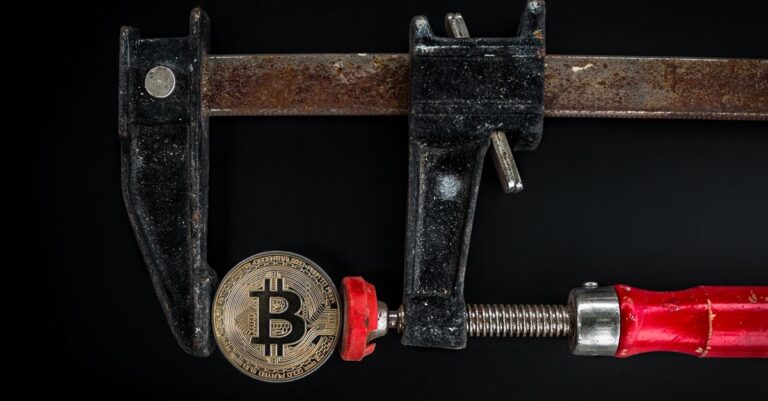
Navigate the volatile world of digital assets safely. Discover essential strategies for safeguarding crypto investments and protecting your hard-earned wealth from emerging threats.
The allure of digital assets is undeniable, promising revolutionary financial opportunities and potentially significant returns. Yet, for every success story, there are cautionary tales of individuals losing substantial savings to sophisticated scams or simply misunderstanding the inherent risks. The digital frontier, while innovative, can also be a minefield for the unprepared. Protecting your financial future in this evolving landscape requires vigilance, education, and a robust approach to safeguarding crypto investments.
Consider the common scenario: an investor, captivated by the prospect of exponential growth, pours funds into a project advertised with guaranteed sky-high returns. The platform might mimic legitimate investment sites, feature fabricated testimonials, or even employ “AI trading bots” that promise to automate wealth creation. The outcome, predictably, is often a complete loss of capital, with funds diverted into the pockets of unscrupulous operators. This isn’t just a distant headline; it’s a stark reality for many.
The Double-Edged Sword of Digital Innovation
Cryptocurrencies and blockchain technology represent a powerful shift in finance, offering decentralization, transparency, and new avenues for value creation. However, this same innovation can be exploited. The lack of traditional intermediaries and the global, borderless nature of digital assets make them attractive to those seeking to operate outside established regulatory frameworks. For the individual investor, this means a heightened responsibility to exercise due diligence.
One of the unique observations from managing personal finances across various market cycles is that human psychology remains a constant vulnerability. Fear of missing out (FOMO) and the desire for quick wealth often override rational financial planning. Scammers skillfully exploit these emotions, presenting opportunities that seem too good to be true because, invariably, they are. They prey on the hope that this one investment will be the one that changes everything.
Identifying Red Flags in Digital Asset Opportunities
Before committing any capital, it’s crucial to develop a keen eye for warning signs. These red flags often appear subtle at first but can escalate quickly. Recognizing them early is your primary defense in safeguarding crypto investments.
- Unrealistic Promises: Any platform or individual guaranteeing fixed, extraordinarily high returns (e.g., 5% daily, 100% monthly) should immediately trigger alarm bells. Legitimate investments carry risk, and no honest entity can promise guaranteed, outsized profits.
- Pressure Tactics and Urgency: Scammers often insist on immediate action, creating a sense of urgency to prevent you from conducting proper research. Phrases like “limited-time offer” or “invest now before it’s too late” are classic manipulative techniques.
- Lack of Transparency: A legitimate project or platform will openly share details about its team, technology, whitepaper, and how it generates returns. If information is vague, founders are anonymous, or the underlying technology is unclear, proceed with extreme caution.
- Unsolicited Contact: Be wary of direct messages or emails from unknown individuals offering investment advice or opportunities, particularly on social media platforms. These are often the starting point for phishing attempts or direct scams.
- Requests for Private Keys or Seed Phrases: Your private keys or seed phrases are the ultimate access to your digital assets. No legitimate service, exchange, or individual will ever ask for them. Sharing these is equivalent to handing over the keys to your bank vault.
- Complex, Confusing Jargon: Some scams intentionally use overly technical or vague language to confuse investors, making it difficult to understand the actual investment mechanism. This serves to mask the lack of a viable business model.
Your Shield: Robust Due Diligence
The most powerful tool in your arsenal for safeguarding crypto investments is thorough due diligence. This isn’t just a suggestion; it’s a necessity in the digital asset space.
Research the Project and Team Extensively
Go beyond the glossy website. Investigate the project’s whitepaper for feasibility and clarity. Search for credible reviews and independent analyses. Look up the project’s founders and developers – do they have a verifiable background in the industry? Are they publicly known and reputable? A quick search can often reveal past controversies or a lack of real-world experience.
Verify Regulatory Compliance
While the crypto landscape’s regulatory environment is still evolving, reputable exchanges and financial service providers often comply with existing regulations in their operating jurisdictions. Check if the platform is registered with relevant financial authorities, even if these regulations don’t specifically cover all digital assets. This offers an additional layer of protection and accountability.
“In the world of digital assets, your vigilance is your primary line of defense. Thoroughly researching opportunities and understanding the risks are critical for safeguarding crypto investments.”
Fortifying Your Digital Wallets and Security Habits
Even after selecting a seemingly legitimate investment, the security of your digital assets depends heavily on your personal security practices. This is where many individuals unknowingly become vulnerable.
- Choose the Right Wallet: For substantial holdings, a hardware wallet (cold storage) offers superior security compared to software wallets (hot storage) or leaving funds on an exchange. Hardware wallets keep your private keys offline, making them virtually impervious to online hacking attempts.
- Strong, Unique Passwords and 2FA: Use complex, unique passwords for all your crypto-related accounts and enable two-factor authentication (2FA) wherever possible. Authenticator apps are generally more secure than SMS-based 2FA.
- Guard Your Seed Phrase: Your seed phrase is the master key to your wallet. Write it down, store it in a secure, offline location (like a safe deposit box), and never share it with anyone or store it digitally where it could be compromised.
- Beware of Phishing: Always double-check URLs before clicking on links and be skeptical of emails or messages asking for personal information. Scammers often create fake websites that look identical to legitimate ones.
- Regular Software Updates: Keep your operating system, browser, and all crypto-related software updated. These updates often include critical security patches.
Beyond Scams: Managing Volatility and Risk
Even without falling victim to a scam, the inherent volatility of digital assets can lead to significant losses if not managed wisely. True safeguarding crypto investments also involves prudent risk management.
Diversification is Key: Just as with traditional portfolios, avoid putting all your capital into a single digital asset. Diversify across different assets, sectors, and even asset classes to mitigate risk. Understand that while some assets may offer high growth potential, they often come with higher risk.
Invest What You Can Afford to Lose: This is a foundational principle of responsible investing, particularly pertinent to the nascent and speculative crypto market. Only allocate capital that, if completely lost, would not jeopardize your financial stability or core financial goals.
Understand Market Cycles: The crypto market experiences pronounced cycles of booms and busts. Develop a long-term perspective and avoid making emotional decisions based on short-term price swings. Having a clear investment thesis and sticking to it through market fluctuations can prevent panic selling or buying at peaks.
Have an Exit Strategy: Before investing, define your goals and an exit strategy. At what price point will you take profits? Under what circumstances will you cut losses? A predefined plan helps remove emotion from critical financial decisions.
Conclusion: Empowering Your Digital Asset Journey
The digital asset space offers exciting opportunities, but it demands a proactive and informed approach. By understanding the common pitfalls, meticulously conducting due diligence, and implementing robust personal security measures, you can significantly reduce your exposure to risk. Safeguarding crypto investments is an ongoing process of learning, adapting, and exercising common sense. Your financial well-being in this new frontier depends on your commitment to protecting what you’ve worked so hard to build.
Frequently Asked Questions
How can I avoid losing money to crypto scams?
To avoid falling victim to crypto scams, always be skeptical of promises of guaranteed high returns, do not succumb to pressure to invest quickly, thoroughly research any project or platform, and never share your private keys or seed phrase. Stick to reputable exchanges and be wary of unsolicited investment offers.
What are the most crucial steps for safeguarding crypto investments?
Crucial steps include performing comprehensive due diligence on projects, using strong and unique passwords with two-factor authentication, storing significant holdings in hardware wallets (cold storage), and maintaining an offline backup of your seed phrase. Diversifying your portfolio and investing only what you can afford to lose are also vital.
Should I trust platforms promising extremely high returns on my digital assets?
Generally, no. Platforms that promise extremely high or guaranteed returns are almost always fraudulent. Legitimate investments carry inherent risks, and no financial entity can realistically promise outsized, risk-free profits, especially in the volatile digital asset market. If it sounds too good to be true, it likely is.
What type of crypto wallet offers the best security for my funds?
For the highest level of security for significant amounts of cryptocurrency, a hardware wallet (often referred to as cold storage) is recommended. These devices store your private keys offline, making them resistant to online hacking attempts and malware, providing a robust method for safeguarding crypto investments.