

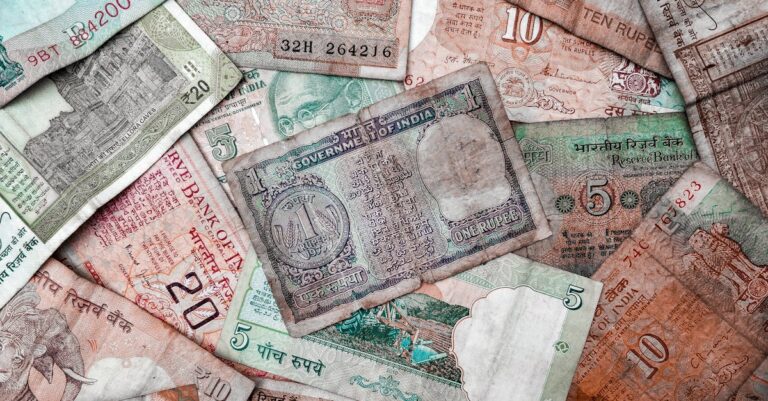
Facing the Rupee’s sharp decline? Discover actionable strategies to protect your investments and personal wealth from inflationary pressures and market volatility in these challenging times.
The financial headlines have painted a stark picture: the Indian Rupee has plummeted to unprecedented lows against the US Dollar, breaching the 95.35 mark. This significant depreciation, confirmed by reputable financial news outlets, is not merely a number on a chart; it reverberates through the economy, directly impacting the wealth and financial stability of millions. For anyone working to build wealth, this is a moment demanding attention, understanding, and proactive strategy. The ‘Work to Wealth’ ethos emphasizes foresight and resilience, and navigating a depreciating currency is a crucial test of that commitment. This comprehensive guide will dissect the causes of this alarming slide, reveal its tangible effects on your personal finances, and, most importantly, equip you with robust strategies to protect and even grow your wealth amidst the turbulence.
Understanding the current economic landscape is the first step towards building a resilient financial future. The recent slide in the Indian Rupee’s value is a complex interplay of global and domestic factors. It’s not an isolated event but rather a symptom of broader geopolitical tensions and shifts in monetary policy that have created a challenging environment for emerging market currencies. By grasping these underlying drivers, you can better anticipate future movements and make informed decisions about your financial portfolio.
Understanding the Rupee Plunge: Economic Drivers Unpacked
The record-breaking depreciation of the Indian Rupee isn’t attributable to a single cause but rather a confluence of powerful economic forces. These factors, originating both domestically and internationally, have created a ‘perfect storm’ pushing the Rupee to its lowest point in history. Decoding these drivers is essential for any savvy investor or wealth builder.
The Global Oil Shock and India’s Vulnerability
A primary catalyst for the Rupee’s recent decline has been the dramatic surge in global oil prices. According to financial analysis from FXStreet, the WTI Oil price recently traded almost 1% higher at around $107.00, marking its highest level in over seven weeks. This spike is directly linked to escalating geopolitical tensions, specifically the continued United States blockade of Iranian sea ports. The Strait of Hormuz, a critical passage for nearly 20% of global energy supply, has seen its closure prompt a significant supply crisis.
US President Donald Trump’s late Wednesday announcement, rejecting Iran’s peace proposal and vowing to prolong the naval blockade, intensified these concerns. This stance by the US aims to secure a deal addressing Iran’s nuclear program, but its immediate effect has been to keep oil supplies constrained and prices elevated. For an economy like India, which relies heavily on oil imports to meet its vast energy needs, rising oil prices present a formidable challenge. A higher import bill translates into more US Dollars being spent to purchase the same quantity of oil, which increases demand for the USD and, consequently, weakens the Rupee. This directly contributes to inflationary pressures domestically, making everyday goods and services more expensive for the average consumer.
The Resurgent US Dollar and Monetary Policy Shifts
Another powerful force contributing to the Indian Rupee‘s woes is the strengthening US Dollar. The US Dollar Index (DXY), which tracks the Greenback’s value against six major currencies, has seen a consistent winning streak. This resurgence is partly fueled by a ‘risk-off’ sentiment in global markets, where investors flock to safe-haven assets like the US Dollar during periods of uncertainty. The Middle East tensions certainly fall into this category, making the USD an attractive destination for capital.
Adding to this, the Federal Reserve’s monetary policy announcement on Wednesday played a significant role. The Fed left interest rates steady in the range of 3.50%-3.75%. While the rates remained unchanged, remarks from Fed Chair Jerome Powell indicated that the “number of officials who would support a move away from an easing bias has increased.” This hawkish tone signals that the Fed is vigilant about inflation and potential future rate hikes, or at least no immediate cuts. Higher interest rates in the US make USD-denominated assets more attractive, drawing capital away from emerging markets. Powell also explicitly warned that the central bank is attentive to “risks on both sides of our mandate,” citing “Developments in the Middle East” as contributing to uncertainty. This combination of a hawkish Fed bias and global risk aversion has significantly bolstered the US Dollar, making it more expensive for other countries, including India, to conduct international trade and finance.
Foreign Institutional Investor Exodus
The final significant piece of the puzzle is the continuous withdrawal of Foreign Institutional Investors (FIIs) from the Indian stock market. FIIs have been net sellers for eight consecutive trading days, offloading stakes worth Rs. 22,863.50. This outflow of foreign capital directly impacts the Rupee. When FIIs sell their Indian equities, they convert their Rupee holdings back into their home currencies (often US Dollars), creating an increased demand for USD and further depressing the Rupee’s value. This trend is driven by several factors, including heightened concerns about India Inc.’s earnings projections amid surging oil prices and a general global risk aversion that prompts investors to reduce exposure to emerging markets.
The technical analysis also supports this bearish outlook for the Rupee. The USD/INR pair rallied to near 95.35, a lifetime high, and holds a firm bullish bias. Technical indicators like the Relative Strength Index (RSI) hovering near 67 suggest strong upside momentum for the pair, implying continued pressure on the Rupee. While the risk of overextension exists, buyers currently retain control, signaling that the currency may continue its rally towards 96.00.
In summary, the Indian Rupee‘s dramatic fall is a complex interaction of global oil supply shocks, a strengthening US Dollar driven by the Federal Reserve’s stance and risk-off sentiment, and a significant exodus of foreign capital from Indian equities. Understanding these interconnected dynamics is paramount for anyone seeking to protect and grow their wealth in this volatile economic environment.
Direct Impact on Your Personal Finances: Navigating the Rupee’s Weakness
The depreciation of the Indian Rupee is not an abstract economic phenomenon confined to financial news tickers. Its effects ripple through the entire economy, directly influencing your daily life, the value of your savings, and your future financial planning. Understanding these tangible impacts is crucial for adapting your financial strategies.
Inflationary Pressures on Daily Budgets
One of the most immediate and noticeable impacts of a weakening Rupee is increased inflation. Since India imports a significant portion of its essential goods, particularly crude oil, a depreciating currency makes these imports more expensive in Rupee terms. This higher cost is then passed on to consumers. You’ll likely see:
- Higher Fuel Costs: Increased prices at the petrol pump directly affect transportation costs, making commuting more expensive for individuals and businesses alike.
- Elevated Food Prices: The cost of transporting food items increases, and any imported food products become dearer.
- Increased Manufacturing Costs: Industries relying on imported raw materials or components face higher expenses, which they then transfer to the final consumer in the form of higher prices for goods ranging from electronics to clothing.
This inflationary spiral erodes your purchasing power. Your salary might remain the same, but it will buy you less, squeezing household budgets and making it harder to save for future goals. Essential services also face cost increases, from utility bills to certain healthcare components, all influenced by global supply chains priced in stronger currencies.
Investment Portfolio Erosion
For investors, a falling Indian Rupee presents a multi-faceted challenge:
- Reduced Value of INR-Denominated Assets: If a significant portion of your wealth is held in Rupee-denominated assets (like Indian stocks, bonds, or fixed deposits), their value, when converted to a stronger currency for international purchasing power, effectively diminishes. While the nominal value in Rupees might remain, your global purchasing power has declined.
- Impact on Overseas Investments: Conversely, if you have invested in US Dollar-denominated assets, the Rupee’s depreciation means that when you convert those returns back into Rupees, you might see a higher Rupee value. However, this also means that future overseas investments will require more Rupees to acquire the same amount of foreign currency.
- Corporate Earnings Concerns: Companies that rely heavily on imports or have significant foreign debt may see their profit margins squeezed due to higher input costs and increased repayment burdens. This can negatively affect their stock performance, impacting your equity investments. Conversely, export-oriented companies might benefit from a weaker Rupee, as their foreign earnings translate into more Rupees.
The overall sentiment in the market can also be affected, leading to volatility and potentially lower returns on domestic investments as FIIs continue to withdraw capital.
Remittances, Overseas Transactions, and International Expenses
For those with international financial ties, the Rupee’s weakness has distinct implications:
- Sending Money Abroad: If you are sending money to family members studying or working overseas, or if you have international debt obligations, the cost in Rupees will significantly increase. You will need to exchange more Rupees to get the same amount of foreign currency.
- Receiving Money from Abroad: For individuals receiving remittances from relatives working overseas, a stronger US Dollar (or other foreign currency) means that their foreign income will convert into a larger amount of Rupees, which can be a temporary benefit.
- Foreign Education and Travel: The cost of foreign education, international travel, and imported luxury goods becomes considerably more expensive. Tuition fees, accommodation, and daily expenses abroad will demand more Rupees, straining budgets for students and travelers.
- Imported Goods and Services: From consumer electronics to specialized medical treatments, anything with an imported component or requiring payment in a foreign currency will see its price rise.
The cumulative effect of these impacts is a reduction in your overall financial flexibility and purchasing power. It necessitates a careful review of your budget, investment portfolio, and long-term financial goals. Ignoring these shifts can lead to a gradual erosion of your hard-earned wealth. Therefore, strategic adjustments are not just advisable; they are essential for weathering the storm and continuing on your path from work to wealth.
Strategies for Shielding Your Wealth: Proactive Steps Against Currency Risk
Given the volatile landscape presented by the plummeting Indian Rupee, taking proactive measures to safeguard your wealth is paramount. A well-thought-out strategy can mitigate risks, preserve capital, and even identify new opportunities. The ‘Work to Wealth’ philosophy thrives on informed action, and these strategies are designed to empower you.
Diversification Beyond Borders: Global Investments
One of the most effective ways to protect your wealth from country-specific economic shocks and currency depreciation is through international diversification. Investing solely in INR-denominated assets exposes you entirely to the local economy’s fluctuations. Expanding your investment horizon can offer significant benefits:
- Reducing Country-Specific Risk: By investing in assets in different countries and currencies, you reduce your exposure to the economic downturns or currency weaknesses of a single nation.
- Access to Growth Opportunities: Global markets offer a wider array of growth sectors and companies that might not be available or as robust domestically.
- Natural Currency Hedge: Holding assets denominated in stronger, more stable currencies (like the US Dollar, Euro, or Japanese Yen) can act as a natural hedge against a weakening home currency. When the Rupee depreciates, the Rupee value of your foreign assets increases.
Options for Global Investing:
- Global Mutual Funds and ETFs: These funds invest in a diversified portfolio of international stocks or bonds. They offer a relatively easy way to gain international exposure without the complexities of direct foreign stock trading. Look for funds that invest in broad global indices or specific developed markets.
- Feeder Funds: These are Indian funds that invest predominantly in a single underlying international fund, giving you exposure to specific global markets or themes.
- Direct Foreign Investments: If permitted by regulations and your financial capacity, direct investment in foreign stocks or bonds can offer more control. However, this often involves dealing with foreign brokerage accounts, understanding international tax implications, and navigating different regulatory environments.
- REITs (Real Estate Investment Trusts) in Developed Markets: Investing in REITs that hold properties in stable, growing economies can provide exposure to international real estate without the complexities of direct property ownership.
When considering global investments, always research the underlying assets, fund management fees, and the regulatory framework for Indian citizens investing abroad.
Strengthening Your Emergency Fund: In Stable Currencies
An emergency fund is your financial safety net, and its importance magnifies during periods of economic volatility and currency depreciation. While it’s prudent to have readily accessible funds, consider structuring a portion of this fund to mitigate currency risk:
- Maintain Adequate Liquidity: Ensure you have at least 6-12 months’ worth of essential living expenses saved. This provides a buffer against unexpected job loss, medical emergencies, or significant inflationary shocks.
- Consider Foreign Currency Deposits: If permissible and accessible, explore options to hold a portion of your emergency fund in a stable foreign currency, such as a US Dollar-denominated savings account or fixed deposit, through authorized channels. This offers direct protection against the Rupee’s depreciation for that specific portion of your savings.
- Diversify Cash Holdings: While not a direct currency hedge, spreading your cash across different types of liquid assets (e.g., high-interest savings accounts, short-term debt funds) can offer some protection against institution-specific risks and potentially better returns than a standard savings account.
Strategic Asset Allocation Review
Currency fluctuations necessitate a re-evaluation of your overall asset allocation strategy. This is not a time for panic selling, but for thoughtful adjustment:
- Re-evaluate Risk Tolerance: Market volatility can test your nerves. Reassess if your current asset allocation still aligns with your comfort level for risk. You might consider a slightly more conservative approach in the short term.
- Consider Defensive Assets: During uncertain times, assets traditionally considered “safe havens” can become attractive. This includes physical gold, which often acts as a hedge against inflation and currency depreciation. Stable international bonds (though accessible via funds for most retail investors) can also offer relative stability.
- Focus on Quality and Value: Within your equity portfolio, emphasize companies with strong balance sheets, consistent earnings, low debt, and a competitive advantage. These businesses tend to weather economic storms better. Export-oriented companies are particularly noteworthy, as a weaker Rupee can boost their earnings when converted back to INR.
Inflation-Proofing Your Savings
With inflation a significant concern due to the Indian Rupee‘s depreciation, ensuring your savings grow at a rate that beats inflation is critical:
- Real Estate: Historically, real estate has served as an inflation hedge. While not without its risks, well-chosen properties can appreciate in value and generate rental income that adjusts with inflation.
- Commodities: Beyond gold, exposure to a broader basket of commodities (via ETFs or commodity funds) can offer a hedge, as their prices tend to rise with inflation.
- Equities with Pricing Power: Invest in companies that have the ability to pass on increased costs to consumers without significant loss of market share. These are often market leaders in essential sectors.
- Inflation-Linked Bonds: While less common for retail investors, some government bonds are structured to provide returns that adjust with inflation, protecting your purchasing power.
Managing Debt Wisely
Debt management becomes even more critical during inflationary periods and currency weakness:
- Prioritize High-Interest Debt: Focus on aggressively paying down high-interest consumer debt (credit cards, personal loans). The real cost of these debts can increase with inflation, and reducing them frees up cash flow.
- Review Loan Terms: If you have variable-rate loans, understand that interest rates might rise in response to inflationary pressures or central bank actions. Fixed-rate loans offer more predictability in such an environment.
- Avoid Unnecessary Foreign Currency Debt: Unless you have a matching foreign currency income stream, avoid taking on debt denominated in stronger foreign currencies, as the Rupee cost of repayment will increase with depreciation.
Exploring Export-Oriented Opportunities
A weaker Indian Rupee isn’t bad news for everyone. For businesses and investors, it can create opportunities:
- Investment in Export-Oriented Companies: Companies that earn revenue in foreign currencies and incur costs in Rupees can see a significant boost to their profitability. Sectors like IT services, pharmaceuticals, textiles, and certain manufacturing exporters often benefit. Researching and investing in such companies can be a strategic move.
- For Entrepreneurs: If you are a business owner, consider whether your products or services could be offered to international markets. A weaker Rupee makes your offerings more competitive on the global stage.
Continuous Learning and Professional Guidance
The financial world is constantly evolving. Staying informed is a cornerstone of effective wealth management:
- Stay Informed: Regularly follow reputable financial news sources and economic analyses. Understand global and local economic trends that could impact your investments.
- Consult a Financial Advisor: A certified financial advisor can provide personalized guidance, help you review your portfolio, assess your risk tolerance, and develop a tailored strategy to navigate current market conditions. Their expertise is invaluable during complex periods like this, helping you avoid emotional decisions and stick to a rational plan.
Implementing these strategies requires discipline and a long-term perspective. The goal is not just to react to the current crisis but to build a robust financial framework that can withstand future economic shocks and continue to move you along your path from work to wealth.
Long-Term Perspective: Building Wealth Amidst Uncertainty
While the immediate concerns regarding the Indian Rupee‘s depreciation are pressing, building wealth is inherently a long-term endeavor. Market volatility, currency fluctuations, and geopolitical events are recurrent features of the global economic landscape. The true measure of a robust financial strategy lies in its ability to endure and thrive through these cycles. For those committed to the ‘Work to Wealth’ journey, cultivating a long-term perspective is indispensable.
The Power of Patience and Market Cycles
History consistently demonstrates that markets operate in cycles. Periods of decline are invariably followed by recovery and growth, just as periods of rapid expansion can lead to corrections. A depreciating currency, while concerning, is often part of a larger economic adjustment. Panic selling during downturns almost always results in locking in losses and missing out on the eventual recovery. Instead, adopting a patient approach allows your investments the necessary time to ride out the storm and benefit from long-term compounding.
Consider the broader economic trajectory of India. Despite current headwinds, its fundamental growth drivers, demographic advantages, and structural reforms often present compelling long-term investment cases. A temporary weakening of the Indian Rupee does not negate these underlying strengths. Staying invested through periods of volatility requires conviction in your long-term plan and the understanding that short-term market noise is just that—noise.
Discipline in Investing and Dollar-Cost Averaging
One of the most powerful tools for long-term wealth builders, especially during volatile times, is disciplined investing through methods like dollar-cost averaging. Instead of trying to time the market (which is notoriously difficult, even for professionals), dollar-cost averaging involves investing a fixed amount of money at regular intervals, regardless of market conditions.
When the Indian Rupee is weak and asset prices might be lower (especially for domestic assets that may be undervalued by FII outflows), your fixed investment buys more units. When prices are higher, it buys fewer. Over time, this strategy averages out your purchase price, reduces the risk of investing a lump sum at a market peak, and cultivates a consistent saving habit. This disciplined approach removes emotion from investment decisions, fostering a systematic path to accumulating wealth even when the headlines are grim.
The Role of a Qualified Financial Advisor
Navigating complex economic conditions, currency fluctuations, and global uncertainties can be overwhelming. This is where the expertise of a qualified financial advisor becomes invaluable. A good advisor can:
- Provide Personalized Guidance: They can assess your unique financial situation, risk tolerance, and goals, and then tailor strategies to your specific needs, taking into account the impact of the Indian Rupee‘s performance.
- Offer Objective Perspective: During times of fear and uncertainty, it’s easy to make emotional decisions. An advisor provides a calm, rational perspective, helping you avoid common pitfalls like panic selling or chasing speculative trends.
- Assist with Portfolio Review and Adjustment: They can help you review your current investment portfolio, identify areas of overexposure or under-diversification, and recommend adjustments to better position you for both currency risk and long-term growth. This includes exploring international investment avenues or inflation-hedging strategies.
- Stay Updated on Regulations and Opportunities: Financial advisors stay abreast of changing market conditions, regulations (e.g., LRS limits for overseas investments), and emerging investment opportunities, ensuring your strategy remains current and compliant.
View your relationship with a financial advisor as a partnership in your wealth-building journey, especially during challenging periods. Their insights can be critical in turning potential setbacks into strategic advantages.
Focus on Fundamentals and Value Investing
When markets are volatile and currency swings are pronounced, the underlying fundamentals of your investments become even more critical. Adopting a value investing philosophy, where you focus on acquiring assets (like stocks) at prices below their intrinsic worth, can be highly rewarding in the long run.
For equities, this means investing in companies with:
- Strong Business Models: Companies with competitive advantages, robust earnings, and sustainable growth prospects.
- Sound Financial Health: Low debt, strong cash flows, and healthy balance sheets.
- Resilient Management: A capable and ethical management team that can navigate economic challenges.
These are the businesses that typically recover strongest post-crisis. Similarly, for other asset classes, understanding their fundamental drivers and long-term value proposition is key. The current weakness of the Indian Rupee might present opportunities to acquire high-quality assets at more attractive valuations, especially if their earnings power is less susceptible to currency fluctuations or is globally diversified.
Adaptability as a Key Financial Skill
The global economy is dynamic. The ability to adapt your financial strategies in response to new information and changing circumstances is a vital skill for wealth creation. This doesn’t mean constantly altering your core investment philosophy, but rather being flexible enough to adjust specific tactics or asset allocations when significant shifts occur, such as the current Rupee depreciation.
It involves ongoing financial education, periodic review of your financial plan, and an open mind to new investment vehicles or strategies. The goal is not just to survive economic downturns, but to emerge stronger, having learned and adapted your approach. By embracing a long-term perspective, maintaining discipline, seeking expert advice, focusing on fundamentals, and cultivating adaptability, you can confidently navigate the current challenges posed by the Indian Rupee‘s record lows and continue your steadfast journey from work to wealth.
Conclusion: Resilience in the Face of Change
The dramatic plummet of the Indian Rupee to record lows, driven by soaring oil prices, a resurgent US Dollar, and significant FII outflows, presents a substantial challenge to personal finances and investment portfolios. Its impact is felt across daily expenses through inflation, the value of savings, and the cost of international transactions. Yet, for those committed to the ‘Work to Wealth’ principle, this period of volatility is not merely a crisis but also a critical juncture for strategic action and long-term planning.
By understanding the underlying economic forces at play, you can move beyond mere reaction to informed decision-making. The actionable strategies outlined—from diversifying investments globally and strengthening emergency funds in stable currencies to inflation-proofing savings and diligently managing debt—are not just defensive measures. They are integral components of a robust, forward-looking financial plan designed to build resilience. Embracing a long-term perspective, maintaining investment discipline through methods like dollar-cost averaging, and consulting with qualified financial advisors are key elements that will empower you to not only protect your existing wealth but also identify and capitalize on opportunities that emerge from market adjustments.
The path to wealth is rarely a straight line; it often involves navigating unforeseen twists and turns. The current depreciation of the Indian Rupee is one such turn. By applying knowledge, discipline, and a proactive mindset, you can transform potential financial setbacks into lessons learned and strengths gained, continuing your journey towards enduring financial well-being. Now is the time to review your financial situation, assess your risks, and strategically align your resources to thrive in a changing economic landscape.