

Discover how to declutter your home effectively, transforming chaotic spaces into serene environments that enhance financial well-being and productivity, compatible with any lifestyle. This comprehensive guide promises actionable steps for a lasting impact.
The journey to financial prosperity often begins not with a grand investment strategy, but with the quiet act of organizing your immediate surroundings. A chaotic living space can mirror a chaotic financial life, leading to inefficiencies, lost time, and even unnecessary spending. To truly thrive and build wealth, it is essential to establish order, starting with how you declutter home environments.
Imagine a home where everything has its place, where clutter no longer creates visual noise or mental fatigue. This isn’t just about aesthetics; it’s about creating an ecosystem that supports your goals, including your financial aspirations. When your home is organized, you save time looking for items, reduce duplicate purchases, and cultivate a sense of calm that fosters clear decision-making – all critical components of wealth accumulation.
This article provides a comprehensive, room-by-room guide to help you systematically declutter home spaces, transforming them into sanctuaries that contribute directly to your overall financial health and peace of mind.
The Foundational Principles to Declutter Home Spaces
Before diving into specific rooms, it’s crucial to understand the overarching philosophy behind effective decluttering. This isn’t just about throwing things away; it’s about intentional living and making conscious choices about what you allow into your physical and mental space. These principles will serve as your compass as you navigate each area of your home.
Understanding the “Why” Behind Your Clutter
Clutter often stems from a combination of factors: sentimental attachment, fear of needing an item later, impulse purchases, or simply a lack of designated storage. Acknowledging these underlying reasons can help you develop strategies to address them effectively. For instance, impulse buys not only create clutter but also drain your financial resources. By addressing the root cause, you can prevent future clutter and save money.
The “One-In, One-Out” Rule
To prevent future accumulation, adopt the “one-in, one-out” rule. Whenever you bring a new item into your home, especially in categories prone to clutter (like clothing, books, or kitchen gadgets), commit to donating, selling, or discarding an existing item in that same category. This simple rule helps maintain balance and prevents your spaces from becoming overwhelmed again.
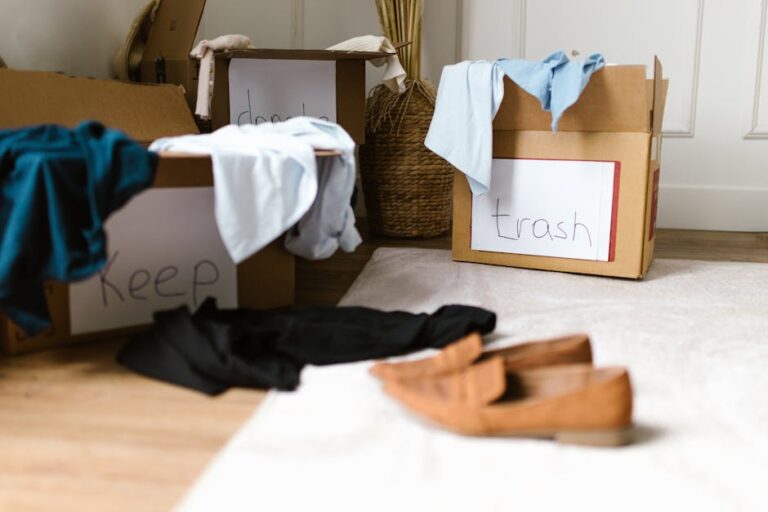
Categorize and Conquer: The “Keep, Donate, Sell, Trash” Method
For each item you encounter, make a swift decision:
- Keep: Items you regularly use, genuinely love, or that serve a clear, current purpose.
- Donate: Items in good condition that you no longer need but someone else could benefit from. This includes clothing, books, small appliances, and household goods.
- Sell: Valuable items in good condition that could fetch a decent price. Consider online marketplaces or consignment shops. This can even provide a small financial boost to your wealth-building efforts.
- Trash: Broken, expired, or truly unusable items that cannot be recycled or donated.
Start Small, Stay Consistent
The idea of decluttering an entire home can be daunting. Instead, break down the task into manageable chunks. Dedicate 15-30 minutes each day to one small area, or tackle one drawer, shelf, or category at a time. Consistency is key to long-term success and prevents burnout.
Room-by-Room Guide to Declutter Home Efficiency
Now, let’s apply these principles to specific areas of your home, understanding how each organized space contributes to a more prosperous and peaceful life.
The Kitchen: Culinary Calm and Financial Savings
The kitchen is often the heart of the home, but it can also be a significant source of clutter, leading to wasted food, forgotten appliances, and a general sense of overwhelm. A well-organized kitchen encourages home cooking, which is a significant factor in saving money compared to dining out.
Pantry and Food Storage Decluttering
- Remove Expired Items: Start by pulling everything out and checking expiration dates. Discard anything past its prime. This immediately frees up space and prevents food waste, directly impacting your grocery budget.
- Consolidate Duplicates: Combine open packages of the same item into one container.
- Categorize and Contain: Use clear containers, bins, and shelf organizers to group similar items (e.g., baking supplies, snacks, canned goods). This makes inventory quick and prevents overbuying.
- First-In, First-Out (FIFO): Arrange items so older products are at the front, encouraging you to use them before they expire.
Utensils, Gadgets, and Dishware
- Purge Redundancies: How many spatulas do you truly need? Keep only the best, most functional versions of each utensil. Many homes accumulate multiple items that serve the same purpose.
- Assess Gadget Use: If you haven’t used a kitchen gadget in a year or more, consider if it truly earns its valuable counter or cabinet space. Many specialized appliances are rarely used and could be sold or donated.
- Address Chipped or Broken Items: Discard or recycle chipped plates, cracked mugs, or warped plastic containers. They detract from the aesthetic and functionality of your kitchen.
Countertops and Drawers
- Clear Countertops: Aim for minimal items on your countertops. Store appliances that aren’t used daily. A clear counter invites cooking and reduces visual clutter.
- Drawer Dividers: Use drawer dividers to separate utensils, preventing them from becoming a jumbled mess. This makes finding what you need quick and effortless.
The Living Room: Relaxation and Reduced Spending
Your living room should be a space for relaxation and connection, not a dumping ground for forgotten items. A tidy living room can reduce stress and discourage impulsive purchases, as you’re less likely to buy items to “fill” a cluttered space.
Media and Entertainment Areas
- Digitalize Where Possible: Consider converting physical media (CDs, DVDs) to digital formats if you’re comfortable with streaming services. This significantly reduces the need for storage.
- Organize Cables: Use cable ties or organizers to tame unruly cords behind entertainment systems.
- Review Remote Controls: Keep only the necessary remotes; consolidate if universal remotes are an option.
Books and Magazines
- Curate Your Collection: Keep books you genuinely love, frequently reference, or plan to reread. Donate books you’ve read and won’t revisit, or those you’ve started but won’t finish.
- Magazines: Tear out articles of interest and recycle the rest, or switch to digital subscriptions.
Decorative Items and Personal Objects
- Less is More: Resist the urge to display every decorative item you own. Rotate decorations periodically to keep the space fresh without being overstimulating.
- Hidden Storage: Utilize ottomans with storage, baskets, or shelving units with doors to hide items that don’t need to be on display.
Bedrooms: Rest, Rejuvenation, and Responsible Habits
Your bedroom should be a sanctuary for rest and rejuvenation. Clutter in this space can disrupt sleep, increase stress, and lead to a feeling of being constantly overwhelmed. A peaceful bedroom supports mental clarity, which is vital for making sound financial decisions.
Wardrobe and Clothing Decluttering
- The “Love It or Leave It” Rule: Go through every item of clothing. If you don’t absolutely love it, wear it regularly, or it doesn’t fit, it’s time to let it go. This prevents unnecessary clothing purchases.
- Seasonal Swaps: Store off-season clothing in designated bins to free up valuable closet space.
- Organize by Category: Group similar items (shirts, pants, dresses) together, and then by color. This makes it easier to see what you own and prevents buying duplicates.
- Footwear: Store shoes neatly on racks or in clear bins. Discard worn-out or uncomfortable pairs.
Nightstands and Dresser Tops
- Keep Surfaces Clear: Limit items on nightstands and dresser tops to only the essentials (lamp, book, a small personal item). This creates a calm visual for winding down.
- Drawer Organization: Use drawer dividers for socks, underwear, and accessories.
Under-Bed Storage
- Utilize Smartly: If using under-bed storage, opt for enclosed containers to keep dust out. Store items like extra linens, seasonal clothing, or rarely used items. Avoid using it as a “catch-all” for random clutter.
Bathrooms: Hygiene, Health, and Thoughtful Purchases
A cluttered bathroom can be a breeding ground for forgotten products and expired medications, posing health risks and wasting money. Organizing this space ensures hygiene and helps you use products before they expire.
Medicine Cabinet and Linens
- Check Expiration Dates: Go through all medications, toiletries, and cosmetics. Discard anything expired or nearly empty. This prevents waste and ensures product effectiveness.
- Consolidate Products: If you have multiple half-empty bottles of shampoo, consolidate them.
- Linens: Keep only enough towels and washcloths for practical use and a few spares. Fold and store neatly.
Drawers and Under-Sink Area
- Use Organizers: Drawer dividers and under-sink caddies are invaluable for separating small items like hair ties, cotton swabs, and extra soaps.
- Limit Duplicates: Only keep one or two backups of frequently used items. Resist buying bulk if it means products will expire before use.
The Home Office: Productivity and Financial Focus
For many, the home office is where wealth is built. A disorganized office directly impacts productivity, focus, and the ability to manage finances effectively. A clean, functional workspace is an investment in your earning potential.
Paperwork and Documents Decluttering
- Go Digital First: Scan and save important documents digitally whenever possible. Use cloud storage for backups.
- Filing System: Implement a clear, intuitive filing system for physical documents that must be kept (taxes, legal documents). Use clearly labeled folders.
- Process Mail Daily: Deal with mail as it comes in: immediately discard junk, pay bills, file statements, or shred sensitive information.
Desk and Supplies
- Clear Your Desk: Aim for a minimalist desk. Keep only items you use daily. Everything else should have a designated drawer or cabinet.
- Supply Inventory: Only keep a reasonable stock of office supplies. Buying too many pens or notepads can lead to waste.
- Cable Management: Organize all electronic cables to reduce visual clutter and prevent tangles.
Books and Resources
- Relevant Materials: Keep only books and resources directly related to your current work or learning goals.
Closets and Storage Areas: Maximizing Space and Minimizing Waste
Beyond bedroom closets, general storage closets, linen closets, and utility closets can become black holes for unused items. Decluttering these areas means you know what you have, can access it easily, and avoid buying duplicates.
Linen Closets
- Fold Neatly: Fold sheets and towels uniformly.
- Assess Needs: Do you need five sets of sheets for one bed? Keep what’s practical and comfortable.
- Label Shelves/Bins: If you have multiple types of linens (e.g., guest towels, beach towels), label their storage spots.
Utility Closets
- Tools and Cleaning Supplies: Store cleaning supplies together, using caddies for portability. Hang tools neatly on pegboards or wall organizers.
- Safety: Ensure hazardous materials are stored safely and out of reach of children or pets.
Coat Closets/Entryway Closets
- Seasonal Items: Store only current season coats and shoes. Rotate as seasons change.
- Shoe Storage: Use shoe racks or bins to keep shoes off the floor.
- Purge Regularly: Coats and jackets can accumulate quickly. Donate outgrown or unused items annually.
The Garage and Other Storage Spaces: Protecting Assets and Increasing Value
The garage often becomes the ultimate dumping ground, filled with items that have no other home. A cluttered garage can prevent you from parking your car inside, exposing it to elements that could reduce its lifespan and resale value. Moreover, knowing what’s in your garage prevents you from buying tools or equipment you already own.
Tools and Equipment
- Hang and Organize: Utilize wall space with pegboards, shelving units, and hooks for tools, bikes, and garden equipment.
- Toolbox Inventory: Keep hand tools neatly in a toolbox, and routinely check for duplicates or broken items.
Seasonal Items and Sports Equipment
- Designated Zones: Create zones for seasonal decorations, camping gear, or sports equipment.
- Labeled Bins: Use clear, stackable, labeled bins for items like holiday decorations to easily find them when needed.
Hazardous Materials and Paint
- Proper Disposal: Ensure paints, chemicals, and old batteries are stored safely or disposed of according to local regulations. Do not let these accumulate indefinitely.
Entryways and Hallways: First Impressions and Smooth Transitions
These areas are the first and last impressions of your home. Clutter here can create a bottleneck for daily routines and a sense of chaos upon entering or leaving. An organized entryway sets a positive tone for your day and signals a well-managed household.
Shoes and Outerwear
- Shoe Rack/Tray: Designate a spot for shoes immediately upon entry to prevent them from scattering.
- Hooks/Coat Rack: Provide hooks for coats, bags, and keys. Limit the number of items hanging at any one time to prevent visual clutter.
Mail and Keys
- Dedicated Spot: Have a small bowl or key rack for keys and a mail organizer to sort incoming mail immediately.
Sustaining a Decluttered Home for Long-Term Wealth
Decluttering is not a one-time event; it’s an ongoing process and a lifestyle choice. Maintaining a tidy home is crucial for consistent financial well-being and productivity.
Establish Daily Habits
- The 10-Minute Tidy: Dedicate 10-15 minutes each day to putting things away, tidying surfaces, and preparing for the next day. This prevents small messes from snowballing into overwhelming clutter.
- “A Place for Everything”: Ensure every item in your home has a designated “home.” When you’re done using something, immediately return it to its place.
Regular Review Sessions
- Seasonal Declutter: Plan a quick decluttering session at the change of each season to address seasonal items, revisit areas that tend to accumulate clutter, and check for items that no longer serve a purpose.
- Annual Deep Dive: Once a year, conduct a deeper dive into all areas of your home, similar to your initial major declutter. This helps catch anything missed and reinforces good habits.
Mindful Consumption
One of the most powerful ways to maintain a decluttered home and enhance your wealth is to practice mindful consumption. Before making a purchase, ask yourself:
- Do I truly need this item?
- Do I have something similar already?
- Where will this item live in my home?
- Is this purchase aligned with my financial goals?
By being more intentional about what you bring into your home, you reduce future clutter and prevent unnecessary expenses, directly contributing to your savings and investment potential.
Teach and Involve the Household
If you live with others, involve them in the decluttering and maintenance process. Teach children the importance of putting toys away and respecting shared spaces. When everyone contributes, the burden is lighter, and the benefits are shared.
“A declutter home is not just a tidy space; it’s a strategic asset that reduces friction, conserves resources, and frees up mental and financial bandwidth for what truly matters: building your wealth.”
The process of transforming your home from a source of stress into a bastion of order and tranquility is a profound step towards financial freedom. When your physical environment supports your goals, rather than hindering them, you unlock greater capacity for focused work, mindful spending, and disciplined saving. Begin your journey to declutter home today, and watch as clarity and prosperity naturally follow.
Frequently Asked Questions
How does decluttering my home directly impact my financial goals?
A decluttered home directly impacts your financial goals in several ways. When your home is organized, you can easily find what you own, reducing the need to buy duplicates. It minimizes impulsive purchases because you’re more aware of what you already have. An organized space, especially a home office, fosters productivity and focus, potentially increasing your earning capacity. Furthermore, by letting go of unused items, you can sell them for extra income, or if donated, potentially qualify for tax deductions. It also reduces stress, leading to better decision-making regarding your finances and investments.
What if I struggle with sentimental items when I try to declutter my home?
Struggling with sentimental items is a common challenge when you declutter home spaces. To manage this, consider designating a specific, limited-sized “memory box” for truly irreplaceable items. You can also take photos of items you wish to remember but don’t need to keep physically. If an item holds strong emotional value but serves no practical purpose, ask yourself if the memory is tied to the object itself or the experience it represents. Often, the memory can be preserved without the physical item, freeing up space and mental burden.
Is it possible to maintain a decluttered home long-term without constantly feeling overwhelmed?
Yes, maintaining a decluttered home long-term is entirely possible and doesn’t require constant overwhelming effort. The key is to establish consistent daily habits, such as a 10-15 minute daily tidy-up, and implementing the “one-in, one-out” rule for new purchases. Regular, lighter maintenance sessions (e.g., weekly or monthly) are more effective than sporadic, massive decluttering projects. By integrating mindful consumption into your lifestyle, you reduce the influx of new items, making it easier to sustain your organized space and prevent future clutter from accumulating.
How can a decluttered kitchen contribute to saving money on groceries?
A decluttered kitchen significantly helps save money on groceries. When your pantry, fridge, and freezer are organized, you have a clear view of all the food items you already own. This prevents you from buying duplicates, reduces food waste due to forgotten or expired items, and allows for more efficient meal planning based on existing inventory. An organized kitchen also makes home cooking more appealing and efficient, reducing reliance on expensive takeout or dining out, thus directly impacting your food budget positively.
My garage feels impossible to declutter home. Where do I even begin with such a large space?
Decluttering a large space like a garage can feel overwhelming, but breaking it down into smaller, manageable sections is crucial. Start by picking one zone, like a single wall, a corner, or even just one shelf. Empty that specific area completely, sort items into “Keep, Donate, Sell, Trash” piles, and then clean the area before putting back only what belongs. Utilize vertical space with shelving, hooks, and wall organizers. Dedicate consistent, short blocks of time (e.g., 1-2 hours) rather than trying to do it all at once. Focusing on one small victory at a time will build momentum and prevent frustration.