

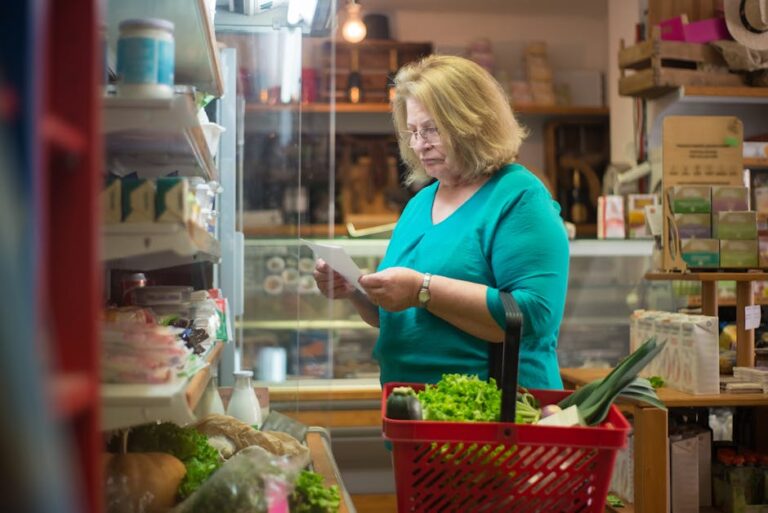
This comprehensive guide offers practical strategies to drastically reduce your monthly grocery expenses, proving that significant savings on groceries are accessible to everyone, regardless of income level. Learn how to transform your spending habits for a healthier budget and a more secure financial future. This advice is compatible with various lifestyles and financial goals, offering actionable steps for immediate impact.
The cost of living continues to rise, and for many households, the grocery bill represents one of the most significant and often variable expenses. What starts as a simple trip to pick up essentials can quickly balloon into a substantial outlay, leaving many feeling frustrated and wondering where all their money went. However, reducing your grocery expenses isn’t about deprivation; it’s about smart choices, strategic planning, and building sustainable habits that lead to consistent savings without compromising on nutrition or enjoyment. This extensive guide will walk you through every step of the process, from foundational budgeting to advanced in-store tactics and long-term food management, all designed to help you regain control over your food budget and channel those savings towards your broader wealth-building goals.
It’s a common misconception that saving money on groceries requires immense effort or sacrificing quality. The truth is, even small, consistent changes can add up to hundreds, if not thousands, of dollars saved over a year. Imagine redirecting those funds towards debt repayment, an emergency fund, or an investment portfolio. The cumulative effect of disciplined grocery spending is a powerful catalyst for financial independence. By the end of this article, you will have a comprehensive toolkit of strategies to tackle your grocery bill head-on and turn a major expense into a significant saving opportunity.
The Foundation: Strategic Planning for Grocery Savings
Before you even step foot in a store, the most impactful savings on groceries begin with meticulous planning and a clear understanding of your spending patterns. This foundational stage is critical for setting realistic goals and establishing a framework for your shopping decisions.
Understanding Your Current Grocery Expenses
The first step in any financial optimization effort is to know where you stand. Many people underestimate how much they truly spend on food, often forgetting about impulse buys, restaurant meals, and coffee runs that supplement their home groceries. For one to start saving money on groceries, they must know how much they spend.
- Track Everything: For one to four weeks, meticulously track every single food-related expense. This includes all grocery store trips, farmers’ market purchases, convenience store stops, take-out orders, restaurant meals, and even that daily coffee. Use a budgeting app, a spreadsheet, or simply a notebook.
- Categorize Spending: Differentiate between actual groceries (raw ingredients, staples) and prepared foods, snacks, or dining out. This helps identify areas where your budget might be leaking.
- Identify Trends: Look for patterns. Are you spending too much on convenience foods? Do you frequently pop into the store for just “one thing” and leave with ten? Understanding these habits is key to making targeted changes for your grocery expenses.
Setting a Realistic Grocery Budget
Once you have a clear picture of your current spending, you can set a realistic and achievable budget. This isn’t about cutting corners so drastically that you feel deprived; it’s about optimizing your spending for groceries so that you feel in control.
- Analyze Your Income and Other Expenses: Your grocery budget should fit within your overall financial plan. Consider your income, fixed expenses (rent, utilities), and other variable costs.
- Research Average Costs: Look up average grocery costs for your household size and location. While these are just benchmarks, they can give you a starting point.
- Start Small and Adjust: If your current spending is significantly higher than your target, don’t try to cut it all at once. Aim for a 10-15% reduction initially, then gradually decrease it as you get more comfortable with new habits.
- Differentiate Needs vs. Wants: Categorize items into “needs” (staple foods, basic hygiene products) and “wants” (gourmet items, impulse snacks, non-essential treats). Prioritize needs when budgeting for groceries.
Meal Planning Mastery: The Ultimate Grocery Saver
Perhaps the single most powerful tool for reducing your grocery bill and minimizing food waste is effective meal planning. This strategy helps you purchase only what you need and use everything you buy.
- Weekly or Bi-Weekly Planning: Dedicate time once a week (or every two weeks) to plan out all your meals, including breakfast, lunch, dinner, and snacks.
- Check Your Pantry First: Before planning, survey your current pantry, refrigerator, and freezer. Build meals around ingredients you already have to reduce new purchases and prevent waste. This is crucial for controlling your grocery expenses.
- Utilize Sales Flyers: Incorporate items that are on sale into your meal plan. This is a primary driver for smart grocery purchases.
- Theme Nights: Assign themes to days (e.g., “Meatless Monday,” “Taco Tuesday,” “Pasta Wednesday”) to simplify decision-making.
- Cook Once, Eat Twice (or More): Plan for leftovers. Cook larger batches of protein or grains that can be repurposed into different meals throughout the week (e.g., roasted chicken becomes chicken salad, then chicken tacos).
- Focus on Versatile Ingredients: Choose ingredients that can be used in multiple dishes (e.g., a bag of spinach for smoothies, salads, and sautéed sides).
- Account for All Meals: Don’t just plan dinners; include breakfasts, lunches, and snacks to avoid last-minute, higher-cost purchases.
The Power of the Grocery List
A well-constructed grocery list is your shield against impulse purchases and forgotten essentials, ensuring your grocery trips are efficient and budget-friendly.
- Always Use a List: This seems obvious, but many people still wing it. A list is non-negotiable for saving money on groceries.
- Organize by Aisle: Arrange your list according to the layout of your preferred grocery store. This minimizes backtracking and reduces the chance of spontaneous additions.
- Be Specific: Instead of “produce,” write “3 bell peppers, 1 head of lettuce.” This prevents overbuying and ensures you get exactly what you need for your meal plan.
- Stick to the List: This is the hardest part for many. Commit to buying only what’s on your list. If something not on the list catches your eye, ask yourself if it fits into your budget and meal plan, or if it can wait until next time.
- Avoid Shopping While Hungry: Hunger is the enemy of a budget-conscious shopper. You’re more likely to buy unnecessary items when your stomach is growling.
Smart Shopping Strategies for Your Groceries
With your planning foundation solid, it’s time to refine your approach to the actual shopping experience. These strategies focus on where, when, and how you buy your groceries to maximize savings.
Couponing and Leveraging Discounts
Coupons and discounts are no longer just for extreme savers; they are accessible tools for everyone looking to trim their grocery budget.
- Digital Coupons and Apps: Many grocery chains now offer digital coupons directly through their apps. Load these onto your loyalty card before you shop. Explore third-party apps that offer cashback on specific purchases or general grocery spending.
- Loyalty Programs: Sign up for every grocery store’s loyalty program you frequent. These often provide exclusive discounts, points that convert to savings, and personalized offers based on your shopping history.
- Understanding Sales Cycles: Most stores operate on a 6-8 week sales cycle. Stock up on non-perishable items when they are at their lowest price point.
- Manufacturer Coupons: Don’t overlook traditional paper coupons found in newspapers or directly from product websites. Match these with store sales for maximum savings.
- Price Matching: Some retailers offer price matching with competitors. Check their policies and take advantage of this to avoid making multiple trips.
Choosing the Right Store for Your Groceries
Not all grocery stores are created equal in terms of pricing. Where you shop can significantly impact your overall grocery expenses.
- Compare Prices: It might take a little effort initially, but identify which stores offer the best prices on your staple items.
- Discount Stores vs. Supermarkets: Discount grocery chains often have lower prices on basic items, while traditional supermarkets might excel in specialty items or fresh produce. Consider splitting your shopping trips or prioritizing your major purchases at the discount store.
- Wholesale Clubs: For larger families or those with ample storage, a membership to a wholesale club can offer significant savings on bulk items like meat, paper products, and pantry staples. However, calculate if the membership fee is offset by your savings and if you truly use enough of the bulk items before they expire or go stale.
- Farmers’ Markets: During peak season, local farmers’ markets can offer competitive prices on fresh, seasonal produce, often superior in quality to supermarket offerings. They are excellent for fresh produce savings.
- International Markets: Ethnic grocery stores often offer better prices on spices, grains, legumes, and certain produce items specific to their cuisine.
Strategic Shopping Timing
When you shop can be just as important as where you shop when trying to reduce your grocery bill.
- Shop During Off-Peak Hours: Stores are often less crowded, allowing you to shop more efficiently and avoid feeling rushed into impulse decisions.
- Look for Markdowns: Many stores mark down perishable items (meat, dairy, baked goods) that are nearing their sell-by date. Ask store employees when these markdowns typically occur and plan your visit accordingly. These items are often perfectly fine to use immediately or freeze for later, offering excellent value for your groceries budget.
- Weekend Sales vs. Mid-Week Deals: Some stores release new sales flyers mid-week, while others have their biggest sales on weekends. Learn your preferred store’s cycle.
Bulk Buying: When it Pays Off for Your Groceries
Buying in bulk can be a powerful saving strategy, but it requires careful consideration to avoid waste.
- Non-Perishable Staples: Items like rice, pasta, dried beans, canned goods, flour, sugar, and cleaning supplies are excellent candidates for bulk purchasing when the unit price is lower.
- Perishables with Storage: Meat, poultry, and certain produce (like berries or vegetables for soups) can be bought in bulk and frozen. Invest in proper freezer bags and containers to prevent freezer burn.
- Calculate Unit Price: Always compare the unit price (price per ounce, per pound, per count) rather than the overall package price to determine the true value. A larger package isn’t always cheaper.
- Consider Storage Space: Don’t buy in bulk if you don’t have adequate storage space. Cluttered pantries can lead to forgotten items and food waste.
- Family Size and Consumption Rate: Only buy what your household can reasonably consume before it spoils or goes stale. A bargain isn’t a bargain if half of it ends up in the trash.
In-Store Tactics for Groceries Savings
Once you are inside the grocery store, a disciplined approach can further optimize your spending and prevent common pitfalls.
Navigating the Aisles Wisely for Grocery Purchases
The supermarket is designed to encourage spending. Your mission is to resist its psychological tricks.
- Stick to Your List (Again): This cannot be overstated. Your list is your budget’s best friend.
- Avoid Impulse Buys: Candy bars at the checkout, tempting displays at the end of aisles, and strategically placed snack items are all designed to grab your attention (and money). Walk past them.
- Check Shelf-Level Pricing: Manufacturers often pay for prime eye-level shelf space. Look up and down the shelves; cheaper alternatives are frequently on the top or bottom shelves.
- Read Unit Prices Carefully: This is a powerful tool. Always compare the price per unit (e.g., per ounce, per 100g, per sheet) to determine which product offers the best value, regardless of package size. This helps in making informed decisions about your grocery choices.
Produce Prowess: Maximize Freshness, Minimize Cost
Fresh fruits and vegetables are essential for a healthy diet, but they can be a significant part of your grocery bill if not managed wisely.
- Buy In Season: Seasonal produce is typically cheaper, fresher, and more flavorful. Learn what fruits and vegetables are in season in your region.
- Frozen vs. Fresh: Don’t dismiss frozen fruits and vegetables. They are often picked at peak ripeness and flash-frozen, retaining nutrients. They can also be significantly cheaper and reduce waste since you only use what you need. They are excellent for smoothies, stir-fries, and soups.
- Whole vs. Pre-Cut: Pre-cut fruits and vegetables, while convenient, come with a premium price tag. Buying whole produce and doing the chopping yourself can save you a significant amount.
- Check for Damage: Inspect produce carefully. Avoid bruised or damaged items, as they will spoil faster.
- Grow Your Own Herbs: Even a small pot of basil or mint on your windowsill can save you money on fresh herbs, which are often expensive in small supermarket packages.
Meat, Dairy, and Deli Decisions for Groceries
These categories can be budget busters. Strategic choices here can yield substantial savings on your groceries.
- Meat Sales and Freezing: Purchase larger cuts of meat when they are on deep discount. Portion them out at home and freeze them. This is a primary strategy for reducing your grocery meat bill.
- Cheaper Cuts: Explore less expensive cuts of meat that can be tenderized through slow cooking (e.g., chuck roast, chicken thighs instead of breasts).
- Plant-Based Proteins: Incorporate more plant-based proteins like beans, lentils, chickpeas, and tofu into your diet. They are significantly cheaper than meat and offer excellent nutritional value.
- Store Brands vs. Name Brands: For dairy products, eggs, and many processed foods, store brands are often identical in quality to name brands but at a lower price. Do a taste test if you’re skeptical.
- Buy Blocks of Cheese: Buying blocks of cheese and shredding or slicing it yourself is cheaper than buying pre-shredded or pre-sliced options.
- Dairy Alternatives: Consider making your own nut milk or yogurt if you consume a lot, as this can be more cost-effective.
Baking and Pantry Staples
Embracing homemade options for baked goods and utilizing basic pantry ingredients are powerful ways to save money on groceries.
- Bake Your Own: Baking bread, cookies, or muffins at home is almost always cheaper than buying pre-made versions. It also allows you to control ingredients.
- Buy Bulk Grains and Legumes: Large bags of rice, dried beans, lentils, and oats are incredibly economical and form the base for many healthy, inexpensive meals.
- DIY Sauces and Dressings: Pre-made sauces and salad dressings can be surprisingly expensive and often contain unwanted additives. Learning to make your own saves money and allows for healthier options.
- Stock Up on Spices: Buy spices in bulk from ethnic markets or specialty stores; they are often much cheaper than small jars in supermarkets.
- Make Your Own Stocks: Save vegetable scraps and meat bones to make your own flavorful and nutritious stocks, avoiding expensive store-bought versions.
Beyond the Store: Reducing Food Waste and Maximizing Value
Even after a smart grocery trip, money can be wasted through improper storage and unused ingredients. Maximizing the lifespan and utility of your groceries is just as important as how you buy them.
Effective Food Storage
Proper storage is crucial for extending the life of your groceries and preventing spoilage.
- Understand “Best By” vs. “Use By” Dates: “Best by” indicates quality, not safety. Food can often be safe to eat past this date. “Use by” indicates a safety concern and should be adhered to more strictly.
- Proper Refrigeration and Freezing: Learn the optimal storage conditions for different foods. Store produce correctly (e.g., some items prefer the fridge, others the counter). Utilize your freezer for meats, bread, and even some dairy products.
- Air-Tight Containers: Invest in good quality, air-tight containers to keep food fresh and prevent odors from spreading.
- First In, First Out (FIFO): When putting away groceries, move older items to the front so they are used first.
- Portion and Freeze: If you cook a large batch, portion out meals for future consumption and freeze them to avoid eating the same thing every day and prevent spoilage.
Creative Leftovers and Meal Transformation
Don’t let leftovers go to waste. Transform them into new and exciting meals.
- Planned Leftovers: Cook extra with the intention of having leftovers for lunch the next day or repurposing them into a new dinner.
- “Clean Out the Fridge” Meals: Once a week, dedicate a meal to using up all the random bits and pieces in your fridge. Think frittatas, stir-fries, soups, or quesadillas.
- Repurposing Ingredients: Cooked chicken can become chicken salad, a stir-fry, or a pasta dish. Leftover vegetables can go into a frittata or soup.
DIY vs. Convenience Foods
The allure of convenience can be strong, but often comes at a significant financial cost.
- Cost Comparison: Always compare the cost of a convenience item to its homemade equivalent. For example, a pre-packaged salad mix versus buying a head of lettuce and chopping your own vegetables.
- Time vs. Money: While some convenience items save time, assess if that time saving is worth the increased cost, especially if you have a goal of reducing your grocery expenses. Batch cooking on weekends can free up time during the week, negating the need for expensive shortcuts.
- Ingredient Control: Making things from scratch gives you full control over ingredients, allowing you to avoid excessive sugar, sodium, or unhealthy fats often found in convenience foods.
Growing Your Own: A Small Step to Big Savings
While not for everyone, even a small garden can contribute to grocery savings and provide fresher produce.
- Herbs: Easy to grow indoors or outdoors, fresh herbs are often expensive to buy in small quantities.
- Leafy Greens: Lettuce, spinach, and kale can be grown in containers and provide a continuous harvest.
- Container Vegetables: Many vegetables like tomatoes, peppers, and bush beans thrive in pots on a patio or balcony.
- Community Gardens: If you lack space, consider renting a plot in a community garden.
Long-Term Habits for Sustainable Groceries Savings
Achieving lasting savings on your groceries isn’t a one-time effort; it’s about developing consistent habits and continually refining your approach.
Regularly Review Your Grocery Budget
Your financial situation and grocery needs can change. Periodically review your grocery budget to ensure it still aligns with your goals.
- Monthly Check-Ins: Take 15-30 minutes each month to review your past month’s grocery spending.
- Identify Successes and Challenges: What worked well? Where did you overspend? Learn from your experiences.
- Adjust as Needed: If prices have gone up significantly, or your family’s needs have changed, adjust your budget accordingly. Flexibility is key.
Adapt to Price Changes and Market Trends
The cost of food is dynamic. Being adaptable can help you maintain your savings on groceries.
- Stay Informed: Pay attention to news about food prices. If certain items become unusually expensive, look for alternatives.
- Be Flexible with Your Meal Plan: If your planned chicken is suddenly very expensive, be open to swapping it for a cheaper protein like lentils or a different cut of meat that’s on sale.
- Embrace New Ingredients: Discovering new, inexpensive ingredients can open up a world of budget-friendly meal possibilities.
Educating Yourself on Nutrition and Cooking
The more you know about food, the better equipped you’ll be to make smart grocery choices.
- Learn Basic Cooking Skills: The ability to transform raw ingredients into delicious meals is fundamental to saving money on groceries.
- Understand Nutrition: Knowing what constitutes a balanced meal can help you prioritize nutritious (and often cheaper) whole foods over expensive, highly processed items.
- Explore New Recipes: Seek out recipes that focus on budget-friendly ingredients and techniques.
Involving the Family in the Process
When everyone in the household is on board, saving money on groceries becomes a collective effort, increasing the chances of success.
- Communicate Goals: Explain why you are making these changes and how the saved money will benefit the family.
- Involve Kids (Age Appropriately): Let children help with meal planning, list-making, or even simple cooking tasks. This teaches them valuable life skills and fosters a sense of responsibility.
- Shop Together: If possible, shop with family members. This can be a learning experience and help everyone understand the value of a dollar.
Saving money on groceries is a journey, not a destination. It requires consistent effort, a willingness to learn, and an open mind to new strategies. However, the rewards are immense. Not only will you see a direct impact on your monthly budget, but you’ll also likely improve your health by focusing on whole foods, reduce food waste, and gain a profound sense of financial control. By implementing the strategies outlined in this guide, you can transform your grocery shopping from a source of financial frustration into a powerful tool for building wealth and achieving your financial goals. Every dollar saved at the supermarket is a dollar earned for your future.
Frequently Asked Questions
My grocery bill still feels too high, even after trying to save. What am I missing?
If your grocery bill remains stubbornly high, it’s often due to a few common overlooked areas. First, meticulously track all food-related spending, not just supermarket trips, to catch hidden costs like convenience store snacks or frequent take-out. Second, ensure your meal planning is truly comprehensive, accounting for every meal and snack, and that you’re building meals around existing pantry items. Third, rigorously stick to your grocery list and avoid all impulse purchases; these small additions accumulate rapidly. Lastly, actively compare unit prices across different stores and evaluate if your choices of preferred brands or organic items are significantly impacting your budget. Sometimes, small consistent leaks, not major expenses, keep the grocery bill high.
How can I stop impulse buying and stick to my grocery list effectively?
Stopping impulse buys requires discipline and strategic planning. Always shop with a detailed, aisle-organized grocery list and commit to buying only what’s on it. A crucial tip is never to shop when hungry, as hunger drastically increases the likelihood of unplanned purchases. Consider shopping during off-peak hours to avoid crowds and feeling rushed. If an item catches your eye, pause and ask yourself: “Is this on my list? Do I genuinely need it? Does it fit my meal plan?” Often, this moment of reflection is enough to deter an unnecessary purchase. Over time, practicing this self-control will make sticking to your grocery list a natural habit, leading to significant savings.
Is it really worth the time to meal plan for grocery savings, or is it too much effort?
Absolutely, meal planning is one of the most impactful strategies for long-term grocery savings and is unequivocally worth the effort. While it requires an initial time investment (typically 30-60 minutes once a week), it pays dividends by dramatically reducing food waste, preventing impulse buys, and ensuring you utilize ingredients efficiently. Without a plan, you’re more prone to buying unnecessary items, letting food spoil, or resorting to expensive last-minute take-out. The time saved during hurried grocery trips and by avoiding wasted food easily outweighs the planning time. It streamlines your entire cooking process, making weeknights less stressful and significantly reducing your overall grocery expenses.
I struggle with food waste. How can I extend the life of my groceries and prevent spoilage?
Minimizing food waste is critical for grocery savings. Start by understanding proper storage for different foods: refrigerate perishables promptly, use airtight containers for opened items, and learn which produce items thrive in the fridge versus on the counter. Utilize your freezer aggressively for items like bread, meat, milk, and even some vegetables or fruits nearing their peak. Implement the “First In, First Out” (FIFO) rule by placing older items at the front of your fridge and pantry. Finally, get creative with leftovers and nearly expired produce by transforming them into new meals like soups, stir-fries, or smoothies before they spoil. These habits significantly extend the value of your groceries.
How do store loyalty programs and digital coupons actually help reduce my grocery expenses?
Store loyalty programs and digital coupons are powerful tools for reducing your grocery expenses. Loyalty programs offer exclusive member-only discounts on various items, accumulate points that convert to savings, and often provide personalized offers based on your shopping history, prompting you to buy items you already use when they’re on sale. Digital coupons, accessible via store apps or websites, allow you to “clip” discounts directly to your loyalty card, applying savings automatically at checkout without the need for paper. By strategically combining these offers with your meal planning, you can significantly lower the final cost of your groceries, making your budget stretch further and directly impacting your financial well-being.