

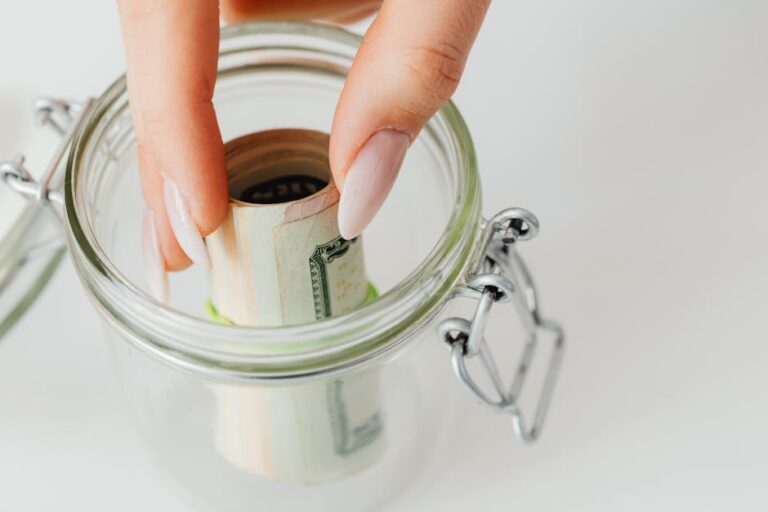
Feeling overwhelmed by unexpected expenses? An emergency fund is your ultimate shield against financial stress, providing unparalleled peace of mind and security. This comprehensive guide will walk you through every step to build your robust emergency fund, ensuring you’re prepared for life’s inevitable surprises.
Life is unpredictable. One moment, everything is running smoothly, and the next, you’re faced with a sudden car repair, an unexpected medical bill, or even a job loss. For many, these unforeseen events trigger immediate panic, leading to high-interest debt, depletion of retirement savings, or a desperate scramble for solutions. This is where an emergency fund transforms from a good idea into an absolute financial necessity.
An emergency fund is essentially a stash of money set aside specifically for, well, emergencies. It acts as your personal financial safety net, a buffer between you and the curveballs life inevitably throws. Building one isn’t just about saving money; it’s about building resilience, reducing stress, and gaining true financial freedom.
Why an Emergency Fund is Your Financial Superpower
The concept of an emergency fund might seem simple, but its impact on your financial well-being and overall quality of life is profound. It’s more than just a savings account; it’s a foundational pillar of sound personal finance.
Shield Against Unexpected Debt
Without an emergency fund, unexpected expenses often lead straight to debt. This could mean racking up balances on credit cards with high interest rates, taking out personal loans, or even dipping into valuable retirement accounts. Each of these options comes with significant long-term costs, trapping you in a cycle of repayment that drains your resources and delays your financial goals. An emergency fund breaks this cycle, allowing you to pay for surprises with your own cash, interest-free.
Peace of Mind and Reduced Stress
Financial anxiety is a pervasive issue for many. The constant worry about “what if” can take a significant toll on mental and physical health. Knowing you have a dedicated fund to cover unforeseen costs provides an invaluable sense of security. This peace of mind allows you to focus on your work, your family, and your life goals, rather than being consumed by financial dread.
Protecting Your Investments and Retirement
When an emergency strikes, people often feel compelled to liquidate investments or raid their retirement accounts. This can be incredibly detrimental. Pulling money from a retirement account early can incur substantial penalties and taxes, not to mention losing out on years, or even decades, of compound interest. An emergency fund safeguards your long-term wealth-building strategies, ensuring your investments can continue to grow undisturbed.
Greater Flexibility and Opportunity
A solid emergency fund offers more than just protection; it offers flexibility. If a job opportunity arises that requires a temporary pay cut, or if you decide to take a leap into a new venture that might have an initial period of lower income, your emergency fund provides the cushion to make those strategic moves without immediate financial strain. It empowers you to take calculated risks and pursue opportunities that might otherwise be out of reach.
How Much Emergency Fund Do You Really Need?
One of the most common questions is, “How much money should I save for my emergency fund?” The widely accepted rule of thumb is to aim for three to six months’ worth of essential living expenses. However, this isn’t a one-size-fits-all answer. Your ideal emergency fund size depends on several personal factors.
Calculate Your Monthly Essential Expenses
Before you can determine your target, you need to know your baseline. Gather your financial statements and calculate your true essential monthly expenses. This includes:
- Housing: Rent or mortgage payments, property taxes, home insurance.
- Utilities: Electricity, water, gas, internet (basic service).
- Food: Groceries (not dining out).
- Transportation: Car payment, insurance, fuel, public transport costs.
- Healthcare: Insurance premiums, essential medications.
- Minimum Debt Payments: Student loans, car loans, credit card minimums (though the goal is to pay these down aggressively).
Do not include discretionary spending like entertainment, dining out, vacations, or designer clothes. These are “wants” that can be cut during an emergency.
Factors Influencing Your Emergency Fund Target
Once you have your essential monthly expenses, multiply that by three, four, five, or six to get your target range. Consider these factors to decide where in that range you should aim:
- Job Security: If your job is highly stable, or you have in-demand skills, three months might suffice. If your industry is volatile, or your job is less secure, aim for six months or more.
- Dependents: If you have a spouse, children, or other dependents relying on your income, a larger fund (closer to six months) offers greater protection.
- Health: If you or a family member have chronic health conditions, a larger fund can cover potential medical expenses not fully covered by insurance.
- Number of Income Earners: If you’re a single-income household, a larger fund is prudent. If you have two stable incomes, you might feel comfortable with a slightly smaller fund, knowing another income source could sustain you if one person loses their job.
- Debt Load: If you have significant high-interest debt, a smaller initial emergency fund (like $1,000) might be a good starting point before you aggressively tackle debt, then you build the full fund.
- Homeownership vs. Renting: Homeowners often face unexpected repair costs (roof, HVAC, appliances), so a larger fund is generally recommended compared to renters who have fewer direct property responsibilities.
The “Starter” Emergency Fund: Your First $1,000
For many, saving 3-6 months’ worth of expenses feels like an insurmountable mountain. Don’t let the large number paralyze you. The best way to start is to aim for a smaller, more achievable goal: your first $1,000. This initial sum can cover many minor emergencies like a flat tire, a deductible for a minor medical issue, or a small appliance repair. Achieving this first milestone provides a massive psychological boost and builds momentum for the larger goal.
Where to Keep Your Emergency Fund
The location of your emergency fund is almost as important as its existence. The primary characteristics it needs are safety, liquidity, and accessibility.
High-Yield Savings Accounts (HYSA)
This is generally the recommended place for your emergency fund.
- Safety: Most HYSAs are offered by online-only banks or credit unions and are insured by a government-backed agency up to the standard limit per depositor. This means your money is safe even if the financial institution fails.
- Liquidity: You can access your money quickly, usually within a day or two via electronic transfer to your checking account.
- Accessibility: Online banks often offer robust mobile apps and online platforms for easy management.
- Returns: While not a significant investment vehicle, HYSAs typically offer interest rates significantly higher than traditional brick-and-mortar banks, allowing your money to grow slightly over time.
Money Market Accounts (MMA)
MMAs are similar to HYSAs but may offer slightly higher interest rates or check-writing privileges. They are also typically insured by a government-backed agency. Ensure there are no excessive fees or minimum balance requirements that could hinder your fund’s growth or accessibility.
Why Not Other Accounts?
- Checking Accounts: While liquid, checking accounts offer minimal to no interest and the money can be too easily spent on everyday expenses, blurring the lines between an emergency fund and regular spending.
- Investment Accounts (Stocks, Bonds, Mutual Funds): These are generally too volatile for an emergency fund. The market can go down just when you need the money, forcing you to sell at a loss. They also might not be liquid enough for immediate access.
- Physical Cash: Not recommended for large sums due to security risks (theft, loss) and the lack of earning interest.
- Certificates of Deposit (CDs): While offering slightly higher interest rates than HYSAs, CDs lock up your money for a fixed term, often with penalties for early withdrawal. This goes against the principle of immediate accessibility for emergencies.
The key is to keep your emergency fund separate from your everyday spending accounts, making it less tempting to dip into for non-emergencies, while still ensuring it’s readily available when a true crisis hits.
The Step-by-Step Blueprint to Building Your Emergency Fund
Building an emergency fund requires discipline, consistency, and a clear plan. Here’s a comprehensive, step-by-step guide to help you achieve your goal.
Step 1: Understand Your Current Financial Landscape
You can’t get where you’re going if you don’t know where you are. This initial assessment is crucial.
- Income vs. Expenses: The foundational assessment. List all sources of income and meticulously track every dollar you spend for at least a month, preferably two or three.
- Tracking Methods:
- Manual Tracking: Use a notebook and pen, or a simple spreadsheet. Categorize every expense.
- Budgeting Apps: Many financial apps link to your bank accounts and automatically categorize spending, making tracking simpler.
- Bank Statements: Review your bank and credit card statements at the end of the month to see where your money went.
This step helps you identify your actual essential expenses (which you calculated earlier for your target fund) and highlight areas where money is leaking away on non-essentials.
Step 2: Crafting a Realistic Budget
A budget isn’t about restriction; it’s about control and intentionality with your money. It’s your roadmap for directing funds towards your emergency fund.
- The 50/30/20 Rule:
- 50% Needs: Essential living expenses (housing, utilities, groceries, transportation, minimum debt payments).
- 30% Wants: Discretionary spending (dining out, entertainment, hobbies, shopping).
- 20% Savings & Debt Repayment: This is where your emergency fund contributions, extra debt payments, and other savings goals fit.
This is a great starting point for many, offering a balanced approach.
- Zero-Based Budgeting:
With this method, every dollar of your income is assigned a “job” – whether it’s for an expense, savings, or debt repayment – until your income minus your expenses equals zero. It requires more effort but gives you maximum control and ensures no money is left unaccounted for.
- Envelope System:
For those who prefer a tangible approach, assign cash to physical envelopes for different spending categories (e.g., “Groceries,” “Entertainment”). Once an envelope is empty, you stop spending in that category until the next budgeting period. This works well for variable expenses.
The key is to choose a budgeting method you can stick with consistently.
Step 3: Trimming the Fat: Expense Reduction Strategies
Once your budget is in place, look for areas to free up cash. Even small cuts can add up significantly over time and funnel more money into your emergency fund.
- Food:
- Cook more meals at home and meal prep.
- Pack lunches for work.
- Reduce dining out and takeout.
- Plan your grocery list and stick to it. Avoid impulse buys.
- Buy generic brands or shop sales.
- Subscriptions:
- Audit all recurring services (streaming, apps, gym memberships).
- Cancel what you don’t use regularly.
- Downgrade to cheaper plans if available.
- Consider sharing services with family members (if permissible).
- Entertainment:
- Look for free or low-cost activities (parks, public libraries, free community events).
- Host potlucks instead of going out to expensive restaurants.
- Utilize loyalty programs or discount apps.
- Transportation:
- Carpool or use public transportation where possible.
- Walk or bike for short distances.
- Ensure your vehicle is well-maintained to avoid costly repairs.
- Shop around for better auto insurance rates periodically.
- Housing:
- Practice energy efficiency (turn off lights, adjust thermostat).
- Negotiate utility bills or look for alternative providers.
- Consider refinancing if mortgage rates drop significantly.
- Shopping Habits:
- Distinguish between needs and wants.
- Avoid impulse purchases; implement a 24-hour rule before buying non-essentials.
- Shop second-hand for clothing, furniture, or other items.
- Buy in bulk for non-perishable items if it truly saves money.
Step 4: Boosting Your Income
Reducing expenses is one side of the coin; increasing your income is the other. Every extra dollar earned can be directly funneled into your emergency fund.
- Side Gigs:
- Freelancing: Offer skills like writing, graphic design, web development, or social media management.
- Gig Economy Apps: Delivery services, ride-sharing, task services.
- Consulting: Leverage your professional expertise to consult for others on the side.
- Pet Sitting/Dog Walking: A flexible option for animal lovers.
- Selling Unused Items:
- Declutter your home and sell items you no longer need on online marketplaces, consignment shops, or at garage sales.
- Think electronics, furniture, clothing, collectibles, and even old books.
- Overtime or Extra Shifts: If your job offers the opportunity for overtime, take advantage of it.
- Skill Development: Invest in courses or certifications that could lead to a promotion or a higher-paying job in the future.
- Negotiating a Raise: If you’ve been performing well, prepare a strong case for a salary increase at your current job.
- Temporary Work: Consider taking on a temporary job during your off-hours or during a specific season.
Step 5: Automate Your Savings
This is perhaps the most powerful step in building your emergency fund. “Set it and forget it.”
- Set up Recurring Transfers:
Schedule an automatic transfer from your checking account to your dedicated high-yield savings account immediately after you get paid. Even if it’s a small amount to start, consistency is key.
- The “Pay Yourself First” Principle:
Treat your emergency fund contribution as a non-negotiable bill. Before you pay rent, utilities, or buy groceries, pay your emergency fund. This prioritizes your financial security.
- Increase Contributions Gradually:
As you reduce expenses or increase income, adjust your automated transfer amount upwards. The goal is to maximize your monthly contribution without jeopardizing your ability to cover essential expenses.
Step 6: The Debt-Emergency Fund Interplay
For many, significant high-interest debt (like credit card debt) can feel like a roadblock to building an emergency fund. Here’s a balanced approach:
- Build a Starter Fund First: Before aggressively tackling high-interest debt, aim to save your initial $1,000 “starter” emergency fund. This small buffer is critical because it prevents you from incurring *new* debt if a minor emergency arises while you’re paying off old debt.
- Aggressive Debt Repayment: Once your $1,000 starter fund is established, shift your focus to aggressively paying down high-interest debt. The interest saved on debt repayment can be a higher “return” than any interest earned in a savings account.
- Resume Full Emergency Fund Building: After your high-interest debt is eliminated, redirect all those former debt payments, plus your existing savings contributions, towards completing your 3-6 months’ worth of emergency fund.
Step 7: Staying Motivated and Celebrating Milestones
Building a substantial emergency fund is a marathon, not a sprint. Maintaining motivation is crucial.
- Visual Trackers: Use a spreadsheet, an app, or even a printable chart to visually track your progress. Seeing your fund grow can be incredibly motivating.
- Small, Non-Financial Rewards: Celebrate milestones (e.g., reaching $1,000, hitting one month’s expenses) with small, non-monetary rewards like a movie night at home, a hike, or a free activity. Avoid spending money you’re trying to save.
- Focus on the Benefits: Regularly remind yourself of the peace of mind, reduced stress, and financial security that your growing fund provides.
- Share Your Goal (Carefully): Sharing your goal with a trusted friend, family member, or partner can provide accountability and encouragement. Be mindful of who you share with to avoid unsolicited advice or judgment.
When to Tap into Your Emergency Fund (and When Not To)
Knowing when to use your emergency fund is just as important as building it. It’s tempting to dip into it for things that feel urgent but aren’t true emergencies.
True Emergencies:
- Job Loss or Significant Income Reduction: This is the classic scenario. Your fund covers essential living expenses while you look for new employment.
- Major Medical Emergency: Unexpected hospital stays, large deductibles, or out-of-pocket costs not covered by insurance.
- Critical Home Repairs: A leaking roof, burst pipe, broken furnace in winter, or a major electrical issue that makes your home unsafe or uninhabitable.
- Essential Car Repairs: If your vehicle is critical for getting to work or performing essential daily tasks and breaks down.
- Unexpected Funeral Expenses: The sudden cost associated with a family member’s passing.
- Unforeseen Travel for a Family Emergency: Needing to travel urgently for a critical family situation.
When NOT to Use Your Emergency Fund:
- Vacations: While important for well-being, vacations should be saved for separately.
- New Gadgets or Electronics: A new phone, TV, or computer (unless it’s essential for your work and your old one broke).
- Holiday Shopping: These are predictable expenses and should be budgeted for in advance.
- Sales or “Good Deals”: Just because something is on sale doesn’t make it an emergency.
- Home Renovations or Upgrades: These are planned expenses, not unexpected ones.
- “Retail Therapy” or Impulse Buys: Using your fund for non-essential spending undermines its purpose.
- Buying a New Car (unless absolutely necessary and unexpected): A new car should ideally be a planned purchase or an immediate need covered by a specific car replacement fund, not the general emergency fund.
Always ask yourself: “Is this truly an unexpected, necessary expense that I cannot cover by cutting back on discretionary spending or by delaying the purchase?” If the answer is no, then it’s likely not an appropriate use of your emergency fund.
Replenishing Your Emergency Fund
Once you’ve had to use your emergency fund, the next immediate priority is to replenish it. Think of it like a superhero’s shield that got damaged in battle – you need to repair it before the next threat arrives.
- Make it a Top Priority: Immediately after you’ve used some of your fund, adjust your budget to prioritize rebuilding it. This might mean temporarily pausing other savings goals or cutting back on discretionary spending even more aggressively than before.
- Adjust Your Budget Temporarily: If your income hasn’t changed, you’ll need to find extra cash flow from your existing budget. Review your “wants” category and see what you can temporarily eliminate or reduce.
- Automate Again: If you paused your automated contributions, restart them as soon as possible, or increase the amount until your fund is back to your target level.
- Treat it Like Debt: Approach rebuilding your fund with the same urgency you would a high-interest debt. The sooner it’s full again, the more secure you’ll be.
Beyond Your First Emergency Fund: The Path to Greater Wealth
Building your first substantial emergency fund is a monumental achievement. It’s not just about the money; it’s about the financial habits you’ve built, the discipline you’ve cultivated, and the peace of mind you’ve gained. But this isn’t the end of your financial journey; it’s a powerful beginning.
Investing for the Future
With your emergency fund securely in place, you are now in a strong position to pursue long-term wealth growth through investing.
- Retirement Accounts: Maximize contributions to tax-advantaged retirement accounts like a workplace retirement plan or individual retirement arrangements. These offer significant tax benefits and allow your money to grow tax-deferred or tax-free.
- Brokerage Accounts: Consider opening a general investment account to save for other long-term goals like a down payment on a home, a child’s education, or simply building a larger investment portfolio.
- Diversification: Learn about diversifying your investments across different asset classes (stocks, bonds, real estate) to manage risk.
Continuing Financial Education
The world of personal finance is vast and ever-evolving. Continue to educate yourself on topics like:
- Advanced Budgeting Strategies: Refine your budgeting skills to optimize your cash flow even further.
- Debt Management: Even if you’ve paid off high-interest debt, learn strategies to manage other forms of debt (like mortgage or student loans) effectively.
- Tax Planning: Understand how taxes impact your income and investments, and how to optimize your tax situation.
- Estate Planning: Consider wills, trusts, and other aspects of ensuring your financial wishes are met.
Long-Term Financial Goals
Your emergency fund frees you to confidently pursue other significant financial goals without fear of derailing them by unexpected expenses. These might include:
- Homeownership: Saving for a down payment and closing costs.
- Children’s Education: Funding college or other educational pursuits.
- Early Retirement: Building a nest egg large enough to achieve financial independence sooner.
- Starting a Business: Having a safety net allows you to take entrepreneurial risks.
The foundation provided by a fully funded emergency fund ensures that you can pursue these ambitious goals with confidence, knowing that you have a strong buffer against life’s uncertainties. It changes your financial relationship from one of reaction to one of proactive planning and progress.
Conclusion: The Unshakeable Peace of Mind
Building your first comprehensive emergency fund is more than just a financial task; it’s a profound investment in your personal well-being. It transforms anxiety into assurance, fear into freedom, and uncertainty into unshakeable peace of mind. No longer will the unexpected derail your financial progress or plunge you into unnecessary debt.
Embrace this journey. Start small, be consistent, automate your contributions, and celebrate every milestone. The dedication you put in today will pay dividends in financial security, reduced stress, and the ability to confidently navigate whatever challenges and opportunities tomorrow brings. Your financial future starts now, with the solid foundation of your emergency fund.
Frequently Asked Questions
How can I start building my emergency fund when I feel like I have no extra money?
It’s a common frustration, but even small amounts add up. Start by tracking every dollar you spend for a month to identify “money leaks.” Implement aggressive expense reduction strategies in areas like dining out, subscriptions, or impulse purchases. Consider boosting your income with a temporary side gig or by selling unused items. Most importantly, automate even a very small transfer (e.g., $25) to a separate high-yield savings account immediately after you get paid. Consistency is more important than the initial amount.
Should I pay off high-interest debt before building my emergency fund, or vice-versa?
A balanced approach is best. First, save a small “starter” emergency fund, typically $1,000. This acts as a critical buffer to prevent you from taking on *new* high-interest debt if a minor emergency arises. Once that initial fund is secure, aggressively tackle your high-interest debt (like credit card balances). After the high-interest debt is eliminated, then focus on fully funding your 3-6 months’ worth of emergency fund.
Where is the best place to keep my emergency fund to ensure it’s safe and accessible?
The ideal location for your emergency fund is a high-yield savings account (HYSA) or a money market account. These accounts offer several key benefits: they are insured by a government-backed agency (ensuring your money is safe), they are highly liquid (you can access your funds quickly, usually within 1-2 business days), and they offer a modest interest rate higher than traditional checking or savings accounts. Avoid volatile investments like stocks or illiquid options like Certificates of Deposit (CDs).
How do I stop myself from dipping into my emergency fund for non-emergencies?
To prevent temptation, keep your emergency fund in a separate account from your regular checking account, ideally at a different financial institution. This creates a psychological barrier. Regularly remind yourself of the fund’s purpose: it’s for true, unforeseen crises, not for wants or predictable expenses like vacations or holiday shopping. Before using it, ask yourself: “Is this an unexpected and absolutely necessary expense that I cannot cover in any other way?” If the answer isn’t a resounding yes, then find an alternative solution.
What are the most common “emergencies” that an emergency fund should cover?
A robust emergency fund is designed to cover significant, unexpected life events that would otherwise cause financial devastation. Common scenarios include: job loss or significant income reduction, major medical bills or health emergencies, critical home repairs (e.g., burst pipe, furnace breakdown), essential car repairs if the vehicle is vital for work or daily life, or unforeseen travel for a family emergency like a funeral. It’s crucial to distinguish these true needs from “wants” or predictable expenses.
Once I’ve used part of my emergency fund, how quickly should I replenish it?
Replenishing your emergency fund should become your top financial priority after you’ve used it. Treat it with the same urgency as paying off a high-interest debt. Immediately adjust your budget to free up cash flow, even if it means temporarily cutting back on discretionary spending or pausing other savings goals. Re-automate your contributions to your emergency fund account, setting them as high as your budget allows, until your fund is back to your target amount. The goal is to rebuild your financial shield as quickly as possible.