

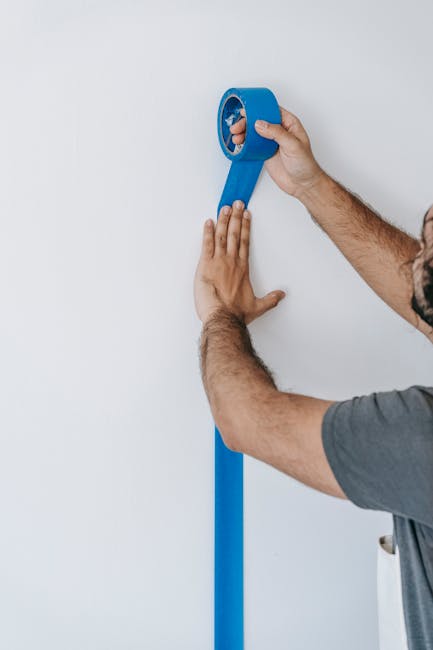
This comprehensive guide explores fundamental home maintenance skills that empower homeowners to save significant money, prevent costly emergencies, and increase their property’s value. Discover practical DIY techniques suitable for everyone, ensuring a well-maintained home and a healthier financial future.
Every homeowner faces a common dilemma: costly repairs that drain savings and cause immense stress. The solution isn’t always to call an expensive professional immediately. By acquiring basic home maintenance skills, you can confidently tackle many common issues, prolong the life of your home’s systems, and safeguard your financial well-being. This article will guide you through essential DIY tasks, highlighting how these practical abilities translate directly into wealth preservation and accumulation.
Think of your home as a significant investment. Just like any other asset, it requires regular upkeep to maintain its value and perform optimally. Neglecting minor issues can quickly escalate into major, budget-busting problems. A dripping faucet today might become a ruined floor and a costly plumbing overhaul tomorrow. Learning basic home maintenance skills isn’t just about fixing things; it’s about proactive financial management and building self-reliance.
This guide aims to demystify home repairs, providing actionable steps for tasks that might seem daunting at first glance. We’ll cover everything from simple plumbing fixes to basic electrical troubleshooting, HVAC upkeep, and exterior protection. Equip yourself with the knowledge to maintain your most valuable asset and secure a more stable financial future.
The Financial Advantage of Mastering Home Maintenance Skills
Why should you invest your time in learning home maintenance skills? The answer is simple: significant financial savings and increased peace of mind. Every repair you can handle yourself means money saved on labor costs, which often constitute the largest portion of a professional’s bill. Beyond immediate savings, proactive maintenance prevents larger, more expensive problems down the line.
Avoiding Emergency Repair Costs
Emergency repairs are notorious for being expensive. When a pipe bursts at 2 AM or the furnace quits in the dead of winter, you’re at the mercy of whatever professional is available, often at premium rates. Knowing how to shut off a water main, reset a circuit breaker, or perform basic furnace checks can prevent a full-blown crisis or at least buy you time to find a reasonably priced professional during normal hours. These preventative measures, powered by your basic home maintenance skills, are invaluable.
Extending Appliance and System Lifespan
Regular maintenance extends the life of your appliances, HVAC systems, and plumbing. A well-maintained water heater lasts longer, a clean dryer vent reduces fire risk and improves efficiency, and regularly cleaned gutters prevent foundation damage. Replacing these major components is incredibly expensive, so proper care saves you tens of thousands over the life of your home.
Increasing Property Value
A home that shows signs of neglect—leaky faucets, chipped paint, overgrown landscaping—will fetch a lower price on the market. Conversely, a well-maintained home with updated systems and a cared-for appearance commands a higher valuation. Your home maintenance skills directly contribute to your property’s appreciation and appeal to potential buyers, becoming a tangible asset in your wealth-building strategy.
Building Confidence and Self-Reliance
Beyond the financial benefits, there’s immense satisfaction in knowing you can handle issues around your home. This self-reliance reduces stress and empowers you to respond effectively to unforeseen problems. You become less dependent on external services, gaining control over your living environment and your budget.
Essential Tools for the DIY Homeowner
Before diving into specific tasks, it’s crucial to assemble a basic toolkit. You don’t need a professional workshop, but a few fundamental items will make most tasks achievable. Investing in quality tools now will save you frustration and potential damage later.
- Screwdriver Set: Both Phillips head and flathead, in various sizes.
- Hammer: A 16-ounce claw hammer is versatile.
- Pliers: Needle-nose, slip-joint, and channel-lock pliers are all useful.
- Adjustable Wrench: One medium and one large for various plumbing and general tasks.
- Measuring Tape: A 25-foot tape is standard.
- Utility Knife: For cutting boxes, tape, and various materials.
- Level: For hanging shelves, pictures, or ensuring even surfaces.
- Stud Finder: Essential for safely hanging items on walls.
- Drill/Driver: A cordless drill with various bits is incredibly versatile for drilling and driving screws.
- Safety Glasses and Gloves: Always prioritize safety.
- Flashlight or Headlamp: For working in dimly lit areas.
- Plunger: For clearing minor clogs.
- Wire Strippers/Cutters: If you plan on basic electrical work.
- Voltage Tester: Non-contact voltage testers are vital for electrical safety.
Starting with these tools will enable you to perform most of the home maintenance skills discussed below. Remember, always read tool instructions and safety guidelines before use.
Mastering Basic Plumbing Home Maintenance Skills
Plumbing issues are among the most common and can cause significant damage if neglected. Learning simple fixes can save you hundreds, if not thousands, on professional fees.
Fixing a Leaky Faucet
A persistent drip can waste gallons of water and lead to higher utility bills. Most faucet leaks are caused by worn-out washers or O-rings.
- Tools: Screwdriver, adjustable wrench, replacement washers/O-rings (often available in kits at hardware stores).
- Steps:
- Turn off the water supply to the faucet (usually under the sink).
- Turn on the faucet to drain any remaining water.
- Locate and remove the decorative cap or screw holding the handle.
- Remove the handle, then the packing nut or cartridge.
- Carefully remove the old washer/O-ring and replace it with a new one.
- Reassemble the faucet in reverse order.
- Turn the water supply back on and check for leaks.
- When to Call a Professional: If the leak persists after replacing components, or if you’re uncomfortable with the internal mechanisms of your specific faucet type (e.g., disc or ball faucets can be more complex).
Clearing a Clogged Drain
Slow or clogged drains are a nuisance but often an easy fix.
- Tools: Plunger, a drain snake or auger, bucket.
- Steps:
- Plunging: Ensure enough water is in the sink/tub to cover the plunger cup. Create a tight seal and plunge vigorously for 15-20 seconds. Repeat if necessary.
- Chemical Drain Cleaners (Use with Caution): If plunging fails, a commercially available drain cleaner can sometimes work, but avoid overuse as they can damage pipes. Follow instructions carefully and ensure good ventilation.
- Using a Drain Snake: For tougher clogs, insert a drain snake into the drain opening, feeding it until you hit resistance. Rotate the snake to break up the clog, then slowly pull it out.
- Accessing the P-Trap (for Sinks): Place a bucket under the P-trap (the U-shaped pipe under the sink). Loosen the slip nuts on either side of the trap and remove it. Clear any debris inside the trap. Reassemble and check for leaks.
- When to Call a Professional: If multiple drains are clogged, indicating a main line issue, or if you can’t clear the clog after several attempts.
Stopping a Running Toilet
A running toilet wastes significant amounts of water and can inflate your water bill. This is a classic home maintenance skills task that saves money quickly.
- Tools: None, or possibly a screwdriver/pliers.
- Steps:
- Remove the tank lid.
- Check the Flapper: Ensure the rubber flapper at the bottom of the tank (which covers the flush valve) creates a tight seal. Sometimes the chain attached to the flush handle is too short or tangled, preventing the flapper from closing completely. Adjust the chain length to allow the flapper to fully drop.
- Check the Float Arm/Fill Valve: If the water level is too high and overflowing into the overflow tube, the float arm (or float cup in newer toilets) is set too high. Adjust it downwards so the water stops filling before it reaches the top of the overflow tube.
- When to Call a Professional: If replacing the flapper or adjusting the float doesn’t work, the fill valve assembly might need replacement, which is a slightly more involved DIY task.
Basic Electrical Home Maintenance Skills
Electrical work requires extra caution due to safety risks. Always, always turn off power at the circuit breaker before attempting any electrical repair.
Resetting a Tripped Circuit Breaker
If an outlet or section of your home suddenly loses power, a circuit breaker may have tripped to prevent an overload. This is a foundational home maintenance skill.
- Tools: None, but a flashlight is useful if the area is dark.
- Steps:
- Locate Your Electrical Panel: This is usually in a basement, garage, utility closet, or outside.
- Identify the Tripped Breaker: A tripped breaker will be in the “off” position or, more commonly, somewhere between “on” and “off.” Its switch will often be slightly protruding or angled compared to others.
- Reset the Breaker: Firmly push the tripped breaker completely to the “off” position first, then firmly push it to the “on” position. You should feel a distinct click.
- Troubleshoot: If the breaker immediately trips again, there’s still an overload or short circuit. Unplug devices from the affected outlets and try again. If it keeps tripping, there’s a serious underlying issue.
- When to Call a Professional: If breakers trip frequently, if there’s a burning smell, sparks, or if you can’t identify the cause of the trip after unplugging appliances.
Replacing a Light Switch or Outlet
Replacing a non-functional switch or an old, loose outlet can improve safety and functionality.
- Tools: Screwdriver, wire strippers/cutters, non-contact voltage tester, new switch/outlet.
- Safety First: ALWAYS TURN OFF THE POWER AT THE CIRCUIT BREAKER FOR THE AFFECTED CIRCUIT BEFORE STARTING. TEST WITH A VOLTAGE TESTER TO CONFIRM THE POWER IS OFF.
- Steps:
- Turn off power at the breaker and verify with a voltage tester.
- Remove the faceplate and then the screws holding the switch/outlet to the electrical box.
- Gently pull the switch/outlet out of the box.
- Note how the wires are connected (usually black to brass screw, white to silver, ground to green/bare copper). Take a photo if unsure.
- Loosen the terminal screws and disconnect the wires.
- Connect the wires to the new switch/outlet in the same configuration. Ensure wire connections are secure.
- Carefully push the new switch/outlet back into the box, screw it in, and replace the faceplate.
- Turn the power back on at the breaker and test.
- When to Call a Professional: If you are unsure about wiring, if the existing wiring looks old or damaged, or if you encounter any unexpected issues.
HVAC System Home Maintenance Skills
Your heating, ventilation, and air conditioning (HVAC) system is crucial for comfort and energy efficiency. Basic maintenance can prevent costly breakdowns and extend its lifespan.
Changing Air Filters
This is perhaps the easiest and most impactful home maintenance skill for your HVAC system.
- Tools: New air filter (check your system for the correct size).
- Steps:
- Locate your air filter slot (often near the furnace/air handler or in a return air vent).
- Note the direction of the airflow arrow on the old filter.
- Slide out the old filter. Observe how dirty it is – this will give you an idea of how frequently you should change it.
- Slide in the new filter, ensuring the airflow arrow points in the same direction as indicated on the unit (usually towards the furnace/air handler).
- Mark the date on the new filter to track replacement intervals.
- Frequency: Change filters every 1-3 months, more often if you have pets, allergies, or live in a dusty environment.
- When to Call a Professional: If your system is making unusual noises, not heating/cooling effectively, or if you notice strange odors.
Cleaning Outdoor AC Unit (Condenser)
The outdoor unit of your air conditioner can get clogged with dirt, leaves, and debris, reducing its efficiency.
- Tools: Garden hose, soft brush, fin comb (optional).
- Steps:
- Safety First: Turn off the power to the outdoor unit at the disconnect box located near the unit itself (looks like a small grey box) AND at the main circuit breaker inside your home.
- Carefully remove any accumulated leaves, twigs, or large debris from around and inside the unit.
- Use a garden hose to gently spray water from the inside out through the condenser fins. This flushes out dirt without bending the delicate fins.
- If fins are bent, use a fin comb to carefully straighten them.
- Ensure the unit is completely dry before restoring power.
- Frequency: Annually, before the cooling season begins.
- When to Call a Professional: For refrigerant leaks, compressor issues, or electrical problems within the unit.
Walls and Carpentry Home Maintenance Skills
Minor wall damage and simple carpentry tasks are common and easily fixable by the informed homeowner.
Patching Small Holes in Drywall
From picture nail holes to larger dents, patching drywall is a satisfying and financially beneficial home maintenance skill.
- Tools: Putty knife, spackling paste/drywall compound, sandpaper (fine-grit), primer, paint. For larger holes, you might need a small piece of drywall, drywall tape, and a utility knife.
- Steps for Small Holes:
- Clean the area around the hole.
- Using a putty knife, apply a small amount of spackling paste over the hole, ensuring it’s slightly feathered out around the edges.
- Allow to dry completely (check product instructions, usually a few hours).
- Lightly sand the patched area until smooth and flush with the wall.
- Apply a second thin coat if needed, sand again when dry.
- Prime the patched area before painting to ensure a consistent finish.
- Paint to match the wall.
- Steps for Larger Holes (e.g., fist-sized):
- Square off the hole using a utility knife.
- Cut a slightly larger piece of new drywall.
- For support, insert two small pieces of wood (furring strips) horizontally behind the hole, securing them with screws to the existing drywall.
- Screw the new drywall patch onto the furring strips.
- Apply drywall tape over the seams.
- Apply thin coats of drywall compound over the tape and patch, feathering out the edges. Allow each coat to dry and sand lightly between coats.
- Prime and paint.
- When to Call a Professional: For very large sections of damaged drywall or ceiling damage that might indicate structural issues or water leaks.
Fixing Squeaky Doors and Hinges
A simple fix that improves comfort and prevents wear.
- Tools: Lubricant (silicone spray, lithium grease, or even petroleum jelly).
- Steps:
- Open the door to expose the hinges.
- Apply a small amount of lubricant directly onto the hinge pins.
- Open and close the door several times to distribute the lubricant.
- If squeak persists, you may need to remove the hinge pin (use a nail and hammer from the bottom up to tap it out), lubricate the pin thoroughly, and reinsert it.
Exterior Home Maintenance Skills for Property Preservation
The exterior of your home is its first line of defense against the elements. Regular outdoor maintenance protects your investment from water damage, pests, and decay, underscoring the importance of home maintenance skills for long-term wealth.
Cleaning Gutters and Downspouts
Clogged gutters can lead to serious water damage to your roof, fascia, foundation, and landscaping.
- Tools: Sturdy ladder, heavy-duty gloves, garden hose, bucket or trash bags.
- Steps:
- Safety First: Ensure your ladder is stable on level ground. Have someone spot you if possible.
- Wearing gloves, remove large debris (leaves, twigs, mud) from the gutters by hand and place into a bucket or bag.
- Once clear of large debris, use a garden hose to flush out any remaining grime. Start from one end and work towards the downspout.
- Ensure water flows freely through the downspout. If it’s clogged, try flushing from the top with the hose or use a drain snake from the bottom up.
- Frequency: At least twice a year (spring and fall), more often if you have many trees nearby.
- When to Call a Professional: If you are uncomfortable on a ladder, have very high gutters, or discover significant damage to the gutter system.
Sealing Cracks in Driveways and Sidewalks
Cracks allow water to penetrate, leading to freeze-thaw cycles that expand damage. Sealing them extends the life of your paved surfaces.
- Tools: Wire brush, caulk gun, appropriate crack filler/sealant, putty knife (optional).
- Steps:
- Clean out the crack thoroughly with a wire brush, removing any dirt, debris, or vegetation.
- Ensure the crack is dry.
- Apply the crack filler/sealant directly into the crack, following product instructions. Fill it completely.
- Allow to cure fully before driving or walking on the surface.
- Frequency: As needed, typically annually or biennially for minor cracks.
Appliance Home Maintenance Skills
Basic care of your household appliances can prevent costly repairs and replacements, while also improving their energy efficiency.
Cleaning Refrigerator Coils
Dirty condenser coils make your refrigerator work harder, consuming more energy and shortening its lifespan. This simple home maintenance skill pays off quickly.
- Tools: Vacuum cleaner with a hose attachment or a coil brush.
- Steps:
- Unplug the refrigerator from the wall outlet.
- Locate the condenser coils. They are usually at the back of the fridge or behind a grille at the bottom front.
- Use the vacuum cleaner hose or coil brush to gently remove dust, pet hair, and debris from the coils. Be thorough.
- Plug the refrigerator back in.
- Frequency: Annually or semi-annually, more often if you have pets.
Cleaning Dryer Vent and Lint Trap
A clogged dryer vent is a major fire hazard and reduces drying efficiency.
- Tools: Lint brush (for trap), vacuum cleaner with long crevice tool (for vent), dryer vent cleaning kit (optional).
- Steps:
- Regularly Clean Lint Trap: Clean the lint trap screen after every load.
- Clean Trap Housing: Periodically use a vacuum cleaner with a narrow attachment to remove lint from the housing where the lint trap sits.
- Clean Dryer Vent Hose:
- Unplug the dryer from the wall (gas dryers also need the gas supply shut off).
- Pull the dryer away from the wall.
- Disconnect the dryer vent hose from the back of the dryer and the wall.
- Use a vacuum cleaner or a dryer vent cleaning brush kit (available at hardware stores) to remove lint from inside the hose and the wall vent opening.
- Reconnect the hose securely and push the dryer back into place.
- Frequency: Lint trap: Every load. Trap housing: Monthly. Dryer vent hose: Annually.
- When to Call a Professional: If you suspect an issue with the dryer’s heating element or other internal components.
Safety and Emergency Preparedness Home Maintenance Skills
Knowing how to react in an emergency and ensuring basic safety measures are in place are fundamental home maintenance skills that protect your family and your property.
Testing Smoke and Carbon Monoxide Detectors
These devices are lifesavers. Regular checks ensure they are functioning correctly.
- Tools: None (some may require a step stool).
- Steps:
- Locate the test button on each detector.
- Press and hold the test button until you hear a loud alarm. This confirms the battery and alarm are working.
- If a detector fails to alarm or chirps intermittently, replace its batteries immediately. If it still doesn’t work, replace the unit.
- Frequency: Test monthly. Replace batteries annually (even if they seem fine). Replace the entire unit every 7-10 years, as recommended by manufacturers.
Locating and Operating Emergency Shut-Off Valves
In case of a major leak or gas smell, knowing how to shut off your main water or gas supply is critical to prevent extensive damage or danger.
- Main Water Shut-Off:
- Location: Often where the main water line enters your house, usually in a basement, utility closet, or near the water heater. It might be a gate valve (requires multiple turns) or a ball valve (quarter-turn).
- How to Operate: For a gate valve, turn clockwise until tight. For a ball valve, the handle will be parallel to the pipe when open; turn it 90 degrees to be perpendicular to the pipe to close.
- Main Gas Shut-Off:
- Location: Usually on the gas meter outside your home or where the main gas line enters.
- How to Operate: You’ll need an adjustable wrench to turn the valve. The valve handle will be parallel to the pipe when open. Turn it 90 degrees so it’s perpendicular to the pipe to shut off the gas.
- Caution: Only turn off the main gas supply in a true emergency (e.g., strong gas smell). If you turn it off, contact your gas company to turn it back on and check for leaks, as professional intervention is often required.
- Water Heater Shut-Off: Look for a valve on the cold water inlet pipe above the water heater.
Practice locating these valves. Label them clearly if they’re not obvious. This is perhaps one of the most vital home maintenance skills for crisis management.
When to Call a Professional
While mastering basic home maintenance skills is incredibly empowering, it’s equally important to know your limits. Attempting complex repairs beyond your skill level can lead to greater damage, injury, or even violate local building codes.
- Major Electrical Work: Rewiring, panel upgrades, or issues involving the main service line should always be left to a licensed electrician.
- Major Plumbing Leaks: Burst pipes, sewer line issues, or persistent water pressure problems often require professional expertise.
- HVAC Refrigerant Issues: Handling refrigerants is dangerous and requires specialized equipment and licensing.
- Structural Damage: Cracks in foundations, sagging floors/ceilings, or significant roof damage require expert assessment and repair.
- Gas Leaks: If you smell gas, evacuate immediately, call your gas company and 911. Do not attempt to fix a gas leak yourself.
- Permit Requirements: Some repairs require permits and inspections to ensure safety and compliance with building codes. Professionals are familiar with these regulations.
Don’t view calling a professional as a failure. It’s a smart financial decision when the scope of the work is beyond your capacity or poses a significant safety risk. The goal of acquiring home maintenance skills is to handle the manageable, not to become an expert in every trade.
Building Your DIY Confidence
The journey to becoming a confident homeowner equipped with essential home maintenance skills is gradual. Start with simple tasks, read instructions thoroughly, and watch reputable online tutorials. Many hardware stores offer workshops on basic home repairs. As you successfully complete small projects, your confidence will grow, enabling you to tackle more complex tasks.
Maintaining your home yourself is not just about saving money in the short term; it’s a long-term investment in your property’s value and your financial independence. By actively participating in your home’s upkeep, you gain control over your largest asset, mitigate risks, and build valuable life skills that contribute directly to your ‘Work to Wealth’ journey.
Embrace the satisfaction of a well-maintained home, knowing that your efforts are building wealth, reducing stress, and fostering a deeper connection with your living space. These practical home maintenance skills are truly empowering.
Frequently Asked Questions
How can basic home maintenance skills prevent expensive problems?
Mastering basic home maintenance skills allows you to address minor issues before they escalate into major, costly repairs. For example, a simple faucet drip, if ignored, can lead to water damage, mold, and require extensive plumbing work. Regularly changing HVAC filters prevents system breakdowns and improves efficiency, extending the lifespan of an expensive appliance. Proactive care prevents wear and tear from becoming catastrophic failures, saving thousands in emergency repair bills and replacement costs.
What are the most crucial home maintenance skills for a new homeowner?
For new homeowners, the most crucial home maintenance skills include knowing how to shut off the main water and gas supplies in an emergency, basic drain clearing, resetting circuit breakers, and changing air filters. These skills are fundamental for immediate safety and preventing common, easily fixable issues from spiraling into financial burdens. Understanding how to perform these simple tasks provides immense peace of mind and builds a strong foundation for more advanced DIY capabilities.
Can DIY home maintenance truly increase my property value?
Absolutely. Consistent DIY home maintenance skills contribute significantly to preserving and increasing your property’s value. A well-maintained home, free of visible deferred maintenance (like leaky gutters, peeling paint, or damaged drywall), presents better to potential buyers and commands a higher price. Furthermore, proactive maintenance of systems like HVAC, plumbing, and electrical ensures they function optimally, reducing the likelihood of costly surprises during a home inspection, which can deter buyers or lead to price reductions.
How do I know when a home repair is beyond my skill level?
It’s vital to recognize your limits. You should call a professional if a repair involves high voltage electricity, significant gas line work, major structural components, or anything that could pose a serious safety risk to yourself or your home. If you’re unsure, feel uncomfortable, or a repair requires specialized tools or permits, it’s always best to consult a licensed and insured professional. Attempting complex repairs without proper knowledge and tools can lead to greater damage, injury, or even violate local building codes, ultimately costing more than hiring an expert.
What basic tools are essential for starting home maintenance?
To begin mastering basic home maintenance skills, you’ll need a core set of tools. Essential items include a screwdriver set (Phillips and flathead), a hammer, various pliers (needle-nose, channel-lock), an adjustable wrench, a measuring tape, a utility knife, a level, a basic cordless drill with bits, a plunger, and safety glasses. Investing in quality versions of these fundamental tools will make your DIY projects easier and safer, providing a solid foundation for your home maintenance journey.