

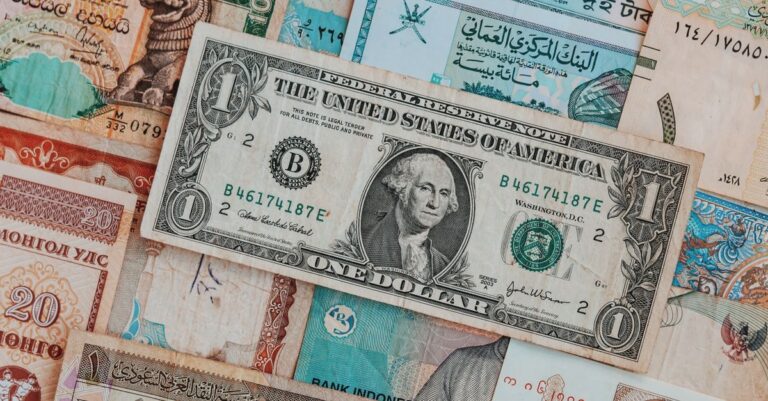
Navigating global markets means facing currency volatility. This guide arms you with strategies to protect your wealth and make informed financial decisions amidst fluctuating exchange rates.
The global economy is a complex web, and for anyone engaged with it—whether through international investments, overseas travel, or simply purchasing goods—the often-unseen force of currency volatility can have a significant impact. We often focus on stock market swings or interest rate changes in our own country, but the fluctuating value of our home currency against others is a silent influencer of wealth.
Consider a situation where you’ve invested in an international fund. You might track the performance of the underlying stocks, but a sudden shift in exchange rates could either amplify or erase your gains, regardless of how well those companies performed. Or perhaps you’re planning a dream vacation abroad, only to find your budget stretched thin because the local currency has strengthened against yours. These scenarios highlight why understanding and planning for currency volatility is crucial for financial well-being.
Understanding Currency Volatility: Why Exchange Rates Move
Currency exchange rates are not static; they are dynamic reflections of economic health, policy decisions, and market sentiment between two countries. Many factors contribute to these shifts, making them sometimes unpredictable for the average observer. Major influences include interest rate differentials, trade balances, economic growth, and political stability.
When a central bank raises interest rates, it typically makes that country’s currency more attractive to foreign investors seeking higher returns on their savings and investments. Conversely, lower rates can make a currency less appealing. Trade balances also play a role: a country that exports more than it imports generally sees its currency strengthen as foreign buyers convert their money to purchase its goods and services.
The Silent Impact on Your Personal Finances
Currency fluctuations extend beyond the headlines, directly touching various aspects of your financial life:
- International Investments: For those holding foreign stocks, bonds, or mutual funds, a weakening of the foreign currency against your home currency can diminish your returns when converting back. Conversely, a strengthening foreign currency boosts your returns.
- Travel and Overseas Spending: Planning a trip? A strong local currency makes foreign destinations more affordable, as your money buys more. A weak local currency, however, can make that same trip significantly more expensive, impacting accommodation, dining, and activity costs.
- Imported Goods and Services: Many everyday items, from electronics to food, rely on global supply chains. When your domestic currency weakens, imported goods become more expensive, potentially leading to higher prices for consumers and contributing to inflation.
- Remittances and Overseas Income: If you send money abroad or receive income from another country, currency movements directly affect the value of those transactions. A favorable exchange rate means more purchasing power for the recipient or a larger sum received domestically.
Observations from Navigating Currency Swings
Having observed global markets for years, a few truths about currency dynamics consistently emerge, offering valuable perspective for personal financial planning:
First, government intervention often offers fleeting relief. While central banks or finance ministries might step in to buy or sell vast sums of currency to stabilize rates, these actions frequently provide only short-term correction. Unless the underlying economic fundamentals shift, the market often reverts to its prior trajectory, highlighting that artificial manipulation struggles against fundamental forces like interest rate differentials or trade deficits.
Second, the interest rate gap is a powerful current. The difference in interest rates between two economies is a primary driver of currency flows. Investors are always chasing higher yields, leading to what’s known as “carry trades” where money is borrowed in a low-interest-rate currency and invested in a higher-yielding one. This creates persistent pressure on currencies, making those with significantly lower rates vulnerable to weakening over time if other factors don’t compensate.
Third, diversification is your fundamental shield, beyond just asset classes. Most investors understand the importance of diversifying across stocks, bonds, and real estate. However, true diversification should also consider geographic and currency exposure. Holding assets denominated in different major currencies can help smooth out overall portfolio returns, as a loss in one currency’s value might be offset by a gain in another.
Fourth, long-term perspectives can buffer short-term shocks. While daily or weekly currency movements can be dramatic, for long-term investors, these short-term fluctuations often normalize over extended periods. Trying to time currency markets is notoriously difficult, even for professionals. A disciplined, long-term investment approach, coupled with strategic diversification, generally proves more effective than reactive adjustments.
Strategies to Mitigate Currency Volatility Risk
While you cannot control currency markets, you can implement strategies to protect and even benefit your financial situation from currency fluctuations.
For Investors and Savers
When investing internationally, consider your exposure. Geographic diversification across different economies naturally spreads your currency risk. Additionally, some investment products, such as currency-hedged exchange-traded funds (ETFs) or mutual funds, can help minimize the impact of currency movements on your returns. These funds use derivatives to offset currency fluctuations, providing a return closer to the local market performance.
For long-term international investments, dollar-cost averaging can be a powerful tool. By investing a fixed amount regularly, you automatically buy more foreign currency when it’s weaker and less when it’s stronger, averaging out your exchange rate over time. This approach removes the guesswork of trying to time the market, which is almost impossible to do consistently.
For Travelers and Overseas Spenders
Monitoring exchange rates before a trip can help you decide when to convert funds. If your home currency is strong, converting a portion of your travel budget ahead of time could lock in a favorable rate. Utilizing credit cards without foreign transaction fees is another smart move, as they typically offer competitive interbank rates, avoiding extra charges that can add up.
Always budget with a buffer for international travel. Assuming a slightly less favorable exchange rate than current levels can help absorb unexpected currency shifts without derailing your plans. This small adjustment in your financial planning can prevent stress if the market moves against you during your trip.
For Everyday Consumers and Budgeting
Being aware of the origins of goods you frequently purchase can give you an edge. If a significant portion of your budget goes to imported items, understanding the direction of your home currency can help you anticipate potential price changes. In times of a weakening local currency, exploring domestic alternatives can be a cost-saving strategy.
Factor potential price increases due to currency shifts into your household budget for essential imported goods. This proactive approach allows you to adjust spending elsewhere or seek out more affordable options before your purchasing power noticeably declines. Small changes in spending habits can create significant savings over time when external economic factors are at play.
Making Informed Financial Decisions Amidst Volatility
A structured approach to financial decision-making is essential when dealing with external economic factors like currency volatility. Start by assessing your current exposure: how much of your wealth is tied to foreign currencies, either directly or indirectly? This might include international stock holdings, a foreign savings account, or even the cost of your favorite imported coffee beans.
Define your risk tolerance. Are you comfortable with potential swings in value for the chance of higher returns, or do you prioritize stability? Your answer will guide how aggressively you pursue hedging strategies or diversify your holdings. Remember, all investment decisions involve trade-offs between risk and potential reward.
Finally, stay informed through reputable financial news sources, but avoid knee-jerk reactions. Market commentary can be useful, but emotional decisions based on short-term headlines often lead to poor outcomes. Consult with a trusted financial advisor who can provide tailored advice based on your unique financial situation and goals. They can help you implement a robust plan that considers currency risk as part of your overall wealth management strategy.
Frequently Asked Questions
How can I protect my international investments from currency swings?
You can protect international investments by diversifying across different currencies and geographies. Consider using currency-hedged investment products like ETFs or mutual funds, which are designed to minimize the impact of exchange rate fluctuations. Additionally, employing a dollar-cost averaging strategy can help smooth out your average purchase price over time.
Should I hedge against currency volatility for everyday spending or travel?
For everyday spending, direct hedging is generally impractical. Instead, focus on using credit cards with no foreign transaction fees and monitoring exchange rates for larger purchases. For travel, converting some funds when your home currency is strong or budgeting with a buffer for potential rate changes are practical strategies to mitigate the impact of currency volatility.
What role do interest rates play in currency value changes?
Interest rates play a significant role. Higher interest rates in a country tend to attract foreign investment, increasing demand for that country’s currency and causing it to strengthen. Conversely, lower interest rates can make a currency less attractive, leading to its depreciation. The differential between interest rates in two countries is a key driver of currency exchange rates.
Is currency volatility always a negative for my finances?
Not necessarily. While currency volatility can pose risks, it can also present opportunities. For instance, if you hold assets in a foreign currency that strengthens against your home currency, your wealth denominated in that foreign currency increases when converted back. Similarly, a strong home currency makes international travel and imported goods more affordable. The key is to manage your exposure strategically.